
|
Have questions?
Contact us
Already a member? Sign in
|
Get every literary device explanation for The Importance of Being Earnest
Plus so much more...
Sign up for LitCharts A+
Get instant access to every literary device explanation, plus so much more...
Dramatic Irony
Explanation and Analysis—The Novel and the Handbag:
A conversation between Cecily and Miss Prism in Act 2, Part 1 foreshadows the revelation that occurs at the end of the play:
Miss Prism: Do not speak slightingly of the three-volume novel, Cecily. I wrote one myself in earlier days.
Cecily: Did you really, Miss Prism? How wonderfully clever you are! I hope it did not end happily? I don't like novels that end happily. They depress me so much.
Miss Prism: The good ended happily, and the bad unhappily. That is what Fiction means.
Cecily: I suppose so. But it seems very unfair. And was your novel ever published?
Miss Prism: Alas! no. The manuscript unfortunately was abandoned. I use the word in the sense of lost or mislaid.
Miss Prism makes sure to specify that she did not abandon the pursuit of novel-writing—she actually physically lost the manuscript. At the time, this seems like an odd detail to emphasize, but the comment makes sense later on in the play, when Miss Prism reveals that, having confused her manuscript for a baby she was tending, she placed the former in a perambulator and the latter in a handbag.
Just as this earlier moment of foreshadowing pays off, it leads into a moment of dramatic irony. From the moment Miss Prism mentions the handbag, the audience, who learned earlier in the play that Jack was found in a handbag when he was a baby, immediately knows that he is the infant Miss Prism abandoned. In Act 3, Part 2, Jack presses Miss Prism for more information:
Jack: [Who has been listening attentively]. But where did you deposit the hand-bag?
Miss Prism: Do not ask me, Mr. Worthing.
Jack: Miss Prism, this is a matter of no small importance to me. I insist on knowing where you deposited the hand-bag that contained that infant.
Miss Prism: I left it in the cloak-room of one of the larger railway stations in London.
Jack: What railway station?
Miss Prism: [Quite crushed]. Victoria. The Brighton line.
This exchange is especially ironic because it is not enough for Jack to know that the baby in a handbag was abandoned 28 years ago at a railway station (as if multiple babies were abandoned that same year under identical circumstances), he needs to know the exact name of the railway station.
Miss Prism confirms that the handbag in which she placed the baby is the same handbag in which Jack was found, but her attitude in Act 3, Part 2, in keeping with the play's comical mood, is utterly absurd:
Miss Prism: The bag is undoubtedly mine. I am delighted to have it so unexpectedly restored to me. It has been a great inconvenience being without it all these years.
This line is ironic because Miss Prism, who for some reason seems to have gone 28 years without buying a replacement handbag, is more concerned about the bag than she is about the baby.
Miss Prism's statement that the good ended happily and the bad unhappily in her novel also foreshadows the end of the play, in which all four lovers end up happily united, with Lady Bracknell begrudgingly allowing the engagements to proceed. Cecily's comment that the ending of Miss Prism's novel seems rather unfair also foreshadows the fact that the "heroes" of the play go unpunished for all their deceit and immoral behavior.
Monthly
Annual (Best Value)

$595USD/mo
Charged $71.40 USD every year
Quote explanations & citation info

Every PDF download
Printable PDFs for every guide
"Would not have made it through without the printable PDFs. They're like having in-class notes for every discussion!"
– LitCharts A⁺ user
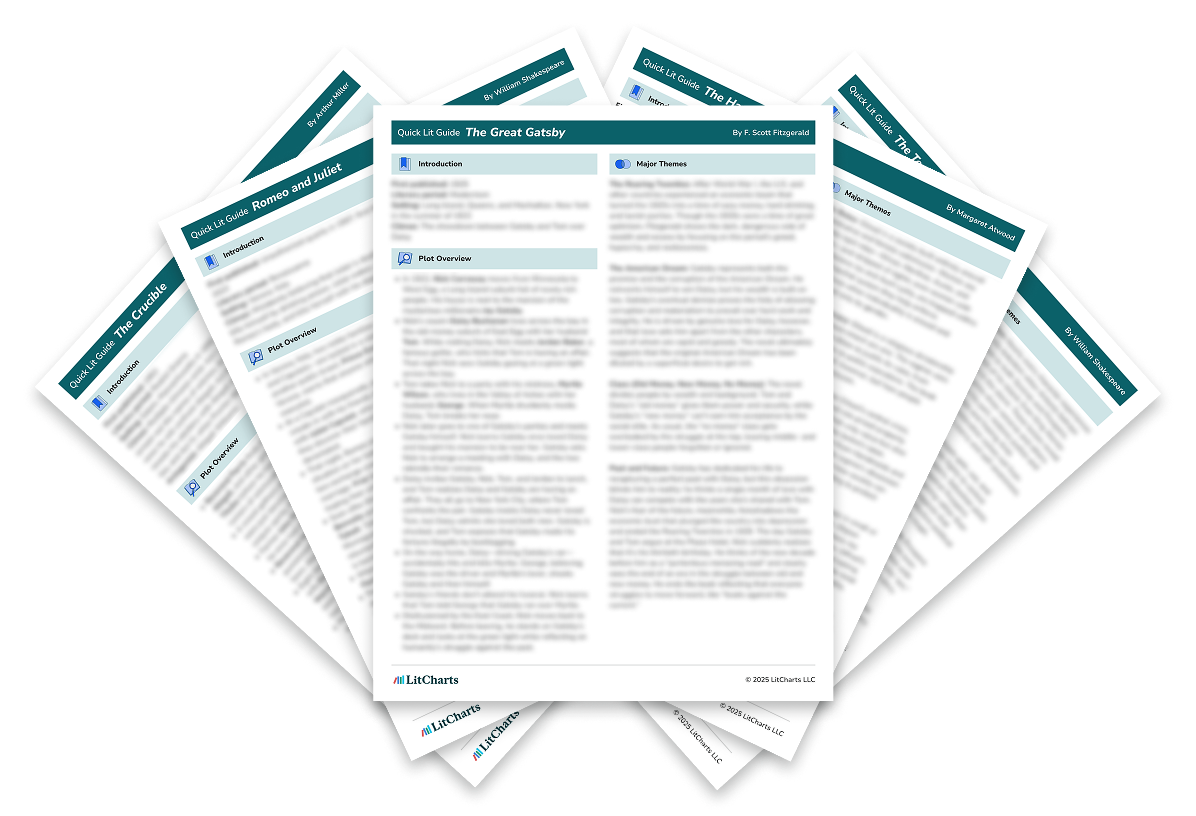
One-page Quick Lit Guides
Understand key basics—fast
Printable, one-page guides that cover the plot points, themes, and ideas you need to know.
Detailed chapter analysis
Get what happens and what it means
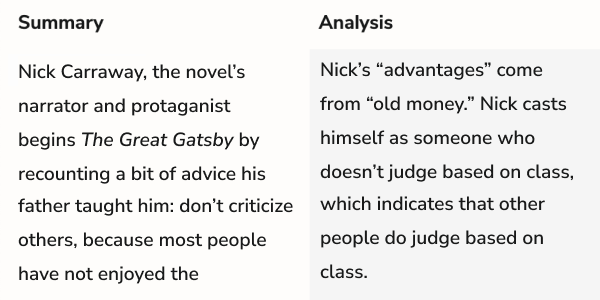
Targeted analysis next to the summary ensures you’ll understand more than just the plot.
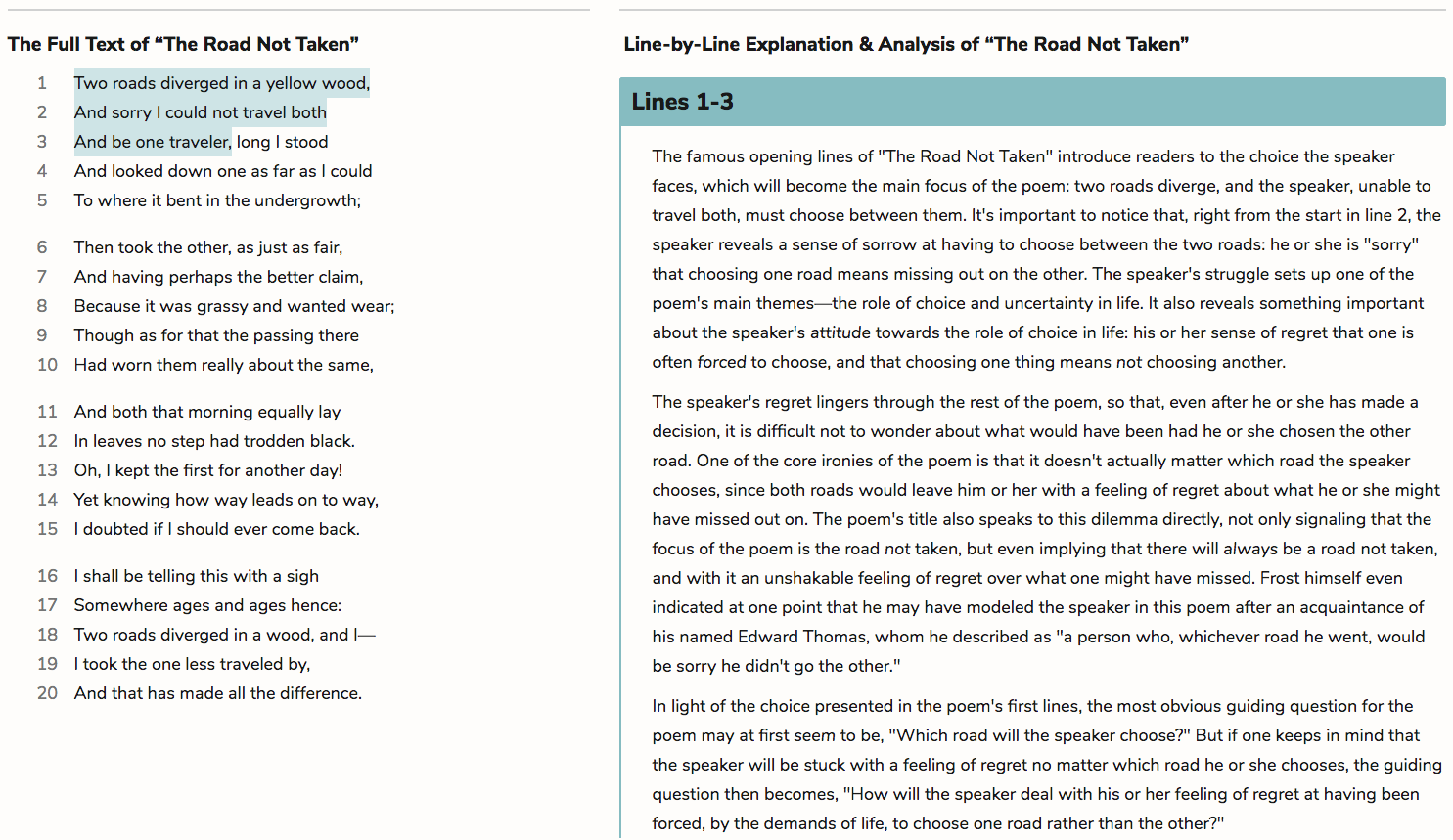
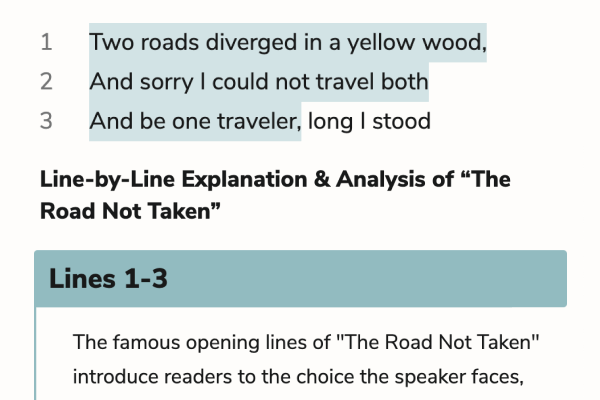
Line-by-line poetry analysis
Get the meaning in every line
Never feel lost reading a poem again with clear and in-depth analysis of each and every line.
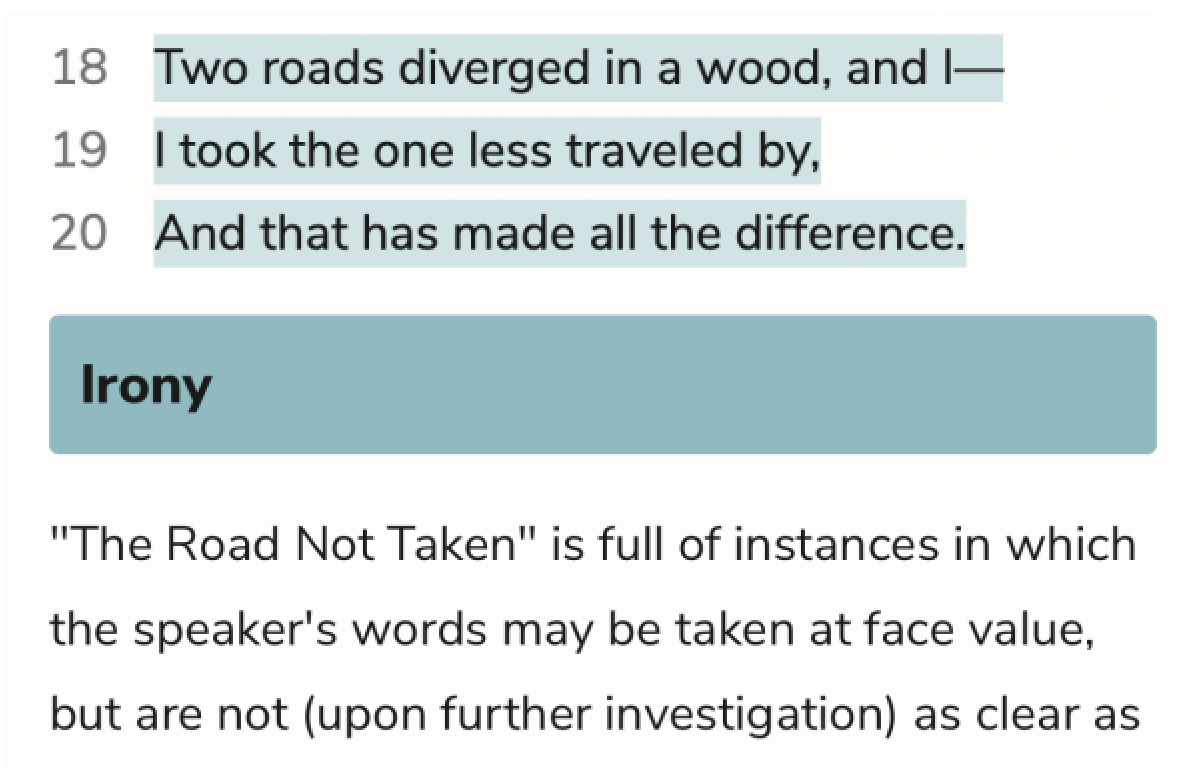
Literary & poetic device analysis
Decode the author’s language
Quickly find and understand the key devices in whatever you’re reading.
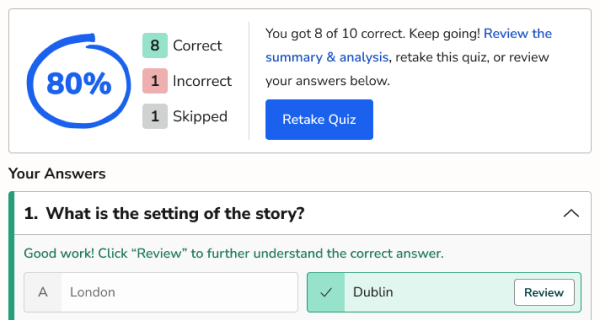
Unlimited quizzes
Unlimited quizzes and feedback
Boost your learning with quizzes that pinpoint and address knowledge gaps.
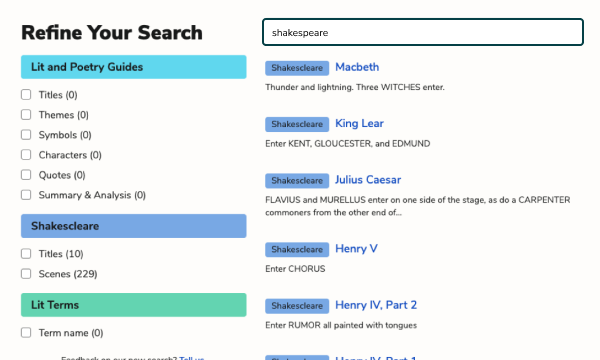
Advanced search
Find exactly what you need
Refine your search using advanced filters like genre, time period, literary movement, author context, grade level, and more.
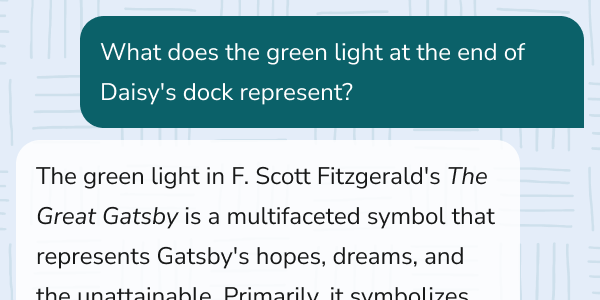
Ask LitCharts AI
Ask LitCharts AI
Instant answers to all your lit questions. Powered by LitCharts content and AI.
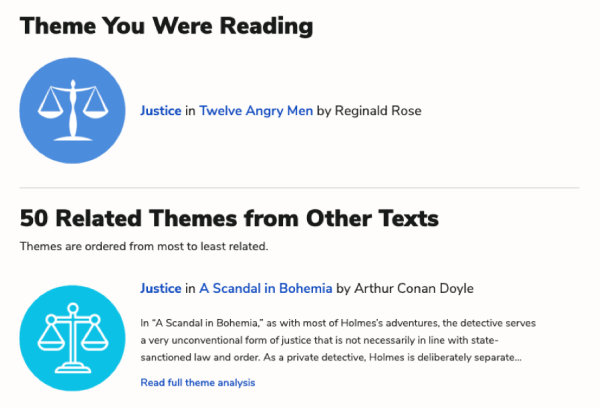
Theme comparisons across books
Compare and contrast
Identify similar themes across books, making comparisons fast and simple.
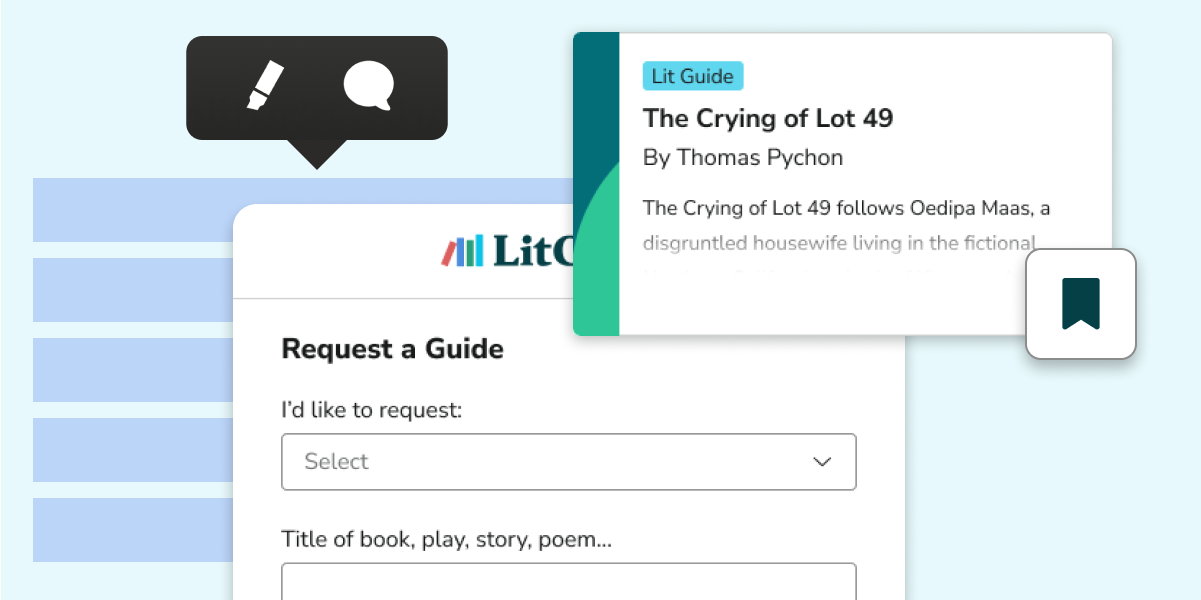
Highlight, take notes, & save guides
Make LitCharts your own
Add highlights or notes, save guides for easy access later, and request new titles.
 Teacher
$795USD/mo
Charged $95.40 USD every year
Quote explanations & citation info
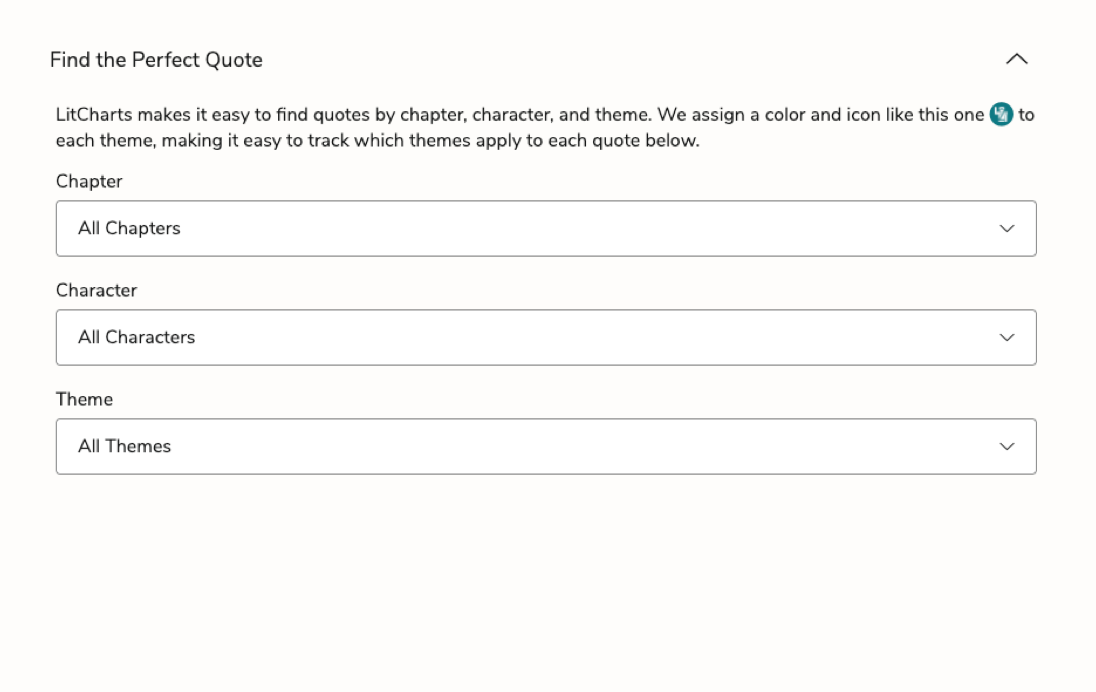
Find the perfect quote
Then understand it perfectly. And get the citation, too. For all 35,000+ quotes we cover.
Every PDF download
Printable PDFs for every guide
"Would not have made it through without the printable PDFs. They're like having in-class notes for every discussion!"
– LitCharts A⁺ user
One-page Quick Lit Guides
Understand key basics—fast
Printable, one-page guides that cover the plot points, themes, and ideas you need to know.
Detailed chapter analysis
Get what happens and what it means
Targeted analysis next to the summary ensures you’ll understand more than just the plot.
Line-by-line poetry analysis
Get the meaning in every line
Never feel lost reading a poem again with clear and in-depth analysis of each and every line.
Literary & poetic device analysis
Decode the author’s language
Quickly find and understand the key devices in whatever you’re reading.
Unlimited quizzes
Unlimited quizzes and feedback
Boost your learning with quizzes that pinpoint and address knowledge gaps.
Advanced search
Find exactly what you need
Refine your search using advanced filters like genre, time period, literary movement, author context, grade level, and more.
Ask LitCharts AI
Ask LitCharts AI
Instant answers to all your lit questions. Powered by LitCharts content and AI.
Theme comparisons across books
Compare and contrast
Identify similar themes across books, making comparisons fast and simple.
Highlight, take notes, & save guides
Make LitCharts your own
Add highlights or notes, save guides for easy access later, and request new titles.
Teacher editions
Save time with in-depth organizers
"THE best teaching resource I have ever used. My students love the handouts."
– LitCharts A⁺ User
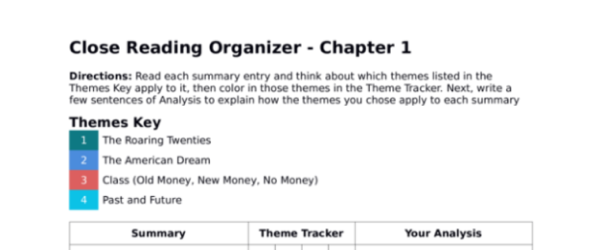
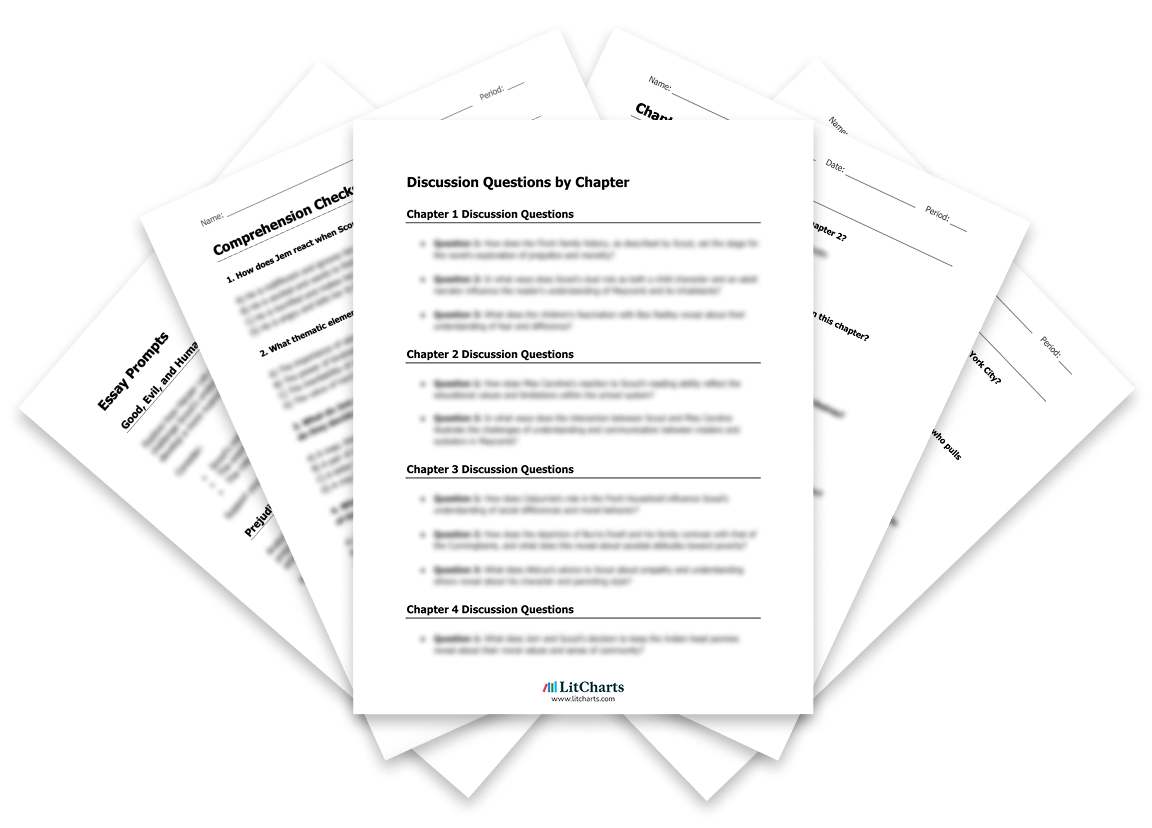
Printable classroom resources
Cut prep time in half
Essay prompts, discussion questions, and comprehension checks—easy to print and ready to use in class.
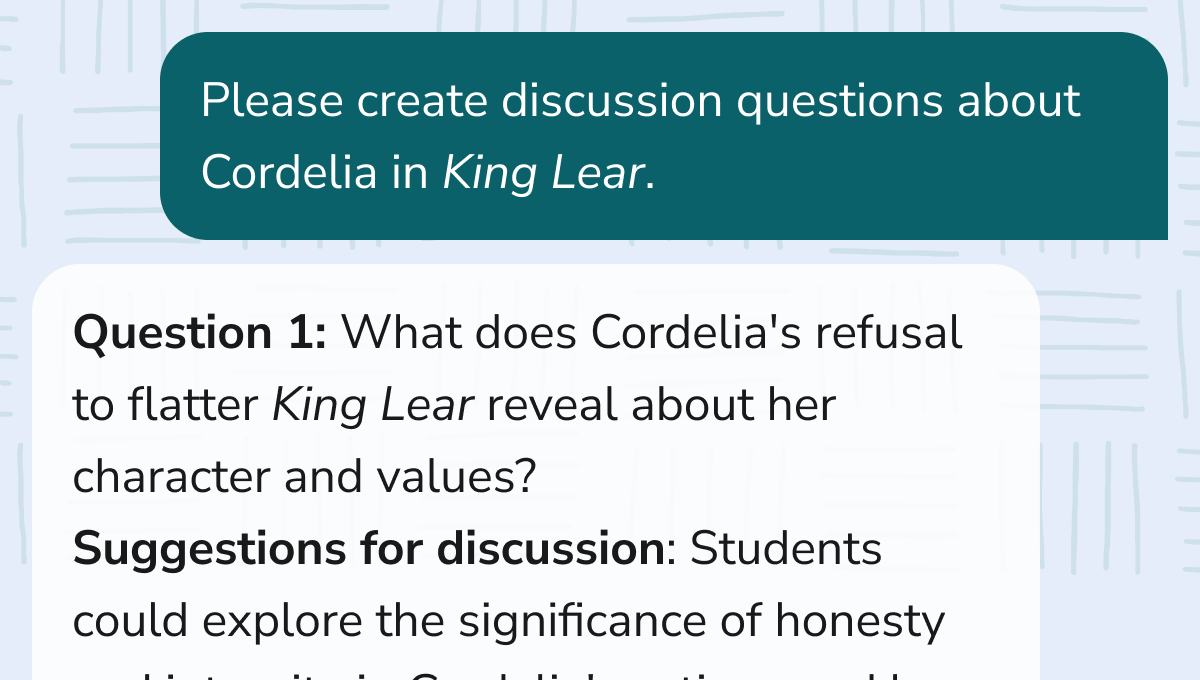
Discussion question generator
Discussion question generator
Instantly create discussion questions that get people talking, through the power of LitCharts analysis and AI.
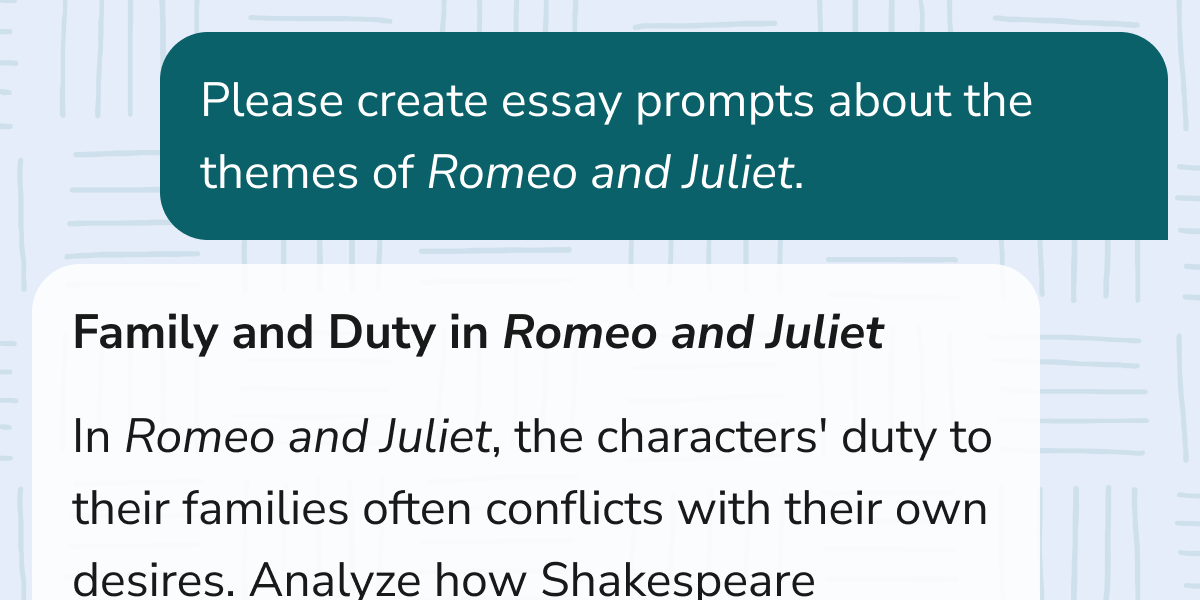
Essay prompt generator
Essay prompt generator
Quickly create thought-provoking essay prompts that will get your students writing, powered by LitCharts analysis and AI.
Quiz question generator
Quiz question generator
Effortlessly generate targeted quiz questions, powered by the world’s best literary analysis and AI.


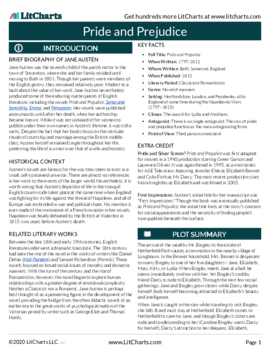
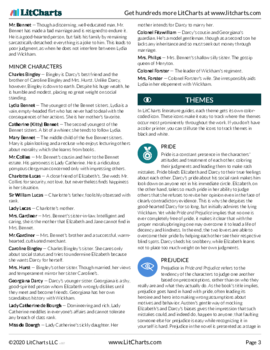
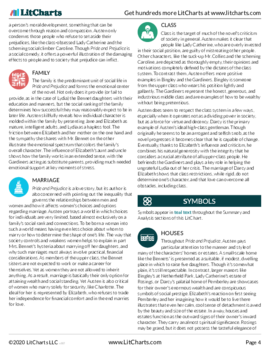
Literature Guide PDFs
LitCharts PDFs for every book you'll read this year.
Instant PDF downloads of all 2262 LitCharts literature guides and of every new one we publish. Try a free sample literature guide.
"Would not have made it through AP Literature without the printable PDFs. They're like having in-class notes for every discussion!"



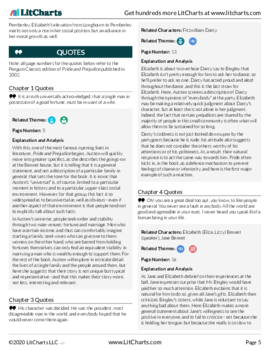


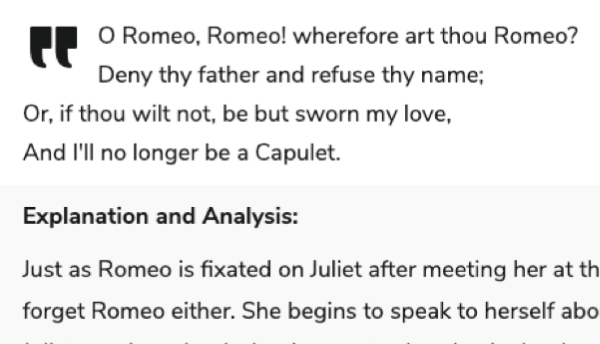
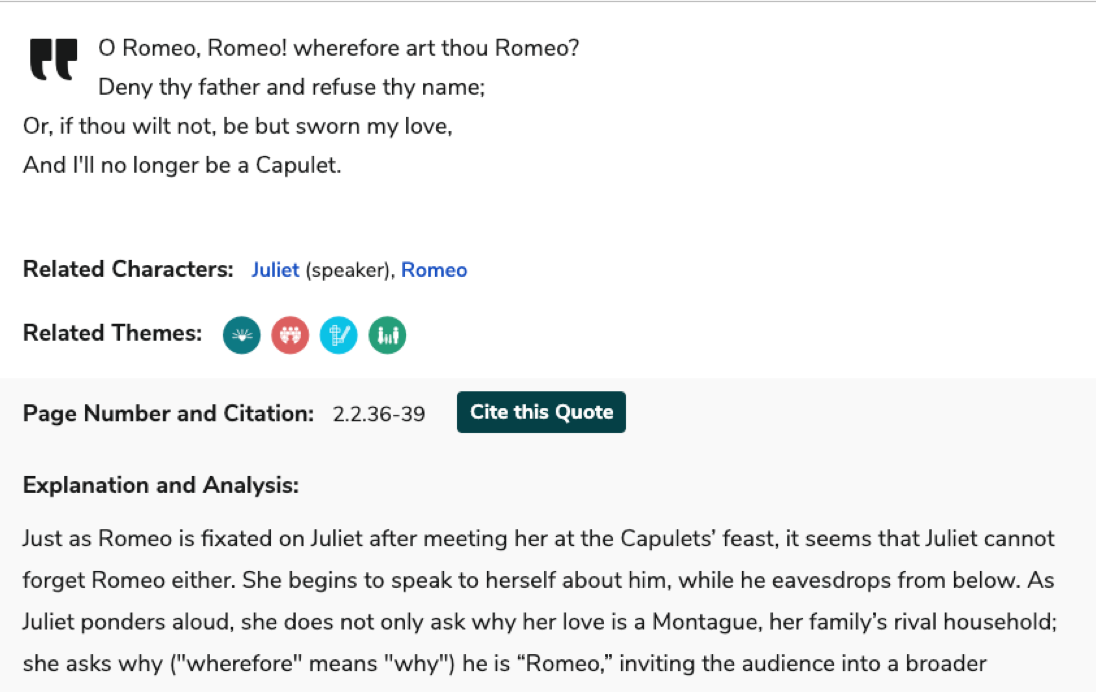
Quotes Explanations
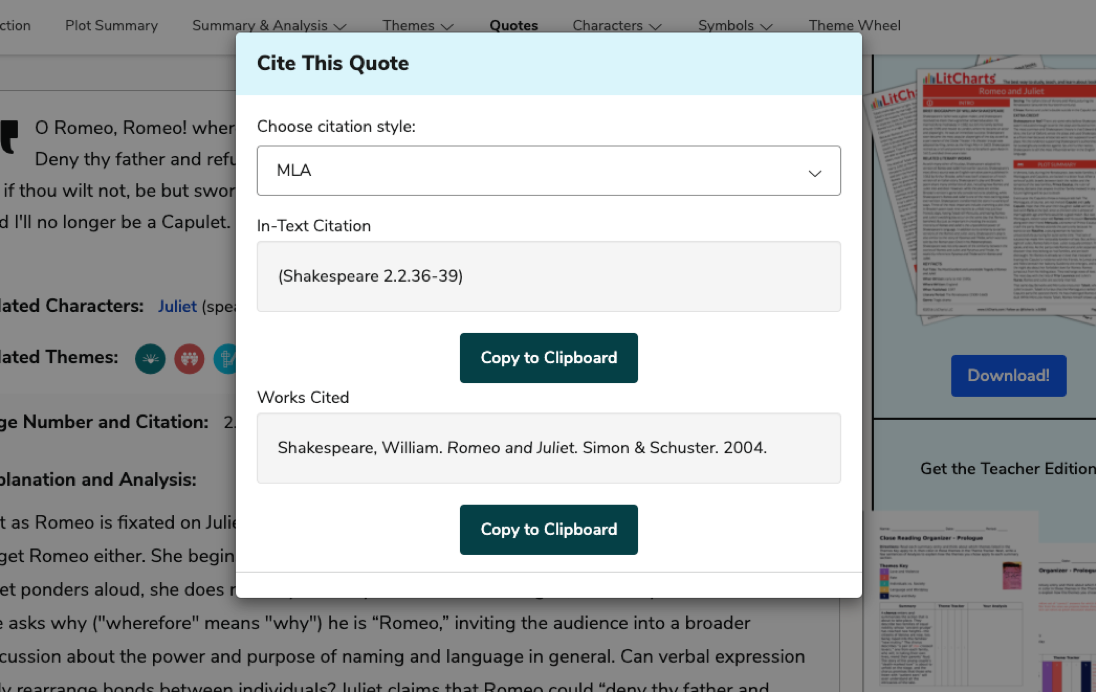
Find the perfect quote. Understand it perfectly. Then rock the citation, too.
For all 50,459 quotes we cover.
For all 50,459 quotes we cover.


Teacher Editions
Close reading made easy for students.
Time saved for teachers.
For every book we cover.
Time saved for teachers.
For every book we cover.
Teacher Edition Contents

|
Close Reading Organizers |

|
Character Analysis Organizers |

|
Symbol Analysis Organizers |

|
Theme Analysis Organizers |

|
Quote Analysis Organizers |
Common Core-aligned
""
Try a free and complete sample Teacher Edition.


PDFs of modern translations of every one of Shakespeare's 37 plays, 154 sonnets, and 3 longer poems.
Every translation available to download as a PDF.
Try a free sample Shakespeare translation.
"Every teacher of literature should use these translations. They completely demystify Shakespeare. Students love them!"

Literary Terms and Devices
Definitions and examples for every literary term and device you need to know.
Plus a quick-reference PDF with concise definitions of all 136 terms in one place.
Plus a quick-reference PDF with concise definitions of all 136 terms in one place.
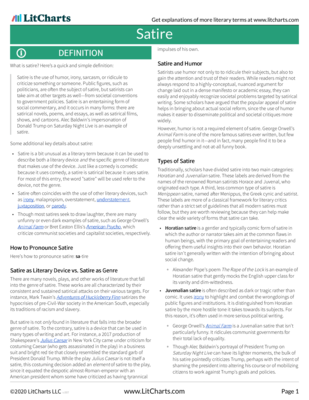
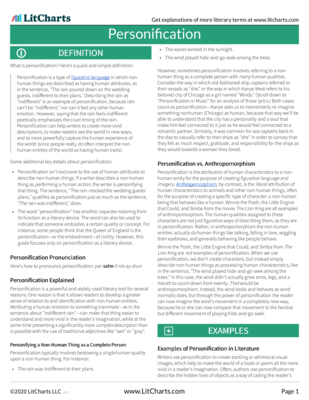
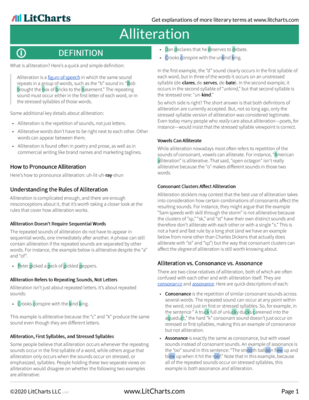
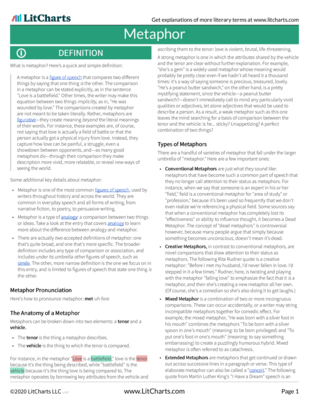
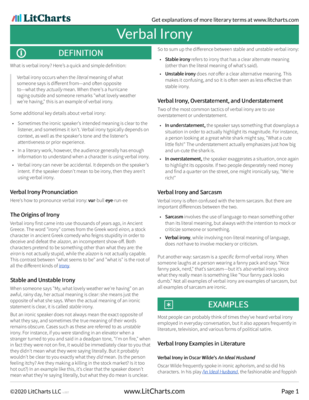
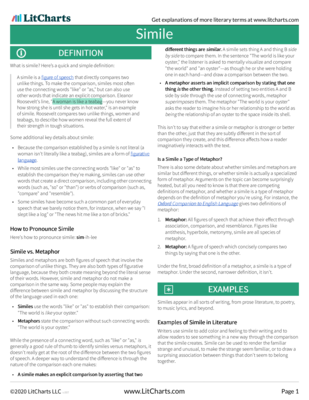
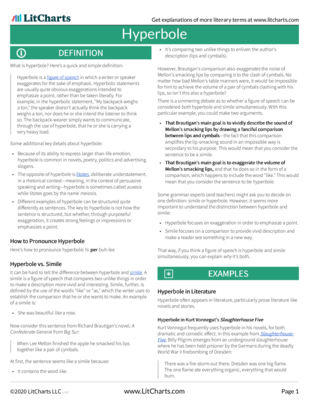
Try a free sample literary term PDF.


Advanced Search
Refine any search. Find related themes, quotes, symbols, characters, and more.
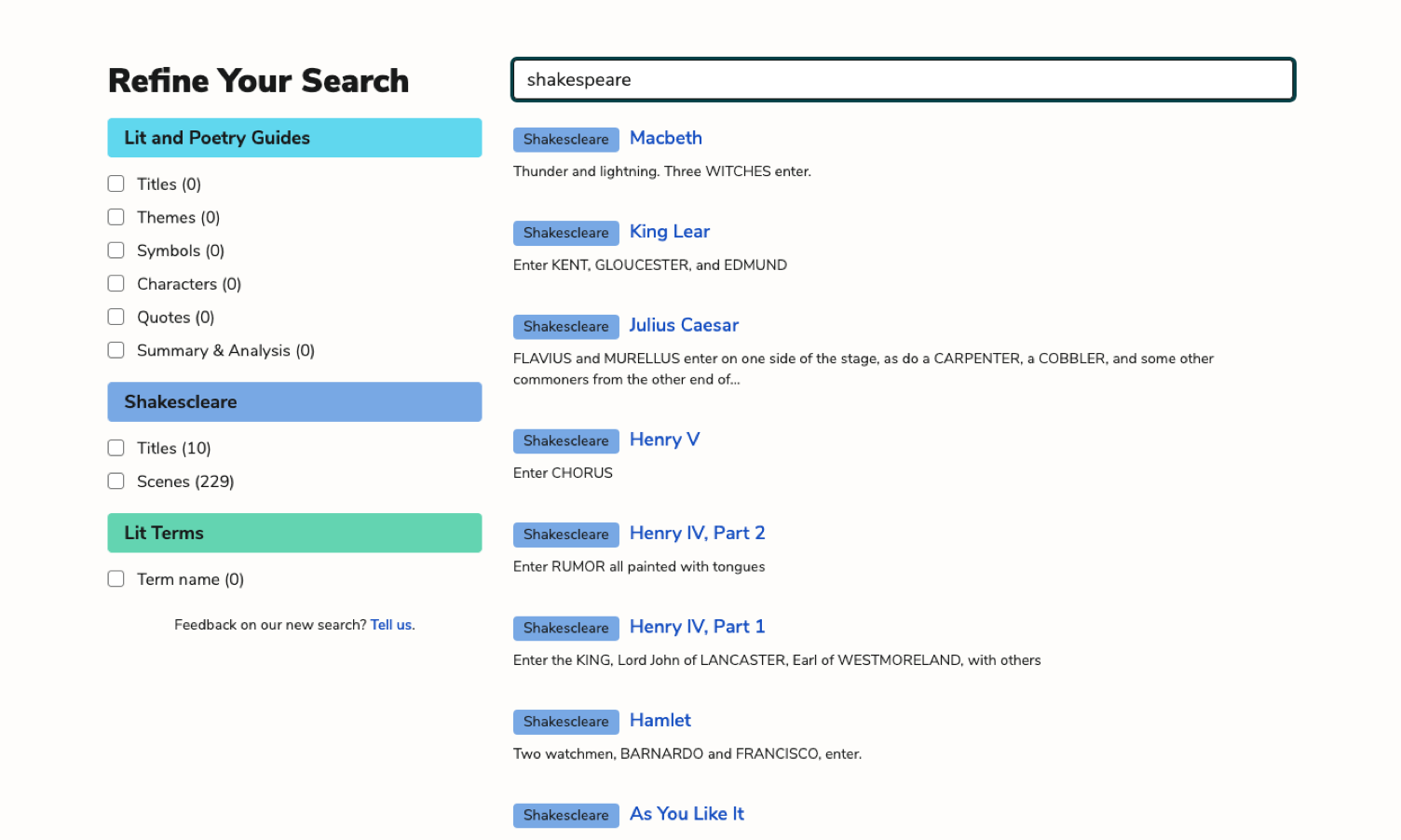

Related Themes
Comparing and contrasting texts? Find where any theme occurs across all of LitCharts in seconds.


Poetry Guides
Line-by-line explanations and analysis of figurative language and poetic devices.
For every lyric poem we cover.
For every lyric poem we cover.