
|
Have questions?
Contact us
Already a member? Sign in
|
Get every literary device explanation for Beloved
Plus so much more...
Sign up for LitCharts A+
Get instant access to every literary device explanation, plus so much more...
Flashback
Explanation and Analysis—Rememory:
The novel uses a non-linear narrative structure to explore how the past impacts the present. Beloved is centered around numerous flashbacks that provide context for the way characters act in the present day. The concept of "rememory" in Chapter 3 illuminates the way the novel uses flashbacks:
Some things go. Pass on. Some things just stay. I used to think it was my rememory. You know. Some things you forget. Other things you never do. But it’s not. Places, places are still there. If a house burns down, it’s gone, but the place—the picture of it—stays, and not just in my rememory, but out there, in the world. What I remember is a picture floating around out there outside my head. I mean, even if I don’t think it, even if I die, the picture of what I did, or knew, or saw is still out there. Right in the place where it happened.
The novel puts the past and present in dialogue through flashbacks, or "rememories." The prevalence of flashbacks in the narrative exemplifies the sticking power of the past by embedding the past in discussions of the present. The prefix "re" in "rememory" emphasizes the cyclical nature of memory as always happening, which the novel communicates through tense. Outside of dialogue or a character's thoughts, Beloved is in a perpetual past tense that further blurs the boundary between memory and the present. The novel only breaks this with the disappearance of Beloved. After this shift, the line between the past and the present is stark, such as the change from present to past tense at the start of Paul D's flashback in Chapter 27:
As a matter of fact, Paul D doesn’t care how It went or even why. He cares about how he left and why. When he looks at himself through Garner’s eyes, he sees one thing. Through Sixo’s, another. One makes him feel righteous. One makes him feel ashamed. Like the time he worked both sides of the War. Running away from the Northpoint Bank and Railway to join the 44th Colored Regiment in Tennessee, he thought he had made it, only to discover he had arrived at another colored regiment forming under a commander in New Jersey.
Before Beloved's banishment, flashbacks dominated the narrative and blended with the present due to the lack of tense change. By relegating the past tense to flashbacks, Paul D (and everyone else) can finally live in the present instead of reliving the past.
The novel also uses flashbacks to capture events from multiple perspectives. For example, Beloved's murder is told from three perspectives to different effects. Stamp Paid’s perspective communicates the community's frightened perception of Sethe and anger at her prideful disconnect from the community. In contrast, Sethe’s perspective reveals her love and fear for her children and her resulting loneliness when the community abandons her. Finally, Schoolteacher’s perspective depicts his dehumanization of Sethe and his callous disappointment that his nephew’s “mishandling” resulted in such a loss of profit.
Monthly
Annual (Best Value)

$595USD/mo
Charged $71.40 USD every year
Quote explanations & citation info

Every PDF download
Printable PDFs for every guide
"Would not have made it through without the printable PDFs. They're like having in-class notes for every discussion!"
– LitCharts A⁺ user
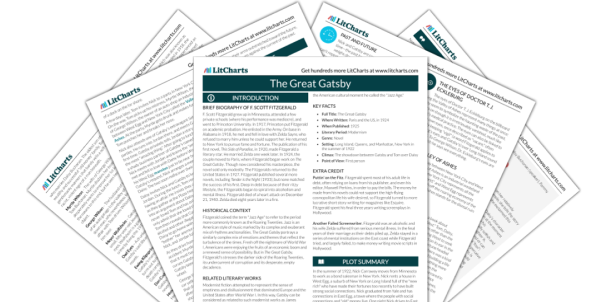
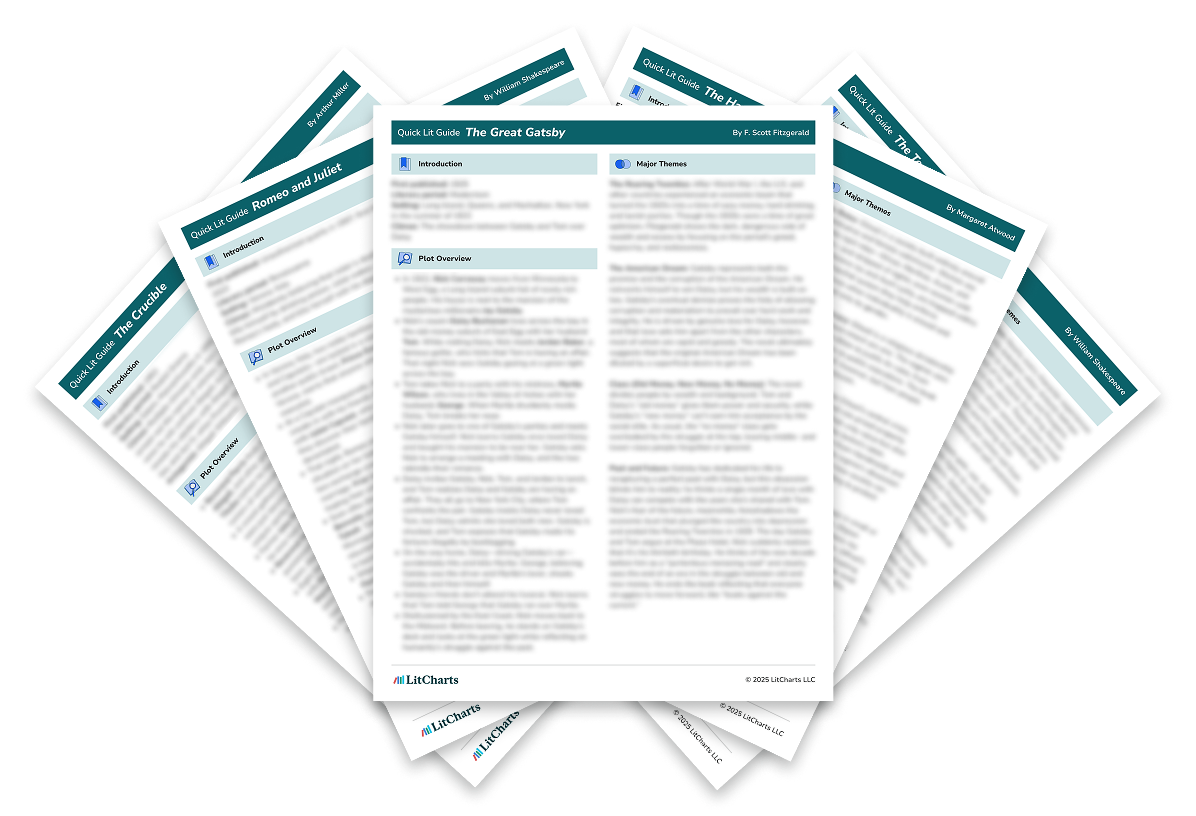
One-page Quick Lit Guides
Understand key basics—fast
Printable, one-page guides that cover the plot points, themes, and ideas you need to know.
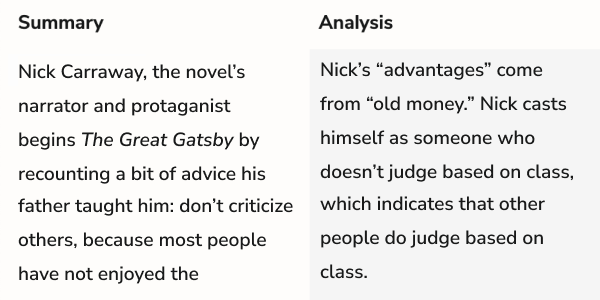
Detailed chapter analysis
Get what happens and what it means
Targeted analysis next to the summary ensures you’ll understand more than just the plot.
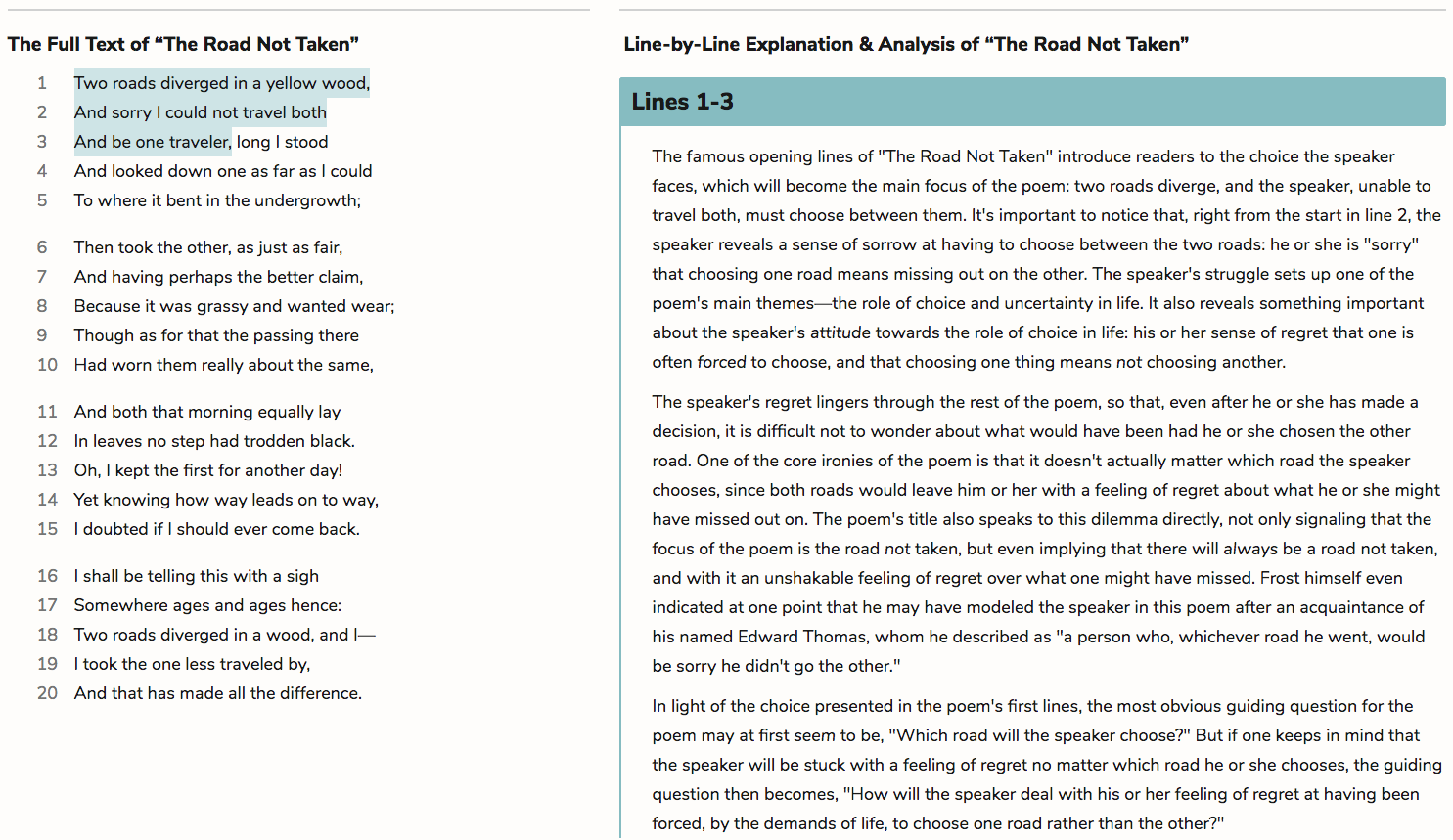
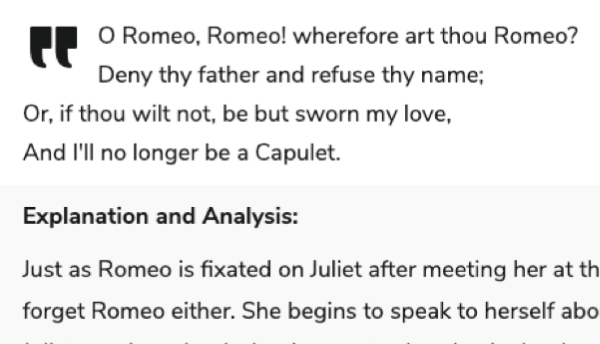
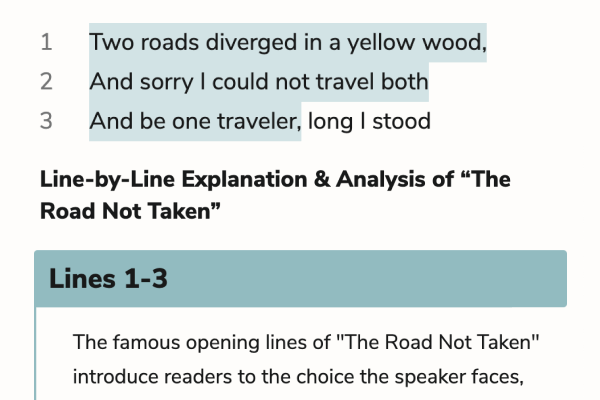
Line-by-line poetry analysis
Get the meaning in every line
Never feel lost reading a poem again with clear and in-depth analysis of each and every line.
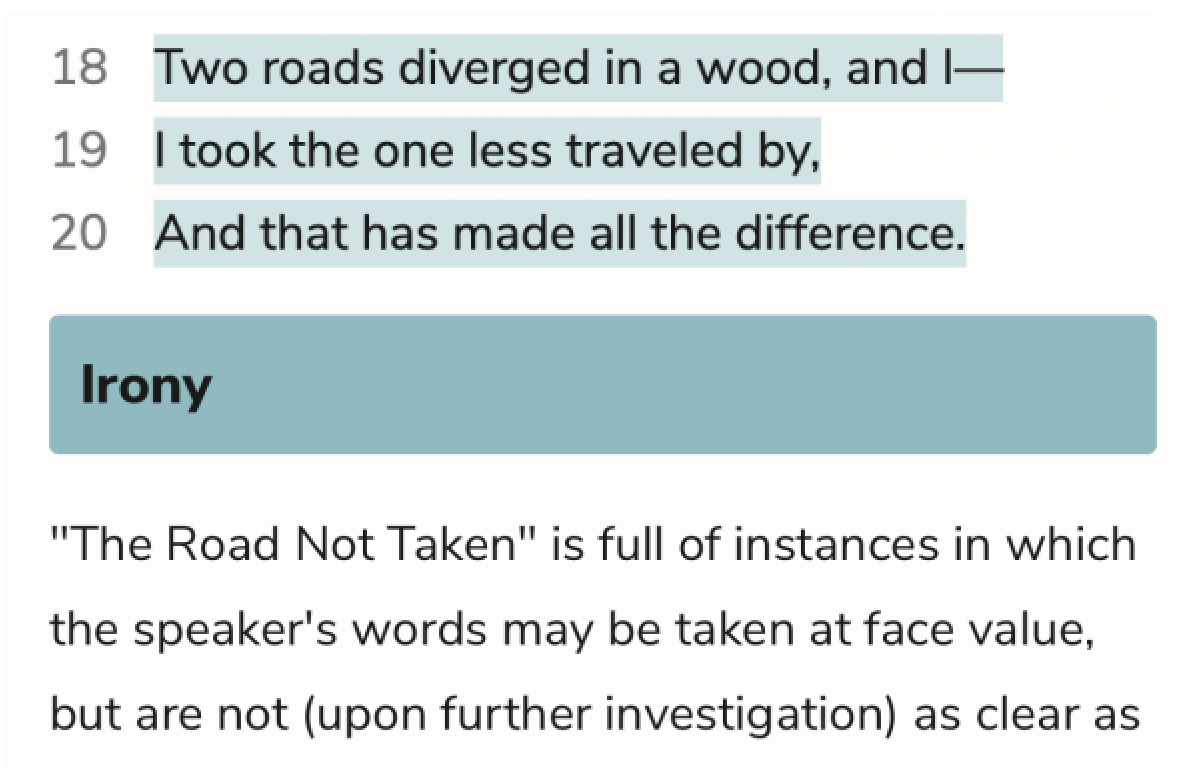
Literary & poetic device analysis
Decode the author’s language
Quickly find and understand the key devices in whatever you’re reading.
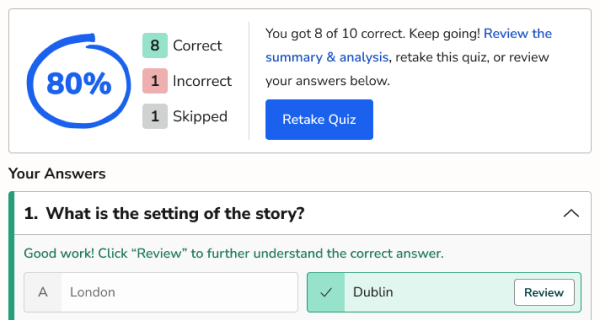
Unlimited quizzes
Unlimited quizzes and feedback
Boost your learning with quizzes that pinpoint and address knowledge gaps.
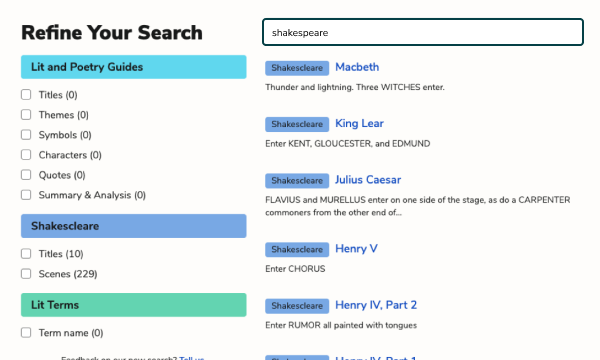
Advanced search
Find exactly what you need
Refine your search using advanced filters like genre, time period, literary movement, author context, grade level, and more.
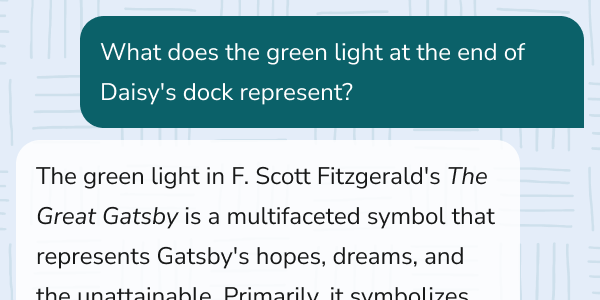
Ask LitCharts AI
Ask LitCharts AI
Instant answers to all your lit questions. Powered by LitCharts content and AI.
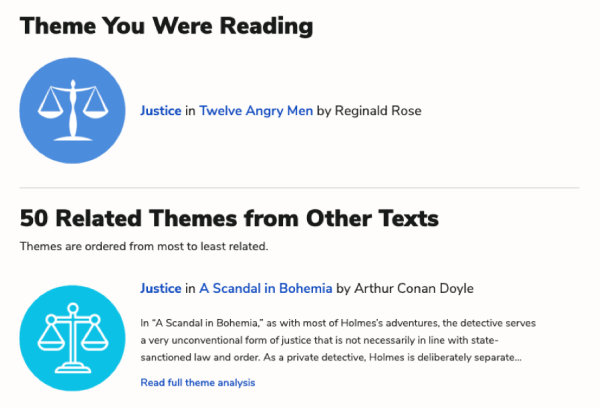
Theme comparisons across books
Compare and contrast
Identify similar themes across books, making comparisons fast and simple.
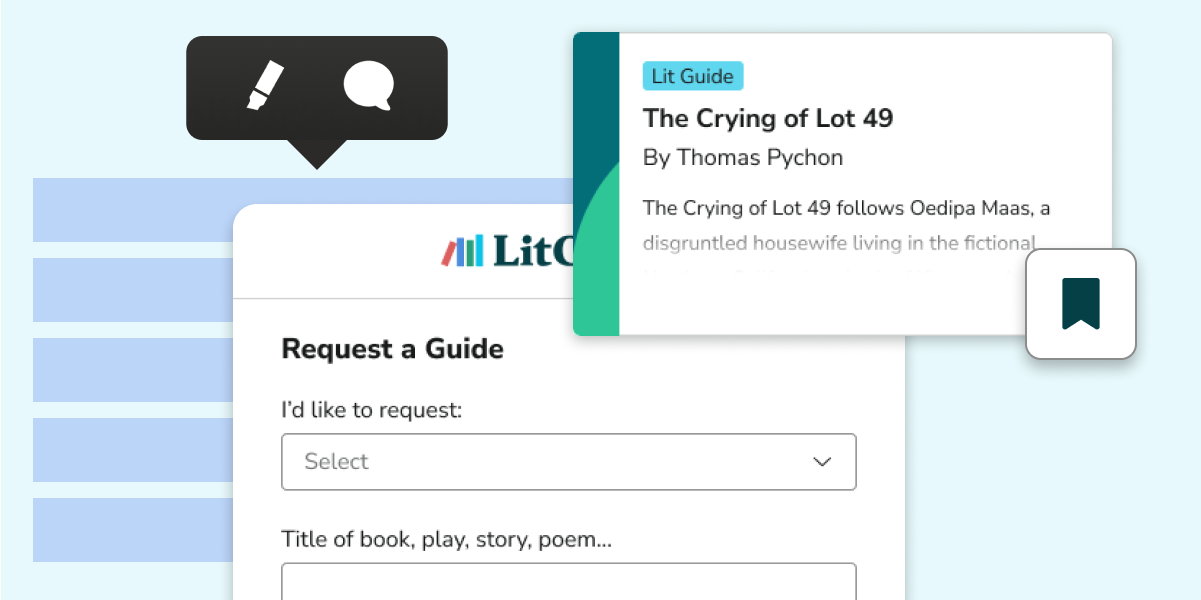
Highlight, take notes, & save guides
Make LitCharts your own
Add highlights or notes, save guides for easy access later, and request new titles.
 Teacher
$795USD/mo
Charged $95.40 USD every year
Quote explanations & citation info
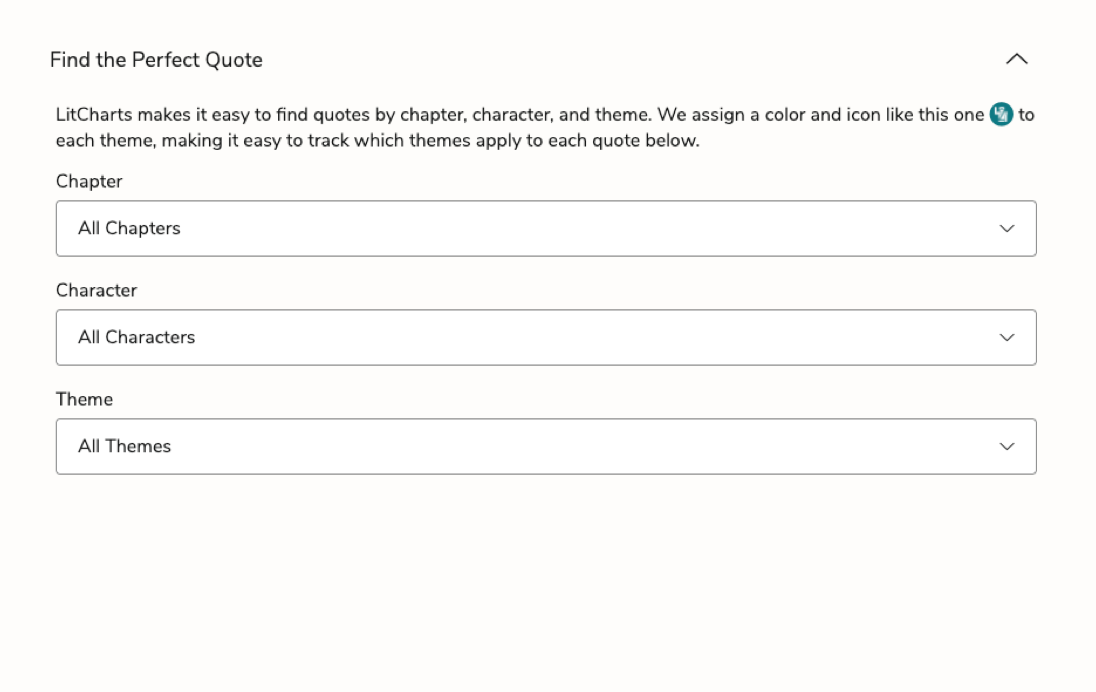
Find the perfect quote
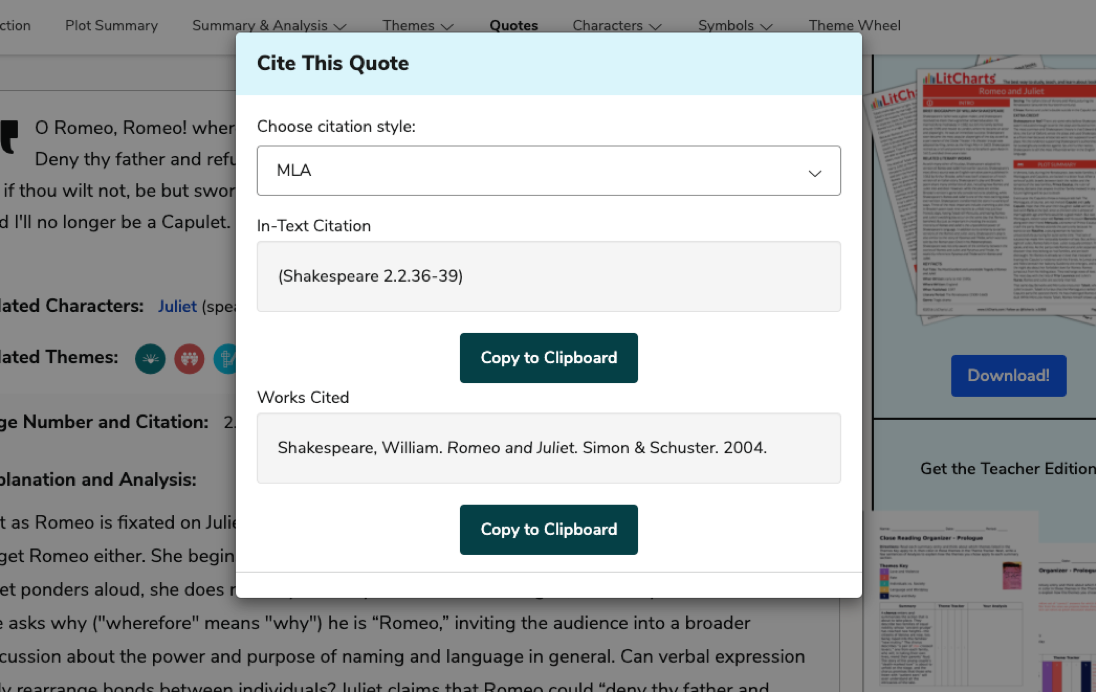
Then understand it perfectly. And get the citation, too. For all 35,000+ quotes we cover.
Every PDF download
Printable PDFs for every guide
"Would not have made it through without the printable PDFs. They're like having in-class notes for every discussion!"
– LitCharts A⁺ user
One-page Quick Lit Guides
Understand key basics—fast
Printable, one-page guides that cover the plot points, themes, and ideas you need to know.
Detailed chapter analysis
Get what happens and what it means
Targeted analysis next to the summary ensures you’ll understand more than just the plot.
Line-by-line poetry analysis
Get the meaning in every line
Never feel lost reading a poem again with clear and in-depth analysis of each and every line.
Literary & poetic device analysis
Decode the author’s language
Quickly find and understand the key devices in whatever you’re reading.
Unlimited quizzes
Unlimited quizzes and feedback
Boost your learning with quizzes that pinpoint and address knowledge gaps.
Advanced search
Find exactly what you need
Refine your search using advanced filters like genre, time period, literary movement, author context, grade level, and more.
Ask LitCharts AI
Ask LitCharts AI
Instant answers to all your lit questions. Powered by LitCharts content and AI.
Theme comparisons across books
Compare and contrast
Identify similar themes across books, making comparisons fast and simple.
Highlight, take notes, & save guides
Make LitCharts your own
Add highlights or notes, save guides for easy access later, and request new titles.
Teacher editions
Save time with in-depth organizers
"THE best teaching resource I have ever used. My students love the handouts."
– LitCharts A⁺ User
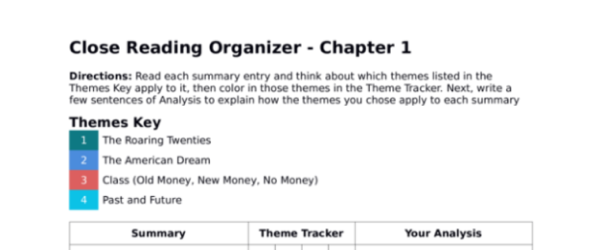
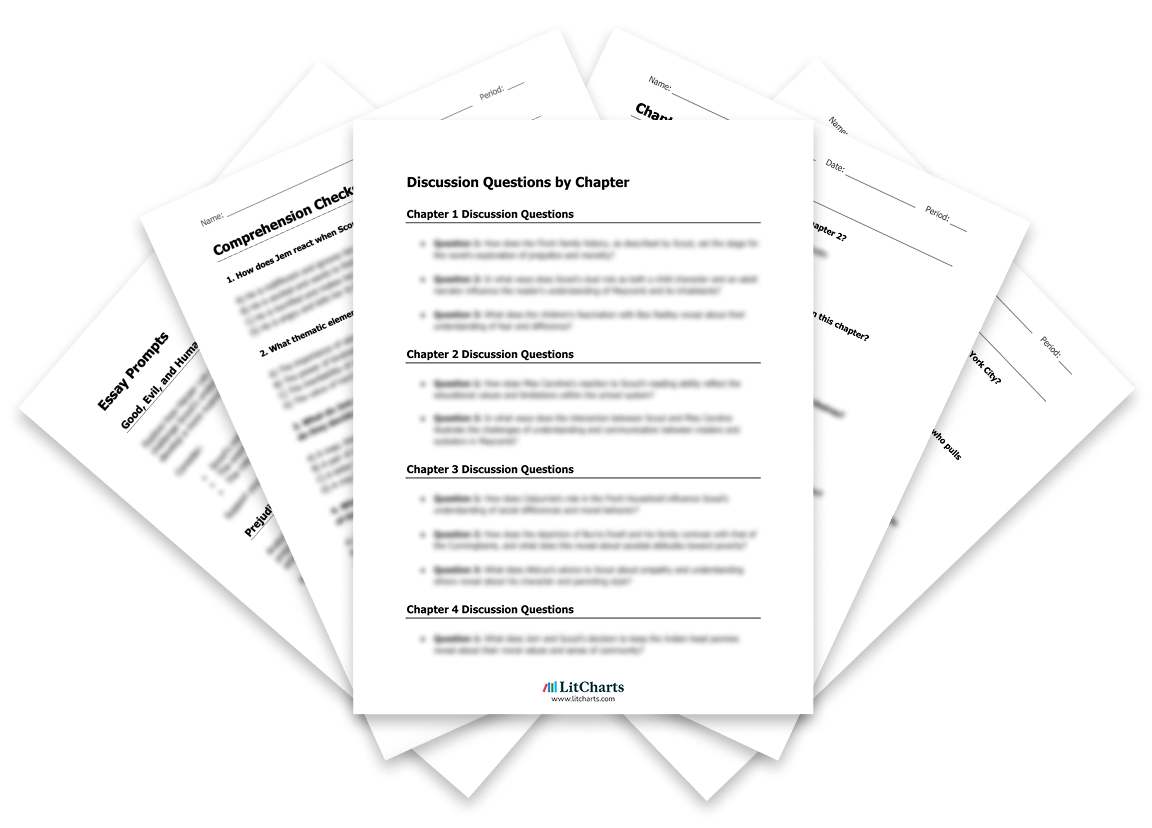
Printable classroom resources
Cut prep time in half
Essay prompts, discussion questions, and comprehension checks—easy to print and ready to use in class.
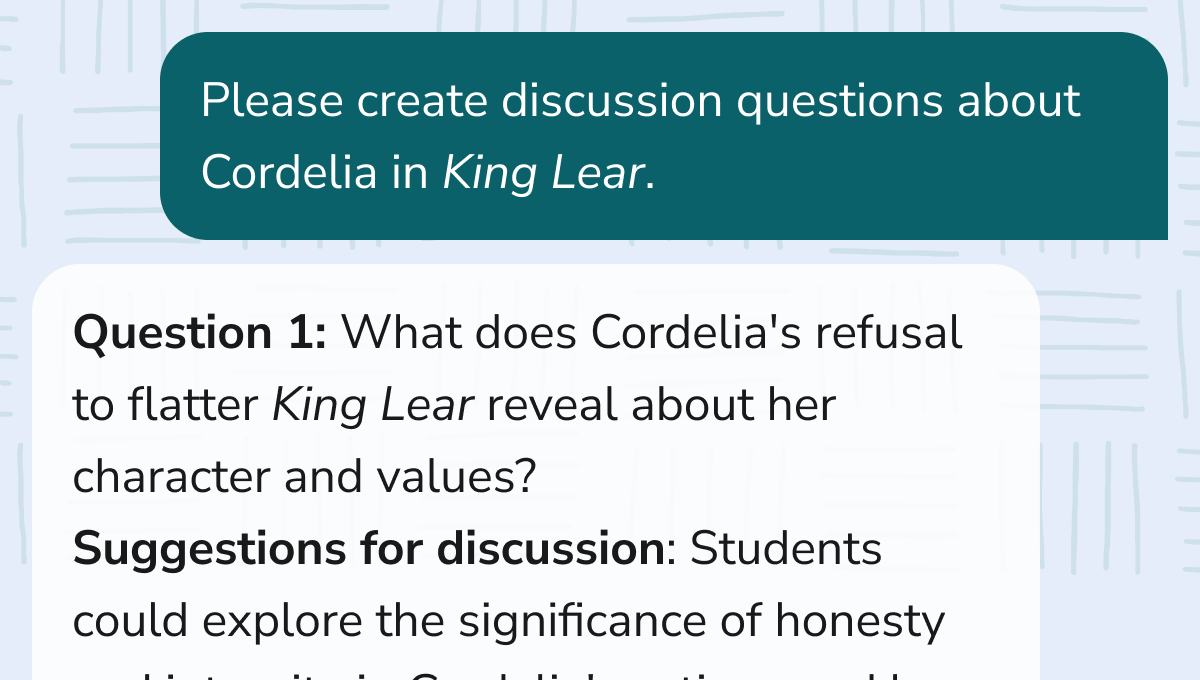
Discussion question generator
Discussion question generator
Instantly create discussion questions that get people talking, through the power of LitCharts analysis and AI.
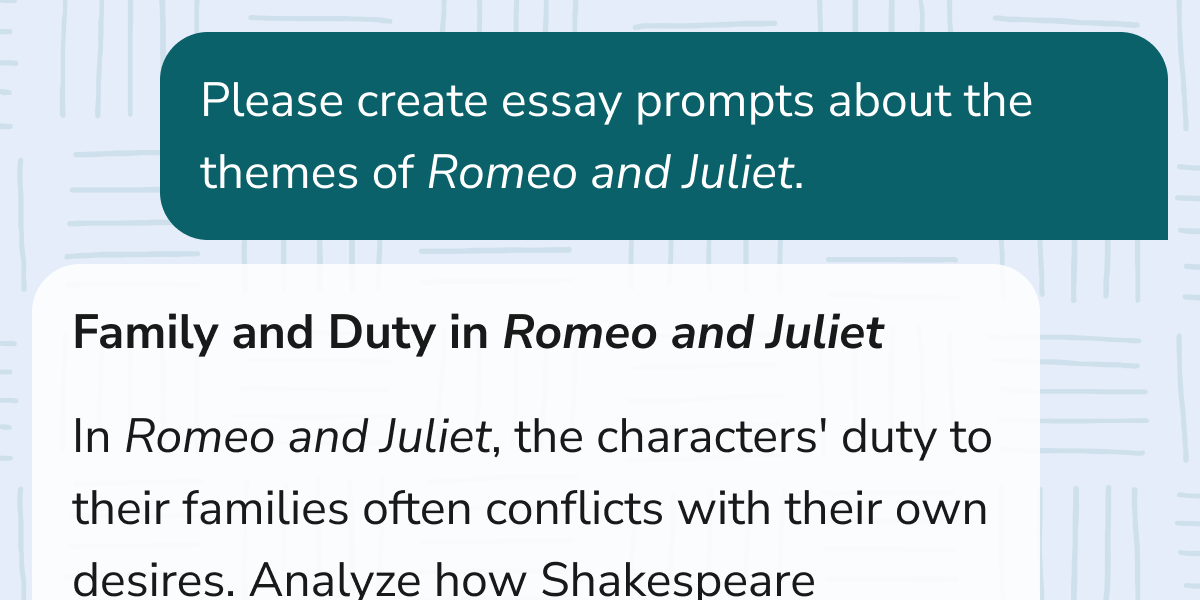
Essay prompt generator
Essay prompt generator
Quickly create thought-provoking essay prompts that will get your students writing, powered by LitCharts analysis and AI.
Quiz question generator
Quiz question generator
Effortlessly generate targeted quiz questions, powered by the world’s best literary analysis and AI.


Literature Guide PDFs
LitCharts PDFs for every book you'll read this year.
Instant PDF downloads of all 2259 LitCharts literature guides and of every new one we publish. Try a free sample literature guide.
"Would not have made it through AP Literature without the printable PDFs. They're like having in-class notes for every discussion!"





Quotes Explanations
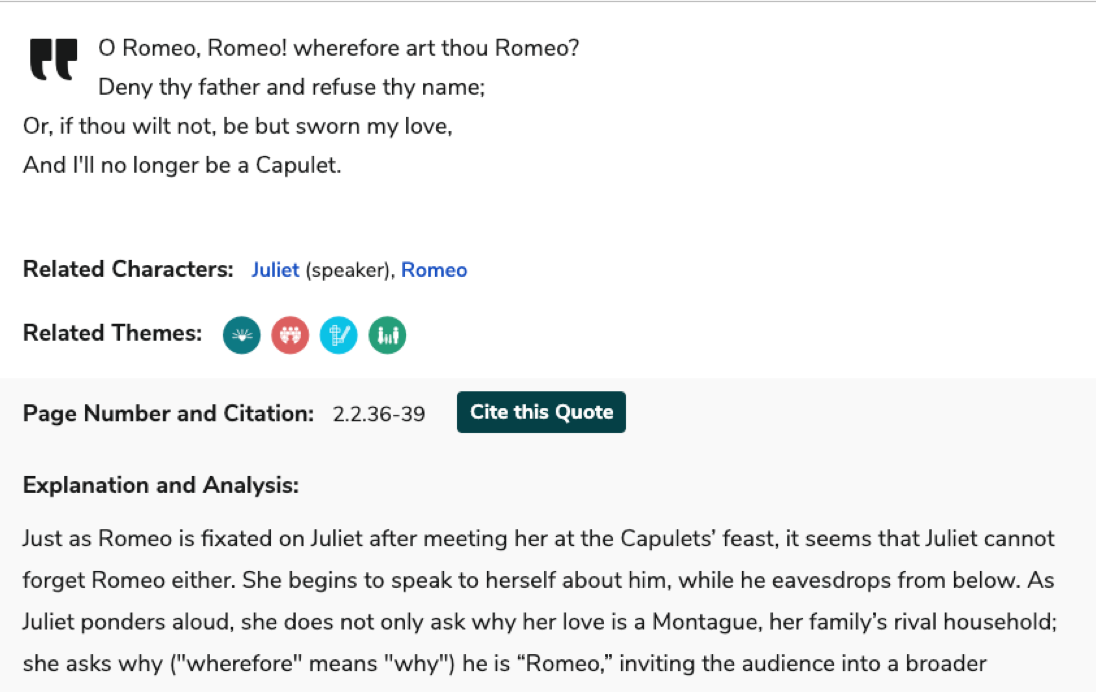
Find the perfect quote. Understand it perfectly. Then rock the citation, too.
For all 50,383 quotes we cover.
For all 50,383 quotes we cover.


Teacher Editions
Close reading made easy for students.
Time saved for teachers.
For every book we cover.
Time saved for teachers.
For every book we cover.
Teacher Edition Contents

|
Close Reading Organizers |

|
Character Analysis Organizers |

|
Symbol Analysis Organizers |

|
Theme Analysis Organizers |

|
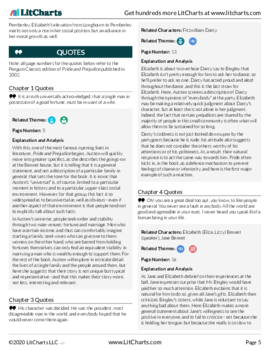
Quote Analysis Organizers |
Common Core-aligned
""
Try a free and complete sample Teacher Edition.


PDFs of modern translations of every one of Shakespeare's 37 plays, 154 sonnets, and 3 longer poems.
Every translation available to download as a PDF.
Try a free sample Shakespeare translation.
"Every teacher of literature should use these translations. They completely demystify Shakespeare. Students love them!"

Literary Terms and Devices
Definitions and examples for every literary term and device you need to know.
Plus a quick-reference PDF with concise definitions of all 136 terms in one place.
Plus a quick-reference PDF with concise definitions of all 136 terms in one place.
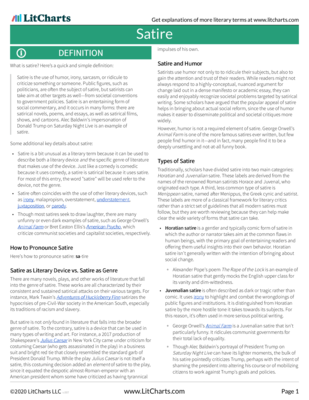
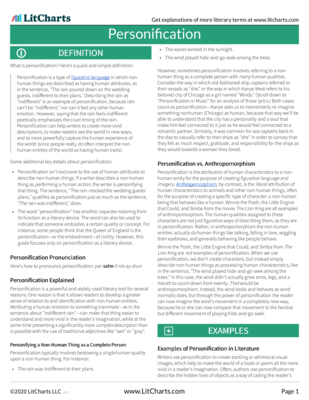
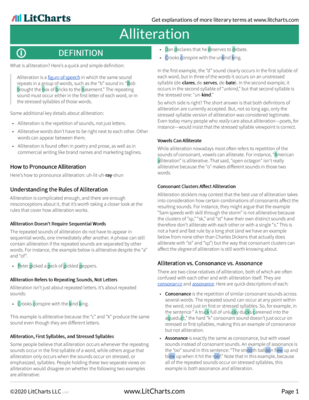
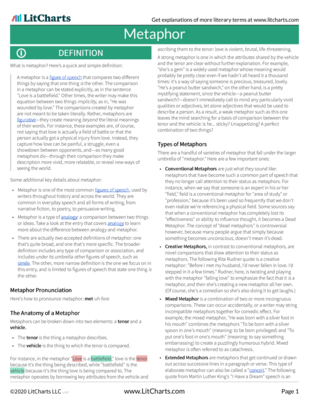
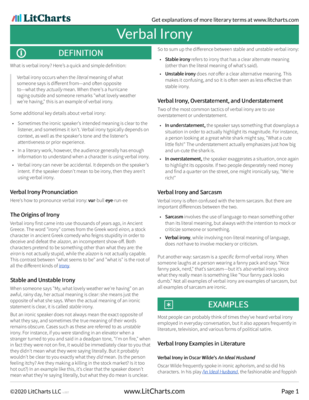
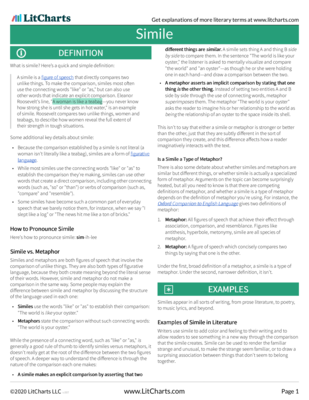
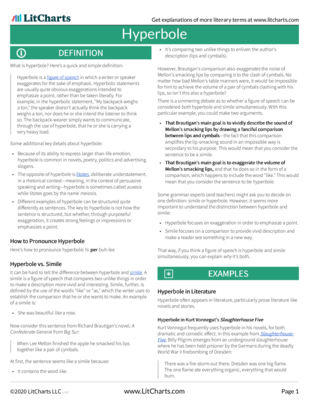
Try a free sample literary term PDF.


Advanced Search
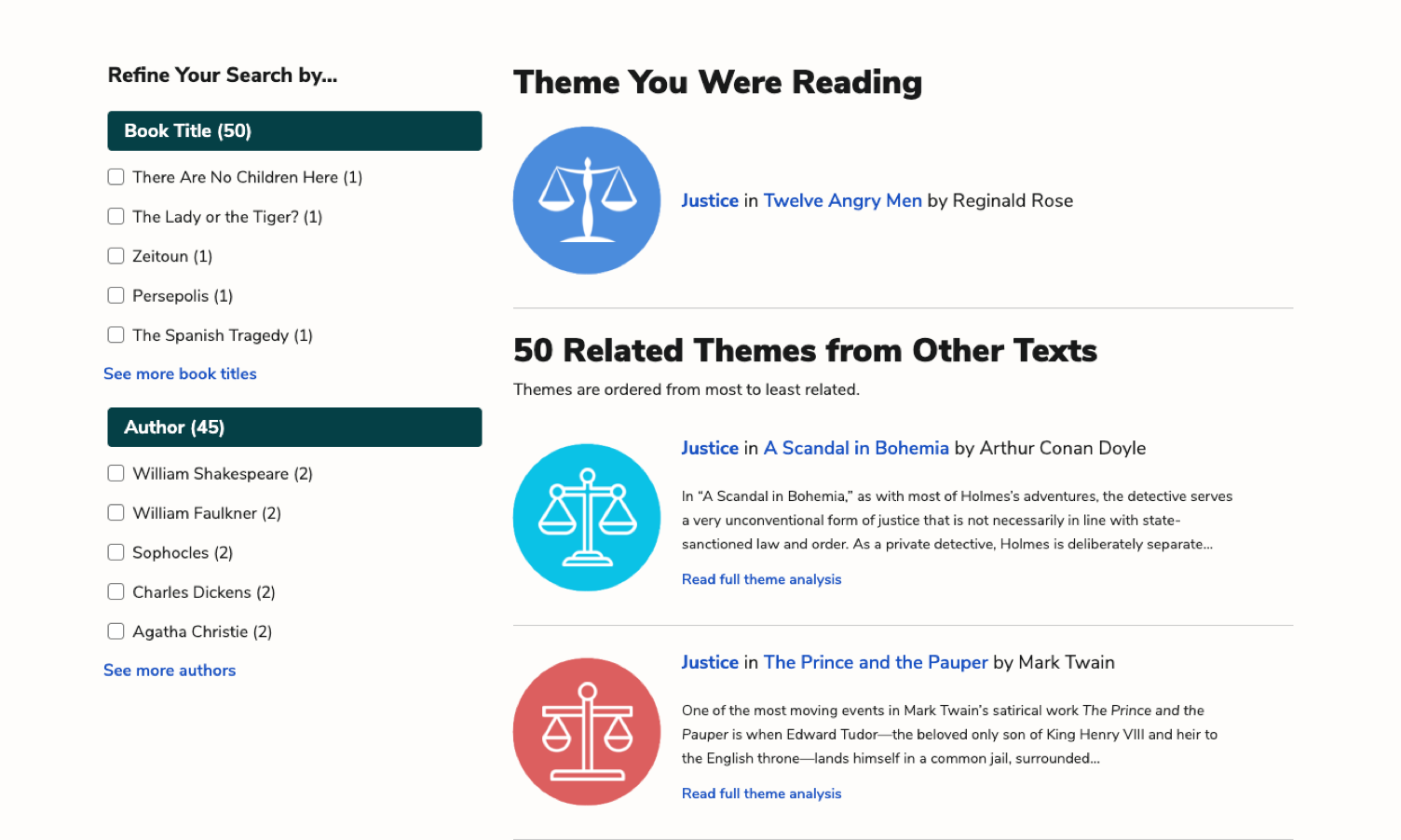
Refine any search. Find related themes, quotes, symbols, characters, and more.
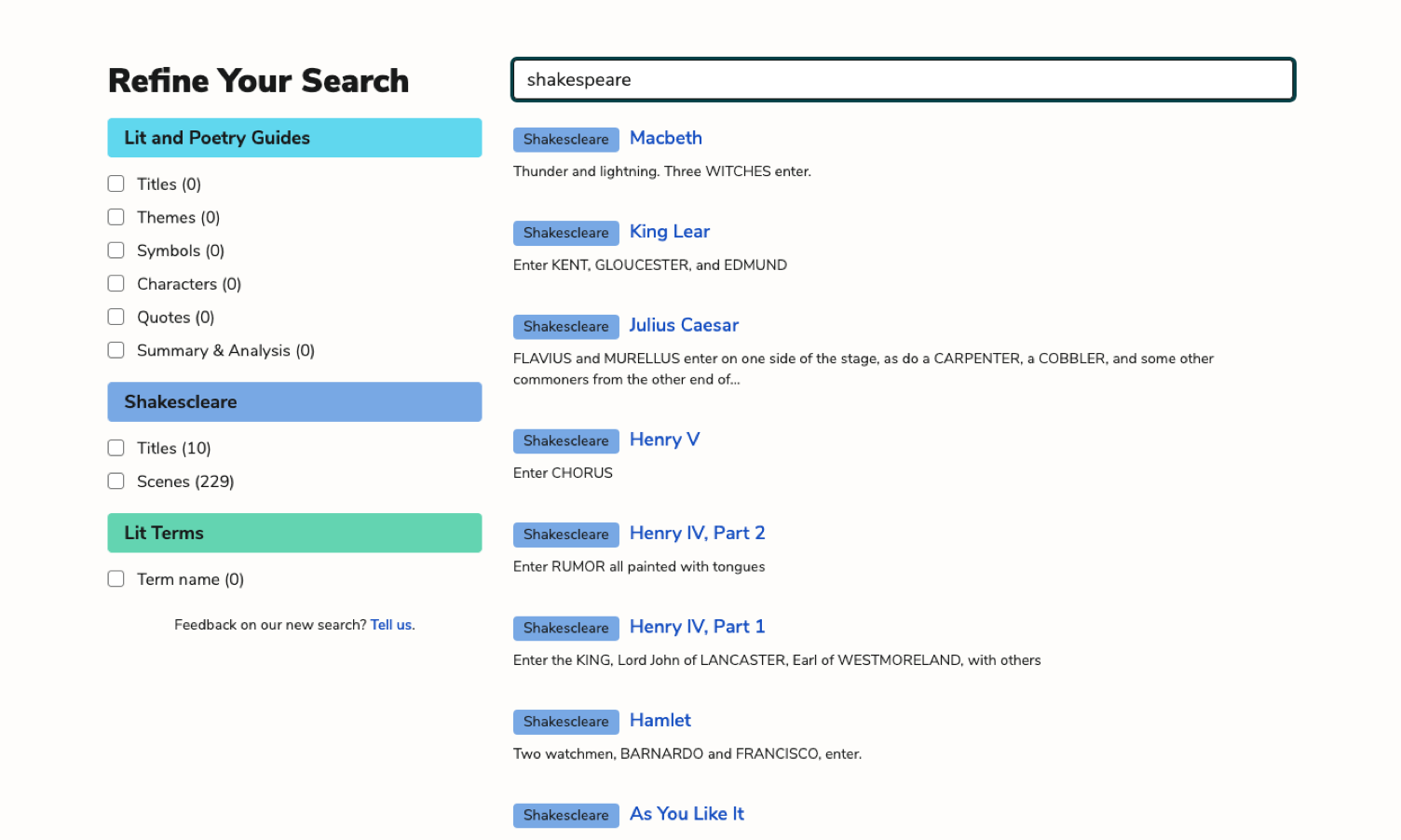

Related Themes
Comparing and contrasting texts? Find where any theme occurs across all of LitCharts in seconds.


Poetry Guides
Line-by-line explanations and analysis of figurative language and poetic devices.
For every lyric poem we cover.
For every lyric poem we cover.