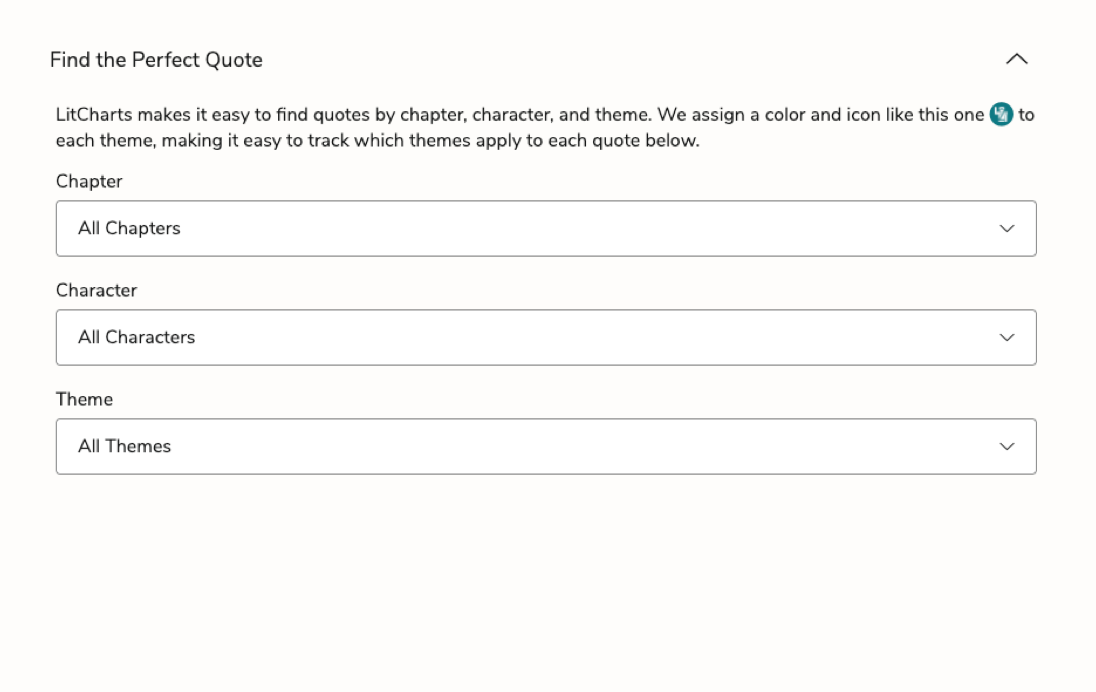
Find the perfect quote
Then understand it perfectly. And get the citation, too. For all 35,000+ quotes we cover.

|
Have questions?
Contact us
Already a member? Sign in
|
Lady Macbeth is a highly complex character whose personality undergoes a substantial change between the beginning and ending of the play. In order to draw attention to different aspects of her personality, Shakespeare employs two different foils.
Lady Macbeth's most obvious foil is her own husband. Macbeth, a man, has greater social power than his wife and is able to win honor on the battlefield, while Lady Macbeth is relegated to the domestic sphere. Perhaps as a result of her more limited social role, Lady Macbeth is far more ambitious than her husband—while Macbeth requires convincing before he agrees to kill Duncan, Lady Macbeth lets nothing stand in the way of her desire to become queen. Lady Macbeth and Macbeth also have vastly different perspectives on masculinity, as evidenced by their conversation in Act 1, Scene 7:
Macbeth: I dare do all that may become a man.
Who dares do more is none.Lady Macbeth: What beast was ’t, then,
That made you break this enterprise to me?
When you durst do it, then you were a man;
And to be more than what you were, you would
Be so much more the man.
While Macbeth believes that loyalty and restraint are the most important aspects of manhood, Lady Macbeth defines manhood in terms of aggression. Macbeth is impressed by his wife's ruthlessness, which he views as a masculine trait:
Macbeth: Bring forth men-children only,
For thy undaunted mettle should compose
Nothing but males.
Interestingly, although Lady Macbeth has just proven herself to be more ferocious than her husband, Macbeth believes that her value lies not in indulging this part of her personality but in producing male children who share her temperament.
Another foil for Lady Macbeth is Lady Macduff, who, besides the Weird Sisters, is the play's only other notable female character. Both women are highly critical of the husbands, but their specific grievances are different. In Act 3, Scene 4, Lady Macbeth is disgusted by Macbeth's deranged behavior, which she views as shameful and unmanly:
Lady Macbeth: What, quite unmanned in folly?
Lady Macduff, by contrast, is resentful that her husband seems not to care about his family. In Act 4, Scene 2, she characterizes his abandonment as cowardly and unnatural:
Lady Macduff: He loves us not;
He wants the natural touch; for the poor wren,
The most diminutive of birds, will fight,
Her young ones in her nest, against the owl.
And while Lady Macbeth's relationship with Macbeth continues to deteriorate, Lady Macduff's final act is a display of devotion to her husband:
Murderer: Where is your husband?
Lady Macduff: I hope in no place so unsanctified
Where such as thou mayst find him.
But despite their differences, the stories of both women end the same way. Lady Macduff, who remains at home with her children and does not interfere in the business of men, is nevertheless murdered because of her husband's actions:
Lady Macduff: I have done no harm. But I remember now
I am in this earthly world, where to do harm
Is often laudable, to do good sometime
Accounted dangerous folly. Why then, alas,
Do I put up that womanly defense
To say I have done no harm?
Meanwhile Lady Macbeth, who actively attempts to win herself more power in society, goes mad and dies. By giving both characters—one who fulfills a traditionally feminine role and another who does not—the same fate, Shakespeare demonstrates the helplessness of women in a patriarchal society.




 Teacher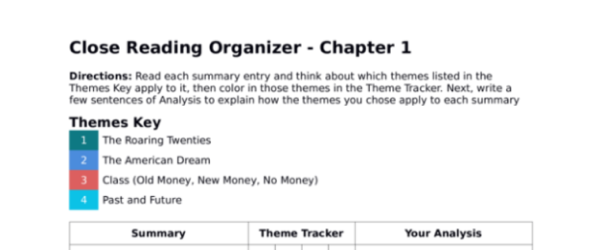














|
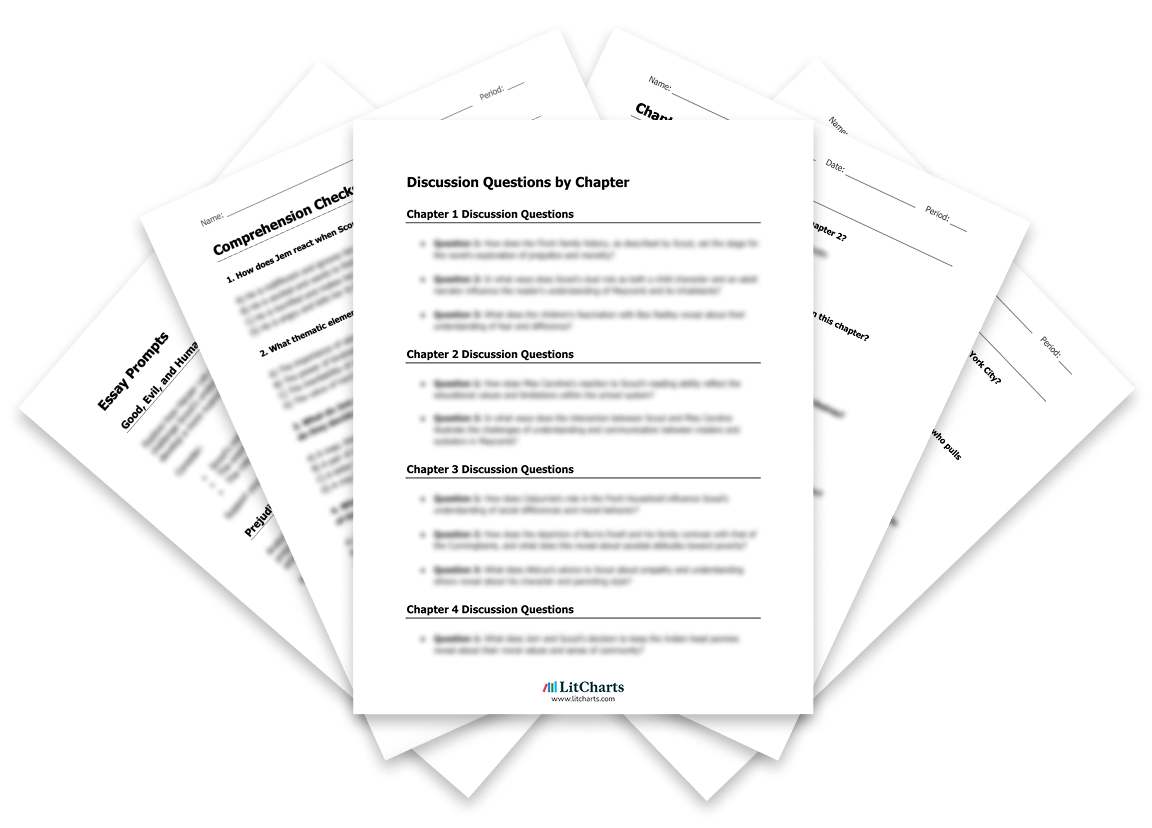
Close Reading Organizers |

|
Character Analysis Organizers |

|
Symbol Analysis Organizers |

|
Theme Analysis Organizers |

|
Quote Analysis Organizers |
Common Core-aligned