
|
Have questions?
Contact us
Already a member? Sign in
|
Get every literary device explanation for Macbeth
Plus so much more...
Sign up for LitCharts A+
Get instant access to every literary device explanation, plus so much more...
Foreshadowing
Explanation and Analysis—Biblical Allusions:
King James I, who in 1603 became the primary patron of Shakespeare's theater company, is well known for commissioning a new translation of the Bible. Perhaps as a nod to his benefactor's interest in Christian theology, Shakespeare's Macbeth contains numerous biblical allusions.
Some lines in the play directly paraphrase passages in the Bible. "The near in blood, / The nearer bloody" alludes to Matthew 10.36: "And a man’s foes shall be they of his own household." Macduff's son's proclamation that he will live "As birds do" refers to Matthew 6.26: "Behold the fowls of the air: for they sow not, neither do they reap, nor gather into barns; yet your heavenly Father feedeth them." Even Macbeth's statement about "dusty death" is a reference to Genesis 3.19: "for dust thou art, and unto dust shalt thou return."
Many allusions are to Christ, like this one in Act 1, Scene 2:
Captain: Except they meant to bathe in reeking wounds
Or memorize another Golgotha
In the Bible, Golgotha was a location outside Jerusalem referred to as the "Place of a Skull," where Jesus was said to be crucified. By alluding to this site, the captain foreshadows the unholy and murderous acts that Macbeth will later commit.
Macbeth's soliloquy in Act 1, Scene 7 uses the imagery of angels to emphasize Duncan's holiness:
Macbeth: [H]is virtues
Will plead like angels, trumpet-tongued, against
The deep damnation of his taking-off
Lady Macbeth's line in Act 2, Scene 2 compares Duncan to Christ and herself to Pontius Pilate:
Lady Macbeth: A little water clears us of this deed.
Pilate was a Roman official who presided over the trial of Jesus and ultimately condemned him to crucifixion. The Bible has Pilate wash his hands before giving the order, symbolically absolving himself of guilt. Like Pilate, Lady Macbeth must wash her hands to remove evidence of the deed she has committed.
In Act 4, Scene 3, Malcolm draws a parallel between himself and the "Lamb of God," a title that the Bible gives to Jesus:
Malcolm: To offer up a weak, poor, innocent lamb
T' appease an angry god.
While Duncan and Malcolm are both associated with Christ, Macbeth is identified with Satan. In Act 1, Scene 5, Lady Macbeth encourages her husband to behave as treacherously as the serpent in the Garden of Eden, who tempted Eve and brought about the fall of humankind:
Lady Macbeth: Look like th’ innocent
flower,
But be the serpent under ’t.
The gatekeeper of Macbeth's castle at Inverness imagines himself as the porter of hell, which would make "Beelzebub"—or Satan—his employer. Macbeth later laments that he has given his soul "to the common enemy of man," i.e. the devil.
In Act 4, Scene 3, Malcolm observes that, just as Macbeth was the most esteemed of Duncan's thanes, Satan was once the greatest of God's angels:
Malcolm: Angels are bright still, though the brightest fell.
Malcolm calls Macbeth "Devilish," while Macduff refers to him as the "fiend of Scotland."
Macbeth also contains several references to the apocalypse, when, according to Christian doctrine, the dead will resurrect to face final judgement before God. In Act 2, Scene 3, Macduff emphasizes the horror of Duncan's murder by alluding to doomsday:
Macduff: Up, up, and see
The great doom's image. Malcolm, Banquo,
As from your graves rise up and walk like sprites
To countenance this horror.
All these biblical allusions, especially those that associate Malcolm with Christ and Macbeth with the devil, elevate Macbeth from an earthly tragedy to an epic battle between good and evil.
Monthly
Annual (Best Value)

$595USD/mo
Charged $71.40 USD every year
Quote explanations & citation info

Every PDF download
Printable PDFs for every guide
"Would not have made it through without the printable PDFs. They're like having in-class notes for every discussion!"
– LitCharts A⁺ user
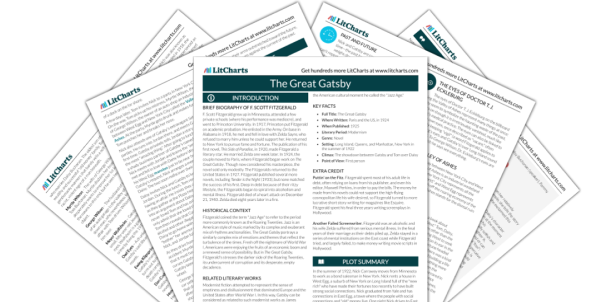
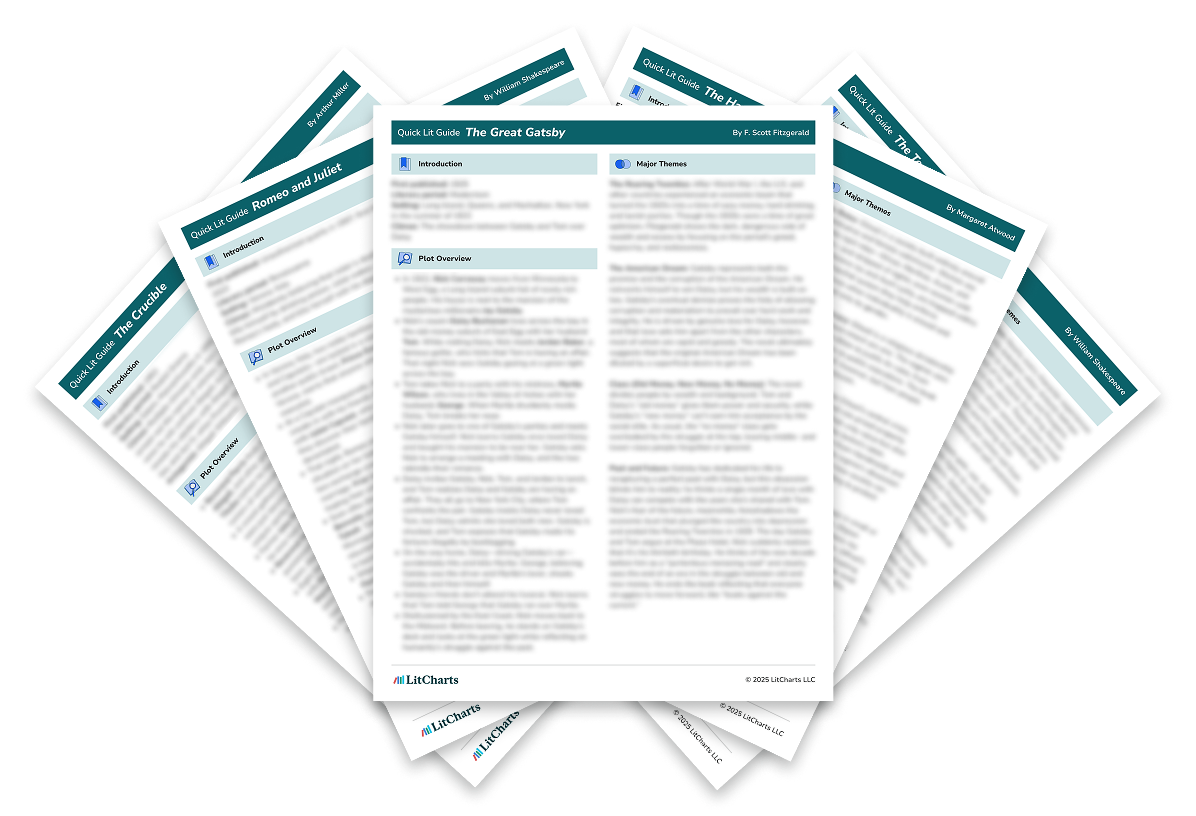
One-page Quick Lit Guides
Understand key basics—fast
Printable, one-page guides that cover the plot points, themes, and ideas you need to know.
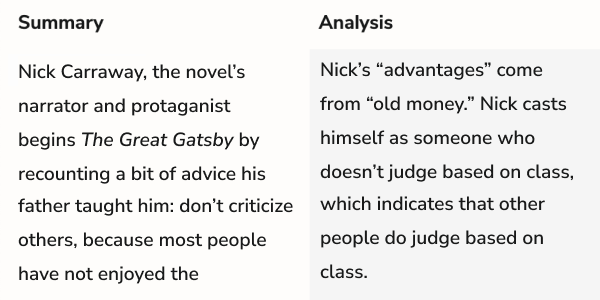
Detailed chapter analysis
Get what happens and what it means
Targeted analysis next to the summary ensures you’ll understand more than just the plot.
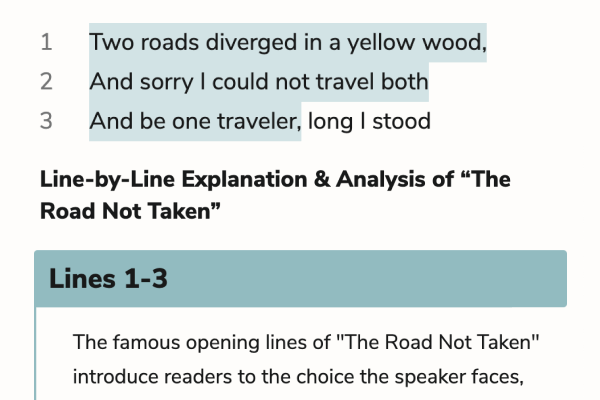
Line-by-line poetry analysis
Get the meaning in every line
Never feel lost reading a poem again with clear and in-depth analysis of each and every line.
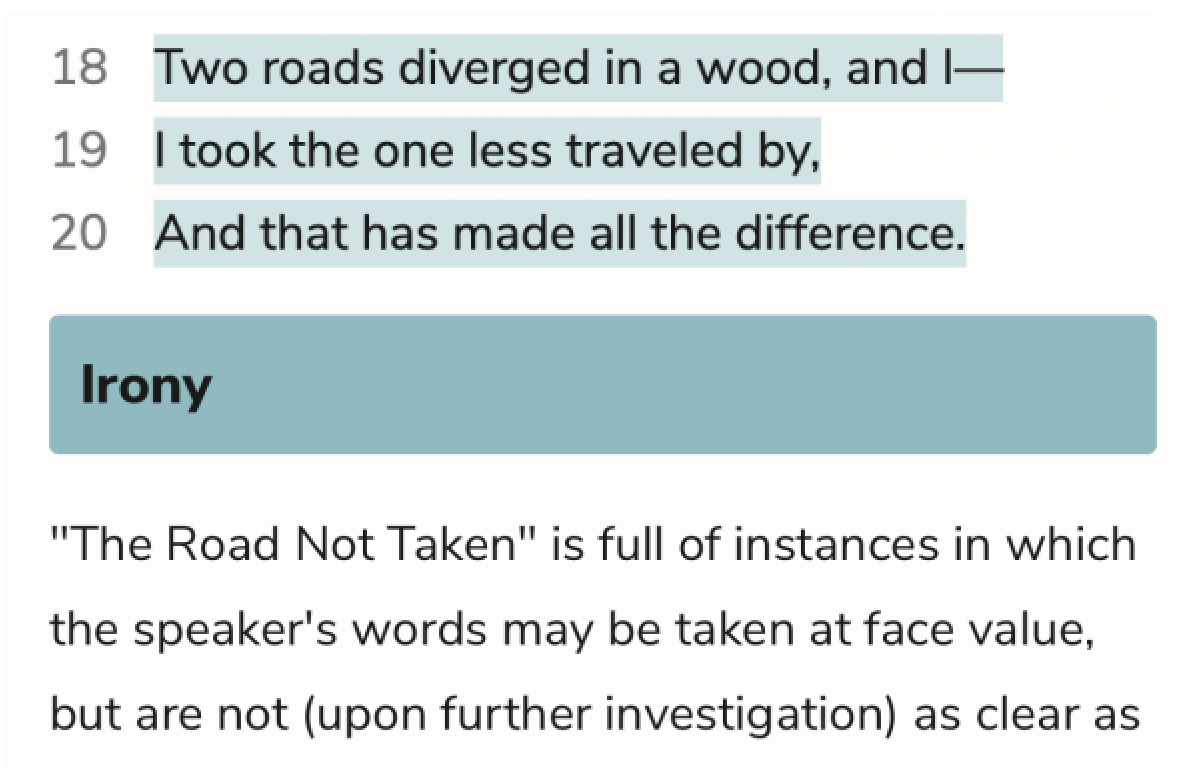
Literary & poetic device analysis
Decode the author’s language
Quickly find and understand the key devices in whatever you’re reading.
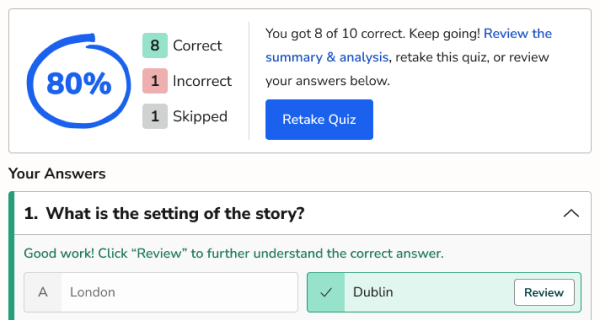
Unlimited quizzes
Unlimited quizzes and feedback
Boost your learning with quizzes that pinpoint and address knowledge gaps.
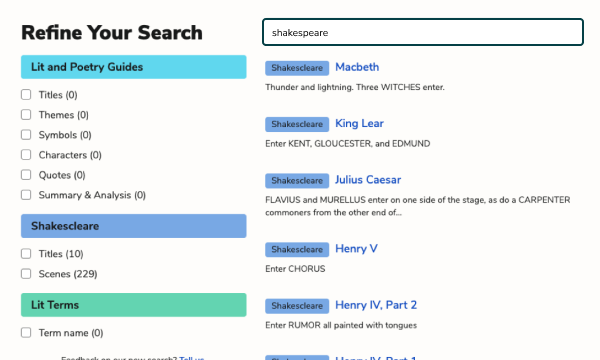
Advanced search
Find exactly what you need
Refine your search using advanced filters like genre, time period, literary movement, author context, grade level, and more.
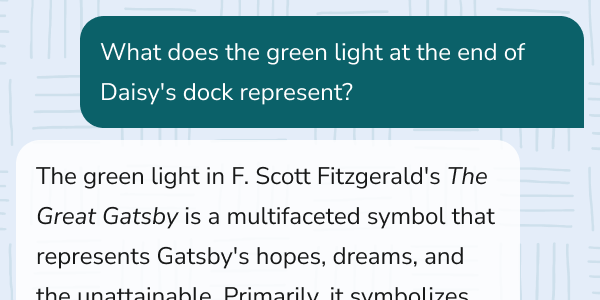
Ask LitCharts AI
Ask LitCharts AI
Instant answers to all your lit questions. Powered by LitCharts content and AI.
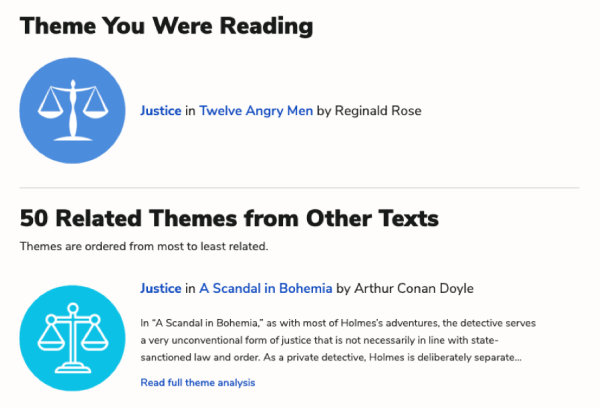
Theme comparisons across books
Compare and contrast
Identify similar themes across books, making comparisons fast and simple.
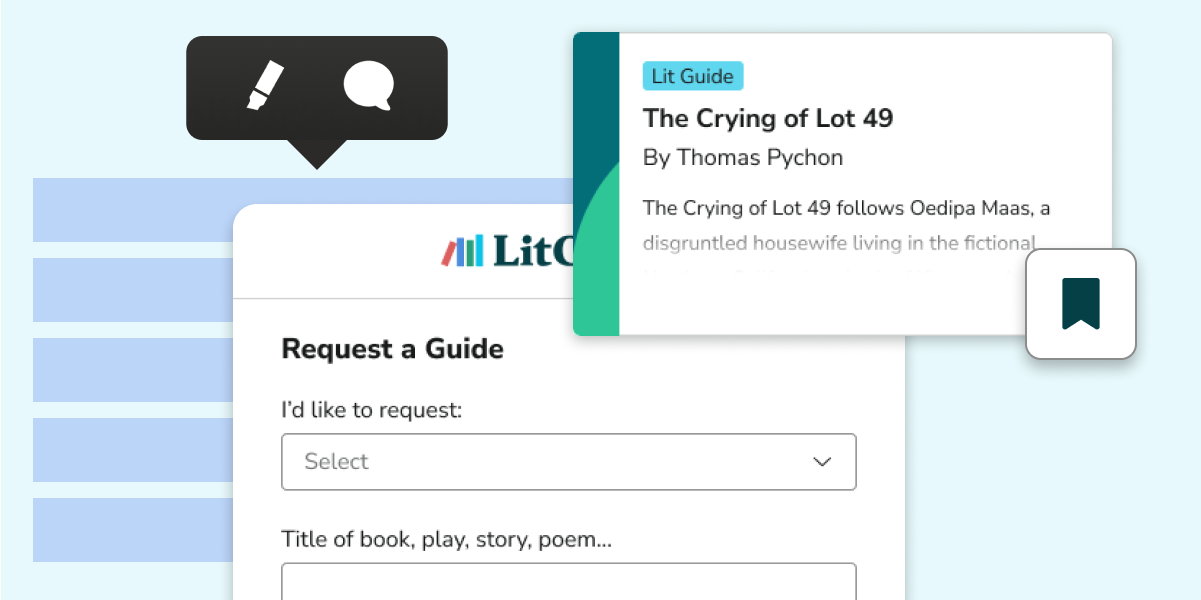
Highlight, take notes, & save guides
Make LitCharts your own
Add highlights or notes, save guides for easy access later, and request new titles.
 Teacher
$795USD/mo
Charged $95.40 USD every year
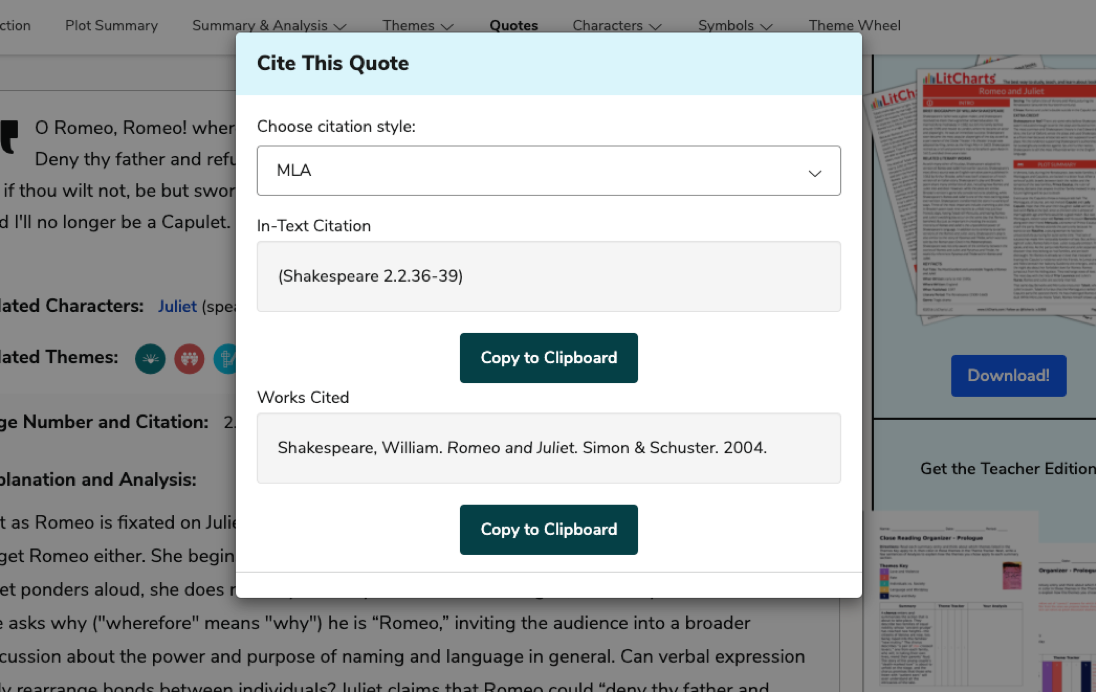
Quote explanations & citation info
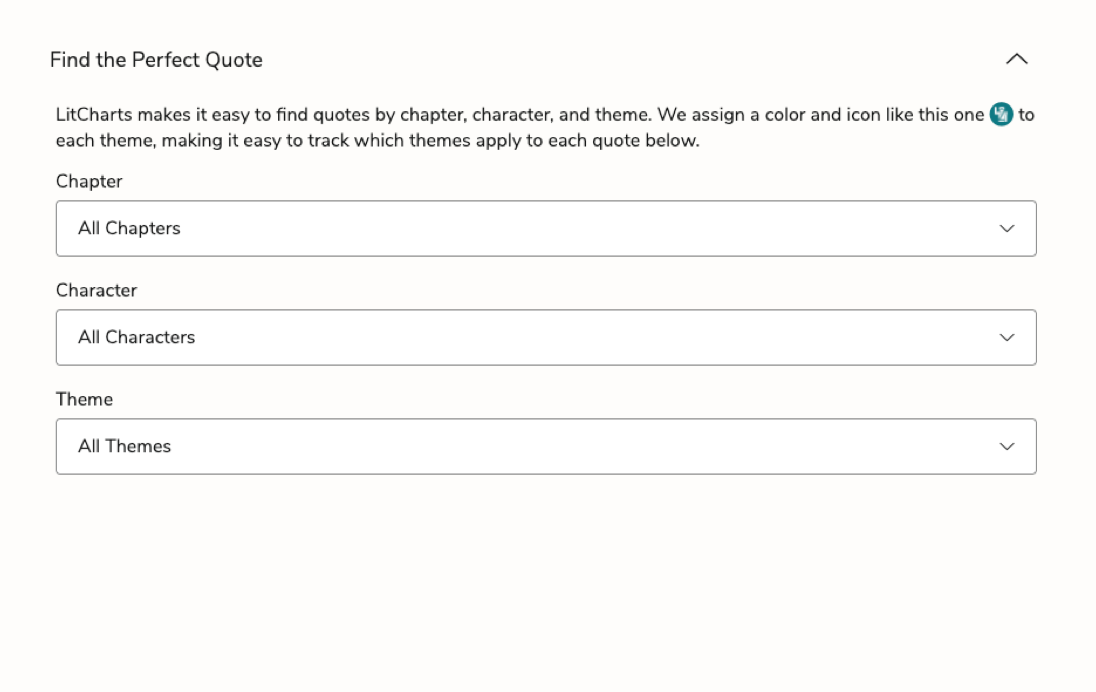
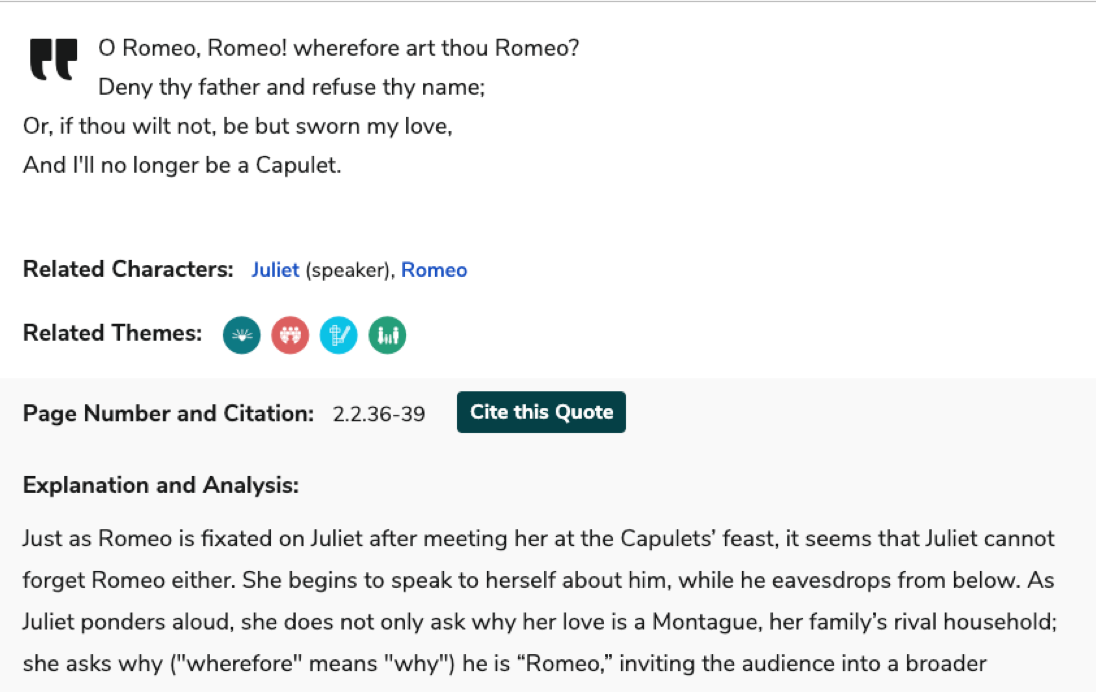
Find the perfect quote
Then understand it perfectly. And get the citation, too. For all 35,000+ quotes we cover.
Every PDF download
Printable PDFs for every guide
"Would not have made it through without the printable PDFs. They're like having in-class notes for every discussion!"
– LitCharts A⁺ user
One-page Quick Lit Guides
Understand key basics—fast
Printable, one-page guides that cover the plot points, themes, and ideas you need to know.
Detailed chapter analysis
Get what happens and what it means
Targeted analysis next to the summary ensures you’ll understand more than just the plot.
Line-by-line poetry analysis
Get the meaning in every line
Never feel lost reading a poem again with clear and in-depth analysis of each and every line.
Literary & poetic device analysis
Decode the author’s language
Quickly find and understand the key devices in whatever you’re reading.
Unlimited quizzes
Unlimited quizzes and feedback
Boost your learning with quizzes that pinpoint and address knowledge gaps.
Advanced search
Find exactly what you need
Refine your search using advanced filters like genre, time period, literary movement, author context, grade level, and more.
Ask LitCharts AI
Ask LitCharts AI
Instant answers to all your lit questions. Powered by LitCharts content and AI.
Theme comparisons across books
Compare and contrast
Identify similar themes across books, making comparisons fast and simple.
Highlight, take notes, & save guides
Make LitCharts your own
Add highlights or notes, save guides for easy access later, and request new titles.
Teacher editions
Save time with in-depth organizers
"THE best teaching resource I have ever used. My students love the handouts."
– LitCharts A⁺ User
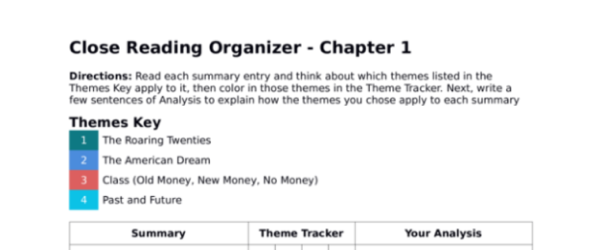
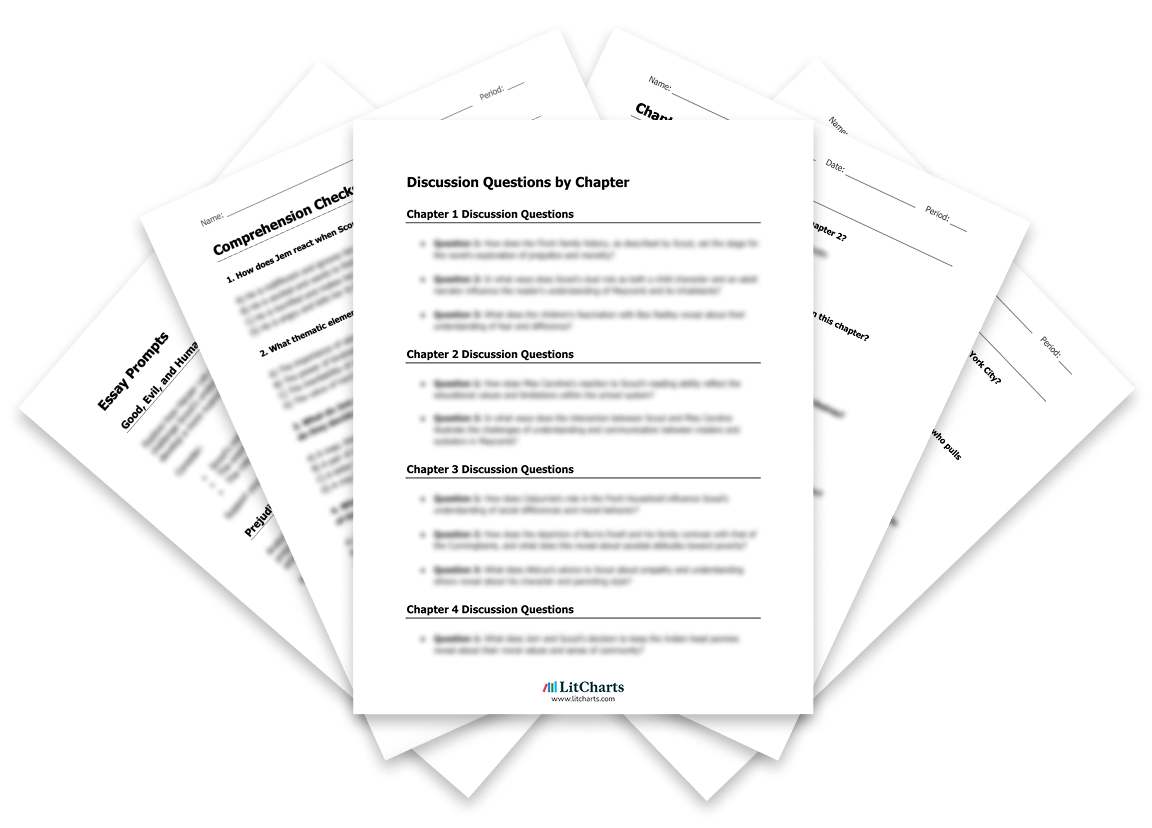
Printable classroom resources
Cut prep time in half
Essay prompts, discussion questions, and comprehension checks—easy to print and ready to use in class.
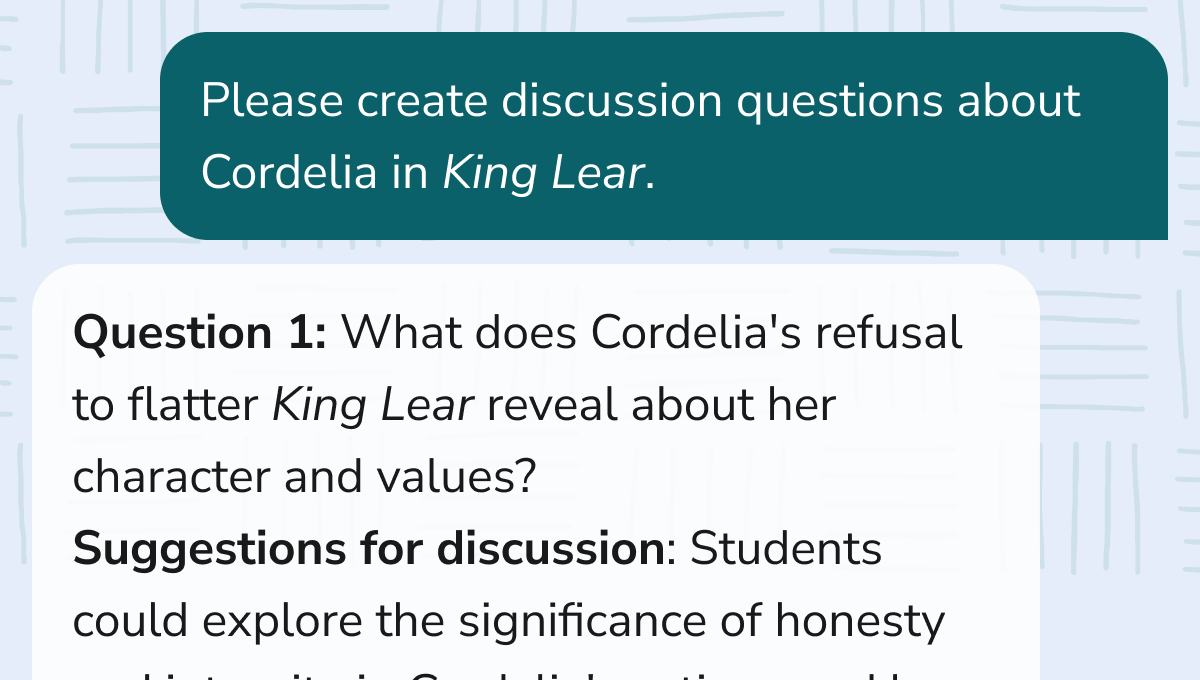
Discussion question generator
Discussion question generator
Instantly create discussion questions that get people talking, through the power of LitCharts analysis and AI.
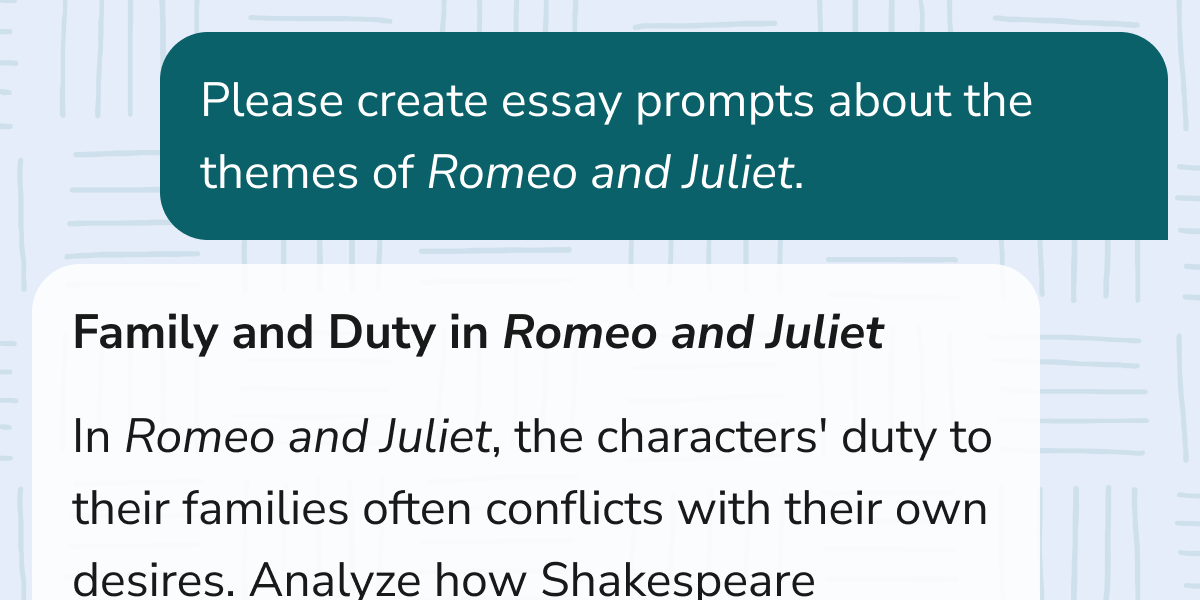
Essay prompt generator
Essay prompt generator
Quickly create thought-provoking essay prompts that will get your students writing, powered by LitCharts analysis and AI.
Quiz question generator
Quiz question generator
Effortlessly generate targeted quiz questions, powered by the world’s best literary analysis and AI.


Literature Guide PDFs
LitCharts PDFs for every book you'll read this year.
Instant PDF downloads of all 2257 LitCharts literature guides and of every new one we publish. Try a free sample literature guide.
"Would not have made it through AP Literature without the printable PDFs. They're like having in-class notes for every discussion!"



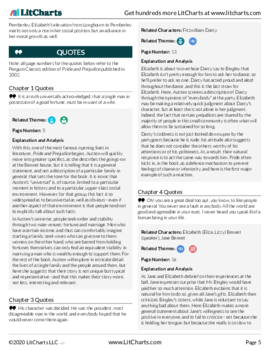


Quotes Explanations
Find the perfect quote. Understand it perfectly. Then rock the citation, too.
For all 50,338 quotes we cover.
For all 50,338 quotes we cover.


Teacher Editions
Close reading made easy for students.
Time saved for teachers.
For every book we cover.
Time saved for teachers.
For every book we cover.
Teacher Edition Contents

|
Close Reading Organizers |

|
Character Analysis Organizers |

|
Symbol Analysis Organizers |

|
Theme Analysis Organizers |

|
Quote Analysis Organizers |
Common Core-aligned
""
Try a free and complete sample Teacher Edition.


PDFs of modern translations of every one of Shakespeare's 37 plays, 154 sonnets, and 3 longer poems.
Every translation available to download as a PDF.
Try a free sample Shakespeare translation.
"Every teacher of literature should use these translations. They completely demystify Shakespeare. Students love them!"

Literary Terms and Devices
Definitions and examples for every literary term and device you need to know.
Plus a quick-reference PDF with concise definitions of all 136 terms in one place.
Plus a quick-reference PDF with concise definitions of all 136 terms in one place.
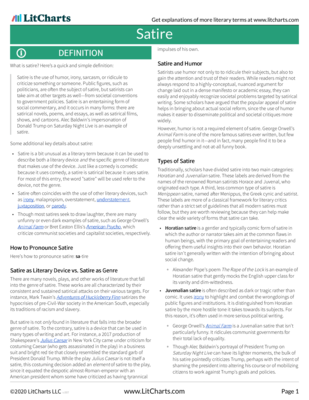
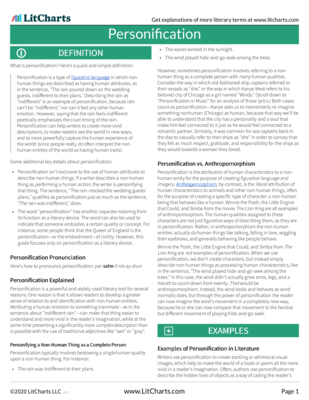
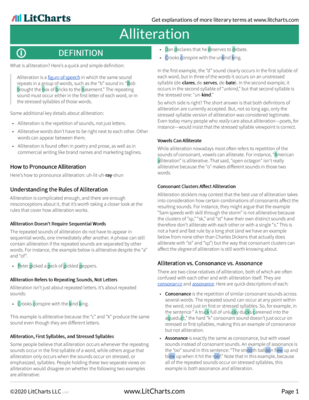
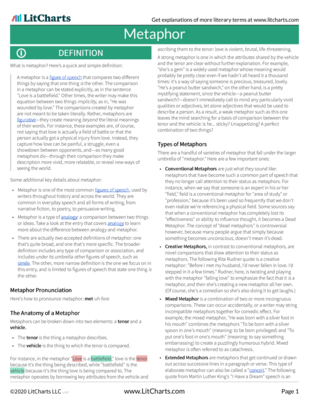
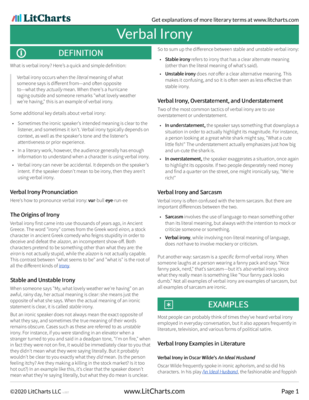
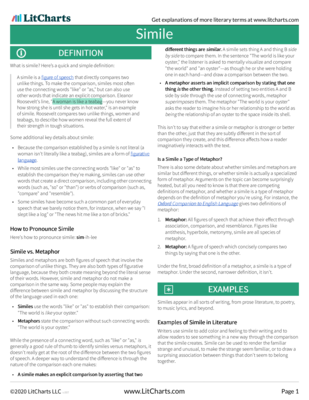
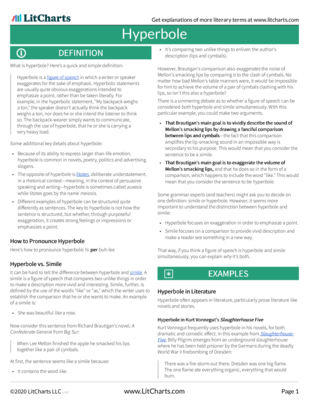
Try a free sample literary term PDF.


Advanced Search
Refine any search. Find related themes, quotes, symbols, characters, and more.
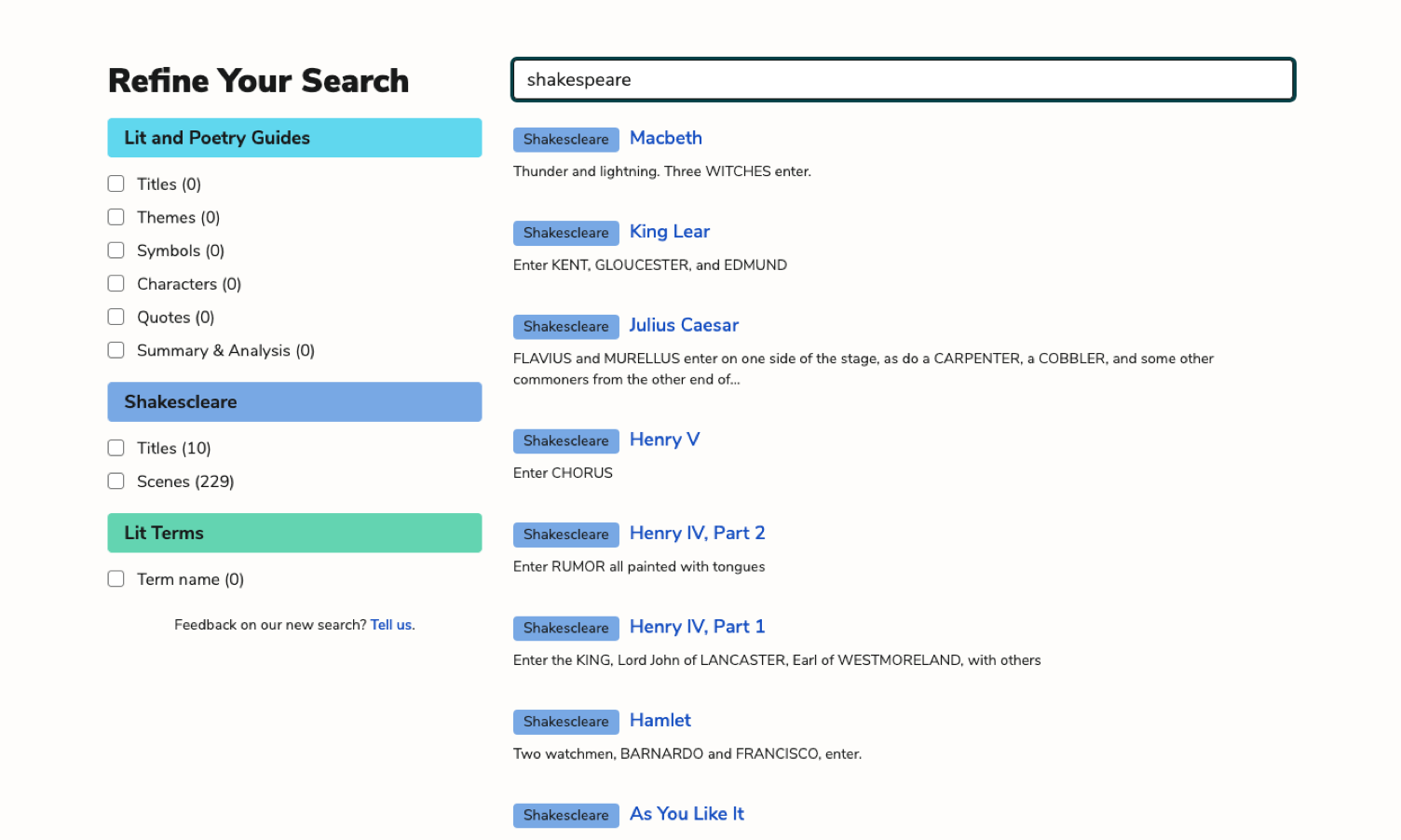

Related Themes
Comparing and contrasting texts? Find where any theme occurs across all of LitCharts in seconds.


Poetry Guides
Line-by-line explanations and analysis of figurative language and poetic devices.
For every lyric poem we cover.
For every lyric poem we cover.