
|
Have questions?
Contact us
Already a member? Sign in
|
Get every literary device explanation for Macbeth
Plus so much more...
Sign up for LitCharts A+
Get instant access to every literary device explanation, plus so much more...
Foreshadowing
Explanation and Analysis—Historical Allusions:
Upper-class men of Shakespeare's time were often educated in Greek and Latin, and Macbeth contains several allusions to Roman history that this portion of his audience would have appreciated. In Act 2, Scene 1, Macbeth makes a reference to an event that catalyzed the creation of the Roman Republic:
Macbeth: [A]nd withered murder,
Alarumed by his sentinel, the wolf,
Whose howl’s his watch, thus with his stealthy pace,
With Tarquin’s ravishing strides
Lucius Tarquinius Superbus, also known as Tarquin the Proud, became king of Rome in 534 BCE after assassinating his predecessor, Servius Tullius. Like Macbeth, he did so at the urging of his wife and became known as a tyrannical monarch who often had his political opponents put to death.
In this passage, Macbeth is actually making a reference to Tarquin's son Sextus, who famously raped a Roman noblewoman named Lucretia in her own bed. By personifying murder as a man who walks "with Tarquin's ravishing strides," Macbeth suggests that the murder of Duncan, like the rape of Lucretia by Sextus, is an act of violation that scorns the rules of hospitality.
Macbeth's allusion to this event is also an instance of foreshadowing. Lucretia's rape and subsequent suicide so outraged the people of Rome that it led to the overthrow of Tarquin and the establishment of the Roman Republic. Like Tarquin, Macbeth is ultimately overthrown, and the ascension of Malcolm to the throne marks a change in the nature of Scottish rule characterized by a new alliance with England.
In Act 3, Scene 1, Macbeth compares himself to the Roman general Mark Antony and Banquo to Julius Caesar:
Macbeth: There is none but he
Whose being I do fear; and under him
My genius is rebuked, as it is said
Mark Antony's was by Caesar.
After Caesar was assassinated in 44 BCE, Mark Antony butted heads with Caesar's adopted son Octavian. In 31 BCE, Octavian declared war against Antony's lover, the Egyptian queen Cleopatra, and declared Antony a traitor. After his forces were defeated in battle, Antony committed suicide, and Octavian became emperor of Rome.
This passage is also a self-reference to Antony and Cleopatra, another play by Shakespeare, in which a soothsayer predicts that Mark Antony's fortunes will be less than Julius Caesar's. The Weird Sisters in Macbeth predict, in quite similar fashion, that Banquo will be both lesser and greater than Macbeth.
Both these prophecies prove true. Although Julius Caesar is assassinated, his heir becomes the emperor of Rome, while Antony is disgraced. Despite the fact that Macbeth has him murdered, Banquo's descendants still become kings of Scotland, and Macbeth dies in ignominy.
In Act 5, Scene 10, Macbeth seeks to distance himself from Antony and from other Roman generals who famously committed suicide:
Macbeth: Why should I play the Roman fool and die
On mine own sword?
Cato the Younger was a Roman senator who killed himself rather than ask for a pardon from Caesar, and Marcus Junius Brutus, the Roman statesman who famously aided in Caesar's assassination of Caesar, took his own life after being defeated by Caesar's successor. His story parallels that of Macbeth, who kills Duncan but is later defeated by forces under the command of Duncan's son. Like Brutus, who decided to die by suicide rather than live under Octavian's rule, Macbeth refuses to serve Malcolm and instead chooses to die in battle, insisting that he won't "yield / to kiss the ground before young Malcolm's feet."
Monthly
Annual (Best Value)

$595USD/mo
Charged $71.40 USD every year
Quote explanations & citation info

Every PDF download
Printable PDFs for every guide
"Would not have made it through without the printable PDFs. They're like having in-class notes for every discussion!"
– LitCharts A⁺ user
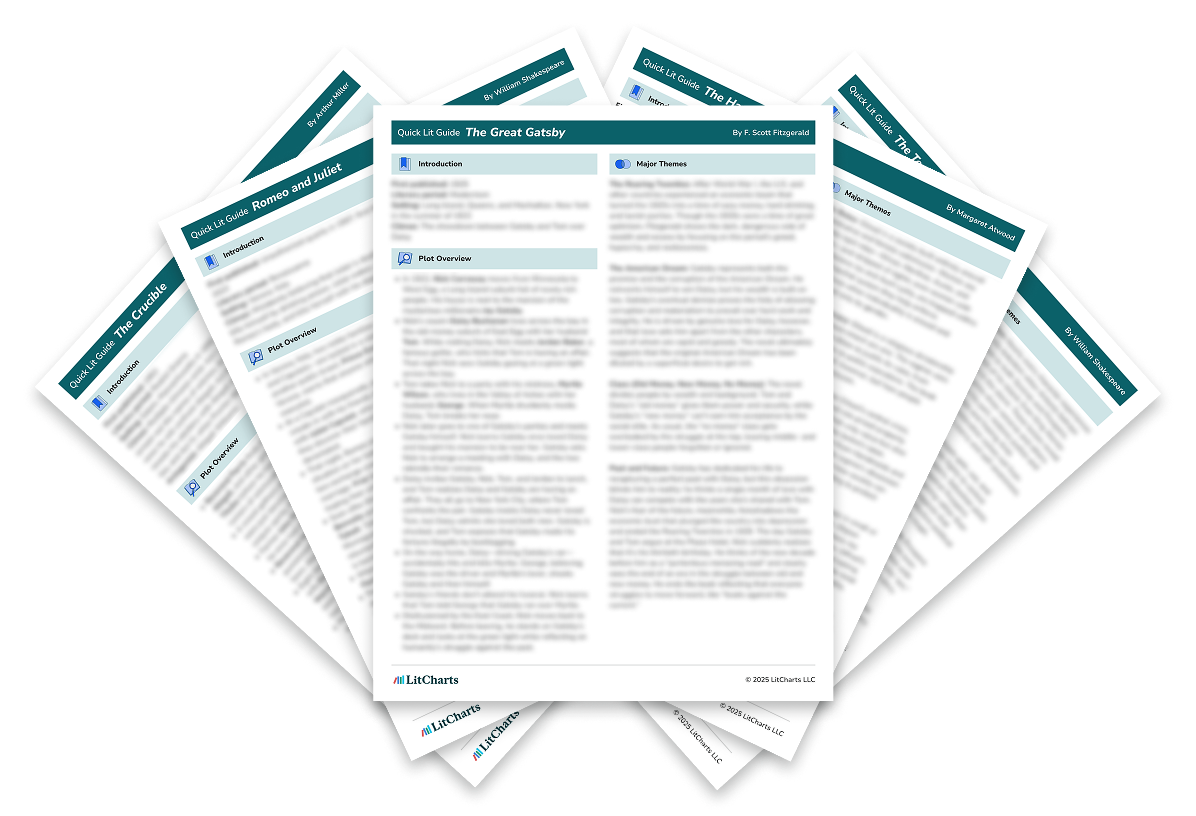
One-page Quick Lit Guides
Understand key basics—fast
Printable, one-page guides that cover the plot points, themes, and ideas you need to know.
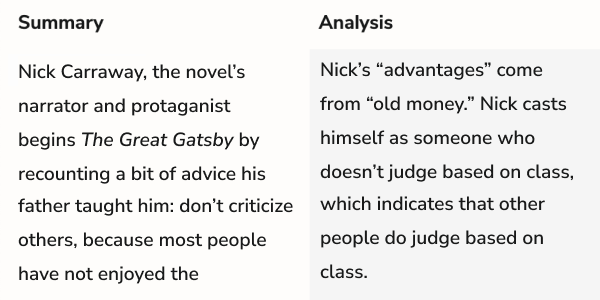
Detailed chapter analysis
Get what happens and what it means
Targeted analysis next to the summary ensures you’ll understand more than just the plot.
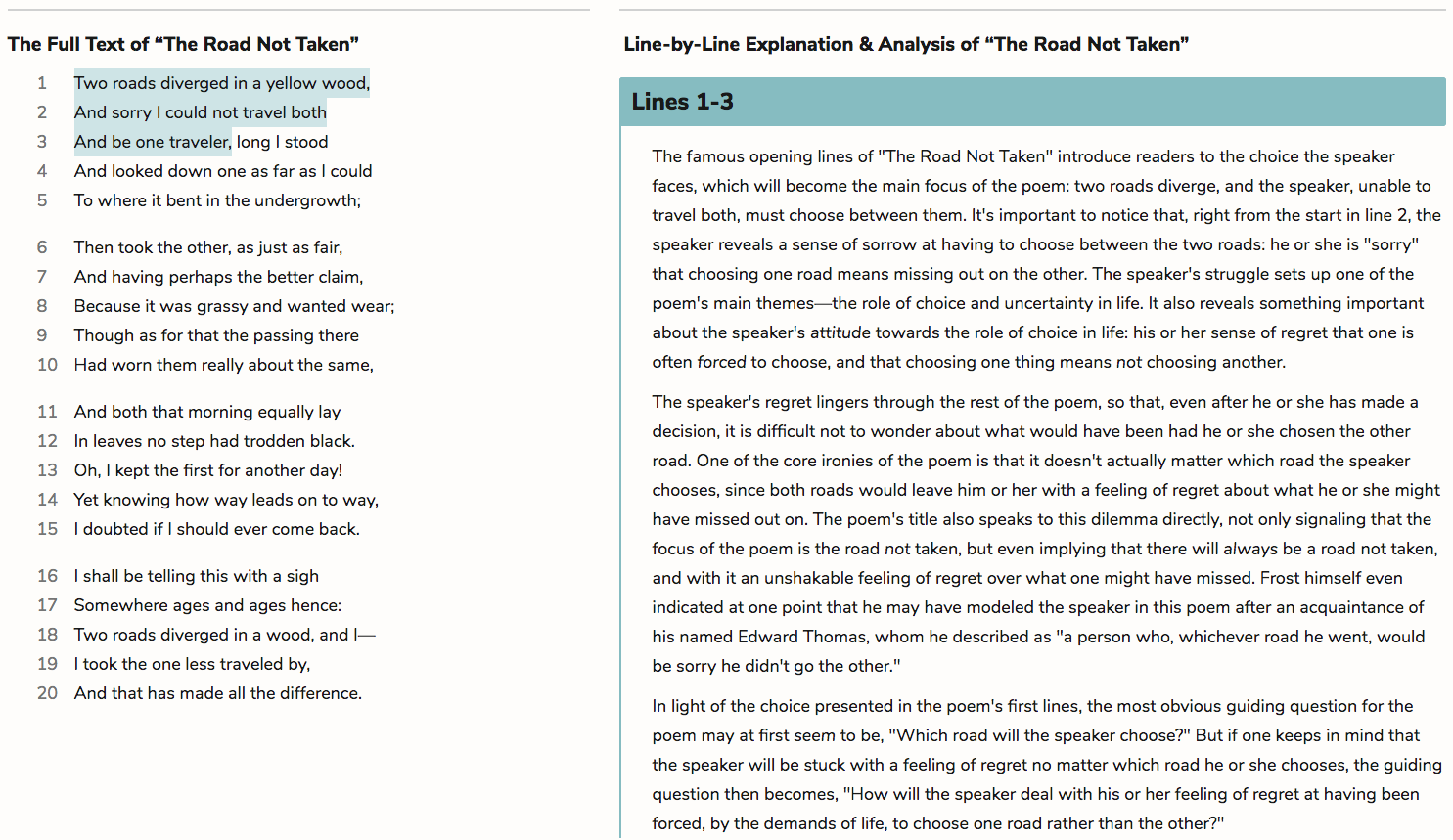
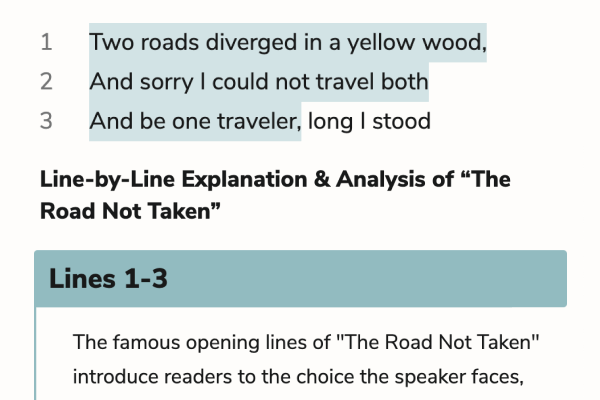
Line-by-line poetry analysis
Get the meaning in every line
Never feel lost reading a poem again with clear and in-depth analysis of each and every line.
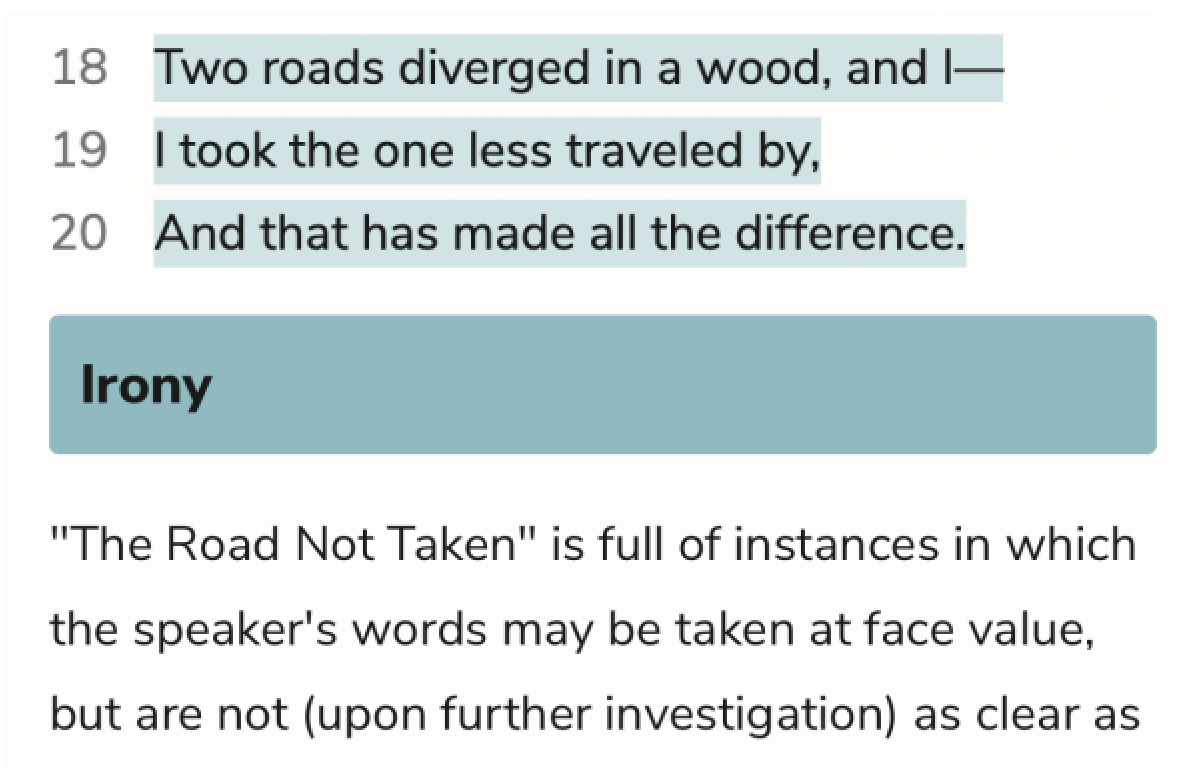
Literary & poetic device analysis
Decode the author’s language
Quickly find and understand the key devices in whatever you’re reading.
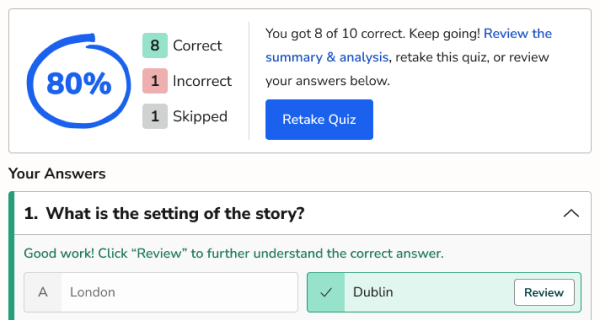
Unlimited quizzes
Unlimited quizzes and feedback
Boost your learning with quizzes that pinpoint and address knowledge gaps.
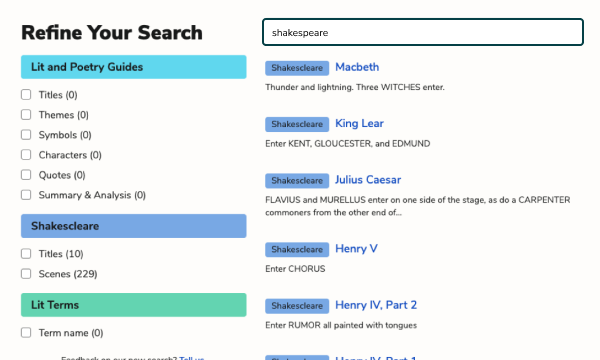
Advanced search
Find exactly what you need
Refine your search using advanced filters like genre, time period, literary movement, author context, grade level, and more.
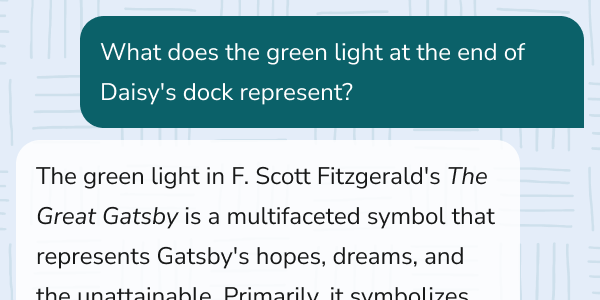
Ask LitCharts AI
Ask LitCharts AI
Instant answers to all your lit questions. Powered by LitCharts content and AI.
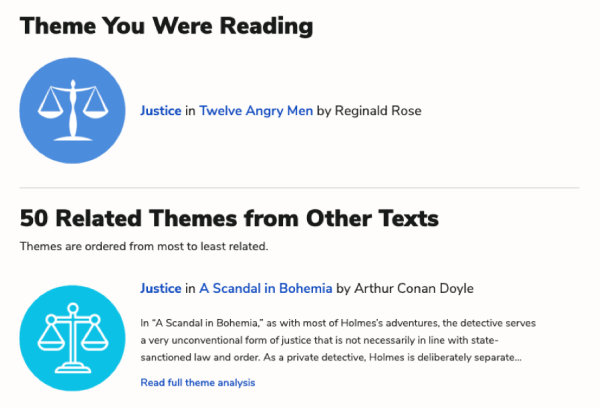
Theme comparisons across books
Compare and contrast
Identify similar themes across books, making comparisons fast and simple.
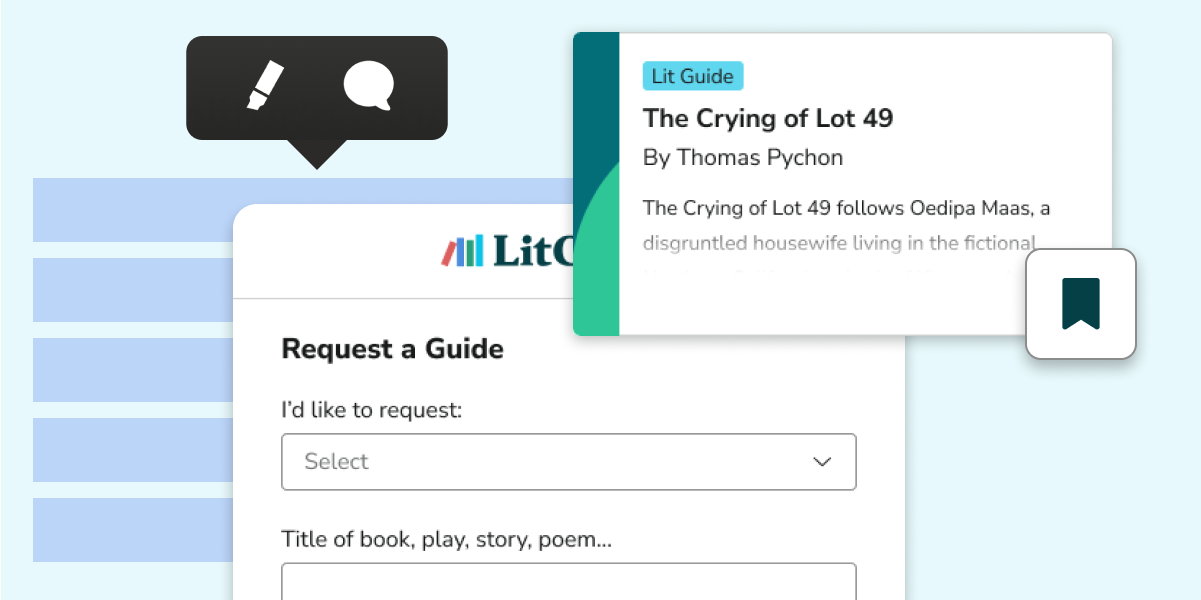
Highlight, take notes, & save guides
Make LitCharts your own
Add highlights or notes, save guides for easy access later, and request new titles.
 Teacher
$795USD/mo
Charged $95.40 USD every year
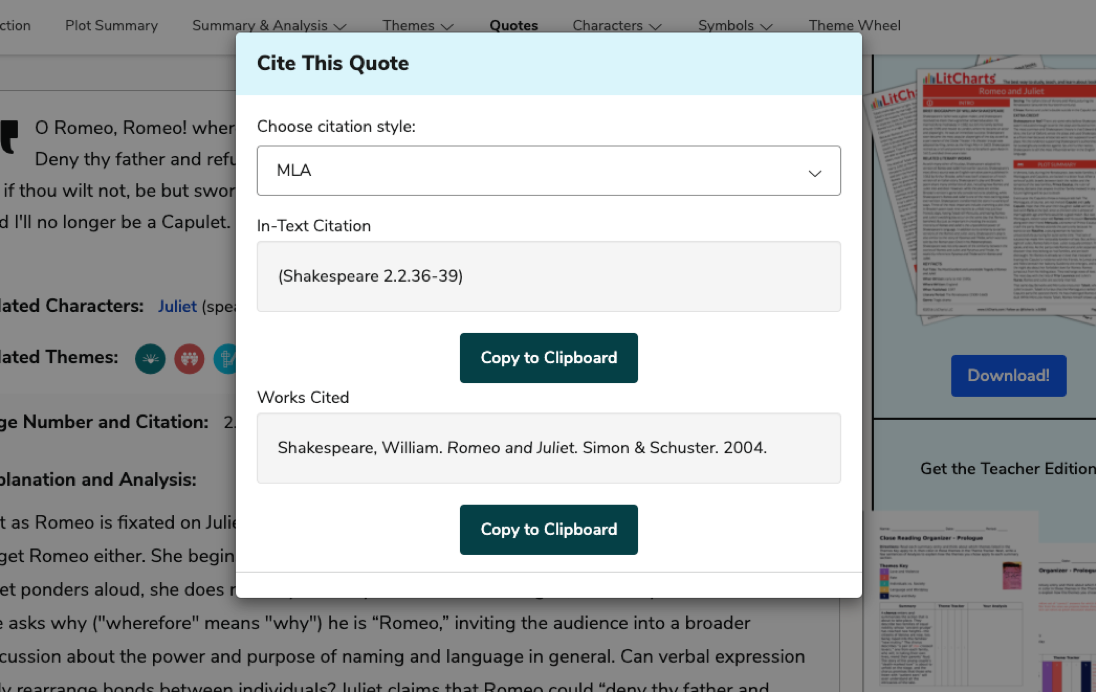
Quote explanations & citation info
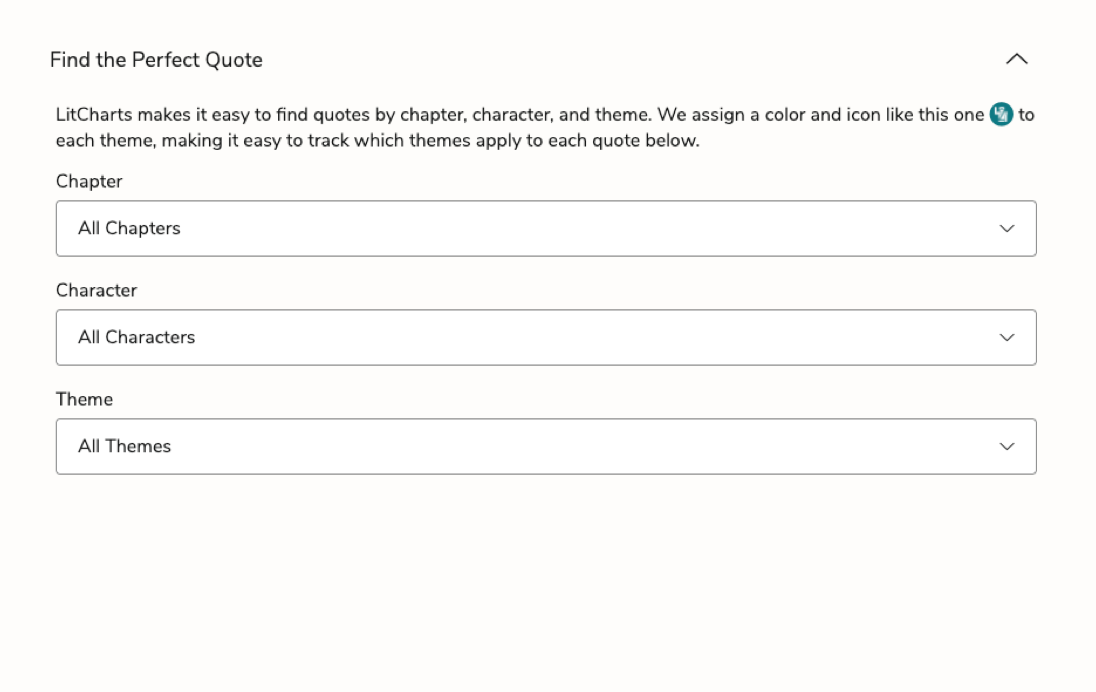
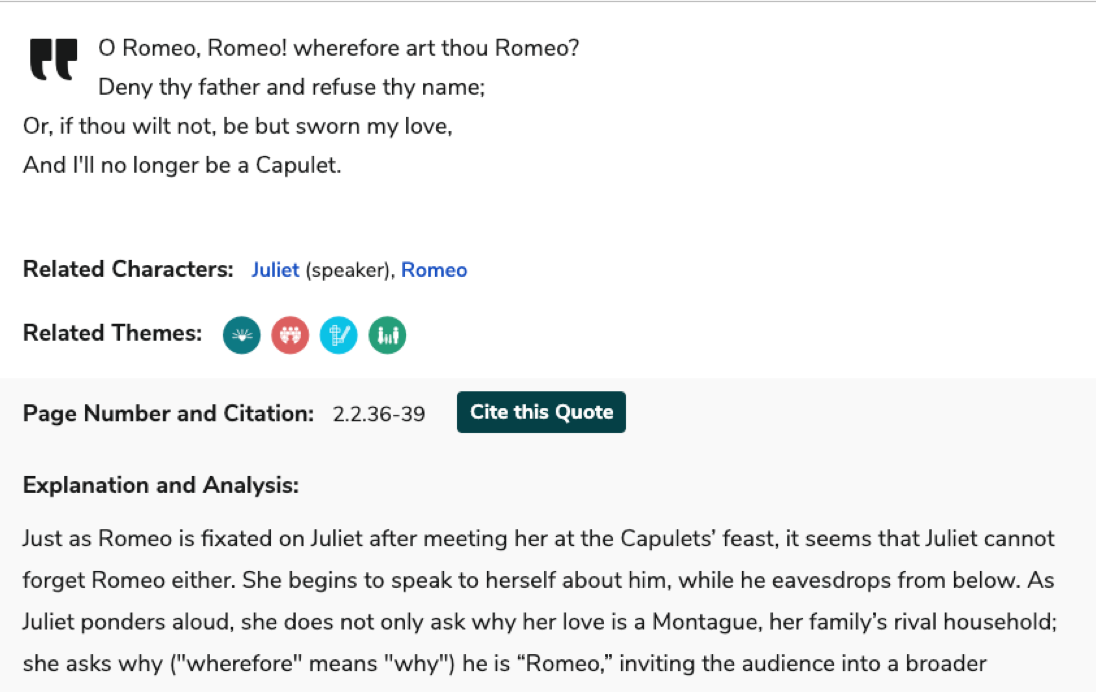
Find the perfect quote
Then understand it perfectly. And get the citation, too. For all 35,000+ quotes we cover.
Every PDF download
Printable PDFs for every guide
"Would not have made it through without the printable PDFs. They're like having in-class notes for every discussion!"
– LitCharts A⁺ user
One-page Quick Lit Guides
Understand key basics—fast
Printable, one-page guides that cover the plot points, themes, and ideas you need to know.
Detailed chapter analysis
Get what happens and what it means
Targeted analysis next to the summary ensures you’ll understand more than just the plot.
Line-by-line poetry analysis
Get the meaning in every line
Never feel lost reading a poem again with clear and in-depth analysis of each and every line.
Literary & poetic device analysis
Decode the author’s language
Quickly find and understand the key devices in whatever you’re reading.
Unlimited quizzes
Unlimited quizzes and feedback
Boost your learning with quizzes that pinpoint and address knowledge gaps.
Advanced search
Find exactly what you need
Refine your search using advanced filters like genre, time period, literary movement, author context, grade level, and more.
Ask LitCharts AI
Ask LitCharts AI
Instant answers to all your lit questions. Powered by LitCharts content and AI.
Theme comparisons across books
Compare and contrast
Identify similar themes across books, making comparisons fast and simple.
Highlight, take notes, & save guides
Make LitCharts your own
Add highlights or notes, save guides for easy access later, and request new titles.
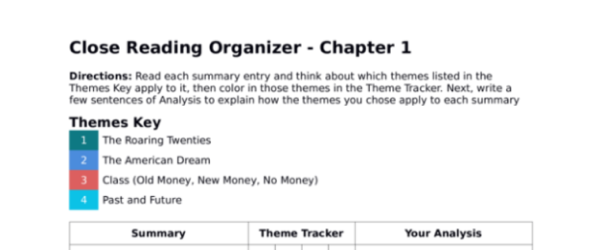
Teacher editions
Save time with in-depth organizers
"THE best teaching resource I have ever used. My students love the handouts."
– LitCharts A⁺ User
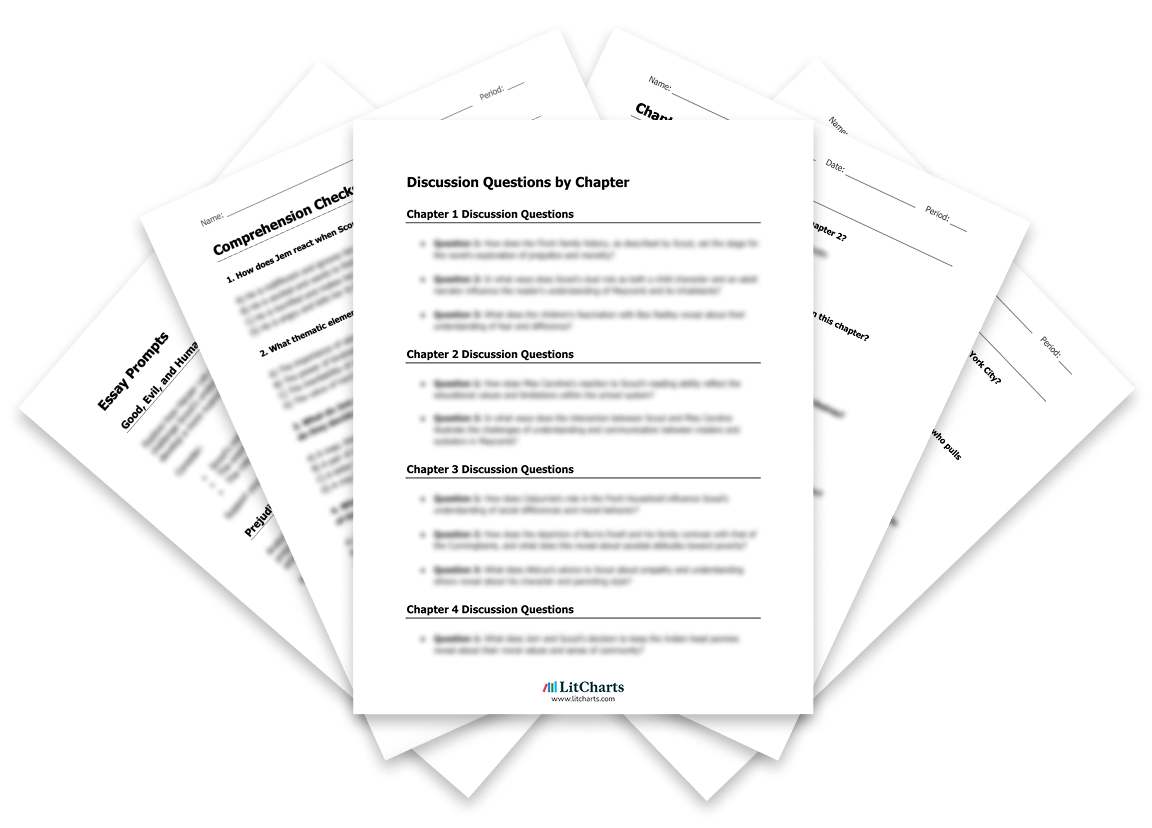
Printable classroom resources
Cut prep time in half
Essay prompts, discussion questions, and comprehension checks—easy to print and ready to use in class.
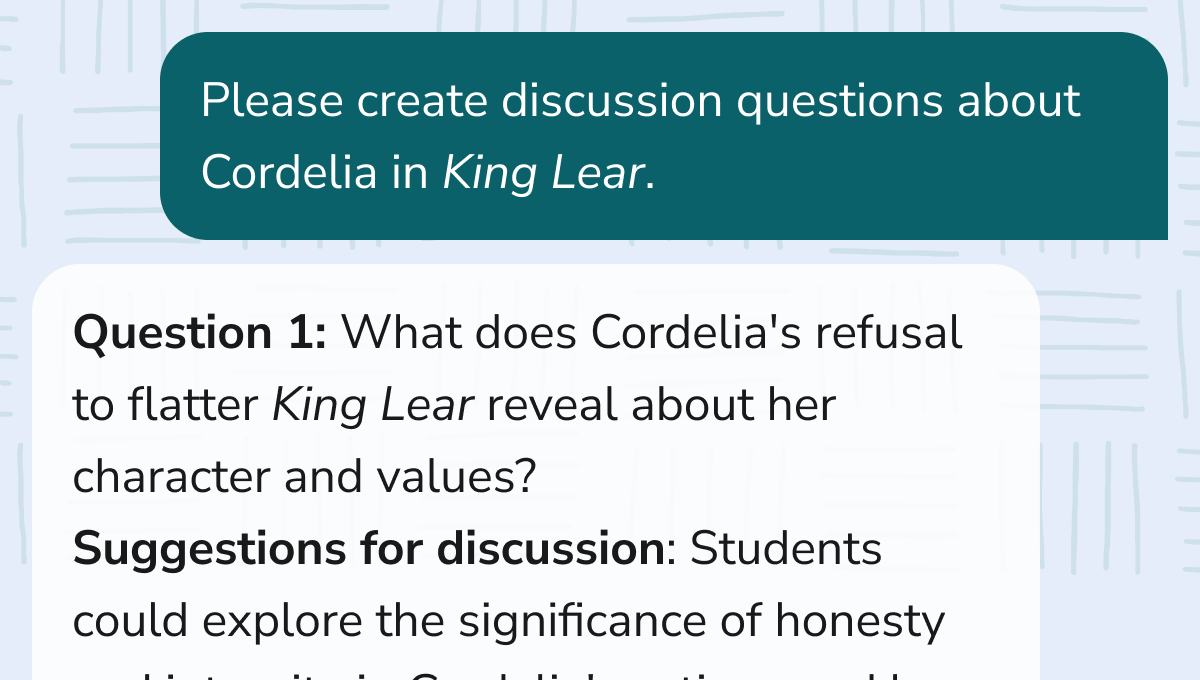
Discussion question generator
Discussion question generator
Instantly create discussion questions that get people talking, through the power of LitCharts analysis and AI.
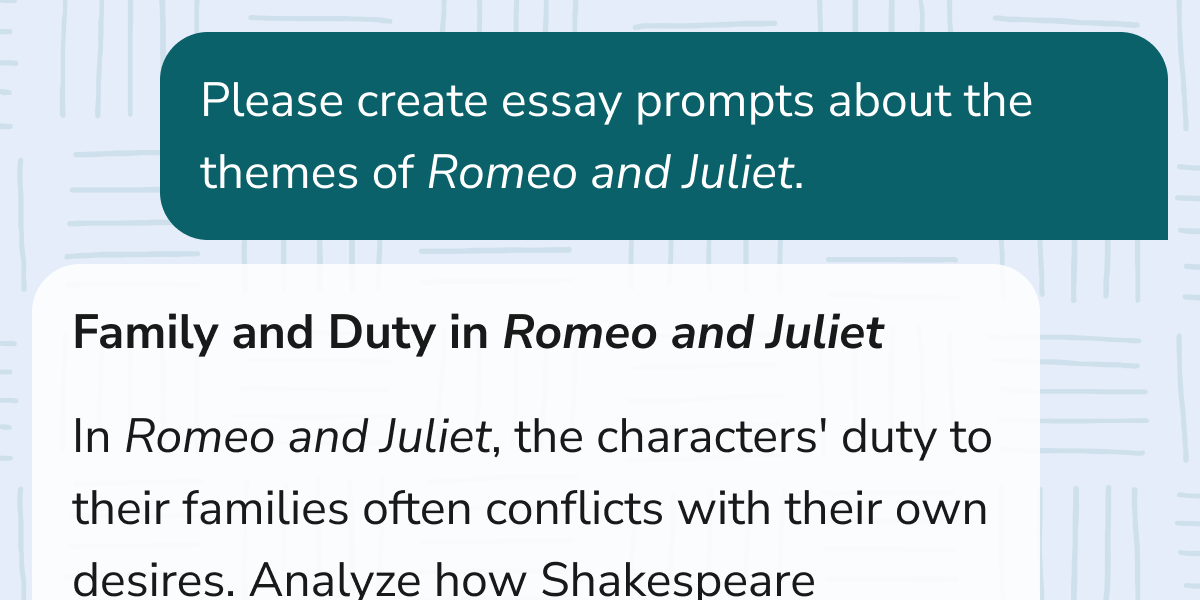
Essay prompt generator
Essay prompt generator
Quickly create thought-provoking essay prompts that will get your students writing, powered by LitCharts analysis and AI.
Quiz question generator
Quiz question generator
Effortlessly generate targeted quiz questions, powered by the world’s best literary analysis and AI.


Literature Guide PDFs
LitCharts PDFs for every book you'll read this year.
Instant PDF downloads of all 2257 LitCharts literature guides and of every new one we publish. Try a free sample literature guide.
"Would not have made it through AP Literature without the printable PDFs. They're like having in-class notes for every discussion!"



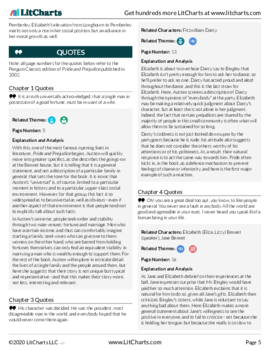


Quotes Explanations
Find the perfect quote. Understand it perfectly. Then rock the citation, too.
For all 50,338 quotes we cover.
For all 50,338 quotes we cover.


Teacher Editions
Close reading made easy for students.
Time saved for teachers.
For every book we cover.
Time saved for teachers.
For every book we cover.
Teacher Edition Contents

|
Close Reading Organizers |

|
Character Analysis Organizers |

|
Symbol Analysis Organizers |

|
Theme Analysis Organizers |

|
Quote Analysis Organizers |
Common Core-aligned
""
Try a free and complete sample Teacher Edition.


PDFs of modern translations of every one of Shakespeare's 37 plays, 154 sonnets, and 3 longer poems.
Every translation available to download as a PDF.
Try a free sample Shakespeare translation.
"Every teacher of literature should use these translations. They completely demystify Shakespeare. Students love them!"

Literary Terms and Devices
Definitions and examples for every literary term and device you need to know.
Plus a quick-reference PDF with concise definitions of all 136 terms in one place.
Plus a quick-reference PDF with concise definitions of all 136 terms in one place.
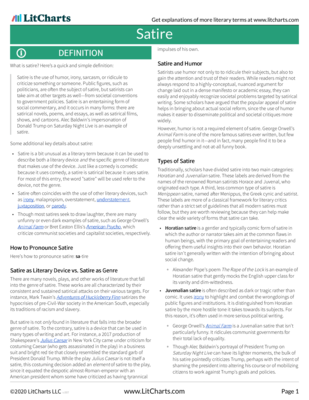
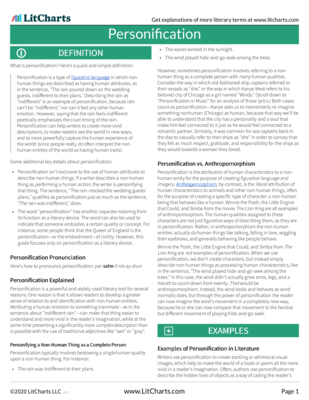
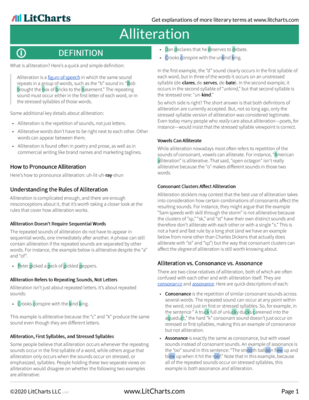
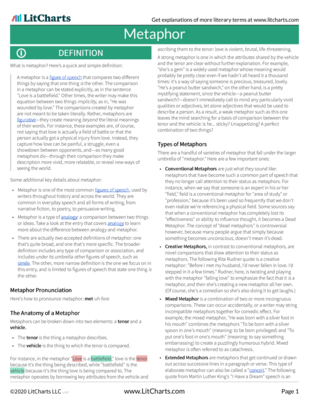
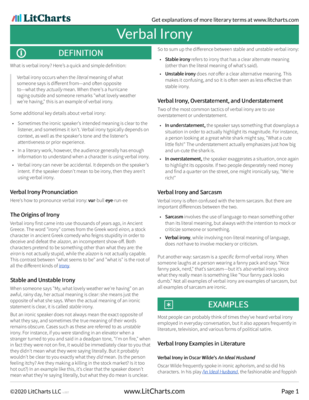
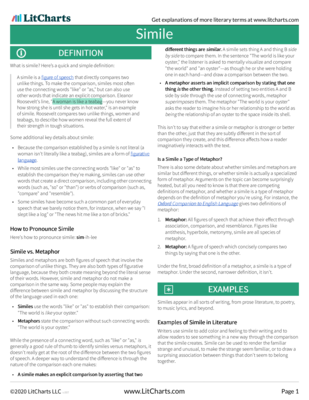
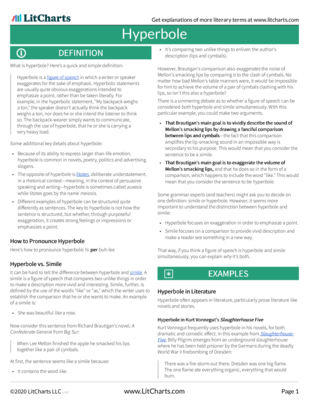
Try a free sample literary term PDF.


Advanced Search
Refine any search. Find related themes, quotes, symbols, characters, and more.
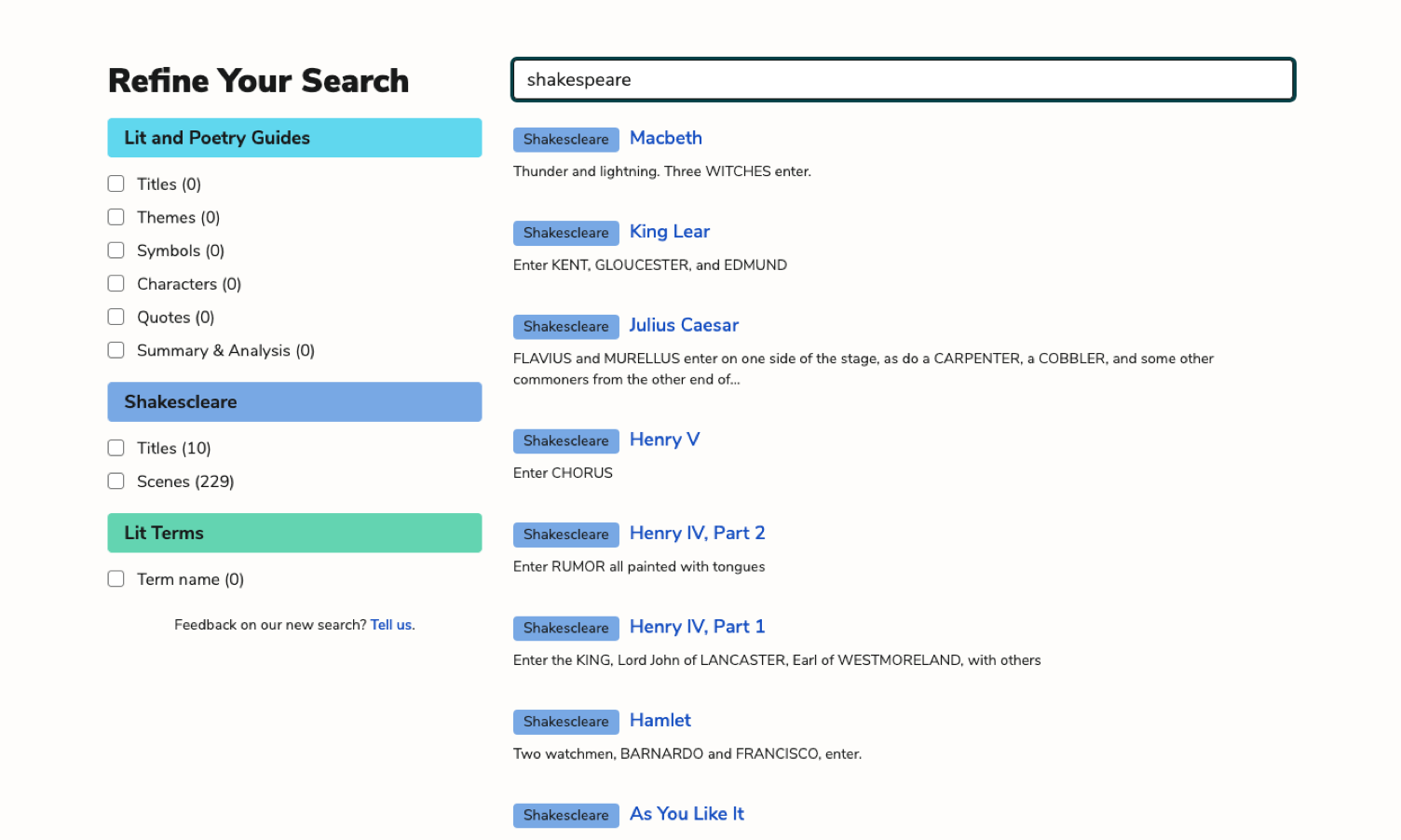

Related Themes
Comparing and contrasting texts? Find where any theme occurs across all of LitCharts in seconds.


Poetry Guides
Line-by-line explanations and analysis of figurative language and poetic devices.
For every lyric poem we cover.
For every lyric poem we cover.