
|
Have questions?
Contact us
Already a member? Sign in
|
Get every literary device explanation for Great Expectations
Plus so much more...
Sign up for LitCharts A+
Get instant access to every literary device explanation, plus so much more...
Hyperbole
Explanation and Analysis—Toadies :
Although Miss Havisham herself is already quite ghoulish company, Dickens employs one of his most corrosive satires to describe her unpleasant and sycophantic family members. When Pip visits Miss Havisham in Chapter 11, he immediately dislikes her relatives, implying that they are disingenuous and false:
There were three ladies in the room and one gentleman. Before I had been standing at the window five minutes, they somehow conveyed to me that they were all toadies and humbugs, but that each of them pretended not to know that the others were toadies and humbugs: because the admission that he or she did know it, would have made him or her out to be a toady and humbug.
A "toady" is the Victorian equivalent of a yes-man, and a humbug is someone who speaks deceptively or falsely for their own benefit. The people Pip sees in the room are, sadly, Miss Havisham's only remaining family: Sarah Pocket, Camilla, Georgina, and Raymond. Havisham is certainly nasty, but she at least presents her nastiness honestly. The same cannot be said for the visitors who throng around her attempting to win her good graces. Currying favor like this is a trope in many Victorian realist novels where money is a central concern.
These people are all entirely self-serving, like many of the frivolous minor characters in Great Expectations. They are also almost totally un-self-aware, as they "pretend not to know" that they are all "toadies and humbugs" in order to preserve their delicate self-images. Havisham's family thrives on gossip and intrigue, and they are only interested in the old woman for the money they believe she will leave behind. They all protest about which of them cares for her more, protests which, the narrator indicates to the reader, are completely untrue. Each of them seems to know this about the others. They take turns jabbing at each other's attempts to be sympathetic in some very funny exchanges of cruel one-liners. At one point, Raymond makes fun of Camilla for the "nervous jerkings" she says are a result of caring too much for others:
Camilla, my dear, it is well known that your family feelings are gradually undermining you to the extent of making one of your legs shorter than the other.
The ridiculous image of hysteria shortening one leg is an example of hyperbole. Of course, this is just Dickens making fun of Camilla's hysterical excesses, as the crew work themselves up into a frenzy. This all seems quite pointless in the end, however, as Miss Havisham herself does not buy their sickly-sweet comments. She knows they are there to try and get things from her, and accuses them in the same passage of wanting to "feast on her" after she dies.
Monthly
Annual (Best Value)

$595USD/mo
Charged $71.40 USD every year
Quote explanations & citation info

Every PDF download
Printable PDFs for every guide
"Would not have made it through without the printable PDFs. They're like having in-class notes for every discussion!"
– LitCharts A⁺ user
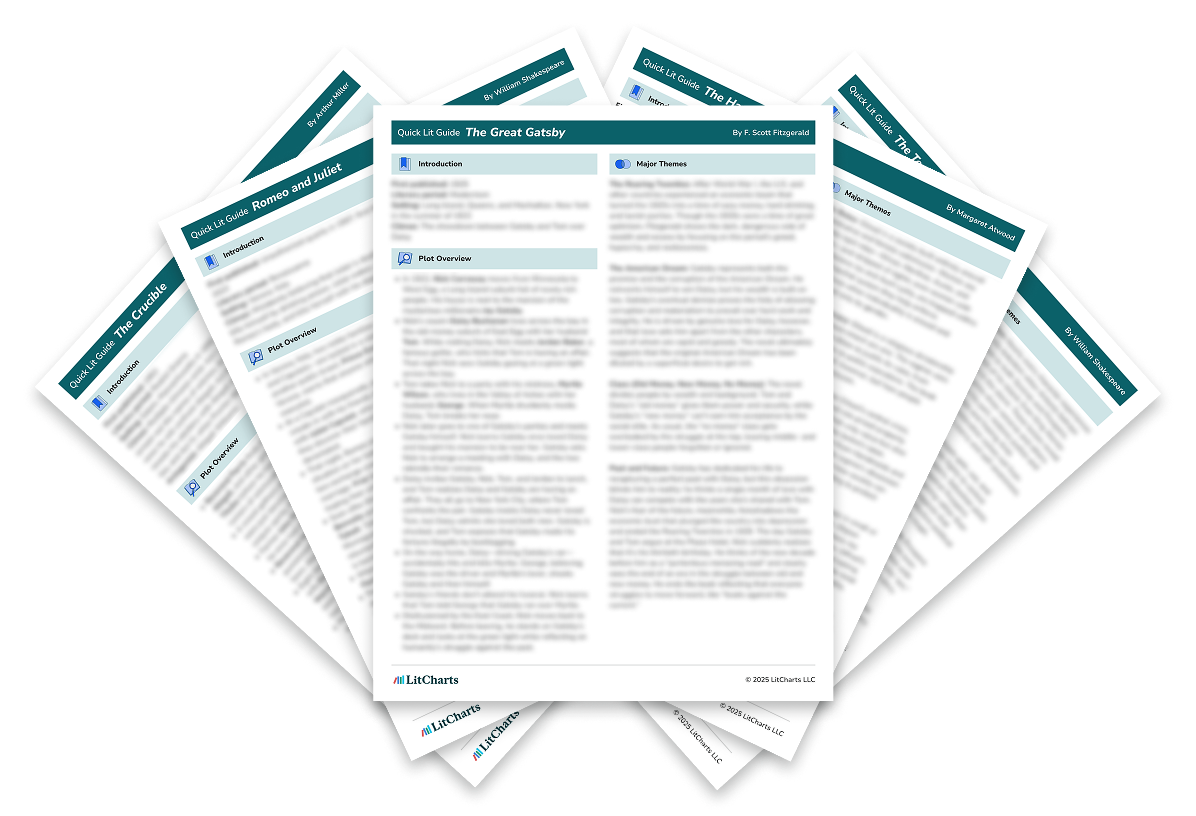
One-page Quick Lit Guides
Understand key basics—fast
Printable, one-page guides that cover the plot points, themes, and ideas you need to know.
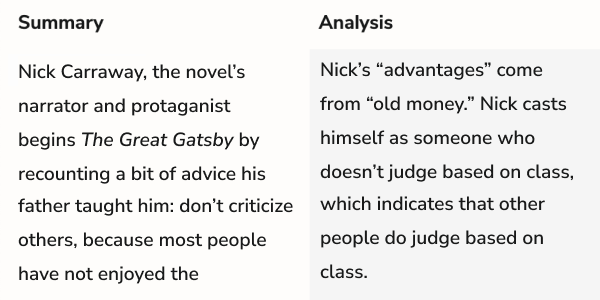
Detailed chapter analysis
Get what happens and what it means
Targeted analysis next to the summary ensures you’ll understand more than just the plot.
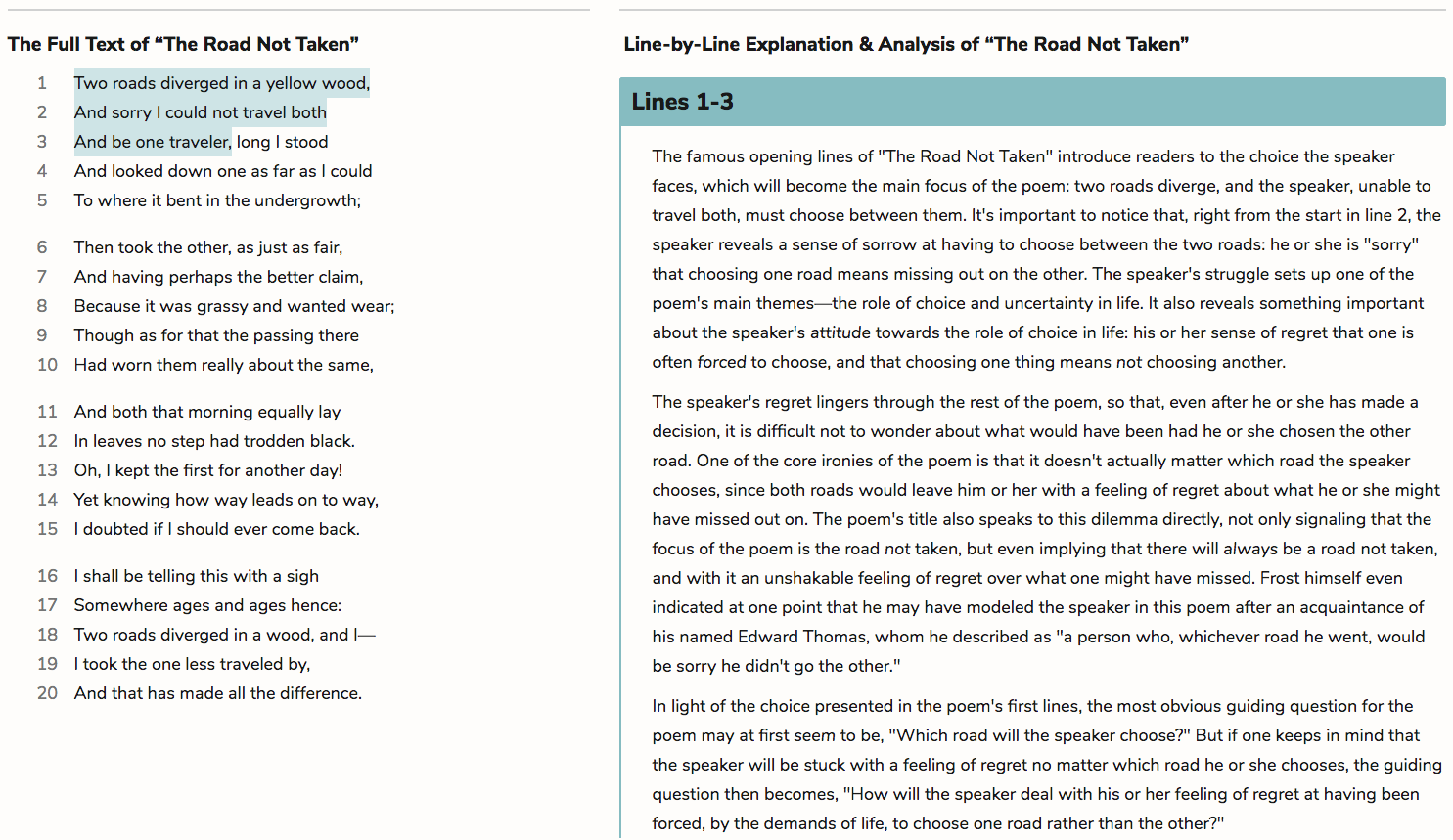
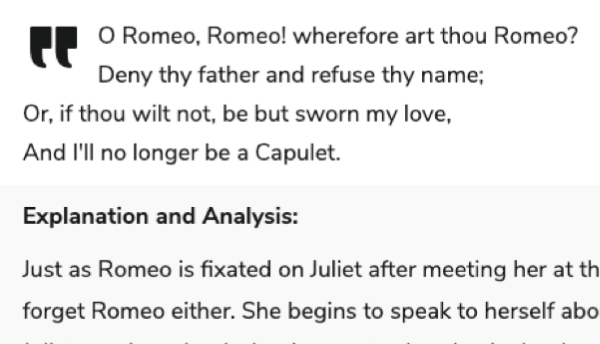
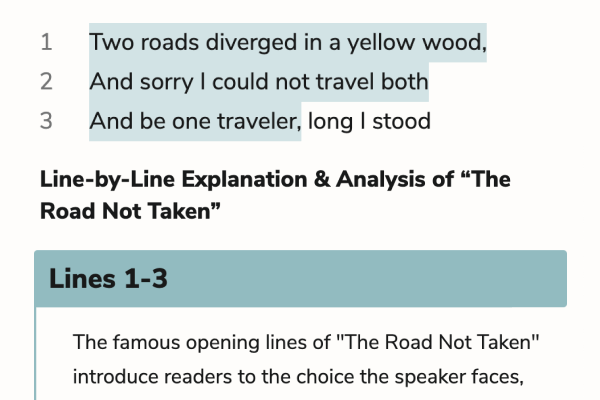
Line-by-line poetry analysis
Get the meaning in every line
Never feel lost reading a poem again with clear and in-depth analysis of each and every line.
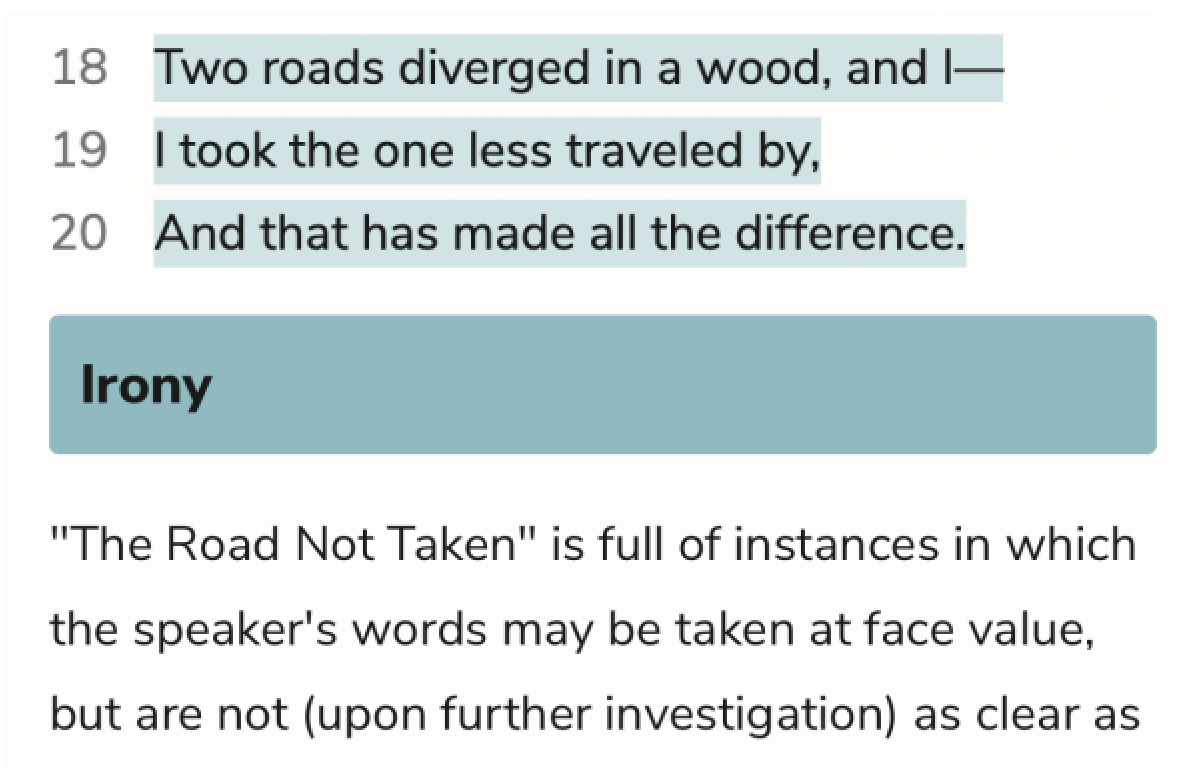
Literary & poetic device analysis
Decode the author’s language
Quickly find and understand the key devices in whatever you’re reading.
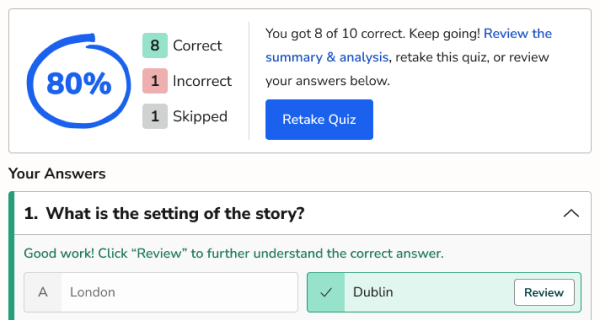
Unlimited quizzes
Unlimited quizzes and feedback
Boost your learning with quizzes that pinpoint and address knowledge gaps.
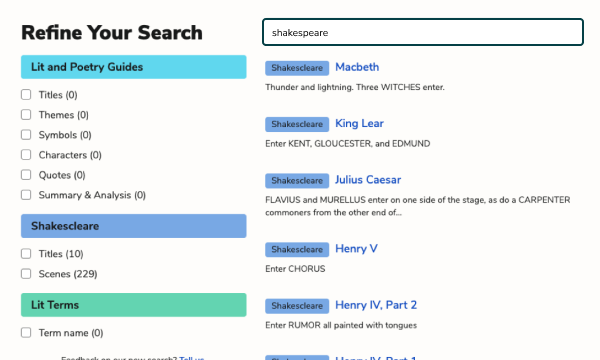
Advanced search
Find exactly what you need
Refine your search using advanced filters like genre, time period, literary movement, author context, grade level, and more.
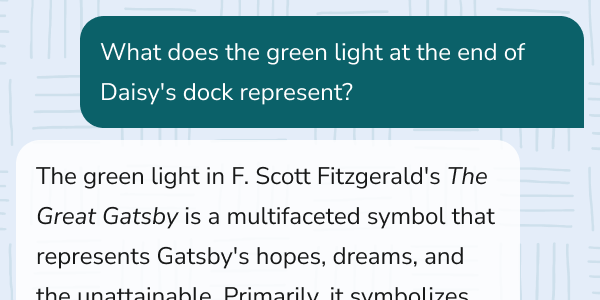
Ask LitCharts AI
Ask LitCharts AI
Instant answers to all your lit questions. Powered by LitCharts content and AI.
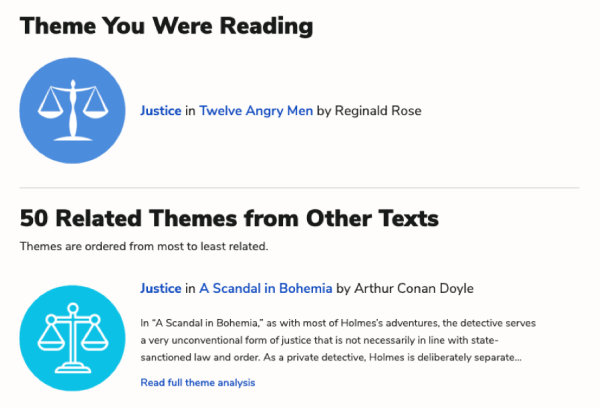
Theme comparisons across books
Compare and contrast
Identify similar themes across books, making comparisons fast and simple.
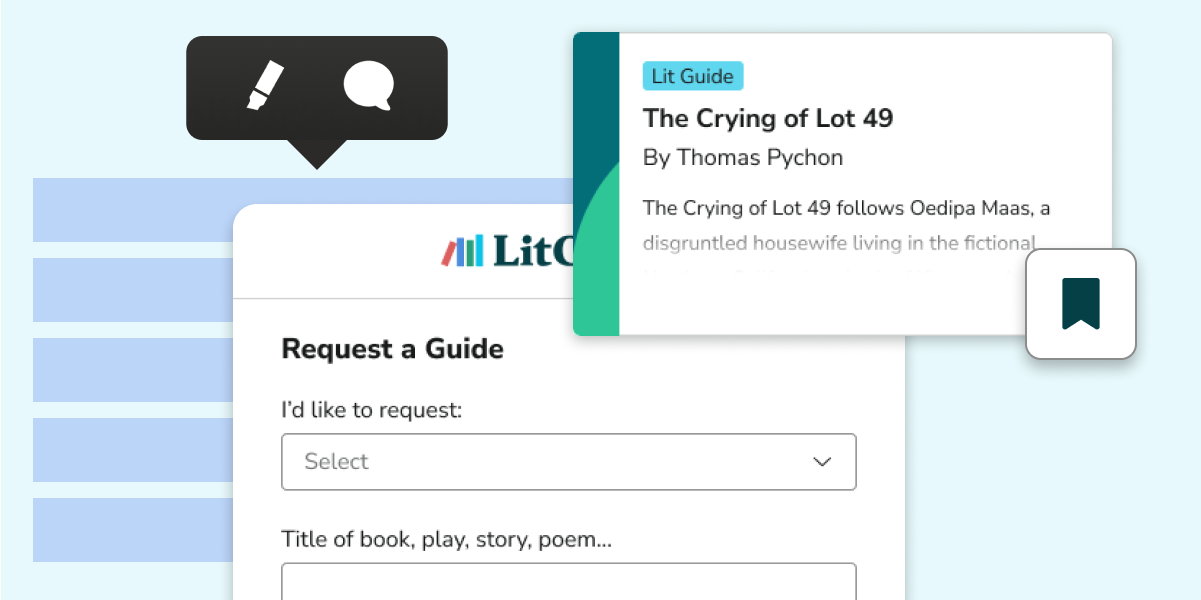
Highlight, take notes, & save guides
Make LitCharts your own
Add highlights or notes, save guides for easy access later, and request new titles.
 Teacher
$795USD/mo
Charged $95.40 USD every year
Quote explanations & citation info
Find the perfect quote
Then understand it perfectly. And get the citation, too. For all 35,000+ quotes we cover.
Every PDF download
Printable PDFs for every guide
"Would not have made it through without the printable PDFs. They're like having in-class notes for every discussion!"
– LitCharts A⁺ user
One-page Quick Lit Guides
Understand key basics—fast
Printable, one-page guides that cover the plot points, themes, and ideas you need to know.
Detailed chapter analysis
Get what happens and what it means
Targeted analysis next to the summary ensures you’ll understand more than just the plot.
Line-by-line poetry analysis
Get the meaning in every line
Never feel lost reading a poem again with clear and in-depth analysis of each and every line.
Literary & poetic device analysis
Decode the author’s language
Quickly find and understand the key devices in whatever you’re reading.
Unlimited quizzes
Unlimited quizzes and feedback
Boost your learning with quizzes that pinpoint and address knowledge gaps.
Advanced search
Find exactly what you need
Refine your search using advanced filters like genre, time period, literary movement, author context, grade level, and more.
Ask LitCharts AI
Ask LitCharts AI
Instant answers to all your lit questions. Powered by LitCharts content and AI.
Theme comparisons across books
Compare and contrast
Identify similar themes across books, making comparisons fast and simple.
Highlight, take notes, & save guides
Make LitCharts your own
Add highlights or notes, save guides for easy access later, and request new titles.
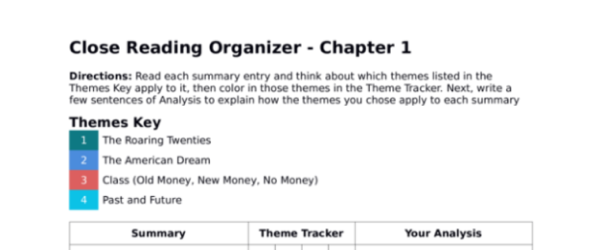
Teacher editions
Save time with in-depth organizers
"THE best teaching resource I have ever used. My students love the handouts."
– LitCharts A⁺ User
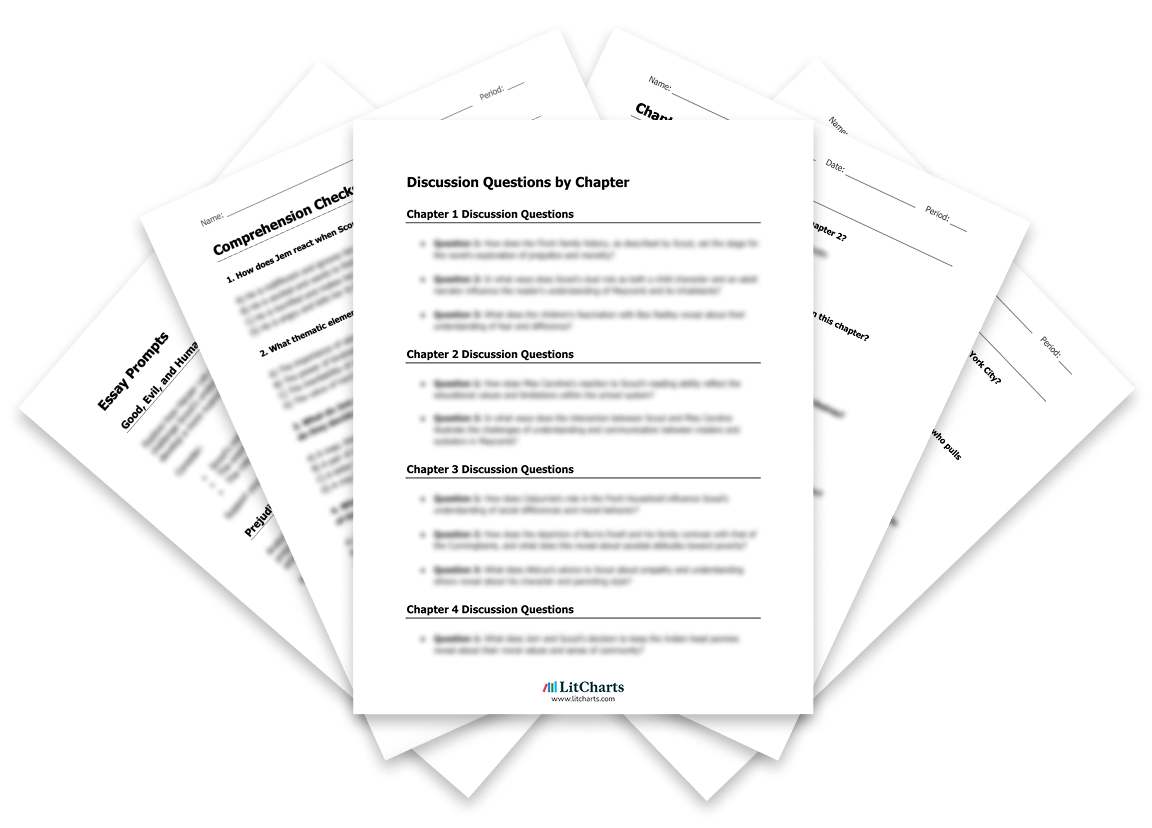
Printable classroom resources
Cut prep time in half
Essay prompts, discussion questions, and comprehension checks—easy to print and ready to use in class.
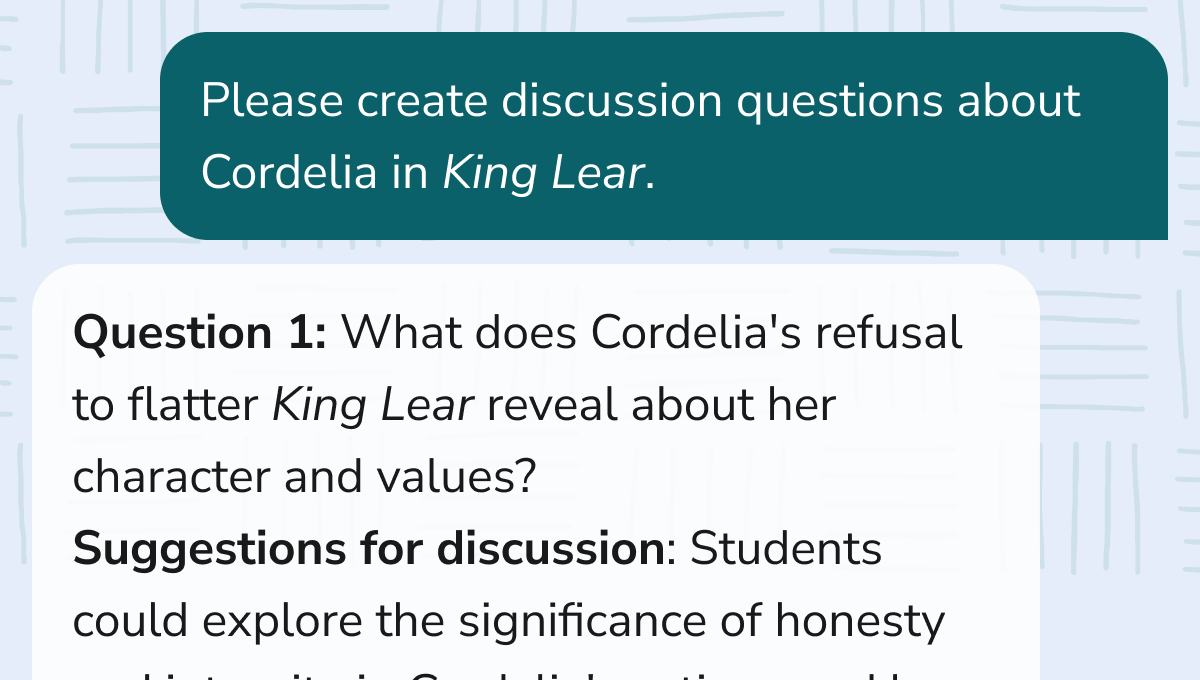
Discussion question generator
Discussion question generator
Instantly create discussion questions that get people talking, through the power of LitCharts analysis and AI.
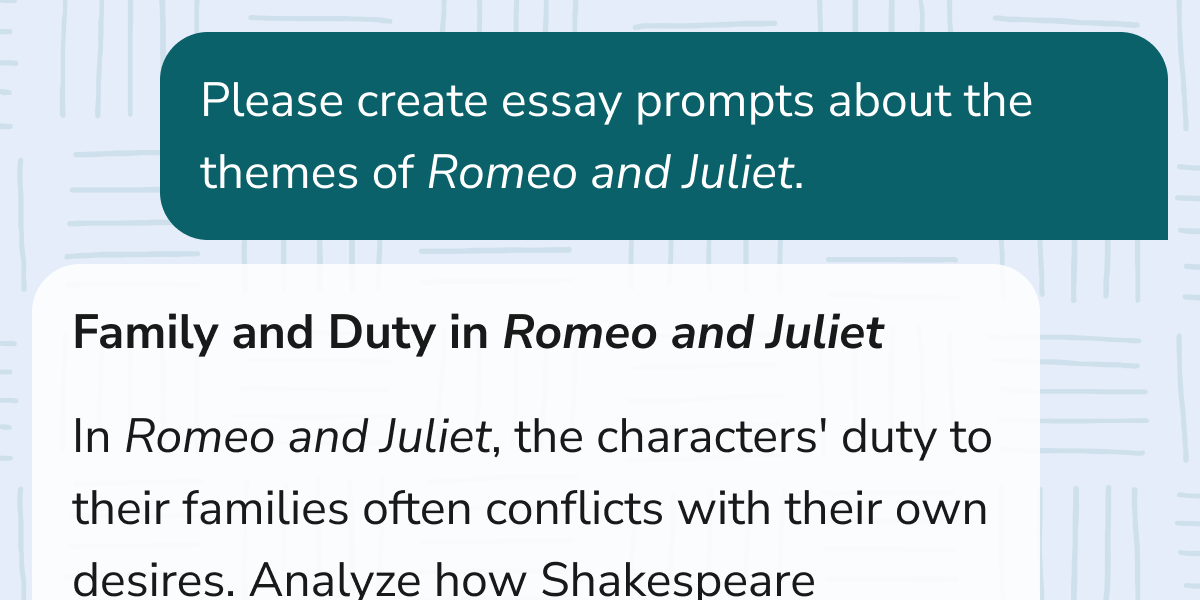
Essay prompt generator
Essay prompt generator
Quickly create thought-provoking essay prompts that will get your students writing, powered by LitCharts analysis and AI.
Quiz question generator
Quiz question generator
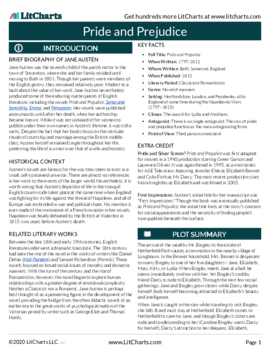
Effortlessly generate targeted quiz questions, powered by the world’s best literary analysis and AI.


Literature Guide PDFs
LitCharts PDFs for every book you'll read this year.
Instant PDF downloads of all 2257 LitCharts literature guides and of every new one we publish. Try a free sample literature guide.
"Would not have made it through AP Literature without the printable PDFs. They're like having in-class notes for every discussion!"


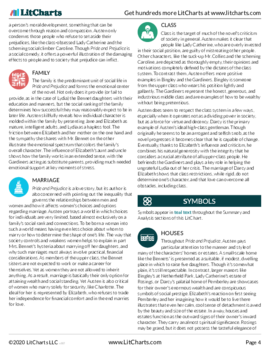
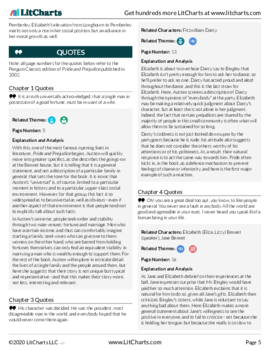


Quotes Explanations
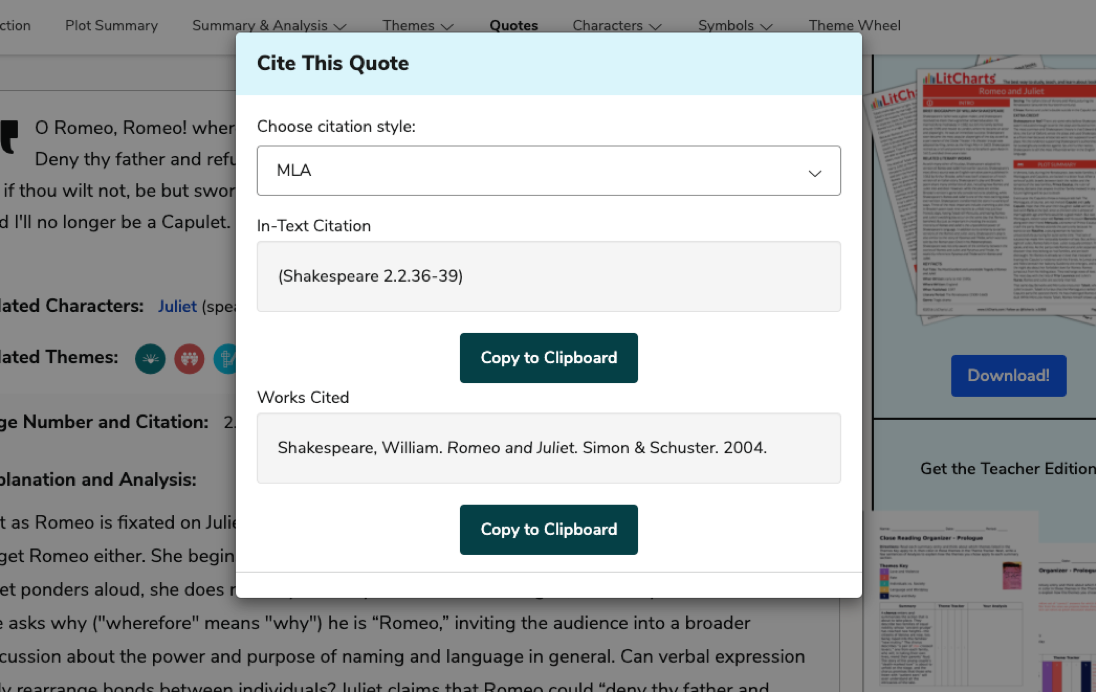
Find the perfect quote. Understand it perfectly. Then rock the citation, too.
For all 50,338 quotes we cover.
For all 50,338 quotes we cover.
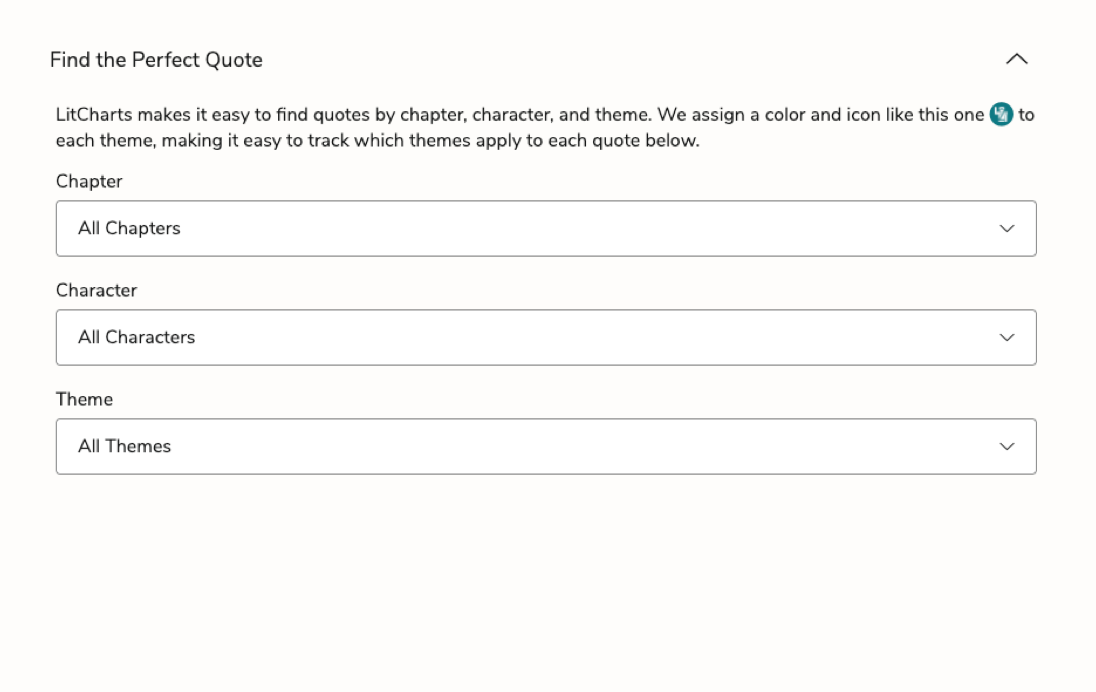
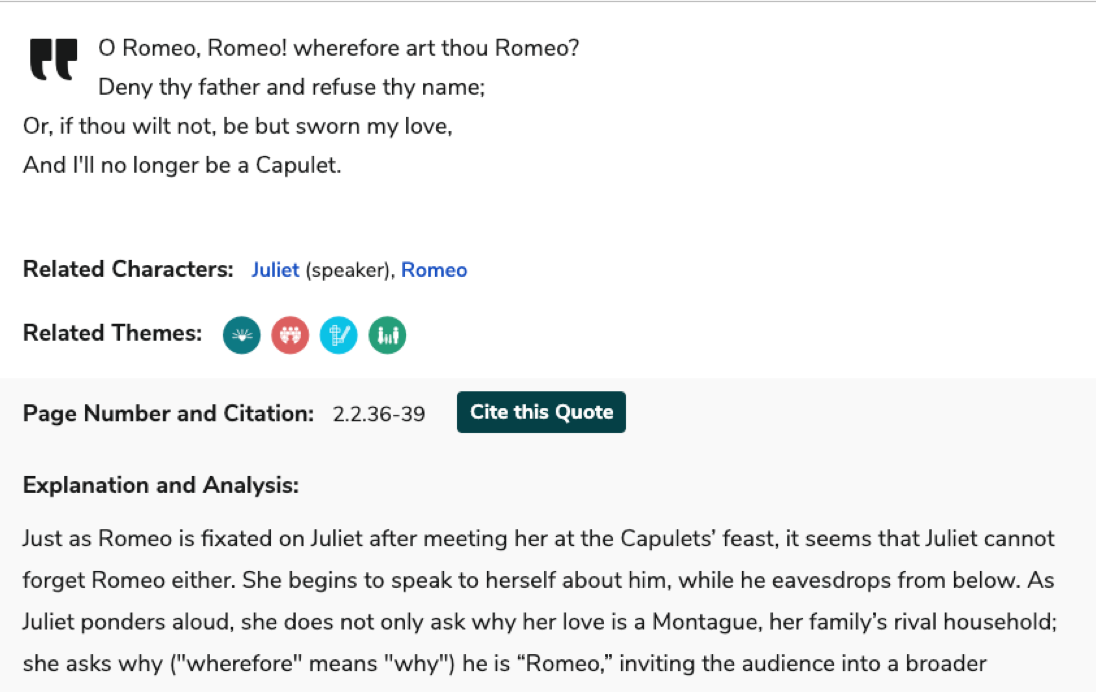


Teacher Editions
Close reading made easy for students.
Time saved for teachers.
For every book we cover.
Time saved for teachers.
For every book we cover.
Teacher Edition Contents

|
Close Reading Organizers |

|
Character Analysis Organizers |

|
Symbol Analysis Organizers |

|
Theme Analysis Organizers |

|
Quote Analysis Organizers |
Common Core-aligned
""
Try a free and complete sample Teacher Edition.


PDFs of modern translations of every one of Shakespeare's 37 plays, 154 sonnets, and 3 longer poems.
Every translation available to download as a PDF.
Try a free sample Shakespeare translation.
"Every teacher of literature should use these translations. They completely demystify Shakespeare. Students love them!"

Literary Terms and Devices
Definitions and examples for every literary term and device you need to know.
Plus a quick-reference PDF with concise definitions of all 136 terms in one place.
Plus a quick-reference PDF with concise definitions of all 136 terms in one place.
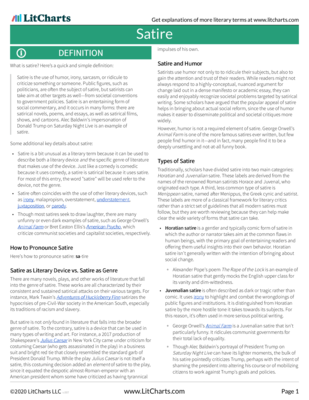
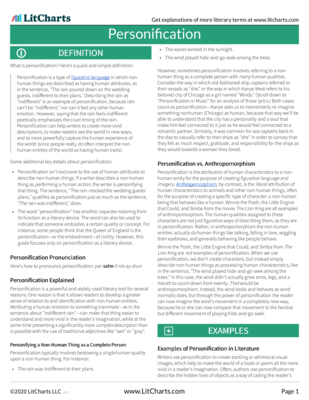
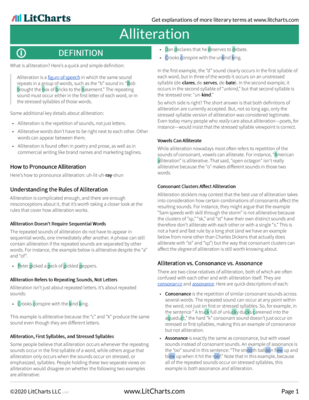
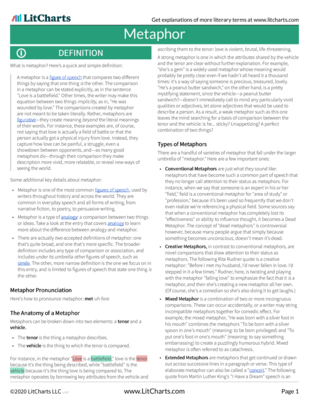
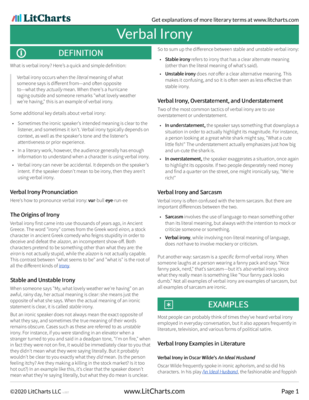
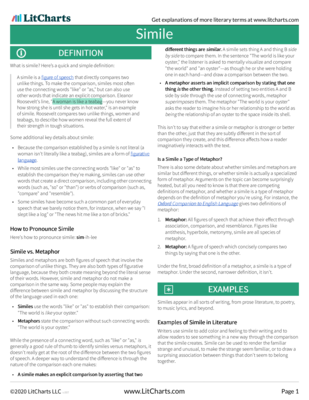
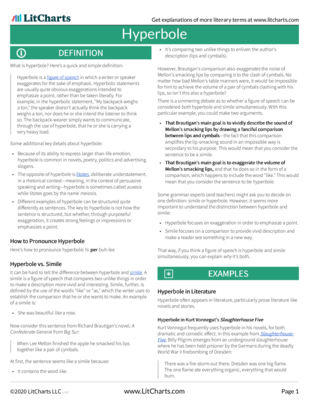
Try a free sample literary term PDF.


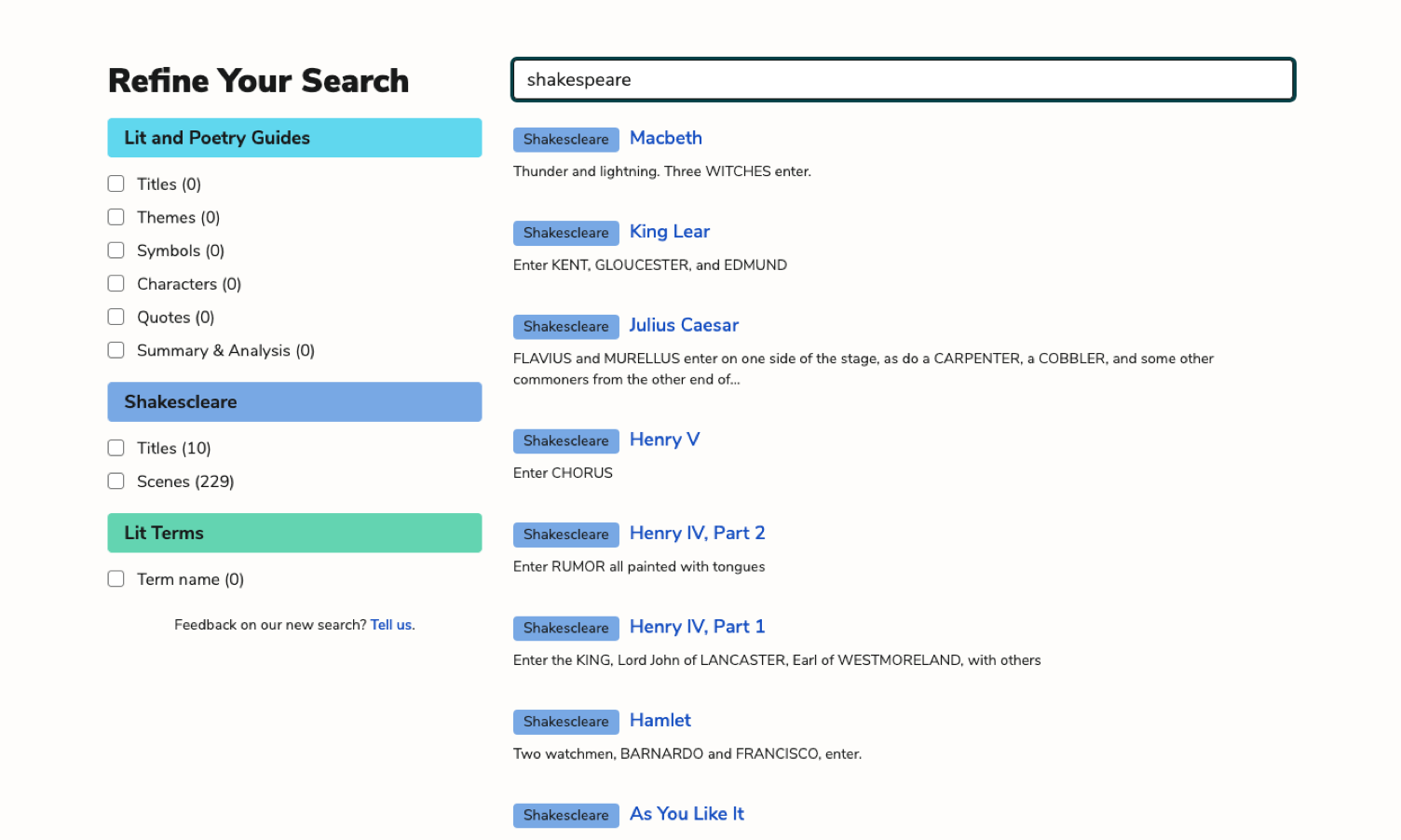
Advanced Search
Refine any search. Find related themes, quotes, symbols, characters, and more.
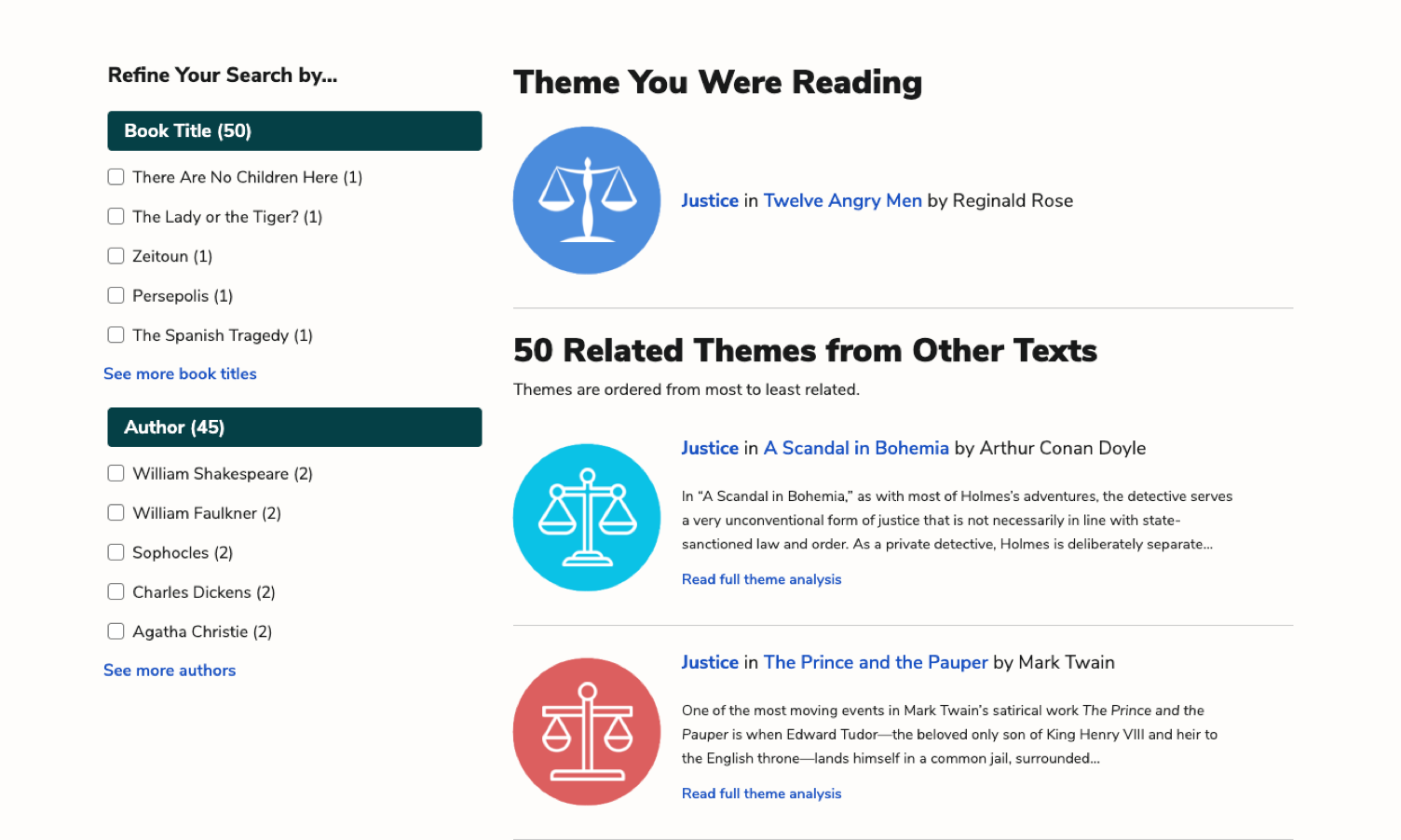
Related Themes
Comparing and contrasting texts? Find where any theme occurs across all of LitCharts in seconds.


Poetry Guides
Line-by-line explanations and analysis of figurative language and poetic devices.
For every lyric poem we cover.
For every lyric poem we cover.