
|
Have questions?
Contact us
Already a member? Sign in
|
Get every literary device explanation for 1984
Plus so much more...
Sign up for LitCharts A+
Get instant access to every literary device explanation, plus so much more...
Imagery
Explanation and Analysis—A Skeletonlike Thing:
During months of torture, Winston has not laid eyes on his body in its entirety. As part of the psychological torture to which he subjects Winston, O'Brien brings a three-sided mirror into the cell to expose Winston to his reflection. Taking place in the third chapter of the third book, this part is rich with both similes and imagery, as the narrator recounts Winston's horror at discovering his mirror image.
A bowed, gray-colored, skeletonlike thing was coming toward him. Its actual appearance was frightening, and not merely the fact that he knew it to be himself. He moved closer to the glass. The creature’s face seemed to be protruded, because of its bent carriage. A forlorn, jailbird’s face with a nobby forehead running back into a bald scalp, a crooked nose and battered-looking cheekbones above which the eyes were fierce and watchful. The cheeks were seamed, the mouth had a drawn-in look.
In this part, Winston balances the knowledge that he is gazing at himself with an absolute sense of alienation. The narrator captures this through the impersonal diction of "a thing," "a creature," and "a face." The indefinite articles convey that he is not yet ready to claim what he sees as himself. Over the course of the passage, the narrator seems to be describing an animal skeleton or a ragged doll.
As the passage continues, the narrator narrows in on Winston's filthiness:
Except for his hands and a circle of his face, his body was gray all over with ancient, ingrained dirt. Here and there under the dirt there were the red scars of wounds, and near the ankle the varicose ulcer was an inflamed mass with flakes of skin peeling off it. But the truly frightening thing was the emaciation of his body. The barrel of the ribs was as narrow as that of a skeleton; the legs had shrunk so that the knees were thicker than the thighs.
For the reader, the grayness and grittiness of Winston's skin give it a tactile quality, which combines with the visual imagery of his splotchy scars. The disconcerting tactile and visual imagery is combined with similes to give the reader a fully fledged picture of what Winston looks like. His ribs are like that of a skeleton.
This passage marks a turning point for Winston, especially in his mental state. Although the long-term torture has been breaking him down, he has managed to retain a sense of himself. Once he sees what he looks like, he begins to fully comprehend what he has gone through—and will continue to go through—at the hands of the Party. O'Brien uses this tactic to show how degraded Winston is, after he claims that he is superior to the Party. He shows Winston what he sees when he looks at him, pointing out his grime, dirt, stink, emaciation, baldness, and tooth loss. He tells Winston that he is nothing but a bag of filth, at which point Winston collapses and begins to weep.
Monthly
Annual (Best Value)

$595USD/mo
Charged $71.40 USD every year
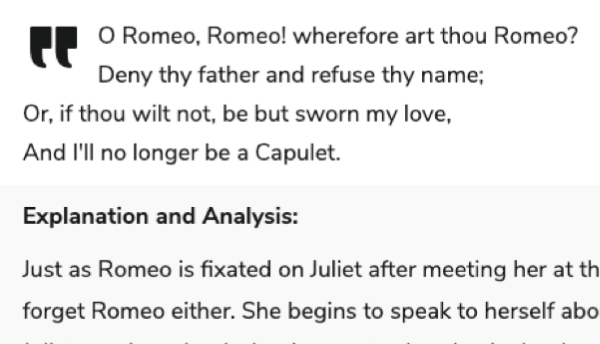
Quote explanations & citation info

Every PDF download
Printable PDFs for every guide
"Would not have made it through without the printable PDFs. They're like having in-class notes for every discussion!"
– LitCharts A⁺ user
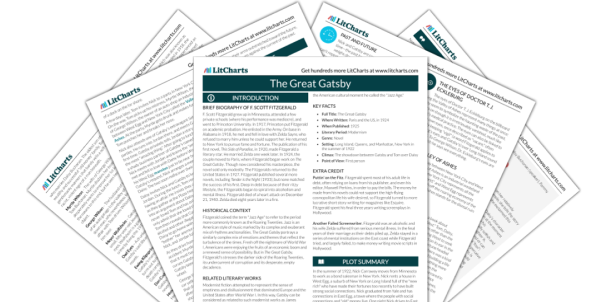
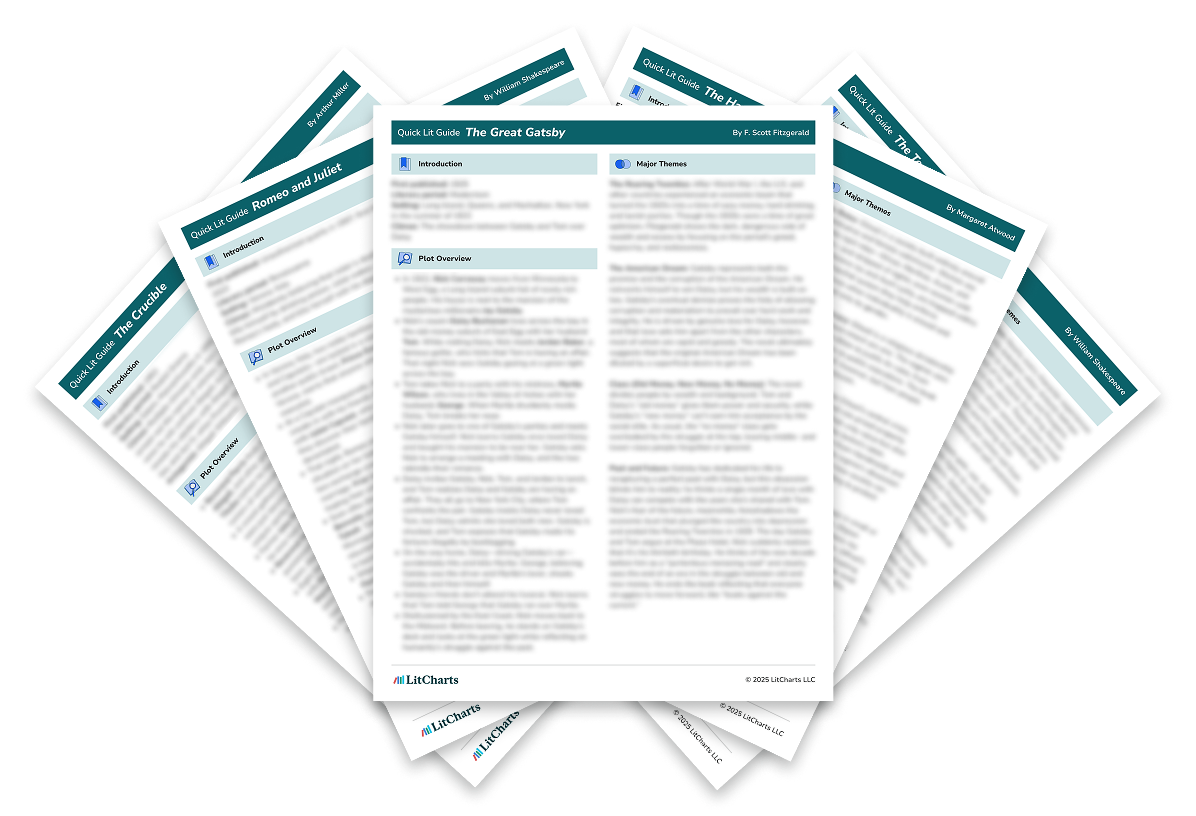
One-page Quick Lit Guides
Understand key basics—fast
Printable, one-page guides that cover the plot points, themes, and ideas you need to know.
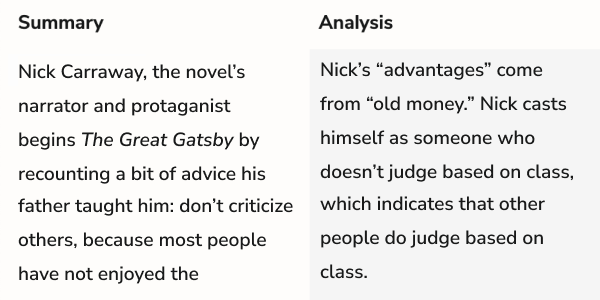
Detailed chapter analysis
Get what happens and what it means
Targeted analysis next to the summary ensures you’ll understand more than just the plot.
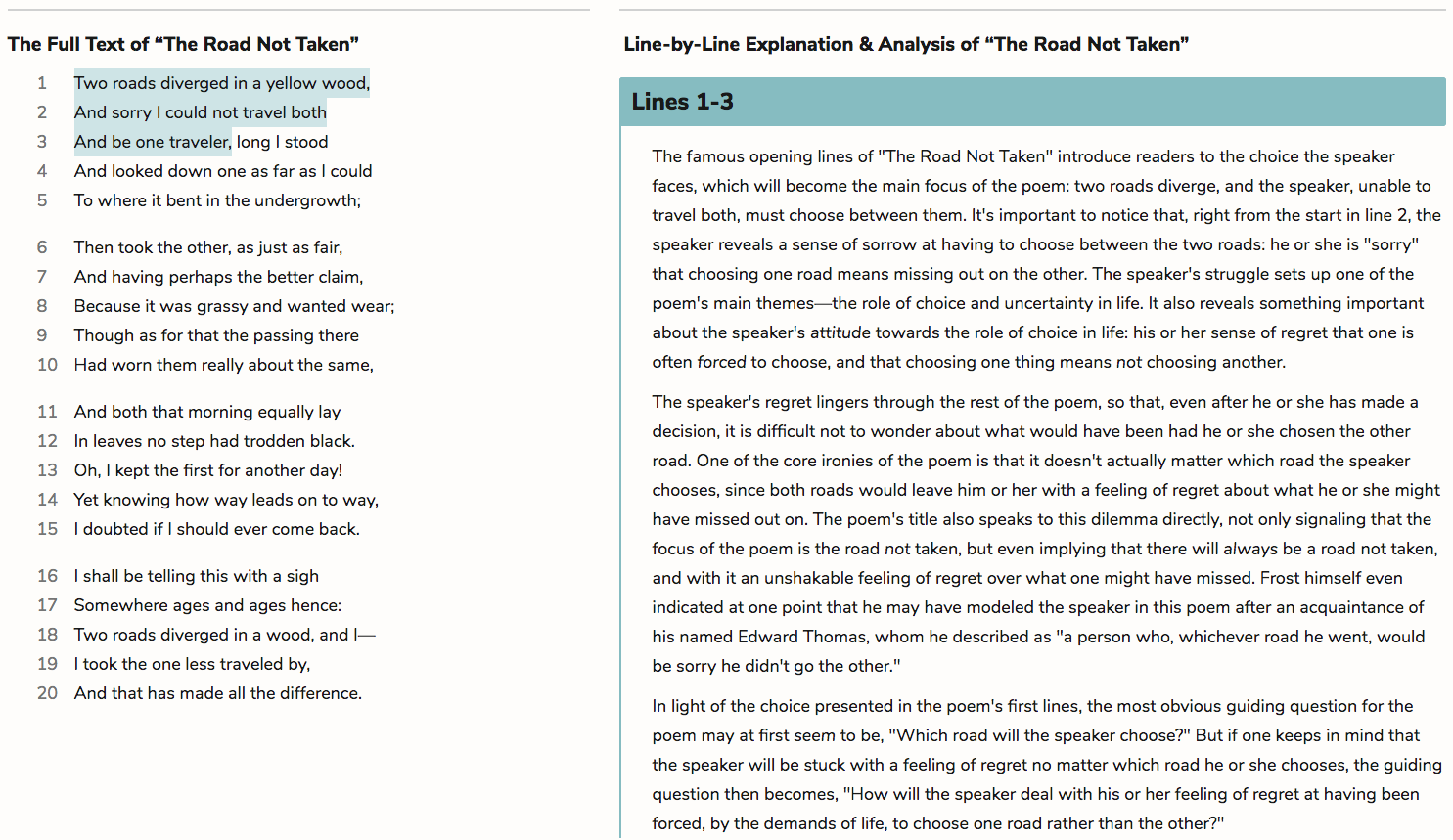
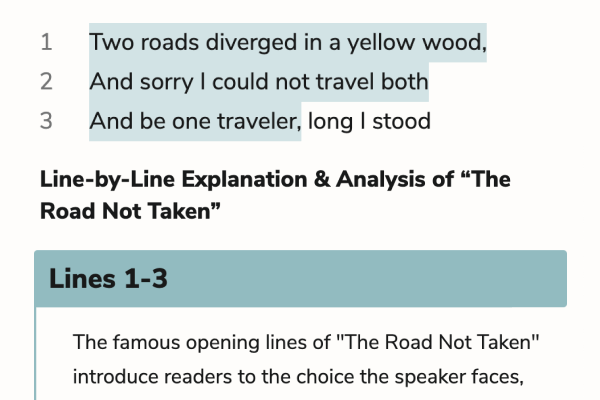
Line-by-line poetry analysis
Get the meaning in every line
Never feel lost reading a poem again with clear and in-depth analysis of each and every line.
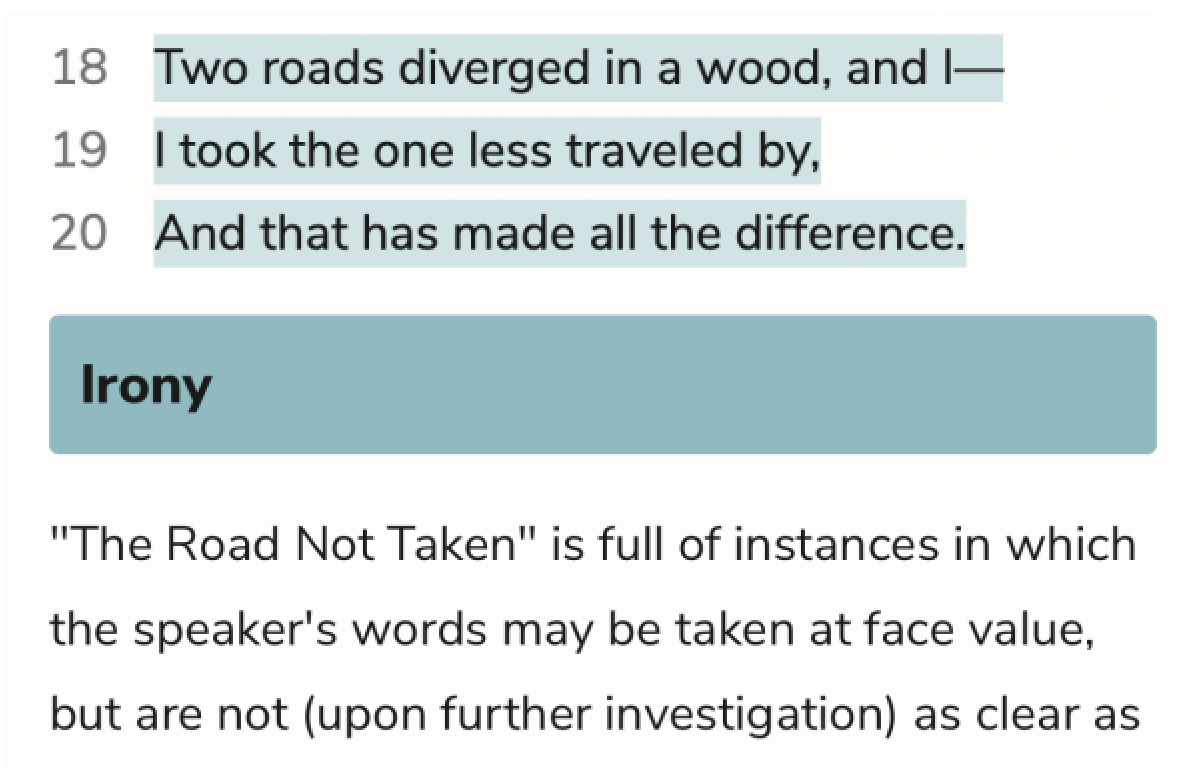
Literary & poetic device analysis
Decode the author’s language
Quickly find and understand the key devices in whatever you’re reading.
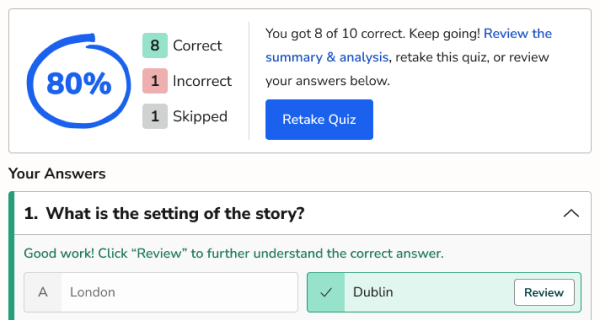
Unlimited quizzes
Unlimited quizzes and feedback
Boost your learning with quizzes that pinpoint and address knowledge gaps.
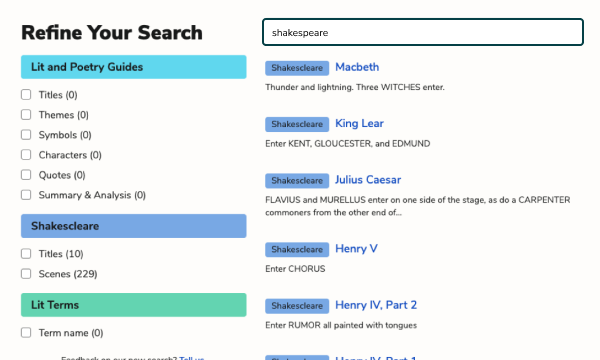
Advanced search
Find exactly what you need
Refine your search using advanced filters like genre, time period, literary movement, author context, grade level, and more.
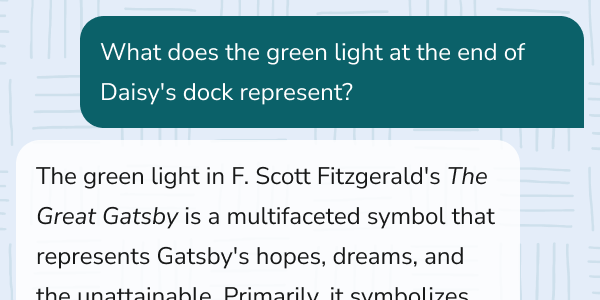
Ask LitCharts AI
Ask LitCharts AI
Instant answers to all your lit questions. Powered by LitCharts content and AI.
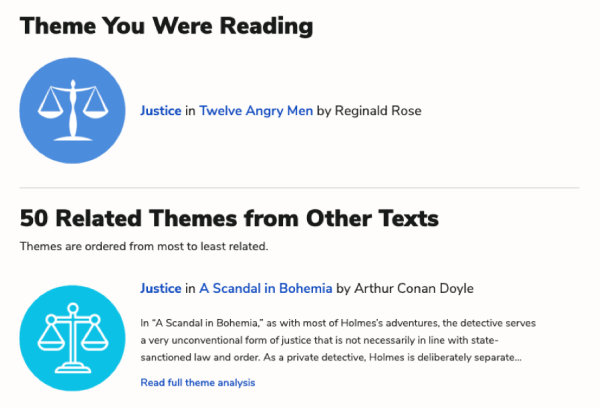
Theme comparisons across books
Compare and contrast
Identify similar themes across books, making comparisons fast and simple.
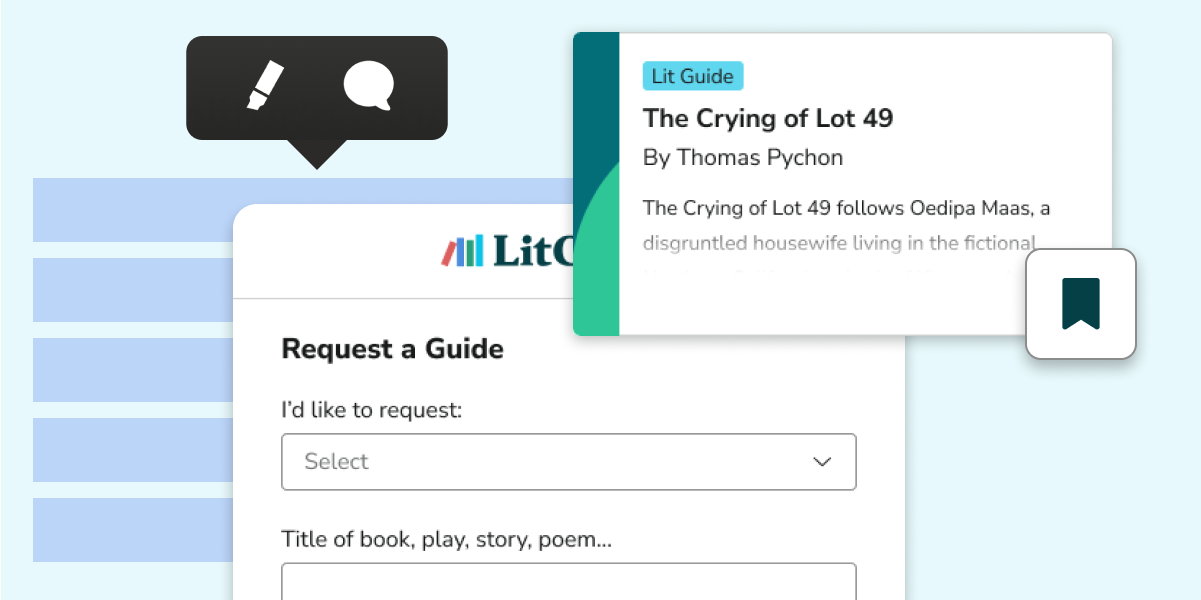
Highlight, take notes, & save guides
Make LitCharts your own
Add highlights or notes, save guides for easy access later, and request new titles.
 Teacher
$795USD/mo
Charged $95.40 USD every year
Quote explanations & citation info
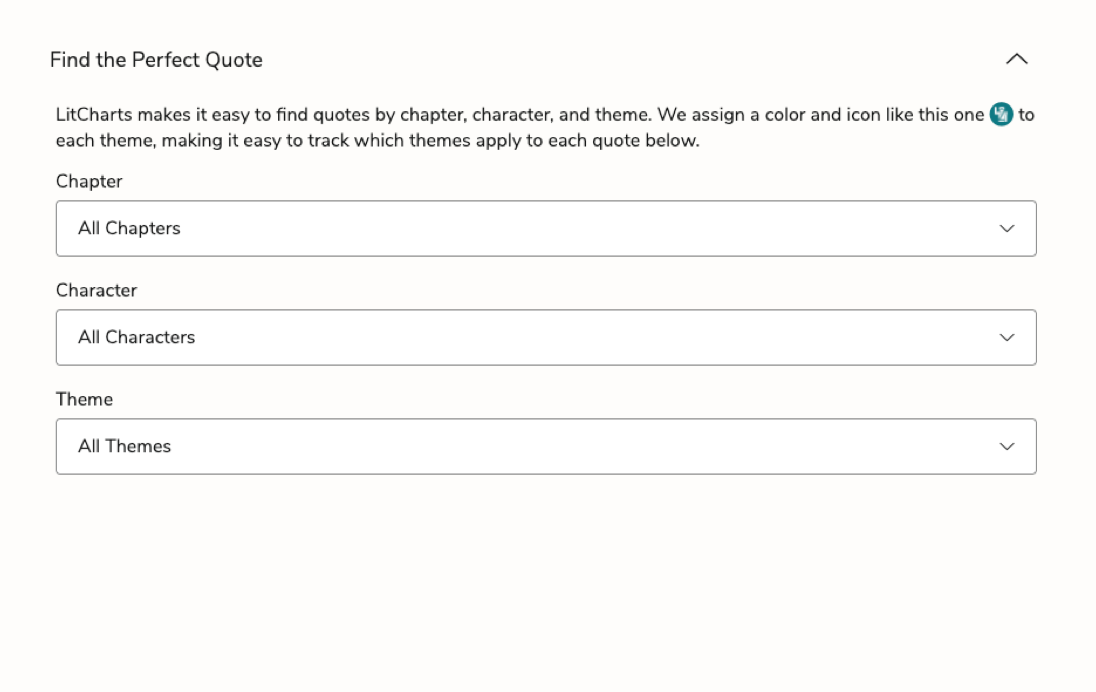
Find the perfect quote
Then understand it perfectly. And get the citation, too. For all 35,000+ quotes we cover.
Every PDF download
Printable PDFs for every guide
"Would not have made it through without the printable PDFs. They're like having in-class notes for every discussion!"
– LitCharts A⁺ user
One-page Quick Lit Guides
Understand key basics—fast
Printable, one-page guides that cover the plot points, themes, and ideas you need to know.
Detailed chapter analysis
Get what happens and what it means
Targeted analysis next to the summary ensures you’ll understand more than just the plot.
Line-by-line poetry analysis
Get the meaning in every line
Never feel lost reading a poem again with clear and in-depth analysis of each and every line.
Literary & poetic device analysis
Decode the author’s language
Quickly find and understand the key devices in whatever you’re reading.
Unlimited quizzes
Unlimited quizzes and feedback
Boost your learning with quizzes that pinpoint and address knowledge gaps.
Advanced search
Find exactly what you need
Refine your search using advanced filters like genre, time period, literary movement, author context, grade level, and more.
Ask LitCharts AI
Ask LitCharts AI
Instant answers to all your lit questions. Powered by LitCharts content and AI.
Theme comparisons across books
Compare and contrast
Identify similar themes across books, making comparisons fast and simple.
Highlight, take notes, & save guides
Make LitCharts your own
Add highlights or notes, save guides for easy access later, and request new titles.
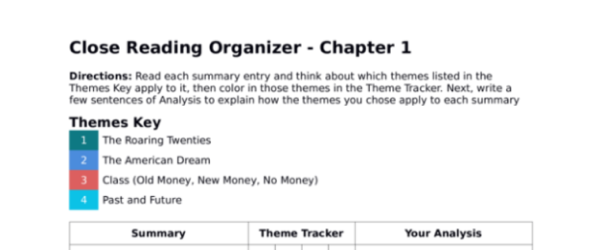
Teacher editions
Save time with in-depth organizers
"THE best teaching resource I have ever used. My students love the handouts."
– LitCharts A⁺ User
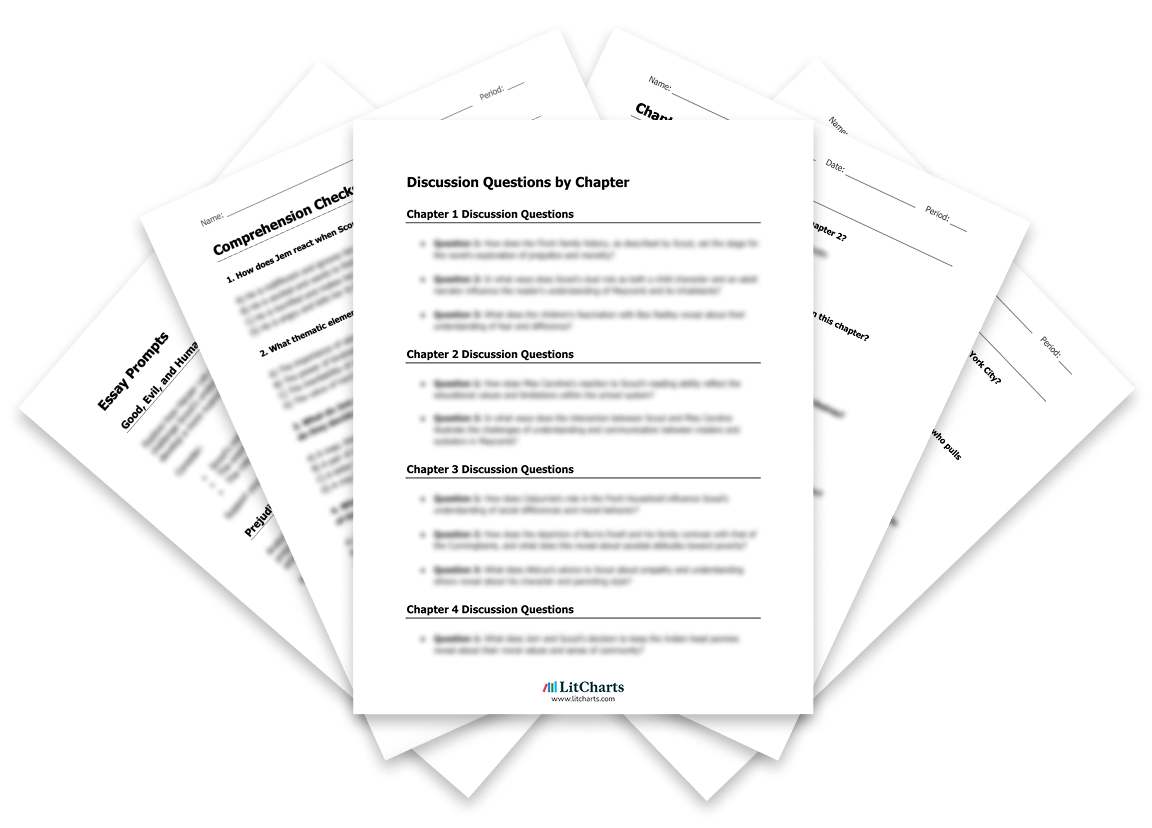
Printable classroom resources
Cut prep time in half
Essay prompts, discussion questions, and comprehension checks—easy to print and ready to use in class.
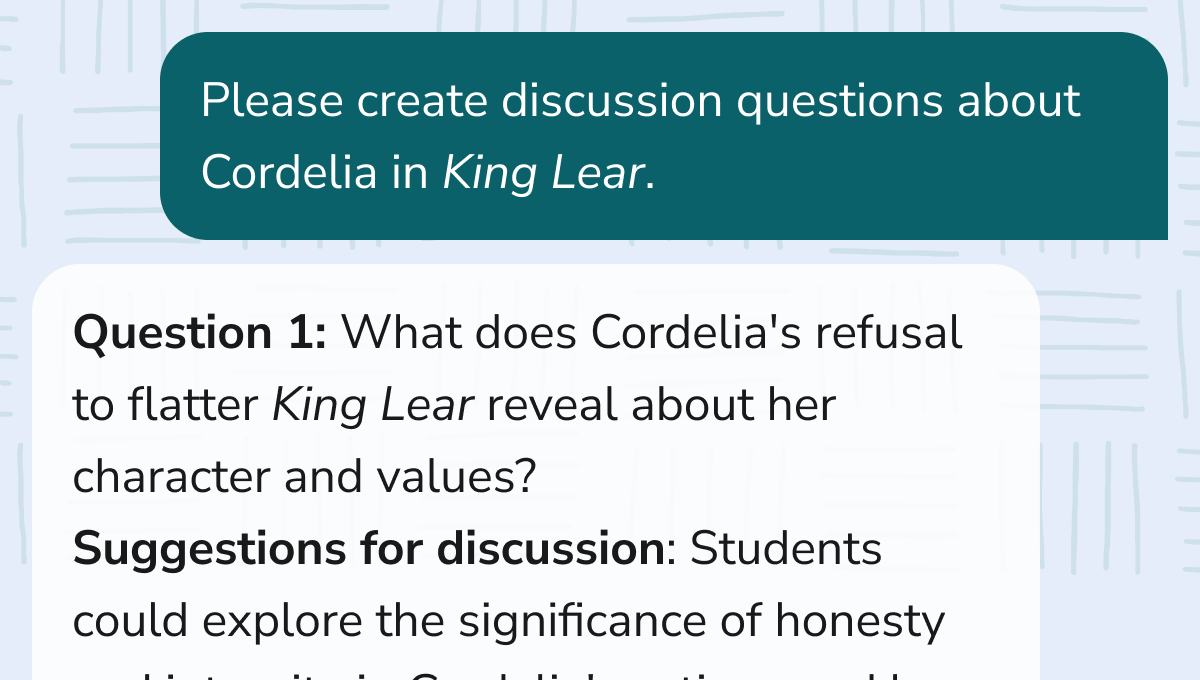
Discussion question generator
Discussion question generator
Instantly create discussion questions that get people talking, through the power of LitCharts analysis and AI.
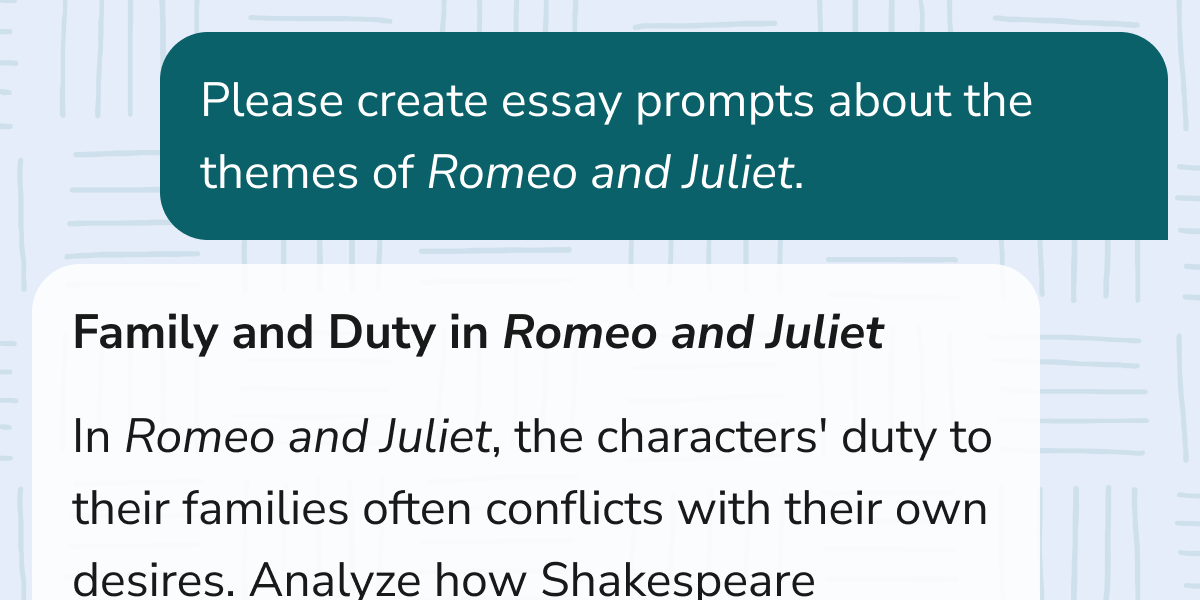
Essay prompt generator
Essay prompt generator
Quickly create thought-provoking essay prompts that will get your students writing, powered by LitCharts analysis and AI.
Quiz question generator
Quiz question generator
Effortlessly generate targeted quiz questions, powered by the world’s best literary analysis and AI.


Literature Guide PDFs
LitCharts PDFs for every book you'll read this year.
Instant PDF downloads of all 2258 LitCharts literature guides and of every new one we publish. Try a free sample literature guide.
"Would not have made it through AP Literature without the printable PDFs. They're like having in-class notes for every discussion!"



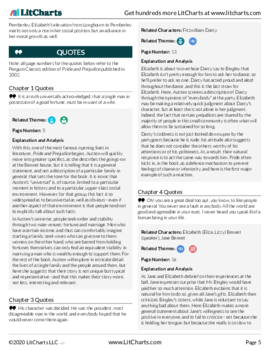


Quotes Explanations
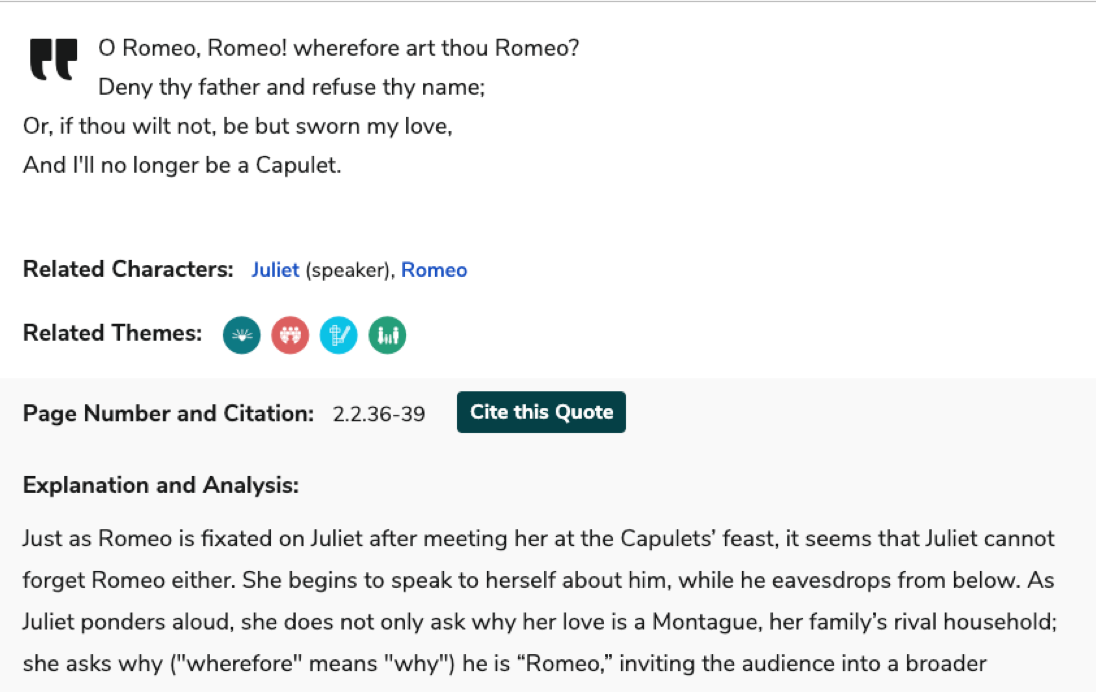
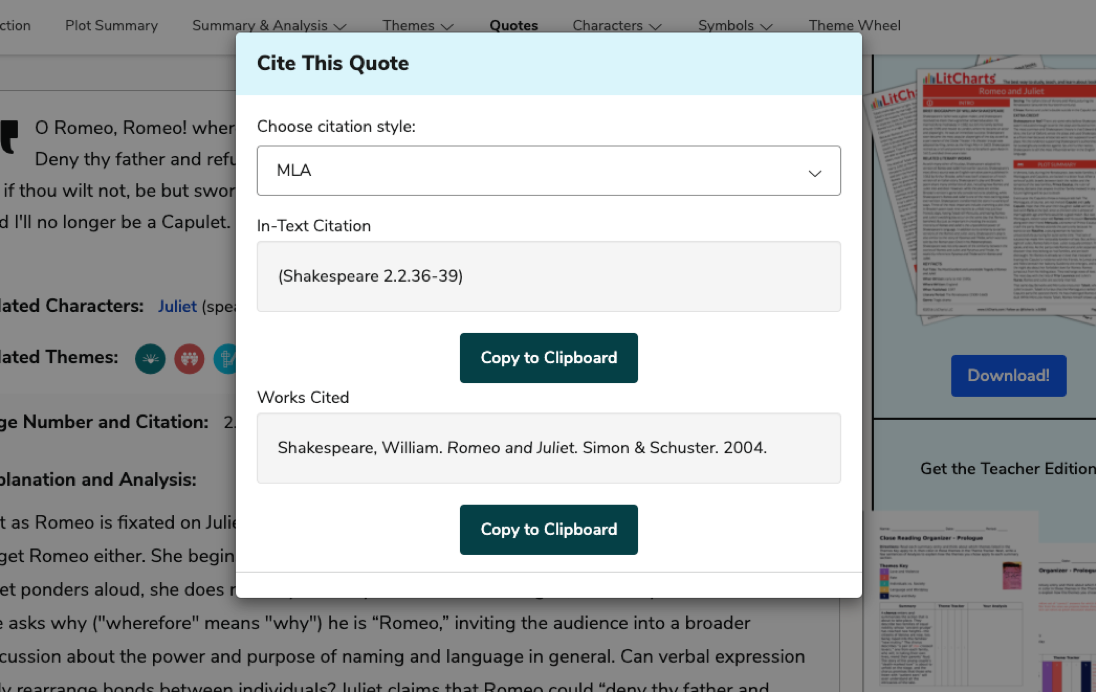
Find the perfect quote. Understand it perfectly. Then rock the citation, too.
For all 50,358 quotes we cover.
For all 50,358 quotes we cover.


Teacher Editions
Close reading made easy for students.
Time saved for teachers.
For every book we cover.
Time saved for teachers.
For every book we cover.
Teacher Edition Contents

|
Close Reading Organizers |

|
Character Analysis Organizers |

|
Symbol Analysis Organizers |

|
Theme Analysis Organizers |

|
Quote Analysis Organizers |
Common Core-aligned
""
Try a free and complete sample Teacher Edition.


PDFs of modern translations of every one of Shakespeare's 37 plays, 154 sonnets, and 3 longer poems.
Every translation available to download as a PDF.
Try a free sample Shakespeare translation.
"Every teacher of literature should use these translations. They completely demystify Shakespeare. Students love them!"

Literary Terms and Devices
Definitions and examples for every literary term and device you need to know.
Plus a quick-reference PDF with concise definitions of all 136 terms in one place.
Plus a quick-reference PDF with concise definitions of all 136 terms in one place.
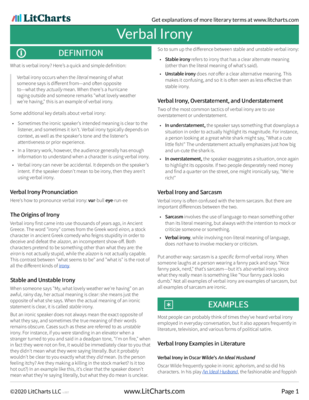
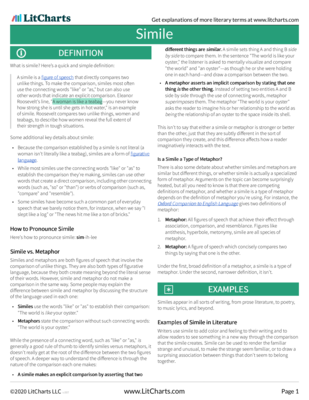
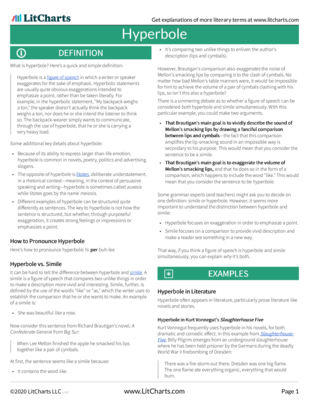
Try a free sample literary term PDF.


Advanced Search
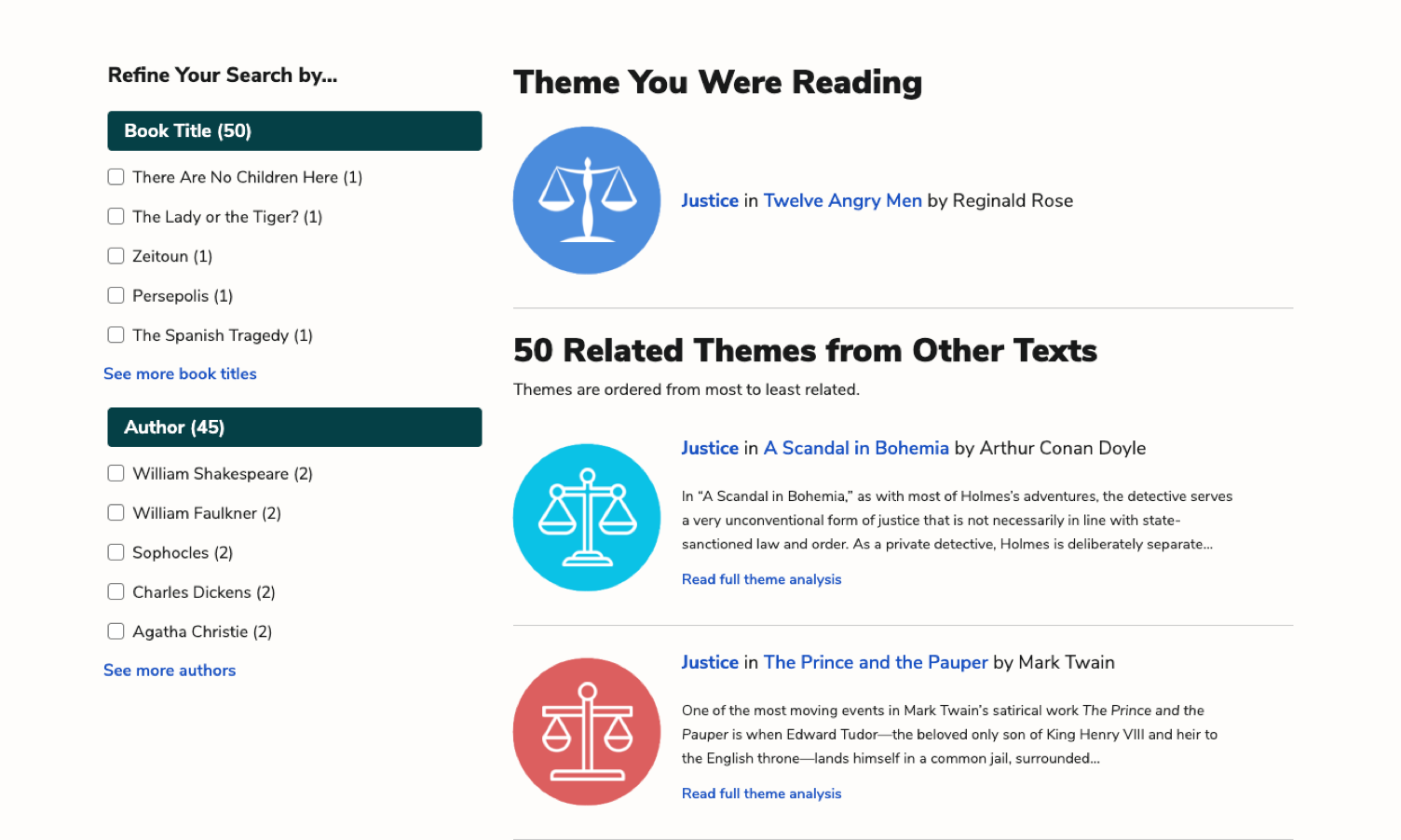
Refine any search. Find related themes, quotes, symbols, characters, and more.
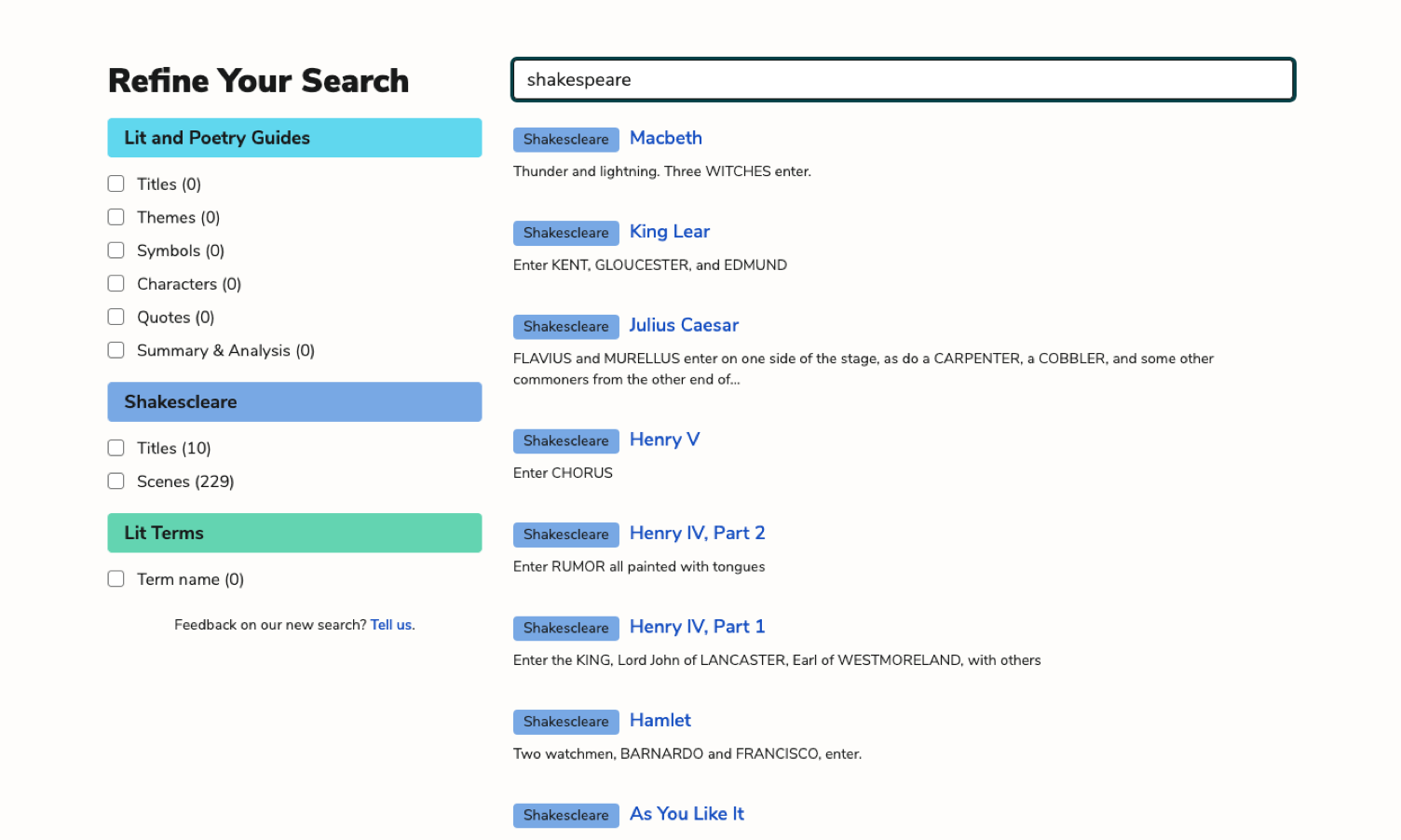
Related Themes
Comparing and contrasting texts? Find where any theme occurs across all of LitCharts in seconds.


Poetry Guides
Line-by-line explanations and analysis of figurative language and poetic devices.
For every lyric poem we cover.
For every lyric poem we cover.