
|
Have questions?
Contact us
Already a member? Sign in
|
Get every literary device explanation for Pachinko
Plus so much more...
Sign up for LitCharts A+
Get instant access to every literary device explanation, plus so much more...
Motif
Explanation and Analysis—Food:
Food holds special status in Pachinko’s fictional fabric. Over the course of the novel, Sunja meets Hansu at the fish market, Kyunghee peddles kimchi at the train station, and Noa struggles to erase the garlicky smell of his clothes. Speaking through a language of banchan and kimchi, the novel develops a deeper narrative about class, identity, and survival. Perched over a pot of melted sugar one night, Sunja suddenly thinks back to her Yeongdo home’s “bountiful garden” of “watermelons, lettuces, and squash.” Food is a source of tradition, memory, and heritage for a people otherwise unmoored from their homeland.
At the same time, Pachinko holds up food as something of a double-edged sword. Dishes like kimchi or bone broth are staples of Korean identity and, in the context of imperial Japan, symbols that brand its members with ethnic otherness. Japanese high schoolers assault Sunja on her way to the market. Korean food cripples Noa with shame decades later as kids call him “garlic turd,” while the telltale “smells of garlic, shoyu, and the stronger miso” in the apartment building give away Tetsuo’s Korean identity. In the oppressive Japanese society, characters are what they eat.
But amid the novel’s famines and wars, food most powerfully expresses humanity’s practical, material needs. “In the end, your belly was your emperor,” Yoseb thinks to himself while mulling the household’s financial straits. As wartime shortages spread and budgets thin, food offers the only promise of survival. Yoseb’s job relocation barely spares him from the atomic bomb, but Tamaguchi’s sweet potato farm does. Yangjin and the boardinghouse scrape past the famine with donations from lodgers. Most notably, Sunja and Kyunghee provide for their hard-pressed family by selling kimchi at the market. Koh Hansu aside, their kimchi business opens the door to positions at Kim Changho’s restaurant and allows them to sustain the household. Pachinko makes food a marker of time, place, and life itself.
Monthly
Annual (Best Value)

$595USD/mo
Charged $71.40 USD every year
Quote explanations & citation info

Every PDF download
Printable PDFs for every guide
"Would not have made it through without the printable PDFs. They're like having in-class notes for every discussion!"
– LitCharts A⁺ user
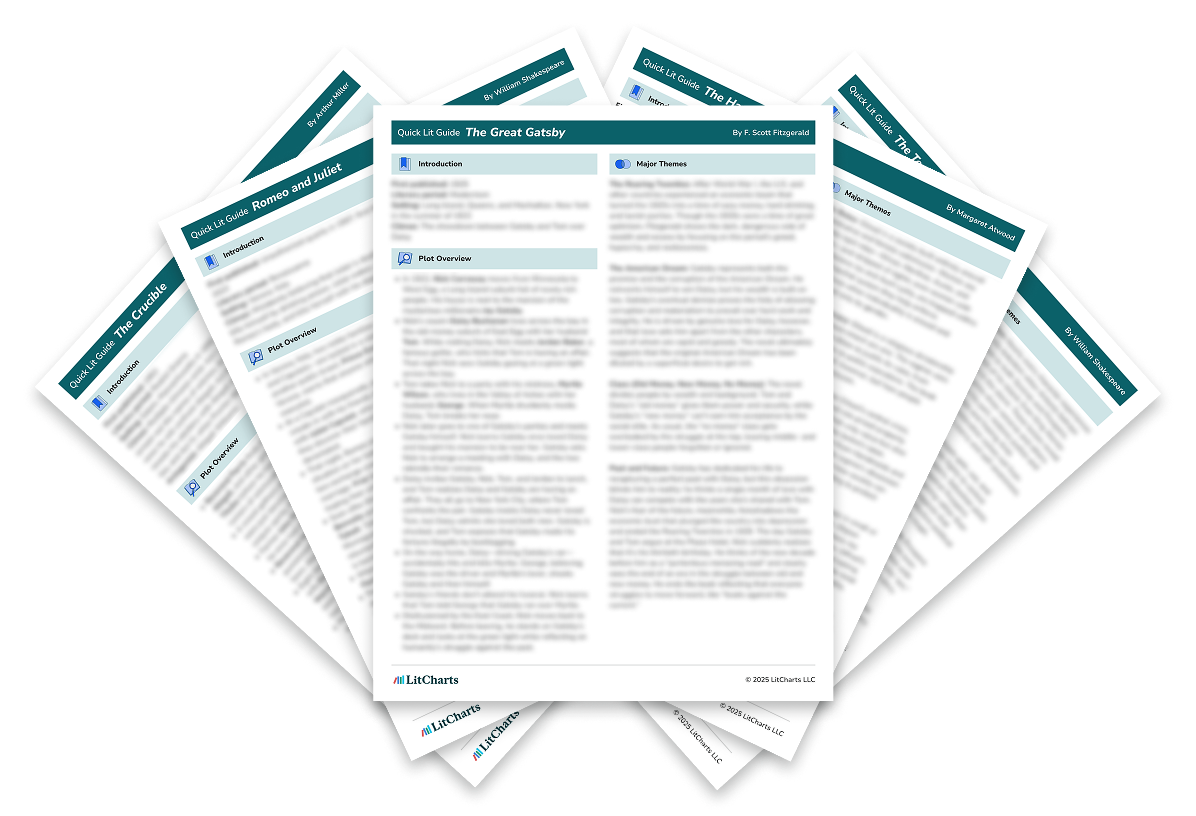
One-page Quick Lit Guides
Understand key basics—fast
Printable, one-page guides that cover the plot points, themes, and ideas you need to know.
Detailed chapter analysis
Get what happens and what it means
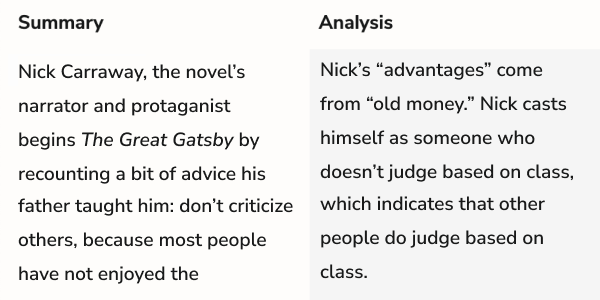
Targeted analysis next to the summary ensures you’ll understand more than just the plot.
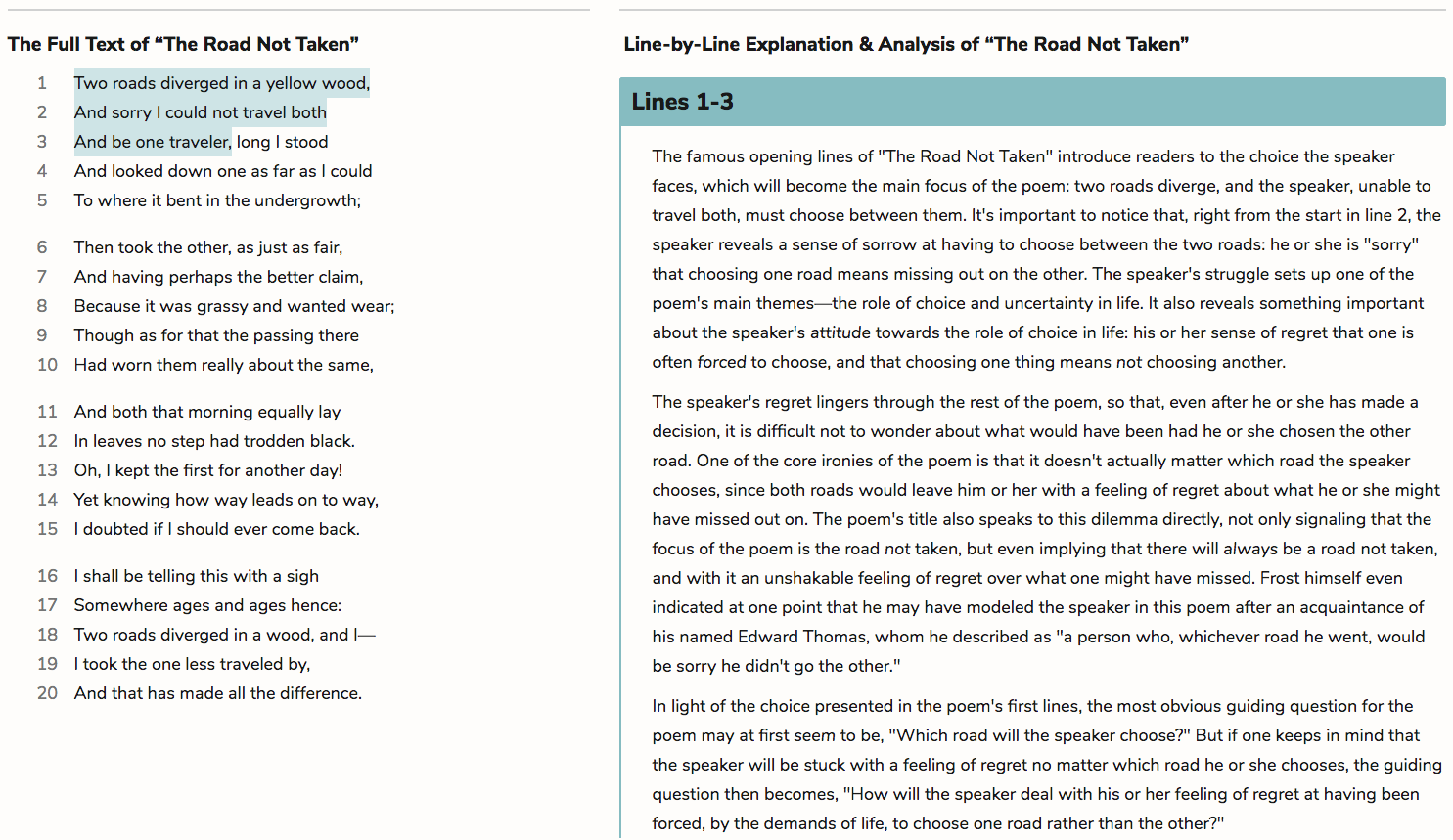
Line-by-line poetry analysis
Get the meaning in every line
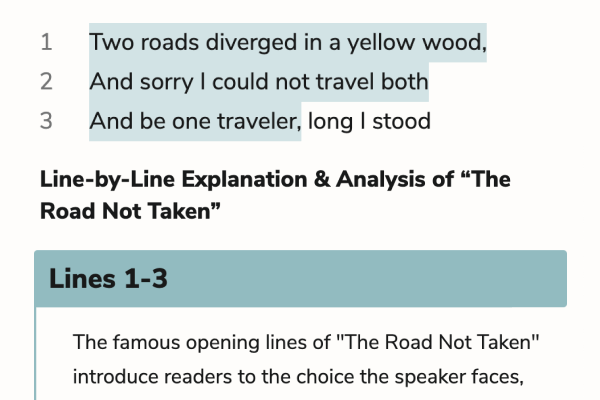
Never feel lost reading a poem again with clear and in-depth analysis of each and every line.
Literary & poetic device analysis
Decode the author’s language
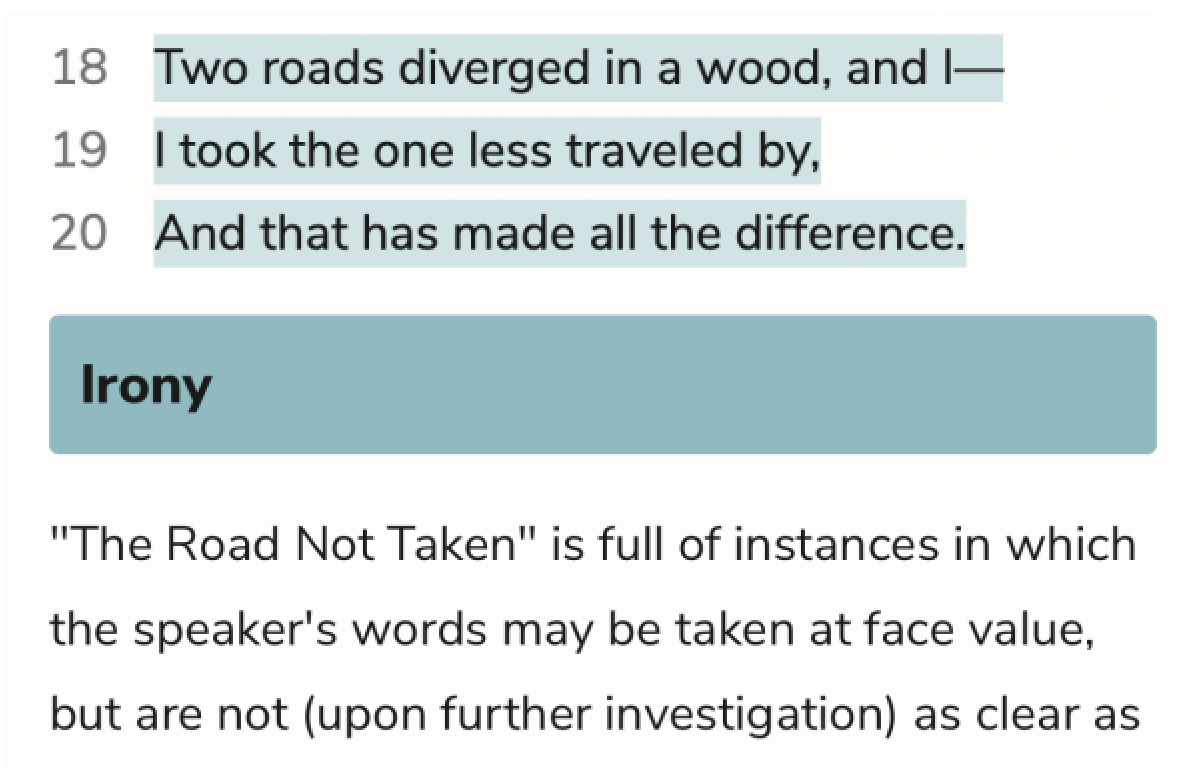
Quickly find and understand the key devices in whatever you’re reading.
Unlimited quizzes
Unlimited quizzes and feedback
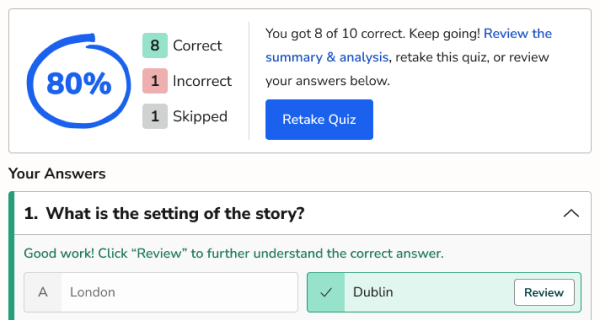
Boost your learning with quizzes that pinpoint and address knowledge gaps.
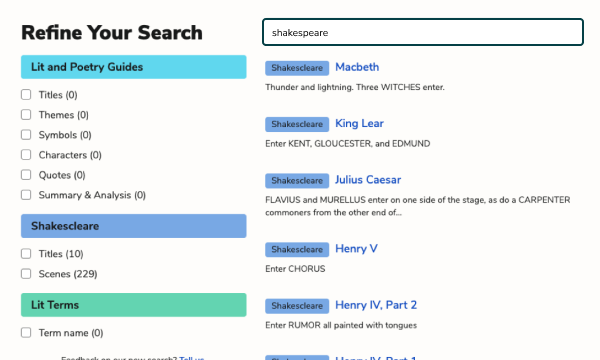
Advanced search
Find exactly what you need
Refine your search using advanced filters like genre, time period, literary movement, author context, grade level, and more.
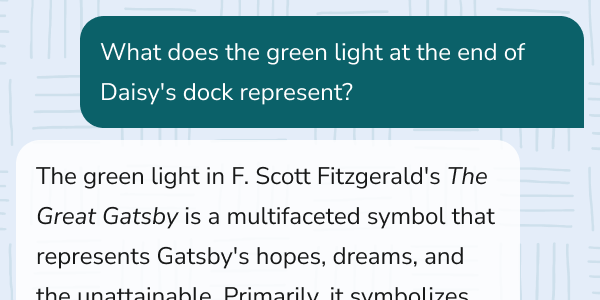
Ask LitCharts AI
Ask LitCharts AI
Instant answers to all your lit questions. Powered by LitCharts content and AI.
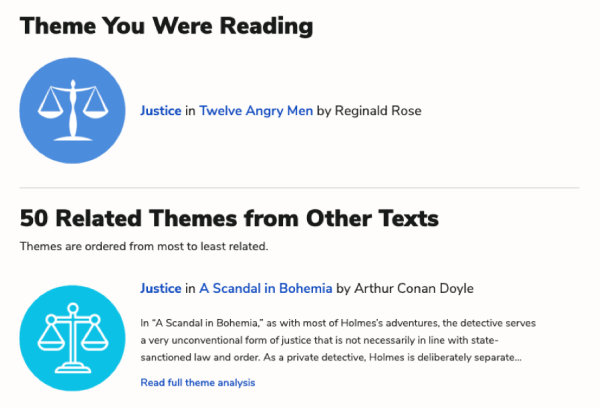
Theme comparisons across books
Compare and contrast
Identify similar themes across books, making comparisons fast and simple.
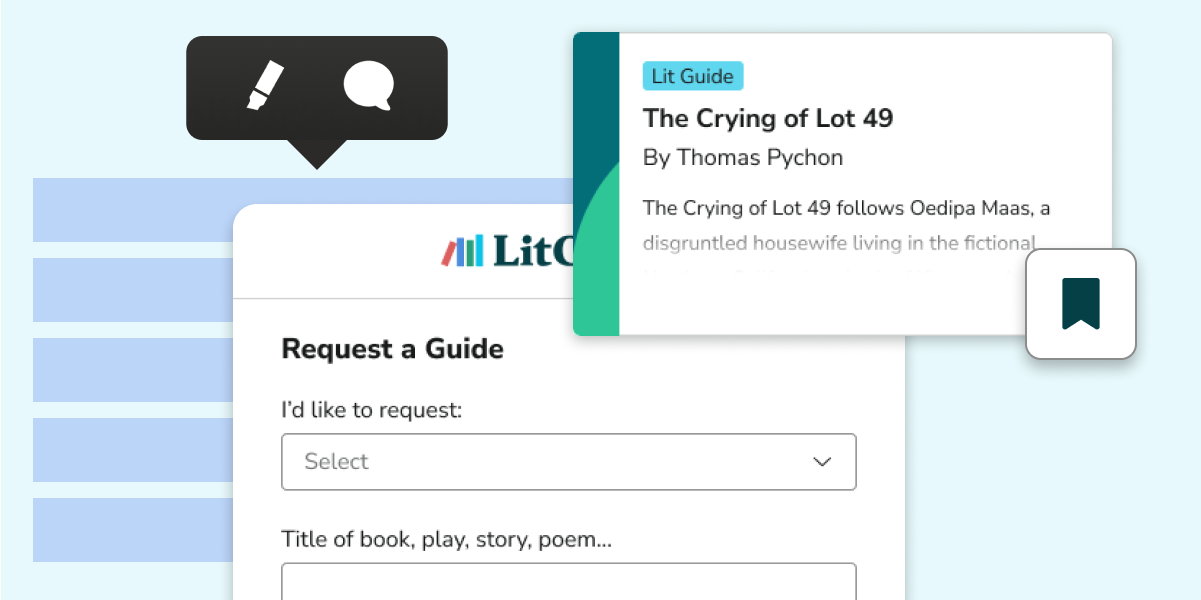
Highlight, take notes, & save guides
Make LitCharts your own
Add highlights or notes, save guides for easy access later, and request new titles.
 Teacher
$795USD/mo
Charged $95.40 USD every year
Quote explanations & citation info
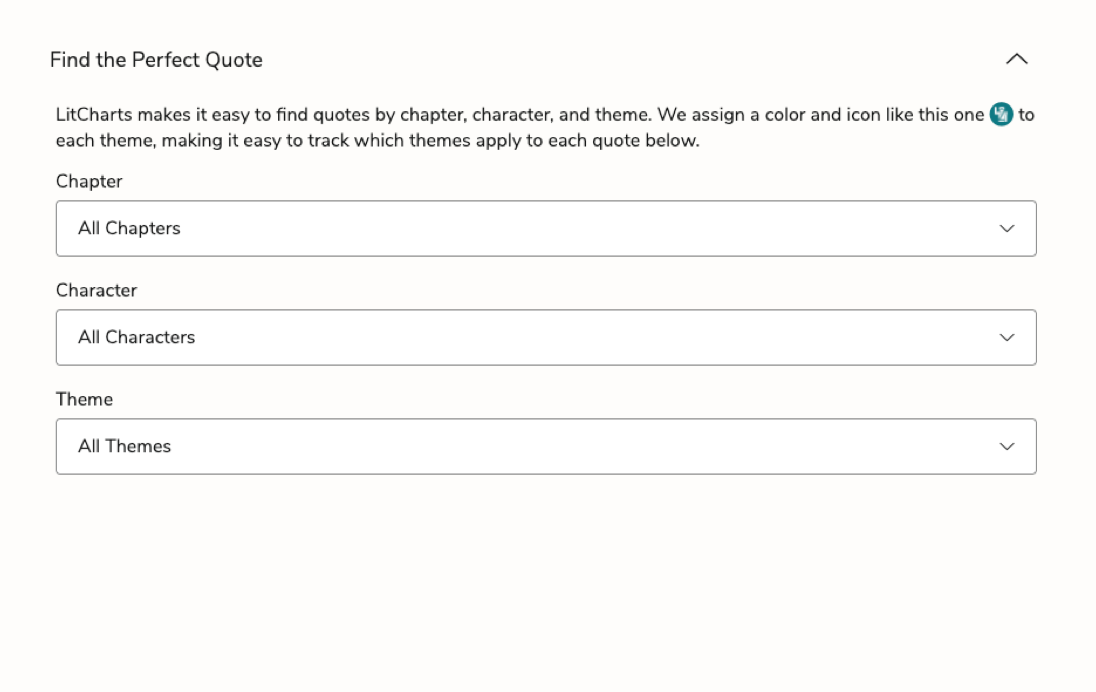
Find the perfect quote
Then understand it perfectly. And get the citation, too. For all 35,000+ quotes we cover.
Every PDF download
Printable PDFs for every guide
"Would not have made it through without the printable PDFs. They're like having in-class notes for every discussion!"
– LitCharts A⁺ user
One-page Quick Lit Guides
Understand key basics—fast
Printable, one-page guides that cover the plot points, themes, and ideas you need to know.
Detailed chapter analysis
Get what happens and what it means
Targeted analysis next to the summary ensures you’ll understand more than just the plot.
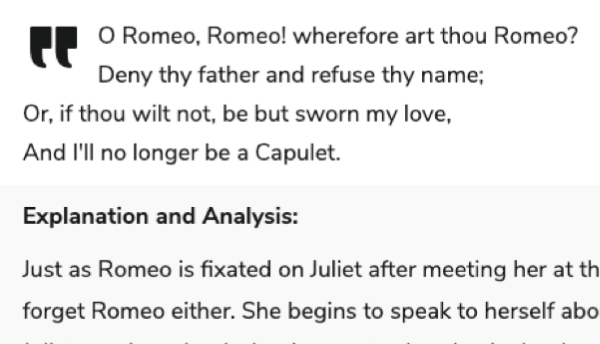
Line-by-line poetry analysis
Get the meaning in every line
Never feel lost reading a poem again with clear and in-depth analysis of each and every line.
Literary & poetic device analysis
Decode the author’s language
Quickly find and understand the key devices in whatever you’re reading.
Unlimited quizzes
Unlimited quizzes and feedback
Boost your learning with quizzes that pinpoint and address knowledge gaps.
Advanced search
Find exactly what you need
Refine your search using advanced filters like genre, time period, literary movement, author context, grade level, and more.
Ask LitCharts AI
Ask LitCharts AI
Instant answers to all your lit questions. Powered by LitCharts content and AI.
Theme comparisons across books
Compare and contrast
Identify similar themes across books, making comparisons fast and simple.
Highlight, take notes, & save guides
Make LitCharts your own
Add highlights or notes, save guides for easy access later, and request new titles.
Teacher editions
Save time with in-depth organizers
"THE best teaching resource I have ever used. My students love the handouts."
– LitCharts A⁺ User
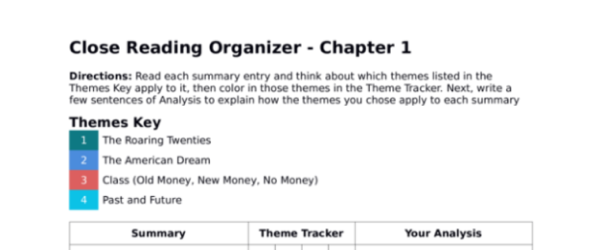
Printable classroom resources
Cut prep time in half
Essay prompts, discussion questions, and comprehension checks—easy to print and ready to use in class.
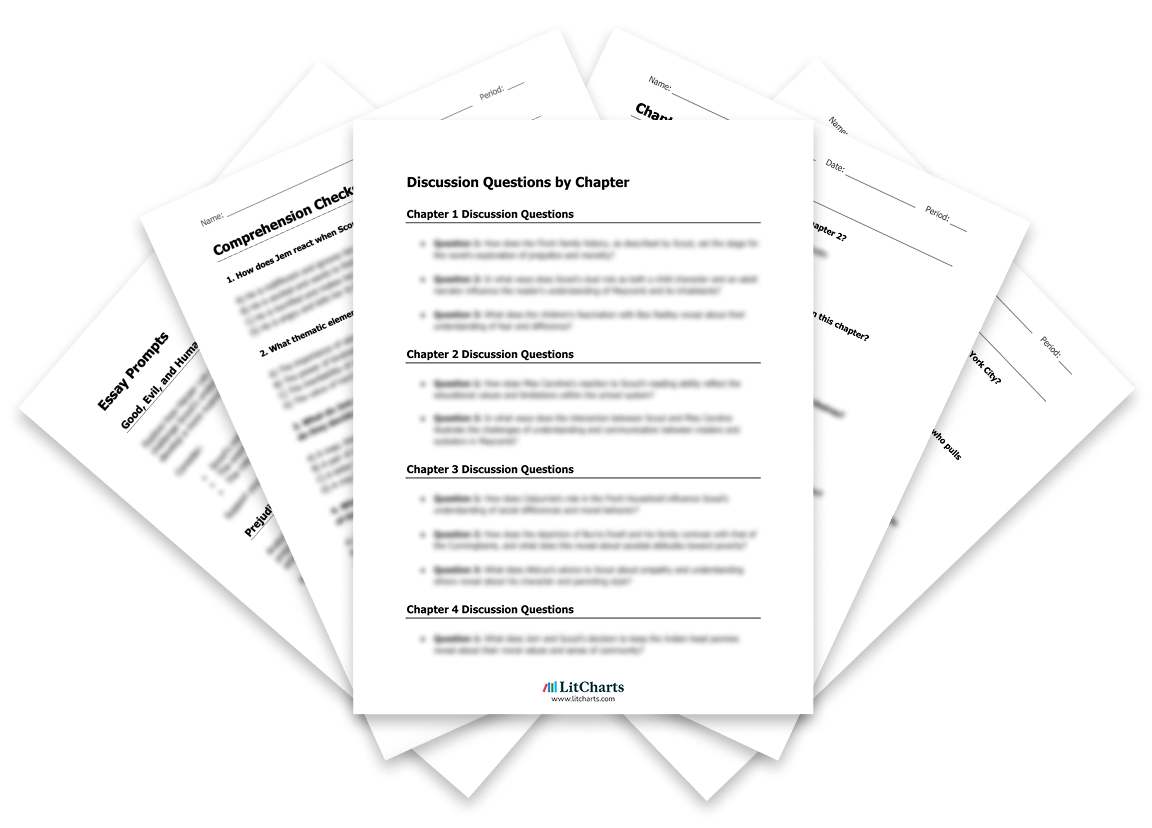
Discussion question generator
Discussion question generator
Instantly create discussion questions that get people talking, through the power of LitCharts analysis and AI.
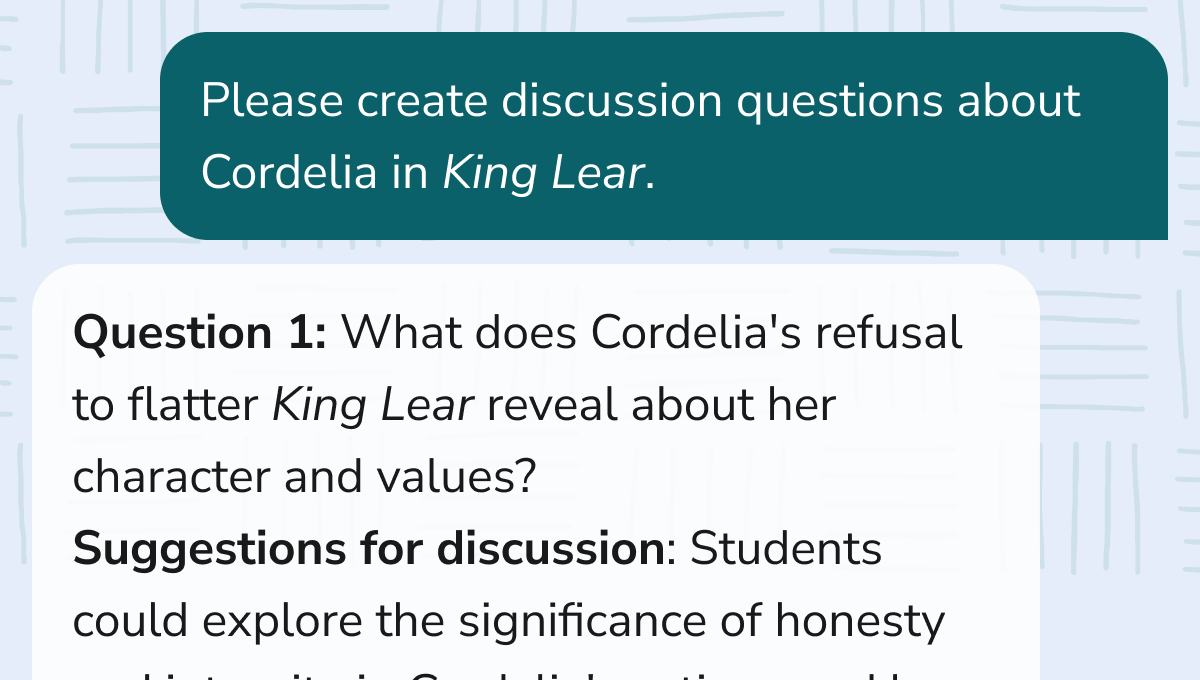
Essay prompt generator
Essay prompt generator
Quickly create thought-provoking essay prompts that will get your students writing, powered by LitCharts analysis and AI.
Quiz question generator
Quiz question generator
Effortlessly generate targeted quiz questions, powered by the world’s best literary analysis and AI.


Literature Guide PDFs
LitCharts PDFs for every book you'll read this year.
Instant PDF downloads of all 2266 LitCharts literature guides and of every new one we publish. Try a free sample literature guide.
"Would not have made it through AP Literature without the printable PDFs. They're like having in-class notes for every discussion!"




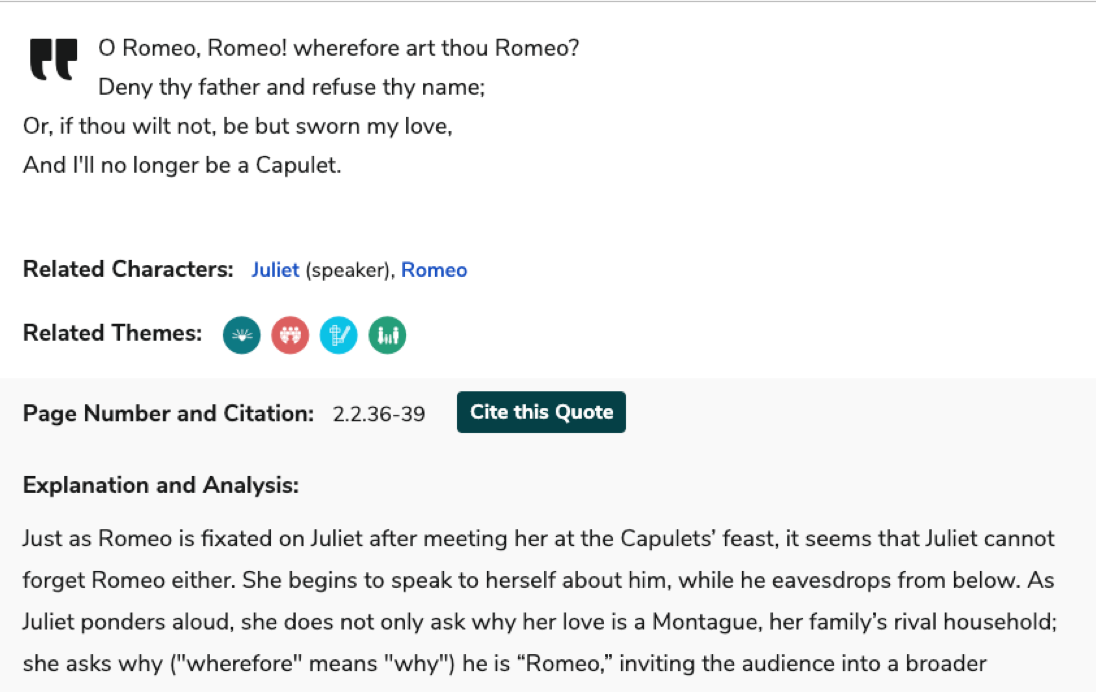
Quotes Explanations
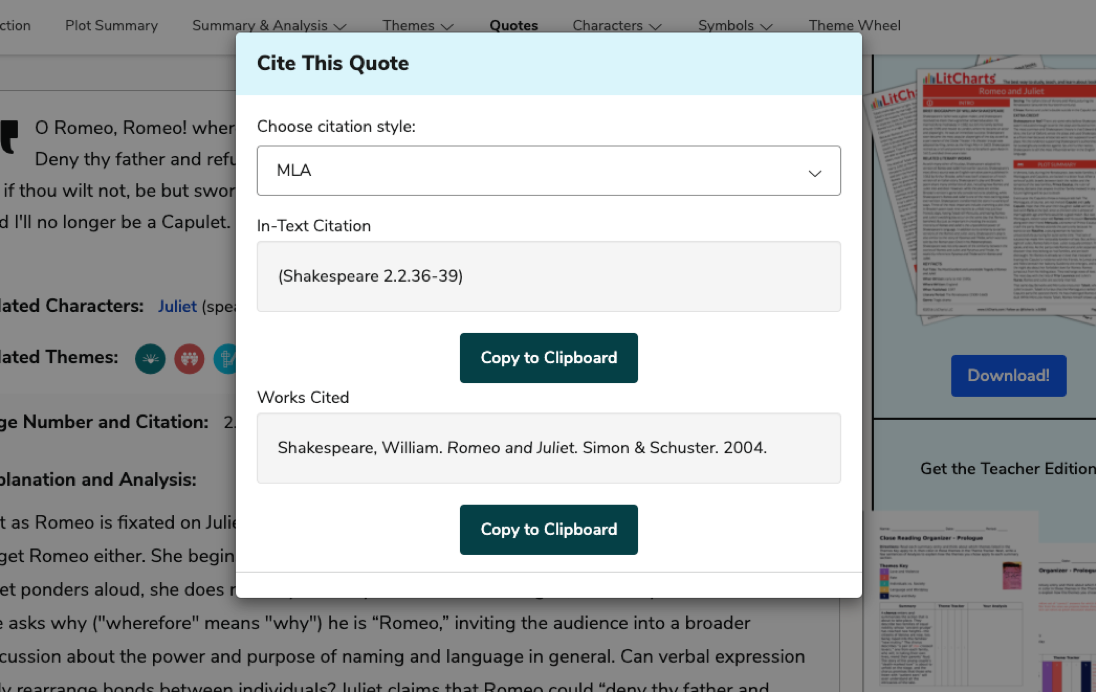
Find the perfect quote. Understand it perfectly. Then rock the citation, too.
For all 50,566 quotes we cover.
For all 50,566 quotes we cover.


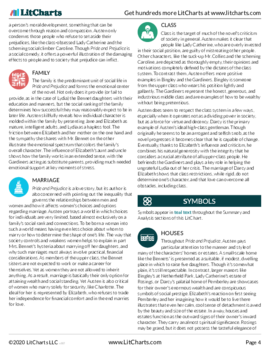
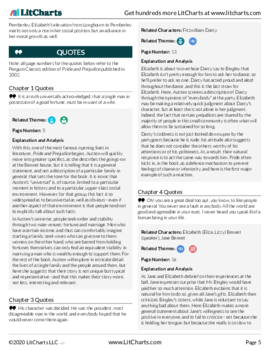
Teacher Editions
Close reading made easy for students.
Time saved for teachers.
For every book we cover.
Time saved for teachers.
For every book we cover.
Teacher Edition Contents

|
Close Reading Organizers |

|
Character Analysis Organizers |

|
Symbol Analysis Organizers |

|
Theme Analysis Organizers |

|
Quote Analysis Organizers |
Common Core-aligned
""
Try a free and complete sample Teacher Edition.


PDFs of modern translations of every one of Shakespeare's 37 plays, 154 sonnets, and 3 longer poems.
Every translation available to download as a PDF.
Try a free sample Shakespeare translation.
"Every teacher of literature should use these translations. They completely demystify Shakespeare. Students love them!"

Literary Terms and Devices
Definitions and examples for every literary term and device you need to know.
Plus a quick-reference PDF with concise definitions of all 136 terms in one place.
Plus a quick-reference PDF with concise definitions of all 136 terms in one place.
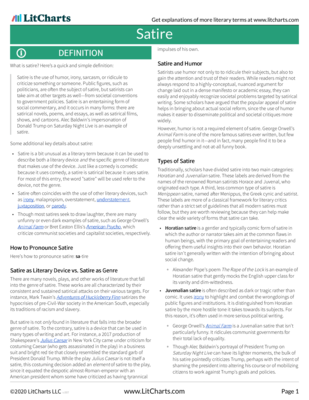
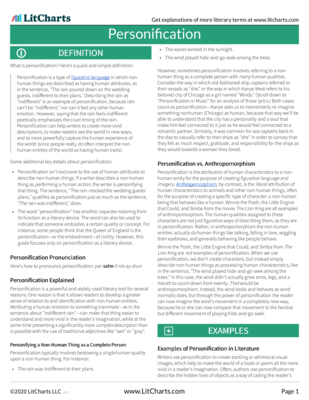
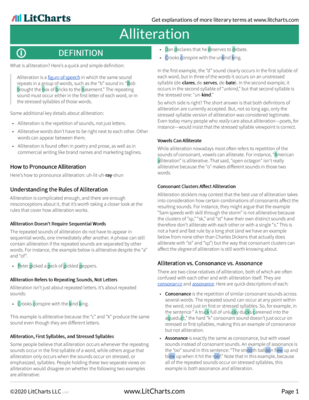
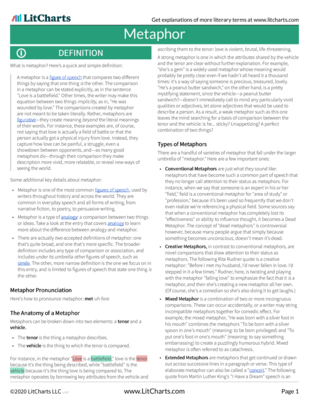
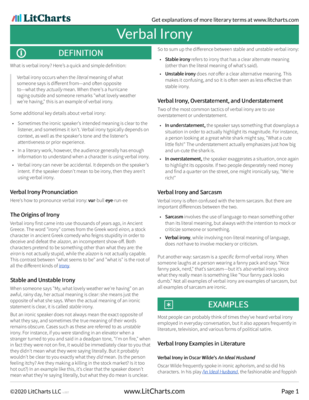
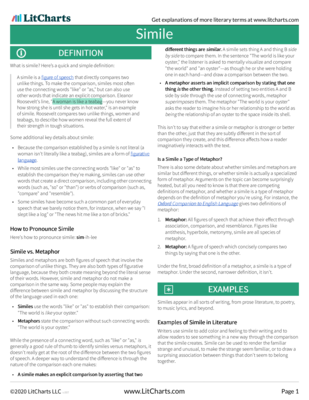
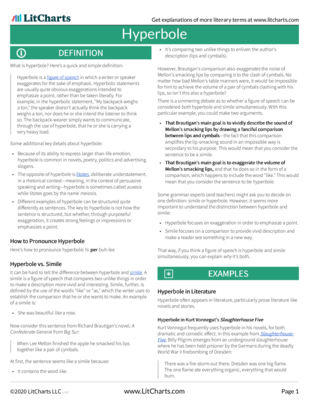
Try a free sample literary term PDF.


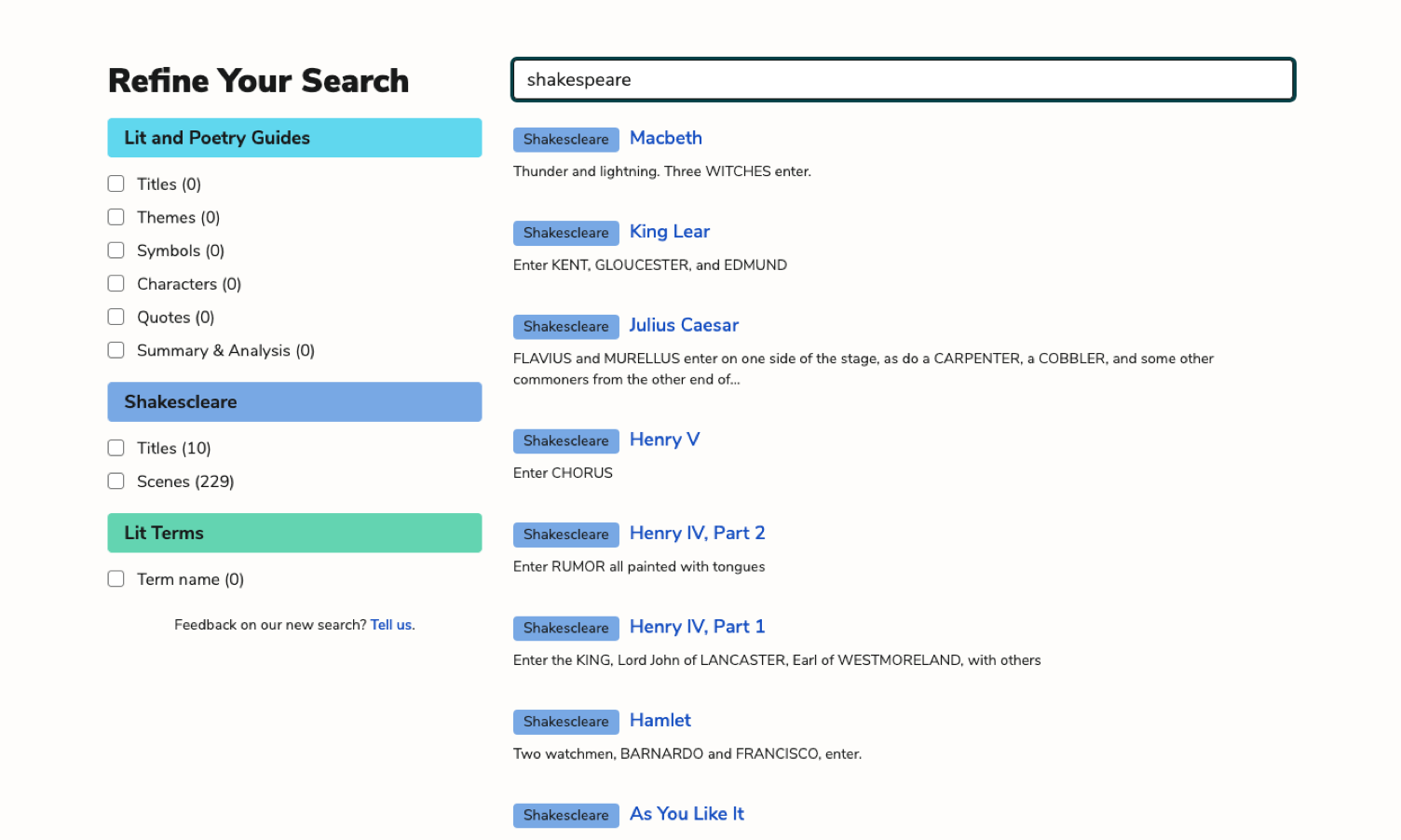
Advanced Search
Refine any search. Find related themes, quotes, symbols, characters, and more.

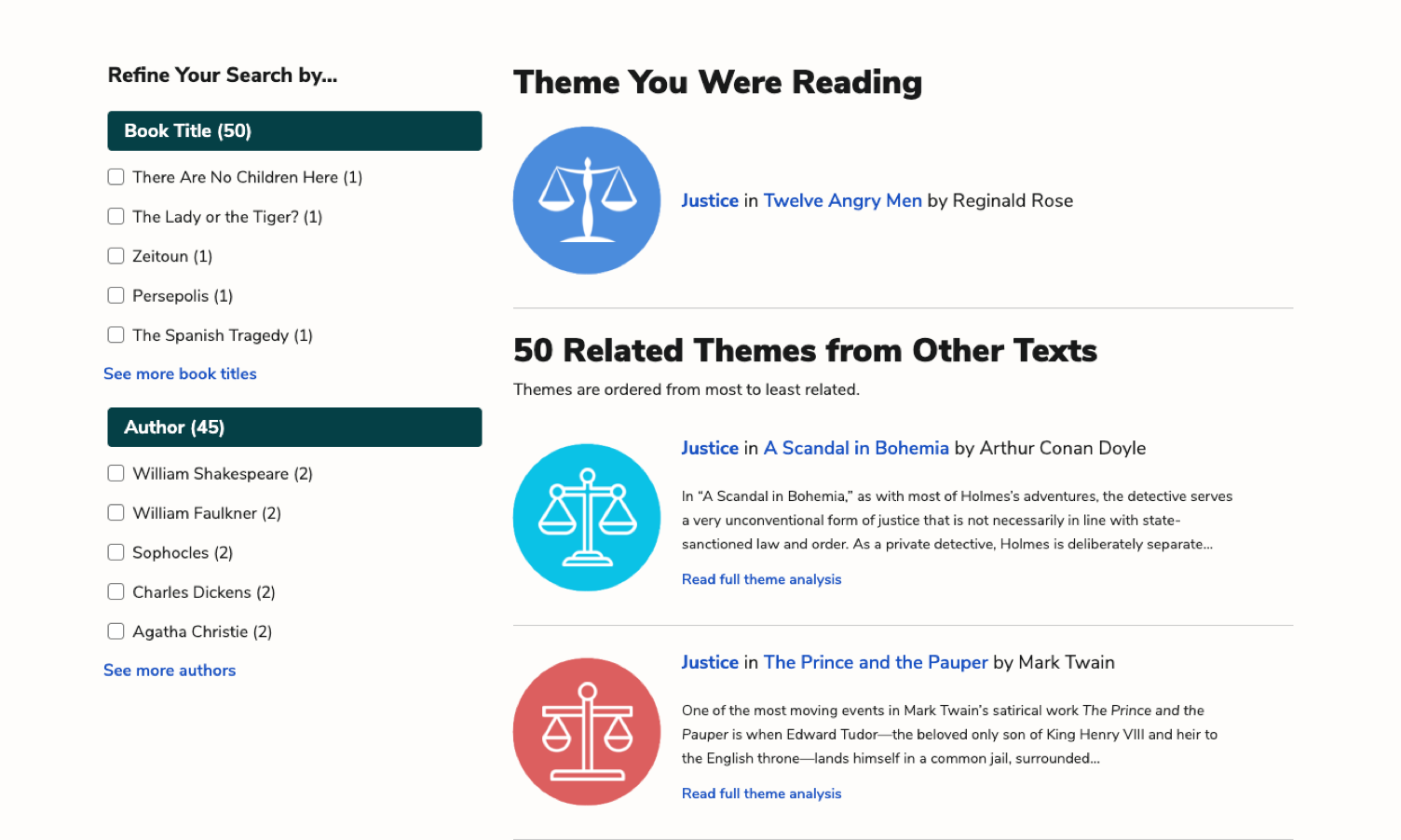
Related Themes
Comparing and contrasting texts? Find where any theme occurs across all of LitCharts in seconds.


Poetry Guides
Line-by-line explanations and analysis of figurative language and poetic devices.
For every lyric poem we cover.
For every lyric poem we cover.