
|
Have questions?
Contact us
Already a member? Sign in
|
Get every literary device explanation for The Glass Castle
Plus so much more...
Sign up for LitCharts A+
Get instant access to every literary device explanation, plus so much more...
Motif
Explanation and Analysis—Houses:
Jeannette describes each place she lives in painstaking detail, such that houses become a motif throughout The Glass Castle. Each time the Walls family moves, a description of their house grounds the reader in that new location. One can imagine how carefully taking stock of her physical surroundings helped ground Jeannette, too, within the chaos of her family’s nomadic lifestyle.
Several houses stand out, like, for example, the adobe home the Walls family inherits from Grandma Smith in Phoenix in Part3 of the memoir:
When we pulled up in front of the house on North Third Street, I could not believe we were actually going to live there. It was a mansion, practically, so big that Grandma Smith had had two families living in it, both paying her rent. We had the entire place to ourselves. Mom said that it had been built almost a hundred years ago as a fort. The outside walls, covered with white stucco, were three feet thick. “These sure would stop any Indians’ arrows,” I said to Brian.
Jeannette goes on to describe the house’s many rooms and the fine objects that fill them, as well as the garden with its palm and orange trees. These details communicate Jeannette’s childlike wonder. For someone who has so often gone without safe living conditions and material goods, the house seems like a kind of paradise. Jeannette’s comment about the thickness of the walls is also significant; it shows the Walls children’s awareness of the world’s dangers, and also foreshadows how even in this place, they will want for protection.
Contrast this house with the one on Little Hobart Street that the family lives in during their time in Welch in Part 3 of the memoir:
The house was a dinky thing perched high up off the road on a hillside so steep that only the back of the house rested on the ground. The front, including a drooping porch, jutted precariously into the air, supported by tall, spindly cinder-block pillars. It had been painted white a long time ago, but the paint, where it hadn’t peeled off altogether, had turned a dismal gray.
“It’s good we raised you young ’uns to be tough,” Dad said. “Because this is not a house for the faint of heart.”
The dismal disrepair of this house, which Jeannette goes on to reveal has no running water or electricity, shows just how fall the Walls family has fallen in fortune. The house is practically built on a cliff, an apt representation of the family’s increasingly precarious situation.
In general, descriptions like these reflect not just where the family is physically, but also emotionally and psychologically. The Glass Castle’s motif of houses helps the reader track Jeannette’s literal travels and her internal journey, from naivety to disillusionment to acceptance, from merely surviving to building a life of her own.
Monthly
Annual (Best Value)

$595USD/mo
Charged $71.40 USD every year
Quote explanations & citation info

Every PDF download
Printable PDFs for every guide
"Would not have made it through without the printable PDFs. They're like having in-class notes for every discussion!"
– LitCharts A⁺ user
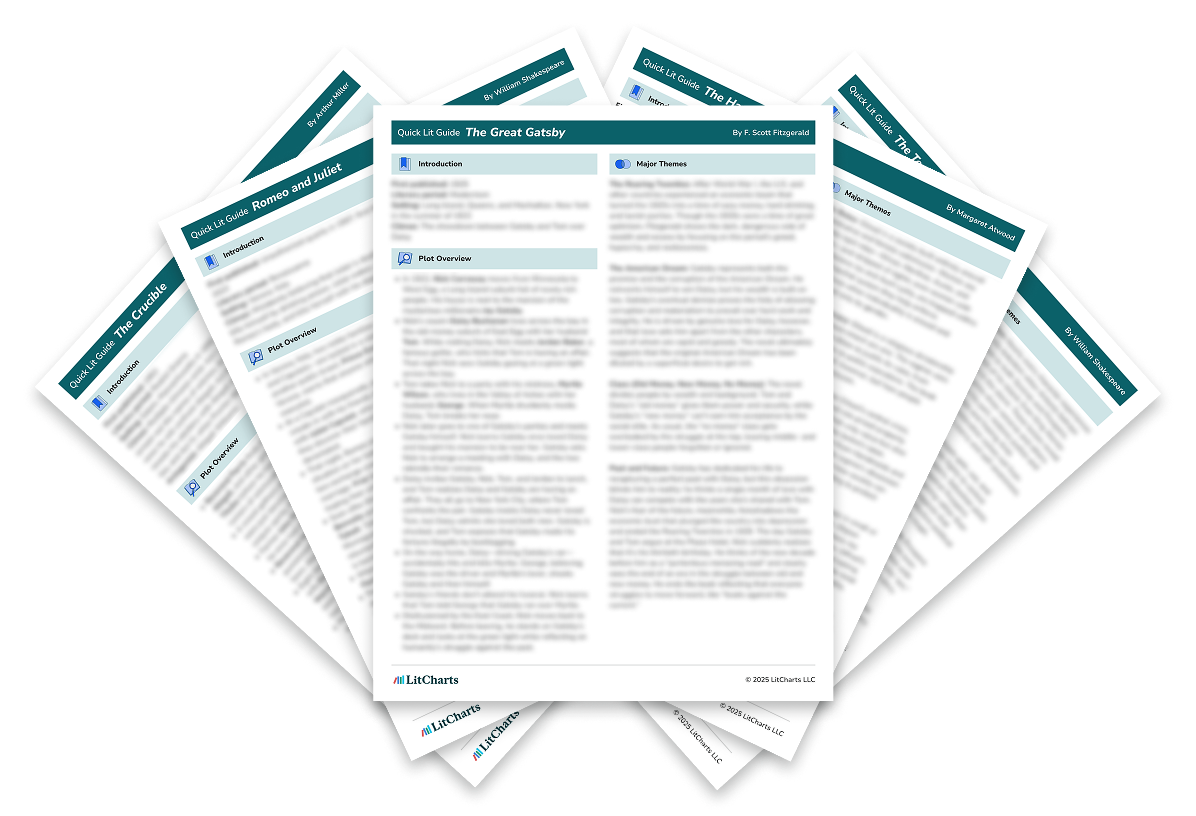
One-page Quick Lit Guides
Understand key basics—fast
Printable, one-page guides that cover the plot points, themes, and ideas you need to know.
Detailed chapter analysis
Get what happens and what it means
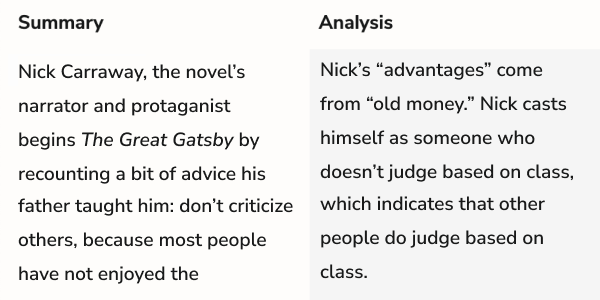
Targeted analysis next to the summary ensures you’ll understand more than just the plot.
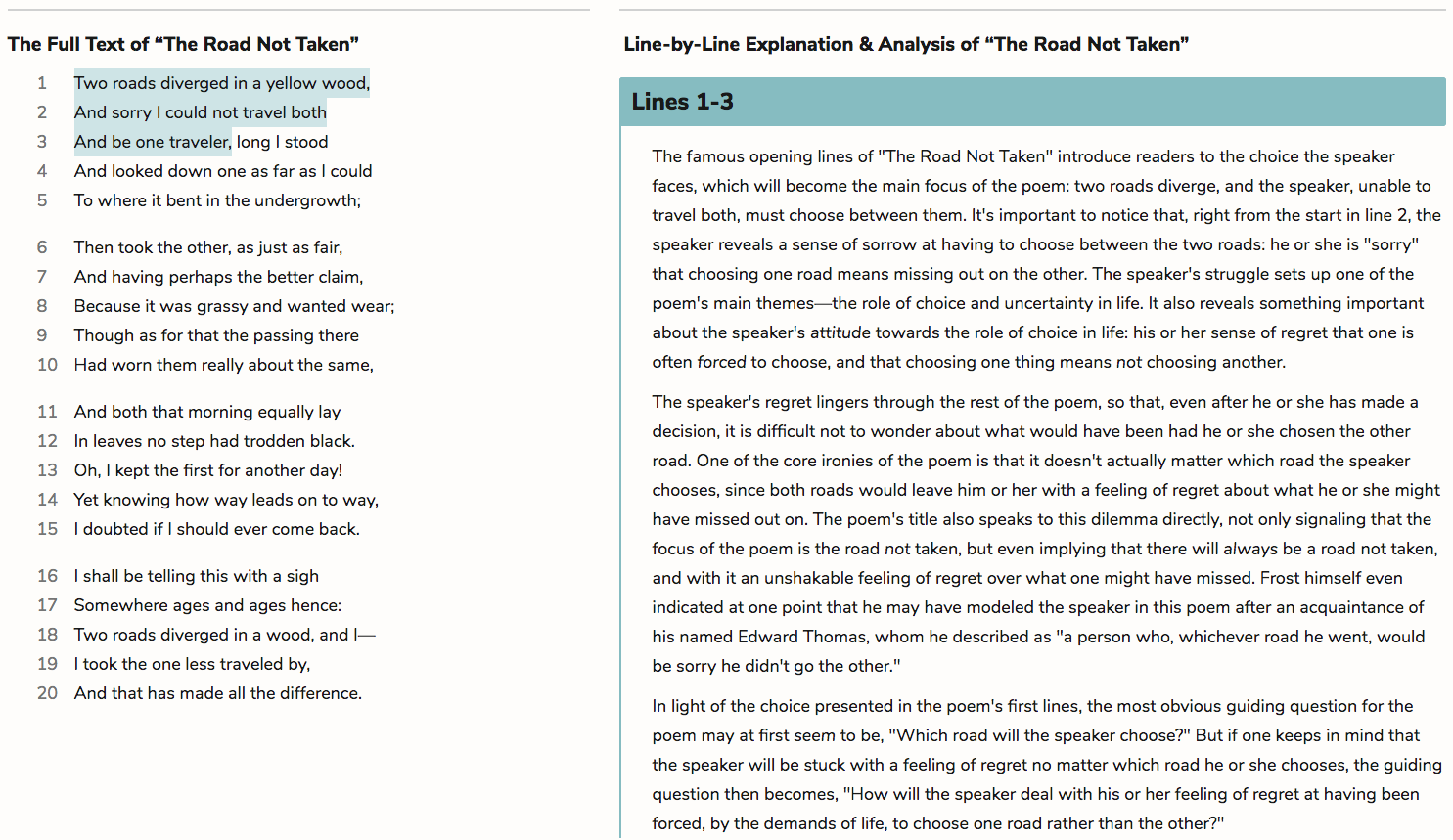
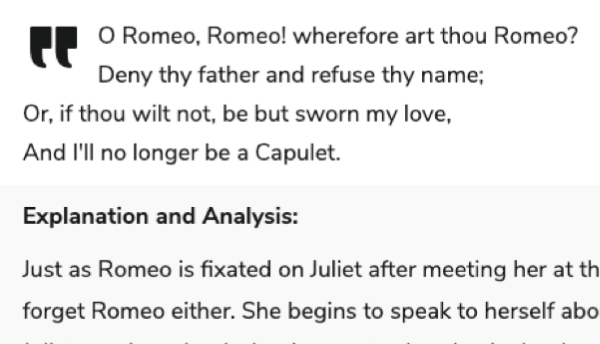
Line-by-line poetry analysis
Get the meaning in every line
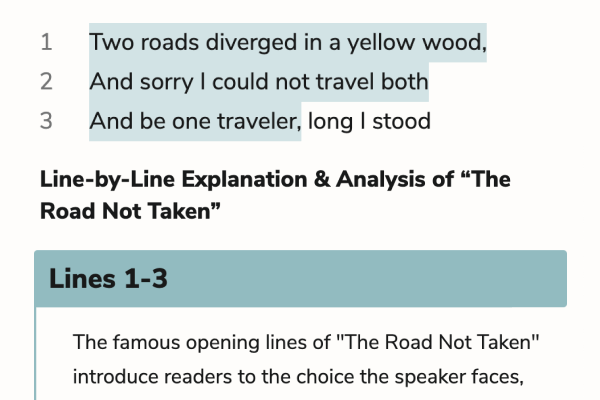
Never feel lost reading a poem again with clear and in-depth analysis of each and every line.
Literary & poetic device analysis
Decode the author’s language
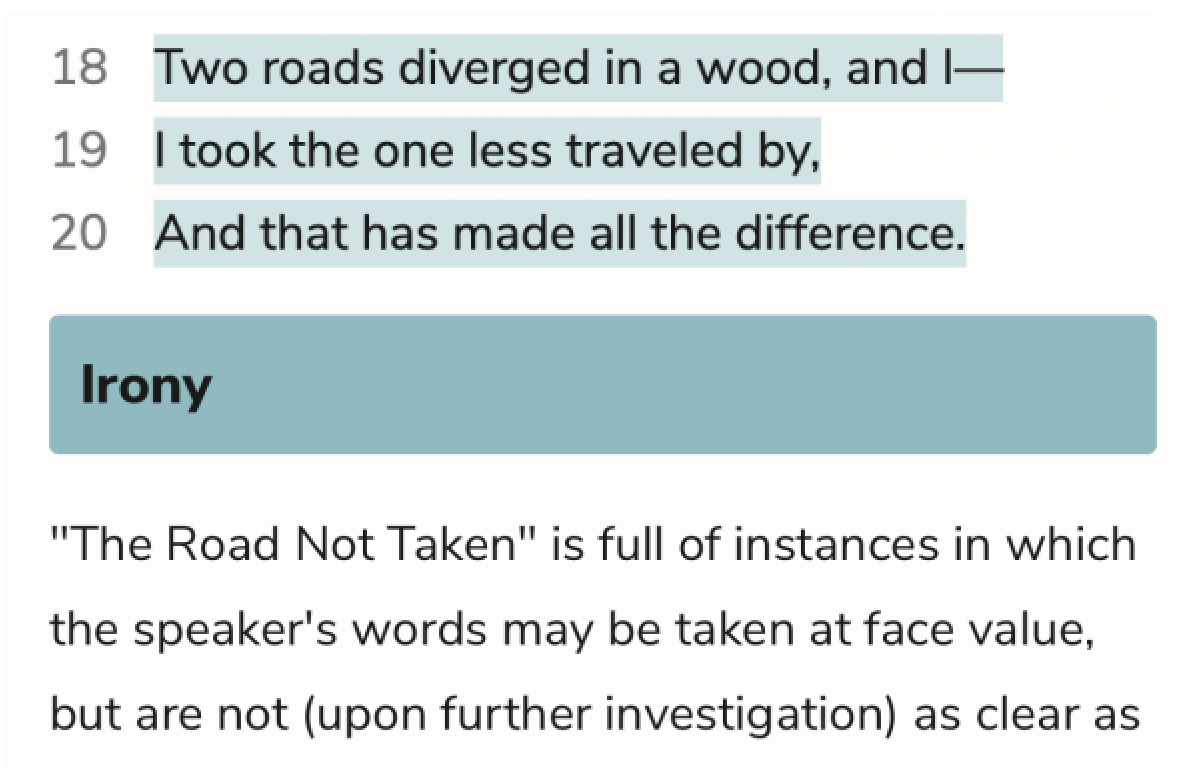
Quickly find and understand the key devices in whatever you’re reading.
Unlimited quizzes
Unlimited quizzes and feedback
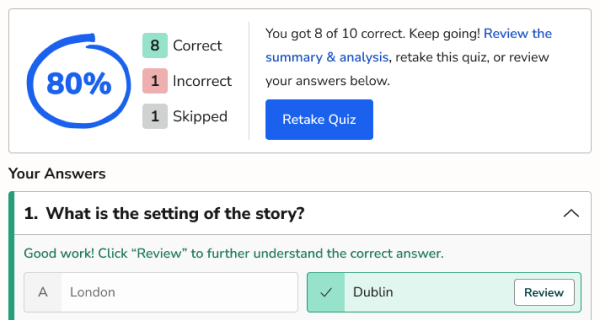
Boost your learning with quizzes that pinpoint and address knowledge gaps.
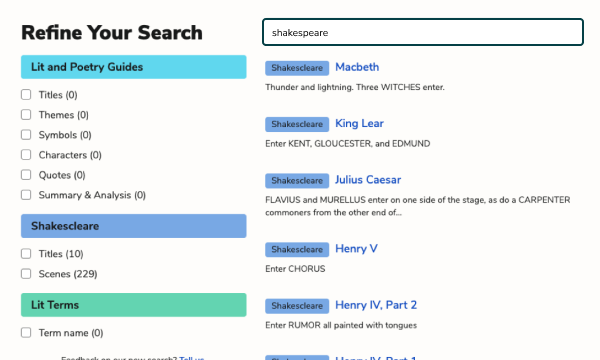
Advanced search
Find exactly what you need
Refine your search using advanced filters like genre, time period, literary movement, author context, grade level, and more.
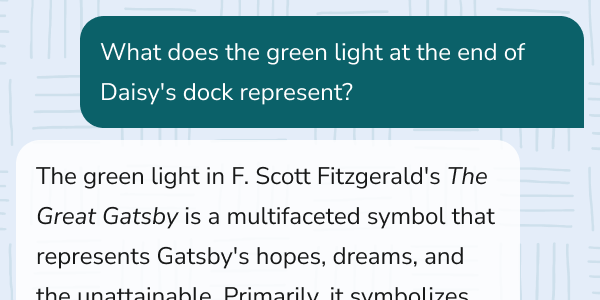
Ask LitCharts AI
Ask LitCharts AI
Instant answers to all your lit questions. Powered by LitCharts content and AI.
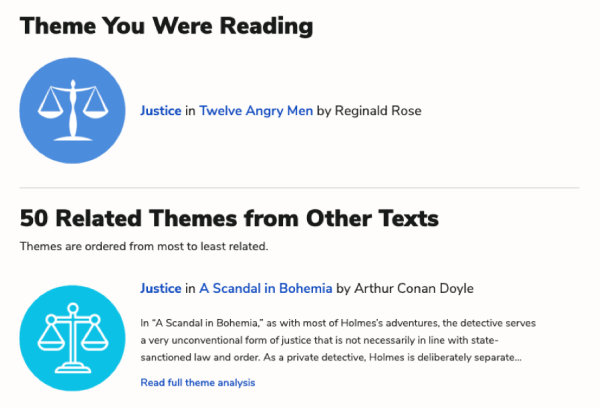
Theme comparisons across books
Compare and contrast
Identify similar themes across books, making comparisons fast and simple.
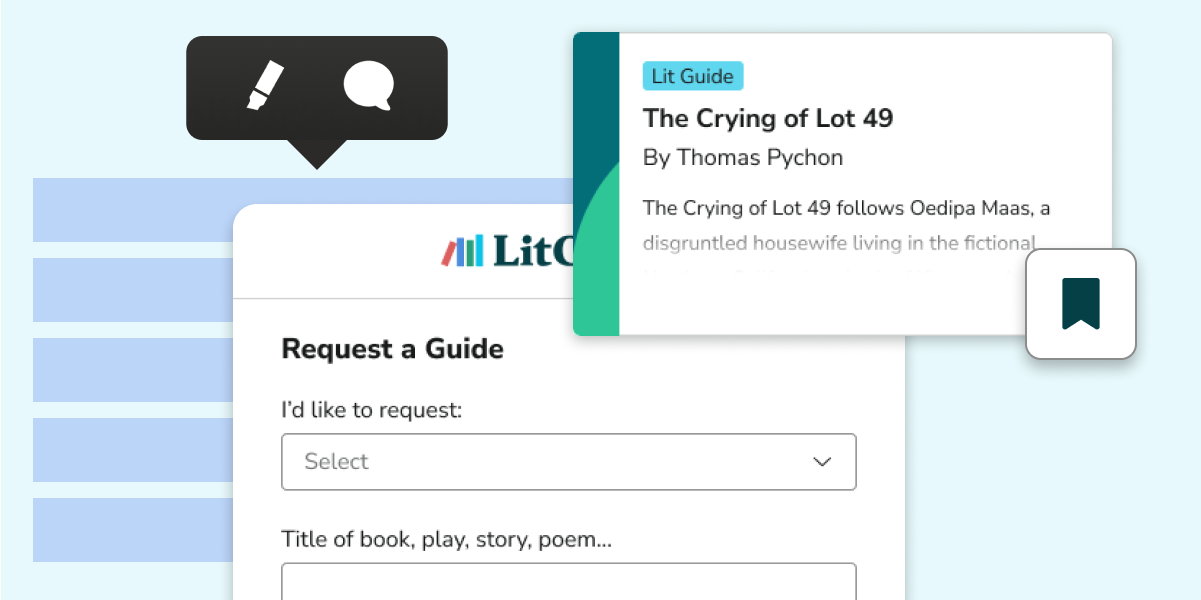
Highlight, take notes, & save guides
Make LitCharts your own
Add highlights or notes, save guides for easy access later, and request new titles.
 Teacher
$795USD/mo
Charged $95.40 USD every year
Quote explanations & citation info
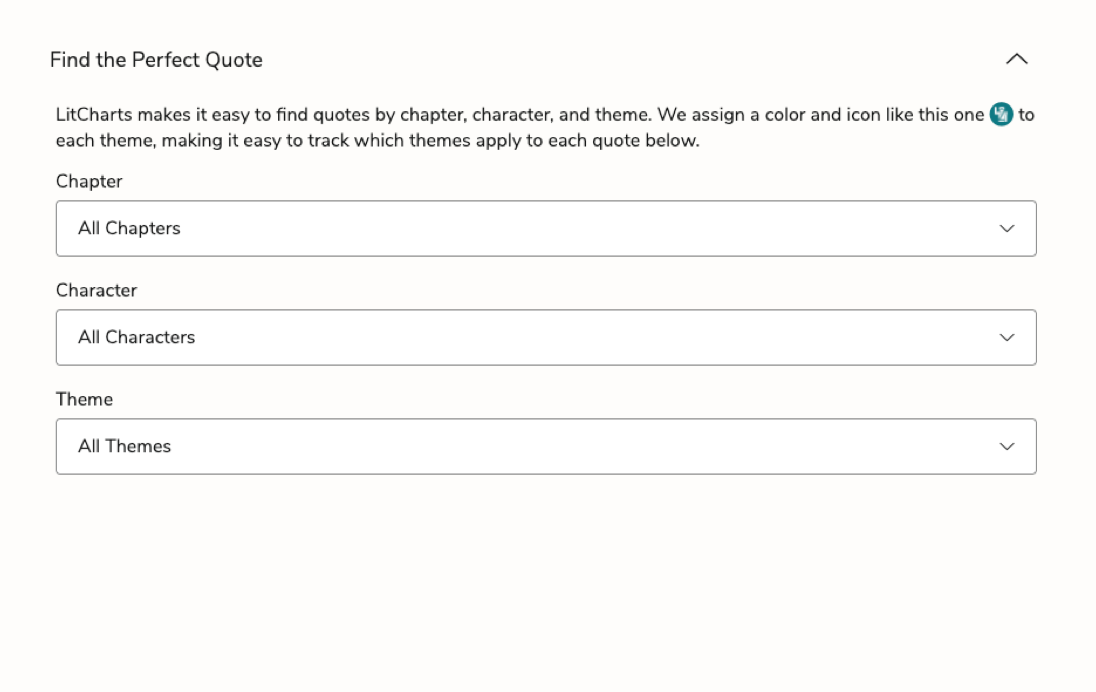
Find the perfect quote
Then understand it perfectly. And get the citation, too. For all 35,000+ quotes we cover.
Every PDF download
Printable PDFs for every guide
"Would not have made it through without the printable PDFs. They're like having in-class notes for every discussion!"
– LitCharts A⁺ user
One-page Quick Lit Guides
Understand key basics—fast
Printable, one-page guides that cover the plot points, themes, and ideas you need to know.
Detailed chapter analysis
Get what happens and what it means
Targeted analysis next to the summary ensures you’ll understand more than just the plot.
Line-by-line poetry analysis
Get the meaning in every line
Never feel lost reading a poem again with clear and in-depth analysis of each and every line.
Literary & poetic device analysis
Decode the author’s language
Quickly find and understand the key devices in whatever you’re reading.
Unlimited quizzes
Unlimited quizzes and feedback
Boost your learning with quizzes that pinpoint and address knowledge gaps.
Advanced search
Find exactly what you need
Refine your search using advanced filters like genre, time period, literary movement, author context, grade level, and more.
Ask LitCharts AI
Ask LitCharts AI
Instant answers to all your lit questions. Powered by LitCharts content and AI.
Theme comparisons across books
Compare and contrast
Identify similar themes across books, making comparisons fast and simple.
Highlight, take notes, & save guides
Make LitCharts your own
Add highlights or notes, save guides for easy access later, and request new titles.
Teacher editions
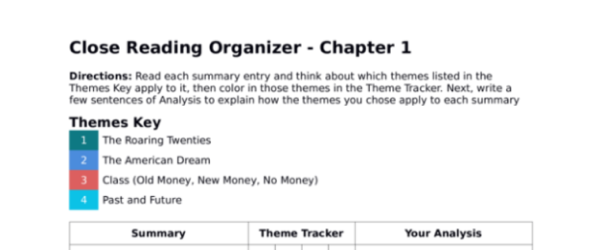
Save time with in-depth organizers
"THE best teaching resource I have ever used. My students love the handouts."
– LitCharts A⁺ User
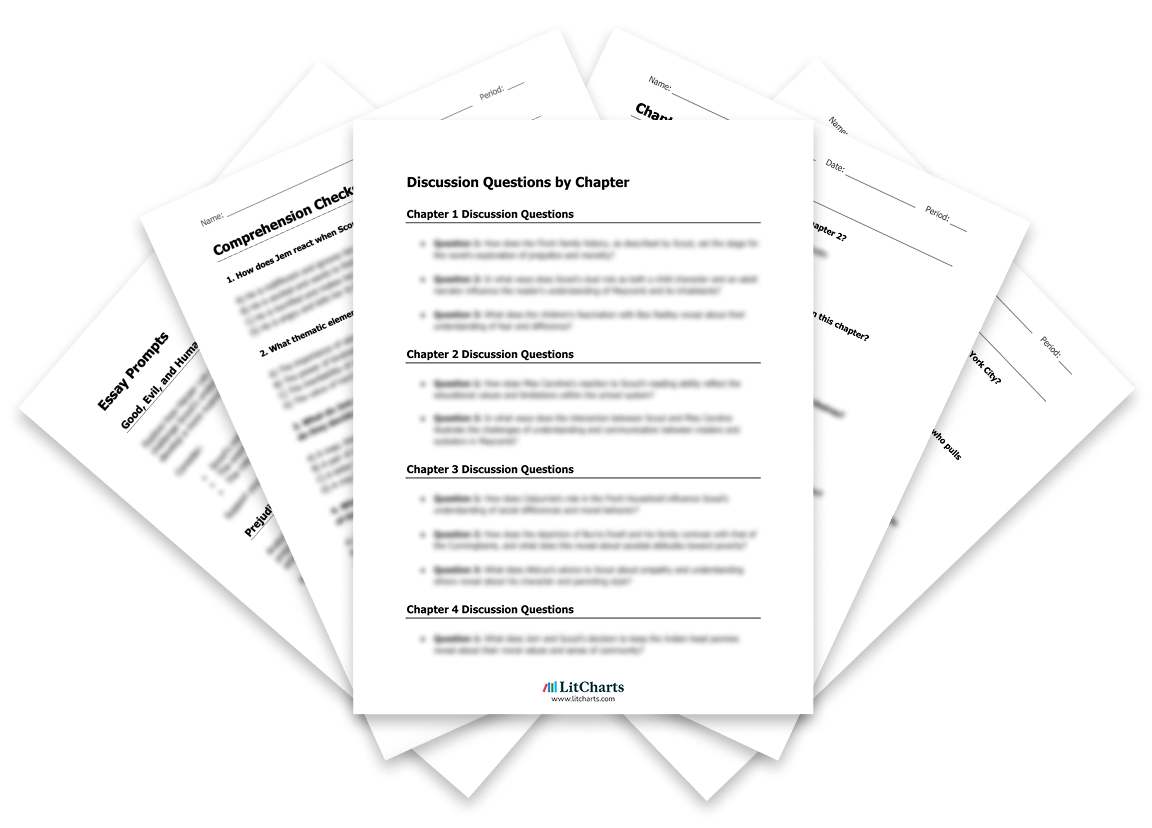
Printable classroom resources
Cut prep time in half
Essay prompts, discussion questions, and comprehension checks—easy to print and ready to use in class.
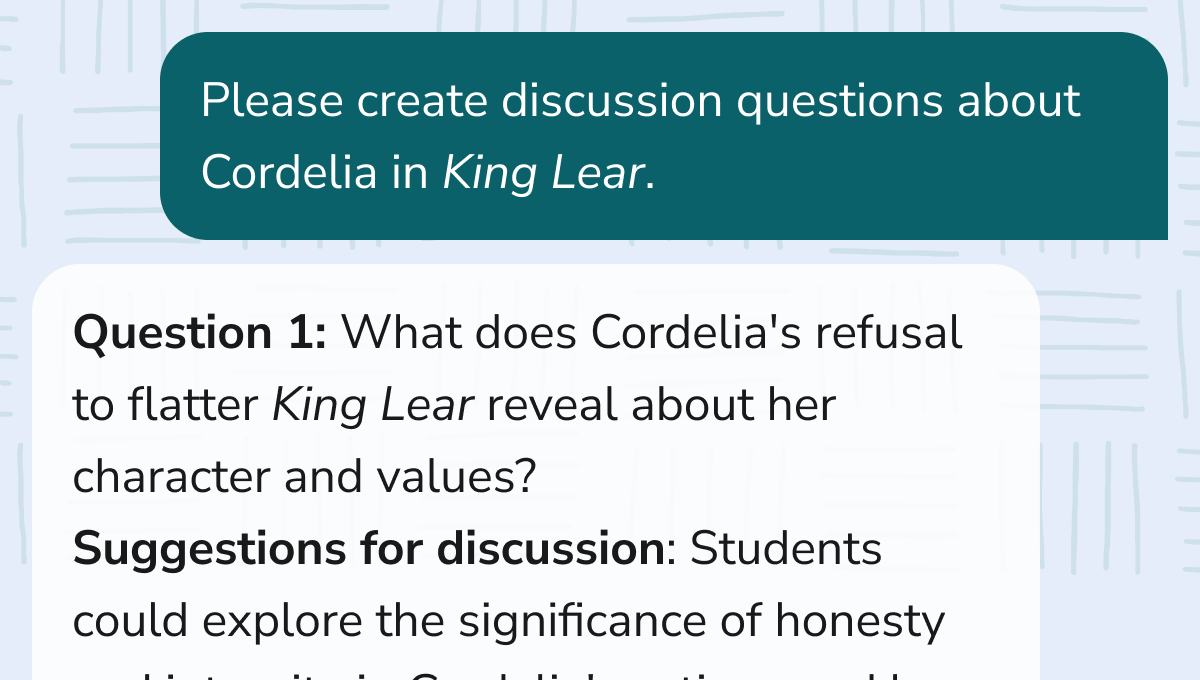
Discussion question generator
Discussion question generator
Instantly create discussion questions that get people talking, through the power of LitCharts analysis and AI.
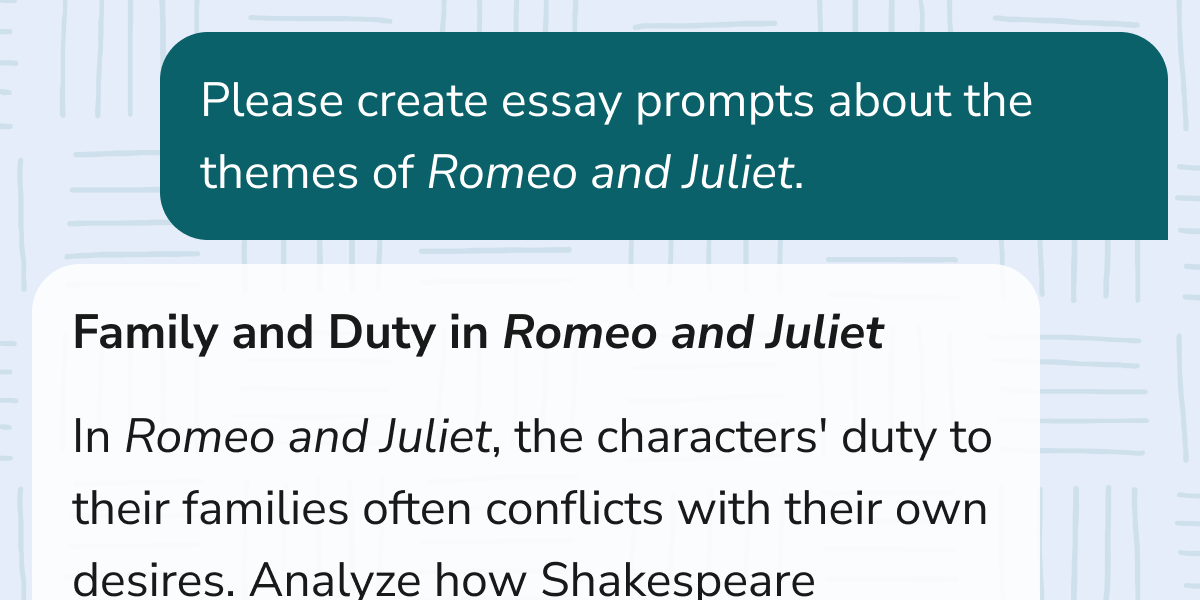
Essay prompt generator
Essay prompt generator
Quickly create thought-provoking essay prompts that will get your students writing, powered by LitCharts analysis and AI.
Quiz question generator
Quiz question generator
Effortlessly generate targeted quiz questions, powered by the world’s best literary analysis and AI.


Literature Guide PDFs
LitCharts PDFs for every book you'll read this year.
Instant PDF downloads of all 2258 LitCharts literature guides and of every new one we publish. Try a free sample literature guide.
"Would not have made it through AP Literature without the printable PDFs. They're like having in-class notes for every discussion!"



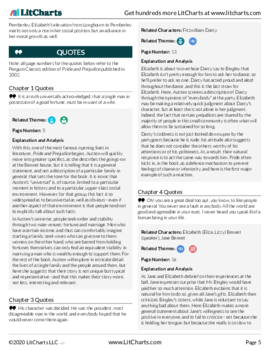


Quotes Explanations
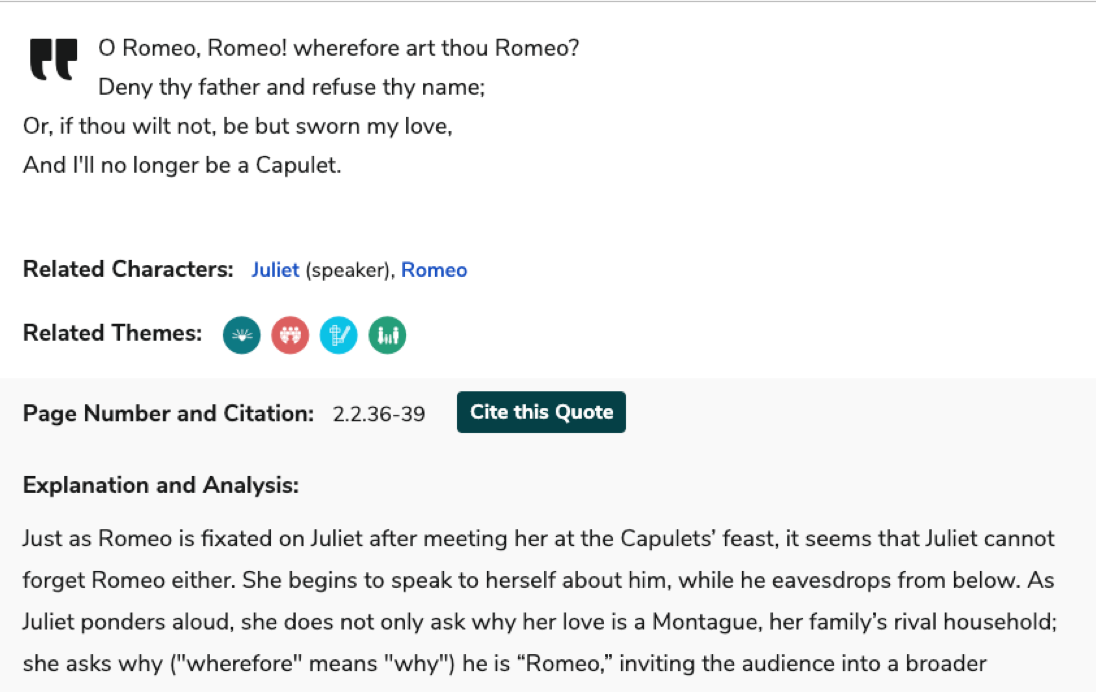
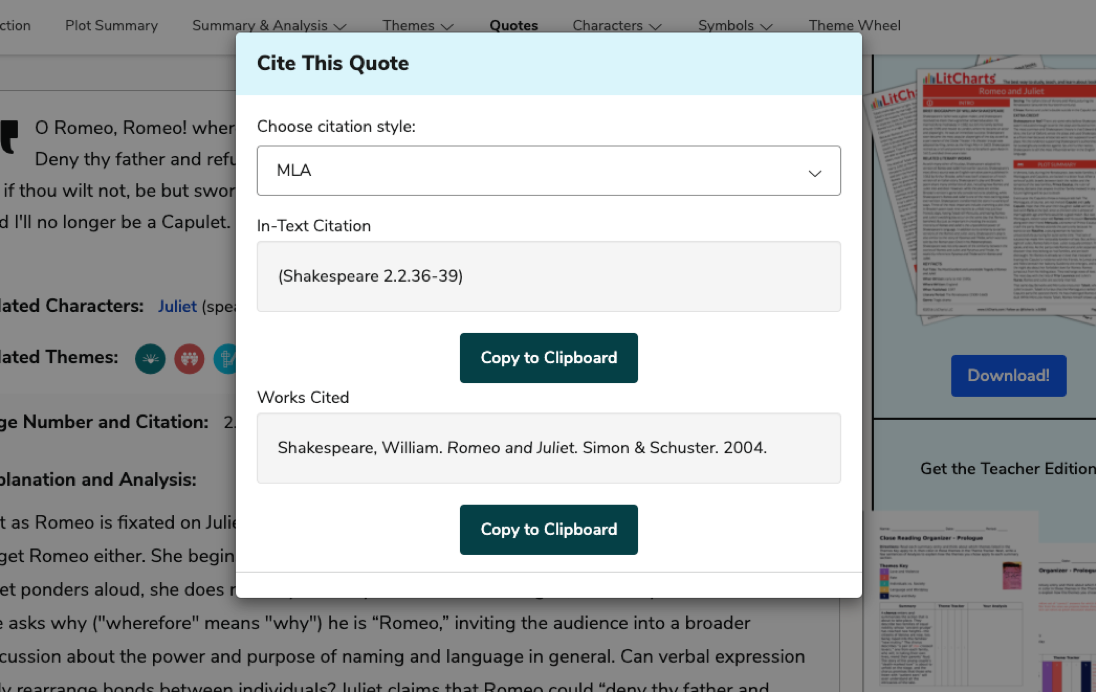
Find the perfect quote. Understand it perfectly. Then rock the citation, too.
For all 50,358 quotes we cover.
For all 50,358 quotes we cover.


Teacher Editions
Close reading made easy for students.
Time saved for teachers.
For every book we cover.
Time saved for teachers.
For every book we cover.
Teacher Edition Contents

|
Close Reading Organizers |

|
Character Analysis Organizers |

|
Symbol Analysis Organizers |

|
Theme Analysis Organizers |

|
Quote Analysis Organizers |
Common Core-aligned
""
Try a free and complete sample Teacher Edition.


PDFs of modern translations of every one of Shakespeare's 37 plays, 154 sonnets, and 3 longer poems.
Every translation available to download as a PDF.
Try a free sample Shakespeare translation.
"Every teacher of literature should use these translations. They completely demystify Shakespeare. Students love them!"

Literary Terms and Devices
Definitions and examples for every literary term and device you need to know.
Plus a quick-reference PDF with concise definitions of all 136 terms in one place.
Plus a quick-reference PDF with concise definitions of all 136 terms in one place.
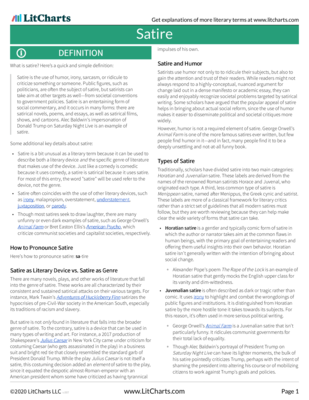
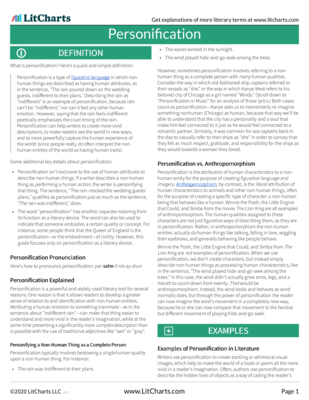
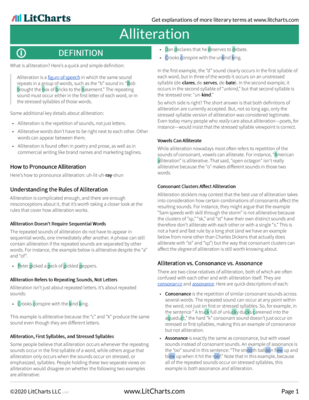
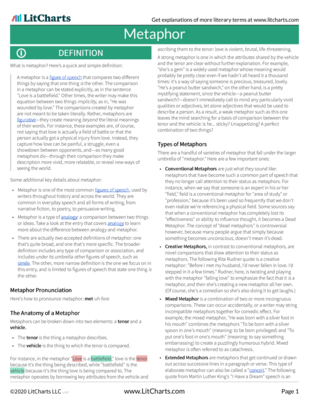
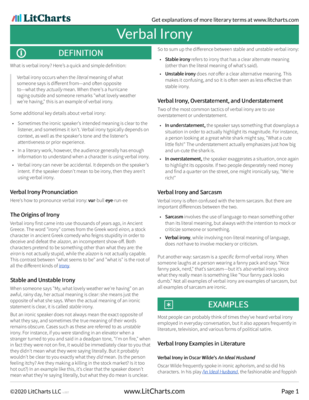
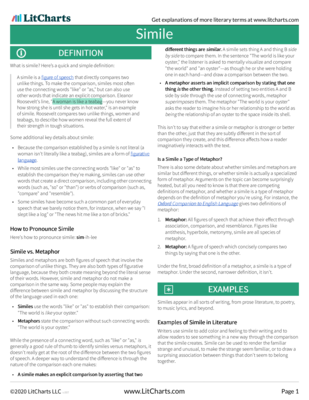
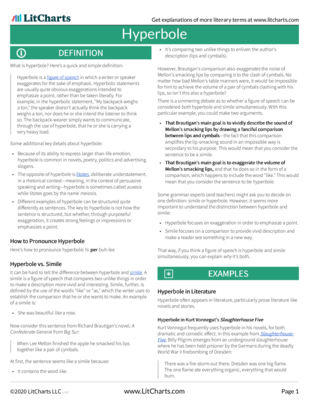
Try a free sample literary term PDF.


Advanced Search
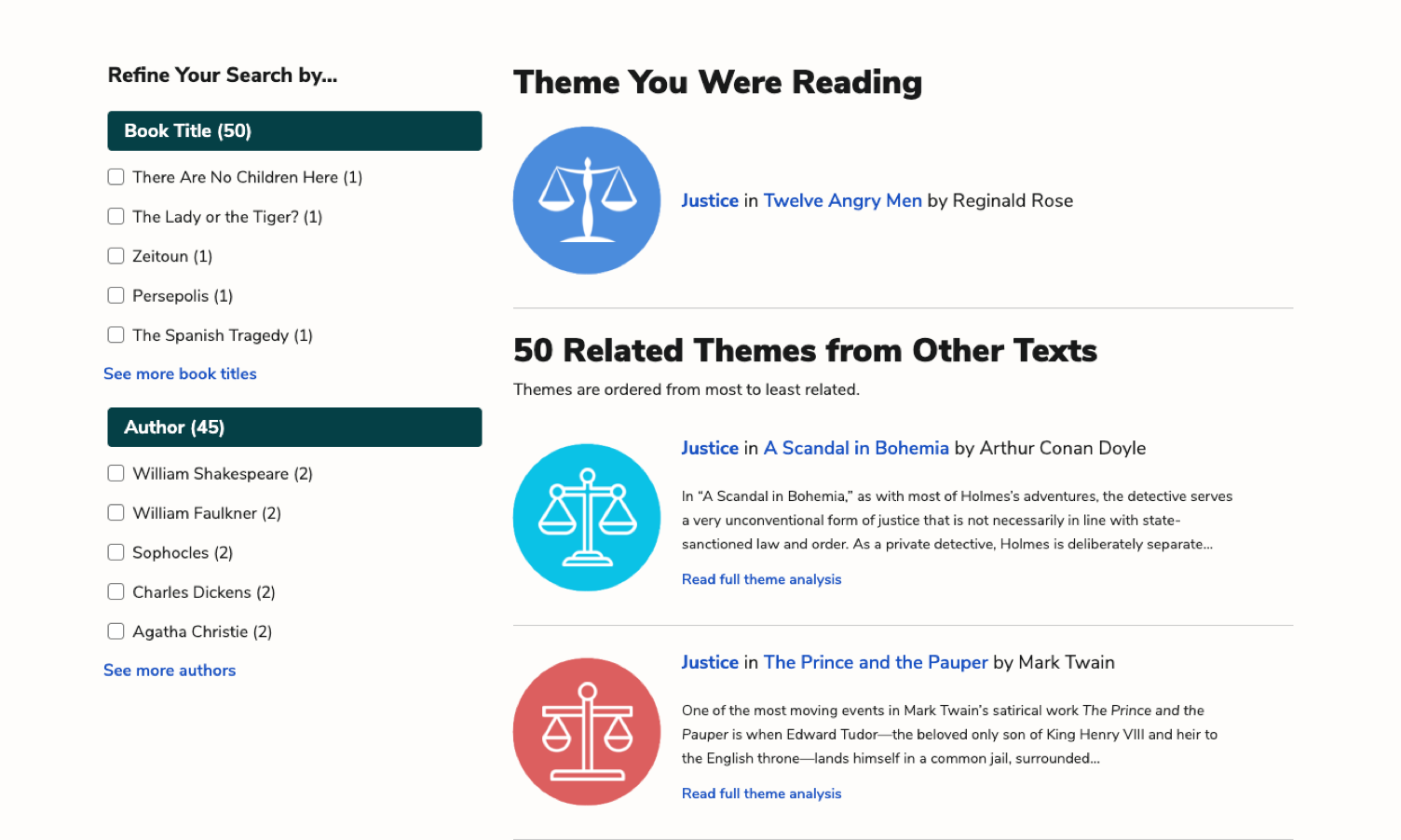
Refine any search. Find related themes, quotes, symbols, characters, and more.
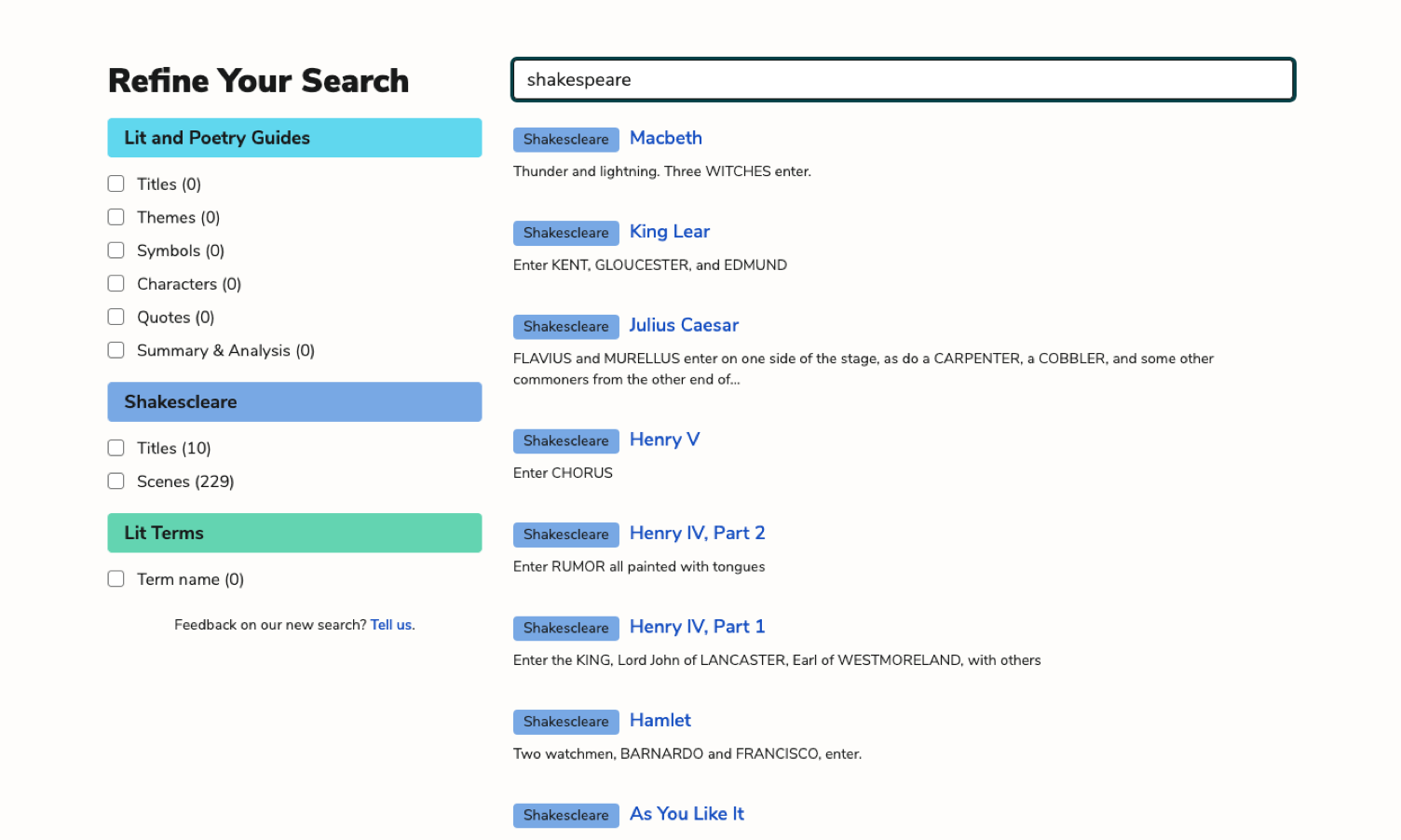
Related Themes
Comparing and contrasting texts? Find where any theme occurs across all of LitCharts in seconds.


Poetry Guides
Line-by-line explanations and analysis of figurative language and poetic devices.
For every lyric poem we cover.
For every lyric poem we cover.