
|
Have questions?
Contact us
Already a member? Sign in
|
Get every literary device explanation for Heart of Darkness
Plus so much more...
Sign up for LitCharts A+
Get instant access to every literary device explanation, plus so much more...
Personification
Explanation and Analysis—The Jungle:
Throughout the novella, Marlow personifies the Congo rainforest in order to emphasize its immensity, mystery, and resilience to human activity. For instance, after he reaches the Central Station in Part 1, he comments:
The silent wilderness surrounding this cleared speck on the earth struck me as something great and invincible, like evil or truth, waiting patiently for the passing away of this fantastic invasion.
By personifying the forest as an “invincible” foe that is “waiting patiently” for the European invaders to die or move on, Marlow emphasizes how vast and unconquerable it is. He insists that colonizers like himself will never be able to truly control it, simply because it is far greater than they will ever be. In turn, this allows him to suggest that humans are powerless in comparison with nature’s grandeur—both the natural world itself (which can easily kill people through forces like river currents and disease) and the underlying human nature (“evil or truth”) that people can never change, no matter how hard they try. As he travels down the Congo River in Part 2, he uses more personification to make it clear that people are entirely at nature’s mercy:
The reaches opened before us and closed behind, as if the forest had stepped leisurely across the water to bar the way for our return. We penetrated deeper and deeper into the heart of darkness.
Here, he personifies the forest by imagining it shut behind his boat, swallowing him and his companions as they travel upriver towards the Inner Station. The forest is so vast that, metaphorically speaking, it could cover the wide Congo River with a single step. The fact that this step is “leisurely” suggests that the jungle is so much more powerful than humans that it barely has to do any work to adapt to their presence. The Congo’s nature easily overwhelms people, who stand no chance of ever taming or overpowering it (like they do in less harsh environments). Marlow repeats this sentiment later in Part 2, when he personifies how the wilderness might react to Kurtz’s dazzling wealth:
It made me hold my breath in expectation of hearing the wilderness burst into a prodigious peal of laughter that would shake the fixed stars in their places.
Marlow personifies nature as bursting into laughter in order to show how insignificant Kurtz’s ambitious ivory-collecting project really is in the grand scheme of things. He also does this to foreshadow howKurtz’s greed will lead him to a senseless, wasteful, utterly unnecessary death in the near future. Even if Kurtz really is the greatest ivory trader in European history, Marlow suggests with these descriptions, he will still always remain completely insignificant when compared to the vast, rich jungle as a whole. Again, Conrad personifies the jungle primarily to highlight how arrogant and outmatched humans are in their attempts to control it.
Monthly
Annual (Best Value)

$595USD/mo
Charged $71.40 USD every year
Quote explanations & citation info

Every PDF download
Printable PDFs for every guide
"Would not have made it through without the printable PDFs. They're like having in-class notes for every discussion!"
– LitCharts A⁺ user
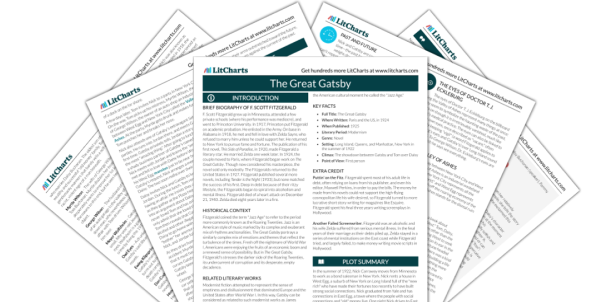
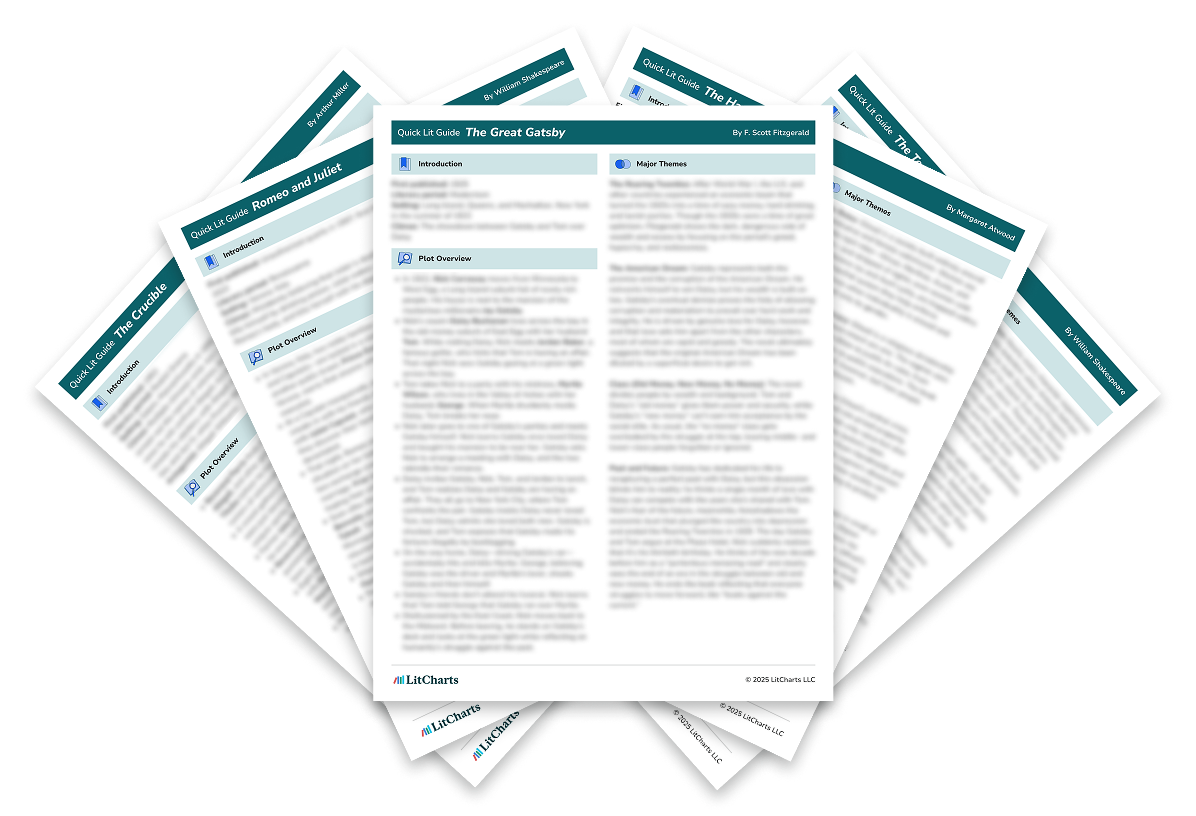
One-page Quick Lit Guides
Understand key basics—fast
Printable, one-page guides that cover the plot points, themes, and ideas you need to know.
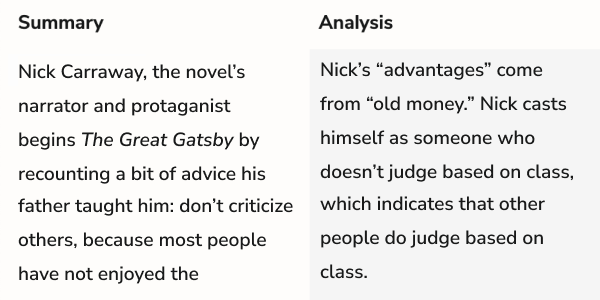
Detailed chapter analysis
Get what happens and what it means
Targeted analysis next to the summary ensures you’ll understand more than just the plot.
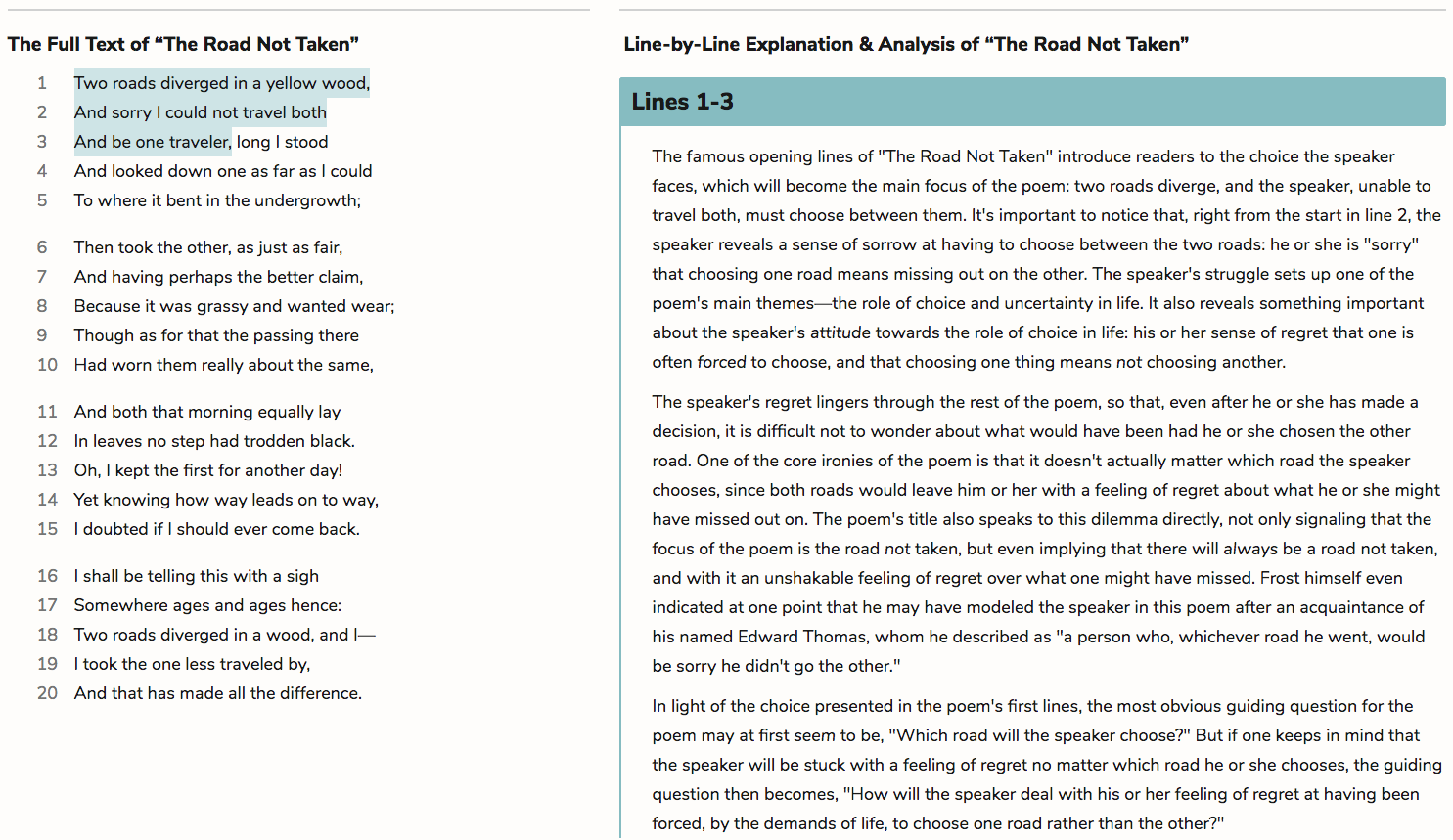
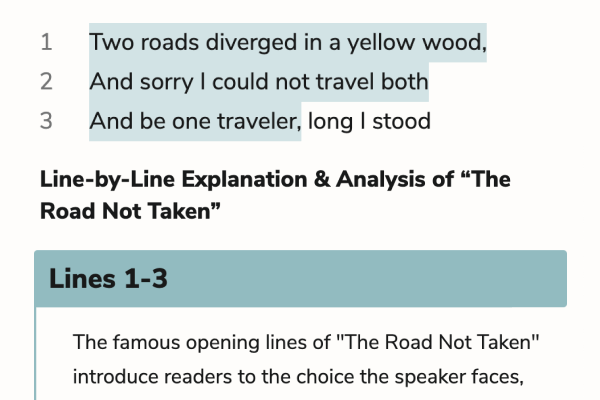
Line-by-line poetry analysis
Get the meaning in every line
Never feel lost reading a poem again with clear and in-depth analysis of each and every line.
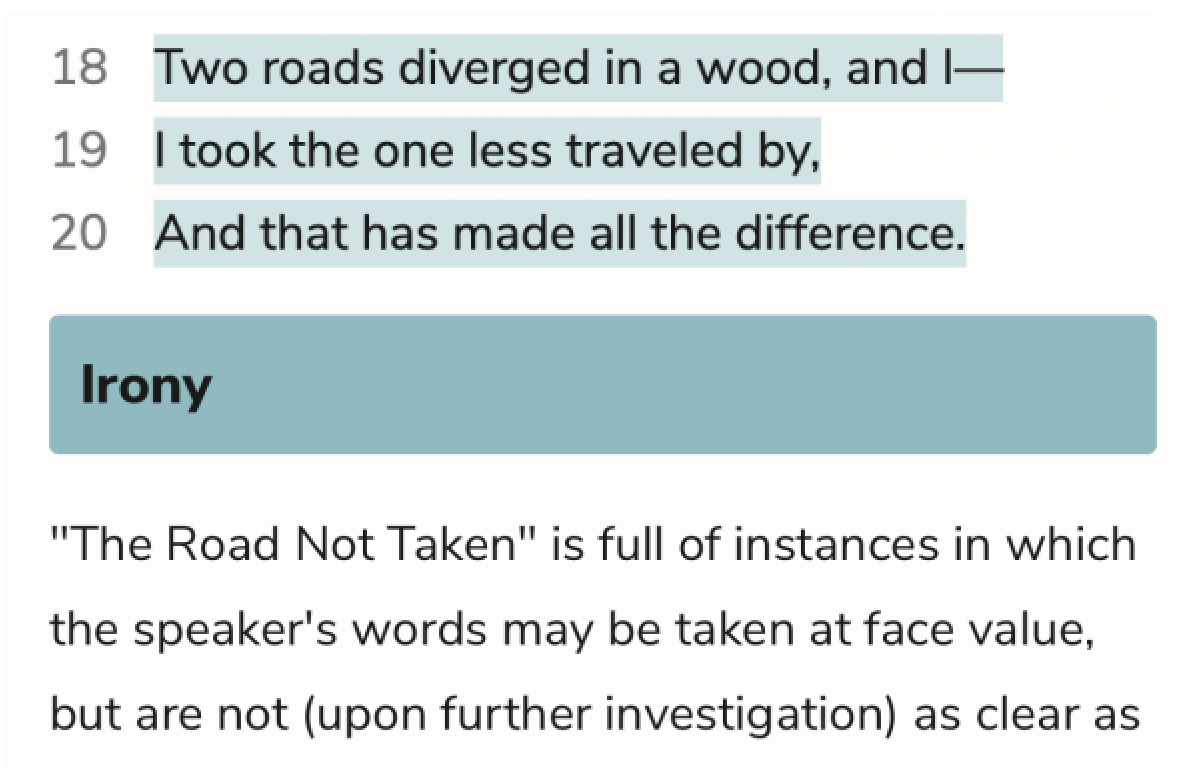
Literary & poetic device analysis
Decode the author’s language
Quickly find and understand the key devices in whatever you’re reading.
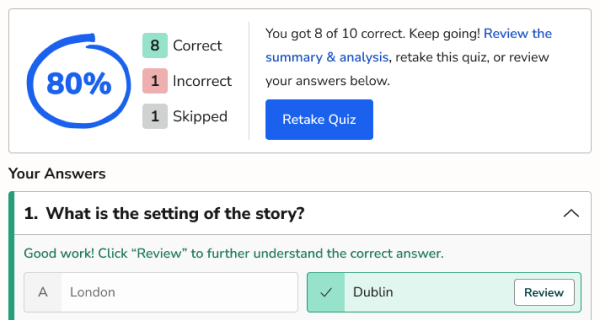
Unlimited quizzes
Unlimited quizzes and feedback
Boost your learning with quizzes that pinpoint and address knowledge gaps.
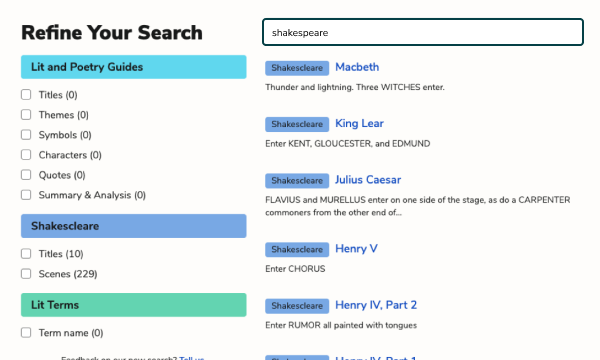
Advanced search
Find exactly what you need
Refine your search using advanced filters like genre, time period, literary movement, author context, grade level, and more.
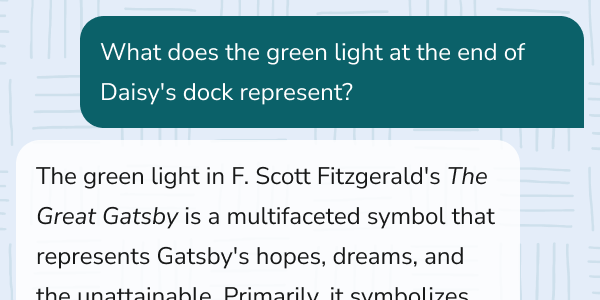
Ask LitCharts AI
Ask LitCharts AI
Instant answers to all your lit questions. Powered by LitCharts content and AI.
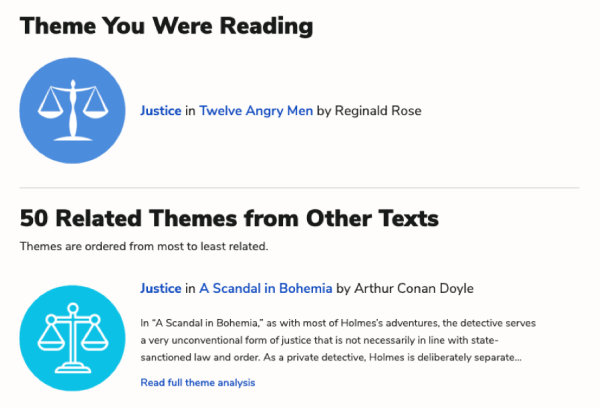
Theme comparisons across books
Compare and contrast
Identify similar themes across books, making comparisons fast and simple.
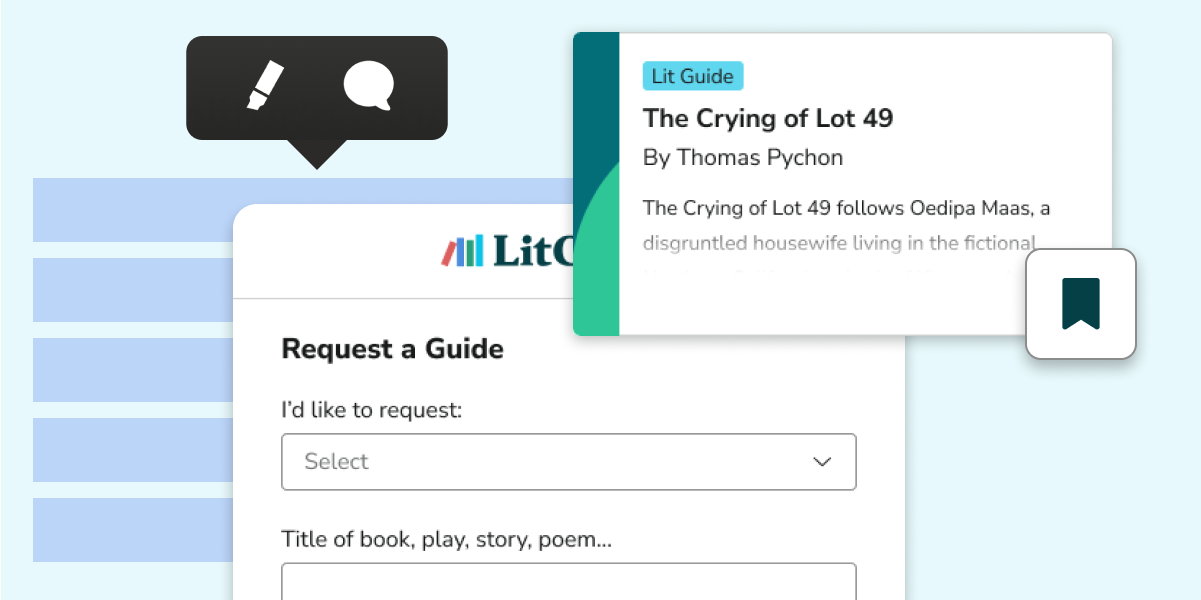
Highlight, take notes, & save guides
Make LitCharts your own
Add highlights or notes, save guides for easy access later, and request new titles.
 Teacher
$795USD/mo
Charged $95.40 USD every year
Quote explanations & citation info
Find the perfect quote
Then understand it perfectly. And get the citation, too. For all 35,000+ quotes we cover.
Every PDF download
Printable PDFs for every guide
"Would not have made it through without the printable PDFs. They're like having in-class notes for every discussion!"
– LitCharts A⁺ user
One-page Quick Lit Guides
Understand key basics—fast
Printable, one-page guides that cover the plot points, themes, and ideas you need to know.
Detailed chapter analysis
Get what happens and what it means
Targeted analysis next to the summary ensures you’ll understand more than just the plot.
Line-by-line poetry analysis
Get the meaning in every line
Never feel lost reading a poem again with clear and in-depth analysis of each and every line.
Literary & poetic device analysis
Decode the author’s language
Quickly find and understand the key devices in whatever you’re reading.
Unlimited quizzes
Unlimited quizzes and feedback
Boost your learning with quizzes that pinpoint and address knowledge gaps.
Advanced search
Find exactly what you need
Refine your search using advanced filters like genre, time period, literary movement, author context, grade level, and more.
Ask LitCharts AI
Ask LitCharts AI
Instant answers to all your lit questions. Powered by LitCharts content and AI.
Theme comparisons across books
Compare and contrast
Identify similar themes across books, making comparisons fast and simple.
Highlight, take notes, & save guides
Make LitCharts your own
Add highlights or notes, save guides for easy access later, and request new titles.
Teacher editions
Save time with in-depth organizers
"THE best teaching resource I have ever used. My students love the handouts."
– LitCharts A⁺ User
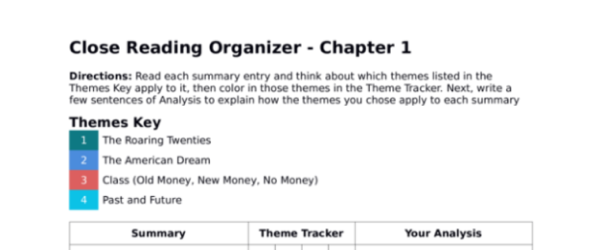
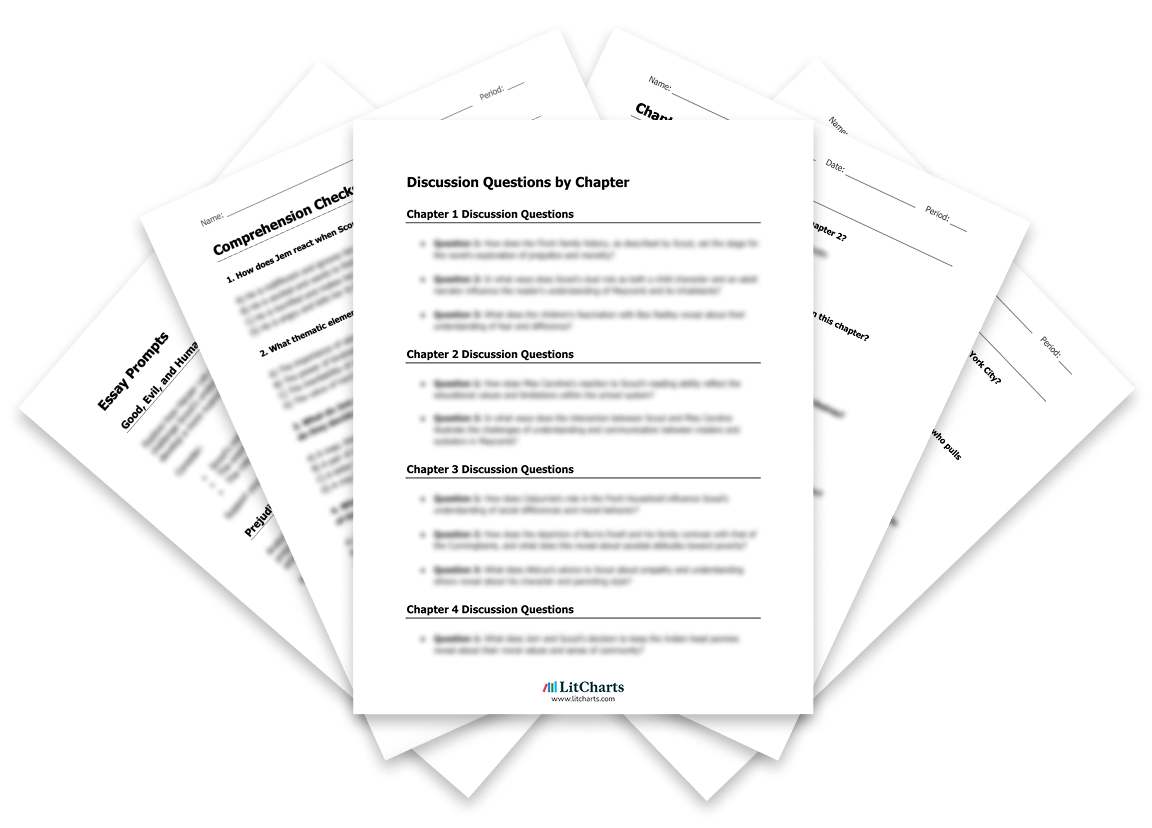
Printable classroom resources
Cut prep time in half
Essay prompts, discussion questions, and comprehension checks—easy to print and ready to use in class.
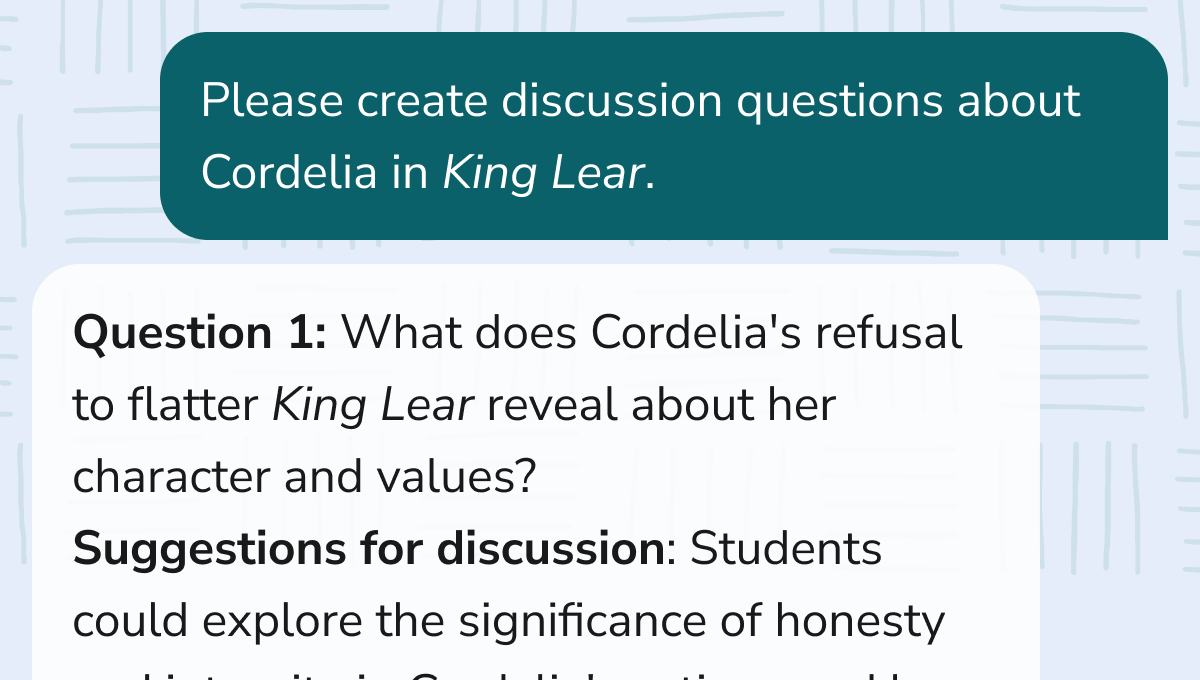
Discussion question generator
Discussion question generator
Instantly create discussion questions that get people talking, through the power of LitCharts analysis and AI.
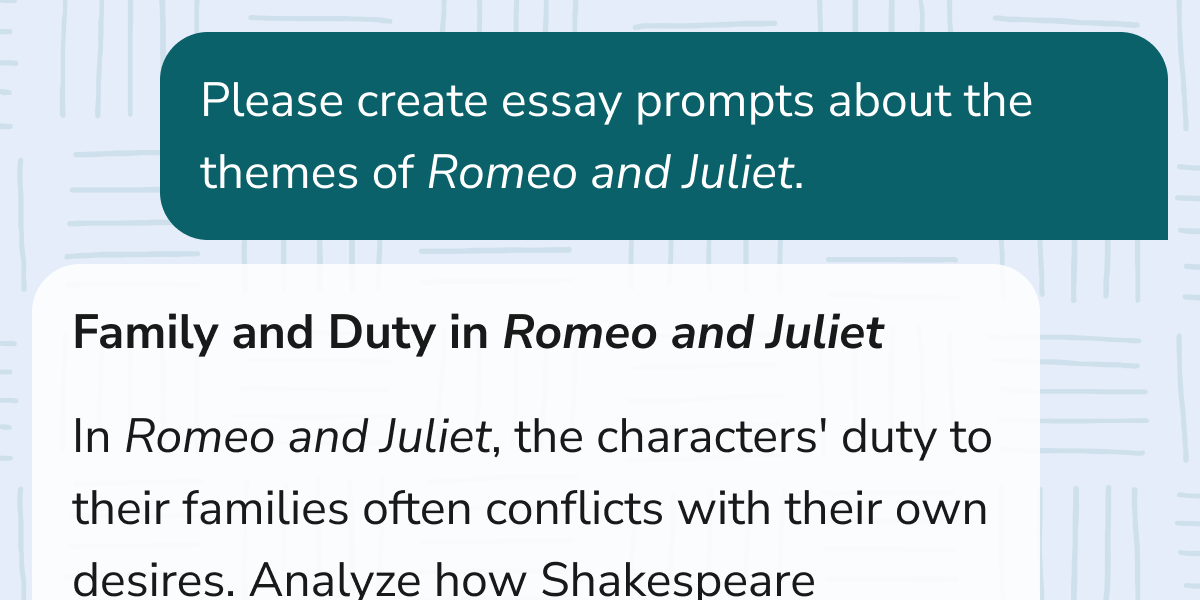
Essay prompt generator
Essay prompt generator
Quickly create thought-provoking essay prompts that will get your students writing, powered by LitCharts analysis and AI.
Quiz question generator
Quiz question generator
Effortlessly generate targeted quiz questions, powered by the world’s best literary analysis and AI.


Literature Guide PDFs
LitCharts PDFs for every book you'll read this year.
Instant PDF downloads of all 2259 LitCharts literature guides and of every new one we publish. Try a free sample literature guide.
"Would not have made it through AP Literature without the printable PDFs. They're like having in-class notes for every discussion!"


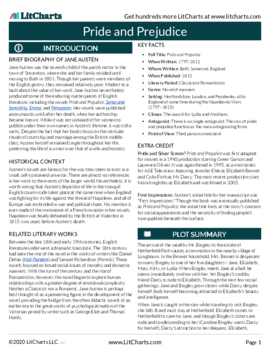

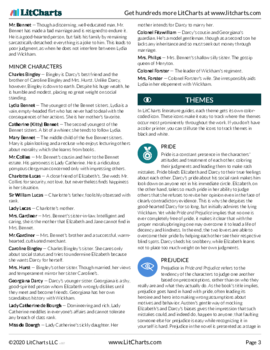
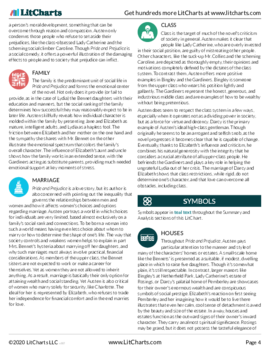
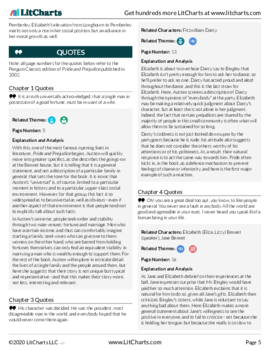


Quotes Explanations
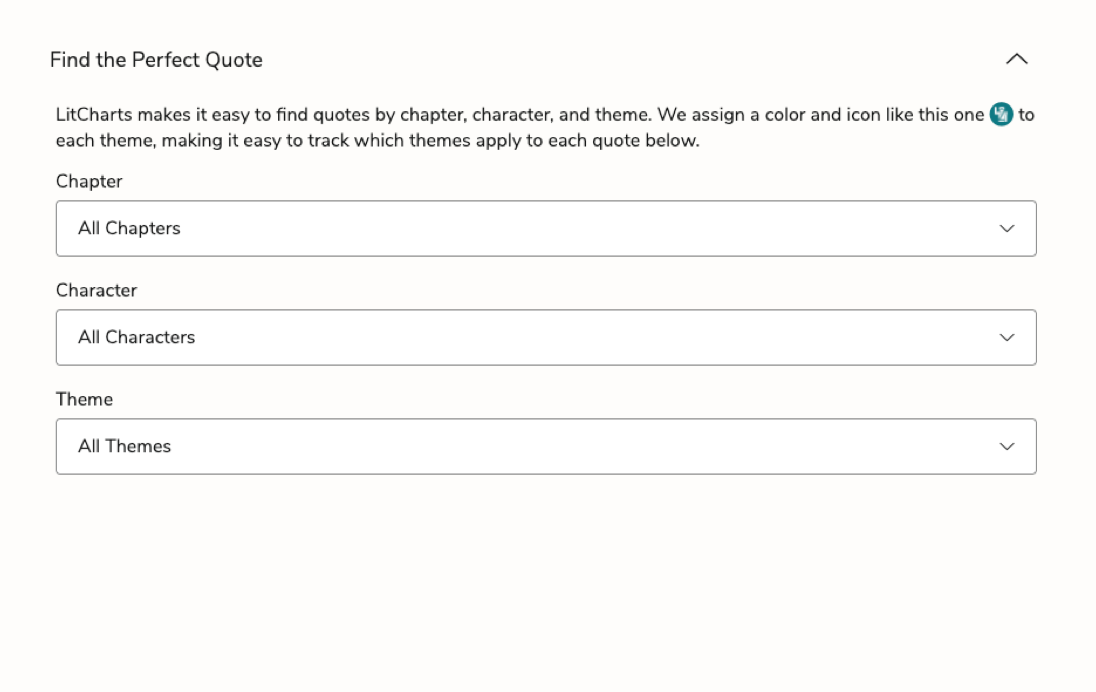
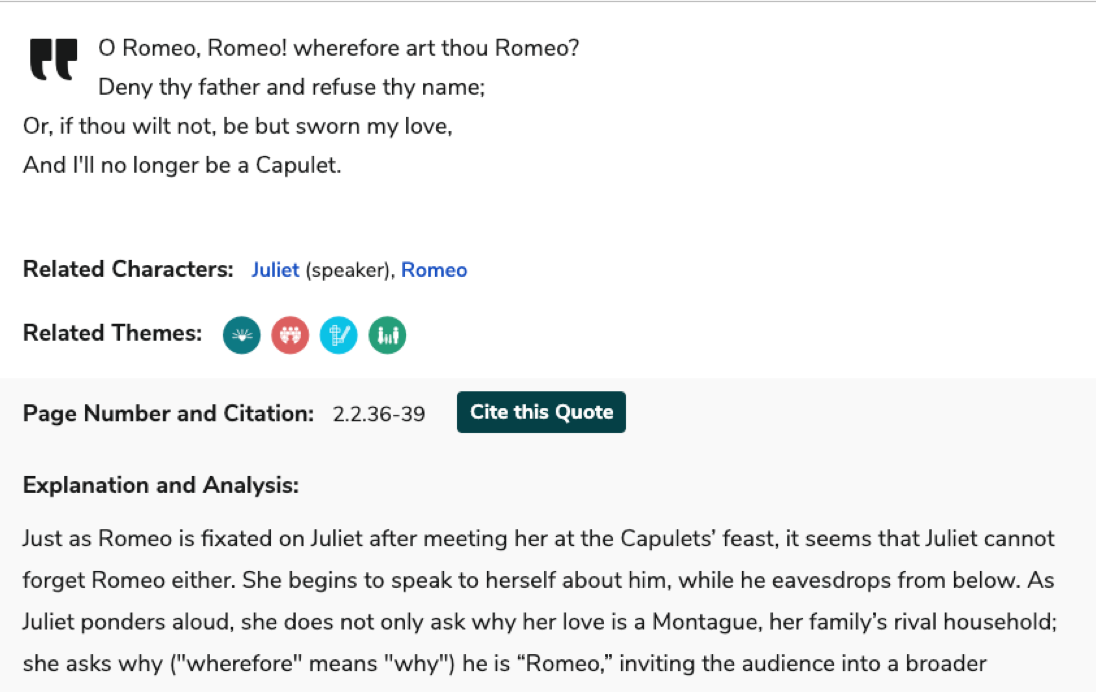
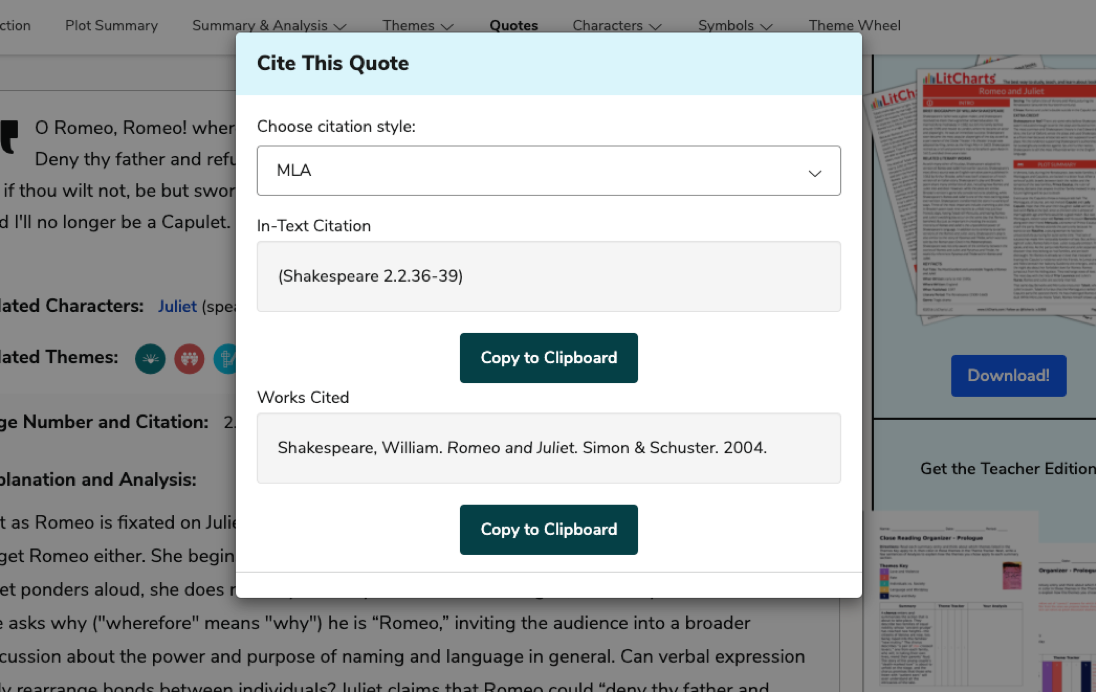
Find the perfect quote. Understand it perfectly. Then rock the citation, too.
For all 50,383 quotes we cover.
For all 50,383 quotes we cover.


Teacher Editions
Close reading made easy for students.
Time saved for teachers.
For every book we cover.
Time saved for teachers.
For every book we cover.
Teacher Edition Contents

|
Close Reading Organizers |

|
Character Analysis Organizers |

|
Symbol Analysis Organizers |

|
Theme Analysis Organizers |

|
Quote Analysis Organizers |
Common Core-aligned
""
Try a free and complete sample Teacher Edition.


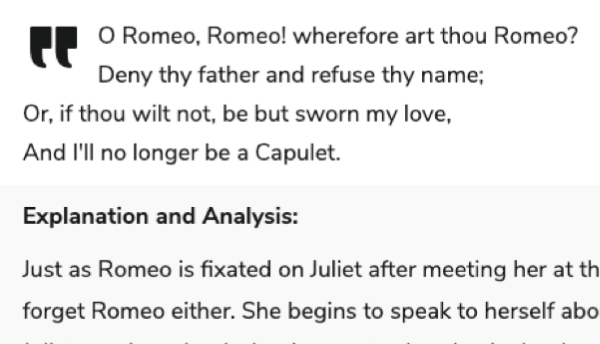
PDFs of modern translations of every one of Shakespeare's 37 plays, 154 sonnets, and 3 longer poems.
Every translation available to download as a PDF.
Try a free sample Shakespeare translation.
"Every teacher of literature should use these translations. They completely demystify Shakespeare. Students love them!"

Literary Terms and Devices
Definitions and examples for every literary term and device you need to know.
Plus a quick-reference PDF with concise definitions of all 136 terms in one place.
Plus a quick-reference PDF with concise definitions of all 136 terms in one place.
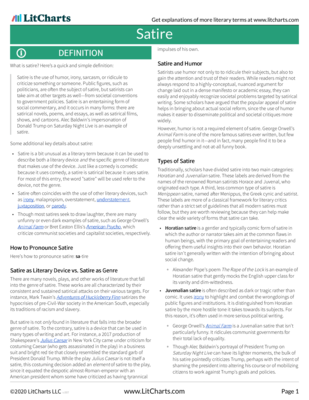
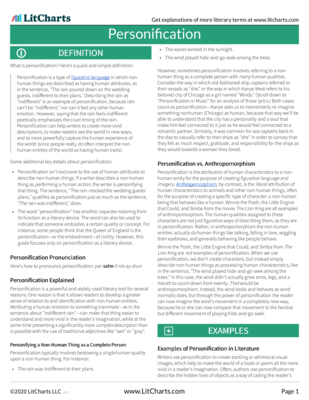
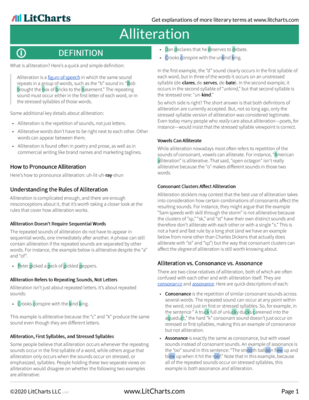
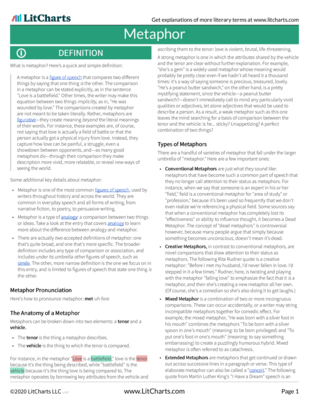
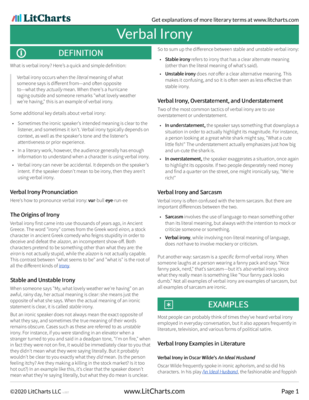
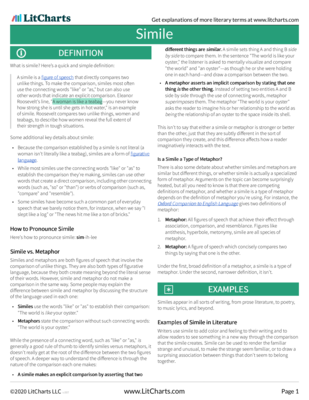
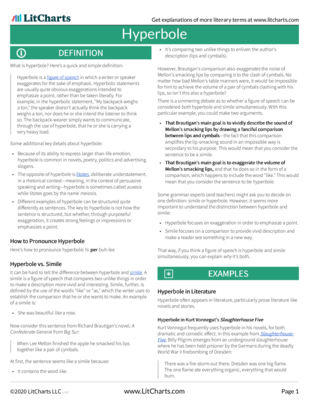
Try a free sample literary term PDF.


Advanced Search
Refine any search. Find related themes, quotes, symbols, characters, and more.
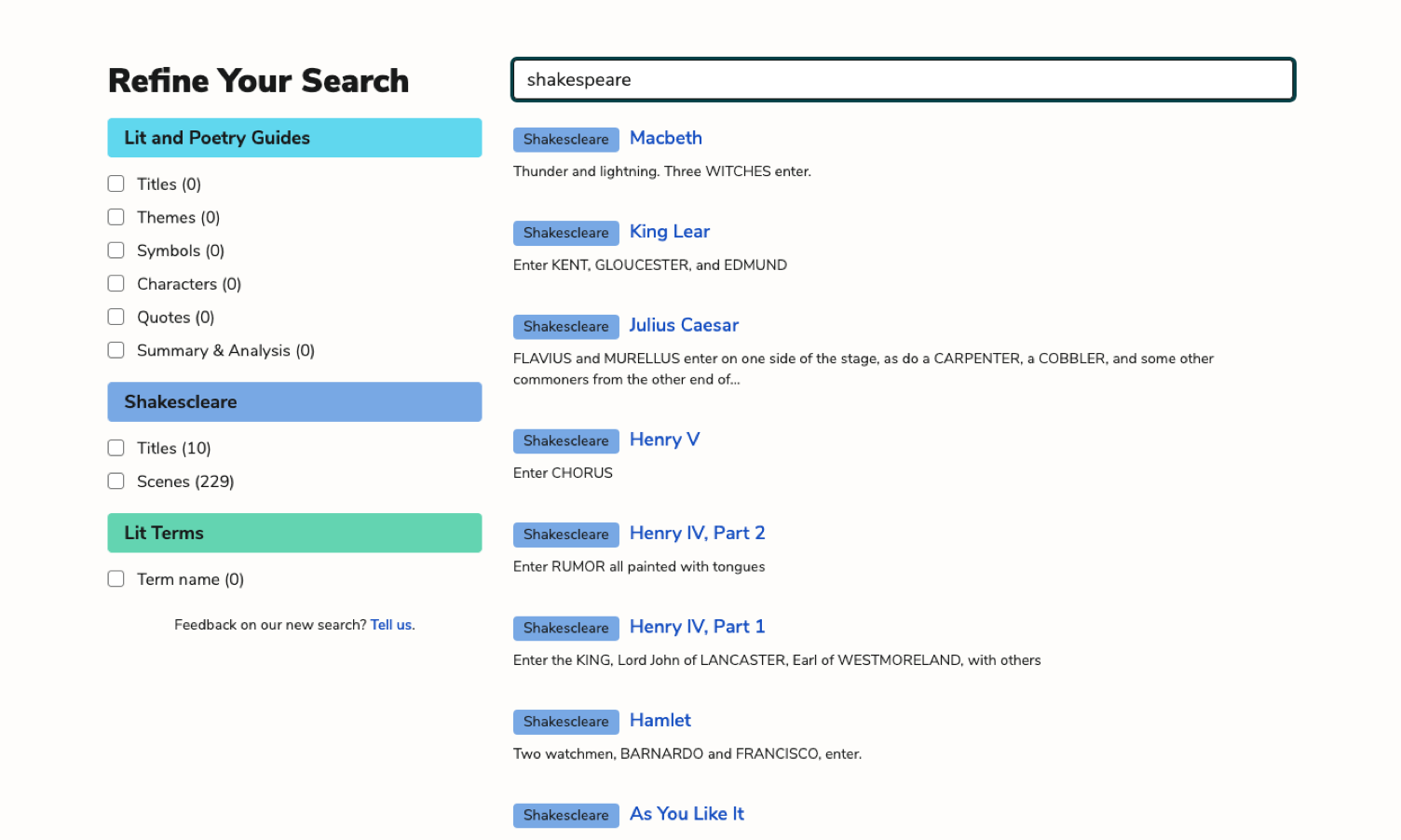

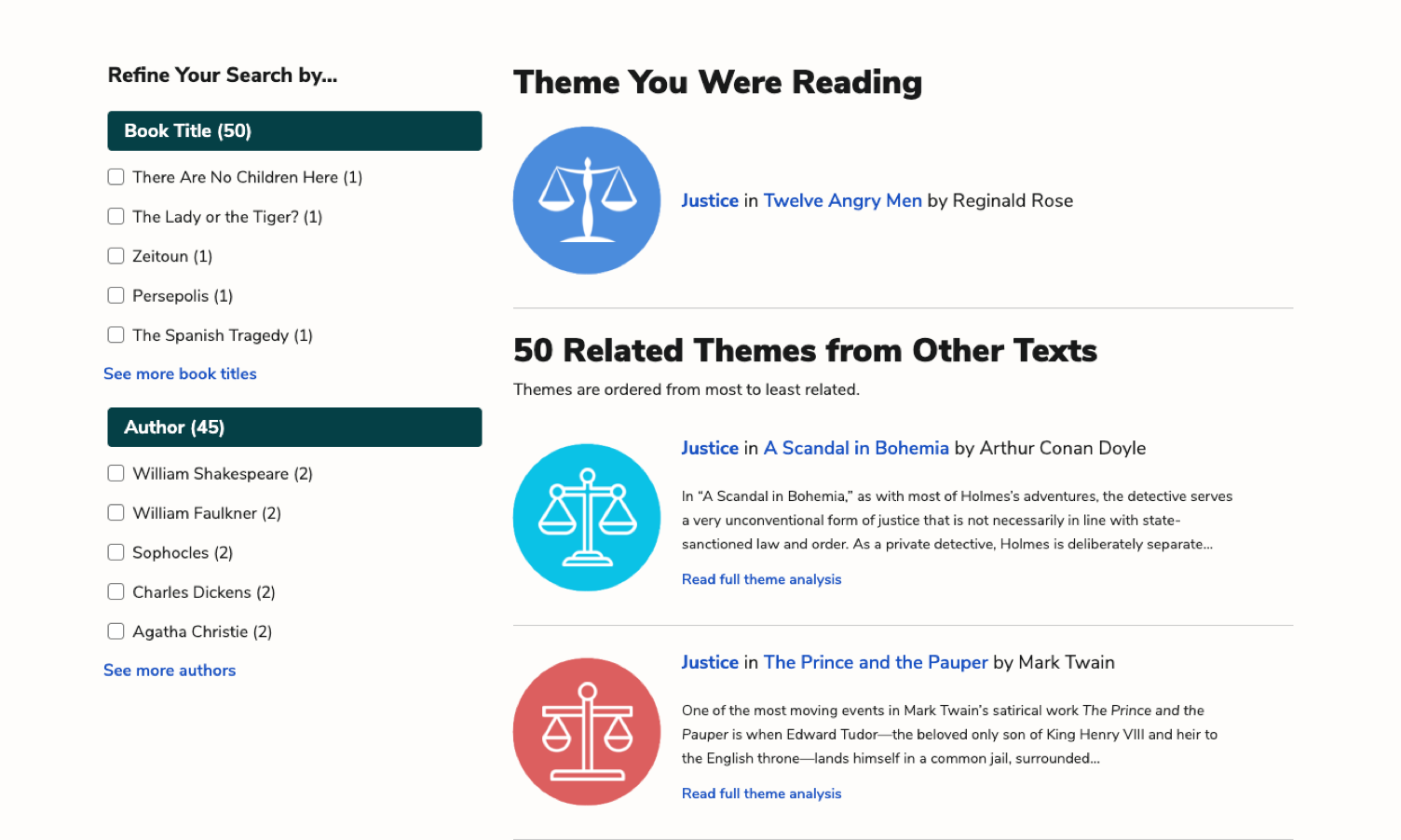
Related Themes
Comparing and contrasting texts? Find where any theme occurs across all of LitCharts in seconds.


Poetry Guides
Line-by-line explanations and analysis of figurative language and poetic devices.
For every lyric poem we cover.
For every lyric poem we cover.