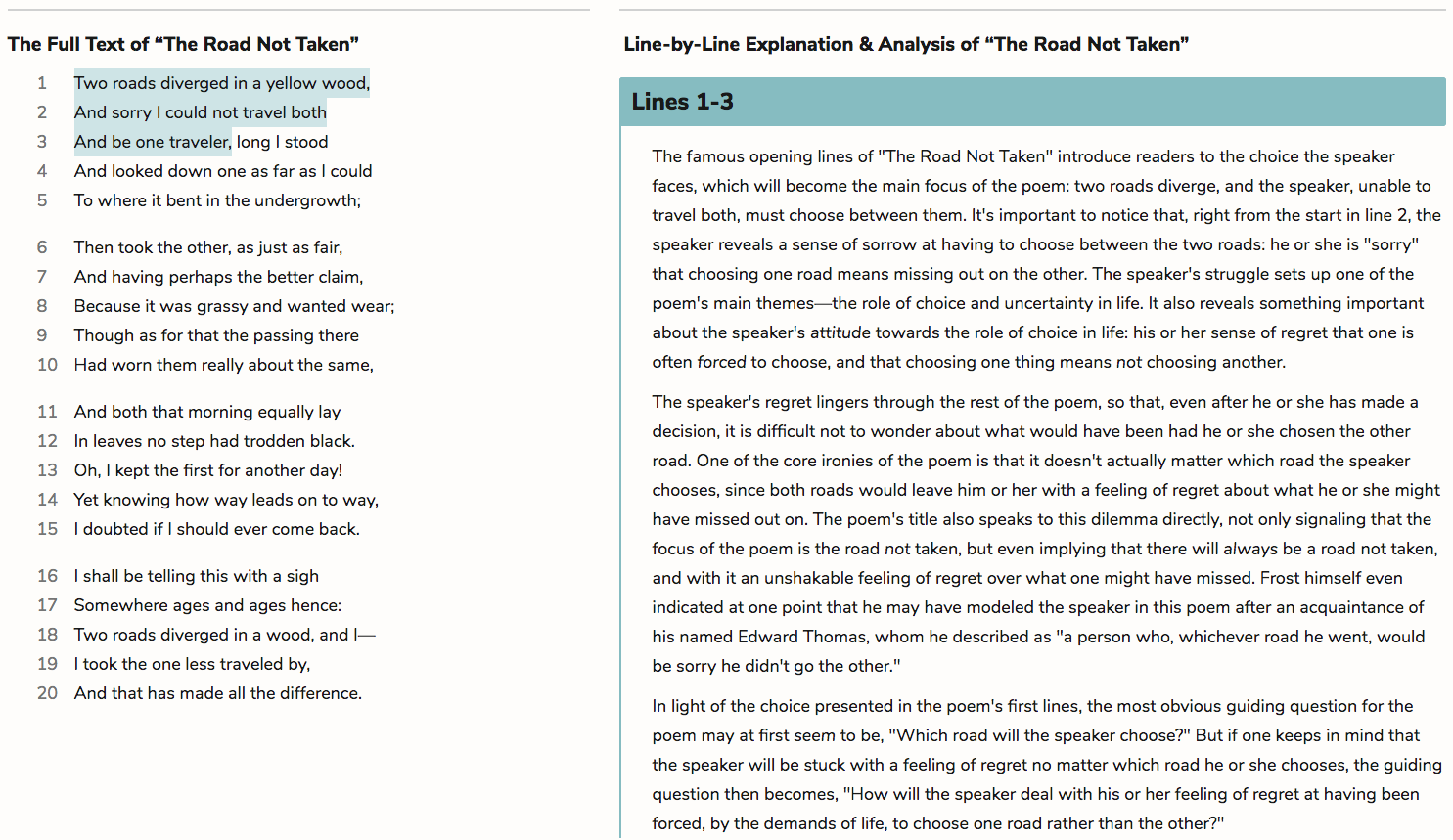
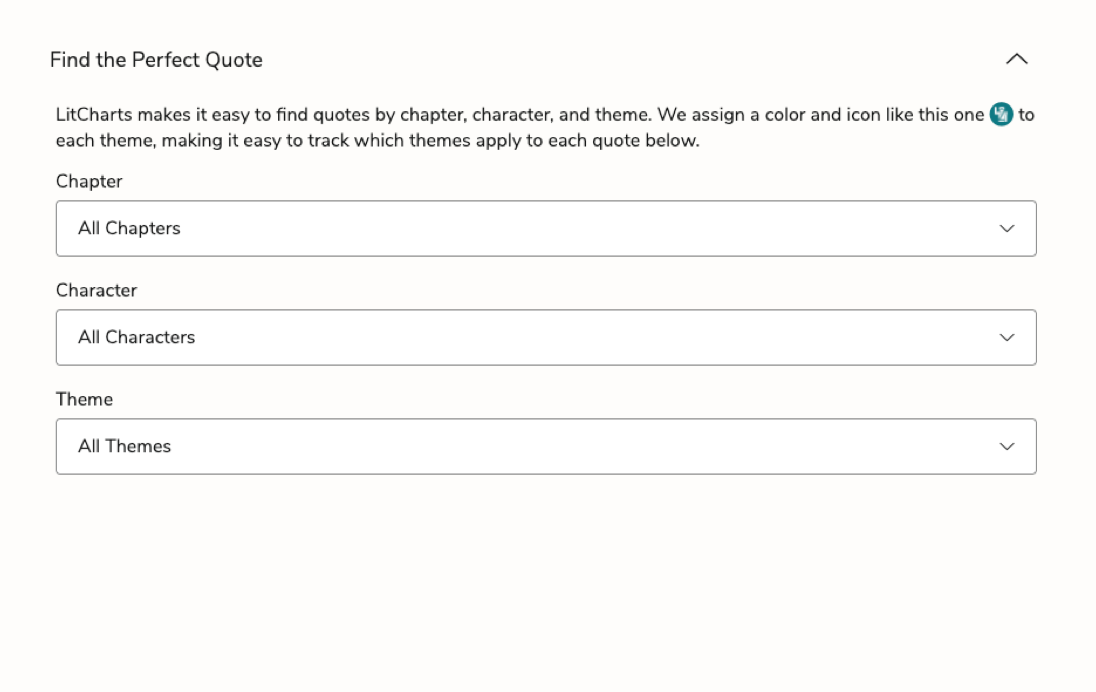
Find the perfect quote
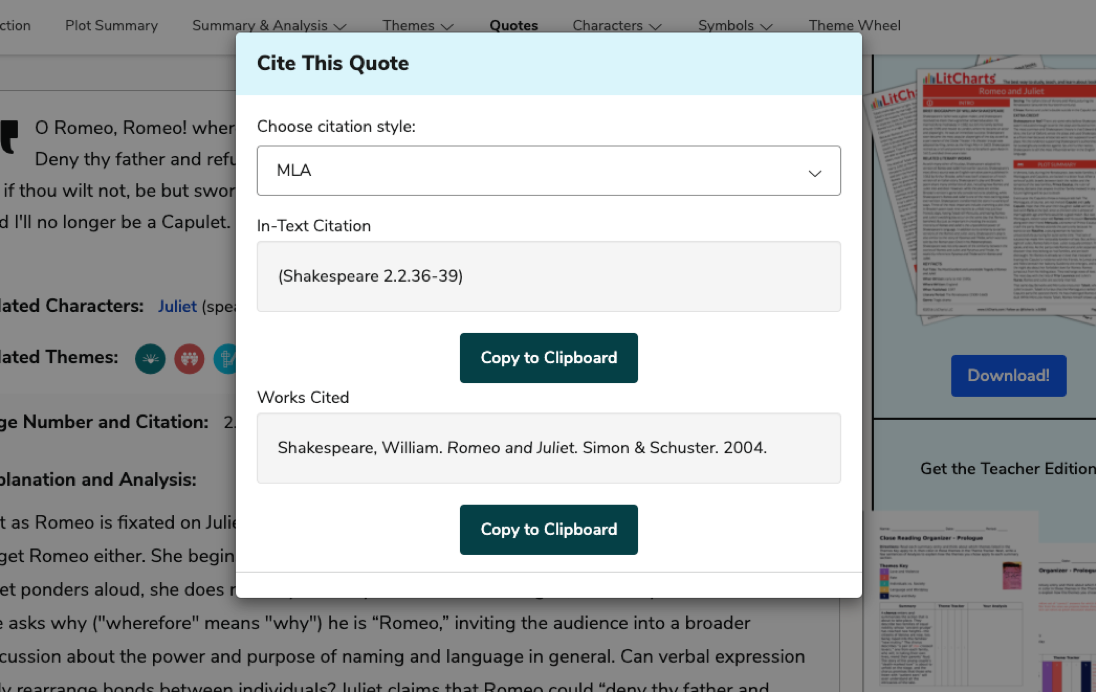
Then understand it perfectly. And get the citation, too. For all 35,000+ quotes we cover.

|
Have questions?
Contact us
Already a member? Sign in
|
According to Rousseau, a republic’s legitimacy depends on whether its citizens work collaboratively to set its laws, while its health depends on how enthusiastically and successfully they do so. This distinction is important: a nation could eas...




 Teacher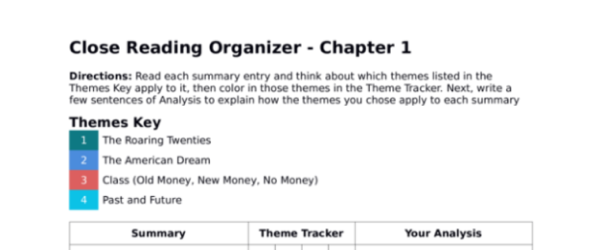















|
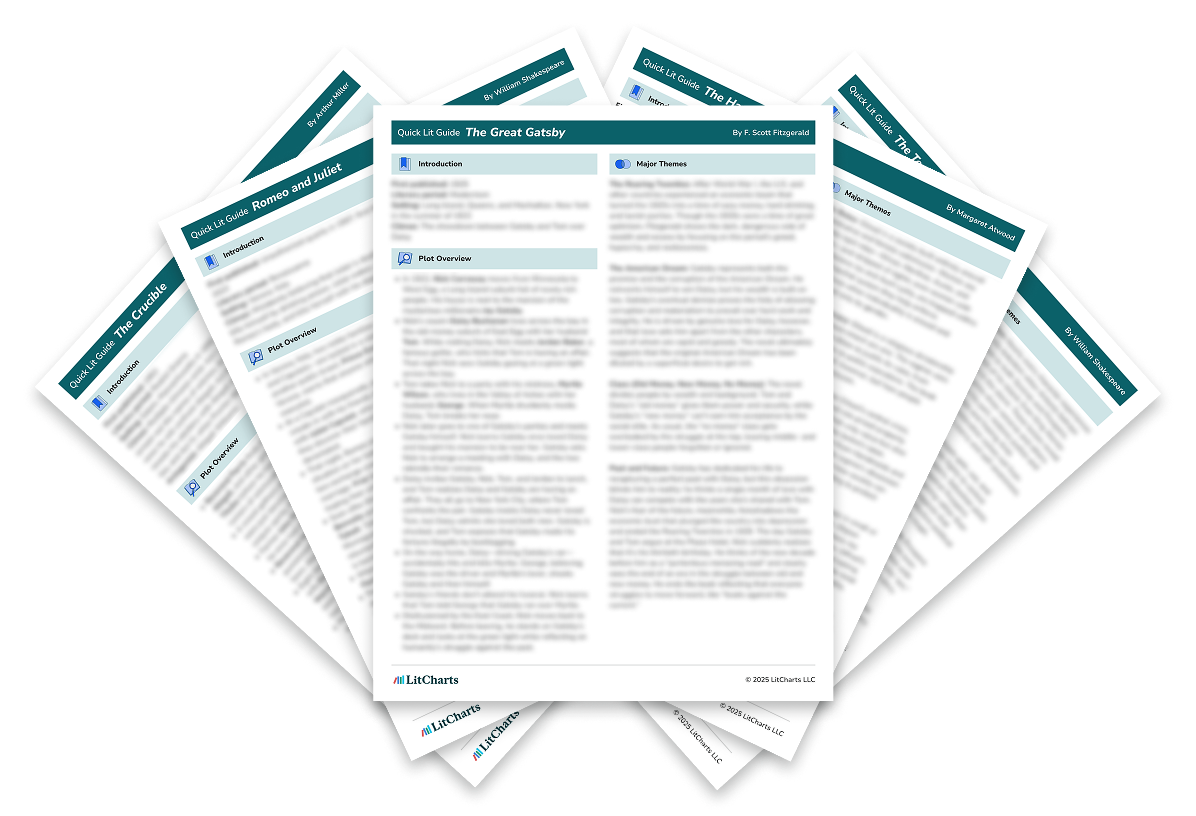
Close Reading Organizers |

|
Character Analysis Organizers |

|
Symbol Analysis Organizers |

|
Theme Analysis Organizers |

|
Quote Analysis Organizers |
Common Core-aligned