


|
Have questions?
Contact us
Already a member? Sign in
|
Get every literary device explanation for Norwegian WoodPlus so much more...
Sign up for LitCharts A+Get instant access to every literary device explanation, plus so much more...
Allegory
Explanation and Analysis—Sanatorium:
In Norwegian Wood, the sanatorium or Ami Hostel is an allegory for the relief that seems to be offered in spaces near death. The Ami Hostel is surrounded by thick woods, which set it off from civilization. To get there to visit Naoko, Toru must walk through these woods, as described in Chapter 6:
There was a trailhead near the bus stop, according to Naoko, and if I followed the trail for twenty minutes I would reach Ami Hostel. If it was that deep in the mountains, no wonder it was a quiet place!
The sanatorium itself seems to be a sanctuary within these dark woods. The Ami Hostel offers a refuge, where life is near-perfect for residents. The “quiet” that Toru notices marks this separation from the bustle of the real world. Reiko explains the unique paradise-like quality of the sanatorium:
“Just living here is the convalescence,” she said. “A regular routine, exercise, isolation from the outside world, clean air, quiet. Our farmland makes us practically self-sufficient; there’s no TV or radio. We’re like one of those commune places you hear so much about.”
Life at the Ami Hostel is so compelling that residents struggle to leave and reenter the real world. Even though Reiko doesn’t have anything particularly wrong with her, she has been staying at the sanatorium for seven years. The placid ease of living at the Ami Hotel makes normal life more challenging for residents. As a result, they are held in this space proximal to death, still alive but unable to truly live. The allure of the sanatorium represents the allure of death for these characters—they must work hard to resist its pull. Naoko is in the Ami Hostel because of her suicidality, so the pull of death has literally brought her there. And while she shows signs of improvement at the sanatorium, she ultimately succumbs—she dies by suicide in the woods around the hostel.
Monthly
Annual (Best Value)

$595USD/mo
Charged $71.40 USD every year






 Teacher
$795USD/mo
Charged $95.40 USD every year




Literature Guide PDFs
LitCharts PDFs for every book you'll read this year.
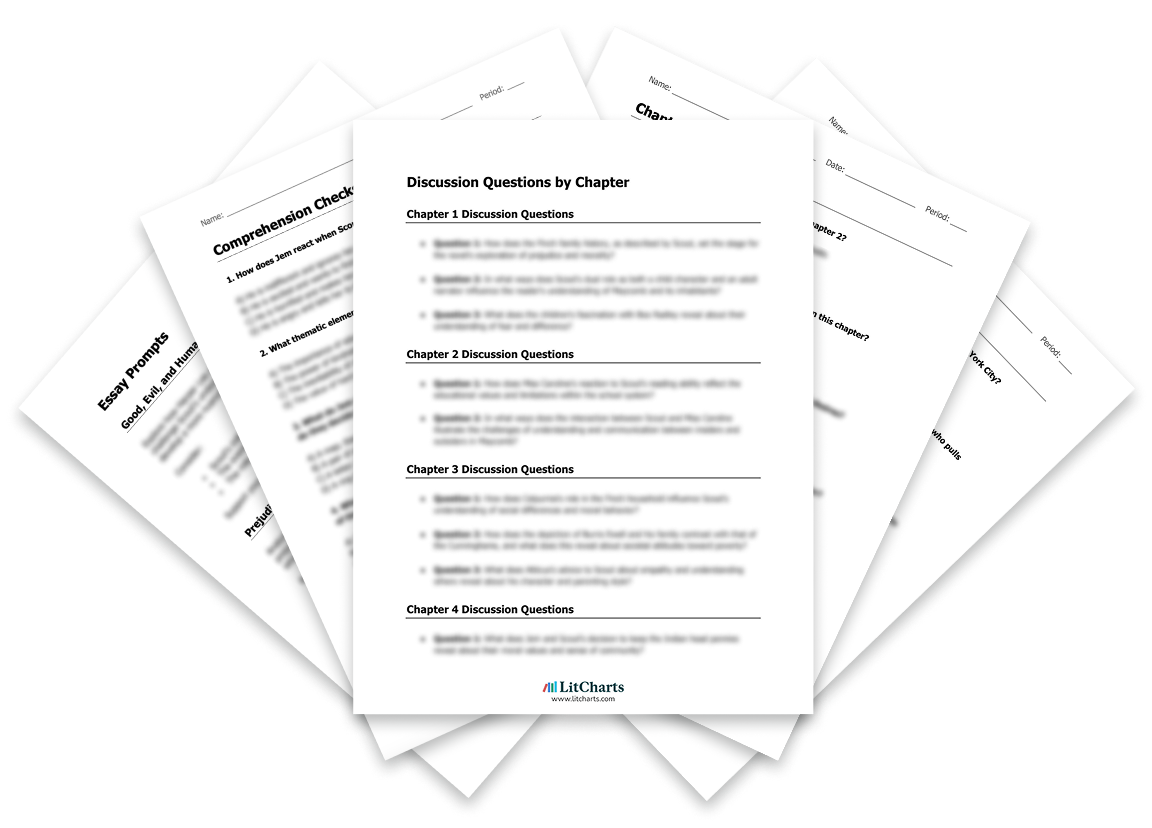
Instant PDF downloads of all 2238 LitCharts literature guides and of every new one we publish. Try a free sample literature guide.
"Would not have made it through AP Literature without the printable PDFs. They're like having in-class notes for every discussion!"





Quotes Explanations
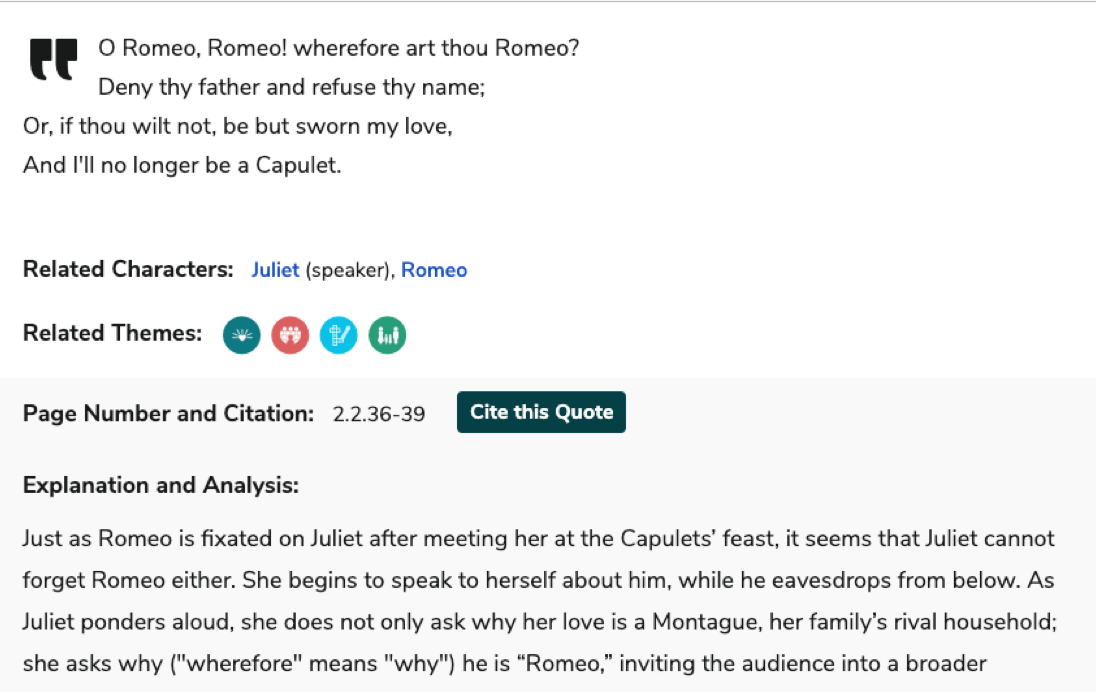
Find the perfect quote. Understand it perfectly. Then rock the citation, too.
For all 49,919 quotes we cover.
For all 49,919 quotes we cover.



Teacher Editions
Close reading made easy for students.
Time saved for teachers.
For every book we cover.
Time saved for teachers.
For every book we cover.


Common Core-aligned


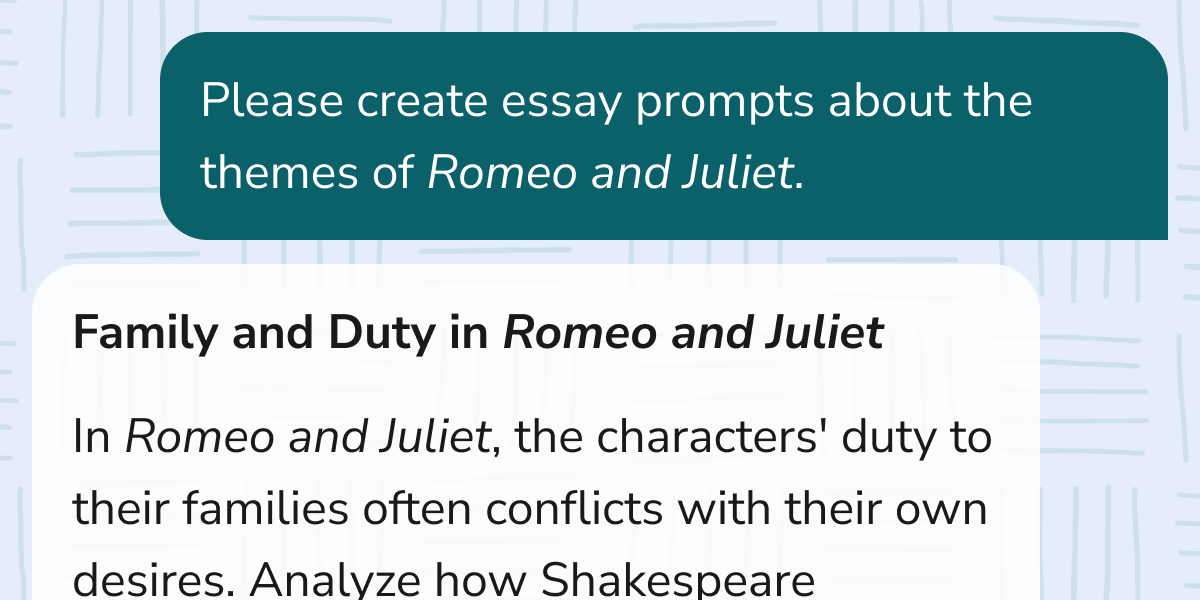
PDFs of modern translations of every one of Shakespeare's 37 plays, 154 sonnets, and 3 longer poems.

Literary Terms and Devices
Definitions and examples for every literary term and device you need to know.
Plus a quick-reference PDF with concise definitions of all 136 terms in one place.
Plus a quick-reference PDF with concise definitions of all 136 terms in one place.


Try a free sample literary term PDF.


Advanced Search
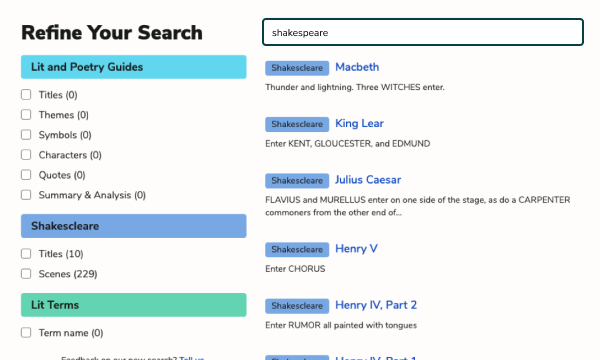
Refine any search. Find related themes, quotes, symbols, characters, and more.


Related Themes
Comparing and contrasting texts? Find where any theme occurs across all of LitCharts in seconds.



Poetry Guides
Line-by-line explanations and analysis of figurative language and poetic devices.
For every lyric poem we cover.
For every lyric poem we cover.
