
|
Have questions?
Contact us
Already a member? Sign in
|
Get every literary device explanation for LeviathanPlus so much more...
Sign up for LitCharts A+Get instant access to every literary device explanation, plus so much more...
Allegory
Explanation and Analysis—Artificial Chains:
Throughout Leviathan, Hobbes develops the allegory of the state or commonwealth as a colossal human figure. In Chapter 21, he discusses (among other topics) the various reasons why an individual might voluntarily limit their own freedoms in order to enjoy the benefits of membership in such a commonwealth. Expanding upon this allegorical “Artificiall Man,” Hobbes describes civil law as “Artificiall Chains.”
But as men, for the atteyning of peace, and conservation of themselves thereby, have made an Artificiall Man, which we call a Common-wealth; so also have they made Artificiall Chains, called Civill Lawes, which they themselves, by mutuall covenants, have fastned at one end, to the lips of that Man, or Assembly, to whom they have given the Soveraigne Power; and at the other end to their own Ears. These Bonds in their own nature but weak, may neverthelesse be made to hold, by the danger, though not by the difficulty of breaking them.
Here, Hobbes imagines civil law as a series of chains that are “fastned at one end” to the lips of the Leviathan, or body politic, and “at the other end” to their own individual ears. Men have deliberately created these chains “by mutuall covenants” in order to preserve peace and their own security, even at the cost of personal liberty. By imagining “chains” running from the lips of the collective body to the individual ears of subjects, Hobbes emphasizes the absolute importance, for him, of following laws established by the state or sovereign.
Monthly
Annual (Best Value)

$595USD/mo
Charged $71.40 USD every year
 Teacher
$795USD/mo
Charged $95.40 USD every year
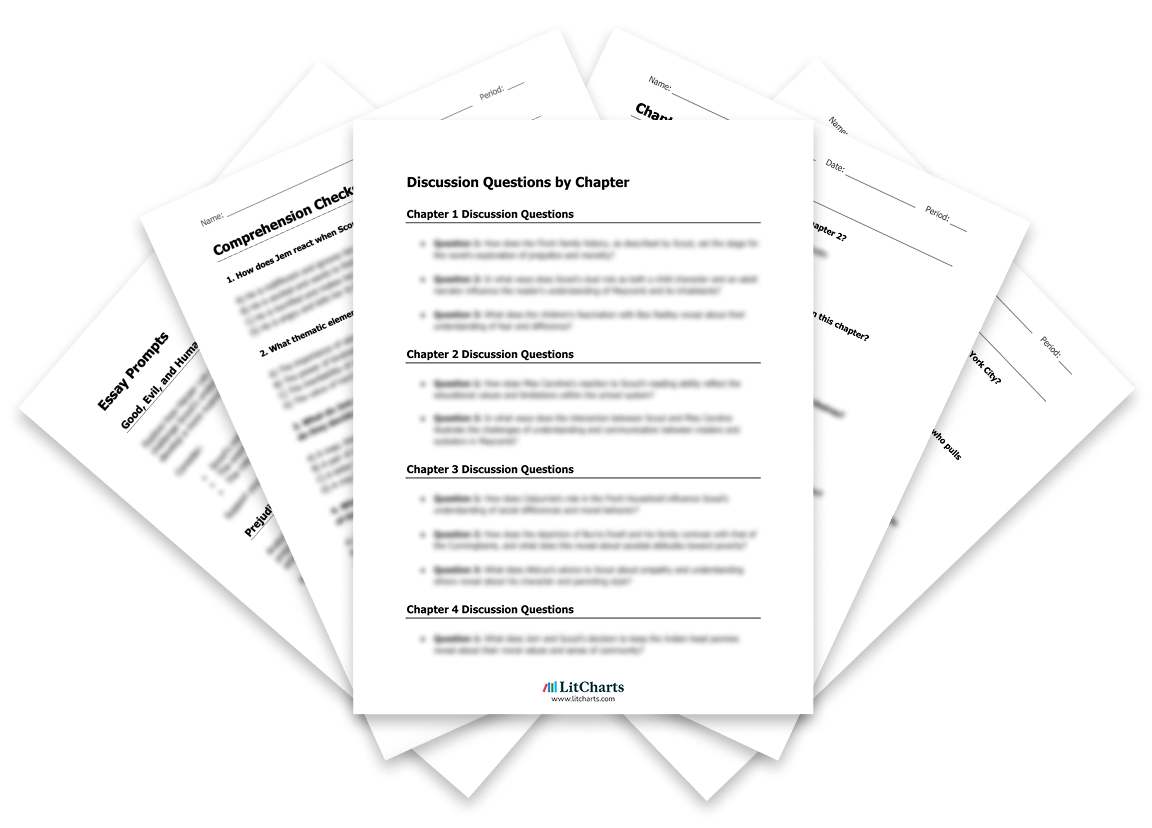


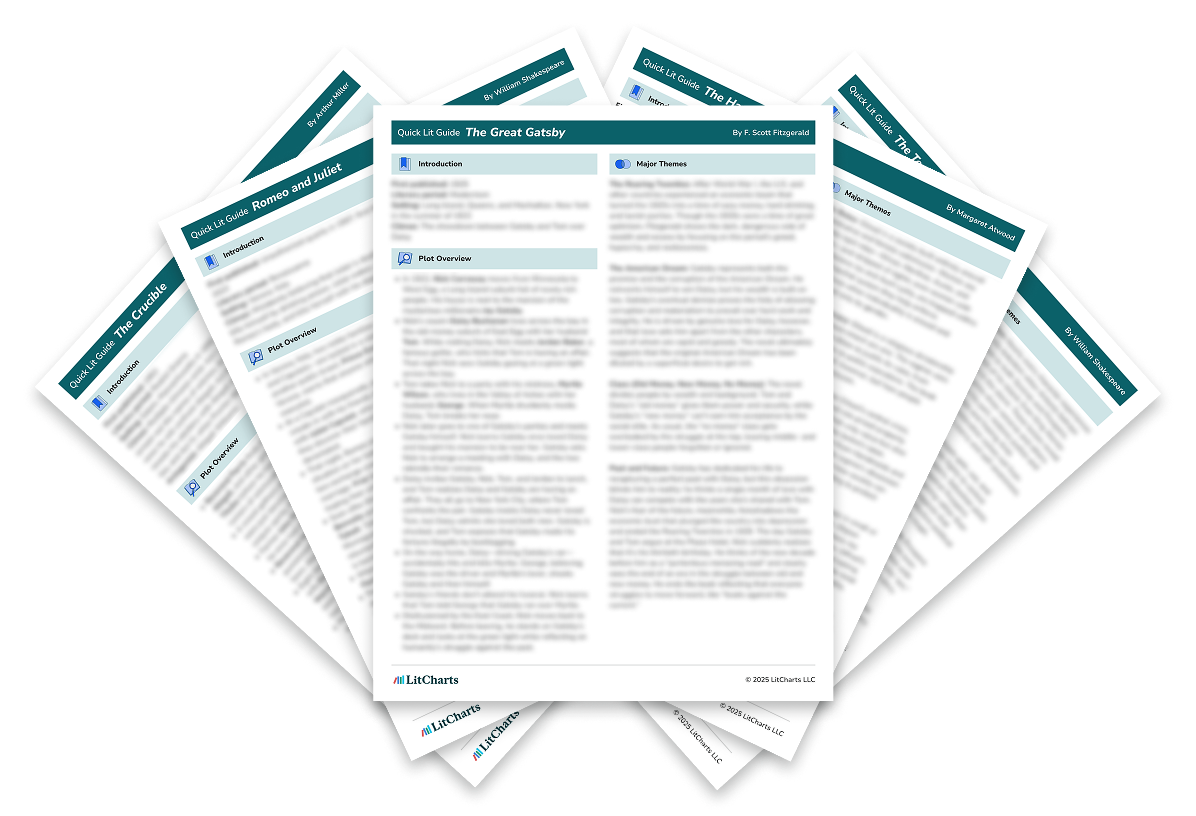
Literature Guide PDFs
LitCharts PDFs for every book you'll read this year.
Instant PDF downloads of all 2247 LitCharts literature guides and of every new one we publish. Try a free sample literature guide.
"Would not have made it through AP Literature without the printable PDFs. They're like having in-class notes for every discussion!"



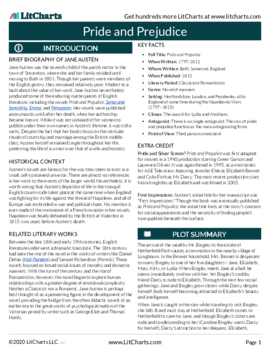


Quotes Explanations
Find the perfect quote. Understand it perfectly. Then rock the citation, too.
For all 50,101 quotes we cover.
For all 50,101 quotes we cover.
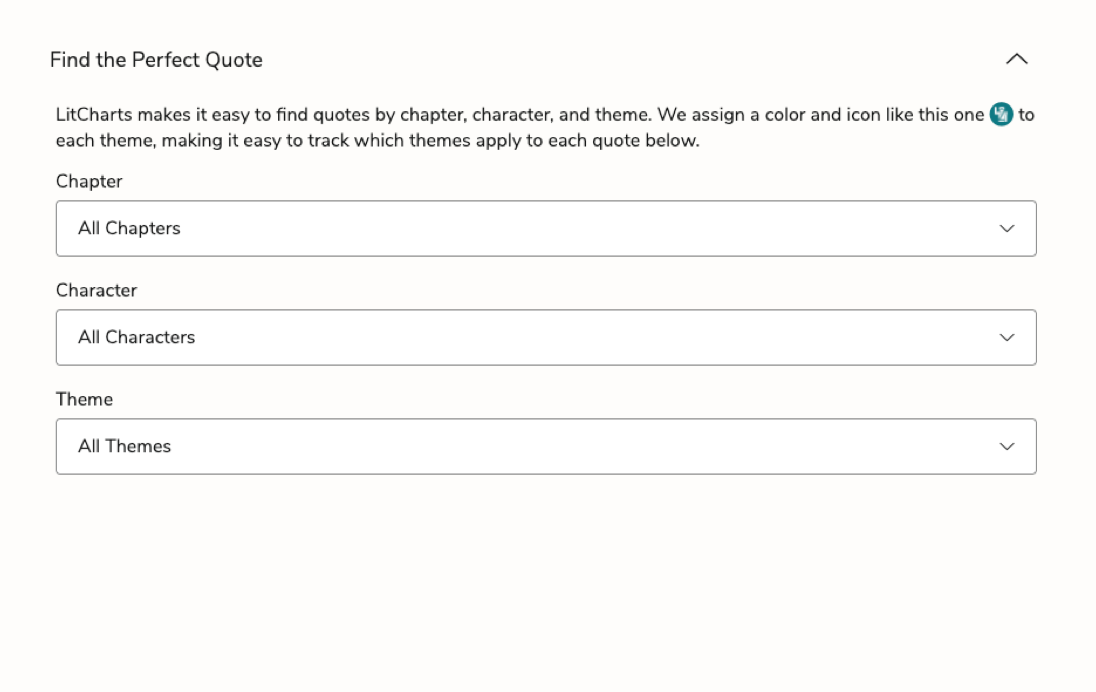
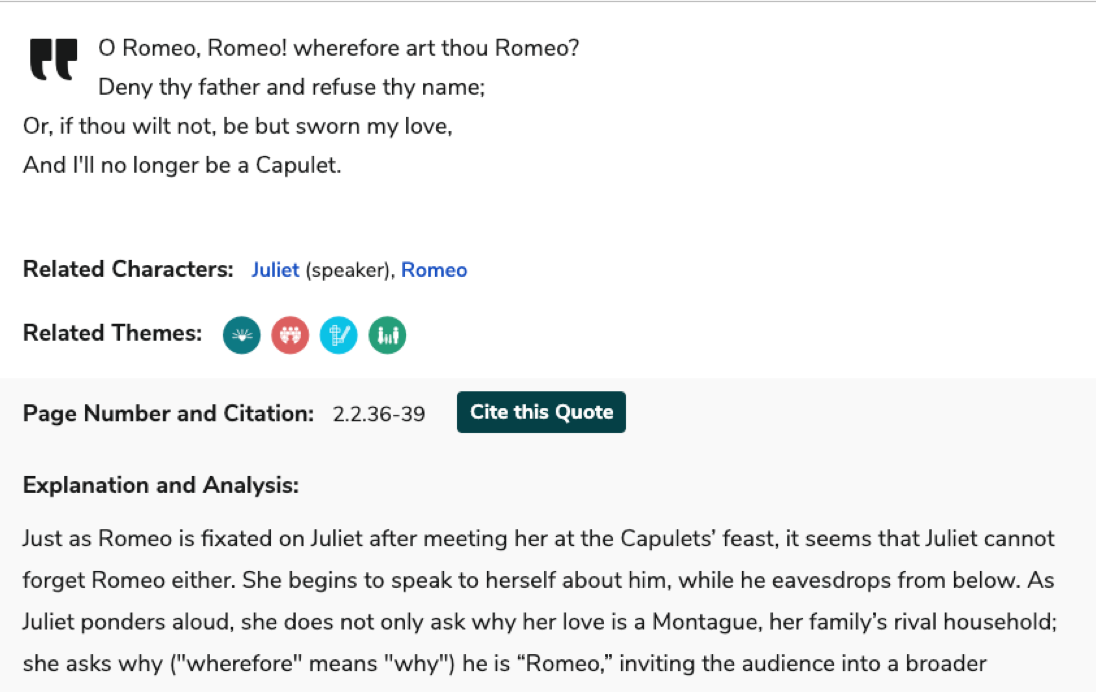
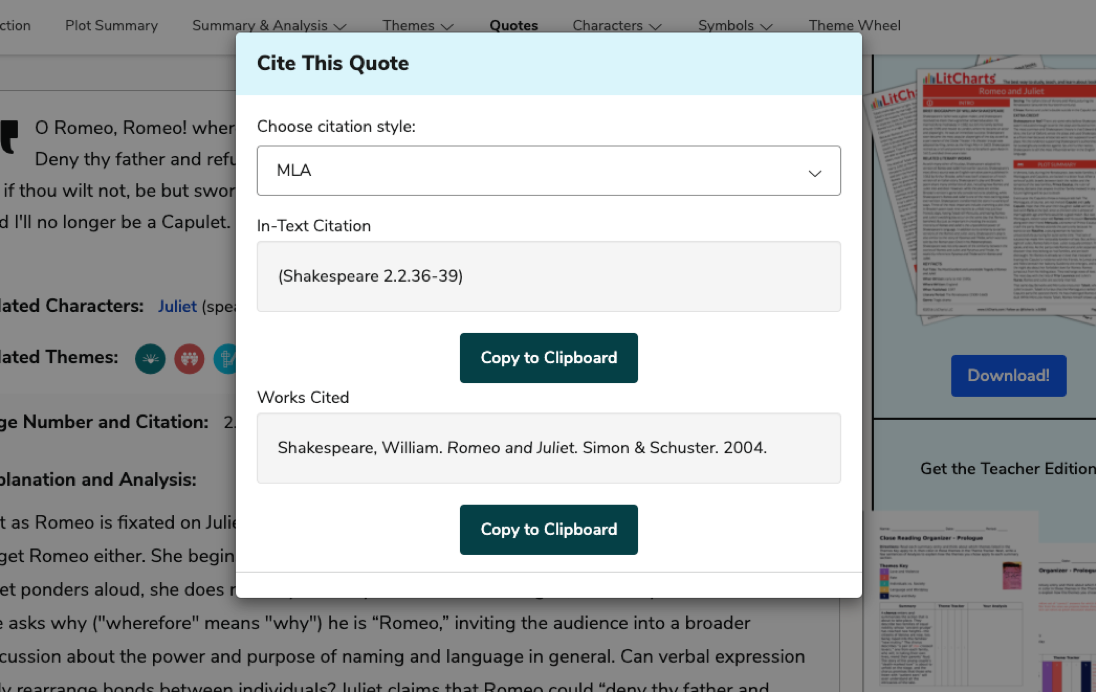


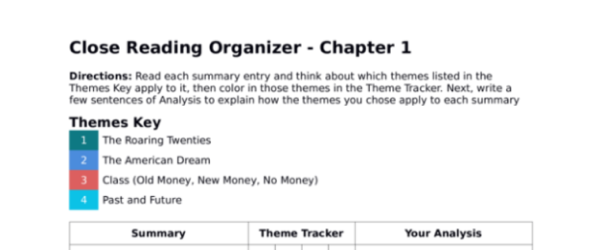
Teacher Editions
Close reading made easy for students.
Time saved for teachers.
For every book we cover.
Time saved for teachers.
For every book we cover.


Common Core-aligned


PDFs of modern translations of every one of Shakespeare's 37 plays, 154 sonnets, and 3 longer poems.

Literary Terms and Devices
Definitions and examples for every literary term and device you need to know.
Plus a quick-reference PDF with concise definitions of all 136 terms in one place.
Plus a quick-reference PDF with concise definitions of all 136 terms in one place.
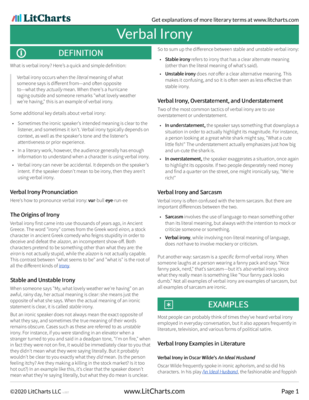
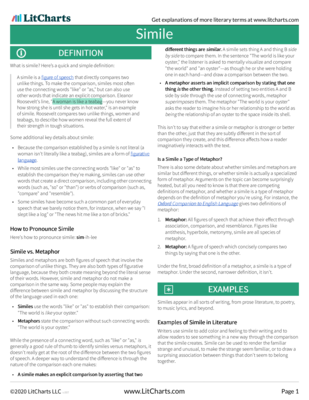
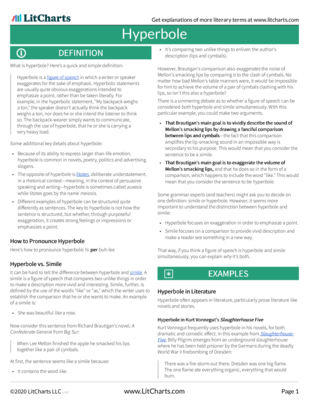
Try a free sample literary term PDF.


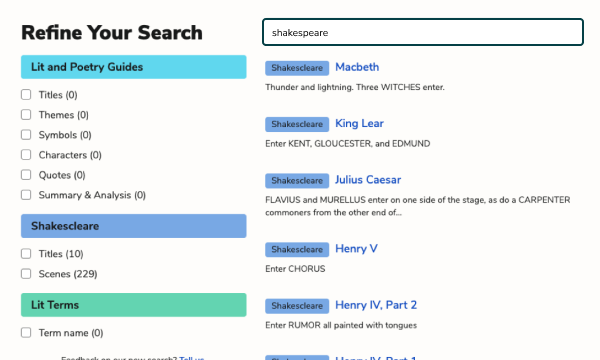
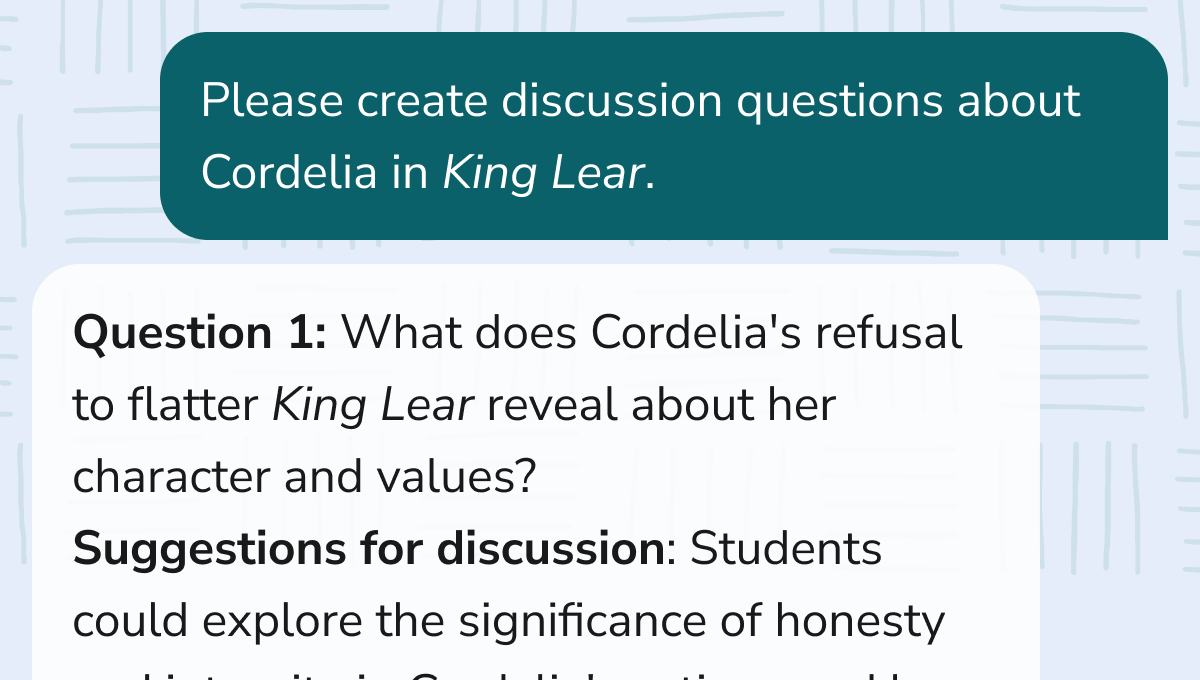
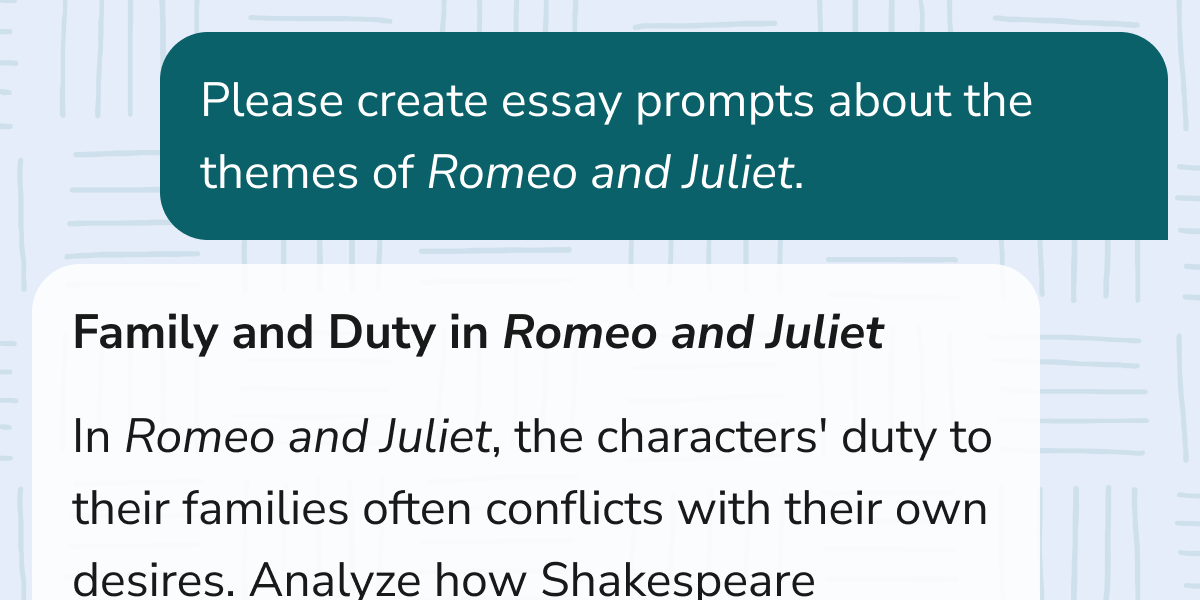
Advanced Search
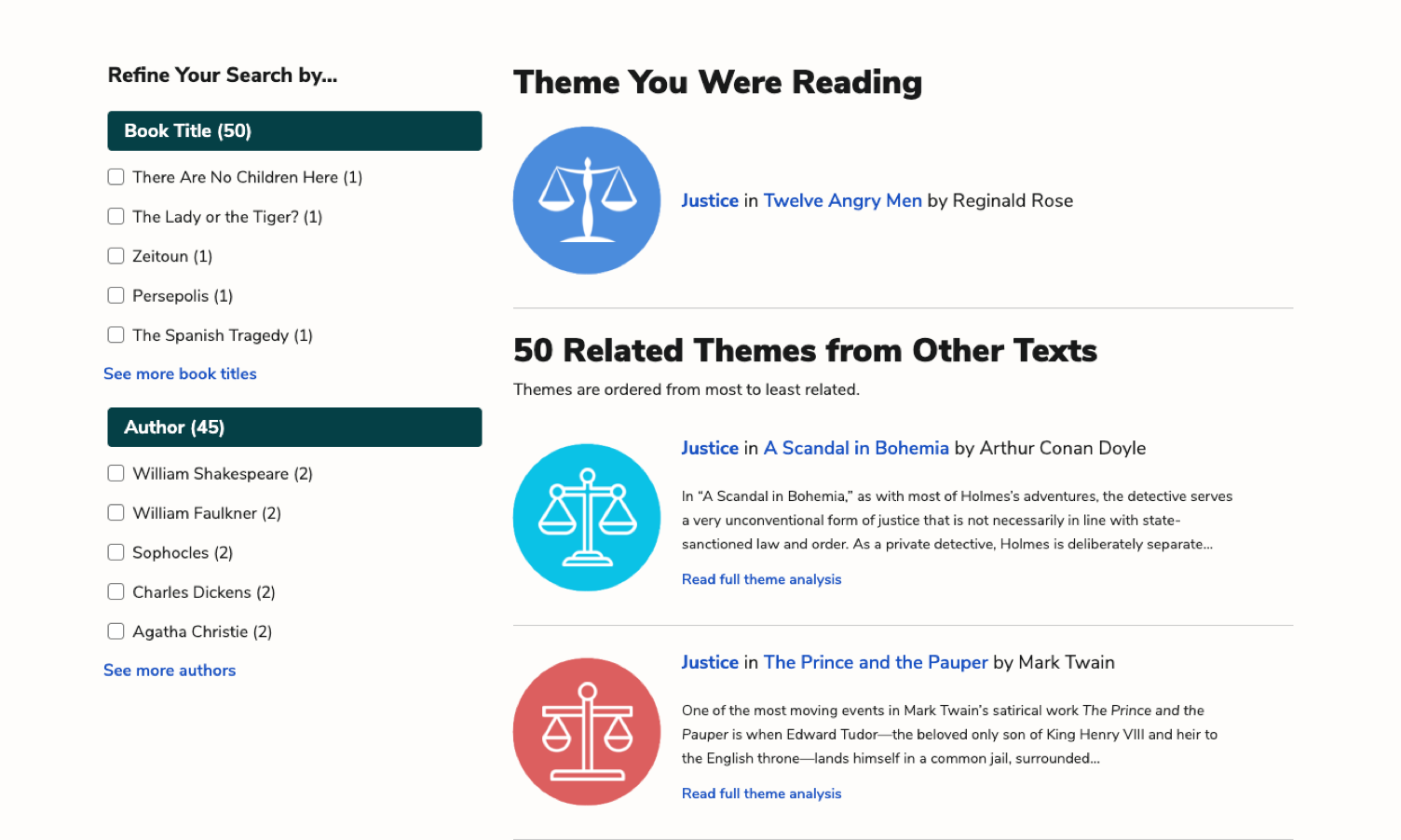
Refine any search. Find related themes, quotes, symbols, characters, and more.
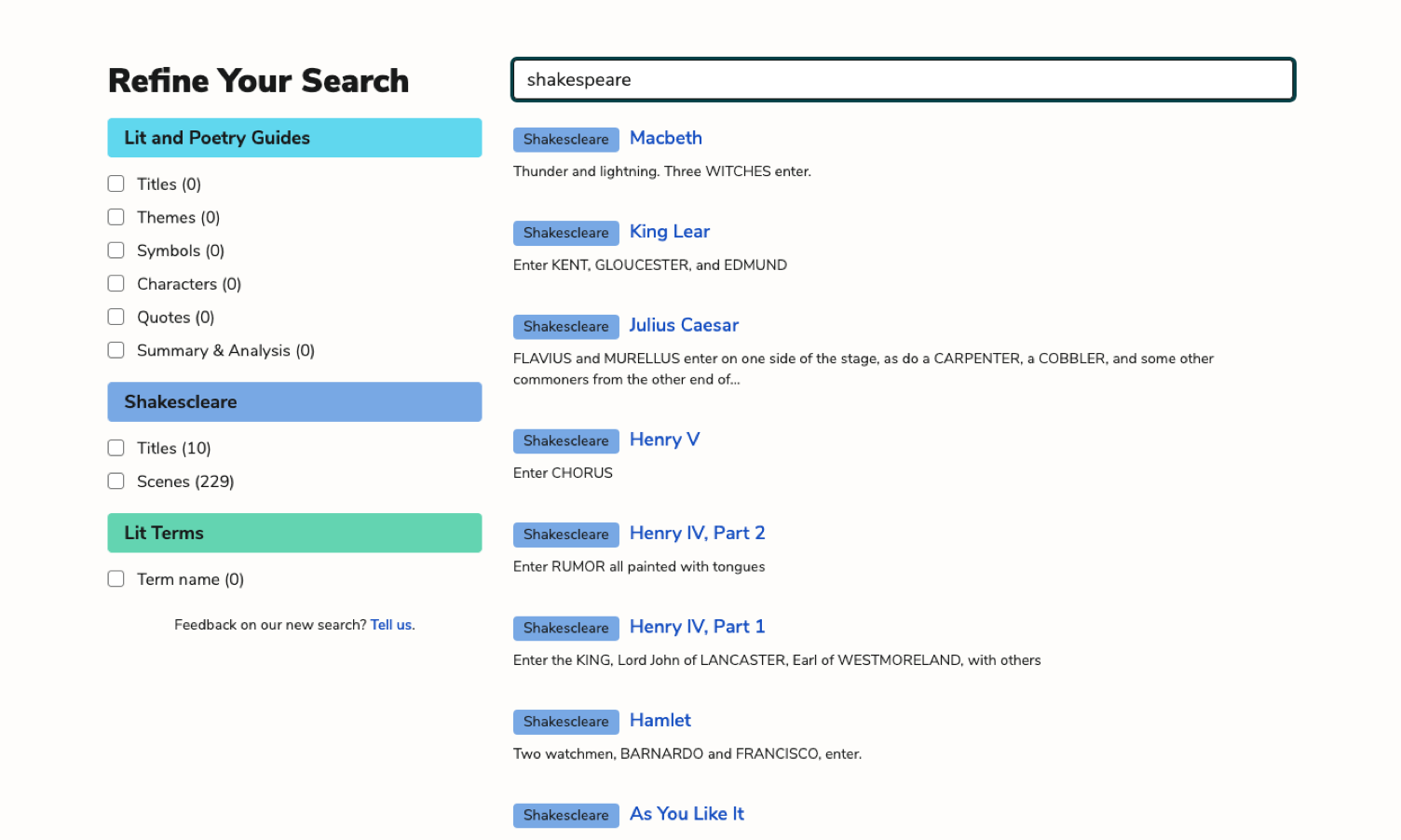
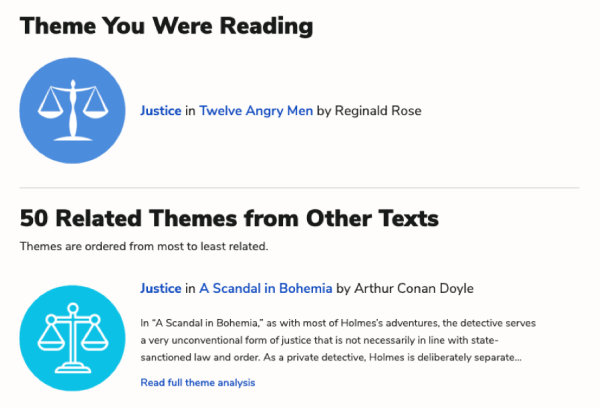
Related Themes
Comparing and contrasting texts? Find where any theme occurs across all of LitCharts in seconds.


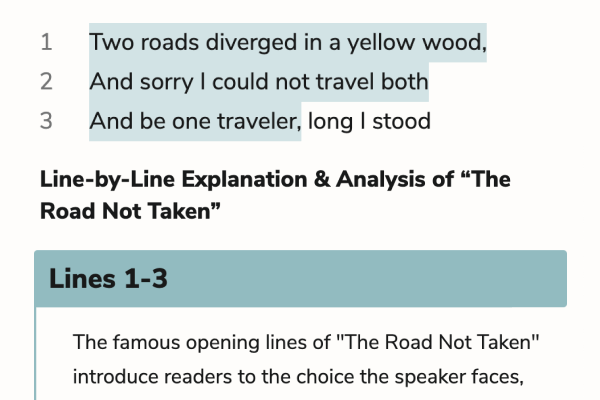
Poetry Guides
Line-by-line explanations and analysis of figurative language and poetic devices.
For every lyric poem we cover.
For every lyric poem we cover.