
|
Have questions?
Contact us
Already a member? Sign in
|
Get every literary device explanation for For Whom the Bell TollsPlus so much more...
Sign up for LitCharts A+Get instant access to every literary device explanation, plus so much more...
Allusion
Explanation and Analysis—Poetry and Language:
In the following passage from Chapter 1, Hemingway includes an allusion referencing Francisco de Quevedo, a writer from Spain's baroque period (early 17th century to 1750s).
The old man turned toward him suddenly and spoke rapidly and furiously in a dialect that Robert Jordan could just follow. It was like reading Quevedo. Anselmo was speaking old Castilian and it went something like this, "Art thou a brute? Yes. Art thou a beast? Yes, many times. Hast thou a brain? Nay. None. Now we come for something of consummate importance and thee, with thy dwelling place to be undisturbed, puts thy fox-hole before the interests of humanity."
Quevedo utilized conceptismo (conceptism) as a primary poetic style. This form of poetry focuses on paradoxically simple language, imbued with multiple possible meanings. Anselmo's speech, following Jordan's observation, has been translated into older-sounding English to imitate the tone and impression of Anselmo's words.
This multiplicity of meanings, conceptismo, plays out on multiple levels in For Whom the Bell Tolls: the moral complexity of war, Jordan's unconfirmed fate, even Hemingway's own use of language. The tone of the novel is one of indecision, marked by questions Jordan poses to the universe that don't necessarily have answers. Utilizing allusion as a device, Hemingway plays with this multi-potentiality within the novel's thematic and syntactic context.
Monthly
Annual (Best Value)

$595USD/mo
Charged $71.40 USD every year
 Teacher
$795USD/mo
Charged $95.40 USD every year
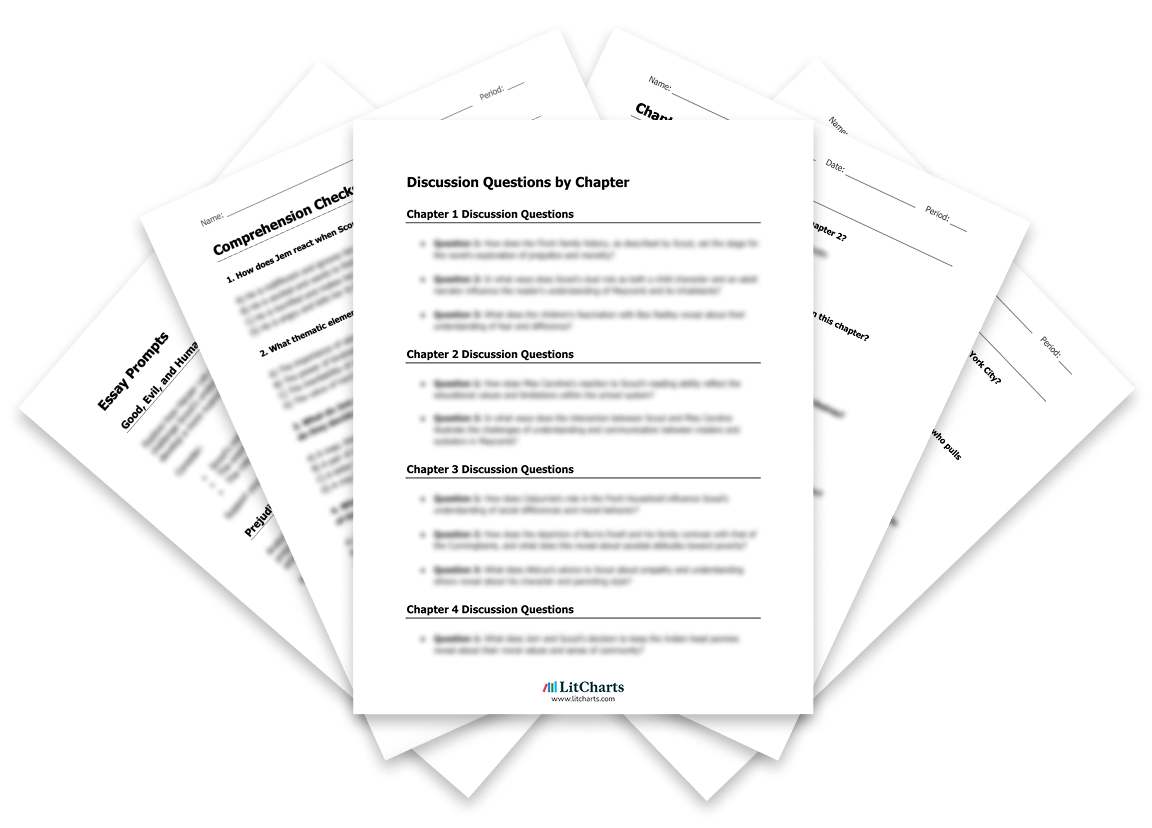


Literature Guide PDFs
LitCharts PDFs for every book you'll read this year.
Instant PDF downloads of all 2247 LitCharts literature guides and of every new one we publish. Try a free sample literature guide.
"Would not have made it through AP Literature without the printable PDFs. They're like having in-class notes for every discussion!"



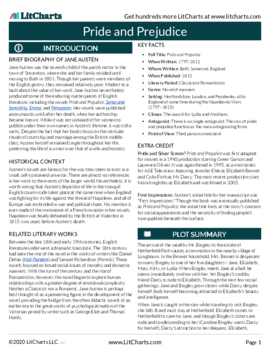


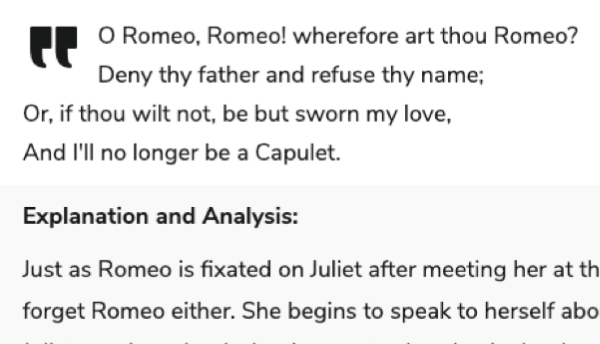
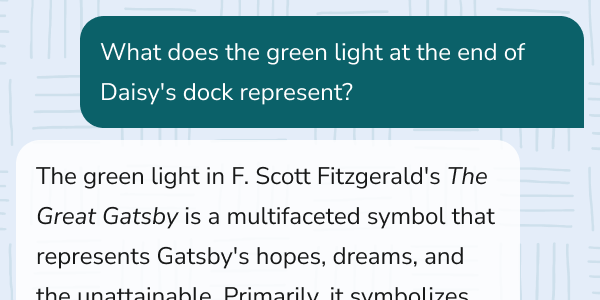
Quotes Explanations
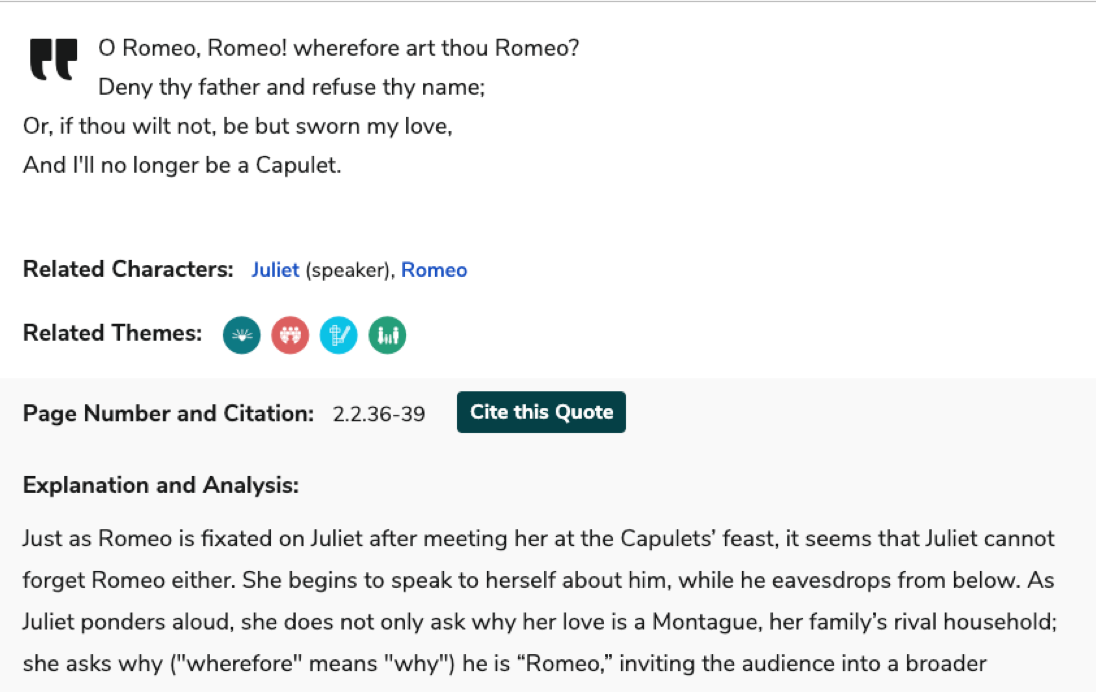
Find the perfect quote. Understand it perfectly. Then rock the citation, too.
For all 50,101 quotes we cover.
For all 50,101 quotes we cover.
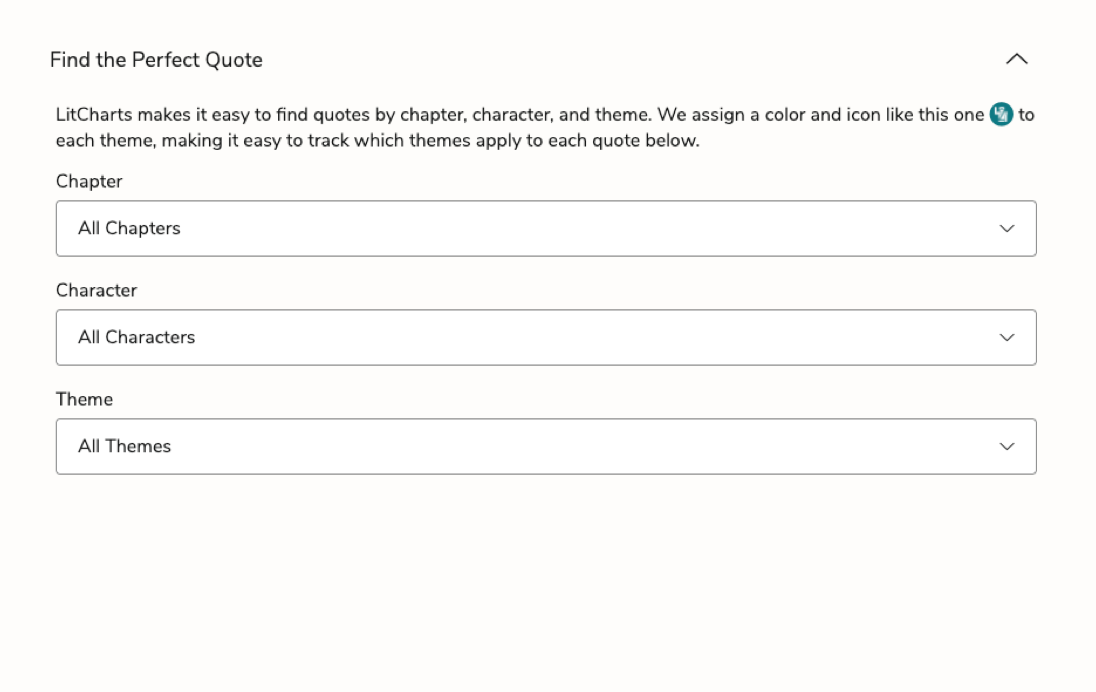
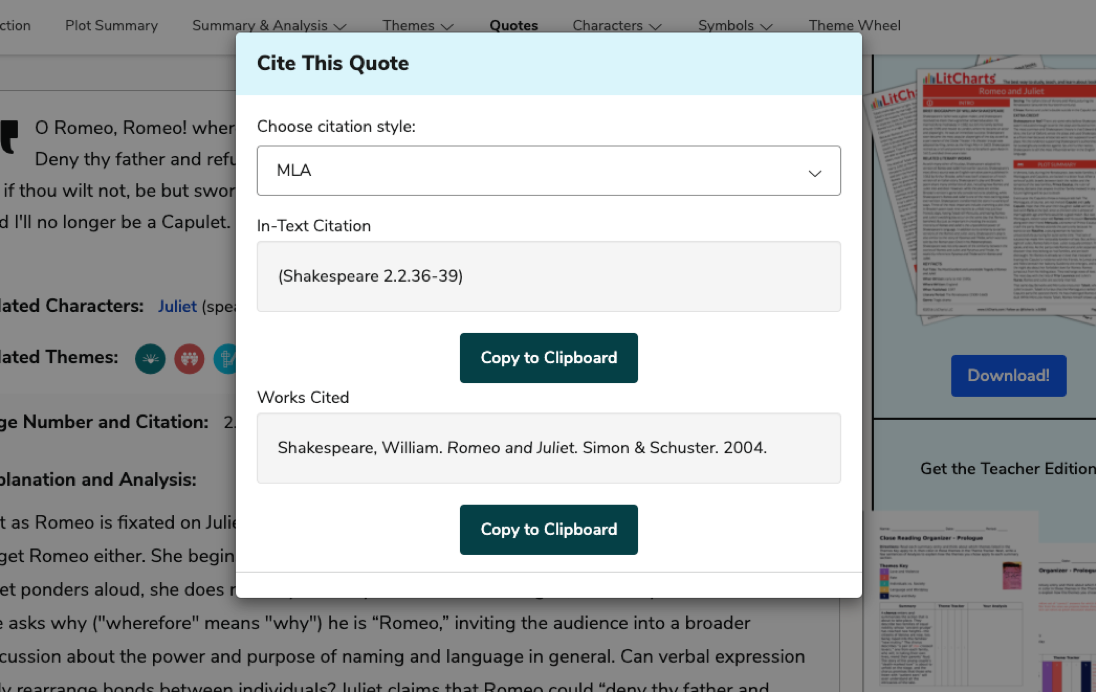


Teacher Editions
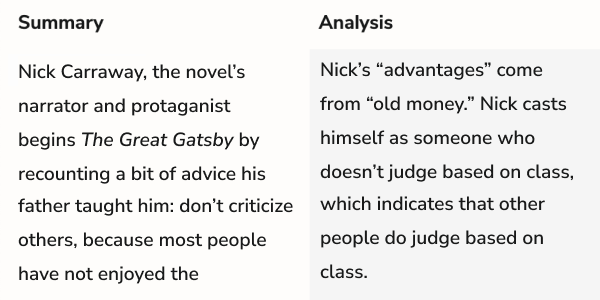
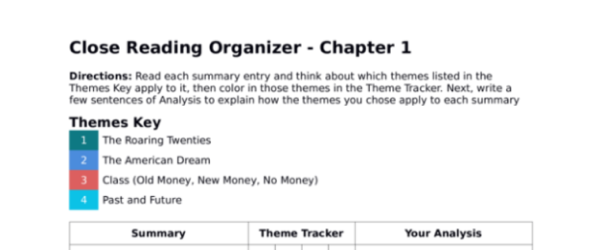
Close reading made easy for students.
Time saved for teachers.
For every book we cover.
Time saved for teachers.
For every book we cover.


Common Core-aligned


PDFs of modern translations of every one of Shakespeare's 37 plays, 154 sonnets, and 3 longer poems.

Literary Terms and Devices
Definitions and examples for every literary term and device you need to know.
Plus a quick-reference PDF with concise definitions of all 136 terms in one place.
Plus a quick-reference PDF with concise definitions of all 136 terms in one place.
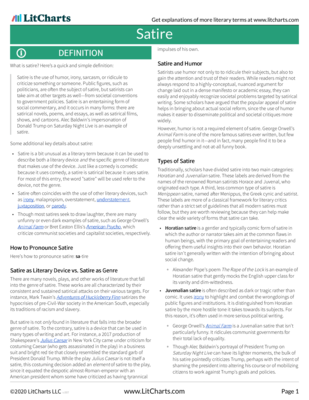
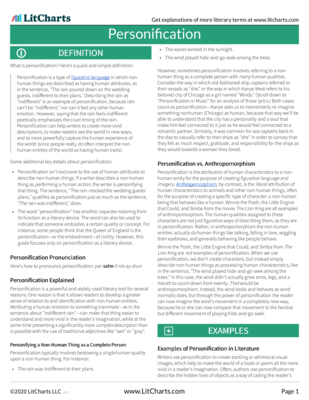
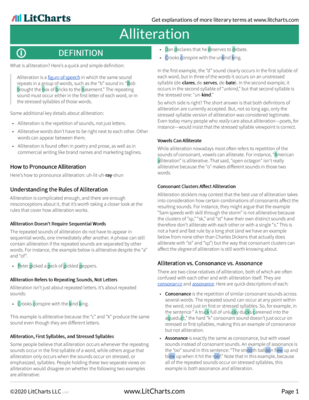
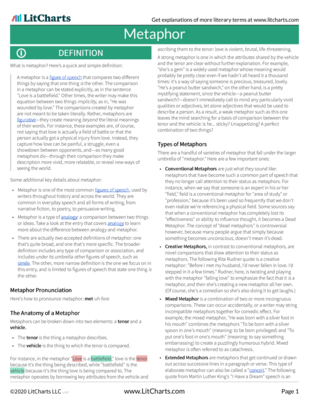
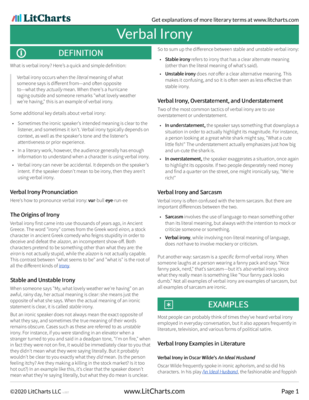
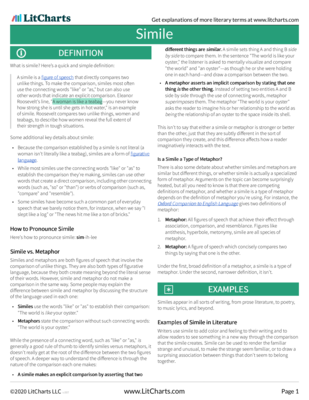
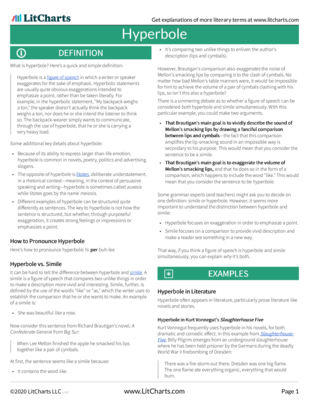
Try a free sample literary term PDF.


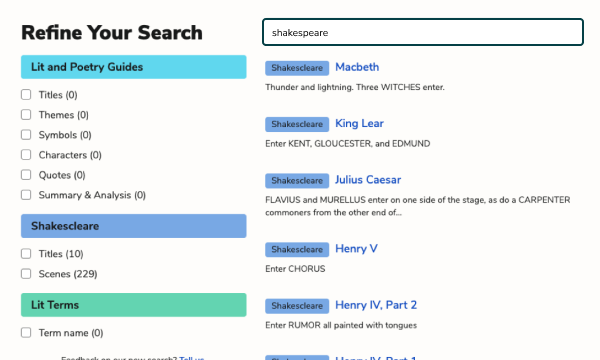
Advanced Search
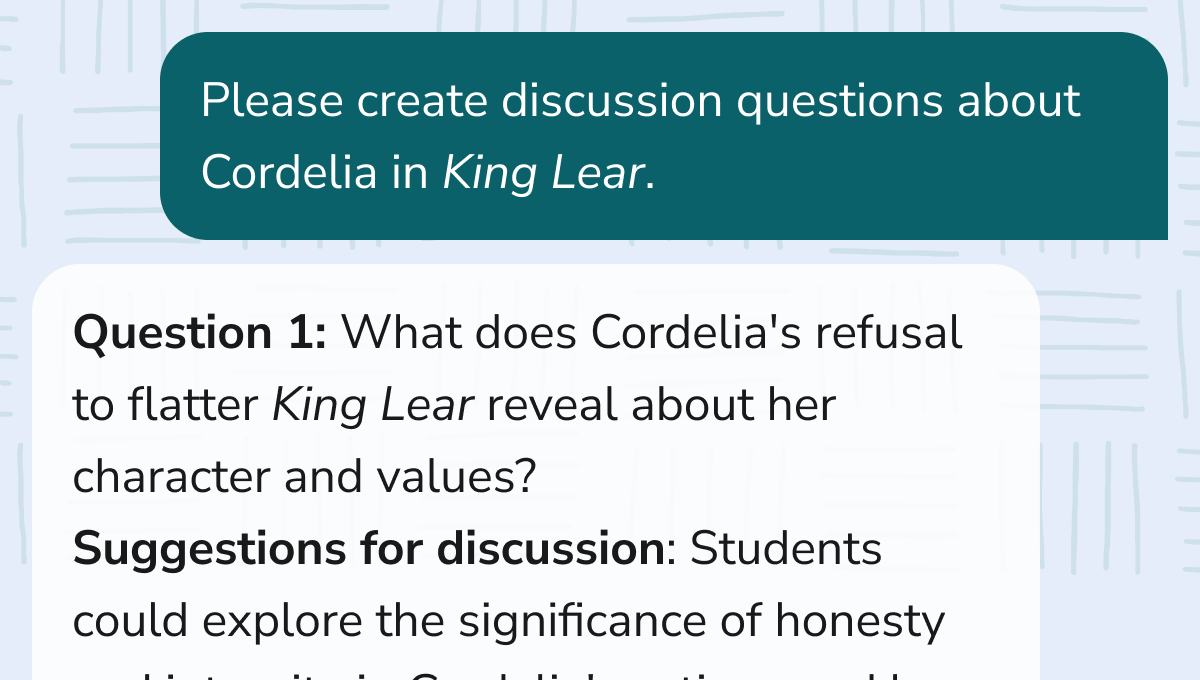
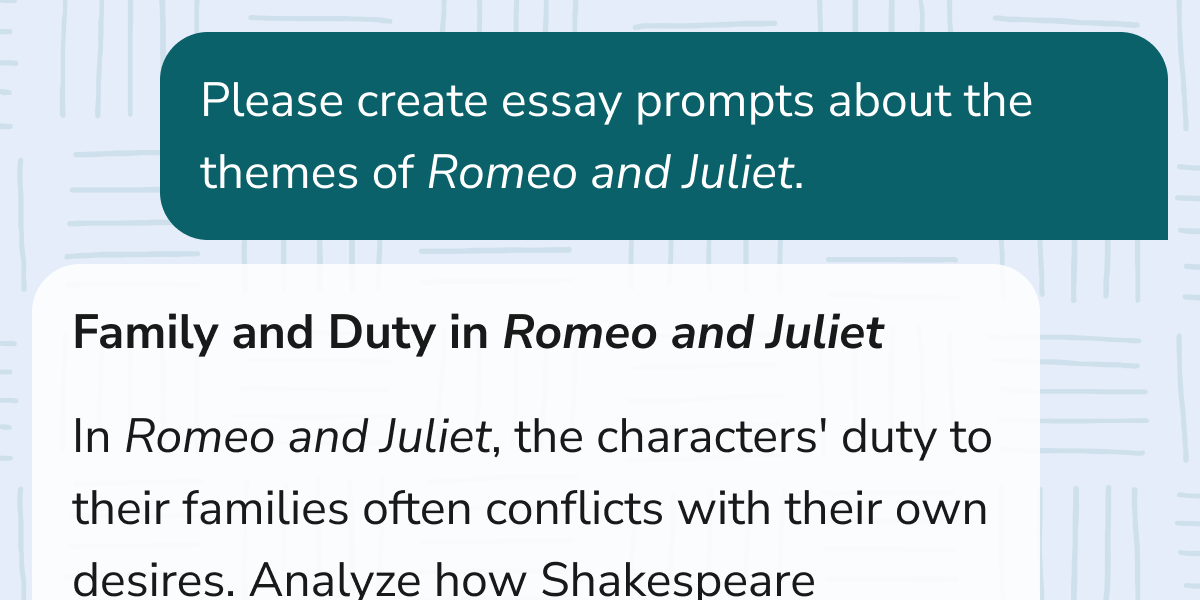
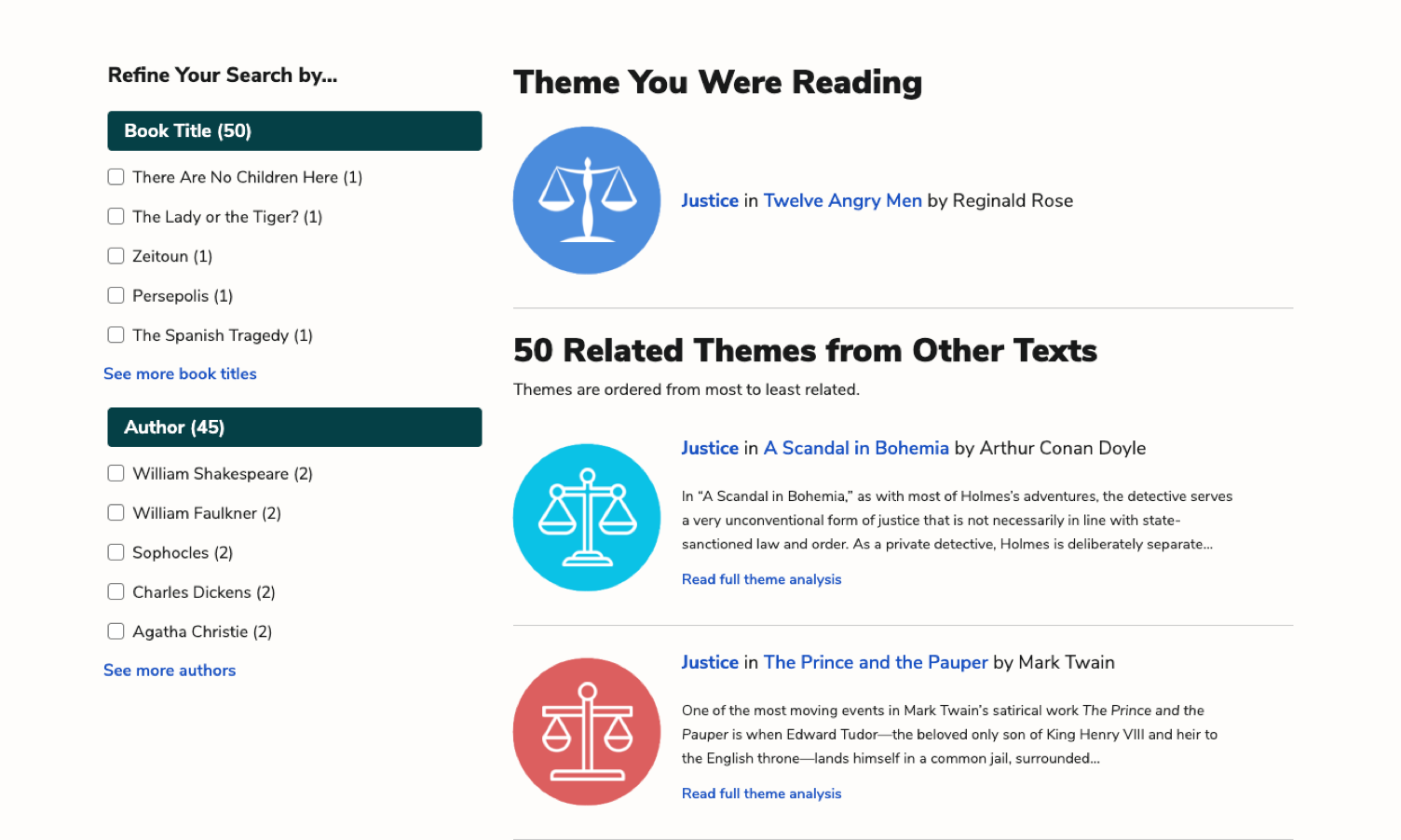
Refine any search. Find related themes, quotes, symbols, characters, and more.
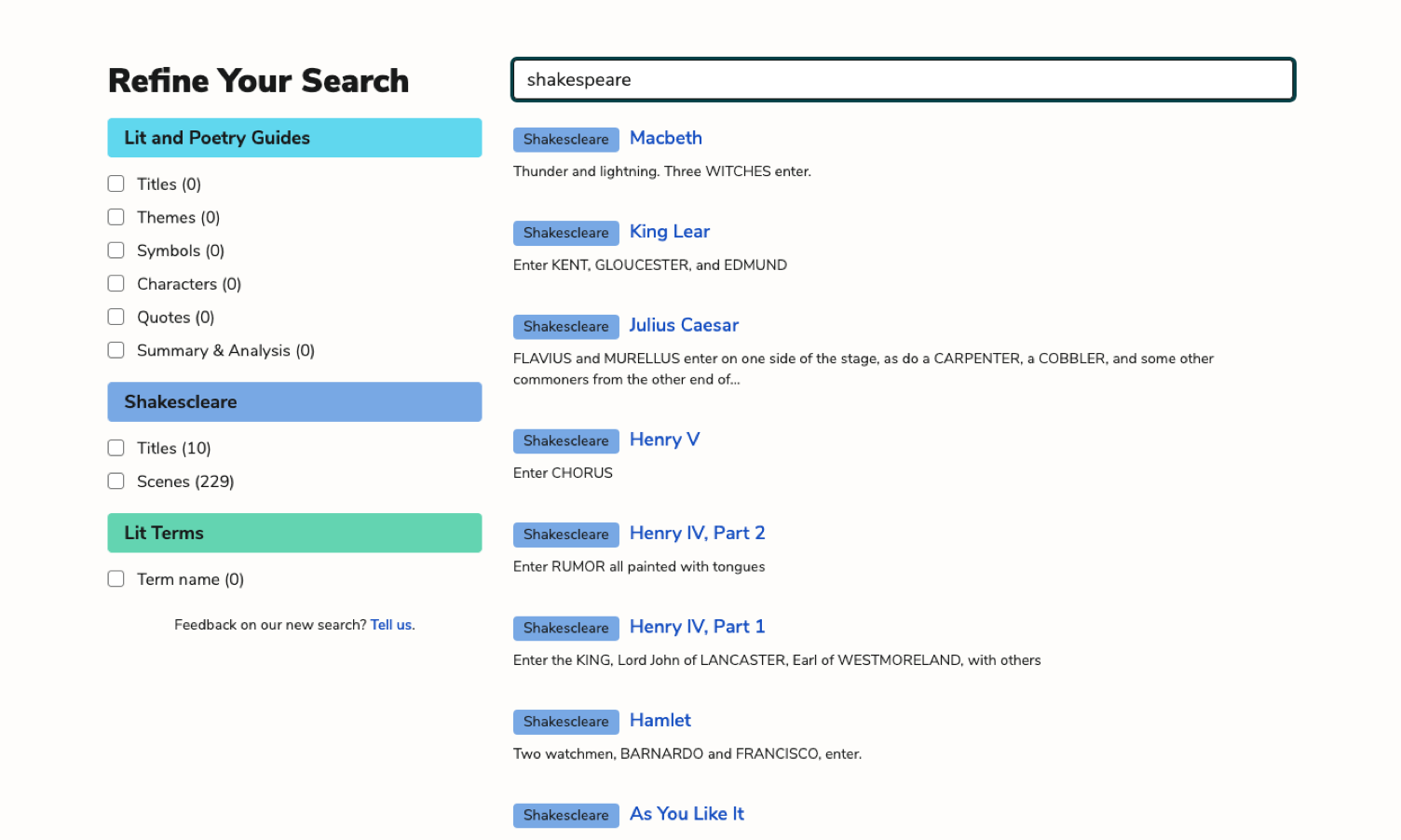
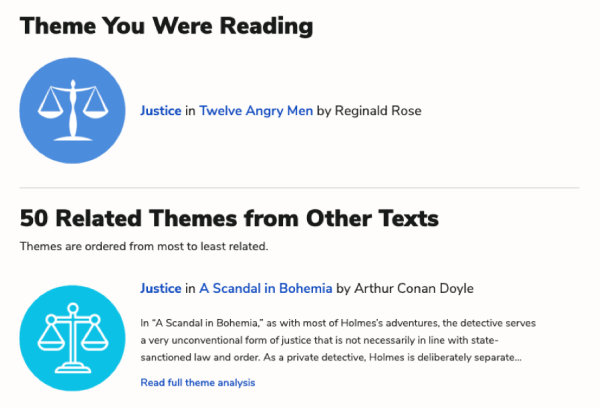
Related Themes
Comparing and contrasting texts? Find where any theme occurs across all of LitCharts in seconds.


Poetry Guides
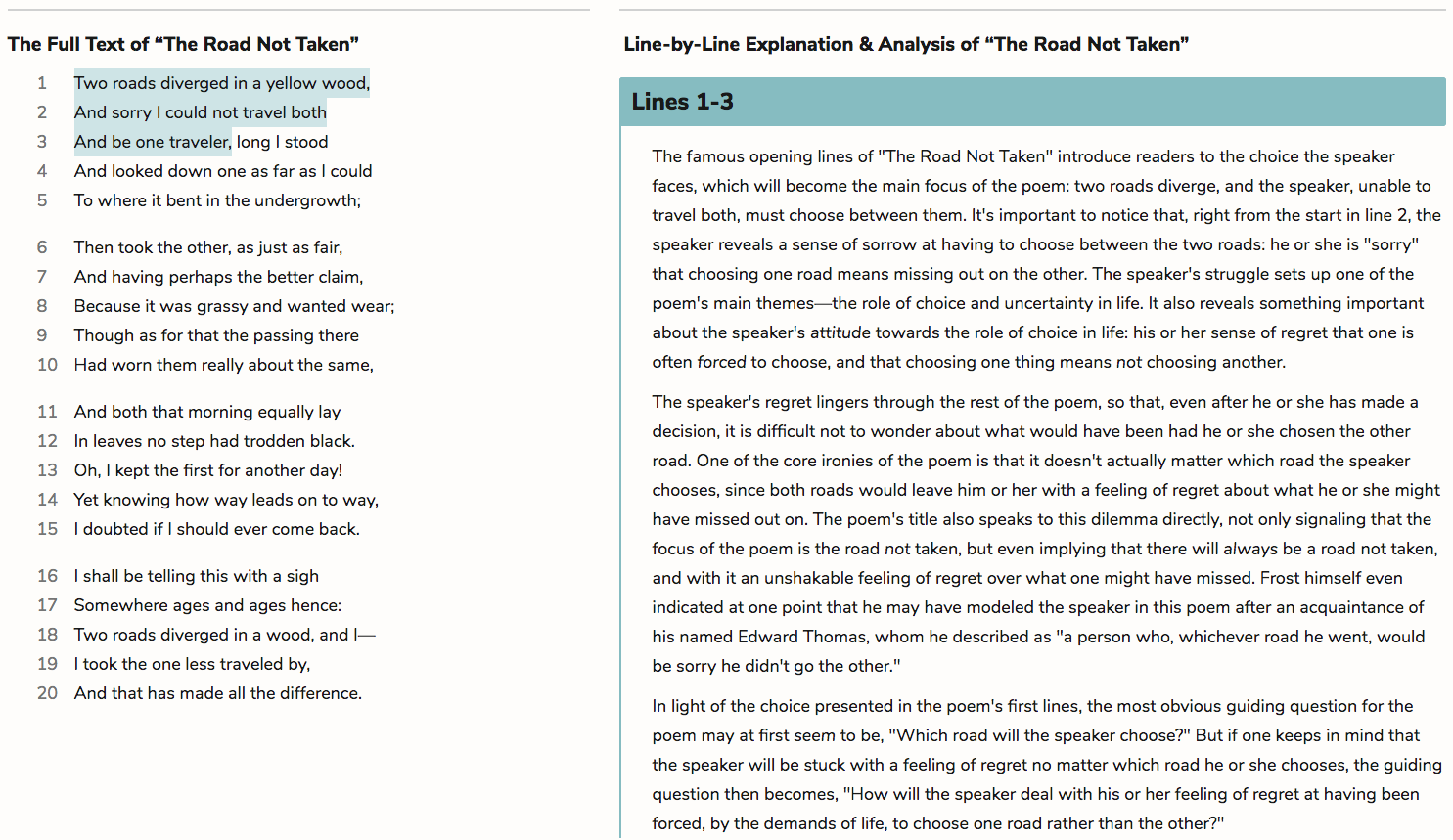
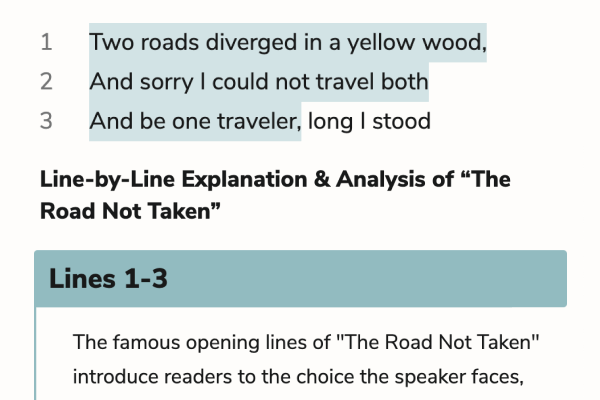
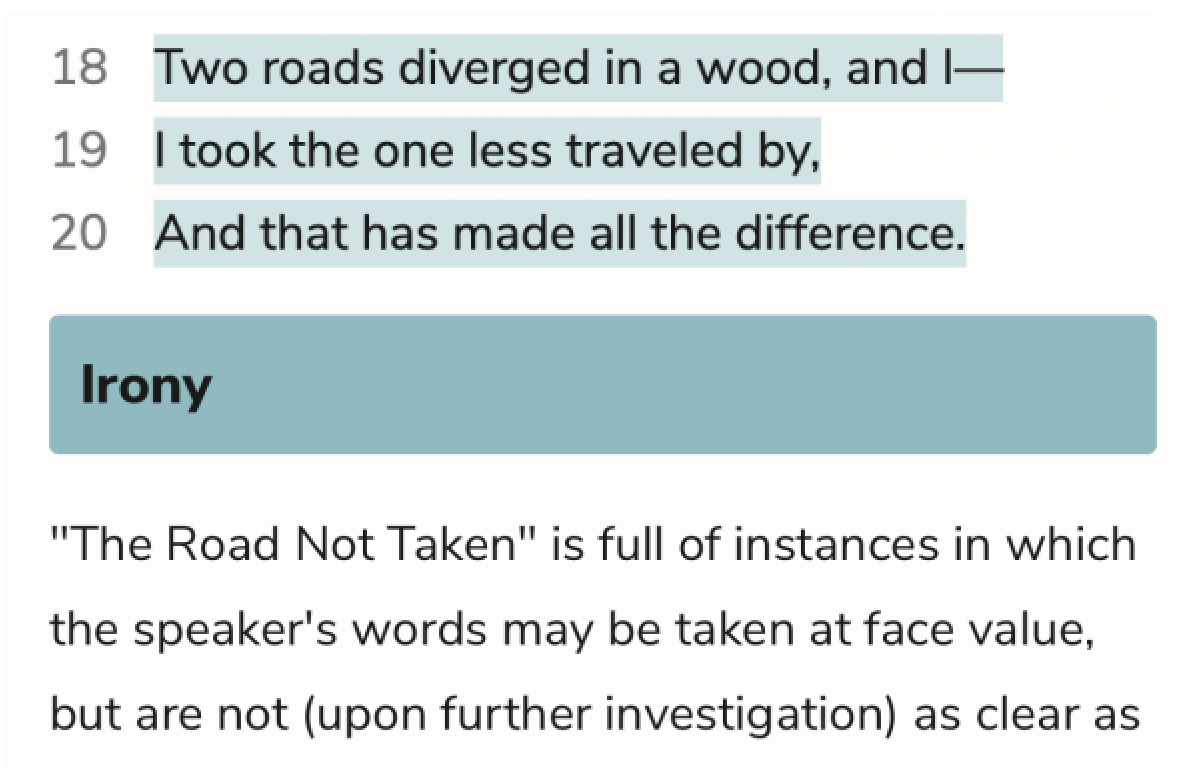
Line-by-line explanations and analysis of figurative language and poetic devices.
For every lyric poem we cover.
For every lyric poem we cover.