
|
Have questions?
Contact us
Already a member? Sign in
|
Get every literary device explanation for One Flew Over the Cuckoo's NestPlus so much more...
Sign up for LitCharts A+Get instant access to every literary device explanation, plus so much more...
Allusion
Explanation and Analysis—Punch and Judy:
In Part One, Bromden recalls how Nurse Ratched has always run the hospital ward. He uses a simile and an allusion to convey the way she exerts power through a vicious hierarchy:
The technicians go trotting off, pushing the man on the Gurney, like cartoon men—or like puppets, mechanical puppets in one of those Punch and Judy acts where it’s supposed to be funny to see the puppet beat up by the Devil and swallowed headfirst by a smiling alligator....
The man on the gurney in this memory is Maxwell Taber, a former patient who often resisted taking medication. Bromden recalls how Nurse Ratched ordered the hospital technicians to force Taber into electroshock therapy over and over until it altered his personality, making him docile and obedient. Bromden compares the technicians and Taber alike to "mechanical puppets in one of those Punch and Judy acts." Punch and Judy are characters in a traditional puppet show that has been especially popular at English seaside carnivals since the 17th century. A married couple, the Punch and Judy puppets get up to any manner of violent exploits. Sometimes they fight adversaries like the Devil or an alligator, and sometimes they fight each other. There are recurring themes and characters in Punch and Judy shows, but what happens in any given show is up to the puppeteer. The show has faced criticism for the way it depicts violence, especially domestic violence. Puppeteers still put on the show, but many have attempted to turn Punch and Judy's violence toward societal issues rather than each other.
By comparing Taber and the technicians to Punch and Judy, Bromden highlights the repetitiveness of the power struggle between the hospital staff and the patients. The same fights play out over and over again, just as they have in Punch and Judy acts for the past several centuries. Taber refuses his medicine, the technicians try to force him to take it, and they end up in a physical fight all the way to the electroshock therapy room. At the same time, the comparison highlights that neither Taber nor the technicians are in charge of the situation. Ultimately, Nurse Ratched is behind the whole show. She is the puppeteer pulling the strings, enforcing the hierarchical power struggle. She wants to put on a show for the other patients not to make them laugh, but to warn them not to refuse their medication lest they end up held down on a gurney.
The comparison furthermore highlights the fact that Nurse Ratched is not acting on her own to enforce hierarchy on the ward. A puppeteer inherits the characters of Punch and Judy from generations of Punch and Judy shows. They are somewhat in control of what happens in their own show, but they must abide by the basic rules that make for a Punch and Judy show. Nurse Ratched, likewise, has inherited societal ideas about what a psychiatric ward should look like. She is in charge of how hierarchy is enforced on her own ward, but she is ultimately serving a system that is much larger than herself.
Monthly
Annual (Best Value)

$595USD/mo
Charged $71.40 USD every year
 Teacher
$795USD/mo
Charged $95.40 USD every year
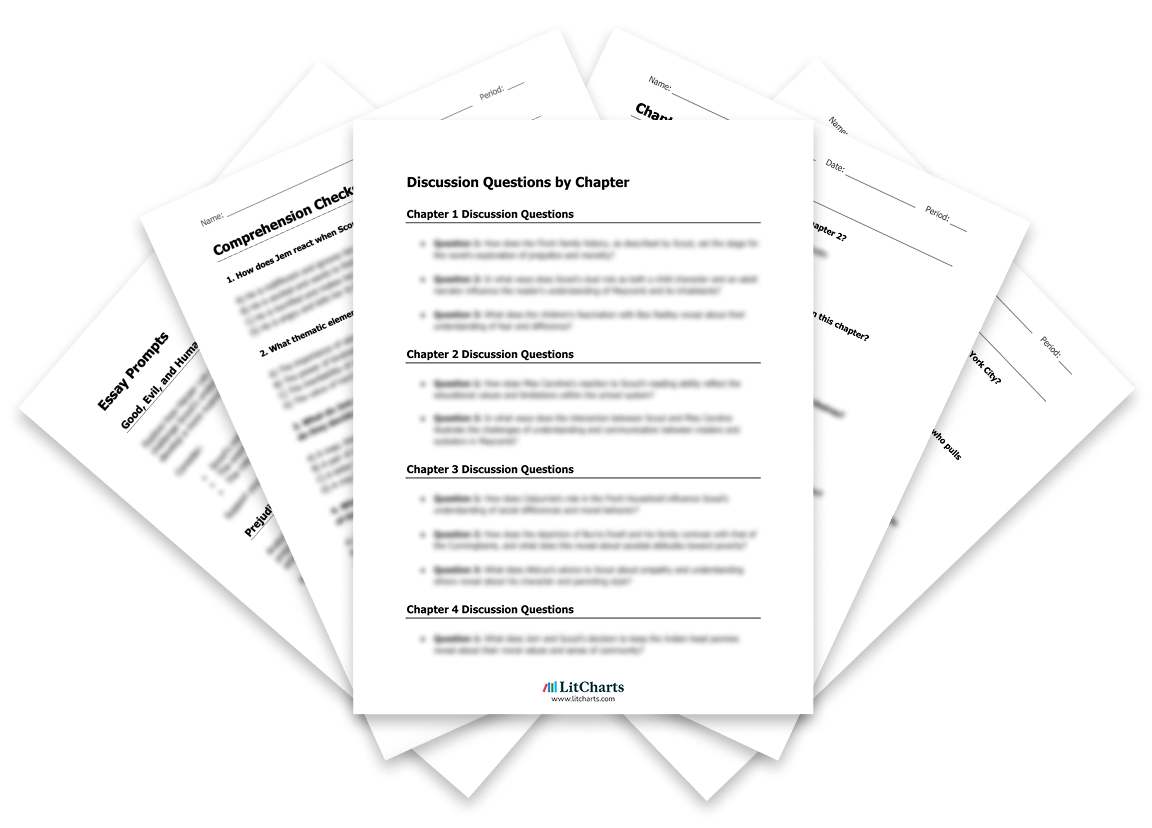


Literature Guide PDFs
LitCharts PDFs for every book you'll read this year.
Instant PDF downloads of all 2248 LitCharts literature guides and of every new one we publish. Try a free sample literature guide.
"Would not have made it through AP Literature without the printable PDFs. They're like having in-class notes for every discussion!"





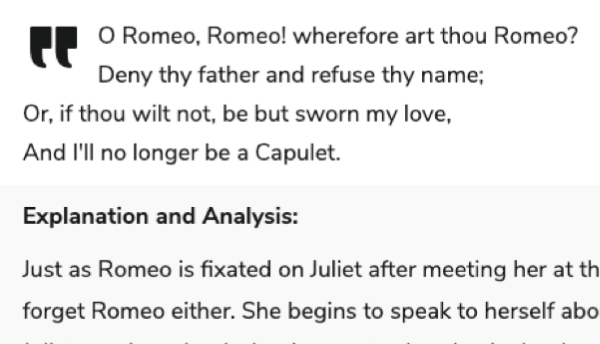
Quotes Explanations
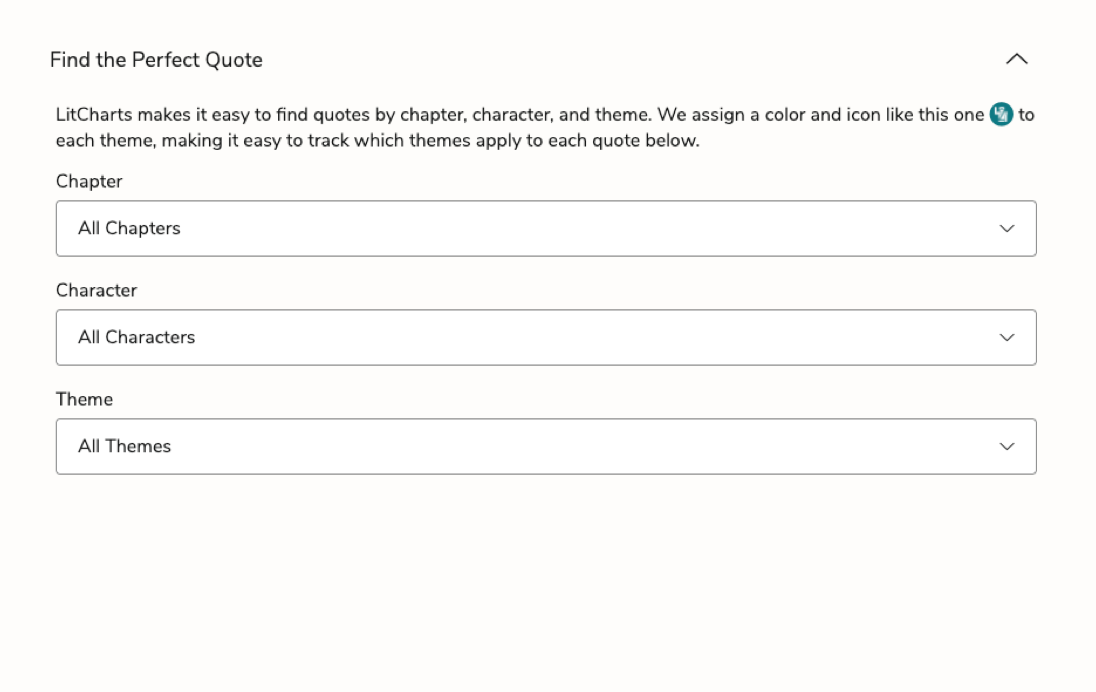
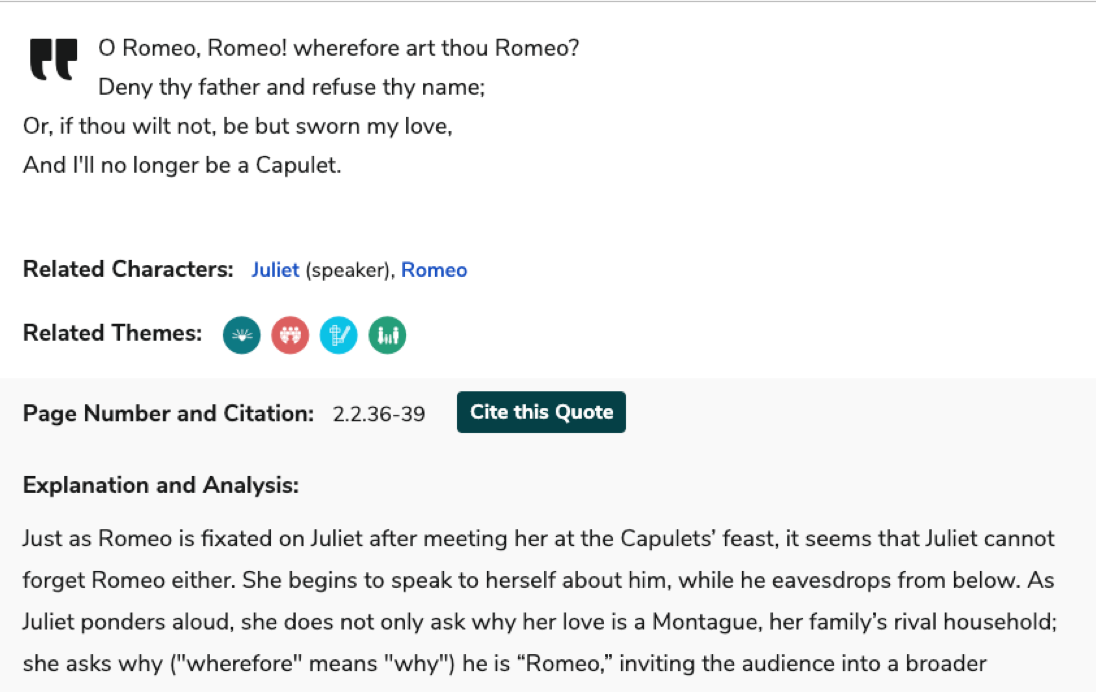
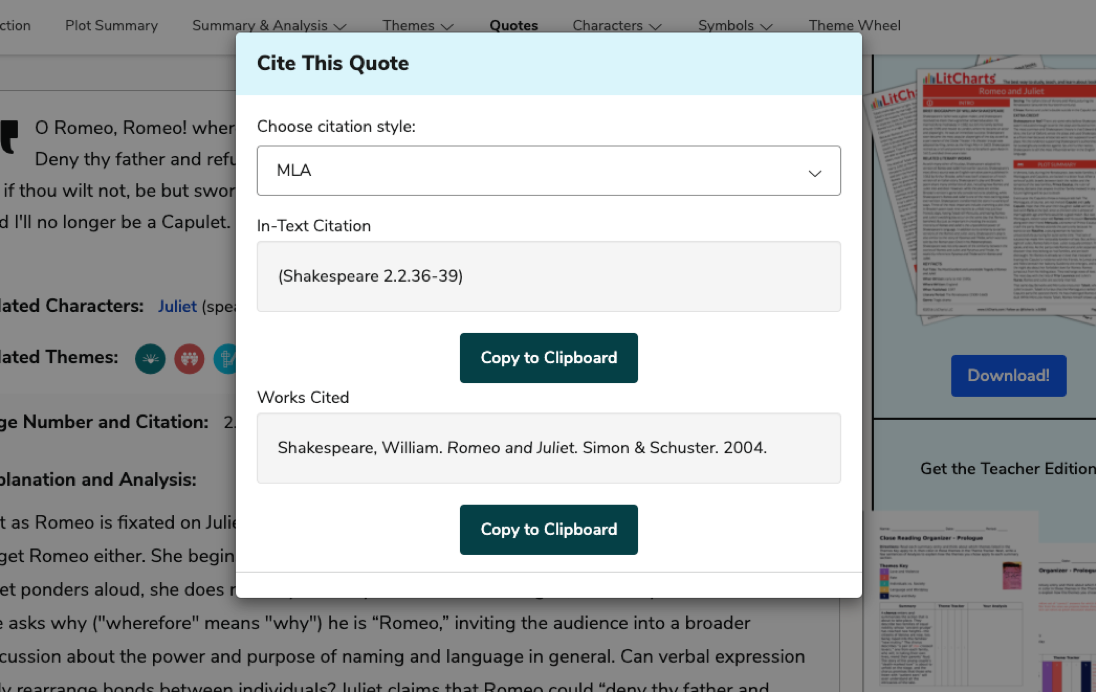
Find the perfect quote. Understand it perfectly. Then rock the citation, too.
For all 50,127 quotes we cover.
For all 50,127 quotes we cover.


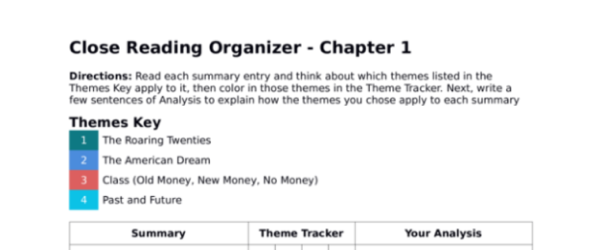
Teacher Editions
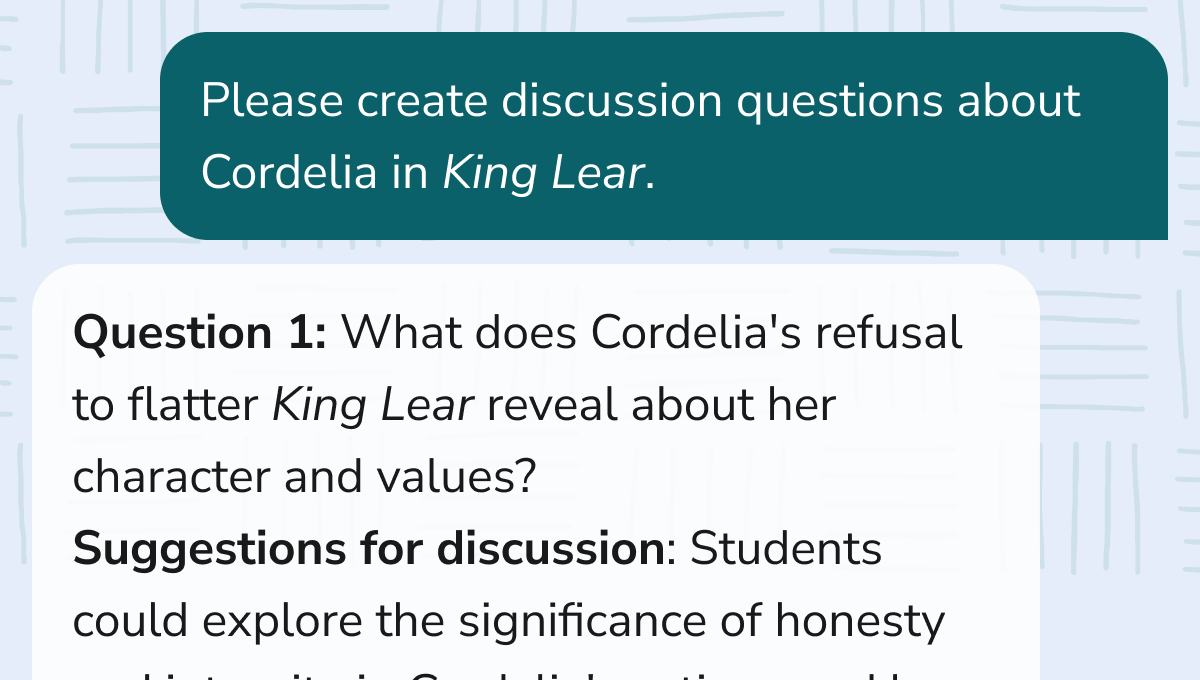
Close reading made easy for students.
Time saved for teachers.
For every book we cover.
Time saved for teachers.
For every book we cover.


Common Core-aligned


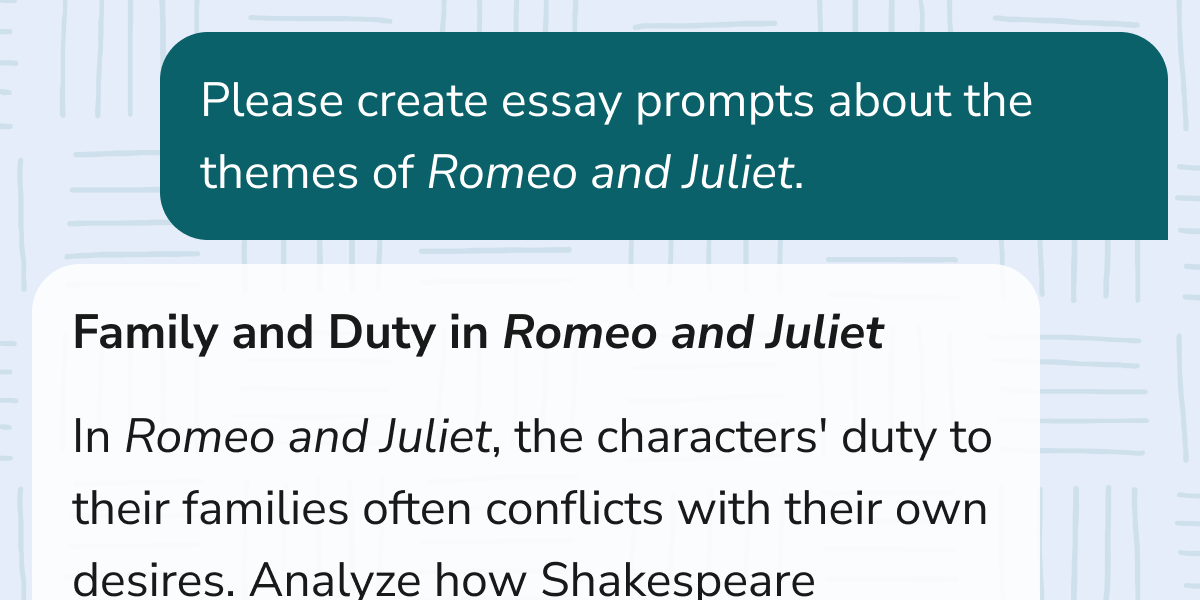
PDFs of modern translations of every one of Shakespeare's 37 plays, 154 sonnets, and 3 longer poems.

Literary Terms and Devices
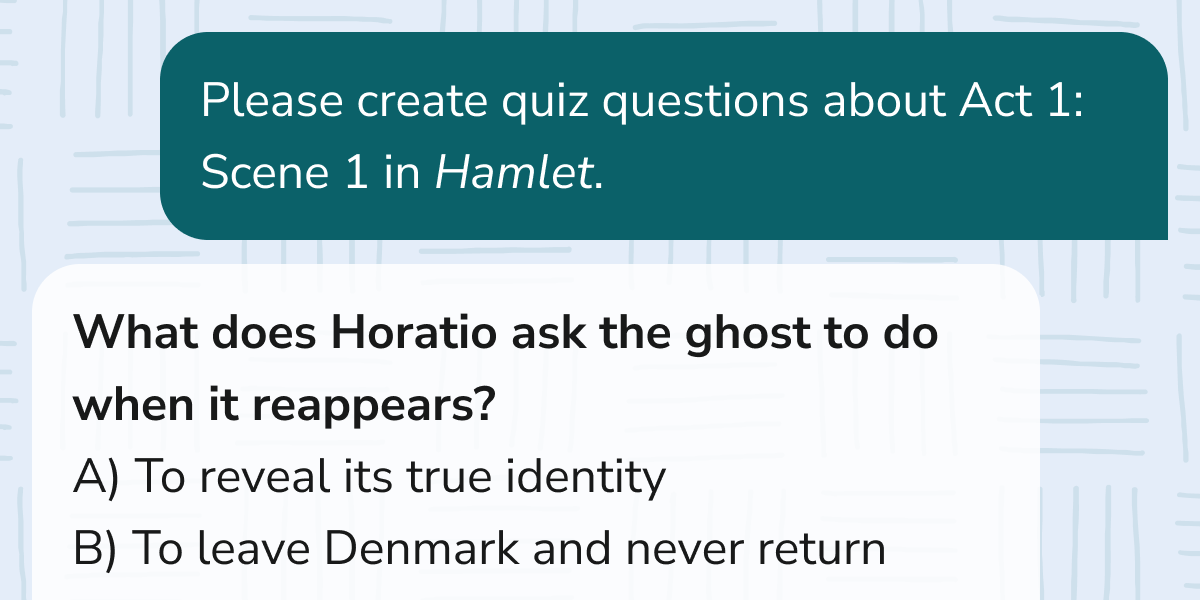
Definitions and examples for every literary term and device you need to know.
Plus a quick-reference PDF with concise definitions of all 136 terms in one place.
Plus a quick-reference PDF with concise definitions of all 136 terms in one place.
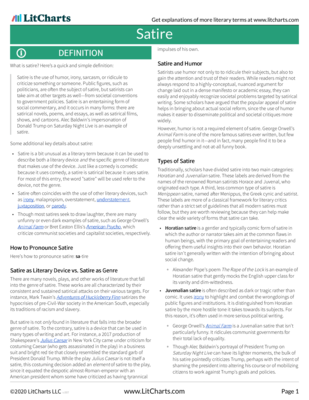
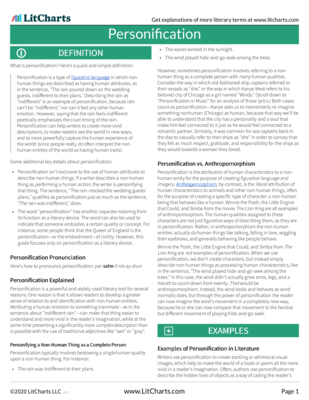
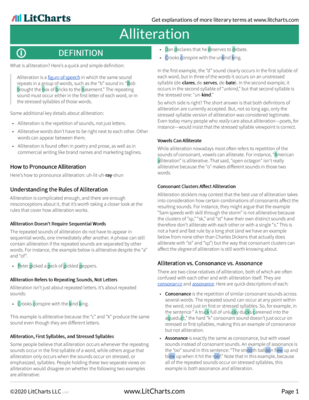
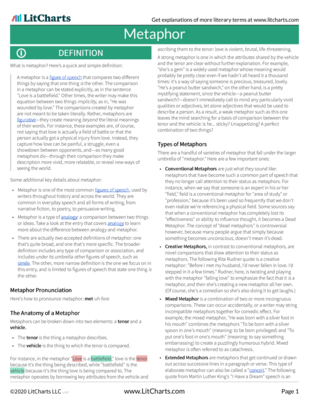
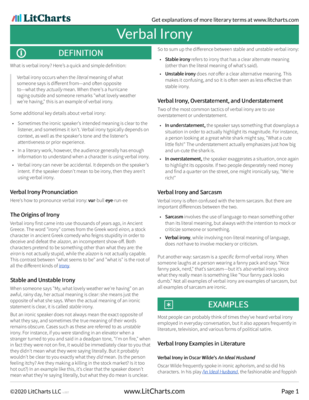
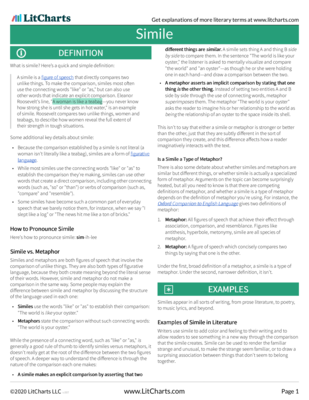
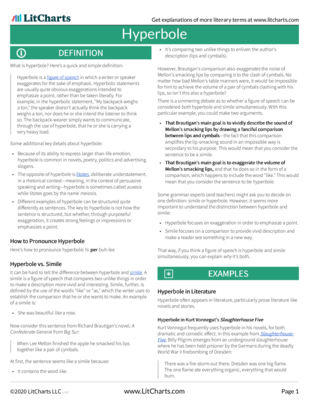
Try a free sample literary term PDF.


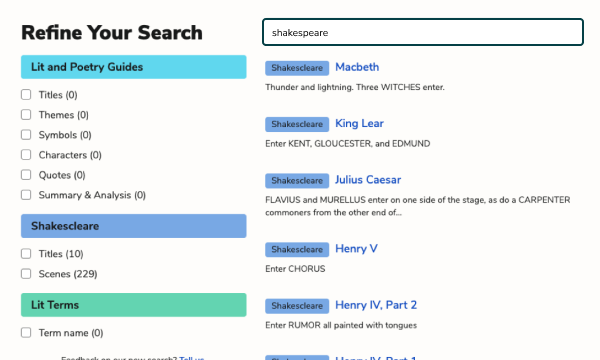
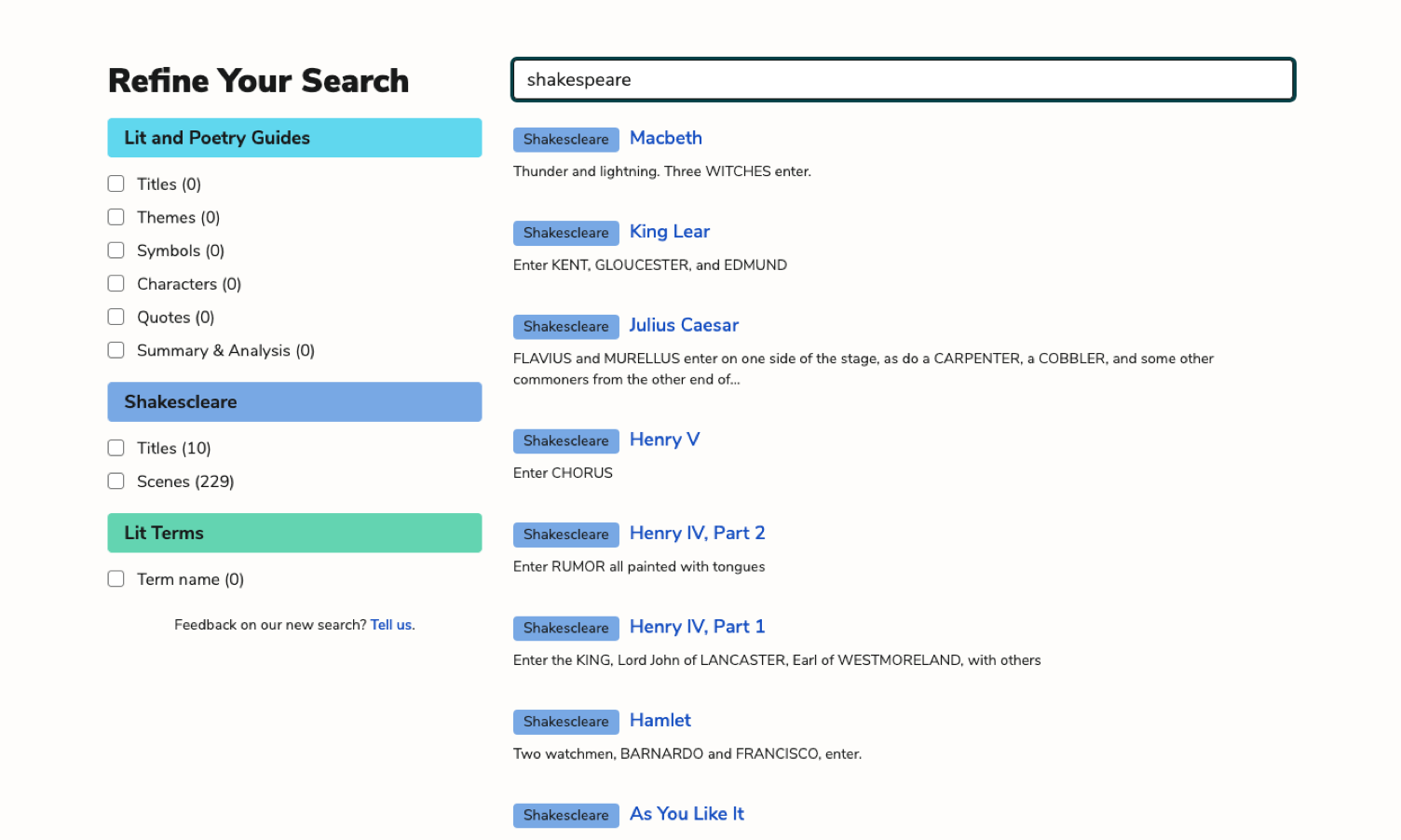
Advanced Search
Refine any search. Find related themes, quotes, symbols, characters, and more.
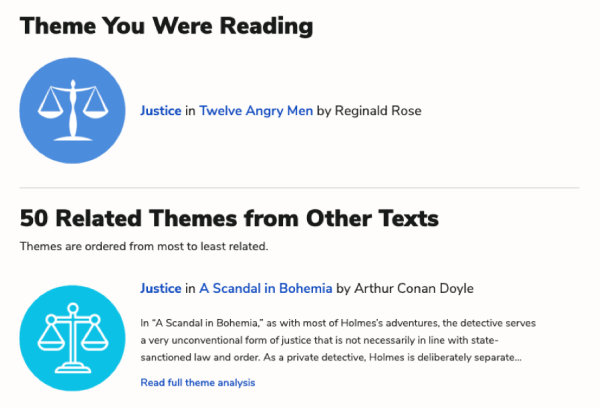
Related Themes
Comparing and contrasting texts? Find where any theme occurs across all of LitCharts in seconds.


Poetry Guides
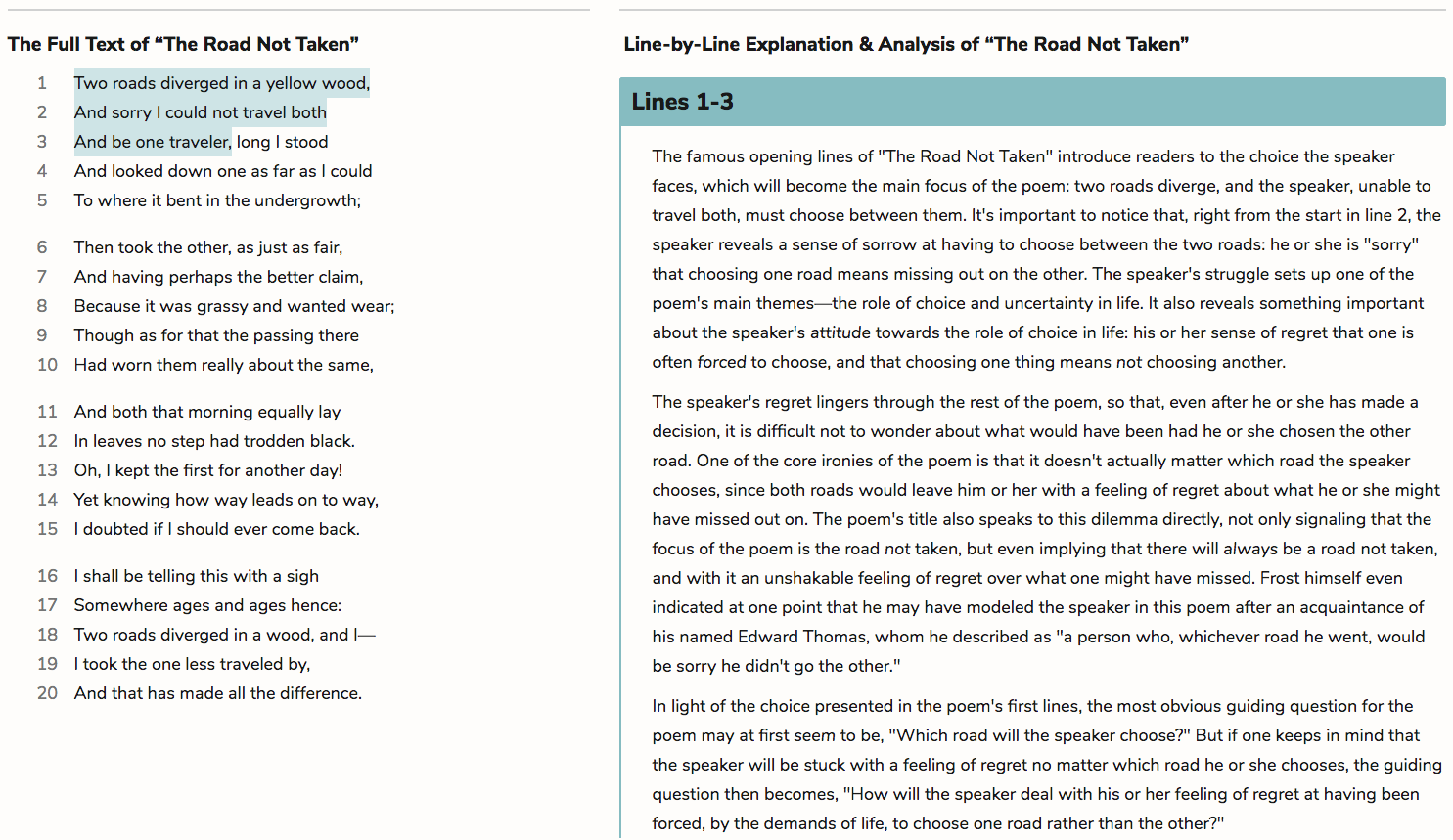
Line-by-line explanations and analysis of figurative language and poetic devices.
For every lyric poem we cover.
For every lyric poem we cover.