
|
Have questions?
Contact us
Already a member? Sign in
|
Get every literary device explanation for Cat’s CradlePlus so much more...
Sign up for LitCharts A+Get instant access to every literary device explanation, plus so much more...
Allusion
Explanation and Analysis—Swiss Family Robinson:
Papa Monzano’s release of ice-nine sends San Lorenzo hurtling towards destruction. But as the world around him freezes, John’s allusion tries tethering his devastated new reality to the memories of a more familiar, pre-apocalyptic world. In Chapter 123, he recounts his time in hiding with the remaining two Hoenikkers and the Crosby couple:
A curious six months followed—the six months in which I wrote this book. Hazel spoke accurately when she called our little society the Swiss Family Robinson, for we had survived a storm, were isolated, and then the living became very easy indeed. It was not without a certain Walt Disney charm.
John’s reference to Swiss Family Robinson would have supplied contemporary cultural context to Vonnegut’s readers. The 1960 Disney movie features the Robinson family, who flee from Switzerland during the Napoleonic wars only to get shipwrecked on a remote island en route to New Guinea. In the ensuing struggle for survival, they fend off pirates, construct a tree house, salvage supplies, and devise booby traps.
Swiss Family Robinson superimposes a familiar narrative upon John’s own circumstances, drawing attention to points of resemblance and potential departure. Like the Robinsons, the novel’s motley bunch of survivors must band together for shelter, food, and resources. They must depend on thrift and resourcefulness for their rescue. But the differences between the novel and film create an ironic understanding, too. The Robinson family eventually considers a return to the “outside world.” While the Crosbys stitch American flags and Frank transmits SOS messages, the novel never leaves any such suggestion. As far as John’s narration suggests, there may be no one else in the world at this point. His further mention of the “Walt Disney charm” adds to this divergence. John’s appeal to a brand associated with childlike fantasy jars against San Lorenzo’s solid, frozen realities. The island—frozen and stripped of life—may be anything but the cheerful ending that the Disney brand represents. For the novel, Disney’s movie creates an eerie, almost delusional, dissonance.
Monthly
Annual (Best Value)

$595USD/mo
Charged $71.40 USD every year
 Teacher
$795USD/mo
Charged $95.40 USD every year


Literature Guide PDFs
LitCharts PDFs for every book you'll read this year.
Instant PDF downloads of all 2238 LitCharts literature guides and of every new one we publish. Try a free sample literature guide.
"Would not have made it through AP Literature without the printable PDFs. They're like having in-class notes for every discussion!"





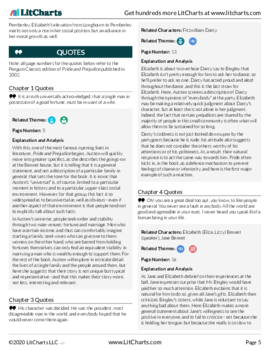



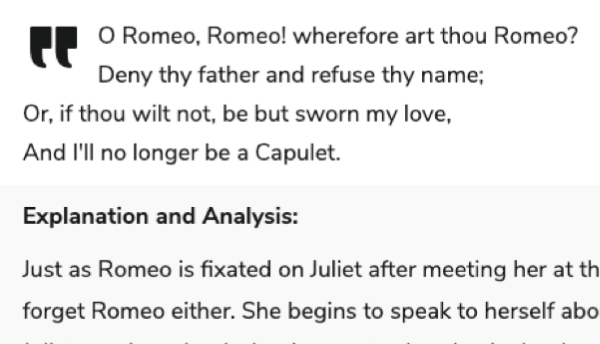
Quotes Explanations
Find the perfect quote. Understand it perfectly. Then rock the citation, too.
For all 49,909 quotes we cover.
For all 49,909 quotes we cover.
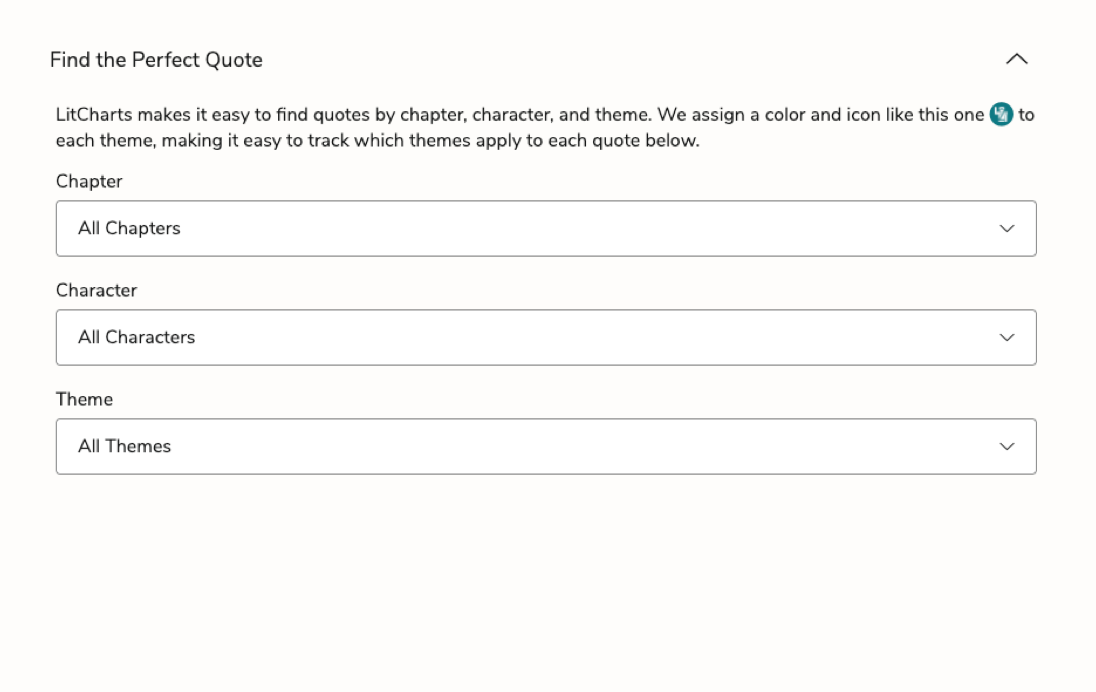
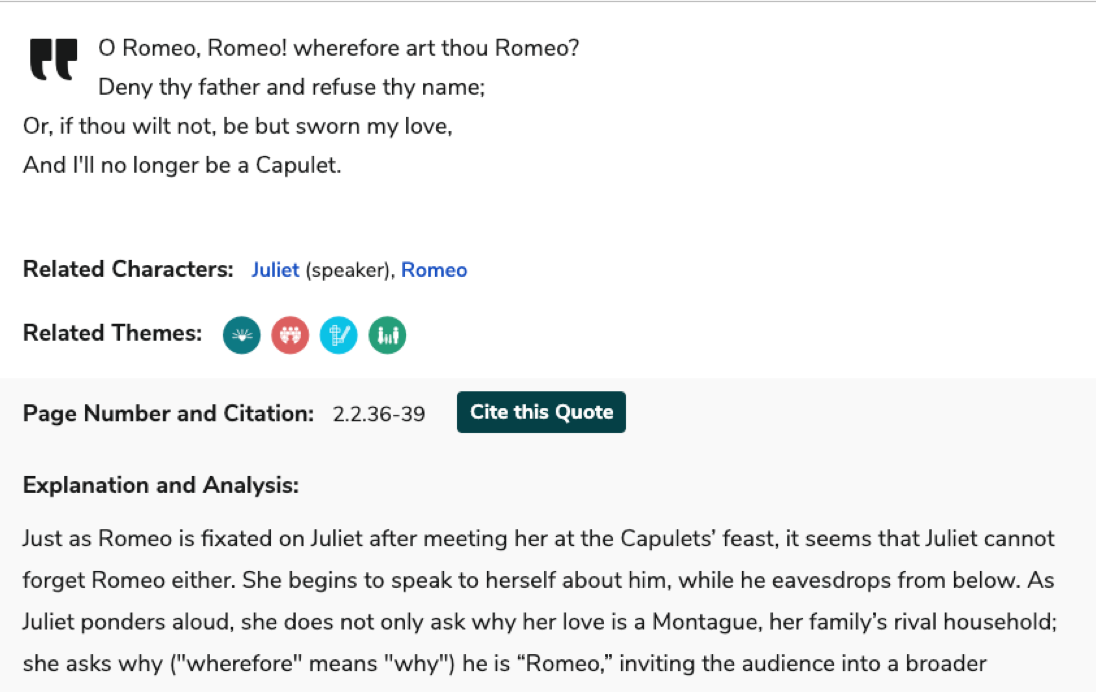
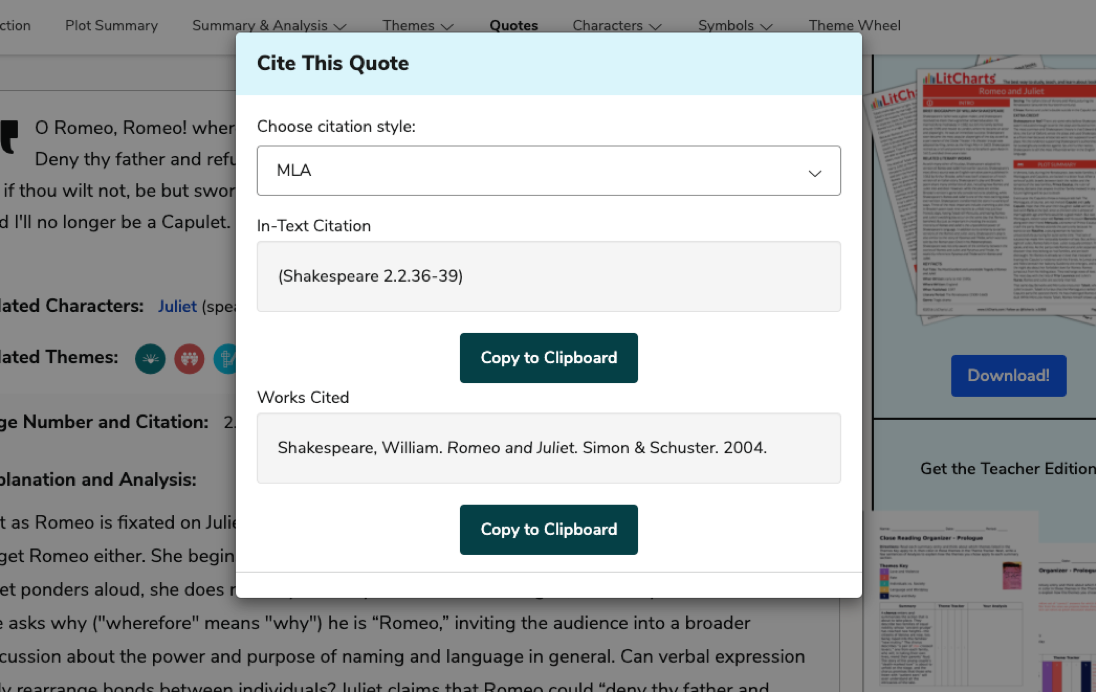


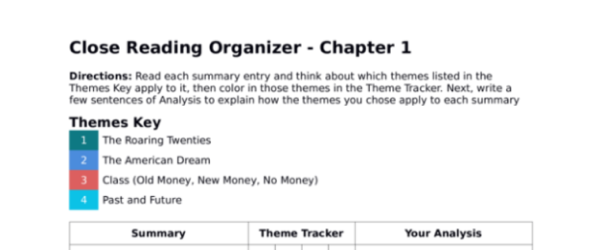
Teacher Editions
Close reading made easy for students.
Time saved for teachers.
For every book we cover.
Time saved for teachers.
For every book we cover.


Common Core-aligned


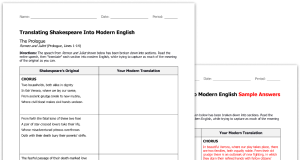
PDFs of modern translations of every one of Shakespeare's 37 plays, 154 sonnets, and 3 longer poems.

Literary Terms and Devices
Definitions and examples for every literary term and device you need to know.
Plus a quick-reference PDF with concise definitions of all 136 terms in one place.
Plus a quick-reference PDF with concise definitions of all 136 terms in one place.
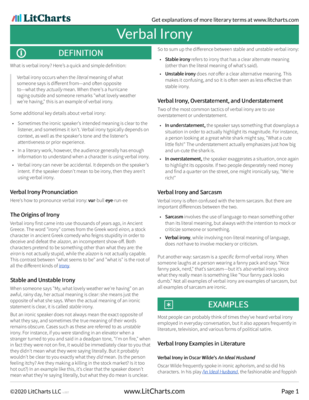
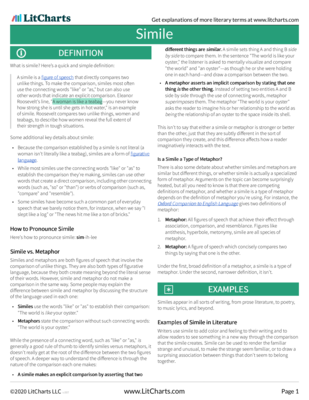
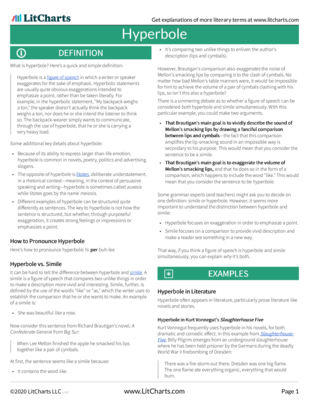
Try a free sample literary term PDF.


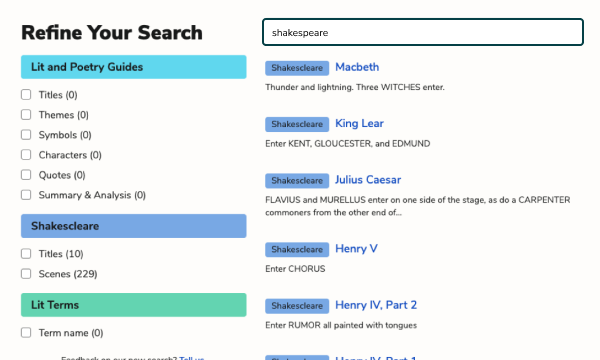
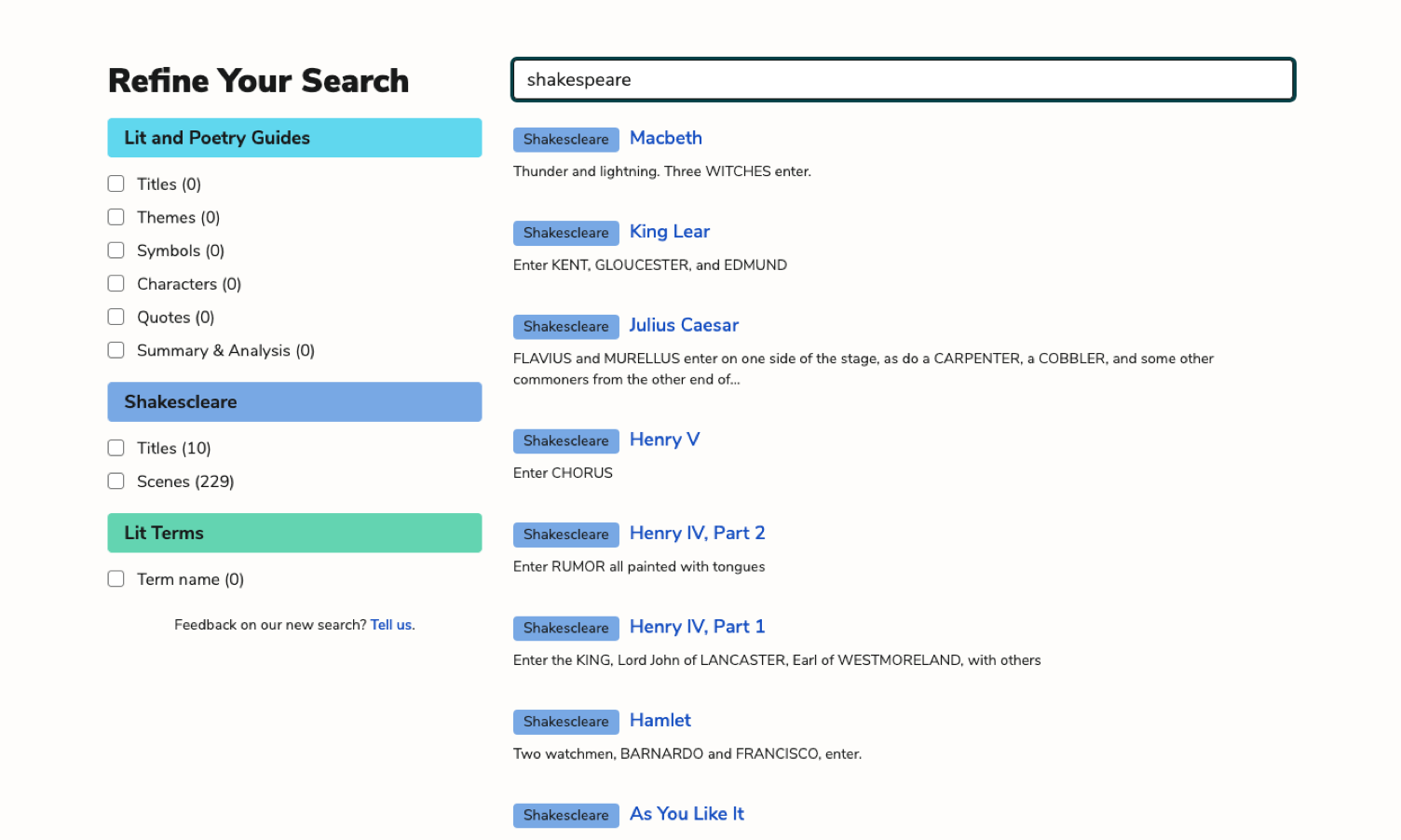
Advanced Search
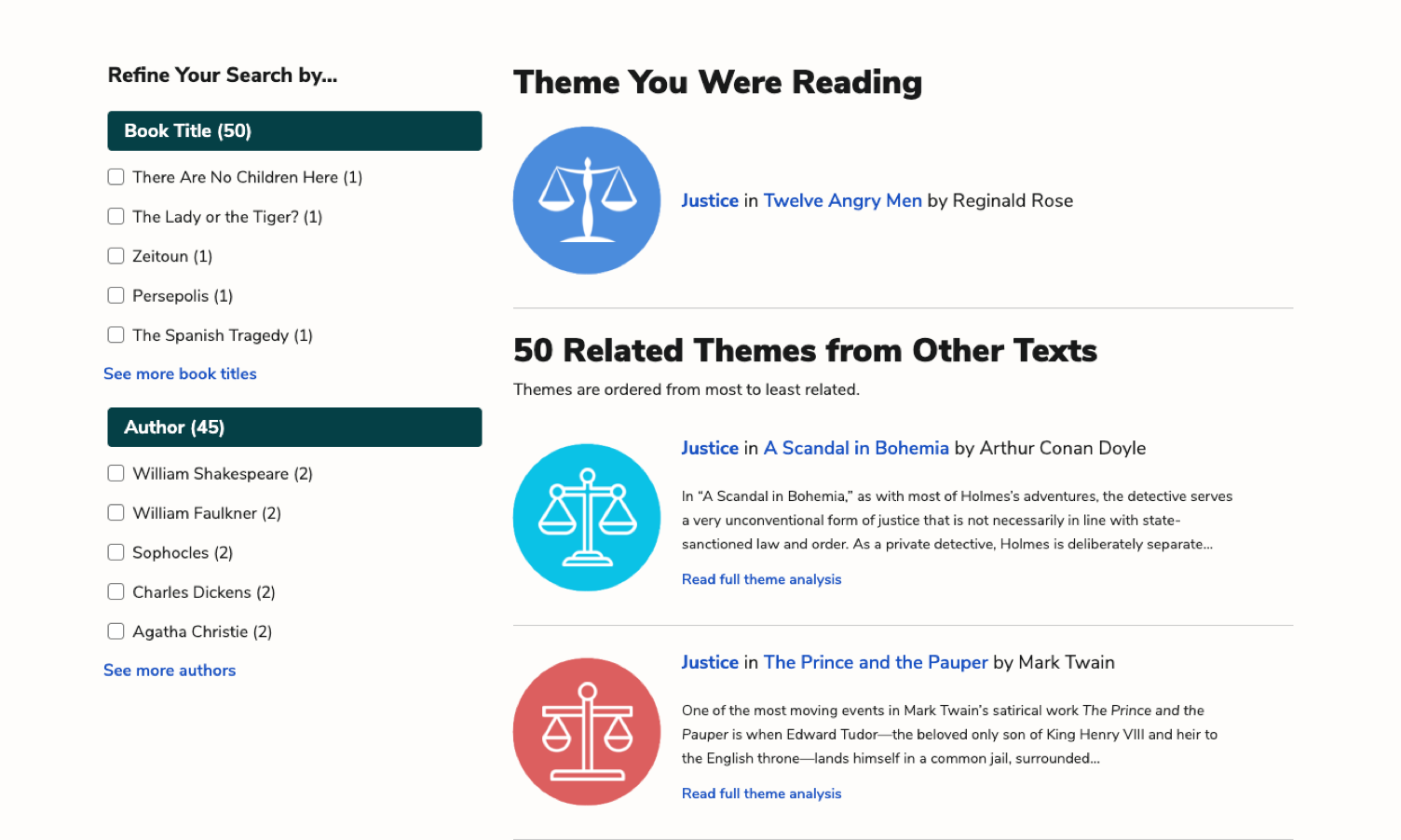
Refine any search. Find related themes, quotes, symbols, characters, and more.

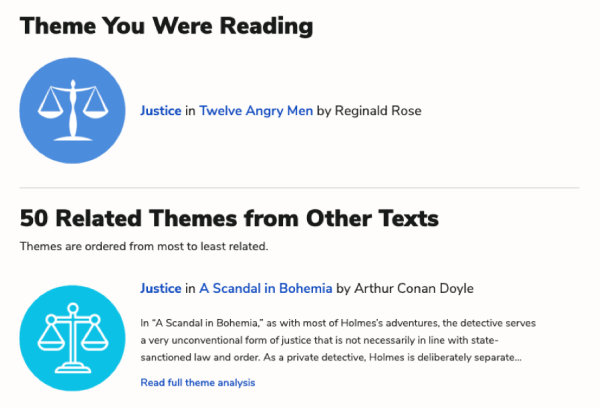
Related Themes
Comparing and contrasting texts? Find where any theme occurs across all of LitCharts in seconds.


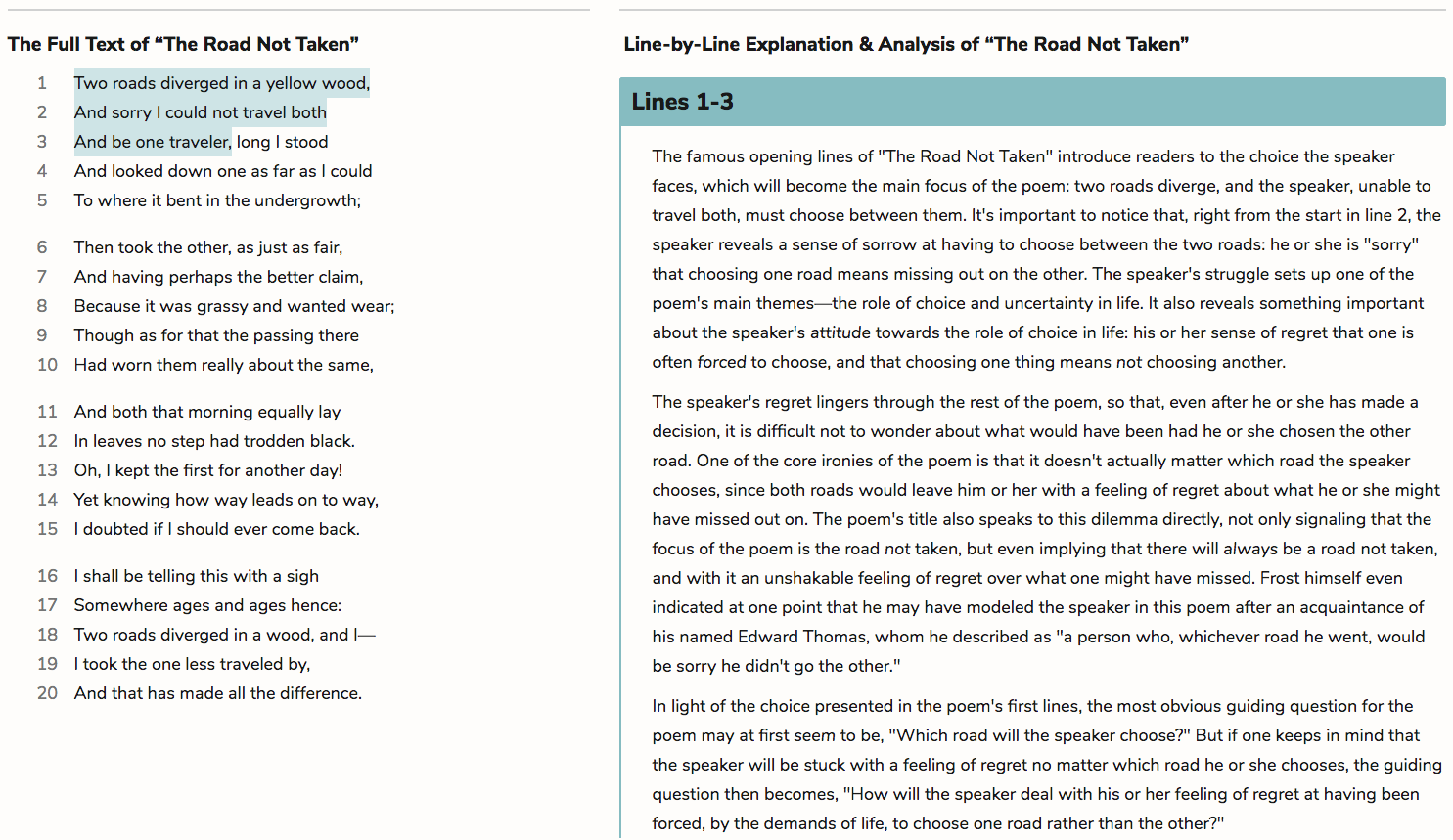
Poetry Guides
Line-by-line explanations and analysis of figurative language and poetic devices.
For every lyric poem we cover.
For every lyric poem we cover.