
|
Have questions?
Contact us
Already a member? Sign in
|
Get every literary device explanation for Cat’s CradlePlus so much more...
Sign up for LitCharts A+Get instant access to every literary device explanation, plus so much more...
Allusion
Explanation and Analysis—The Brobdingnagians:
Just as luck would have it, John meets Newt during his plane ride bound for San Lorenzo in Chapter 51. Their meeting makes for a remarkable stroke of both coincidence and allusion:
Newt was a very tiny young man indeed, though not grotesque. He was as nicely scaled as Gulliver among the Brobdingnagians, and as shrewdly watchful, too.
John’s simile takes a page from Gulliver’s Travels, a famous work of satire in which the titular protagonist visits distant lands and all their strange people. Gulliver—the story’s shipwrecked captain—gets mixed up among giants, dwarfs, magicians, and immortals. In this instance, Cat’s Cradle gives a sense for Newt’s size by imagining him in the company of Gulliver’s giant Brobdingnagians.
By paying humorous tribute to Jonathan Swift—a satirical “giant” himself—John tags Gulliver’s Travels as a fitting counterpart to the novel. If the errant voyager meets a dizzying cast of people and practices, the journalist-turned-president finds himself in company that is no less unusual. The San Lorenzans embrace Bokononism for its lies and practice intimacy by rubbing their feet together. Frank, Newt, and Angela gladly hand foreign actors the tools for global destruction. Papa Monzano lords over starving masses in a Gothic castle. Cat’s Cradle shares with its 18th-century satirical twin the same emphasis on journeys and strange people.
John adds a twist to Swift, though. Gulliver comes to appreciate the Houyhnhnms, the fictional horse people who receive him on the last leg of his journey. Finding his hosts to be more decent than humans, the captain even returns home with reluctance. Gulliver’s journey opens his mind and shows him humanity’s own flaws. But in John’s case, his hosts merely destroy the world. Papa Monzano, the Hoenikkers, and the Crosbys deal a defeating gut-punch of stupidity more than anything close to dignity. Swift broadens Gulliver’s horizons, but Vonnegut ends John’s instead.
Monthly
Annual (Best Value)

$595USD/mo
Charged $71.40 USD every year
 Teacher
$795USD/mo
Charged $95.40 USD every year


Literature Guide PDFs
LitCharts PDFs for every book you'll read this year.
Instant PDF downloads of all 2238 LitCharts literature guides and of every new one we publish. Try a free sample literature guide.
"Would not have made it through AP Literature without the printable PDFs. They're like having in-class notes for every discussion!"





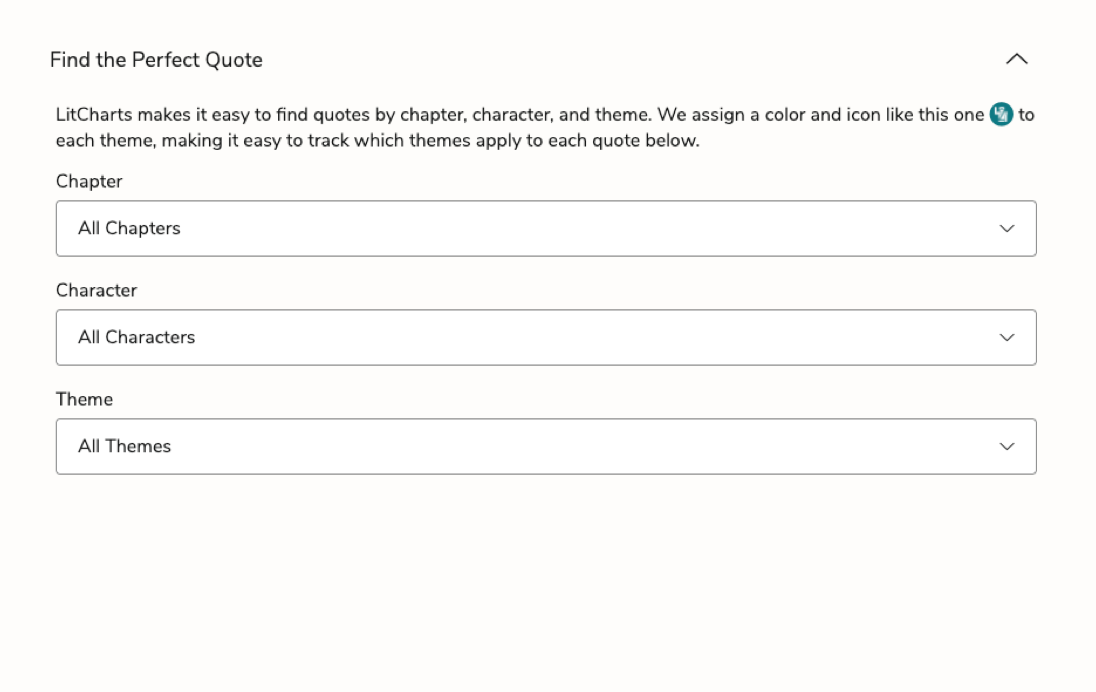
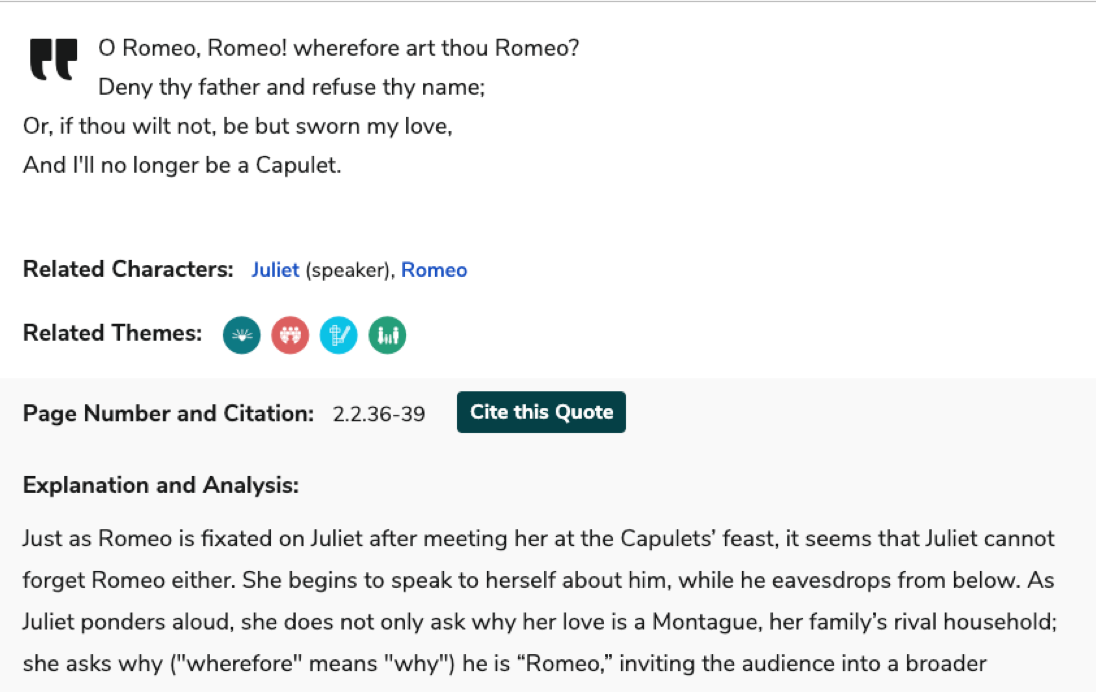
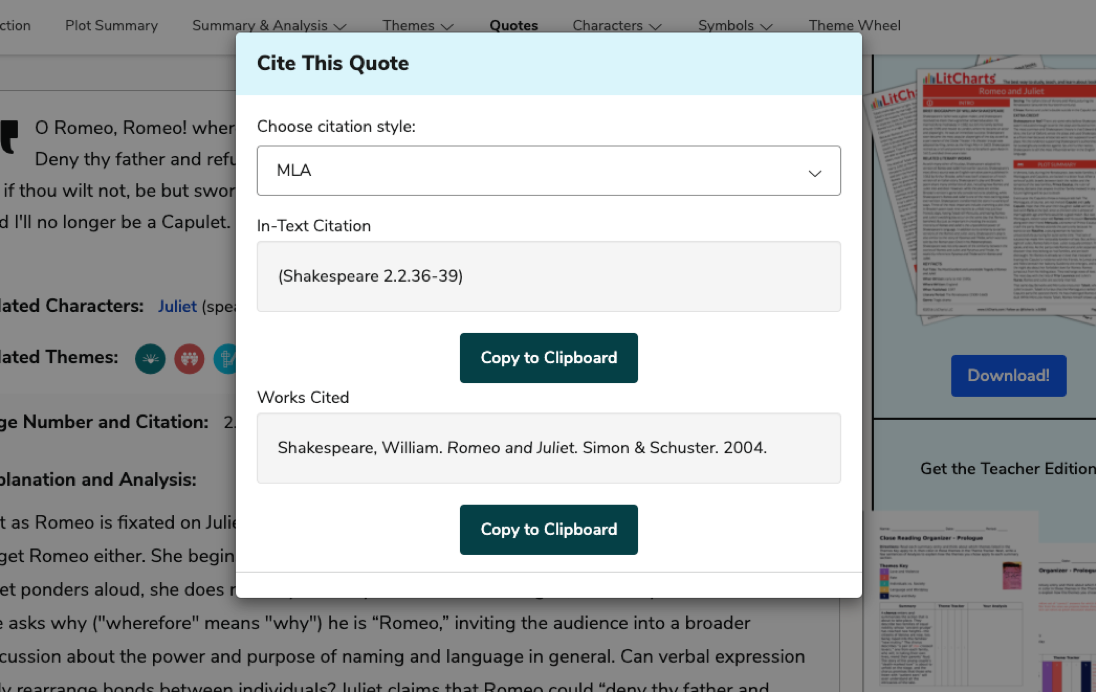
Quotes Explanations
Find the perfect quote. Understand it perfectly. Then rock the citation, too.
For all 49,909 quotes we cover.
For all 49,909 quotes we cover.


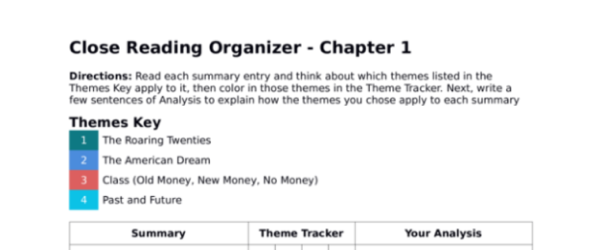
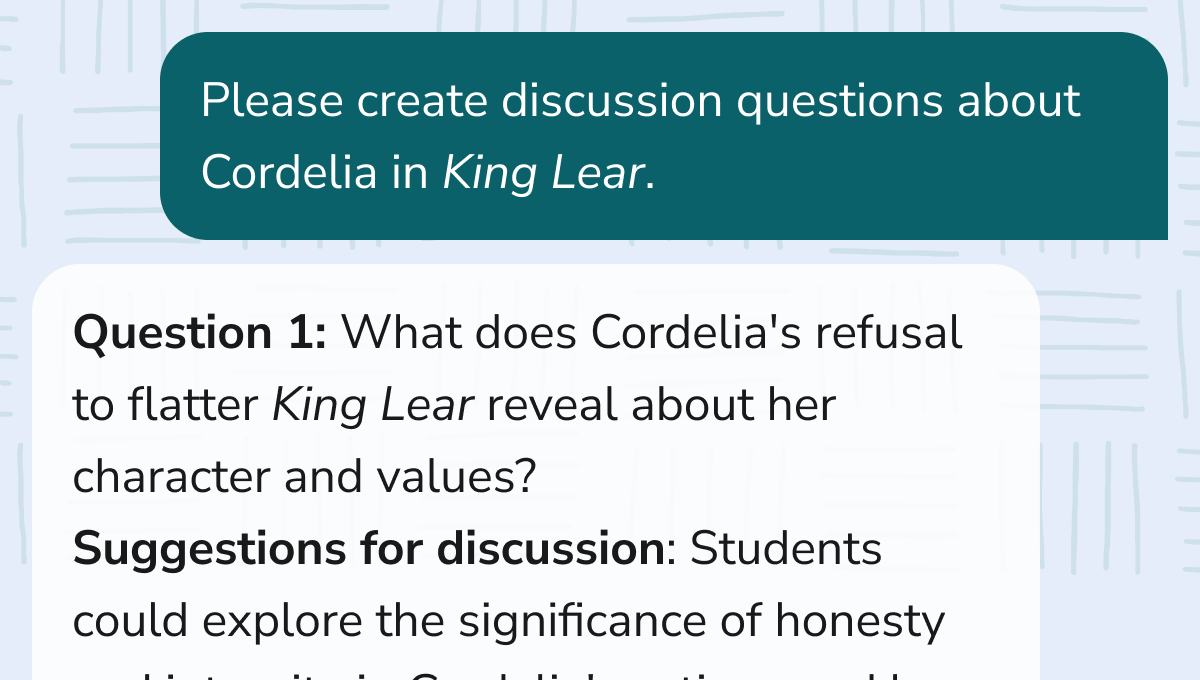
Teacher Editions
Close reading made easy for students.
Time saved for teachers.
For every book we cover.
Time saved for teachers.
For every book we cover.


Common Core-aligned


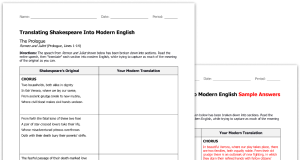
PDFs of modern translations of every one of Shakespeare's 37 plays, 154 sonnets, and 3 longer poems.

Literary Terms and Devices
Definitions and examples for every literary term and device you need to know.
Plus a quick-reference PDF with concise definitions of all 136 terms in one place.
Plus a quick-reference PDF with concise definitions of all 136 terms in one place.
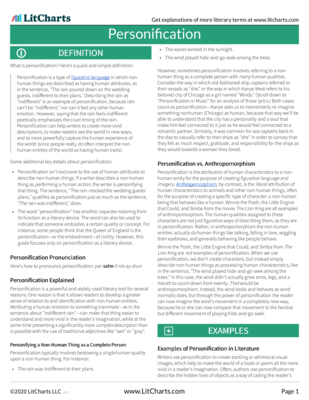
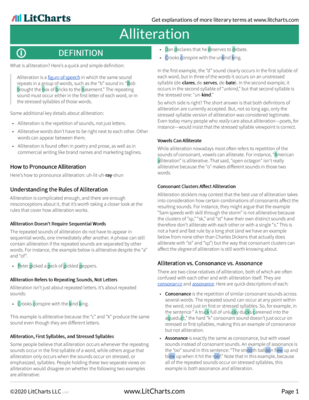
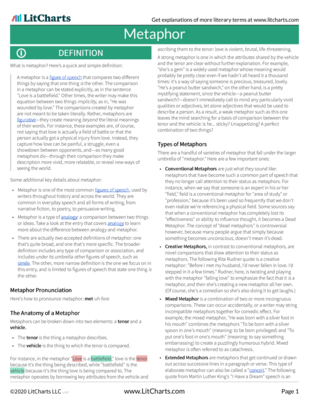
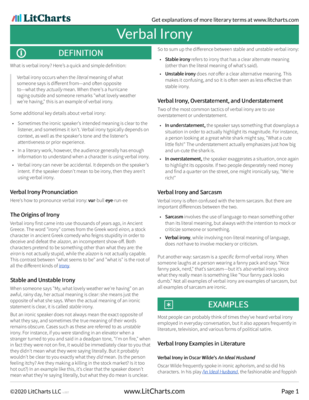
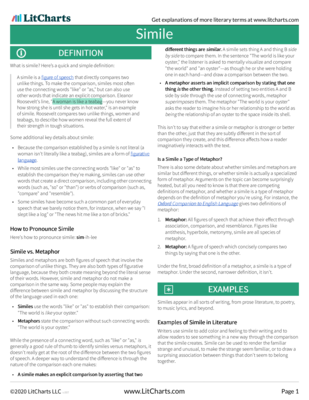
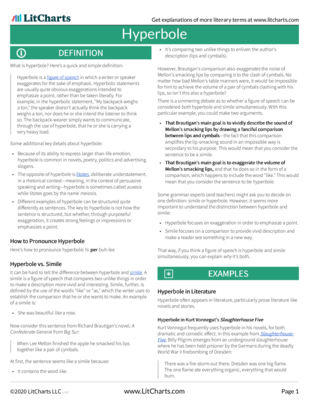
Try a free sample literary term PDF.

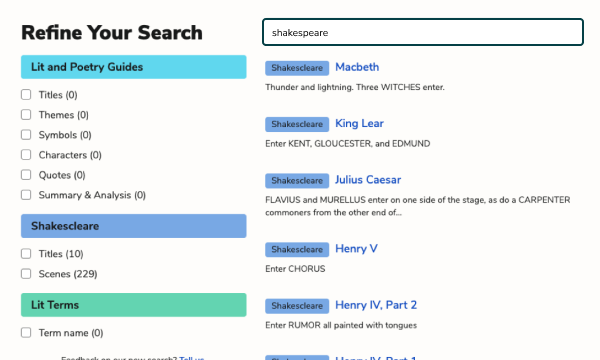
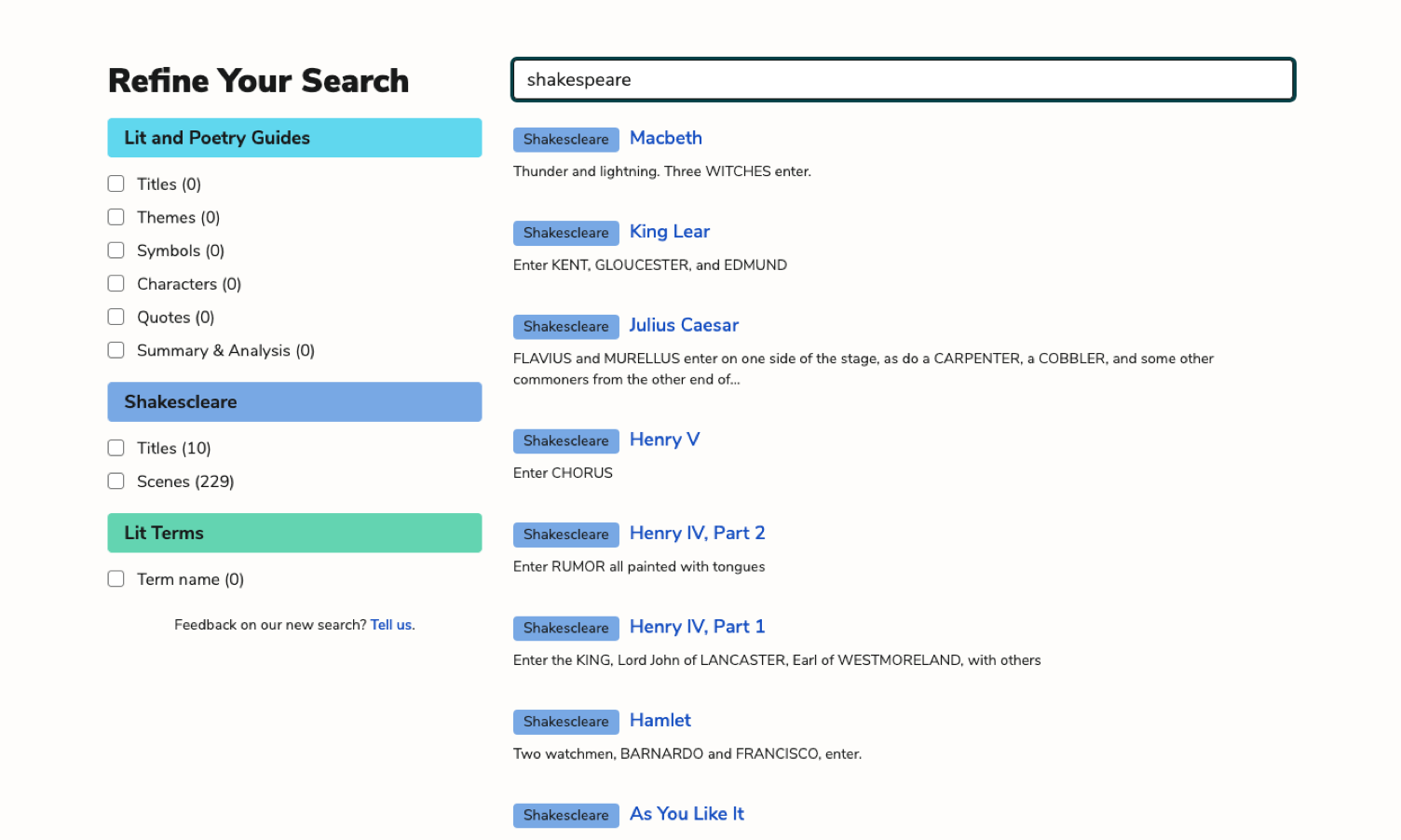
Advanced Search
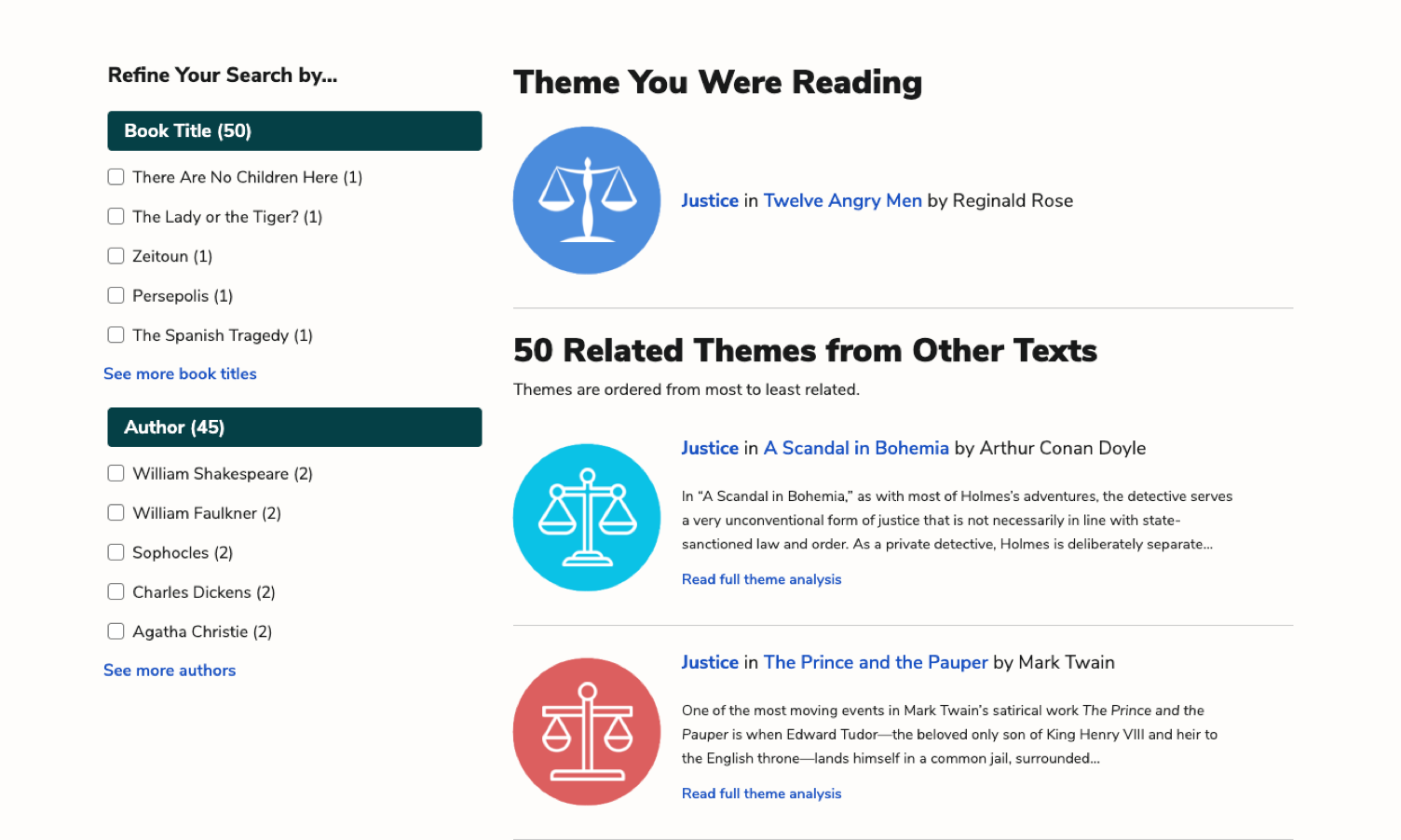
Refine any search. Find related themes, quotes, symbols, characters, and more.
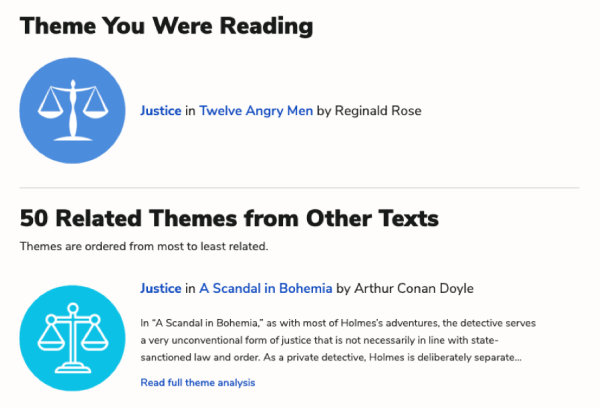
Related Themes
Comparing and contrasting texts? Find where any theme occurs across all of LitCharts in seconds.

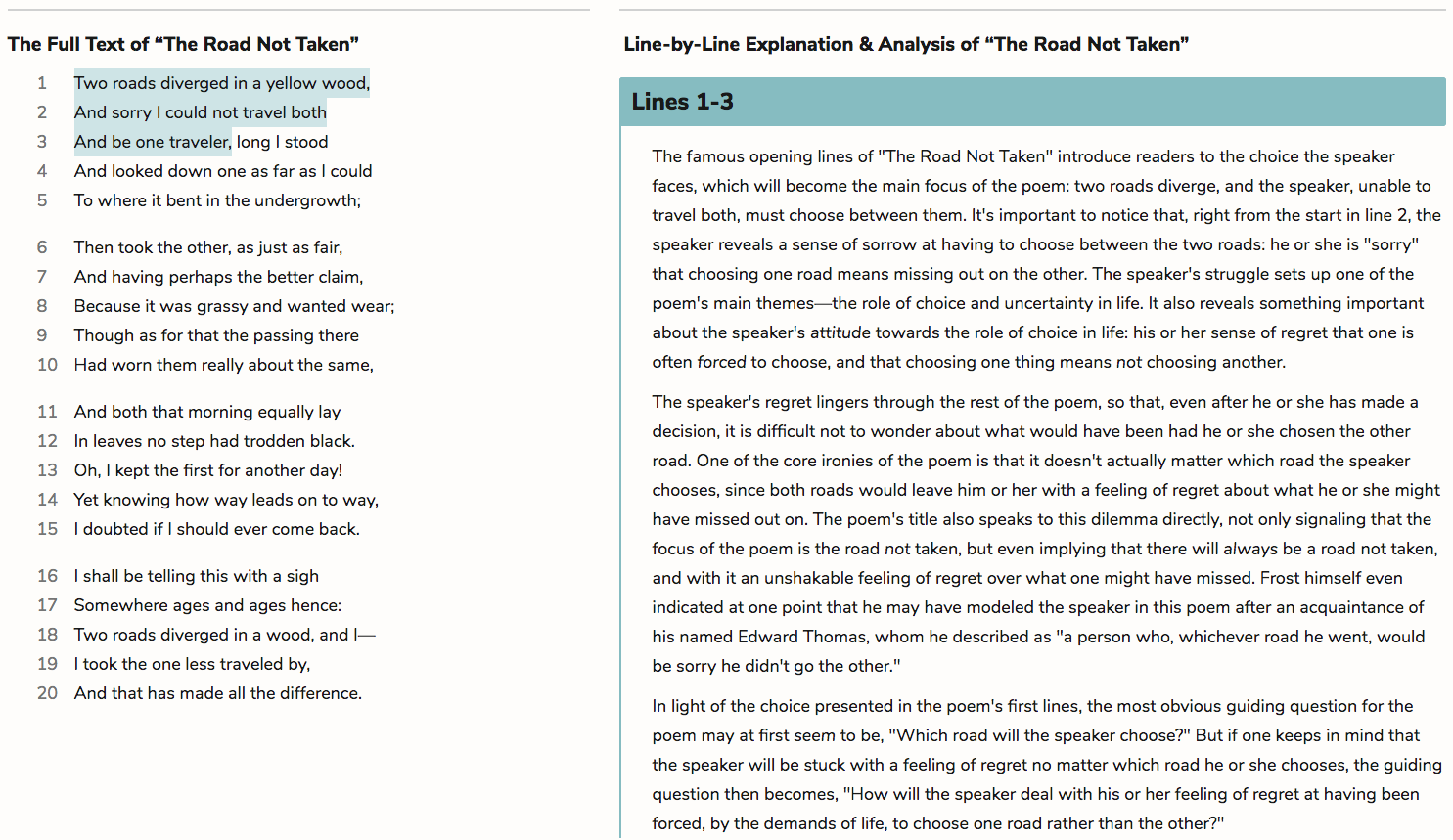
Poetry Guides
Line-by-line explanations and analysis of figurative language and poetic devices.
For every lyric poem we cover.
For every lyric poem we cover.