
|
Have questions?
Contact us
Already a member? Sign in
|
Get every literary device explanation for Waiting for GodotPlus so much more...
Sign up for LitCharts A+Get instant access to every literary device explanation, plus so much more...
Allusion
Explanation and Analysis—Night Is Drawing Nigh:
Throughout the play, the characters repeatedly comment on the light conditions and deliberate over the time of day. At one point, Vladimir describes nightfall with an allusion to a hymn. The motif of night largely takes on a positive connotation in the play. As the characters seem stuck in endless loops of waiting, the falling darkness becomes a way for them to confirm that time is passing.
The characters' conversations about night give insight into their unique perception of their surroundings. In the first act, Vladimir addresses night with a longing, impatient tone. On two occasions, he looks at the sky and asks "Will night never come?" Soon after, Pozzo describes night in more figurative, performative terms: "night is charging (vibrantly) and will burst upon us (snaps his fingers) pop! like that!" And at the beginning of the second act, Estragon and Vladimir discover that they have differing views of nightfall.
VLADIMIR: It’s always at nightfall.
ESTRAGON: But night doesn’t fall.
VLADIMIR: It’ll fall all of a sudden, like yesterday.
ESTRAGON: Then it’ll be night.
VLADIMIR: And we can go.
ESTRAGON: Then it’ll be day again.
Vladimir experiences night as something that falls, while Estragon indicates that he sees it differently. However, he never elaborates on this, so it never becomes clear whether their difference of opinion is semantic or more metaphysical. When night finally does arrive, it's worth noting that the stage directions do not indicate it through a falling motion, but rather as the moon rising and mounting in the sky. Perhaps Vladimir understands night as the descending of the darkness, while Estragon understands it as the rising of the moon.
Regardless of their differing view of night's movement, Vladimir and Estragon do have the same view of time's cyclical nature. In addition, they agree that the arrival of night means that they "can go." For Vladimir and Estragon, night offers a moment of reprieve from their endless waiting. Beckett already makes this explicit during their first conversation with Pozzo, in the first act. When Vladimir looks at the sky and asks whether night will come, Pozzo immediately connects nightfall, waiting, and Godot by saying that he would "wait till it was black night before [he] gave up." Vladimir confirms this in the second act, when he says that "in this immense confusion one thing alone is clear. We are waiting for Godot to come—[...] Or for night to fall."
In the second act, the blind Pozzo requires assistance from Vladimir and Estragon to determine the time of day. This once again uncovers a difference of opinion between Vladimir and Estragon. While Estragon claims that the sun is rising and hypothesizes that it's dawn, Vladimir says "Impossible." After much deliberation, Vladimir delivers a verbose speech certifying that it's evening. In this speech, he alludes to a hymn from the 19th century:
VLADIMIR: (reassuring). It’s evening, Sir, it's evening, night is drawing nigh. My friend here would have me doubt it and I must confess he shook me for a moment. But it is not for nothing I have lived through this long day and I can assure you it is very near the end of its repertory.
The line "night is drawing nigh" comes from a hymn called "Now the day is over." This allusion adds to the play's religious undertones and reinforces the night motif's positive connotation. Vladimir is relieved over his certainty that night has come because it means that he will soon have a break from waiting. He also sees nightfall as proof that time is passing, which gives him great relief.
Monthly
Annual (Best Value)

$595USD/mo
Charged $71.40 USD every year
 Teacher
$795USD/mo
Charged $95.40 USD every year
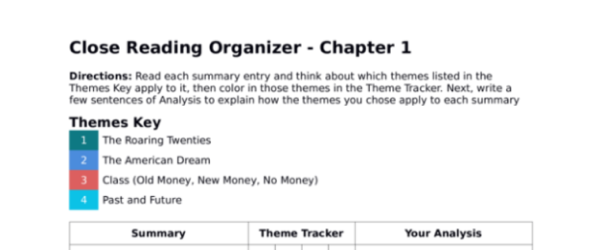
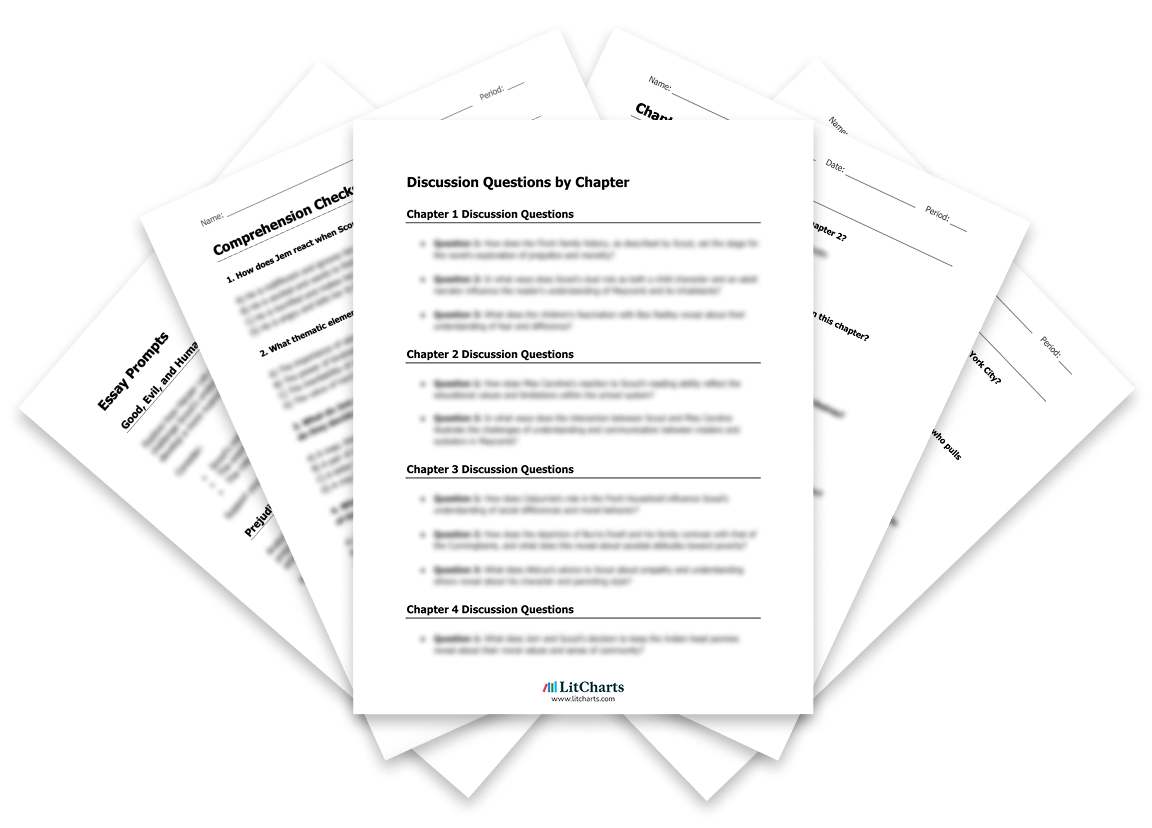


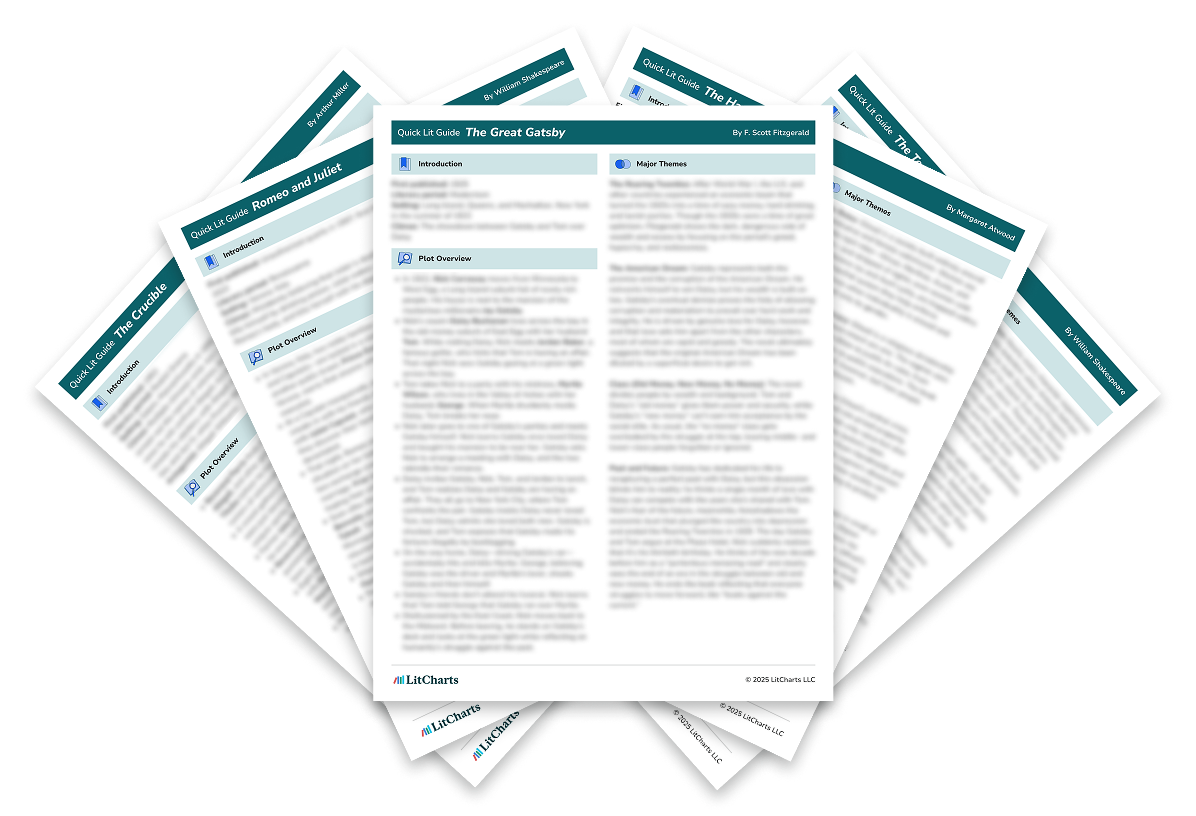
Literature Guide PDFs
LitCharts PDFs for every book you'll read this year.
Instant PDF downloads of all 2250 LitCharts literature guides and of every new one we publish. Try a free sample literature guide.
"Would not have made it through AP Literature without the printable PDFs. They're like having in-class notes for every discussion!"




Quotes Explanations
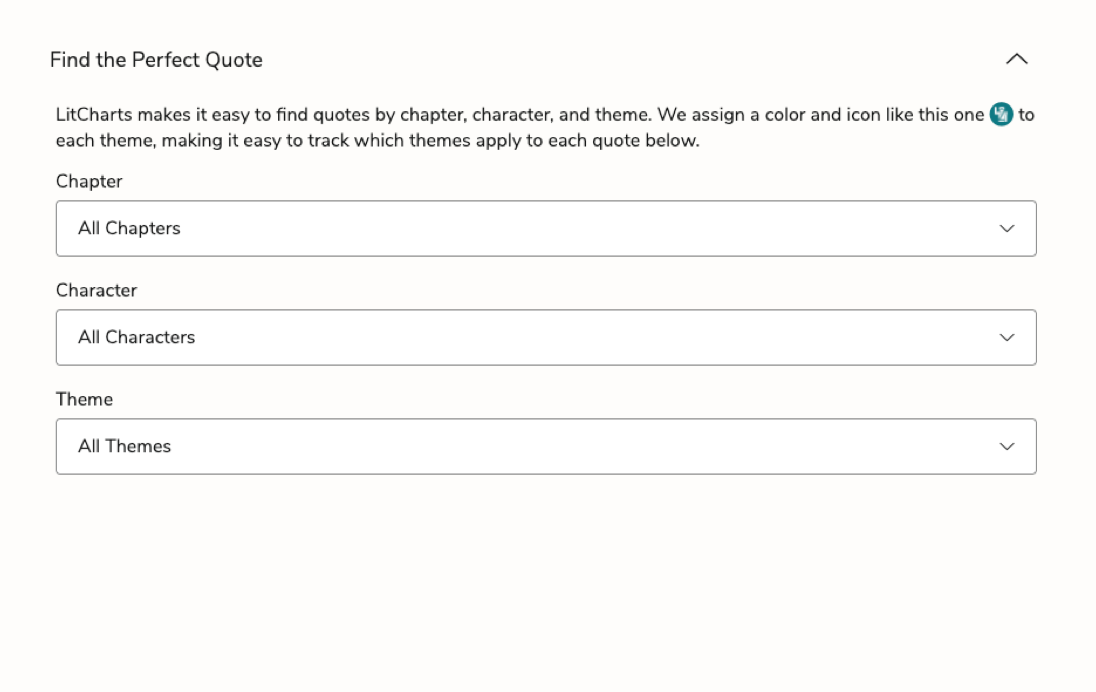
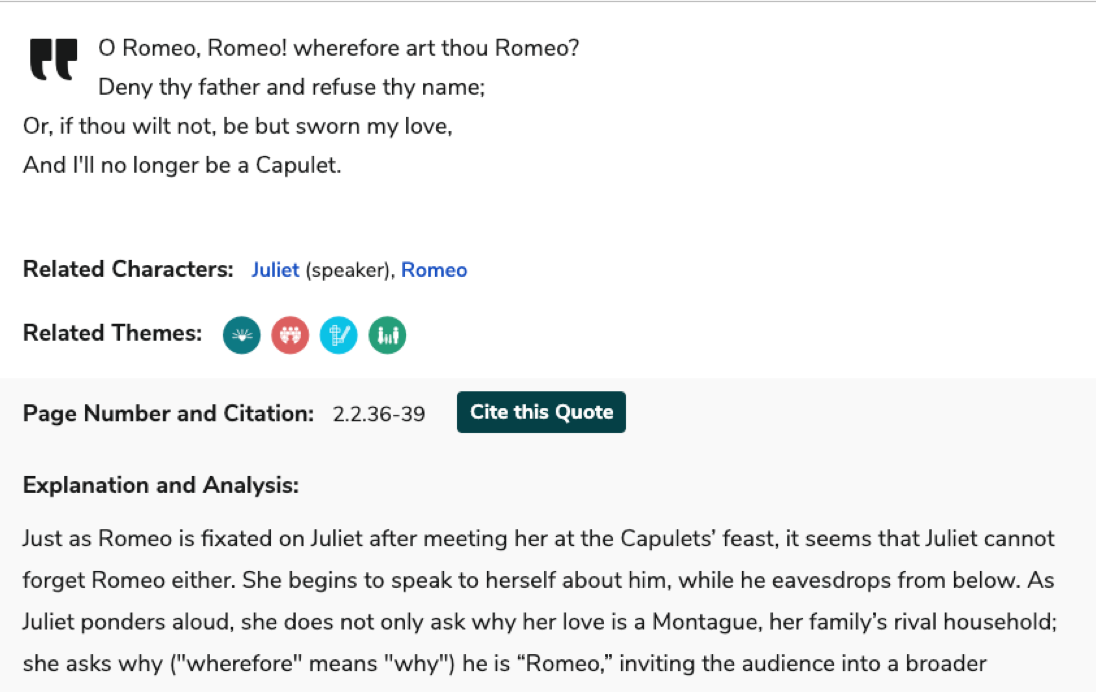
Find the perfect quote. Understand it perfectly. Then rock the citation, too.
For all 50,177 quotes we cover.
For all 50,177 quotes we cover.


Teacher Editions
Close reading made easy for students.
Time saved for teachers.
For every book we cover.
Time saved for teachers.
For every book we cover.


Common Core-aligned


PDFs of modern translations of every one of Shakespeare's 37 plays, 154 sonnets, and 3 longer poems.

Literary Terms and Devices
Definitions and examples for every literary term and device you need to know.
Plus a quick-reference PDF with concise definitions of all 136 terms in one place.
Plus a quick-reference PDF with concise definitions of all 136 terms in one place.
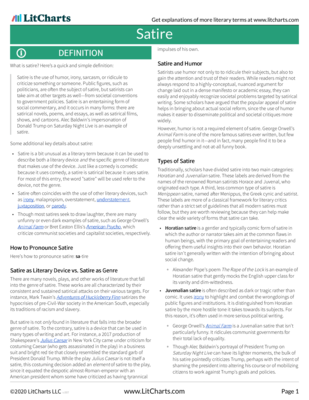
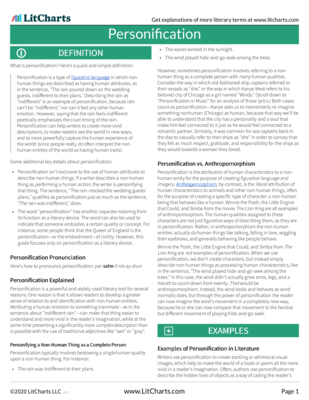
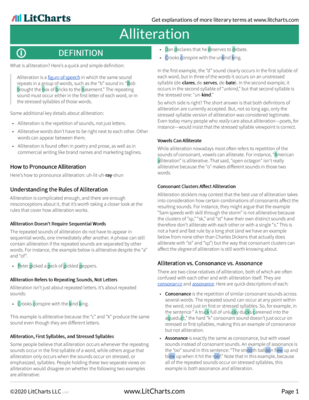
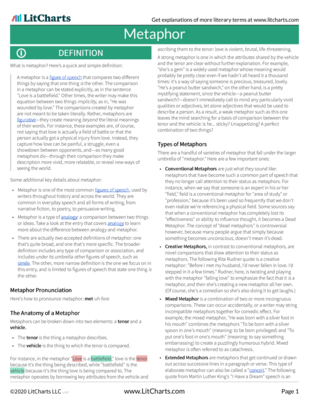
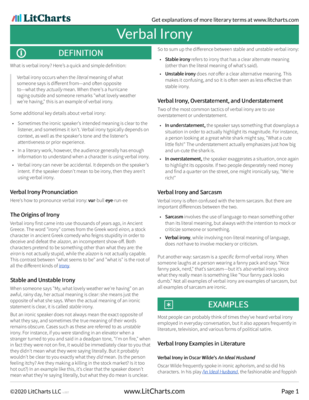
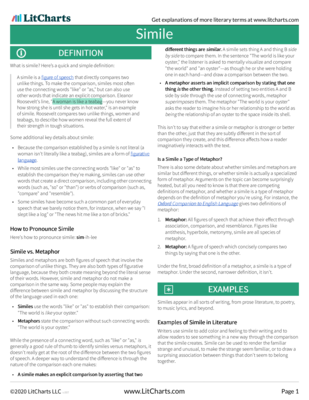
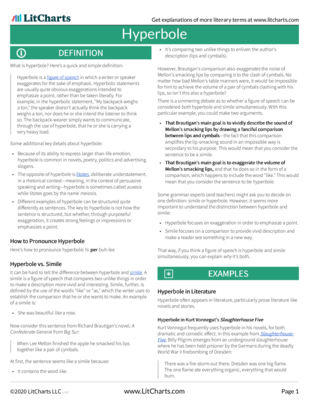
Try a free sample literary term PDF.

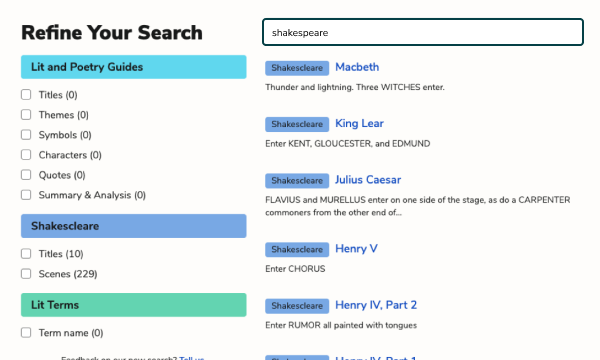
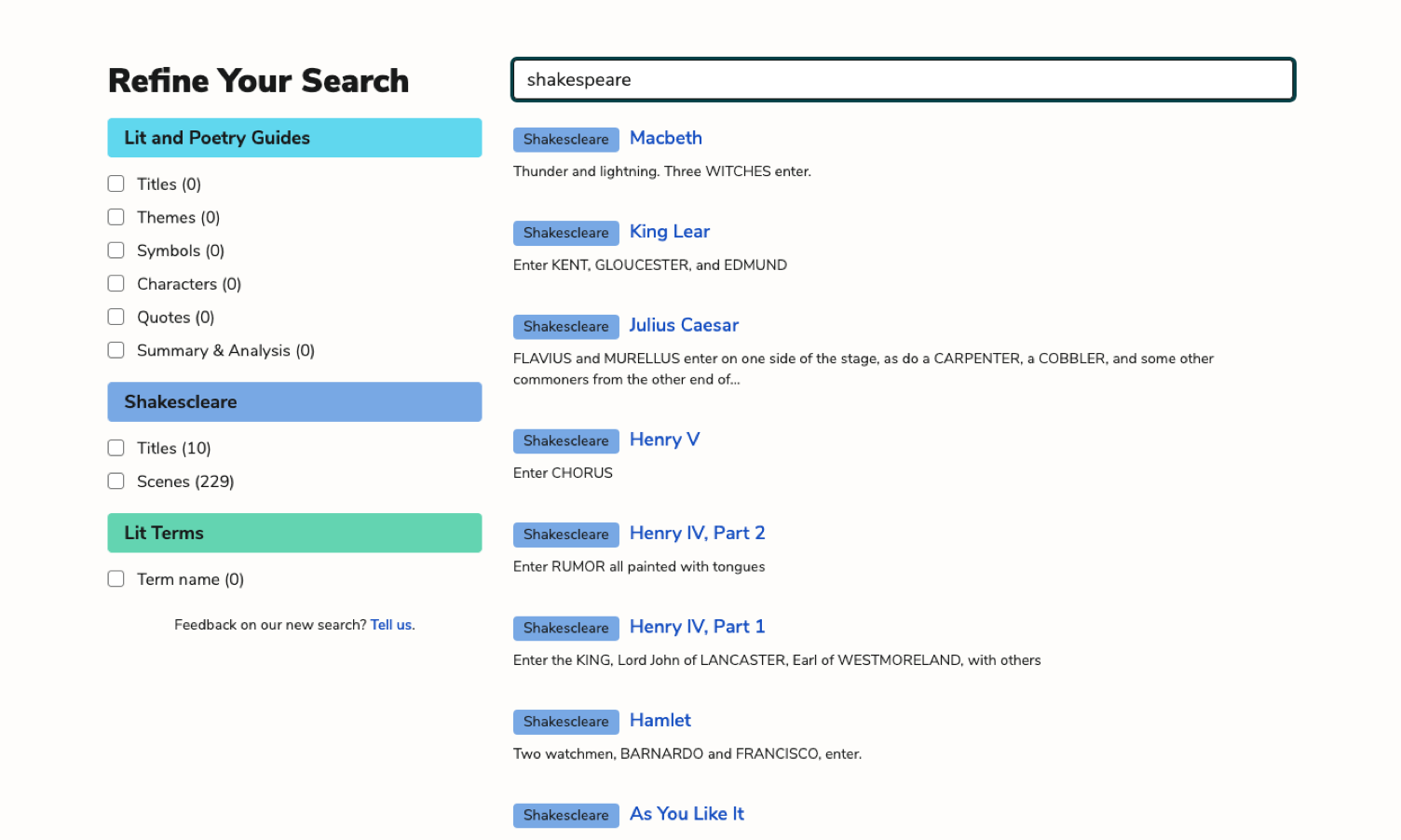
Advanced Search
Refine any search. Find related themes, quotes, symbols, characters, and more.
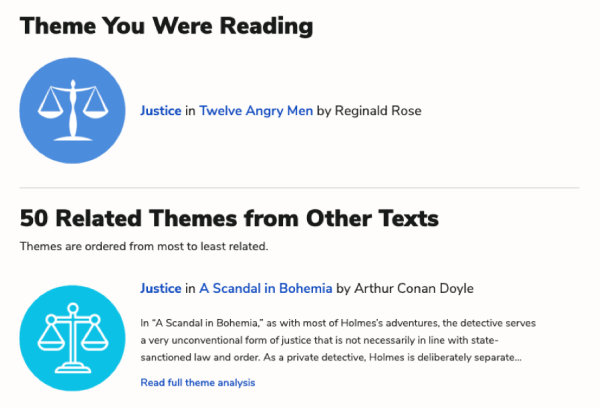
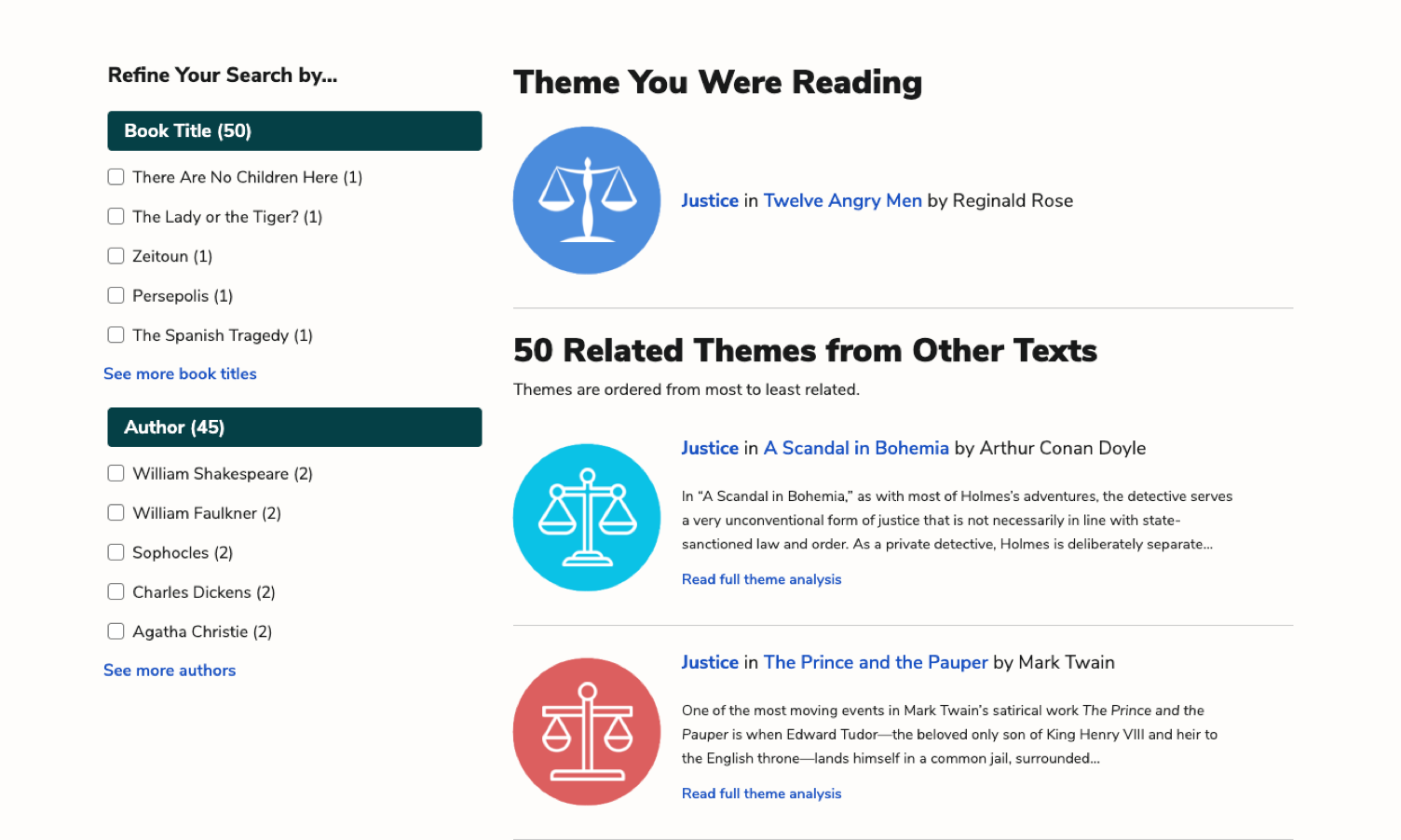
Related Themes
Comparing and contrasting texts? Find where any theme occurs across all of LitCharts in seconds.

Poetry Guides
Line-by-line explanations and analysis of figurative language and poetic devices.
For every lyric poem we cover.
For every lyric poem we cover.