
|
Have questions?
Contact us
Already a member? Sign in
|
Get every literary device explanation for Norwegian Wood
Plus so much more...
Sign up for LitCharts A+
Get instant access to every literary device explanation, plus so much more...
Allusion
Explanation and Analysis—Euripides:
Toru reads the work of the Greek tragedian Euripides in History of Drama. Midori is in the class, too. In their first conversation, she references Euripides and Electra, one of Euripides’ most famous plays, cementing an association between Midori and Euripides. In Chapter 7, when Toru is taking care of Midori's dad, he tells him about the works of Euripides:
What marks his plays is the way things get so mixed up the characters are trapped. Do you see what I mean? A bunch of different people appear, and they’ve all got their own situations and reasons and excuses, and each one is pursuing his or her own brand of justice or happiness. As a result, nobody can do anything.
Toru connects with this paralysis caused by entangled circumstances. His explanation— “A bunch of different people appear, and they’ve all got their own situations and reasons and excuses, and each one is pursuing his or her own brand of justice or happiness. As a result, nobody can do anything”—could easily apply to Norwegian Wood and the cast of characters that’s introduced. He himself has often felt the sense of being so mixed up and confused that any action is prevented. This seems especially fitting in the context of his relationship with Midori. As their relationship progresses, Toru is unable to commit to Midori because he is so mixed up with Naoko.
This allusion also develops the relationship between Toru’s personal life and academic life. He picks the drama major at random, and he isn’t particularly invested in his studies. But here, the works Toru studies are highly relevant to his own personal life. At the same time, Toru is cognizant of the fact that real life is not a play. He explains to Midori’s father that at the end of Euripides's plays, the unresolvable chaos is fixed by a god-like figure—a move known as a deus ex machina. Toru would find life easier if this happened. By saying this, Toru insinuates that although Euripides (and the study of drama more broadly) can be applied to one's own life, “real life” is more difficult and unmanageable than fiction.
Monthly
Annual (Best Value)

$595USD/mo
Charged $71.40 USD every year


 Teacher
$795USD/mo
Charged $95.40 USD every year
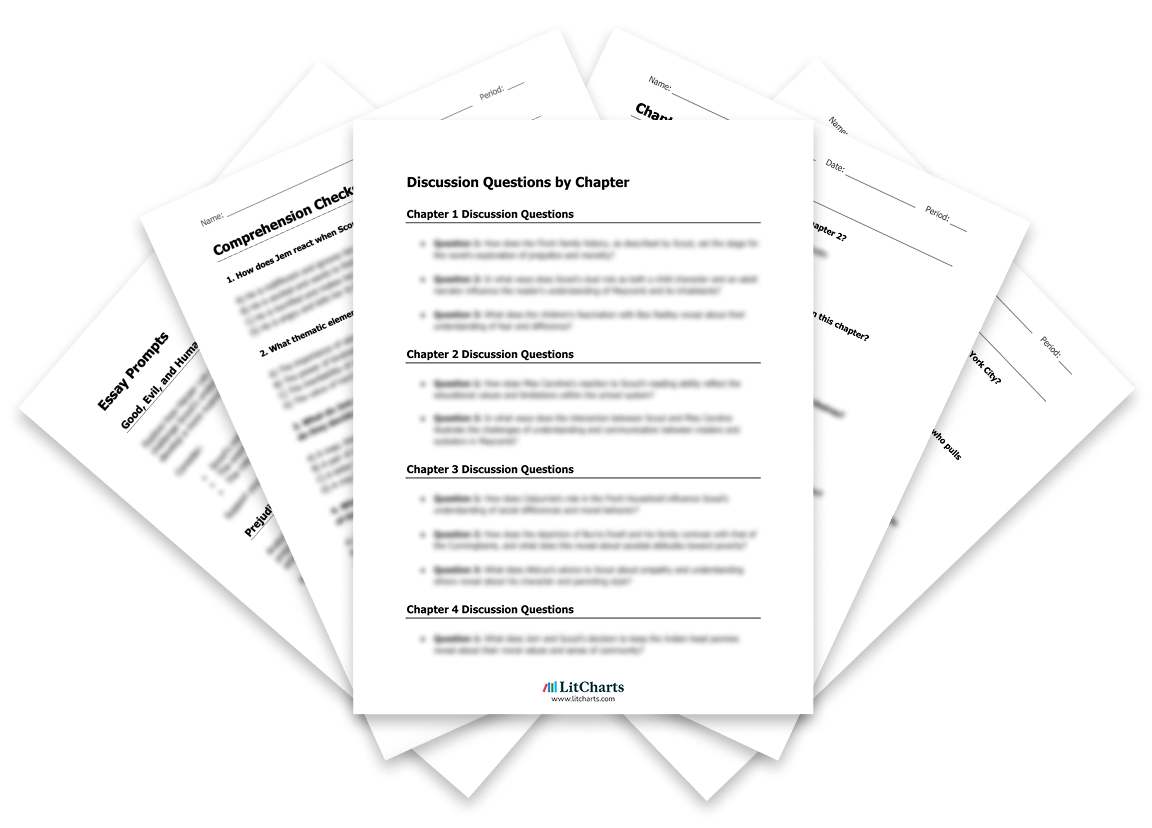


Literature Guide PDFs
LitCharts PDFs for every book you'll read this year.
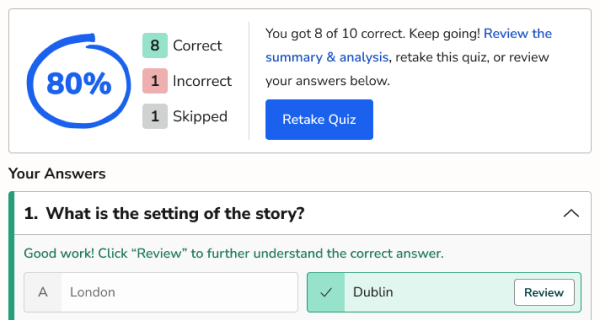
Instant PDF downloads of all 2254 LitCharts literature guides and of every new one we publish. Try a free sample literature guide.
"Would not have made it through AP Literature without the printable PDFs. They're like having in-class notes for every discussion!"








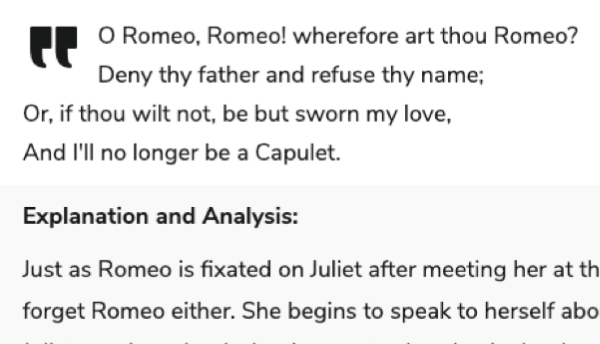
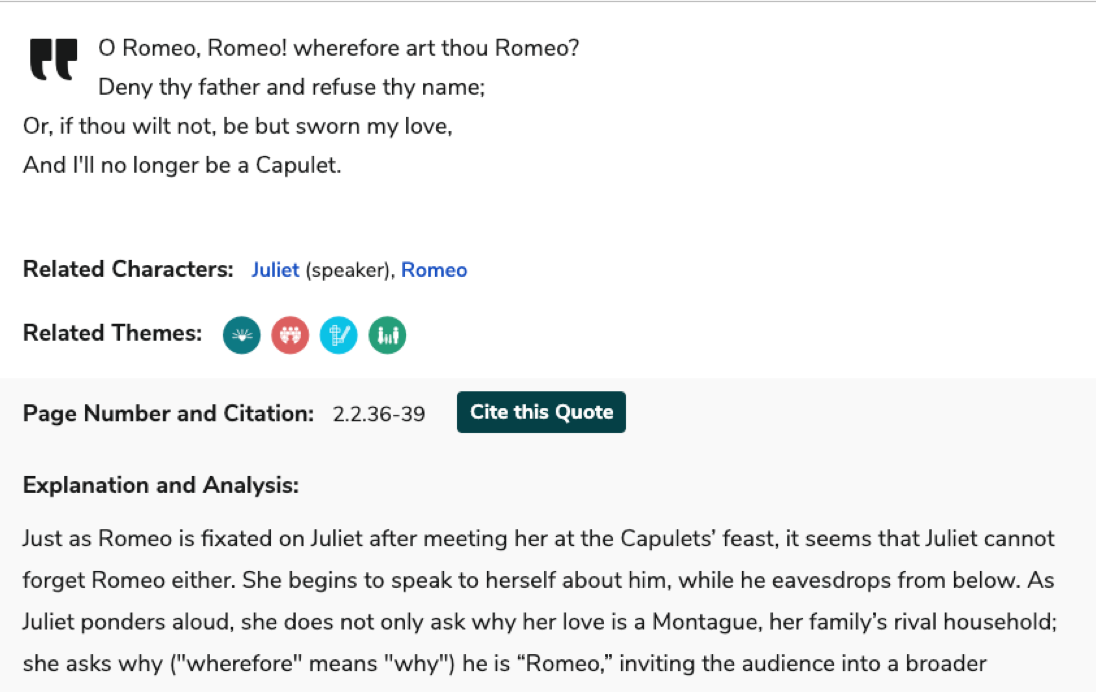
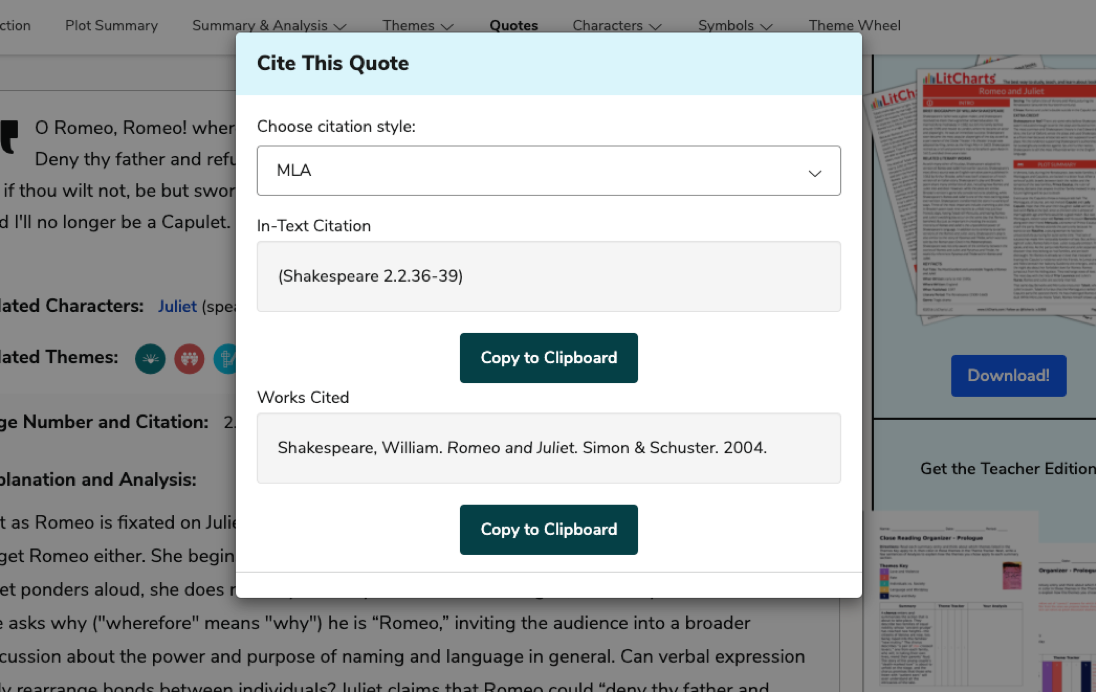
Quotes Explanations
Find the perfect quote. Understand it perfectly. Then rock the citation, too.
For all 50,258 quotes we cover.
For all 50,258 quotes we cover.



Teacher Editions
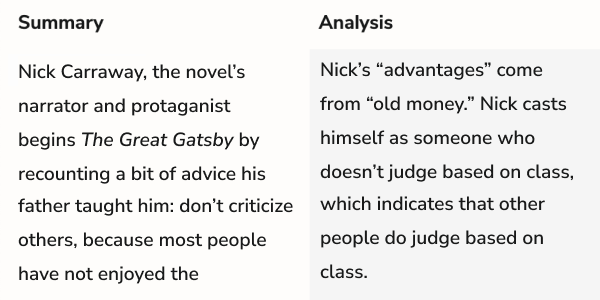
Close reading made easy for students.
Time saved for teachers.
For every book we cover.
Time saved for teachers.
For every book we cover.


Common Core-aligned


PDFs of modern translations of every one of Shakespeare's 37 plays, 154 sonnets, and 3 longer poems.

Literary Terms and Devices
Definitions and examples for every literary term and device you need to know.
Plus a quick-reference PDF with concise definitions of all 136 terms in one place.
Plus a quick-reference PDF with concise definitions of all 136 terms in one place.
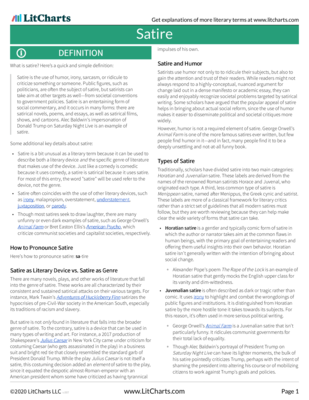
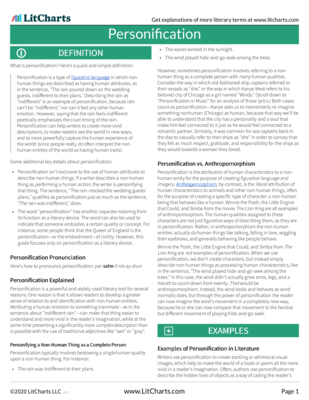
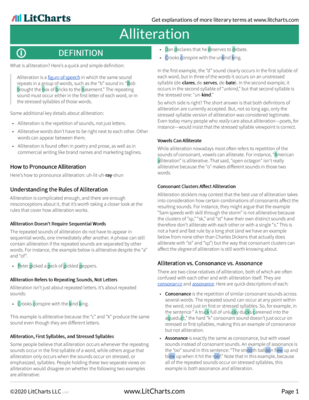
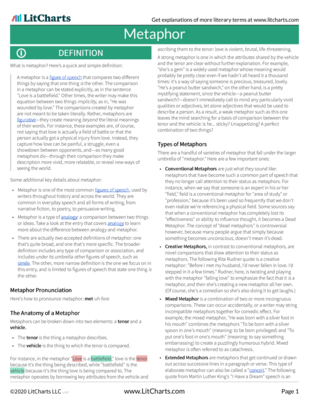
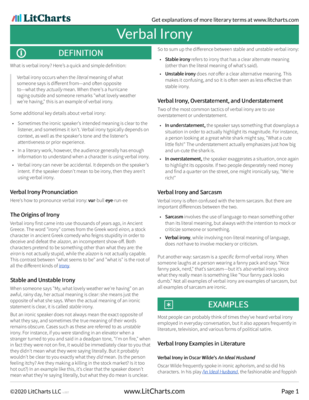
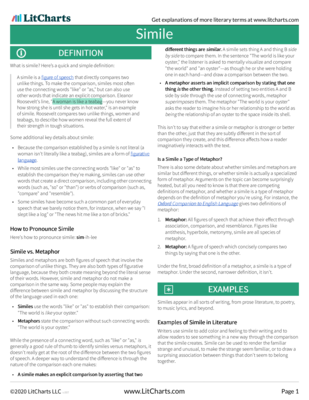
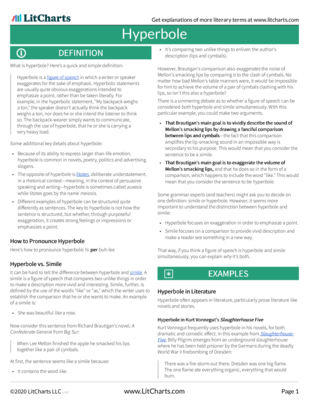
Try a free sample literary term PDF.


Advanced Search
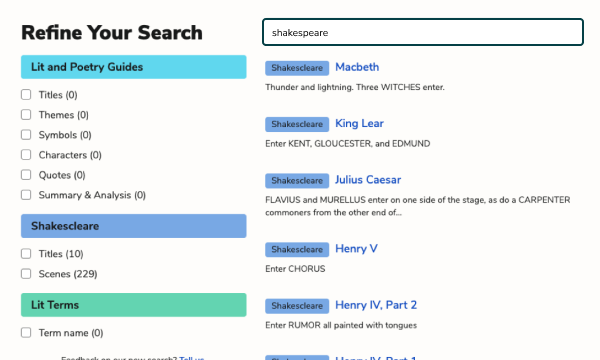
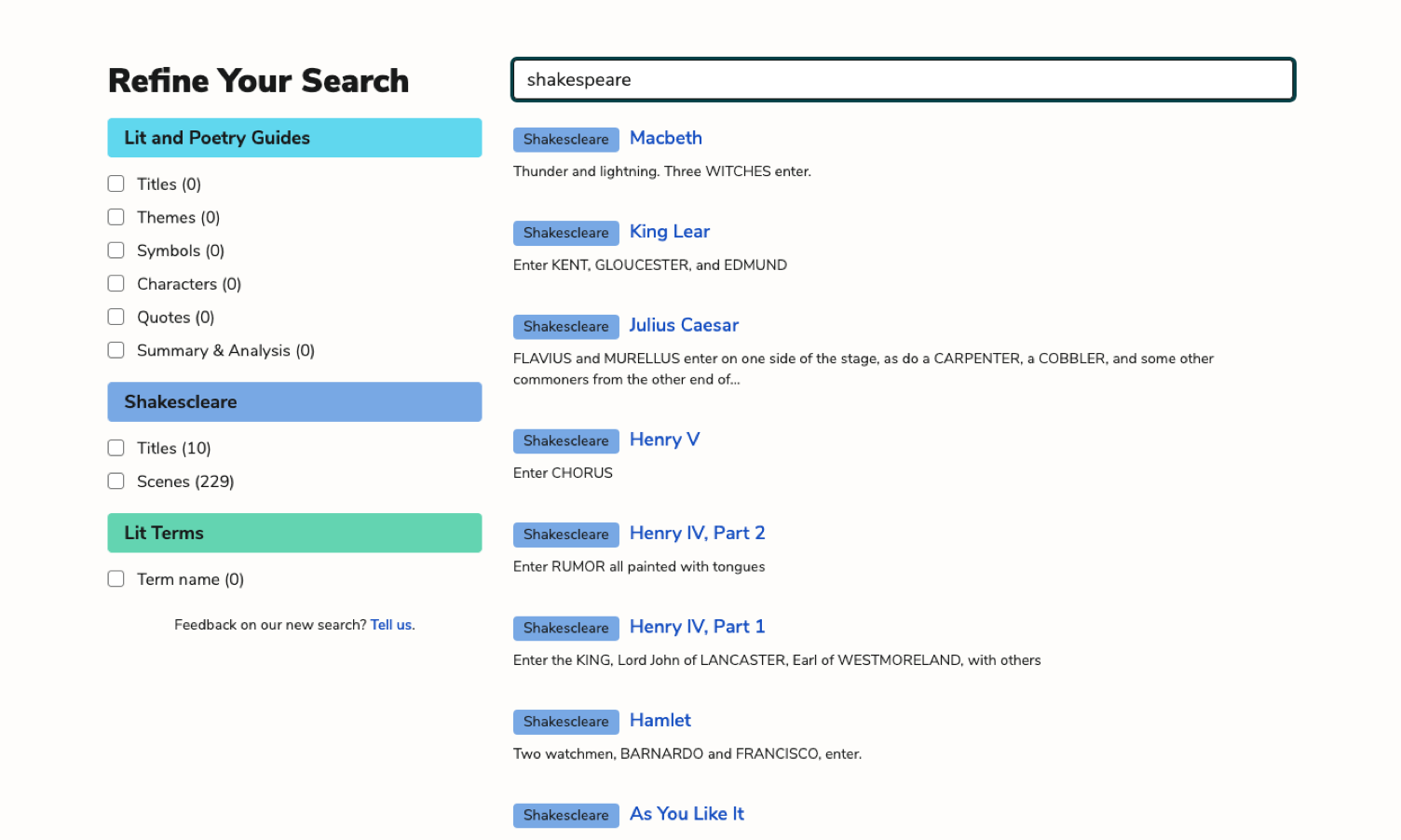
Refine any search. Find related themes, quotes, symbols, characters, and more.
Related Themes
Comparing and contrasting texts? Find where any theme occurs across all of LitCharts in seconds.



Poetry Guides
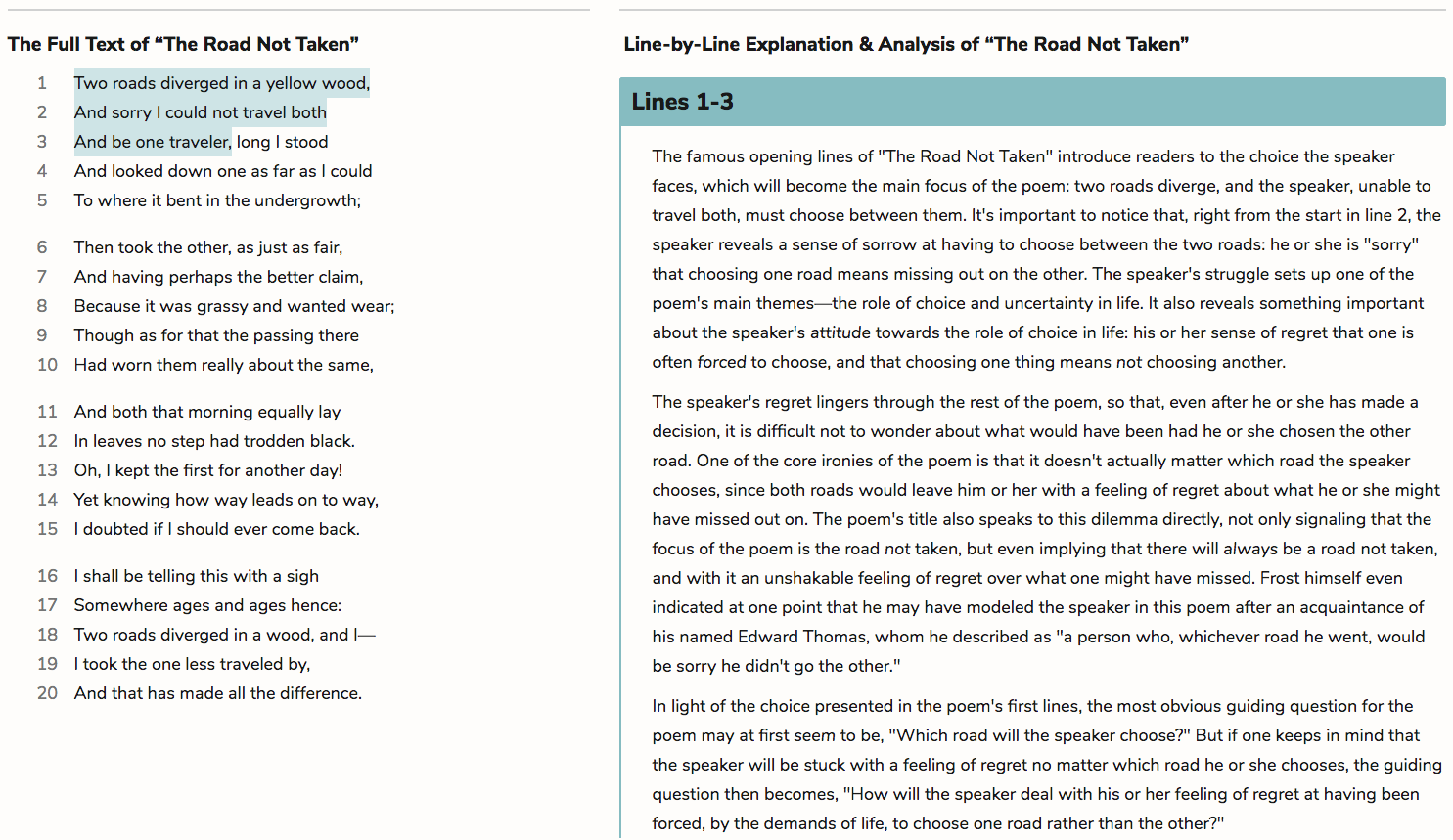
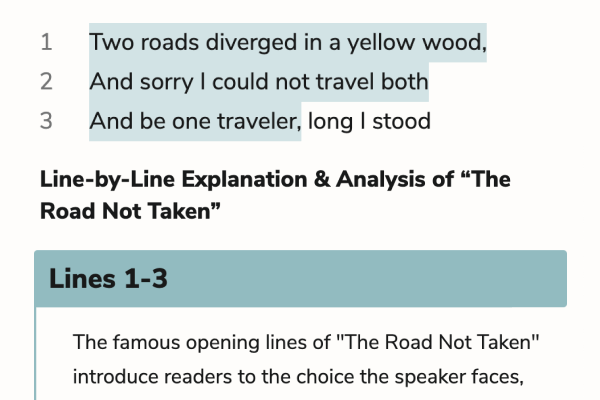
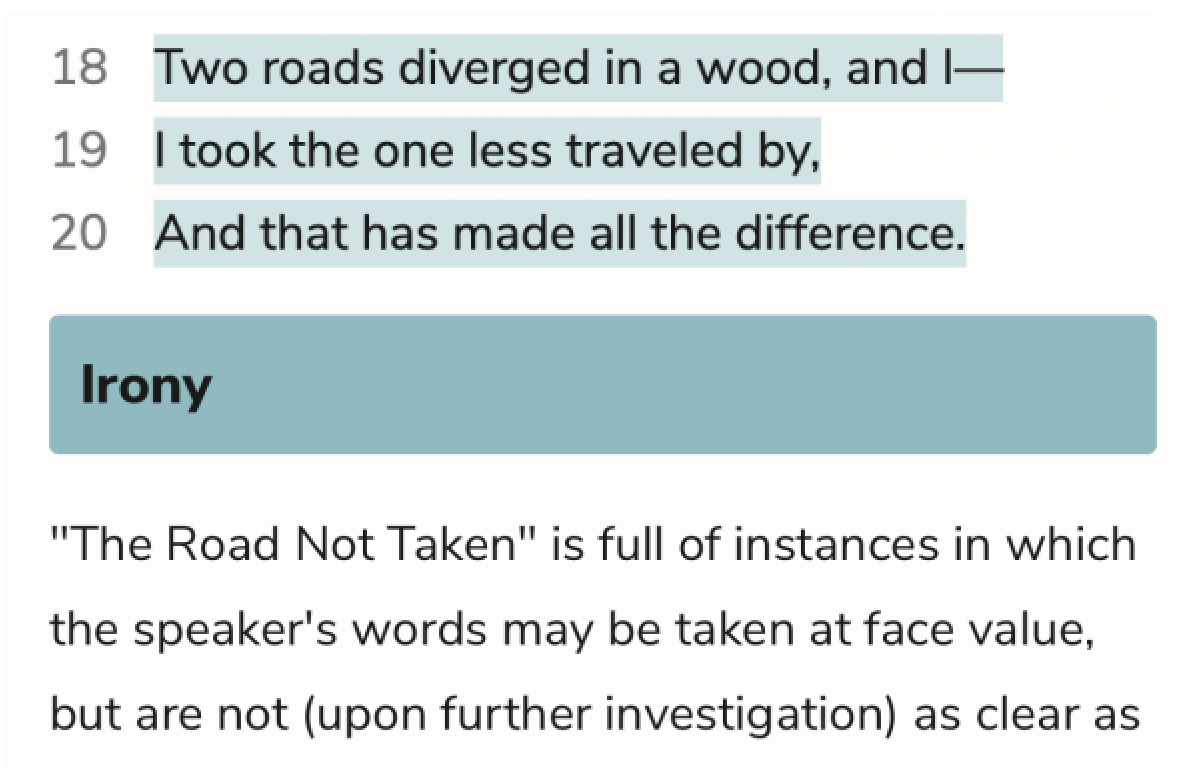
Line-by-line explanations and analysis of figurative language and poetic devices.
For every lyric poem we cover.
For every lyric poem we cover.