
|
Have questions?
Contact us
Already a member? Sign in
|
Get every literary device explanation for The Virgin SuicidesPlus so much more...
Sign up for LitCharts A+Get instant access to every literary device explanation, plus so much more...
Allusion
Explanation and Analysis—Walt Whitman:
The novel alludes to 19th-century American poet Walt Whitman in a scene in which the Lisbons' neighbors, motivated by suburban standards of politeness, attempt to express their condolences to the Lisbons following the shocking suicide of Cecilia:
Most people opted for generic cards that said “With Sympathy” or “Our Condolences,” but some of the Waspier types, accustomed to writing notes for all occasions, labored over personal responses. Mrs. Beards used a quote from Walt Whitman we took to murmuring to one another: “All goes onward and outward, nothing collapses, / and to die is different from what any one supposed, and luckier.” Chase Buell peeked at his own mother’s card as he slipped it under the Lisbons’ door. It read: “I don’t know what you’re feeling. I won’t even pretend.”
Here, Eugenides gently mocks suburban values, especially those of the "Waspier types," a phrase that refers to White, Anglo-Saxon Protestants, a demographic that has historically been associated with relative wealth and respectability in the United States. While some "opted for generic cards," others "labored over personal responses," though everyone struggles to find a way to address the difficult topics of suicide and grief. Mrs. Beards quotes Walt Whitman in her letter, drawing from Whitman's famous poem "Song of Myself." These lines in the poem suggest that death is not something to be feared, but rather, a transformation to another state of being. This allusion, then, reflects Mrs. Beards's attempt to draw helpful lessons from the canon of poetry, though the lines apply awkwardly to Cecilia's suicide, since she did not fear death, but rather, sought it out deliberately. Mrs. Buell's card, in contrast, more honestly acknowledges her inability to resolve the painful questions raised by Cecilia's death.
Monthly
Annual (Best Value)

$595USD/mo
Charged $71.40 USD every year
 Teacher
$795USD/mo
Charged $95.40 USD every year
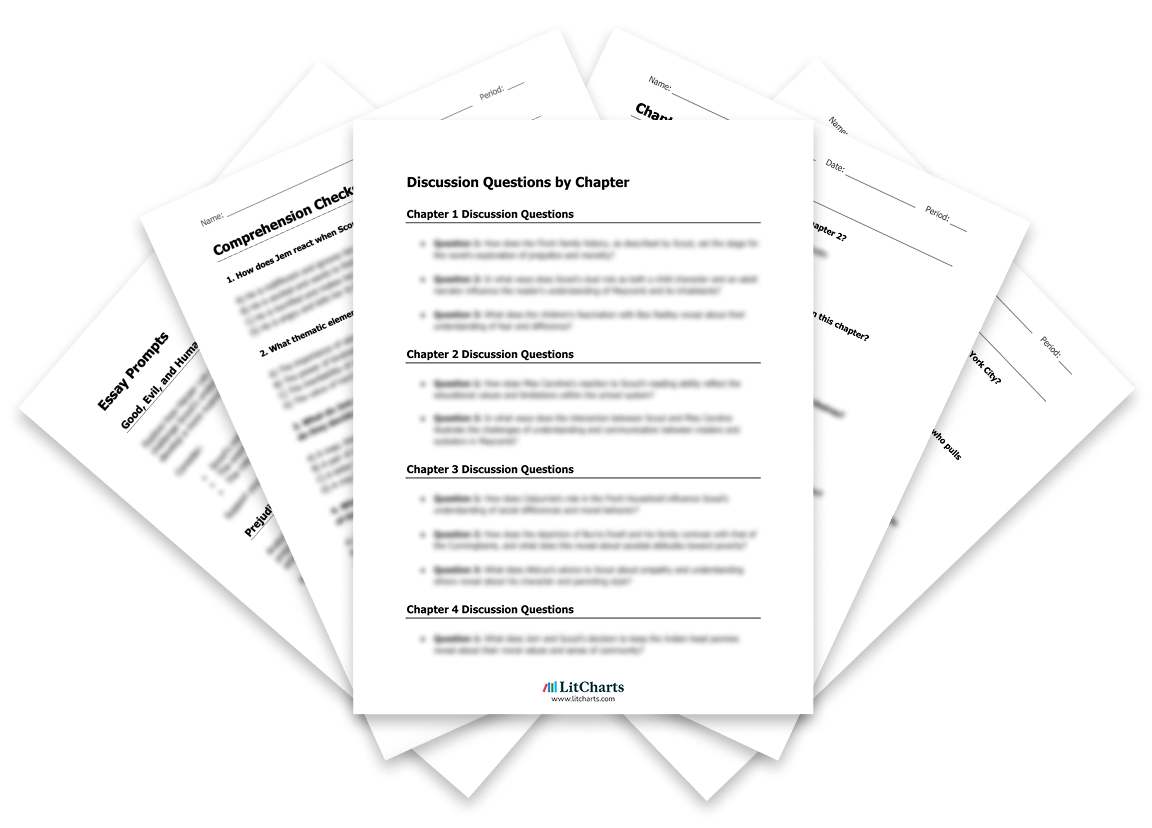


Literature Guide PDFs
LitCharts PDFs for every book you'll read this year.
Instant PDF downloads of all 2242 LitCharts literature guides and of every new one we publish. Try a free sample literature guide.
"Would not have made it through AP Literature without the printable PDFs. They're like having in-class notes for every discussion!"



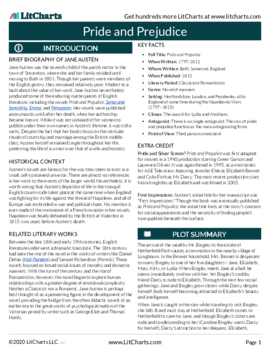


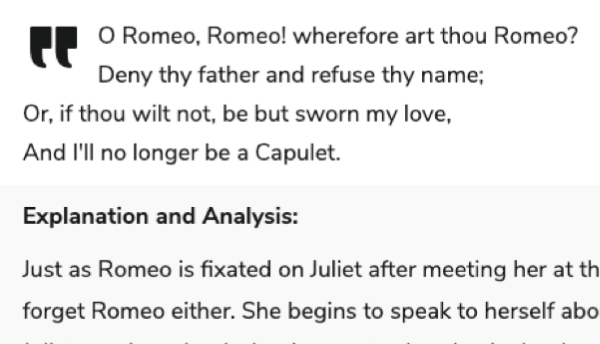
Quotes Explanations
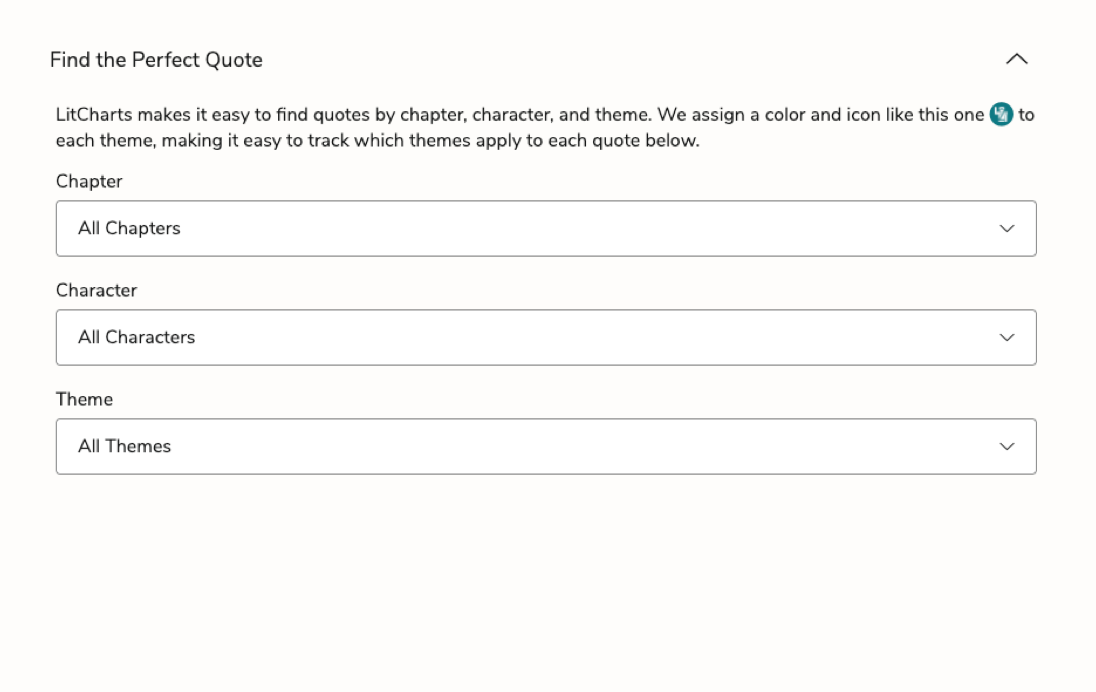
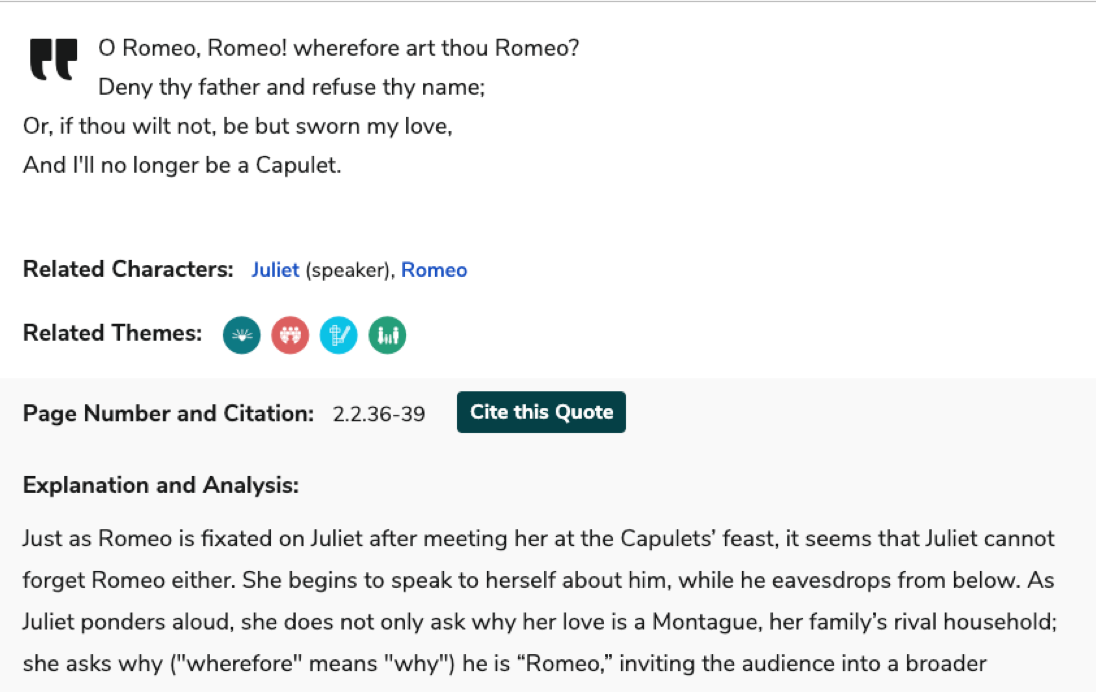
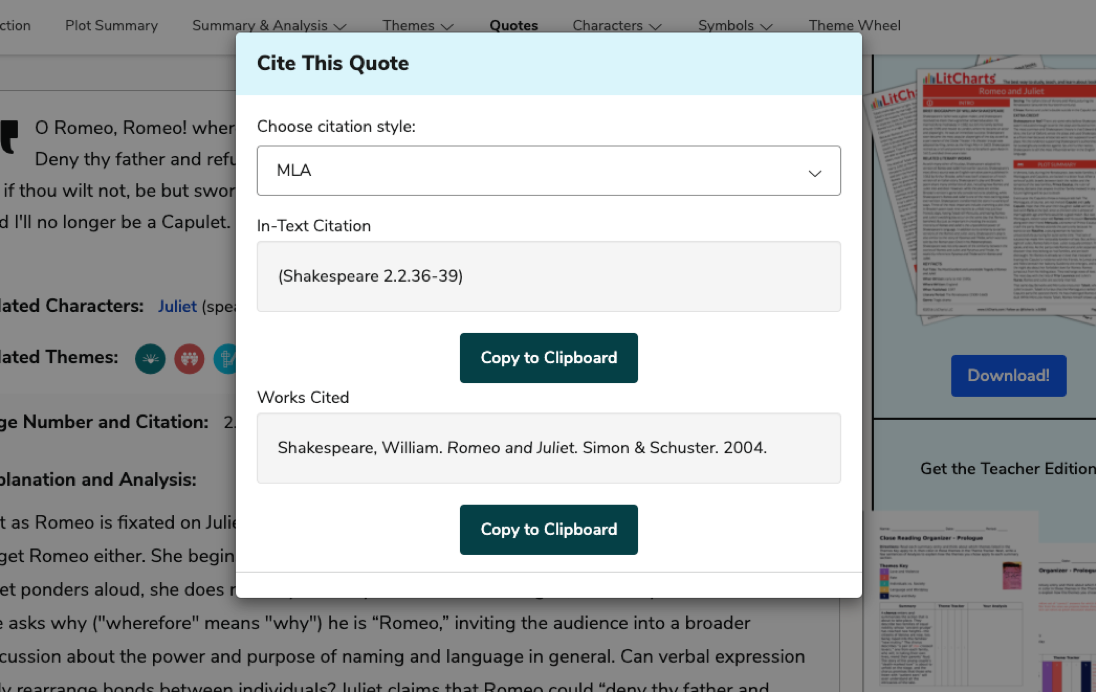
Find the perfect quote. Understand it perfectly. Then rock the citation, too.
For all 49,991 quotes we cover.
For all 49,991 quotes we cover.


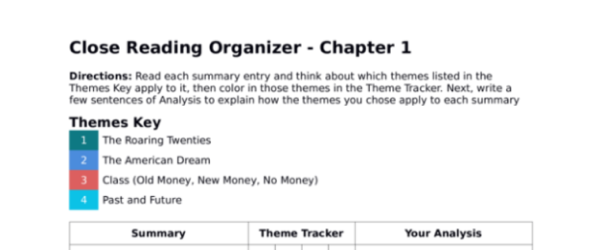
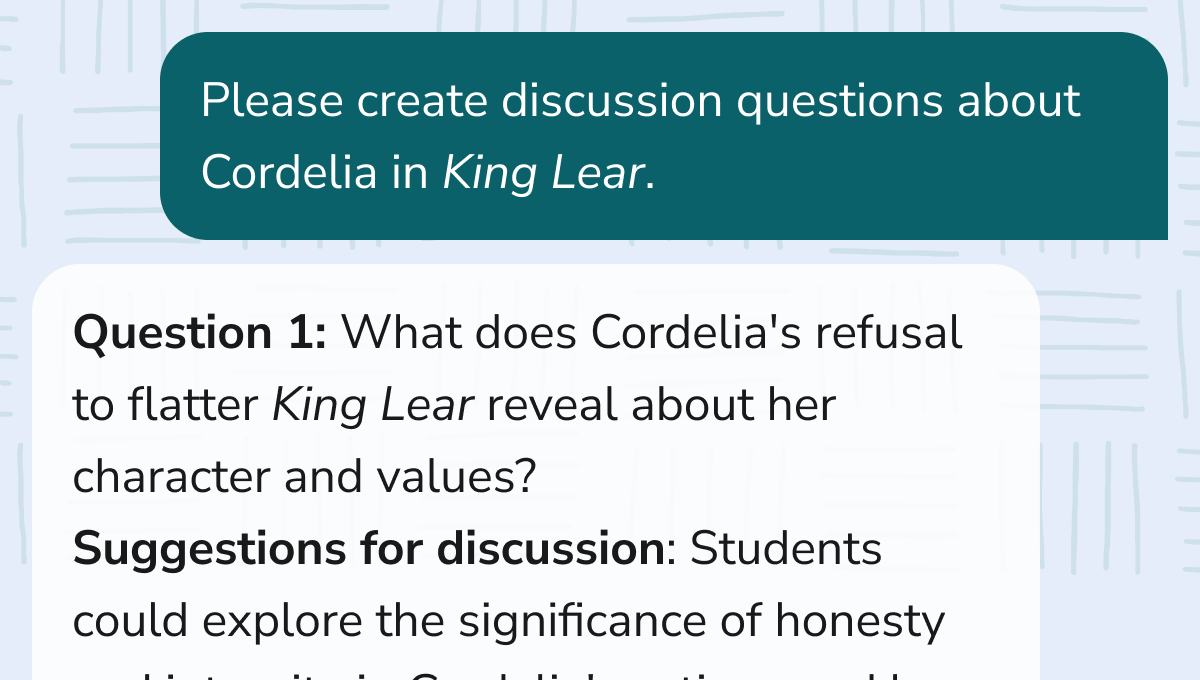
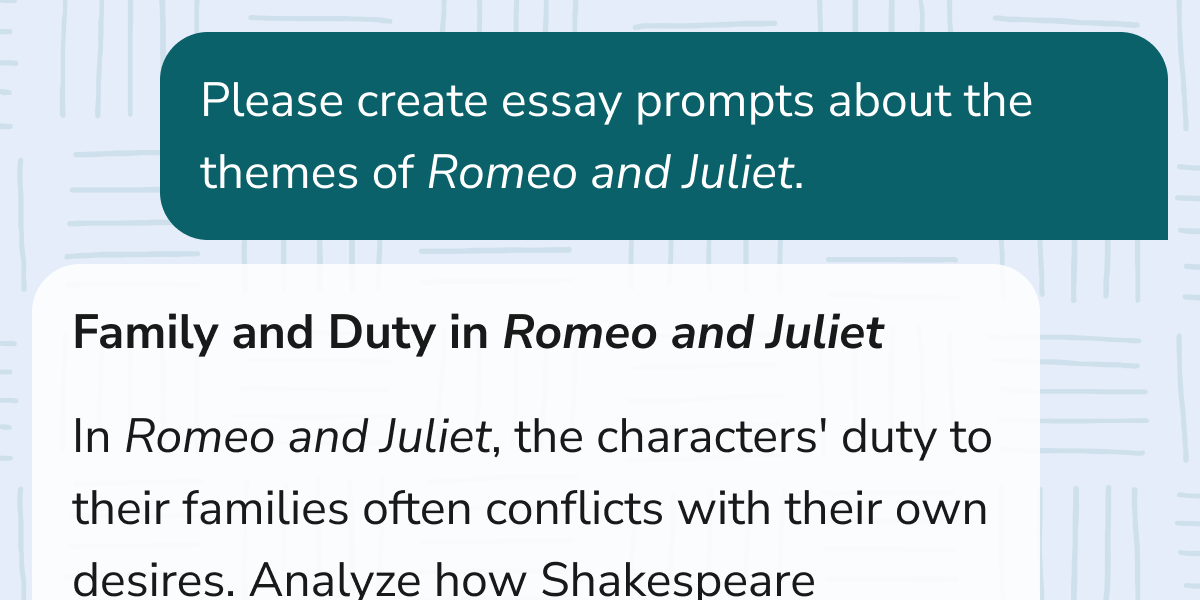
Teacher Editions
Close reading made easy for students.
Time saved for teachers.
For every book we cover.
Time saved for teachers.
For every book we cover.


Common Core-aligned


PDFs of modern translations of every one of Shakespeare's 37 plays, 154 sonnets, and 3 longer poems.

Literary Terms and Devices
Definitions and examples for every literary term and device you need to know.
Plus a quick-reference PDF with concise definitions of all 136 terms in one place.
Plus a quick-reference PDF with concise definitions of all 136 terms in one place.
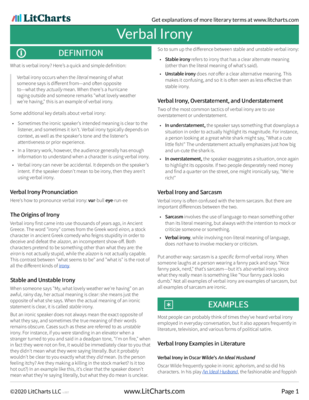
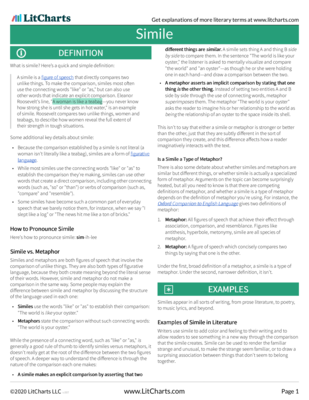
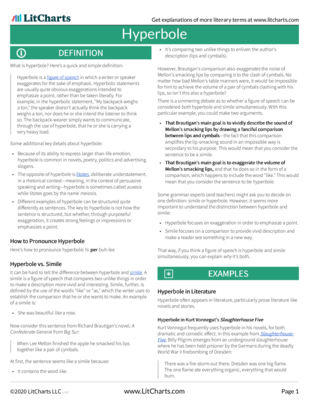
Try a free sample literary term PDF.


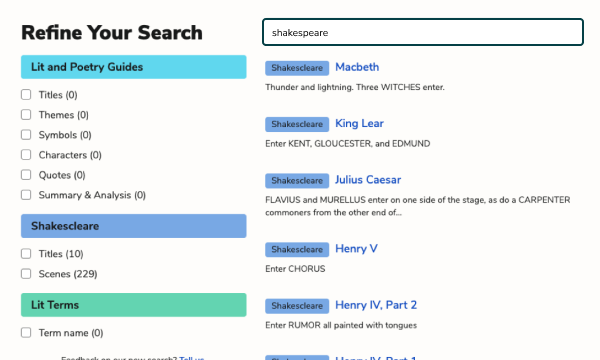
Advanced Search
Refine any search. Find related themes, quotes, symbols, characters, and more.
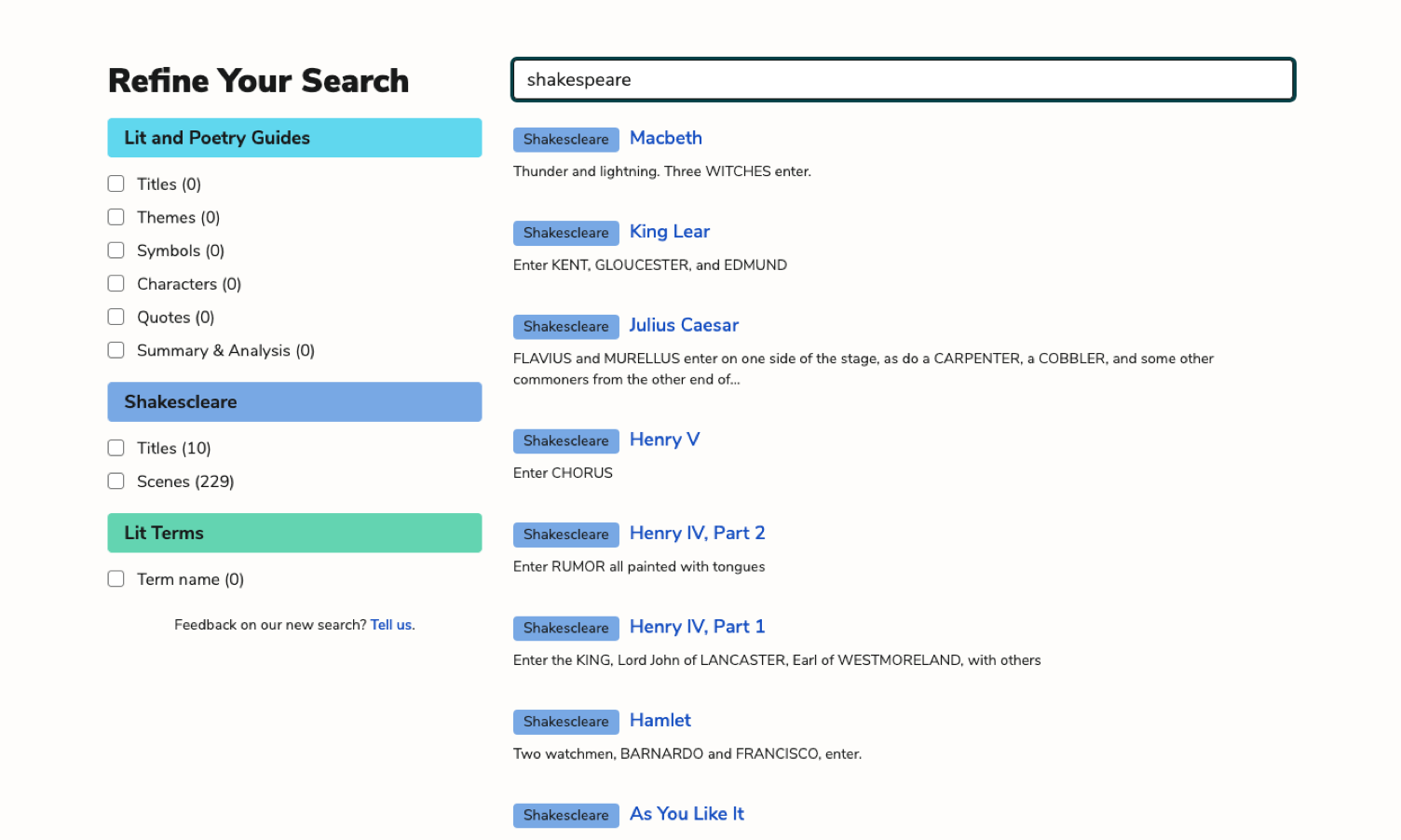

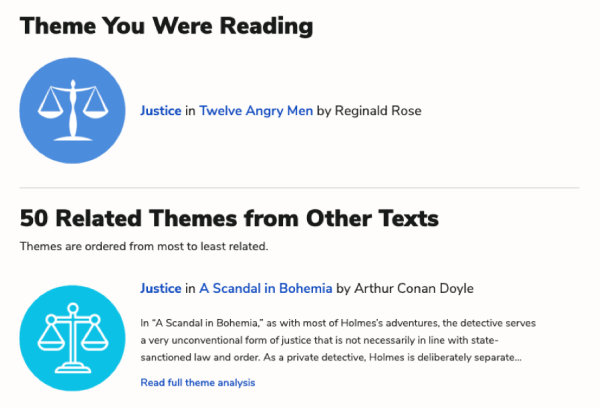
Related Themes
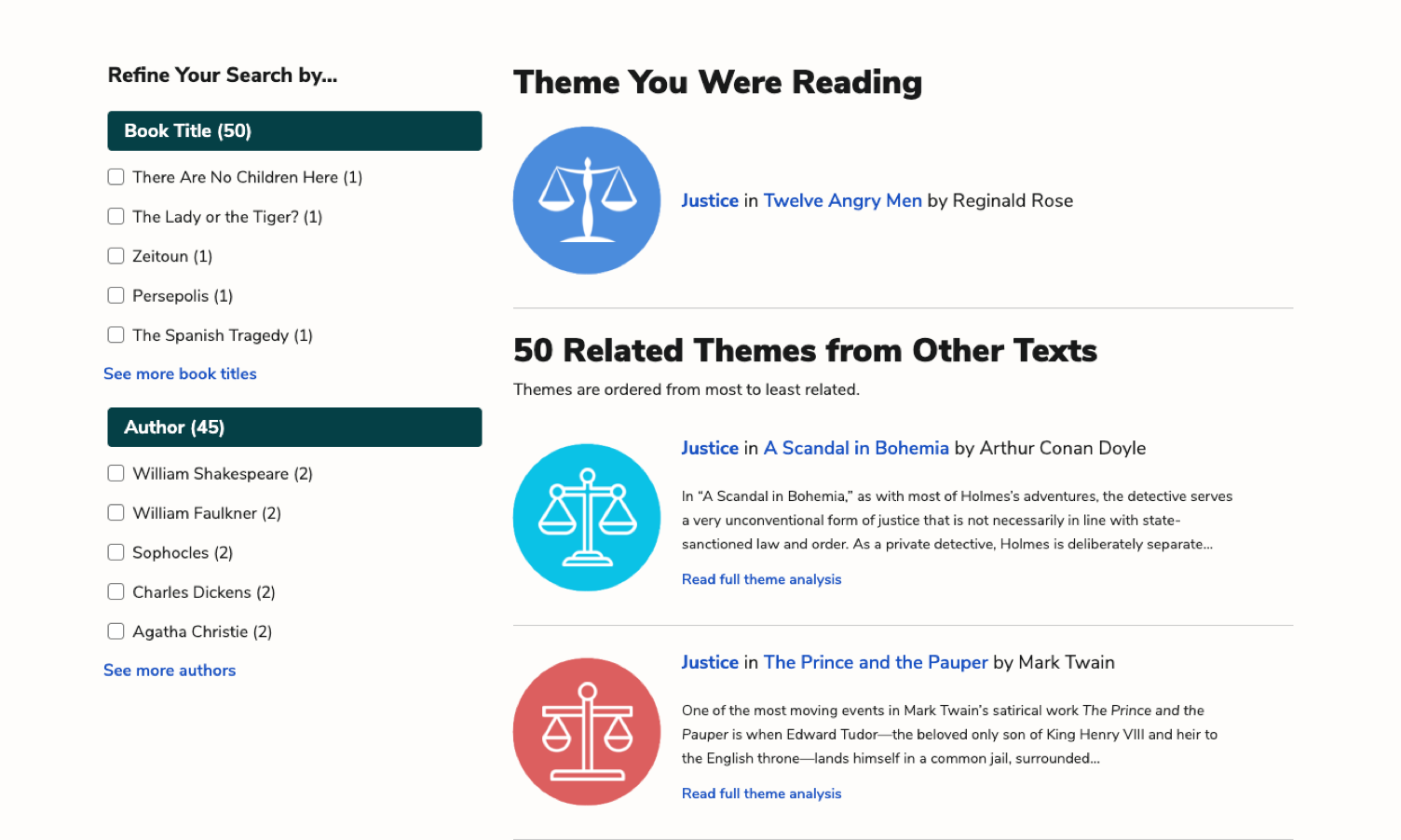
Comparing and contrasting texts? Find where any theme occurs across all of LitCharts in seconds.


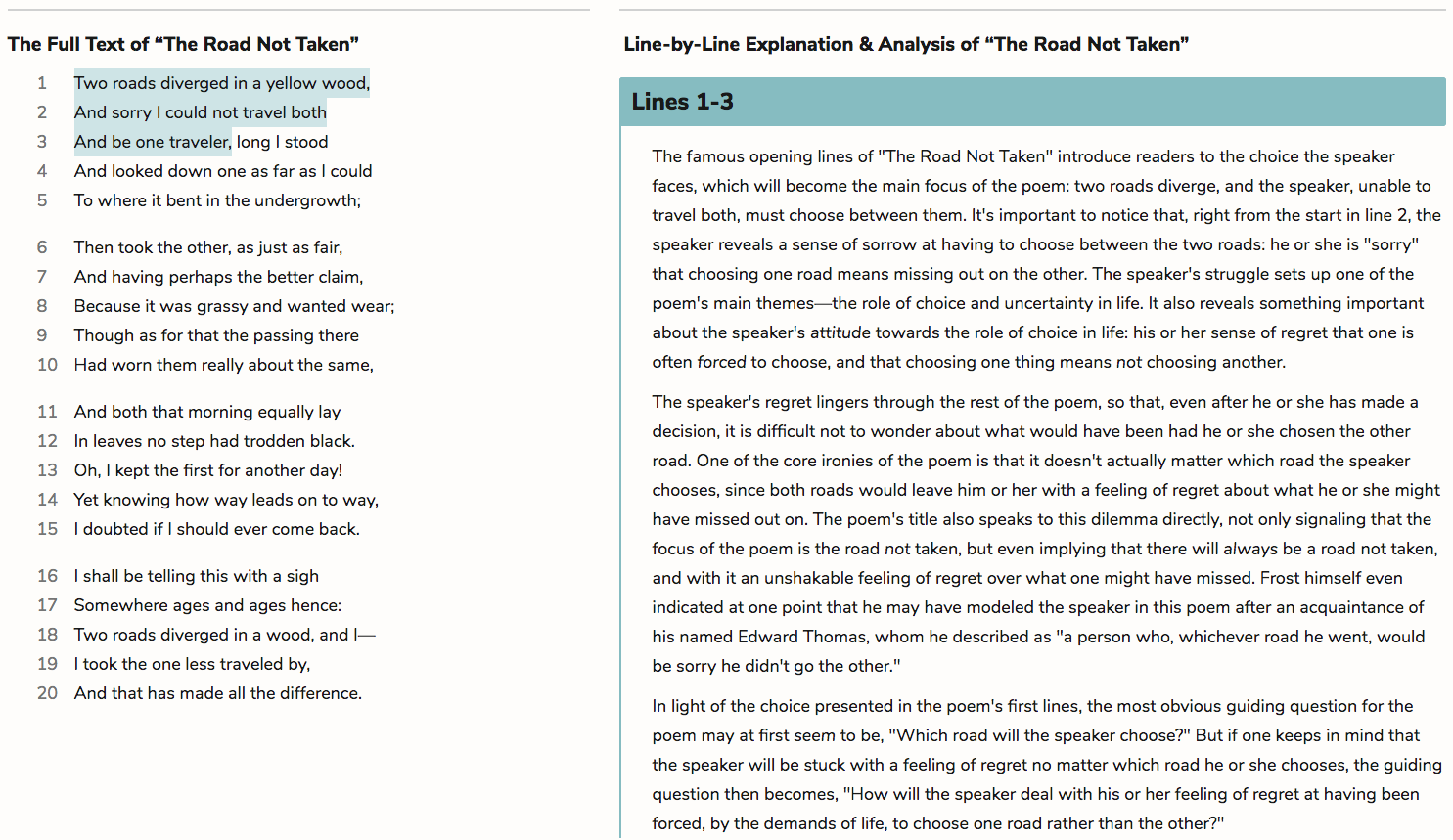
Poetry Guides
Line-by-line explanations and analysis of figurative language and poetic devices.
For every lyric poem we cover.
For every lyric poem we cover.