
|
Have questions?
Contact us
Already a member? Sign in
|
Get every literary device explanation for Adventures of Huckleberry FinnPlus so much more...
Sign up for LitCharts A+Get instant access to every literary device explanation, plus so much more...
Allusion
Explanation and Analysis—Abolitionism:
Near the beginning of his time on the Mississippi River with Jim, Huck learns that Jim is running away because he doesn’t want to be sold and end up separated from his wife and kids. After sharing this with Huck, Jim asks Huck not to tell anyone, and Huck's response contains both an allusion and foreshadowing:
“People would call me a low-down Abolitionist and despise me for keeping mum—but that don’t make no difference. I ain’t agoing to tell, and I ain’t agoing back there anyways.”
Here, Huck alludes to Abolitionism, a pre-Civil War movement to end slavery, led by both Black and white Americans (primarily in the Northern states). While Black Abolitionists faced the brunt of physical violence, white Abolitionists also faced repercussions—including mob attacks—for publicly showing their support for Black people.
Though Huck is acting of his own self-interest here—he “ain’t agoing back there” to tell anyone about Jim because he himself wants to run away and be free from his abusive father, Pap—his declaration that he doesn’t care if he’s seen as an Abolitionist foreshadows his genuine desire and efforts to help Jim become free. Over the course of the novel, Huck moves from passively helping Jim move toward freedom to actively caring for him and doing whatever he can to keep him from being recaptured.
Monthly
Annual (Best Value)

$595USD/mo
Charged $71.40 USD every year
 Teacher
$795USD/mo
Charged $95.40 USD every year
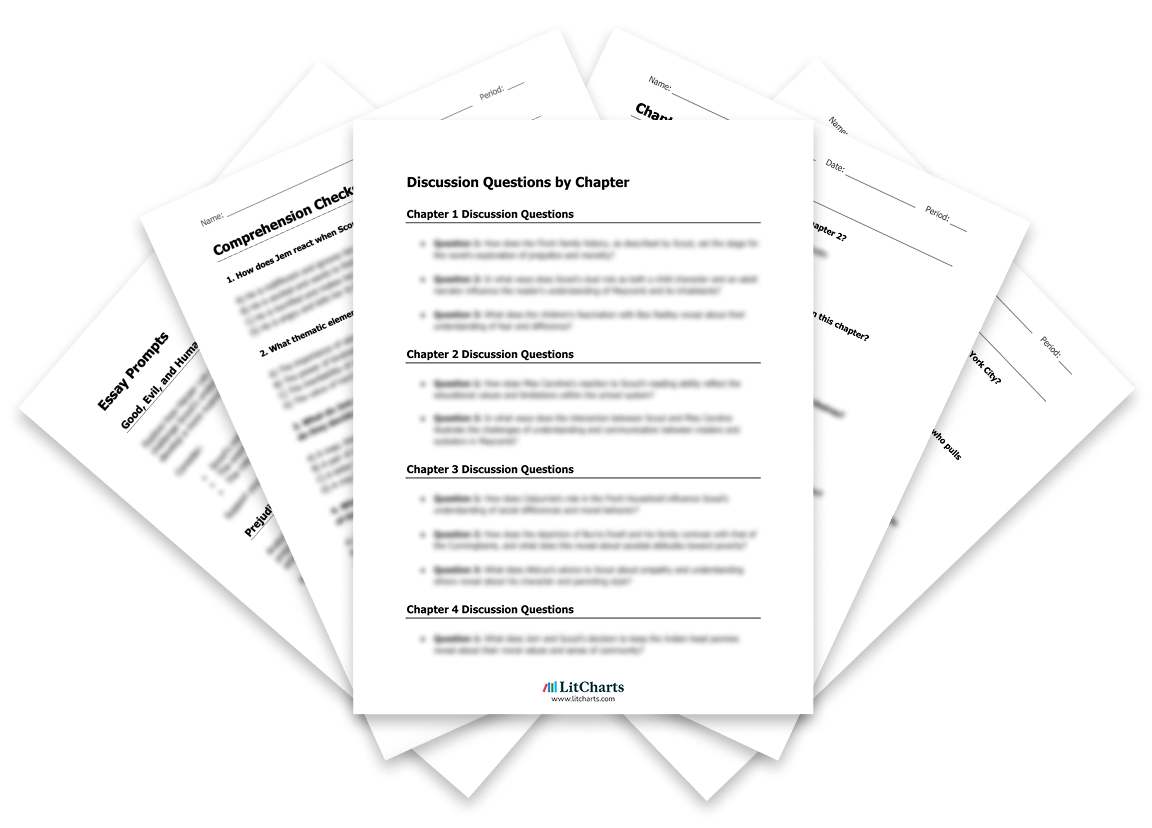
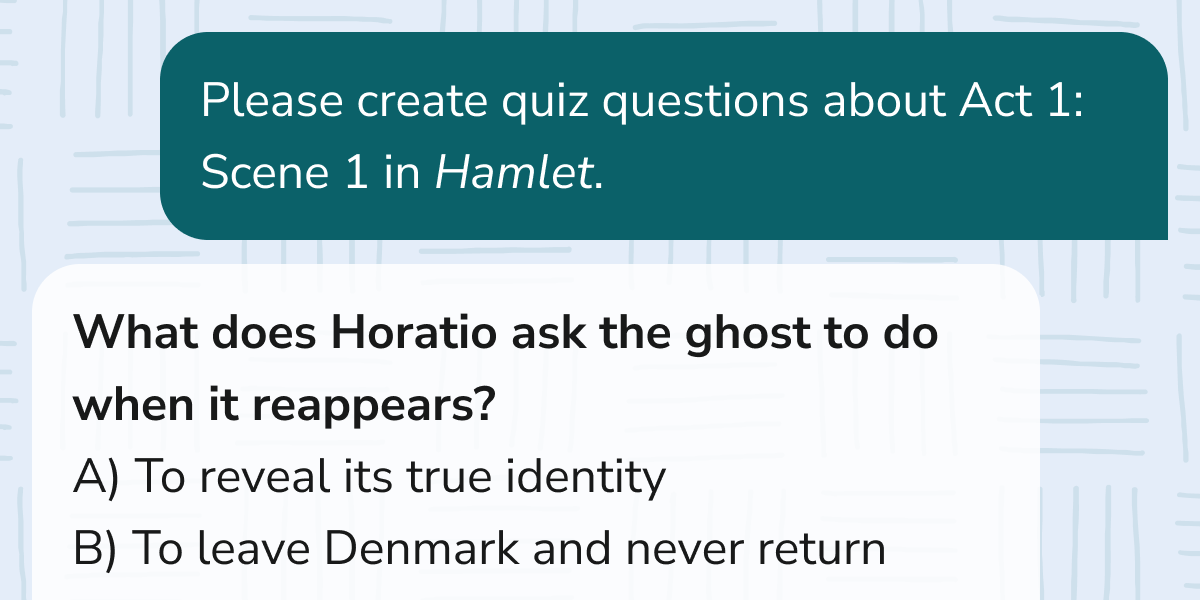


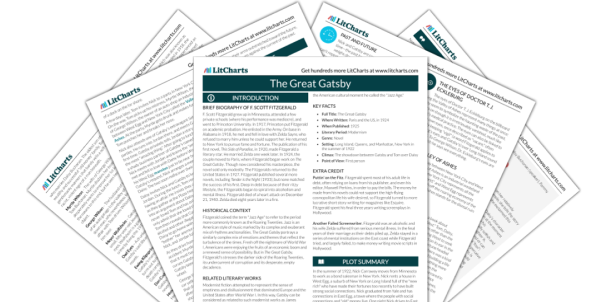
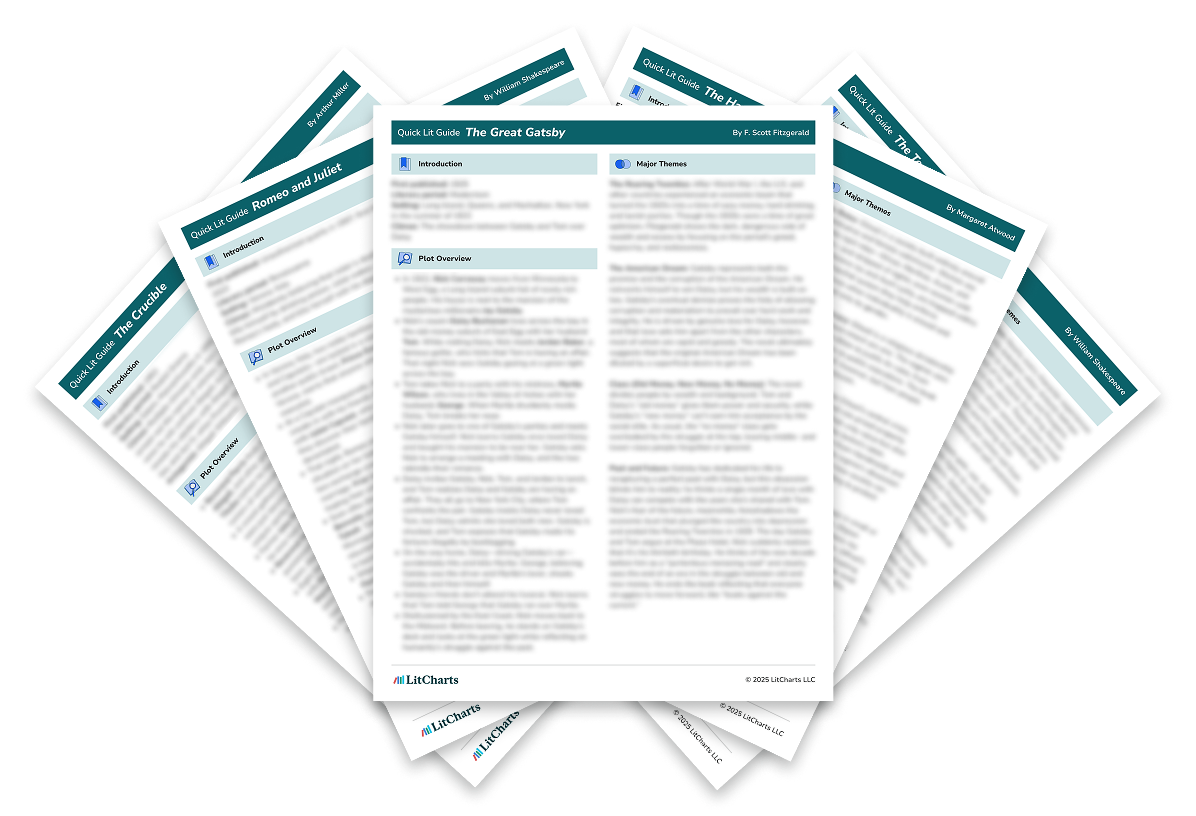
Literature Guide PDFs
LitCharts PDFs for every book you'll read this year.
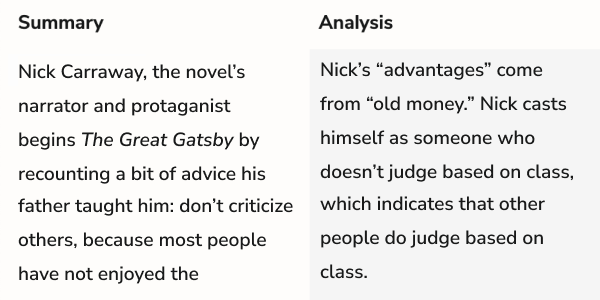
Instant PDF downloads of all 2251 LitCharts literature guides and of every new one we publish. Try a free sample literature guide.
"Would not have made it through AP Literature without the printable PDFs. They're like having in-class notes for every discussion!"




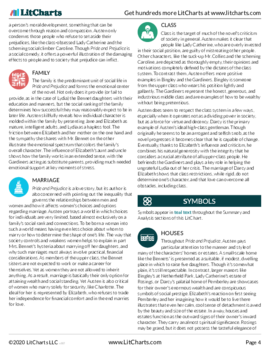
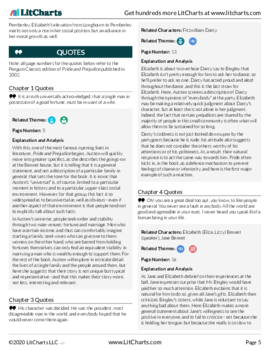



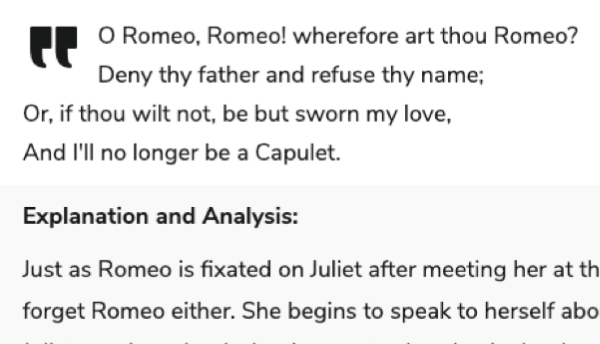
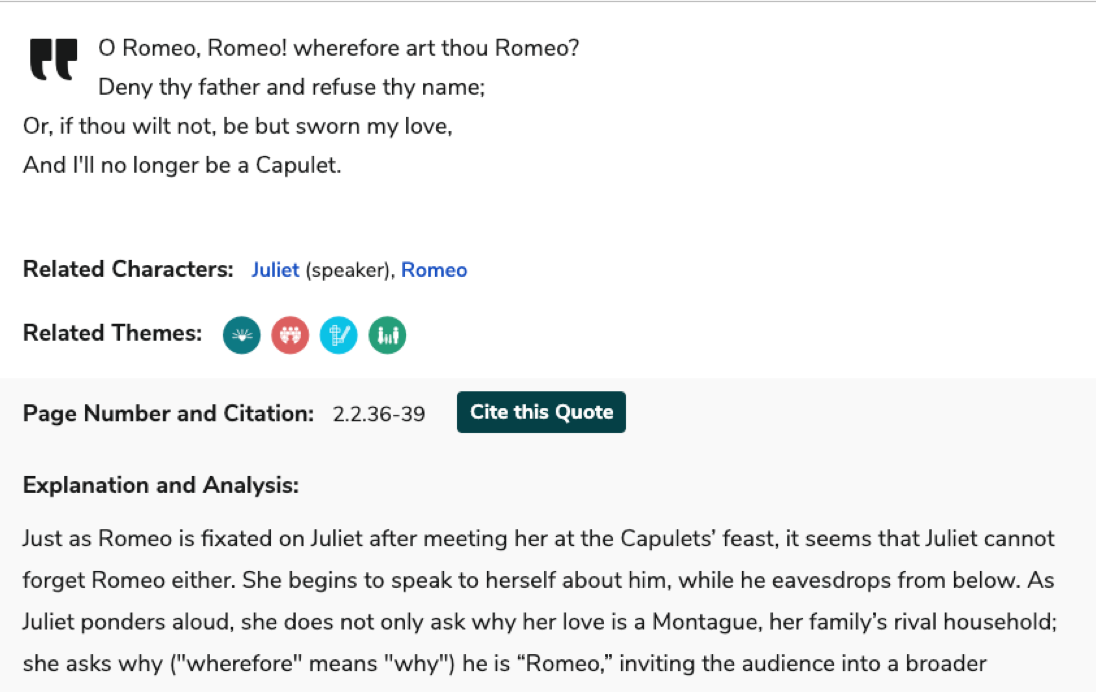
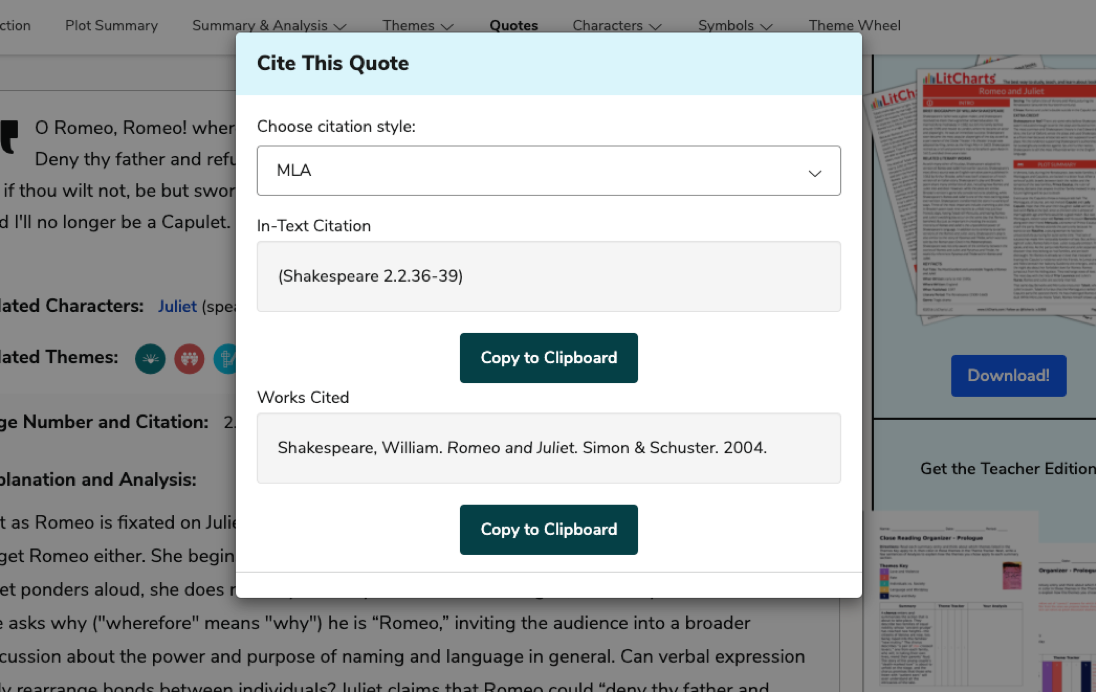
Quotes Explanations
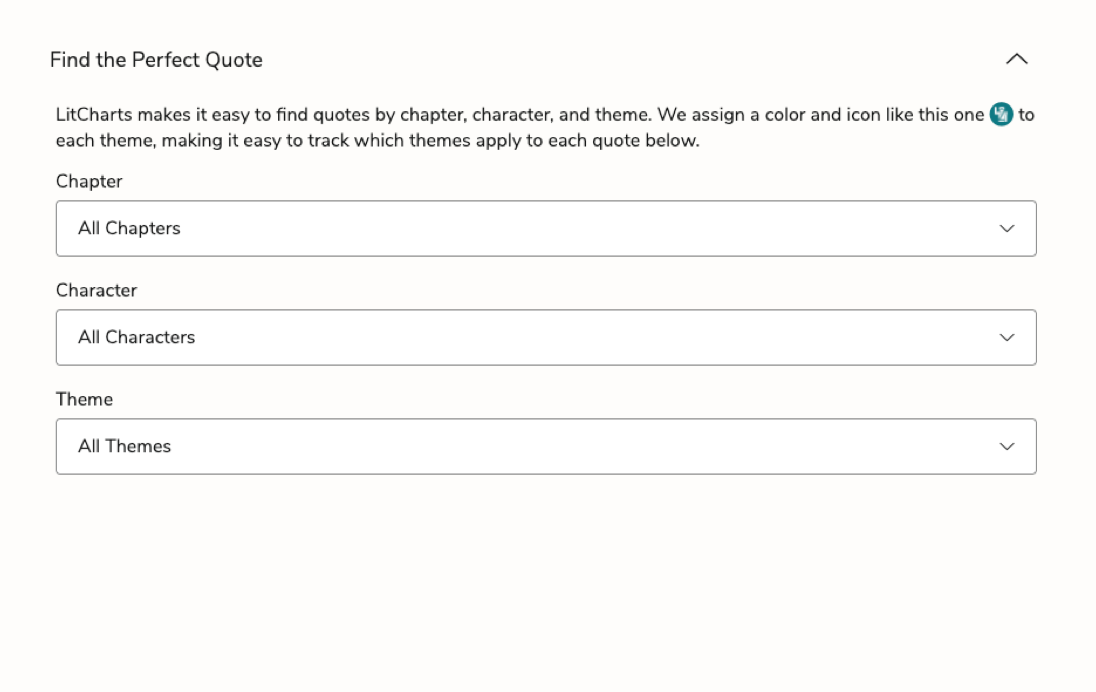
Find the perfect quote. Understand it perfectly. Then rock the citation, too.
For all 50,202 quotes we cover.
For all 50,202 quotes we cover.


Teacher Editions
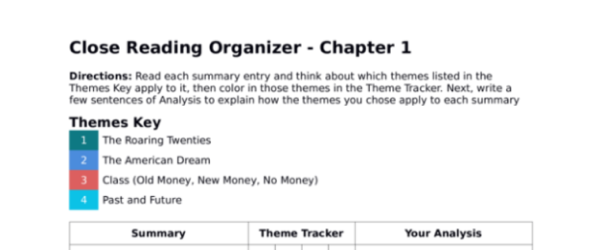
Close reading made easy for students.
Time saved for teachers.
For every book we cover.
Time saved for teachers.
For every book we cover.


Common Core-aligned


PDFs of modern translations of every one of Shakespeare's 37 plays, 154 sonnets, and 3 longer poems.

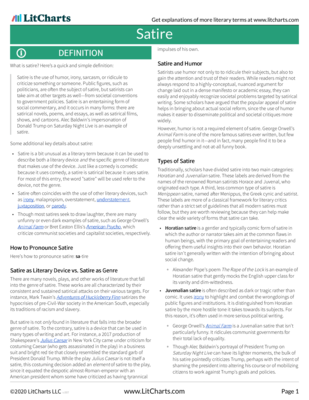
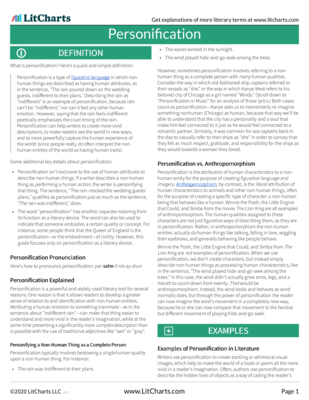
Literary Terms and Devices
Definitions and examples for every literary term and device you need to know.
Plus a quick-reference PDF with concise definitions of all 136 terms in one place.
Plus a quick-reference PDF with concise definitions of all 136 terms in one place.
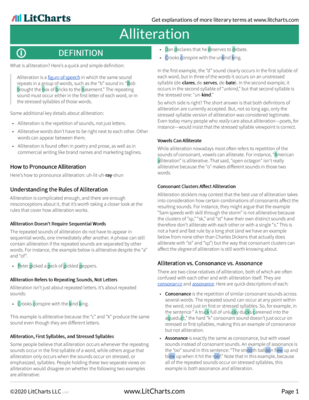
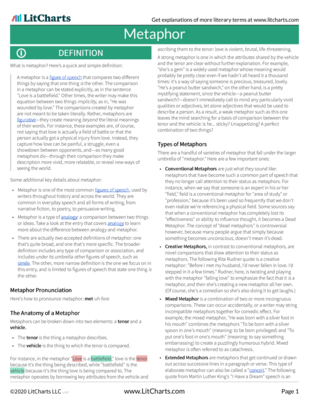
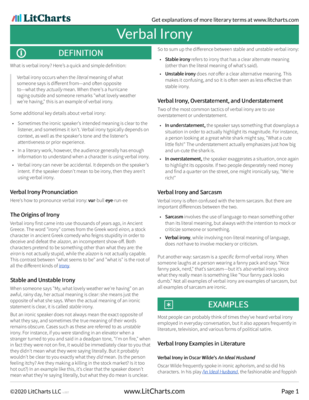
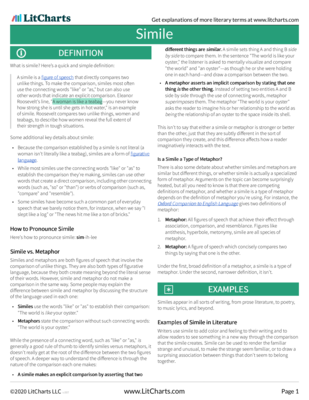
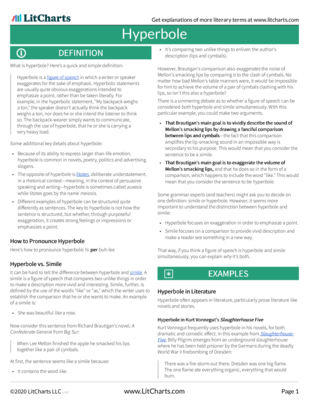
Try a free sample literary term PDF.


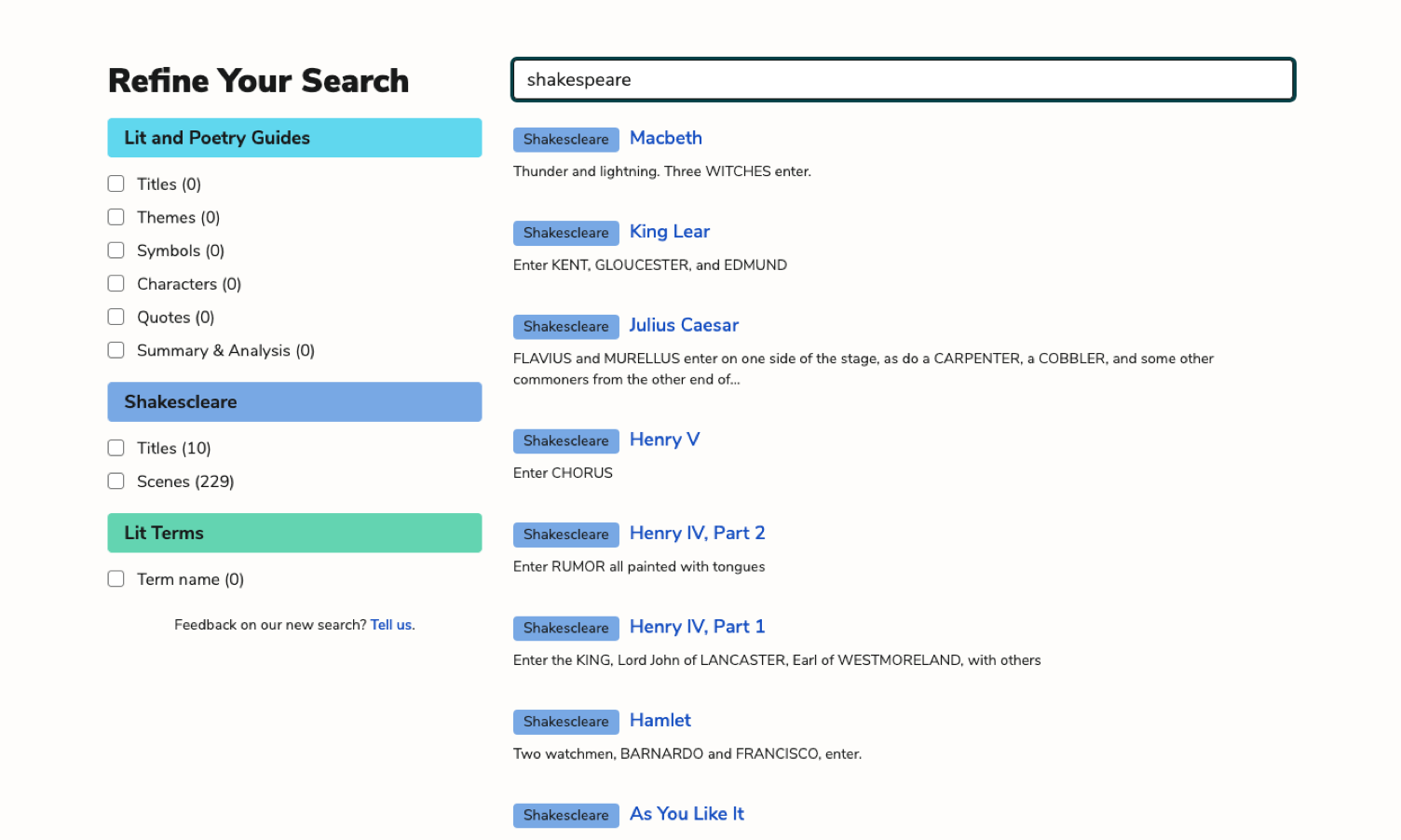
Advanced Search
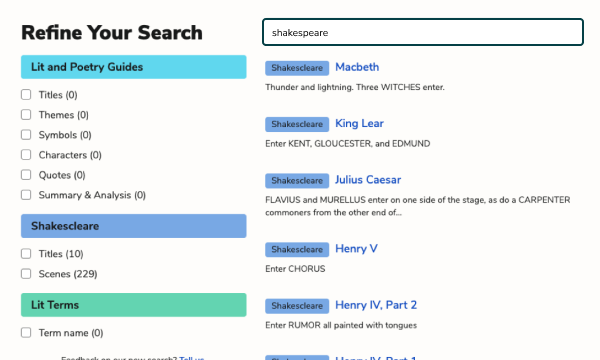
Refine any search. Find related themes, quotes, symbols, characters, and more.

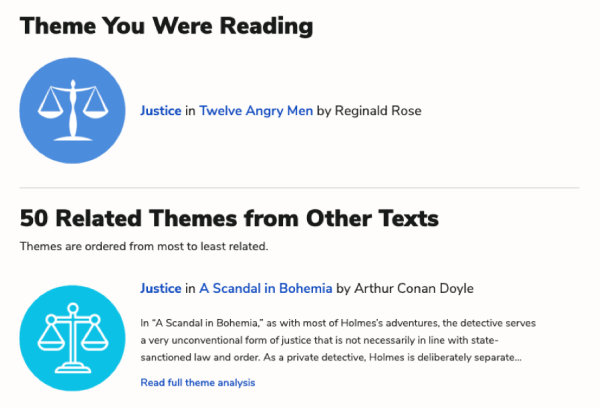
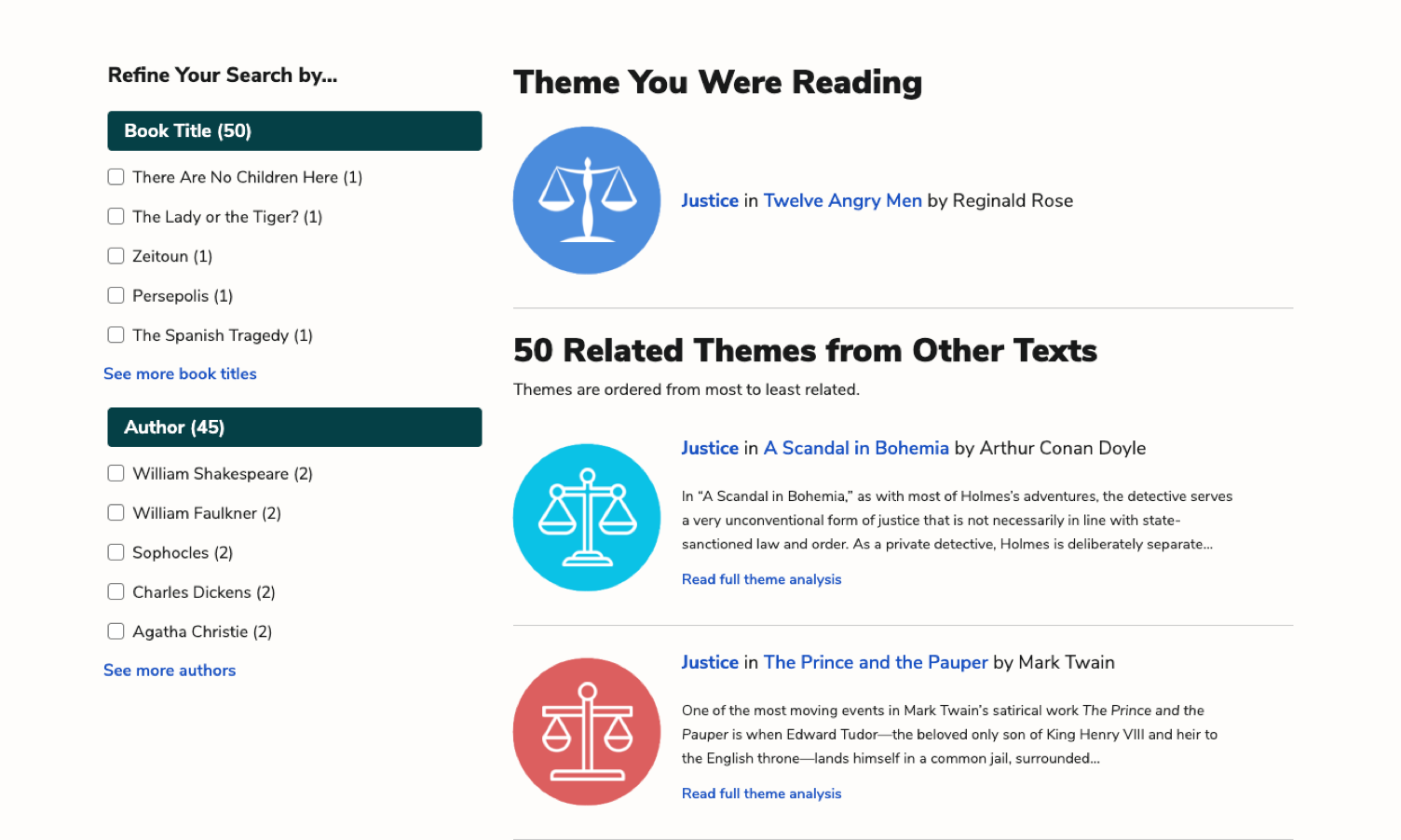
Related Themes
Comparing and contrasting texts? Find where any theme occurs across all of LitCharts in seconds.


Poetry Guides
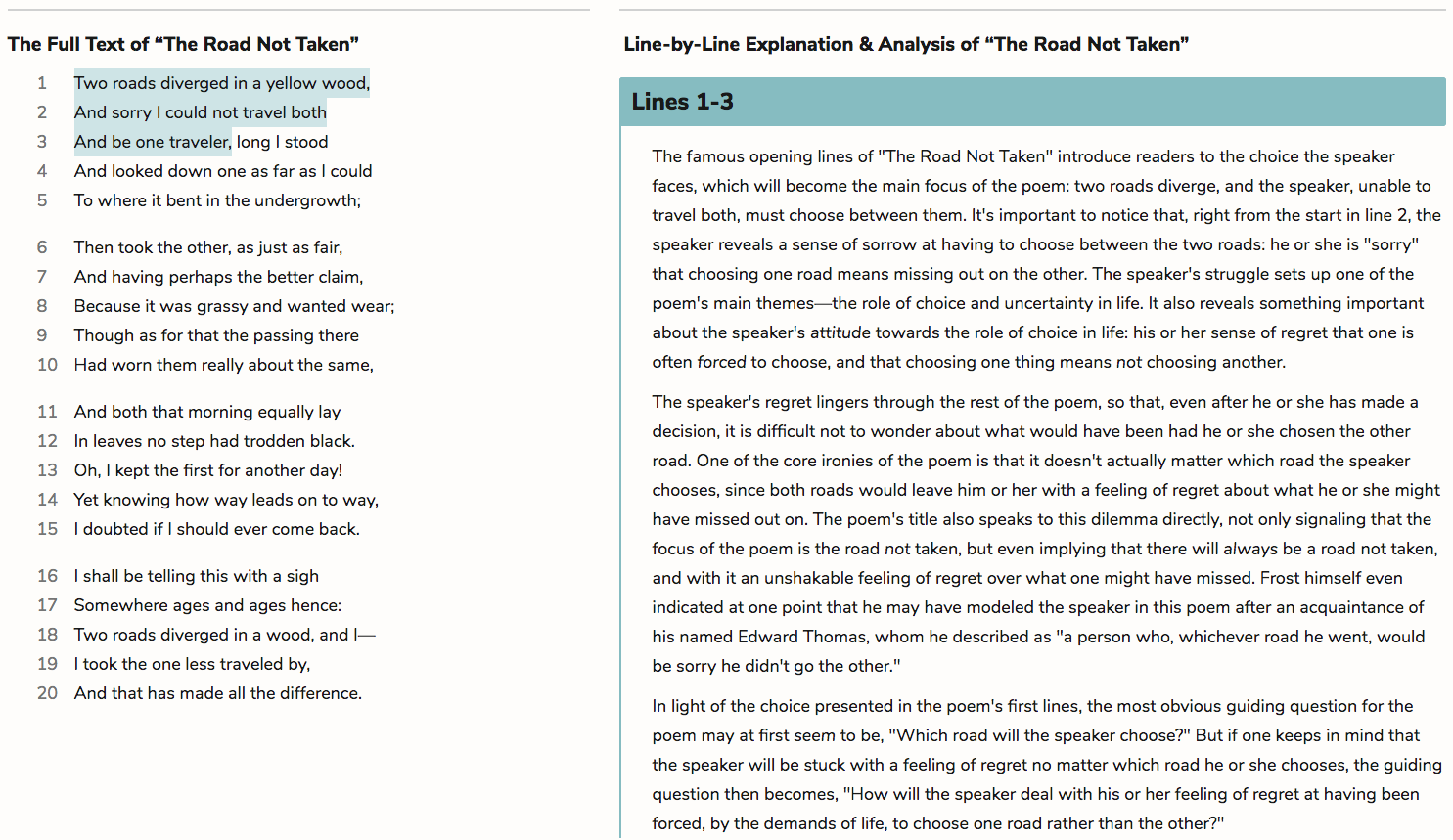
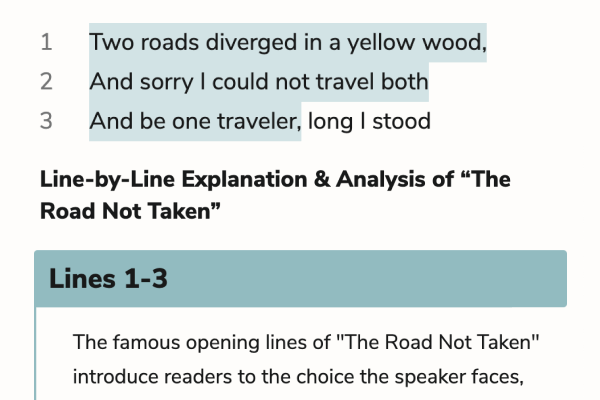
Line-by-line explanations and analysis of figurative language and poetic devices.
For every lyric poem we cover.
For every lyric poem we cover.