
|
Have questions?
Contact us
Already a member? Sign in
|
Get every literary device explanation for Julius CaesarPlus so much more...
Sign up for LitCharts A+Get instant access to every literary device explanation, plus so much more...
Allusion
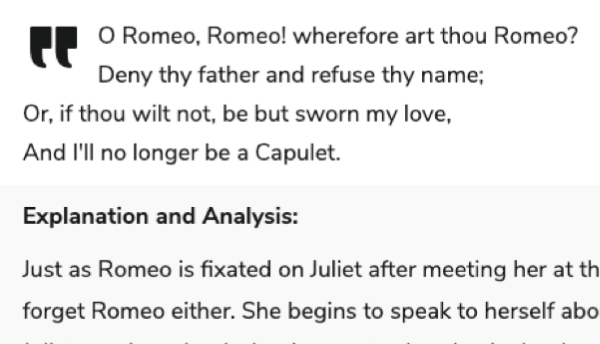
Explanation and Analysis—Big Caesar, Big Problems:
In Act 1, Scene 2, Cassius shows his disdain for Caesar as Brutus and he remark on the crowd's ecstatic reception of Caesar's victory over Pompey. He makes an allusion alludes to the Colossus of Rhodes, one of the Seven Wonders of the Ancient World, to describe Caesar's perceived stature over his peers:
BRUTUS:
I do believe that these applauses are
For some new honors that are heaped on Caesar.CASSIUS:
Why, man, he doth bestrie the narrow world
Like a Colossus, and we petty men
Walk under his huge legs and peep about
To find ourselves dishonorable graves.
The Colossus of Rhodes was a massive statue, thought in Shakespeare's time to have once stood straddling the opening of the harbor of the Greek island of Rhodes. Caesar has become a Colossus, Cassius argues, and everyone else must pass underneath him like "petty men"—poor mortals left to scamper about and clean up in the wake of Caesar's destruction.
By painting Caesar as a Colossus, who makes the rest of Rome's political class look small and weak, Cassius casts Caesar as a threat to his fellow politicians' manhood if he continues to amass power. As Shakespeare explores the power of speech to affect political sentiment, Cassius's ability to appeal to the insecurities and doubts of his peers—and to the importance of manhood and honor as prime virtues—stands out as a particularly effective mode of persuasion.
Monthly
Annual (Best Value)

$595USD/mo
Charged $71.40 USD every year
 Teacher
$795USD/mo
Charged $95.40 USD every year
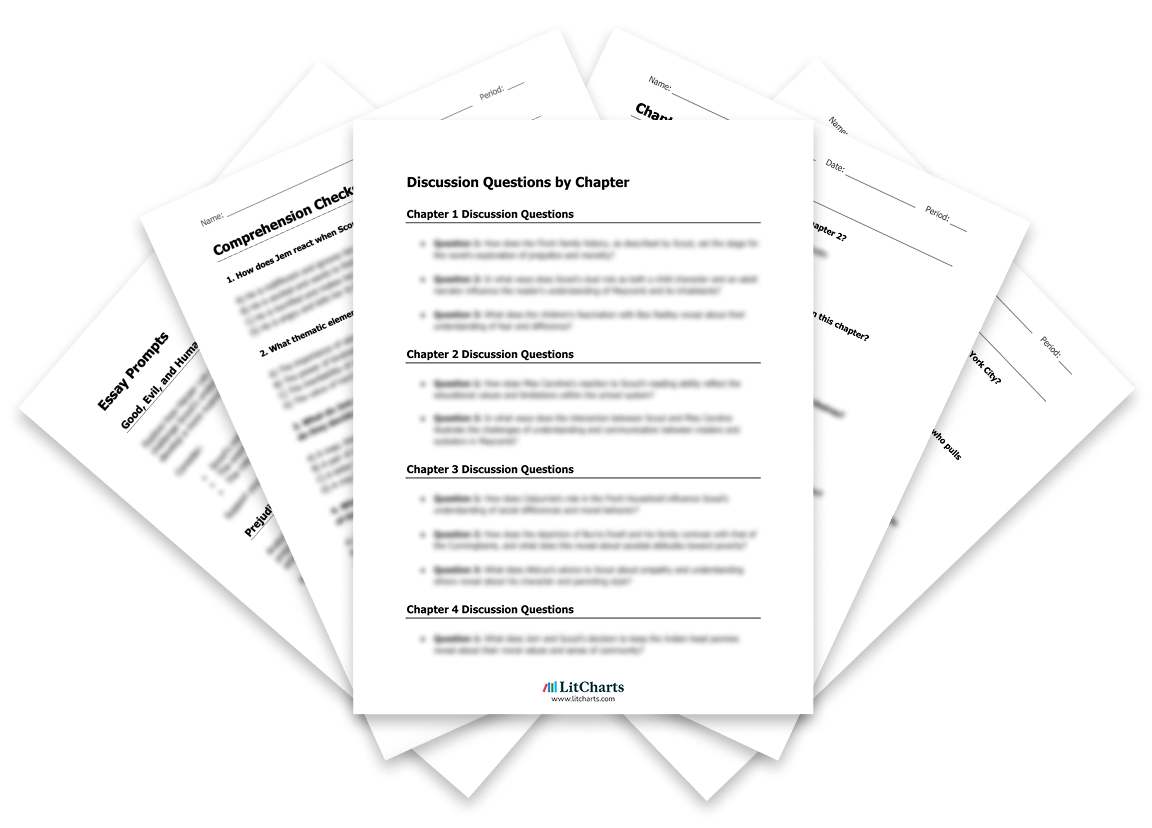


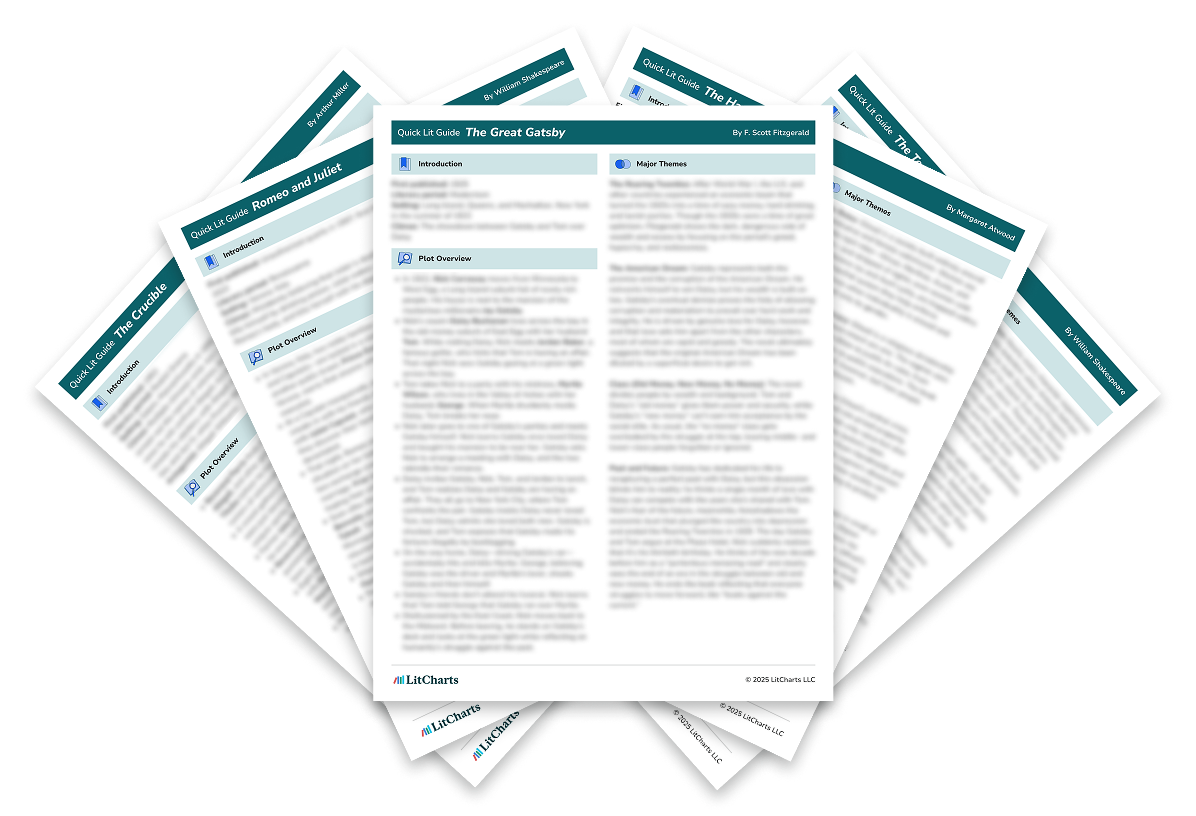
Literature Guide PDFs
LitCharts PDFs for every book you'll read this year.
Instant PDF downloads of all 2241 LitCharts literature guides and of every new one we publish. Try a free sample literature guide.
"Would not have made it through AP Literature without the printable PDFs. They're like having in-class notes for every discussion!"






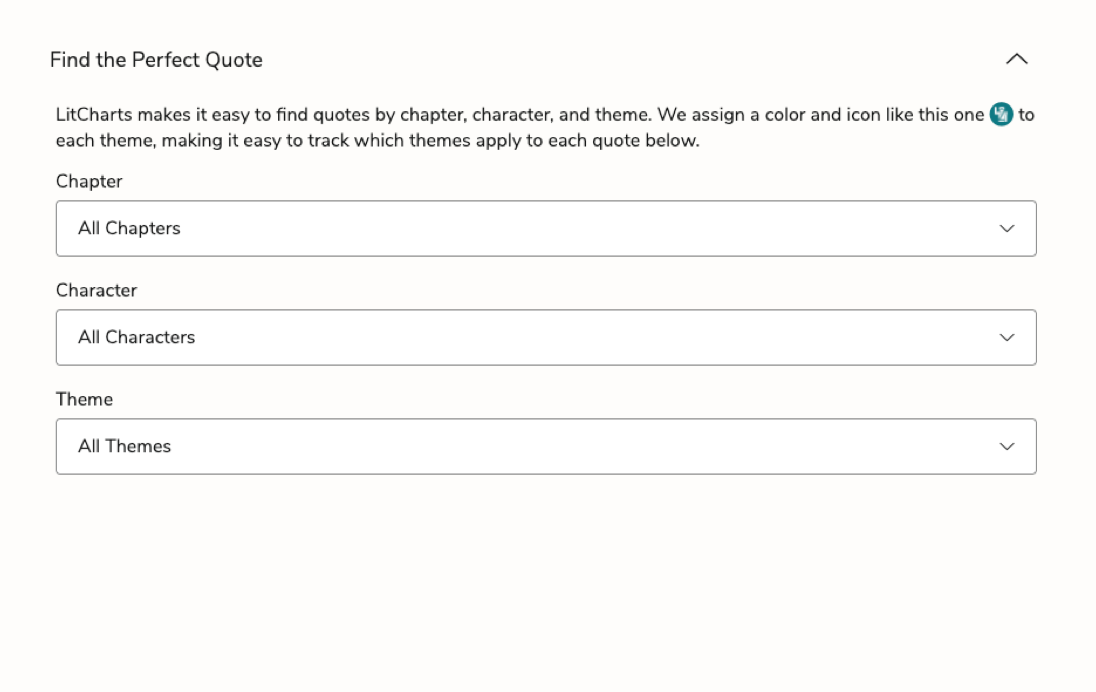
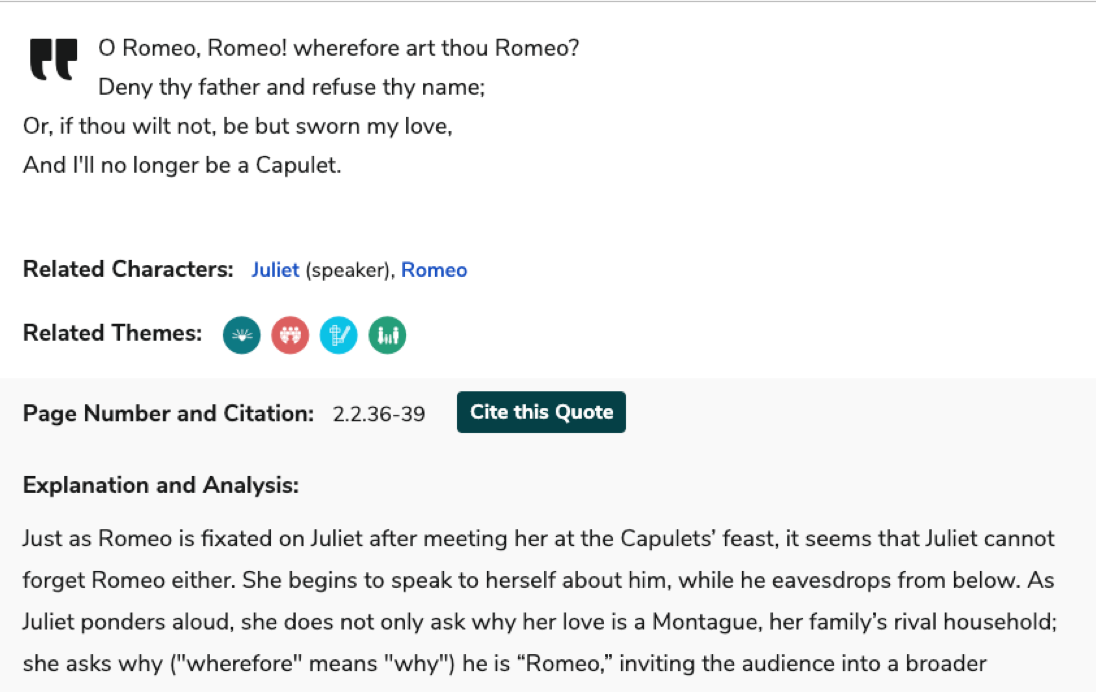
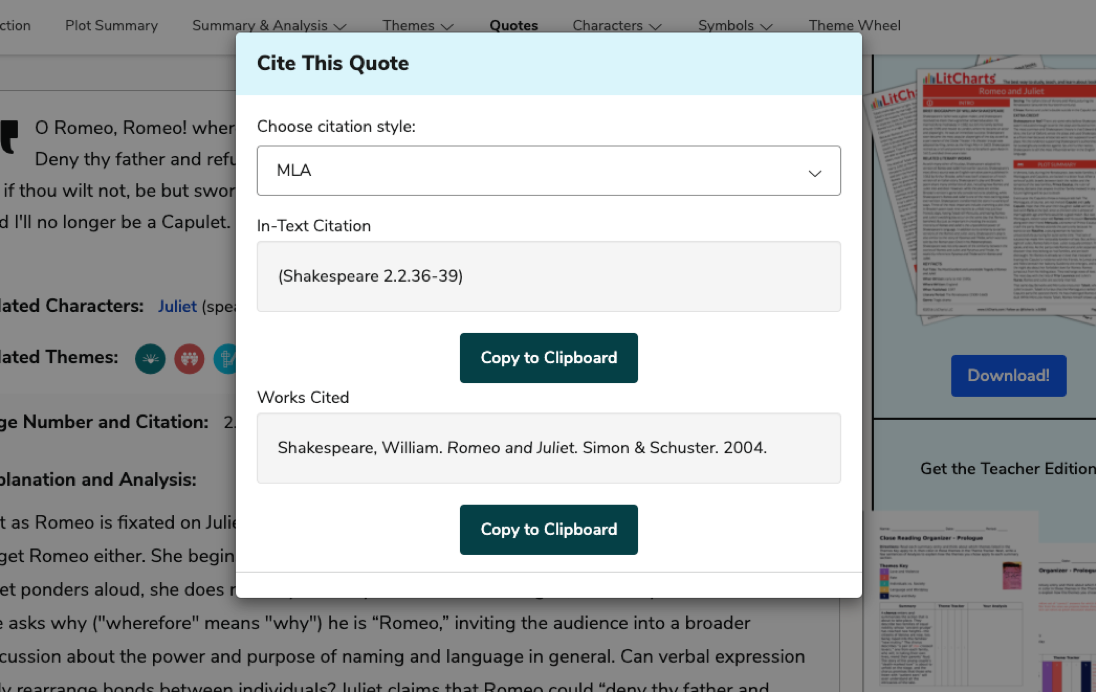
Quotes Explanations
Find the perfect quote. Understand it perfectly. Then rock the citation, too.
For all 49,971 quotes we cover.
For all 49,971 quotes we cover.


Teacher Editions
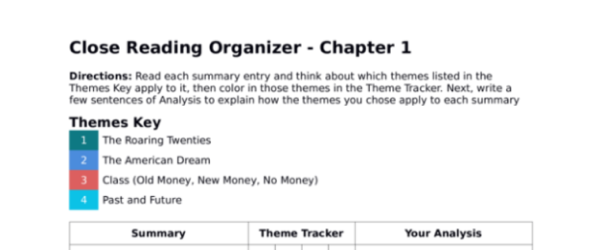
Close reading made easy for students.
Time saved for teachers.
For every book we cover.
Time saved for teachers.
For every book we cover.


Common Core-aligned


PDFs of modern translations of every one of Shakespeare's 37 plays, 154 sonnets, and 3 longer poems.

Literary Terms and Devices
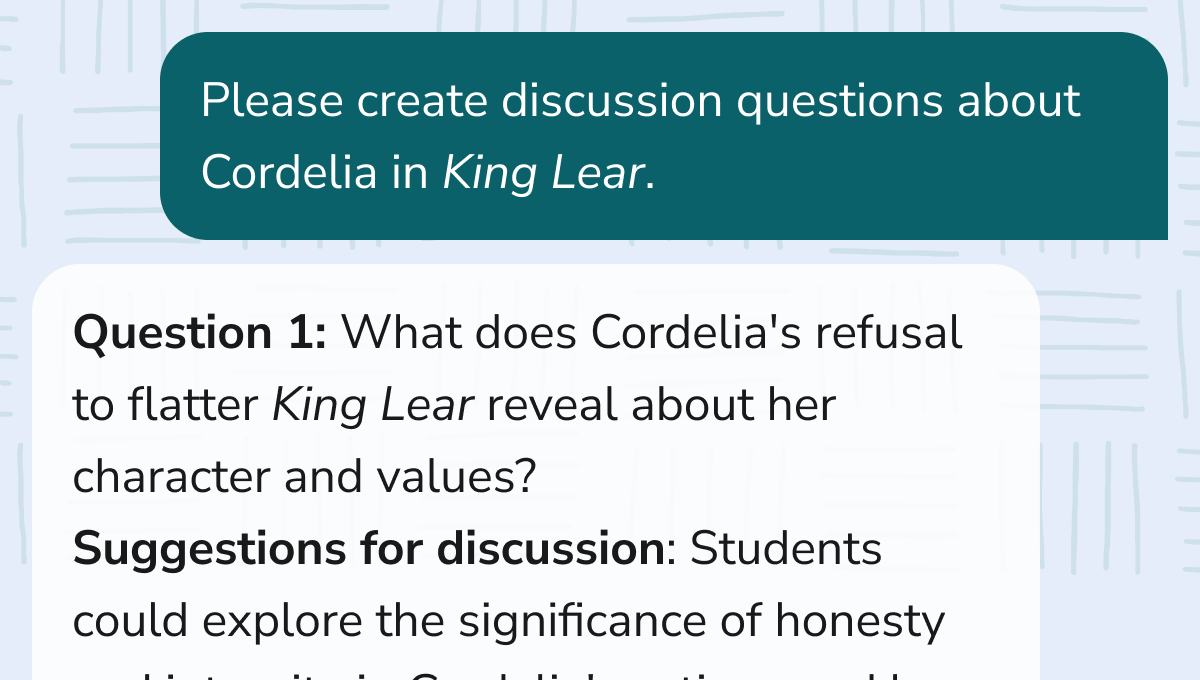
Definitions and examples for every literary term and device you need to know.
Plus a quick-reference PDF with concise definitions of all 136 terms in one place.
Plus a quick-reference PDF with concise definitions of all 136 terms in one place.
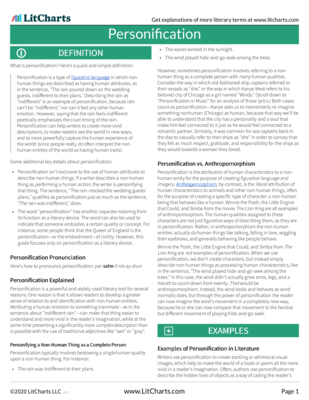
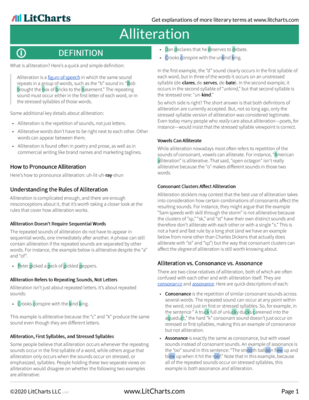
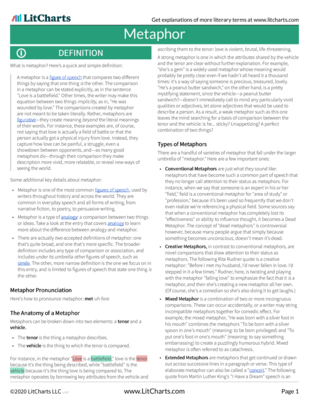
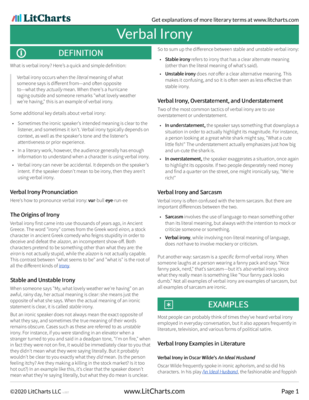
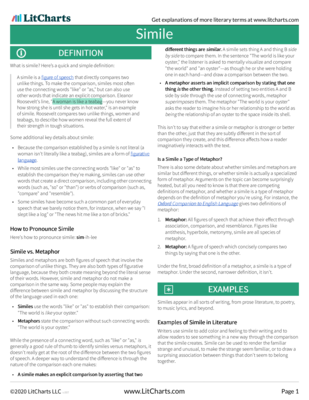
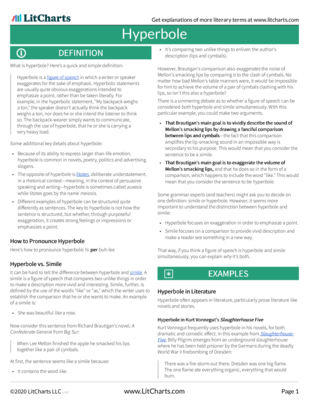
Try a free sample literary term PDF.


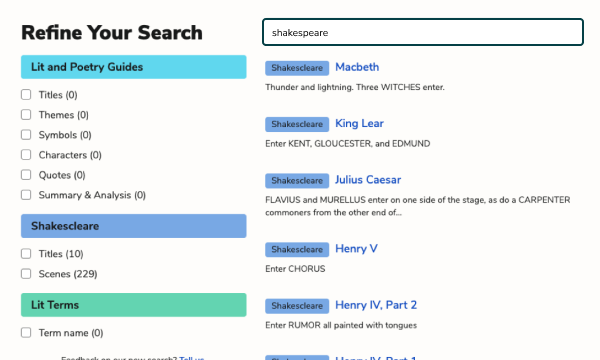
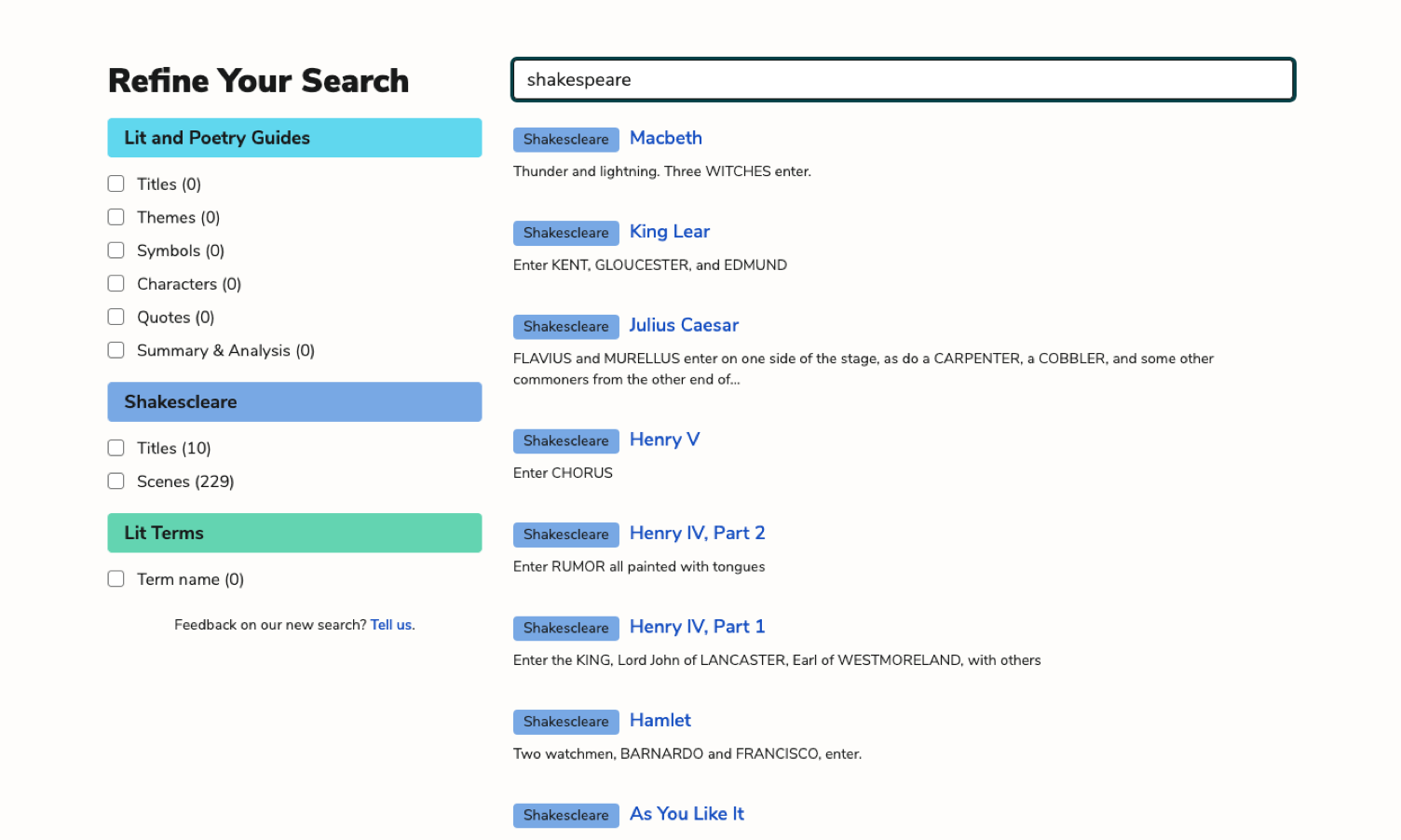
Advanced Search
Refine any search. Find related themes, quotes, symbols, characters, and more.

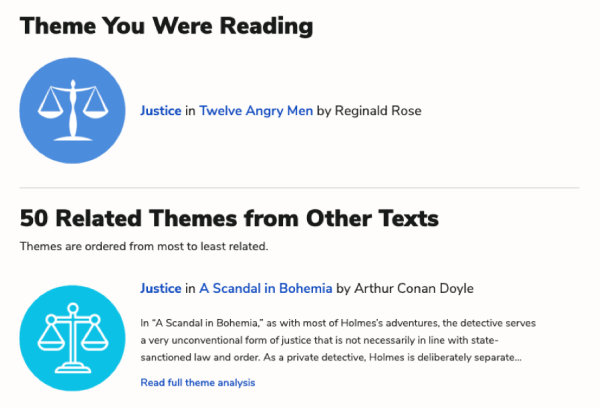
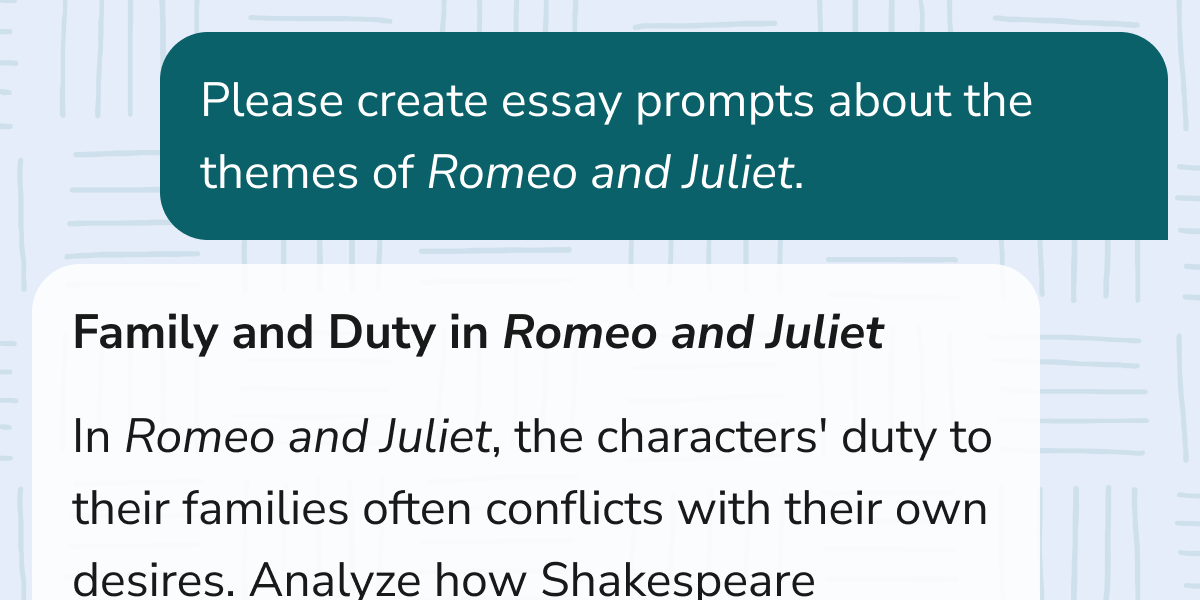
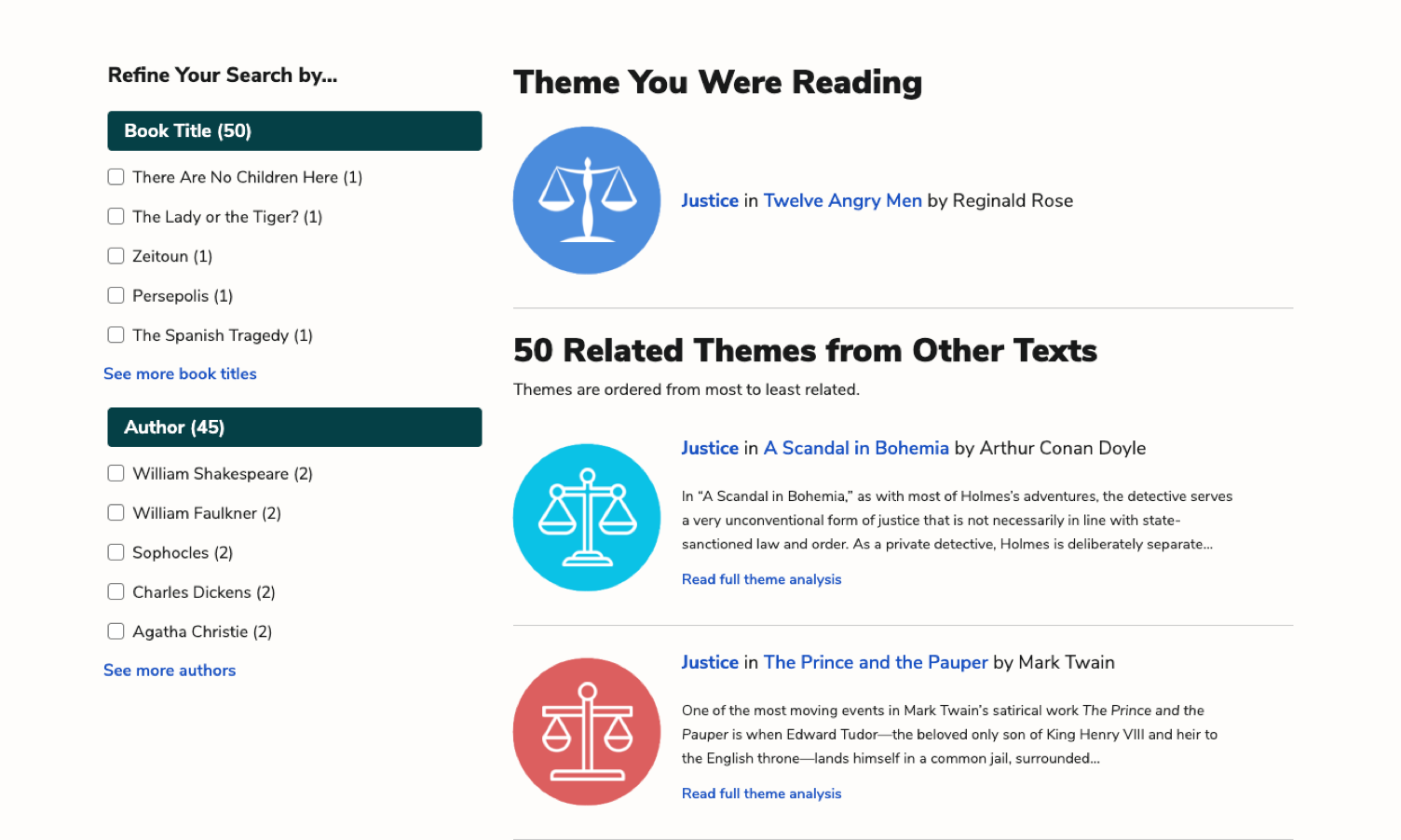
Related Themes
Comparing and contrasting texts? Find where any theme occurs across all of LitCharts in seconds.


Poetry Guides
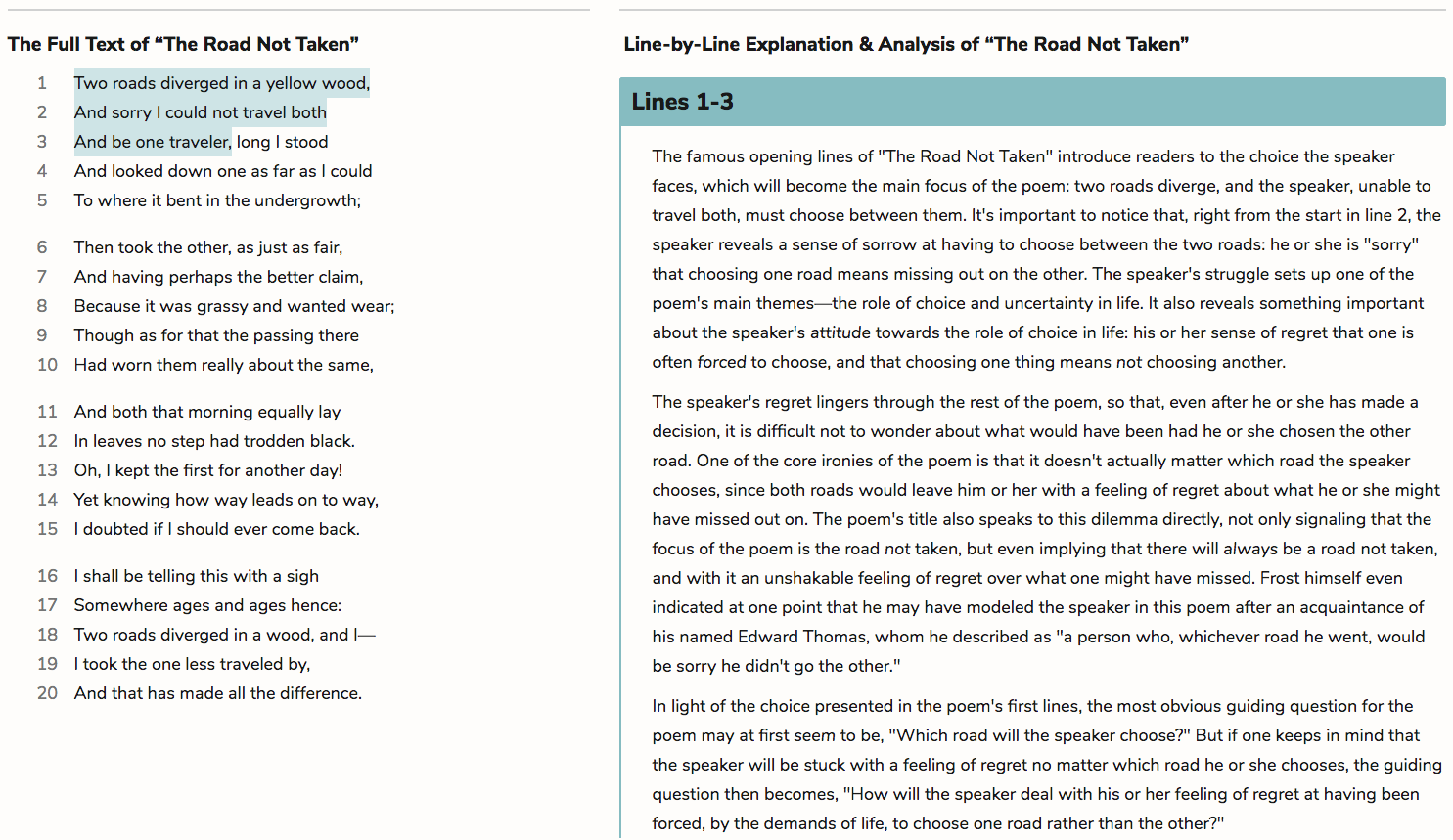
Line-by-line explanations and analysis of figurative language and poetic devices.
For every lyric poem we cover.
For every lyric poem we cover.