
|
Have questions?
Contact us
Already a member? Sign in
|
Get every literary device explanation for The War of the WorldsPlus so much more...
Sign up for LitCharts A+Get instant access to every literary device explanation, plus so much more...
Allusion
Explanation and Analysis—Natural Disasters:
The War of the Worlds contains strategic allusions to major natural disasters. For example, in Book 1, Chapter 13, the narrator references a major real-life earthquake that hit Lisbon:
Had they left their comrade and pushed on forthwith, there was nothing at that time between them and London but batteries of twelve-pounder guns, and they would certainly have reached the capital in advance of the tidings of their approach; as sudden, dreadful, and destructive their advent would have been as the earthquake that destroyed Lisbon a century ago.
On November 1, 1755, a massive quake devastated the city of Lisbon and killed 50,000 people. In this passage, the narrator draws a direct comparison between the quake and the "sudden, dreadful, and destructive" presence of the Martians. This comparison makes the aliens' invasion seem more real and gives a sense of the scope of their destructive power.
Similarly, in Book 2, Chapter 1, the narrator references the destruction of Pompeii while describing the aftermath of a battle with the Martians:
In Sunbury, and at intervals along the road, were dead bodies lying in contorted attitudes, horses as well as men, overturned carts and luggage, all covered thickly with black dust. That pall of cindery powder made me think of what I had read of the destruction of Pompeii.
The Roman city of Pompeii was destroyed by the eruption of Mount Vesuvius in 79 B.C. Much like the Earthquake of Lisbon, the eruption of Vesuvius is one of the most well-known natural disasters in history. It was also, like the Martian invasion, very unexpected—so unexpected that some of the bodies, preserved by volcanic ash, were found petrified in the very gestures of shock and fear in which they died.
Such historical allusions ground the fanciful science-fiction elements of The War of the Worlds in a sense of reality. Comparisons of the Martian invasion to past events evoke the extremity of the war's destruction. Throughout the story, Wells seems to drop hints and reminders that when humanity becomes too confident in its own safety, the earth (and the galaxy at large) have a way of reminding it of its ultimate vulnerability to any number of natural (or perhaps intergalactic) disasters.
Monthly
Annual (Best Value)

$595USD/mo
Charged $71.40 USD every year
 Teacher
$795USD/mo
Charged $95.40 USD every year
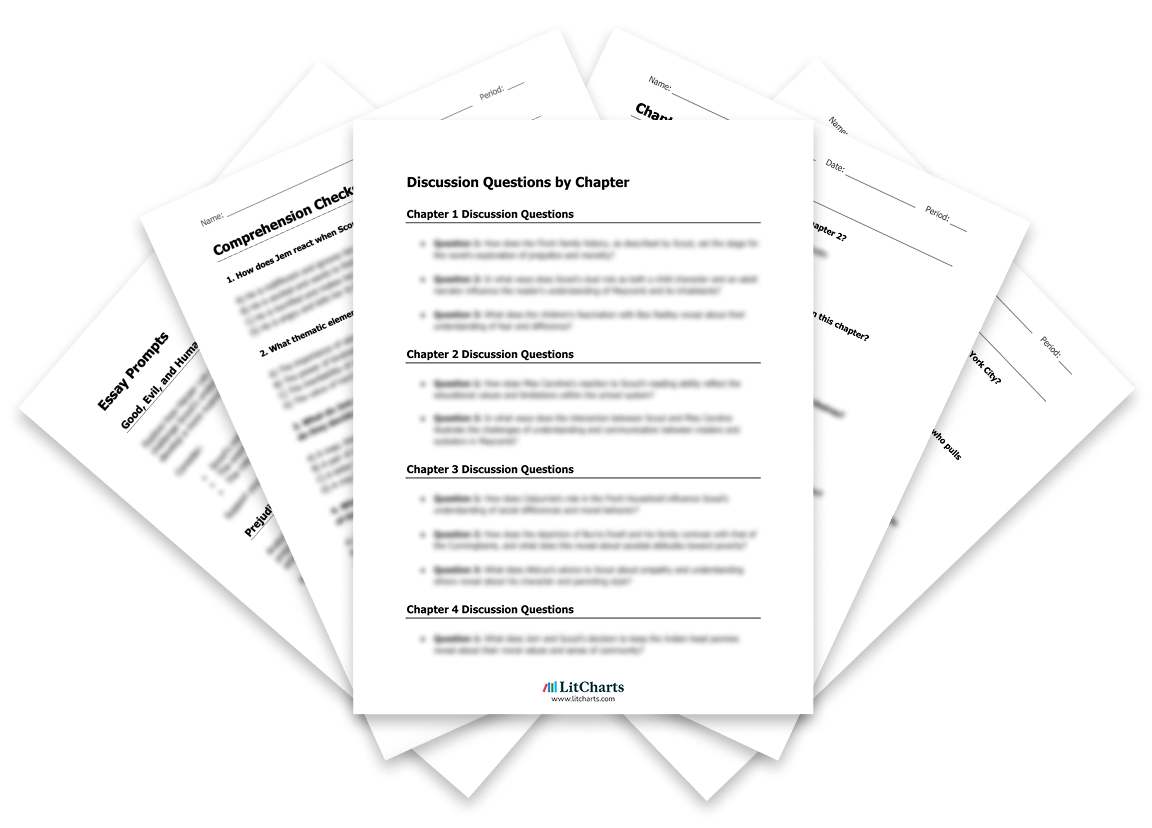


Literature Guide PDFs
LitCharts PDFs for every book you'll read this year.
Instant PDF downloads of all 2248 LitCharts literature guides and of every new one we publish. Try a free sample literature guide.
"Would not have made it through AP Literature without the printable PDFs. They're like having in-class notes for every discussion!"





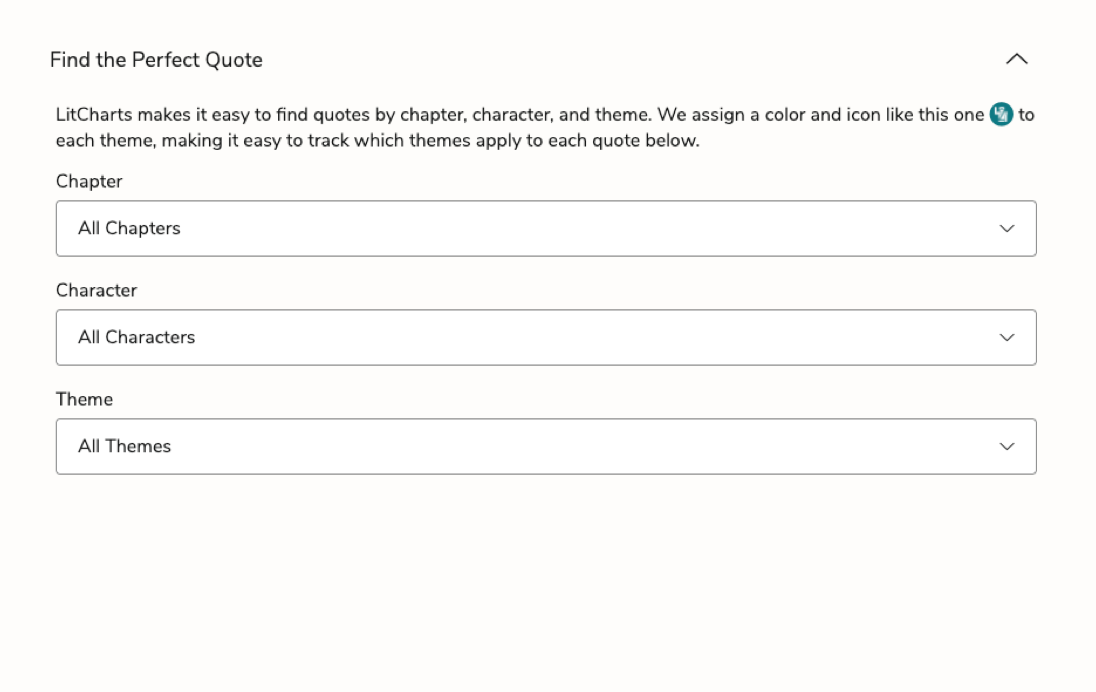
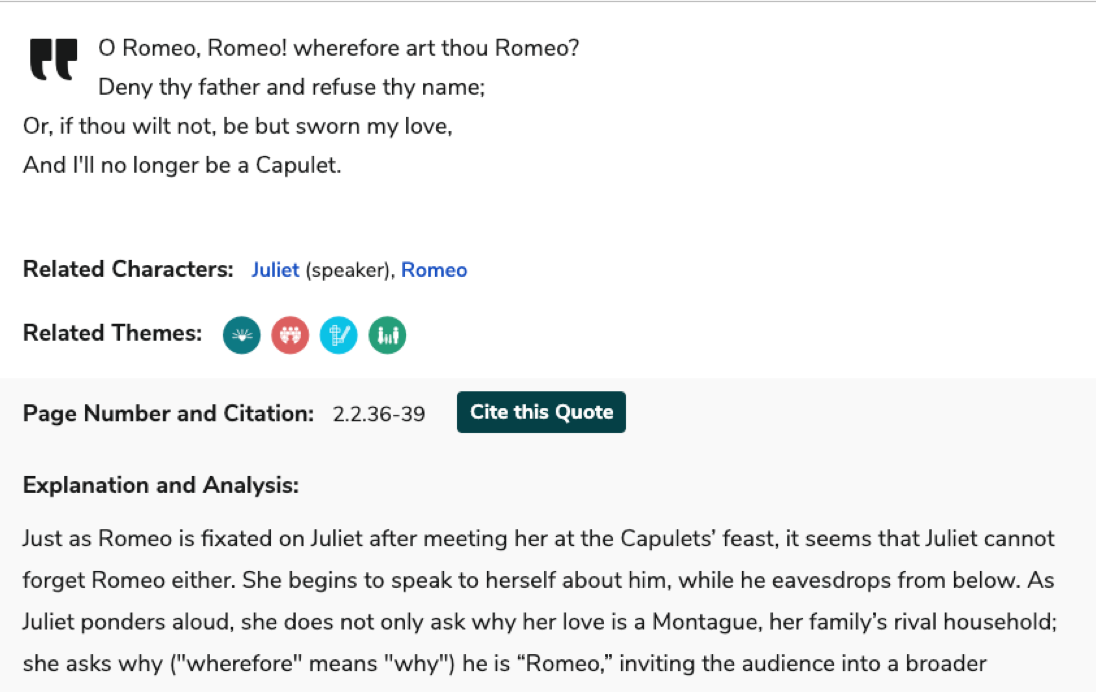
Quotes Explanations
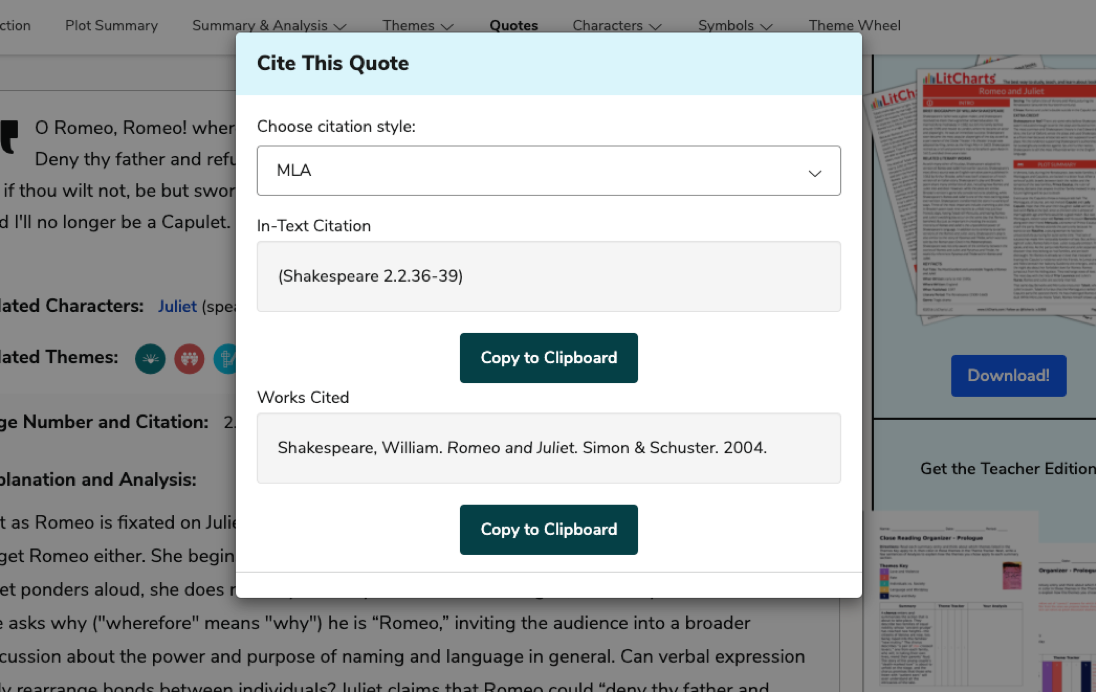
Find the perfect quote. Understand it perfectly. Then rock the citation, too.
For all 50,127 quotes we cover.
For all 50,127 quotes we cover.


Teacher Editions
Close reading made easy for students.
Time saved for teachers.
For every book we cover.
Time saved for teachers.
For every book we cover.


Common Core-aligned


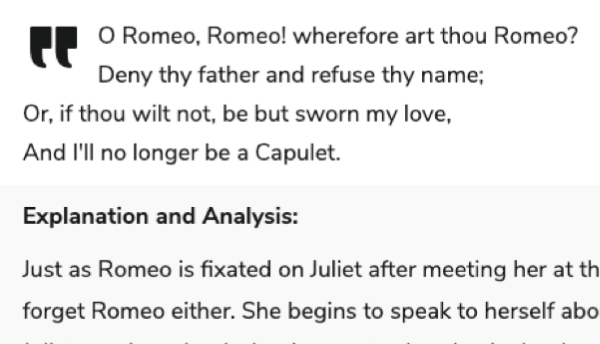
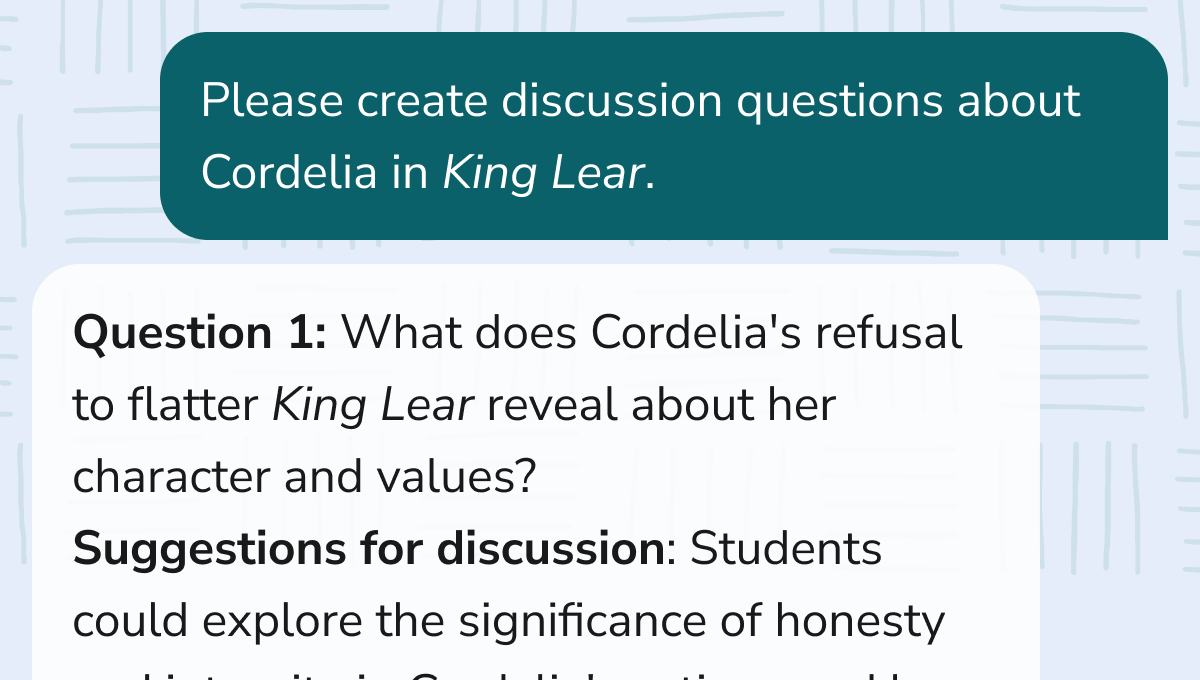
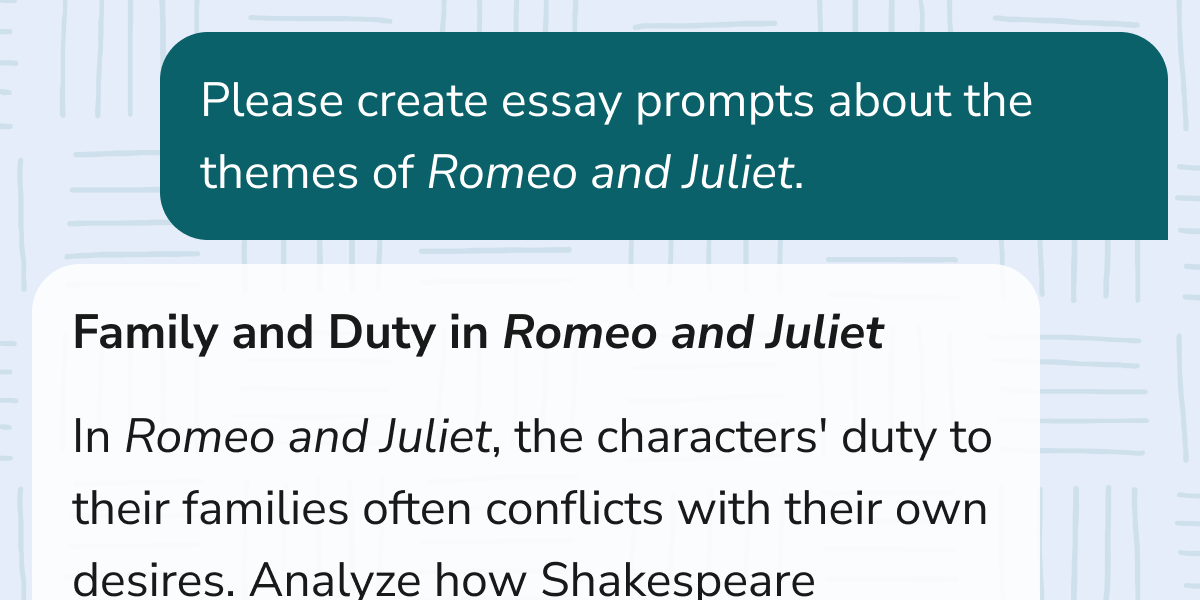
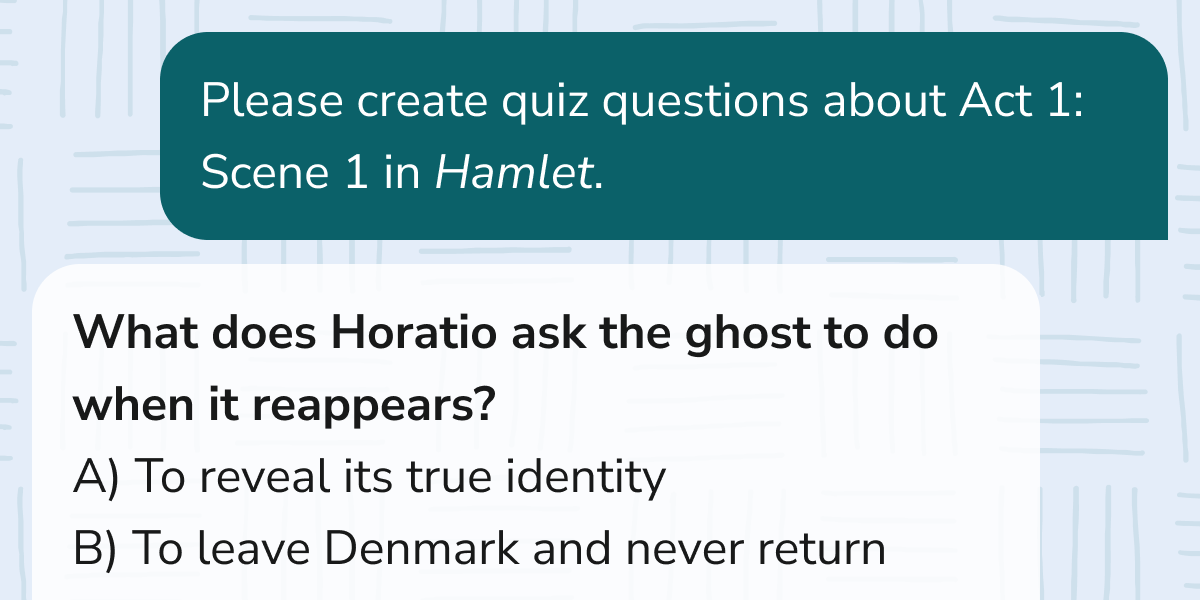
PDFs of modern translations of every one of Shakespeare's 37 plays, 154 sonnets, and 3 longer poems.

Literary Terms and Devices
Definitions and examples for every literary term and device you need to know.
Plus a quick-reference PDF with concise definitions of all 136 terms in one place.
Plus a quick-reference PDF with concise definitions of all 136 terms in one place.
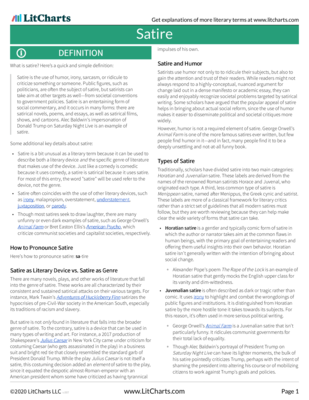
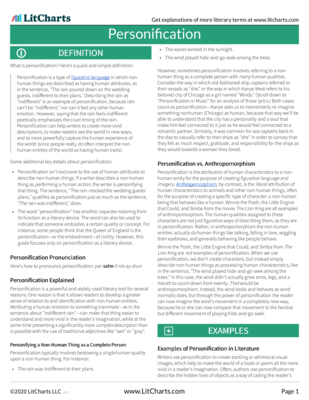
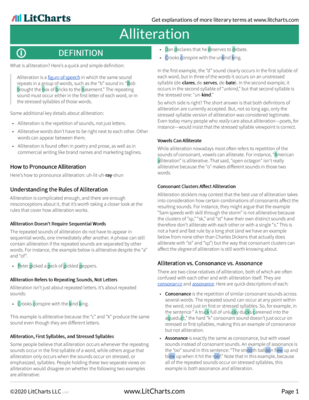
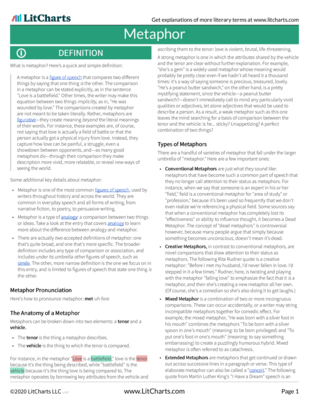
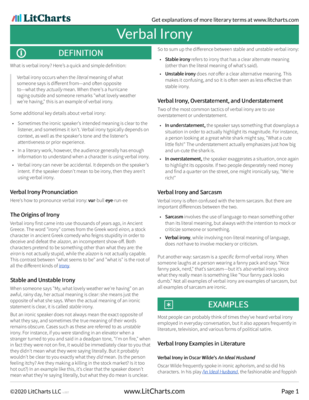
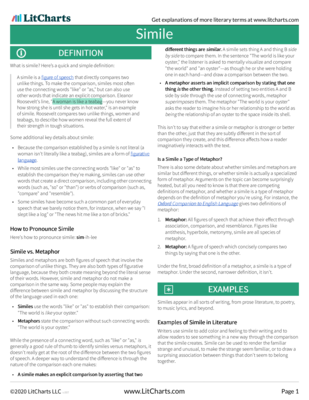
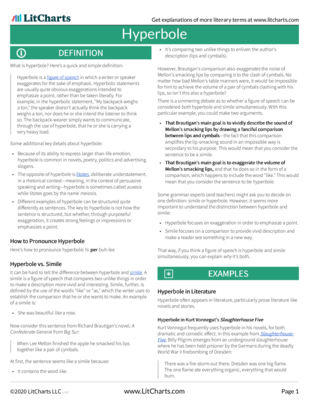
Try a free sample literary term PDF.


Advanced Search
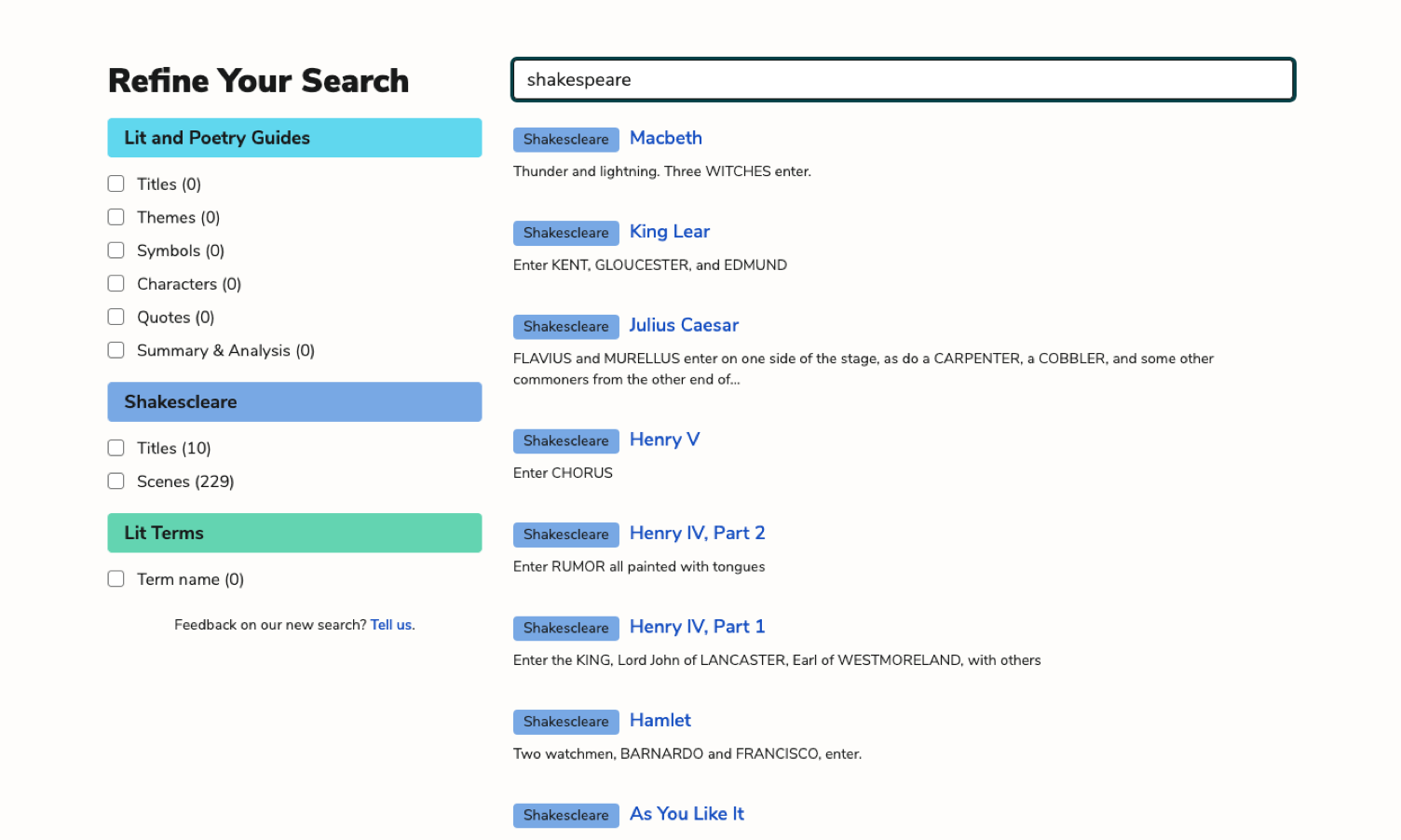
Refine any search. Find related themes, quotes, symbols, characters, and more.

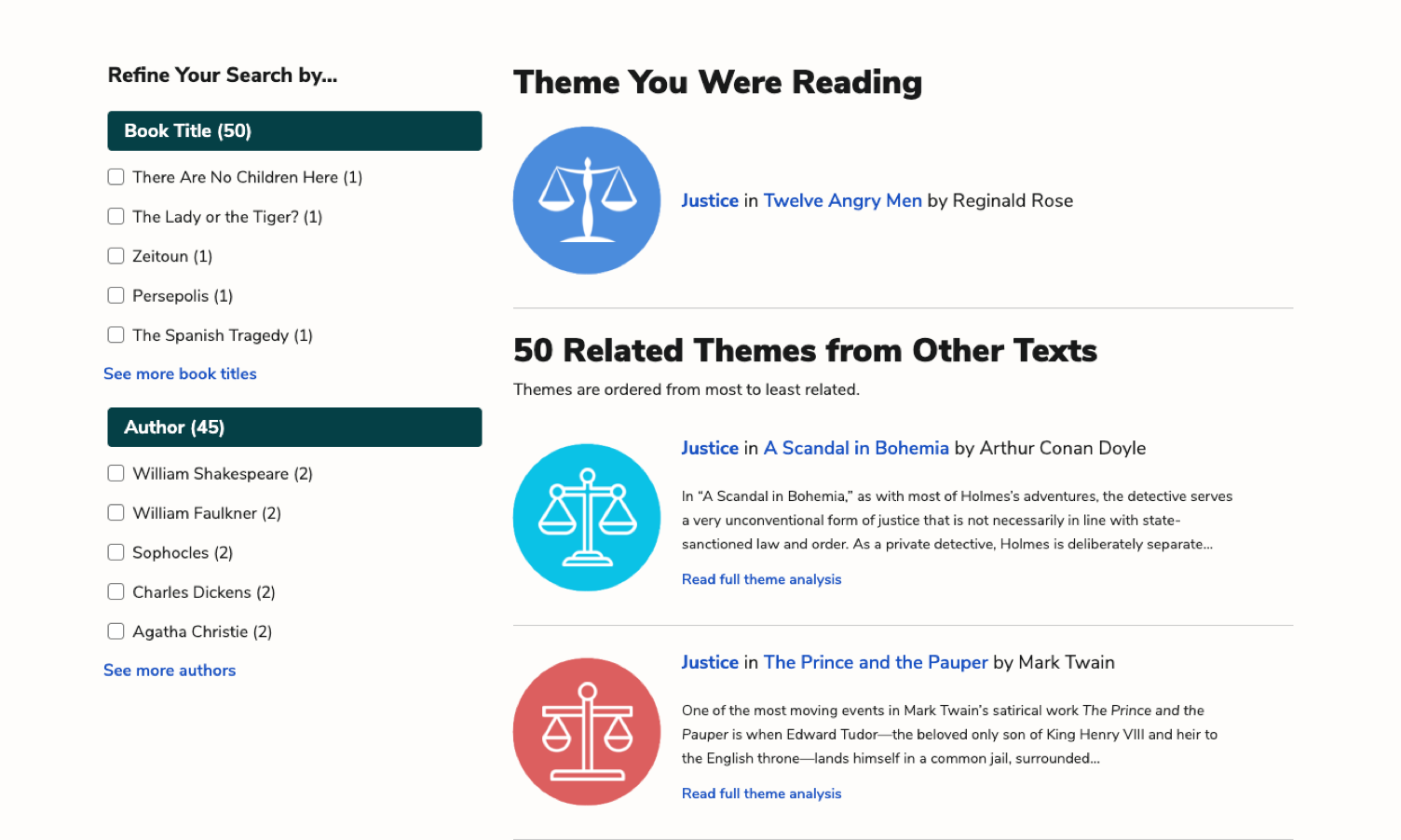
Related Themes
Comparing and contrasting texts? Find where any theme occurs across all of LitCharts in seconds.


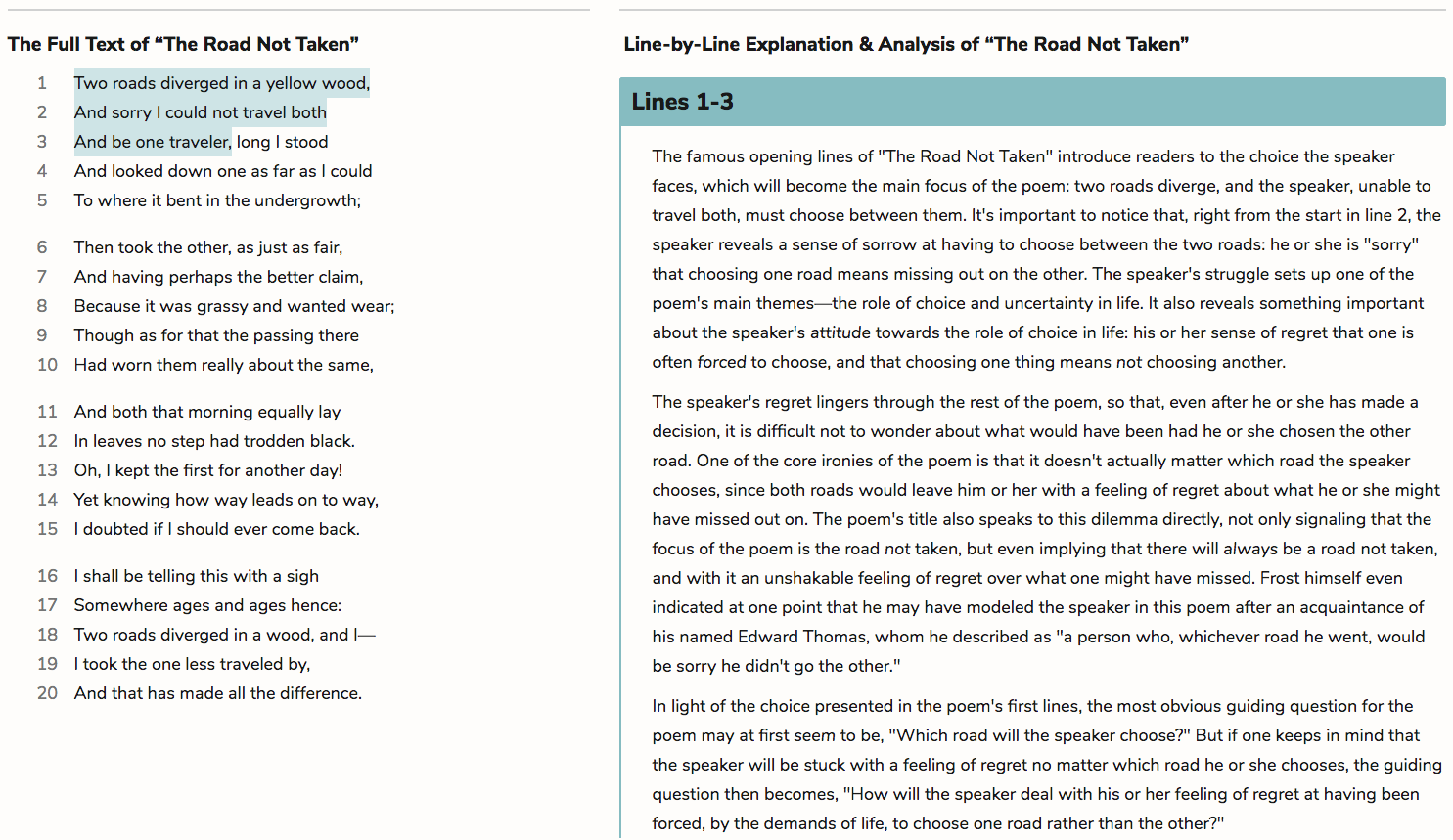
Poetry Guides
Line-by-line explanations and analysis of figurative language and poetic devices.
For every lyric poem we cover.
For every lyric poem we cover.