
|
Have questions?
Contact us
Already a member? Sign in
|
Get every literary device explanation for The War of the WorldsPlus so much more...
Sign up for LitCharts A+Get instant access to every literary device explanation, plus so much more...
Allusion
Explanation and Analysis—Biblical Allusions:
The War of the Worlds contains many biblical allusions. These allusions ground the story in a real-world religious context. They also challenge certain elements of religious faith. For example, in Book 1, Chapter 1, the narrator references Psalm 49:12:
Yet across the gulf of space, minds that are to our minds as ours are to those of the beasts that perish, intellects vast and cool and unsympathetic, regarded this earth with envious eyes, and slowly and surely drew their plans against us.
Here, the narrator describes the way the Martians viewed humanity before the invasion. They looked "across the gulf of space" and decided to wreak havoc upon earth. They considered humanity to be among "the beasts that perish"—a line taken directly from Psalm 49. This line appears in a hymn about the fleeting life of a human. According to this hymn, people do not endure and are like animals who perish from the earth without doing anything of much importance. It makes sense that the Martians would view humanity this way; otherwise, they might not have been confident enough to invade the planet.
Another important allusion appears in Book 2, Chapter 8 in a description of a handling machine:
I came upon the wrecked handling-machine halfway to St John’s Wood station. At first I thought a house had fallen across the road. It was only as I clambered among the ruins that I saw, with a start, this mechanical Samson lying, with its tentacles bent and smashed and twisted, among the ruins it had made.
Here, the narrator references the biblical story of Samson. Samson was the hero of the Israelites whose story appears in Judges 13-16. He tears down the temple of the Philistines with his bare hands. Thus, the term "mechanical Samson" refers to a machine that destroys human infrastructure.
Many other biblical allusions appear throughout the story—like, for instance an allusion to cities destroyed for their sinfulness like in Genesis 19. There's also an allusion in Book 1, Chapter 11 to the "pillars of fire" from Exodus 13:21. Each of these allusions refer to different moments of utter destruction, whether of a person, a city, or the entire world. The Bible never becomes a source of comfort or joy in The War of the Worlds, functioning instead as a sign of doom.
Monthly
Annual (Best Value)

$595USD/mo
Charged $71.40 USD every year
 Teacher
$795USD/mo
Charged $95.40 USD every year


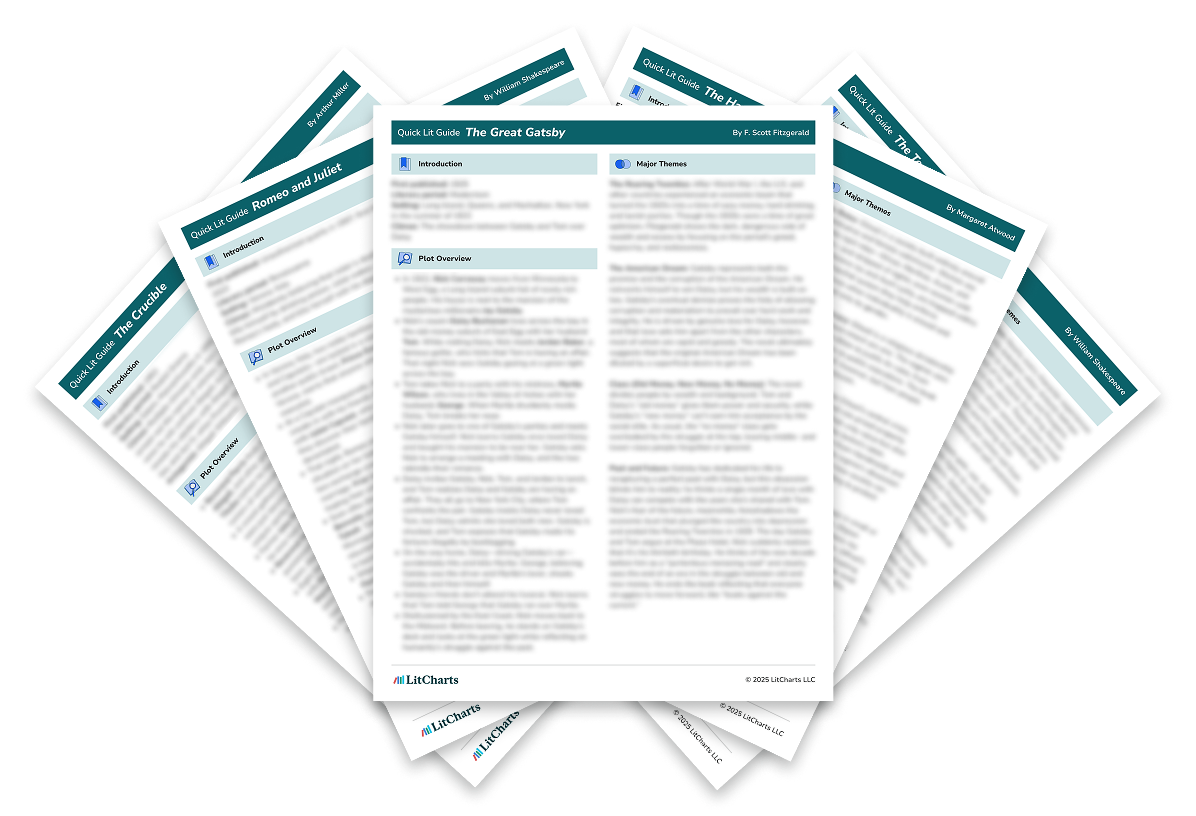
Literature Guide PDFs
LitCharts PDFs for every book you'll read this year.
Instant PDF downloads of all 2248 LitCharts literature guides and of every new one we publish. Try a free sample literature guide.
"Would not have made it through AP Literature without the printable PDFs. They're like having in-class notes for every discussion!"





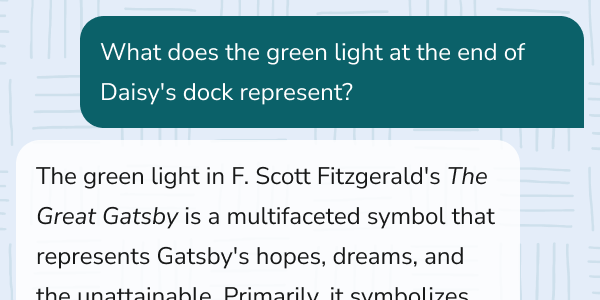
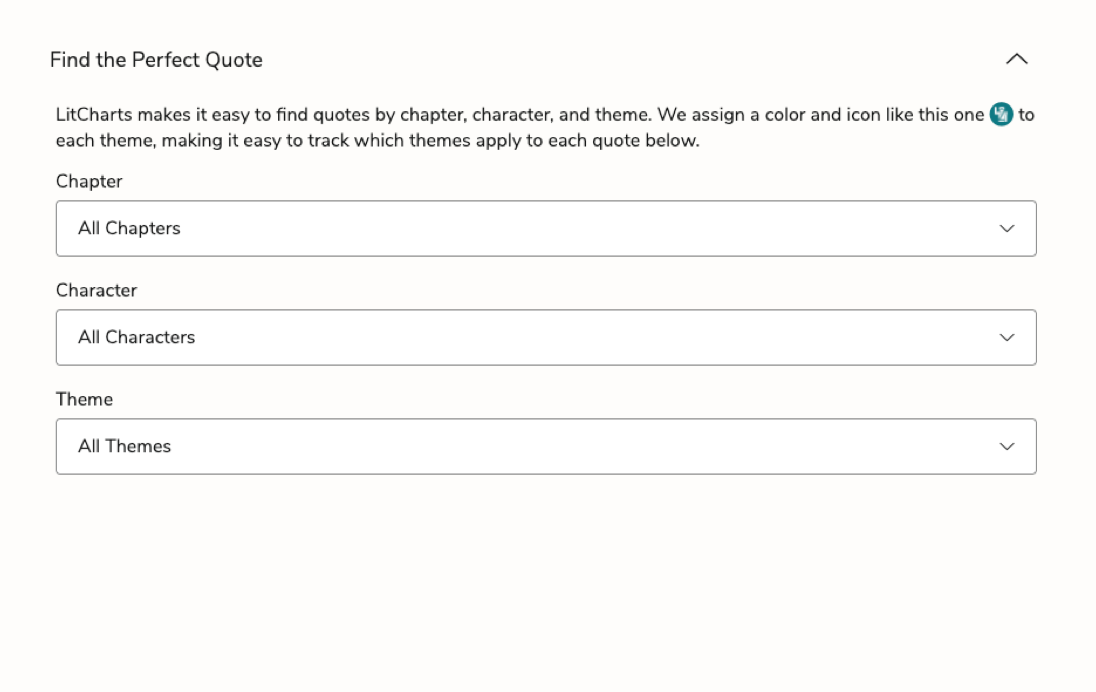
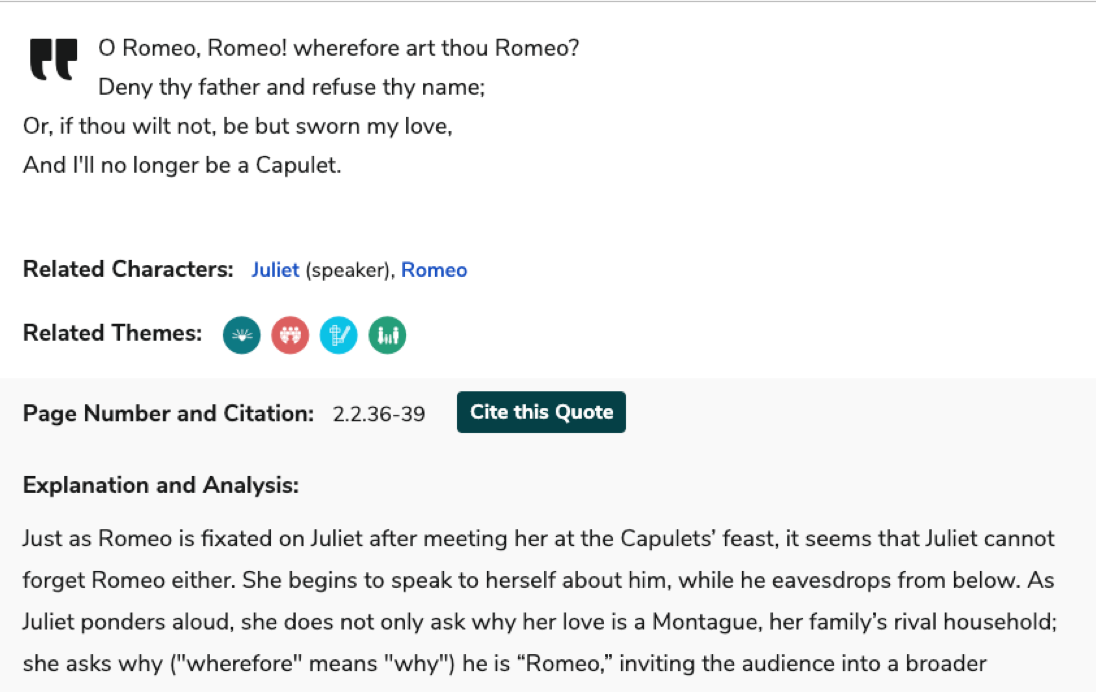
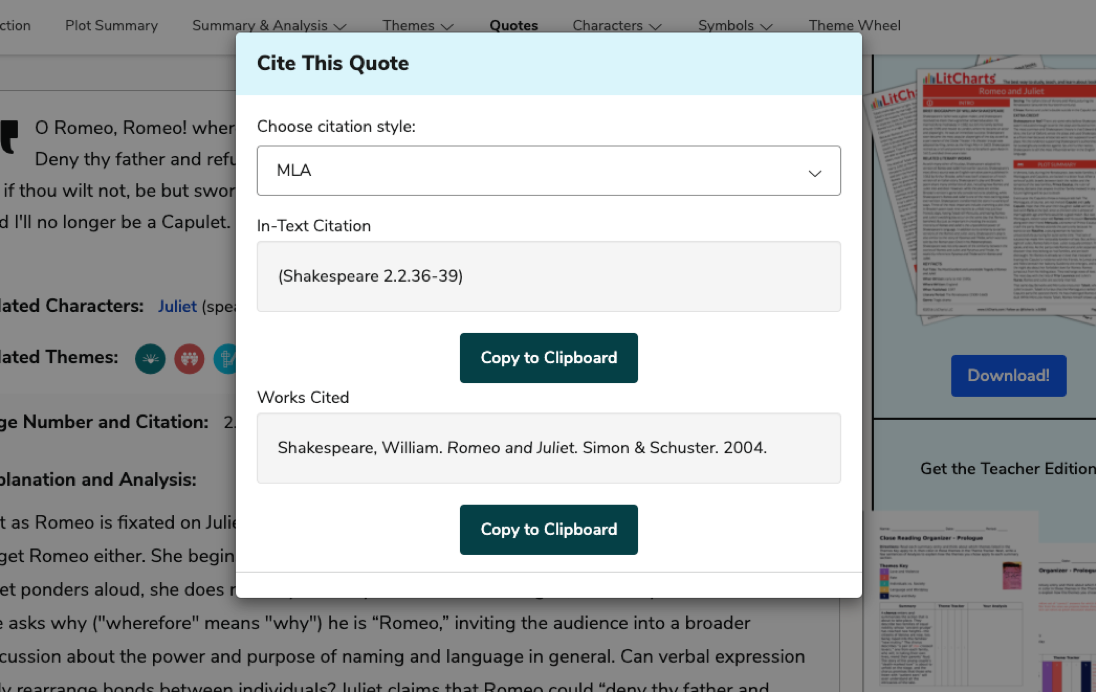
Quotes Explanations
Find the perfect quote. Understand it perfectly. Then rock the citation, too.
For all 50,127 quotes we cover.
For all 50,127 quotes we cover.


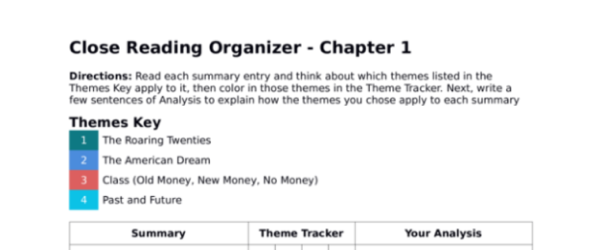
Teacher Editions
Close reading made easy for students.
Time saved for teachers.
For every book we cover.
Time saved for teachers.
For every book we cover.


Common Core-aligned


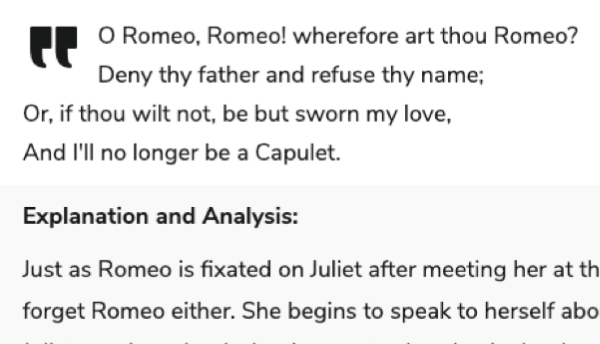
PDFs of modern translations of every one of Shakespeare's 37 plays, 154 sonnets, and 3 longer poems.

Literary Terms and Devices
Definitions and examples for every literary term and device you need to know.
Plus a quick-reference PDF with concise definitions of all 136 terms in one place.
Plus a quick-reference PDF with concise definitions of all 136 terms in one place.
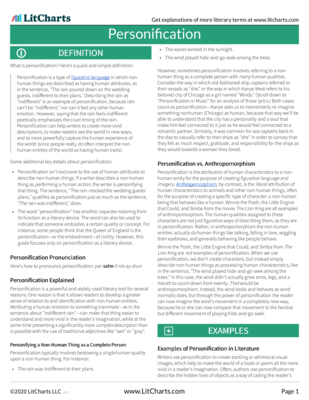
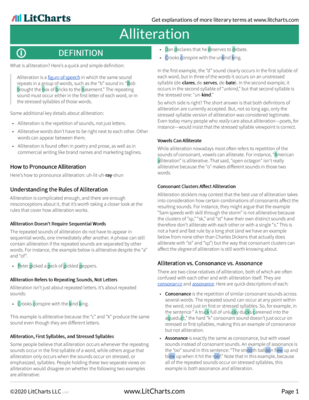
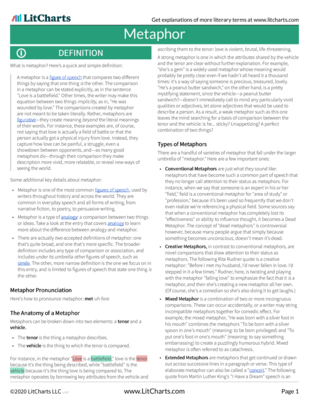
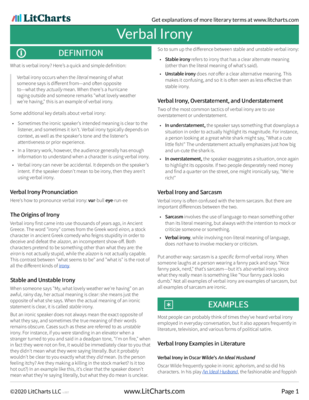
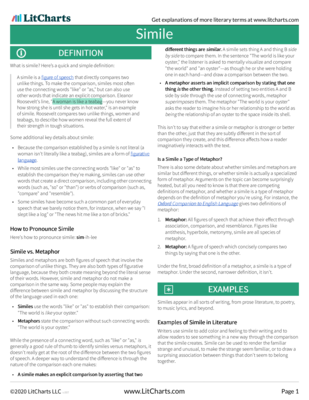
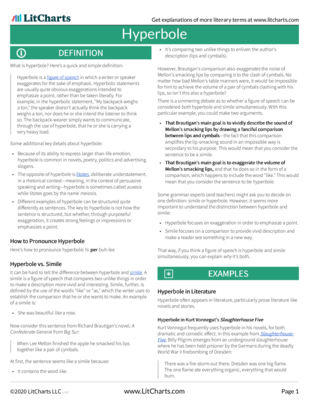
Try a free sample literary term PDF.


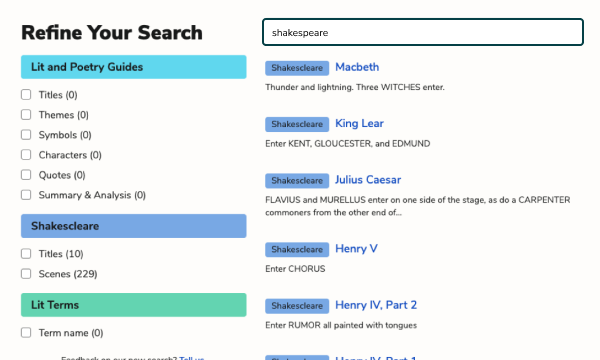
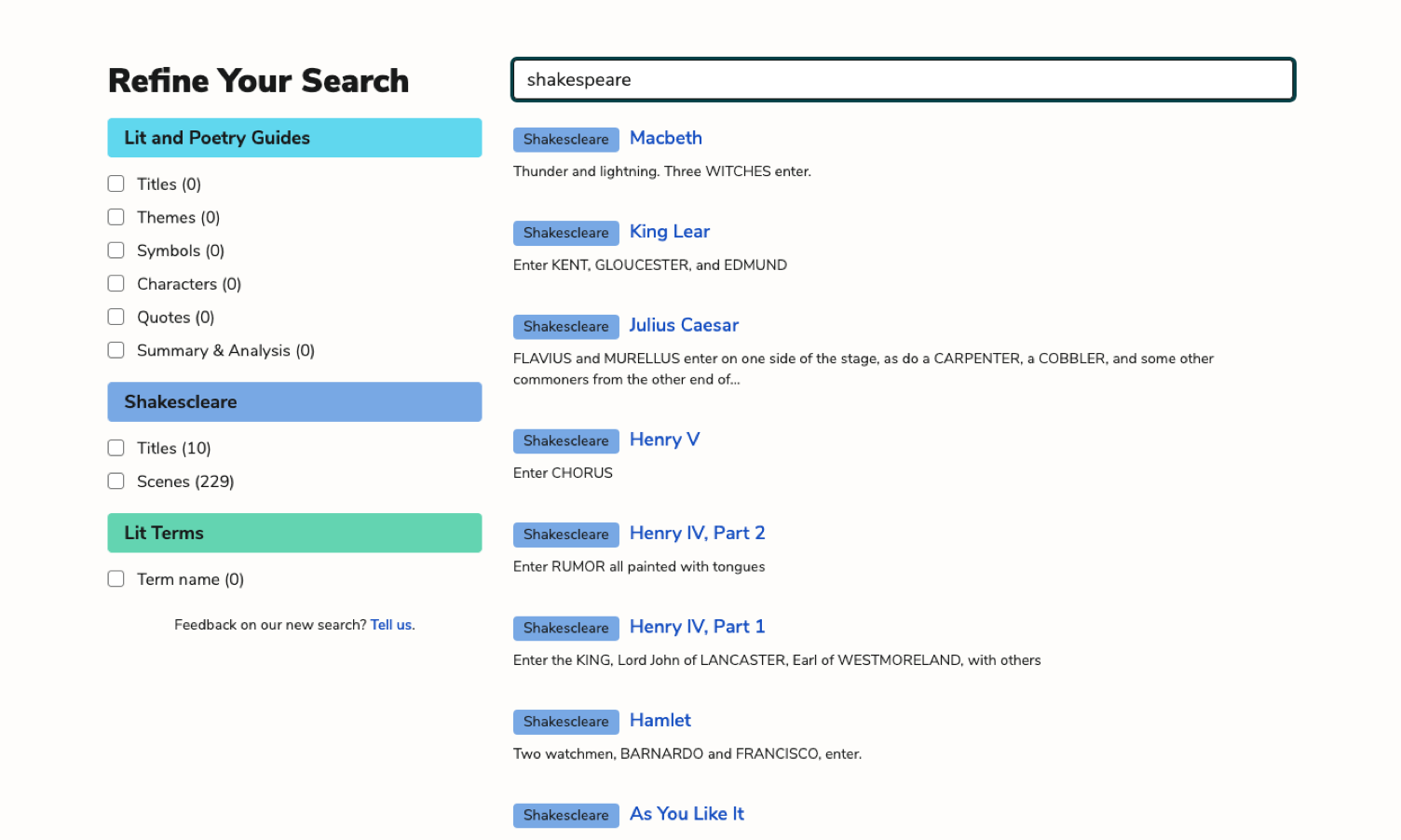
Advanced Search
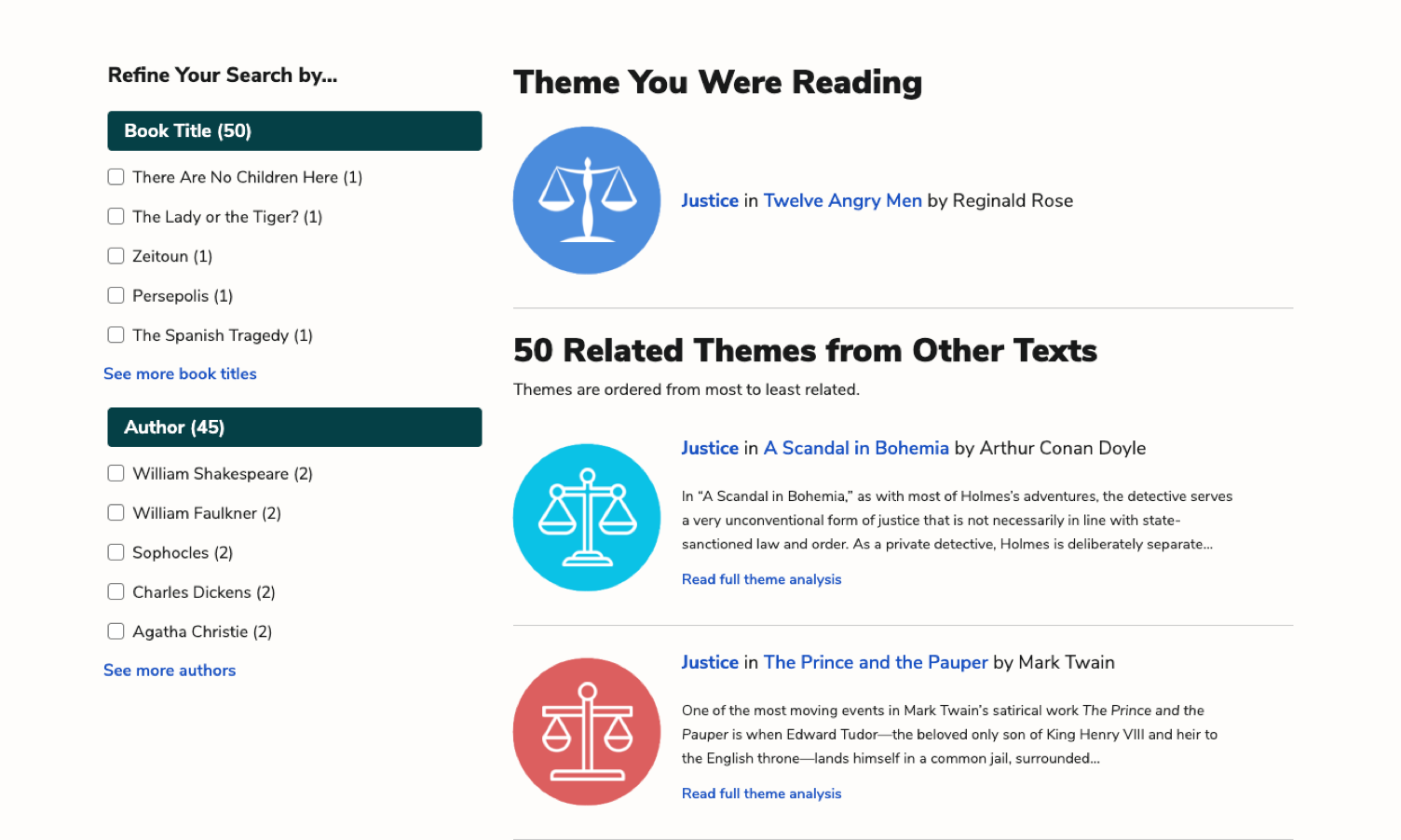
Refine any search. Find related themes, quotes, symbols, characters, and more.
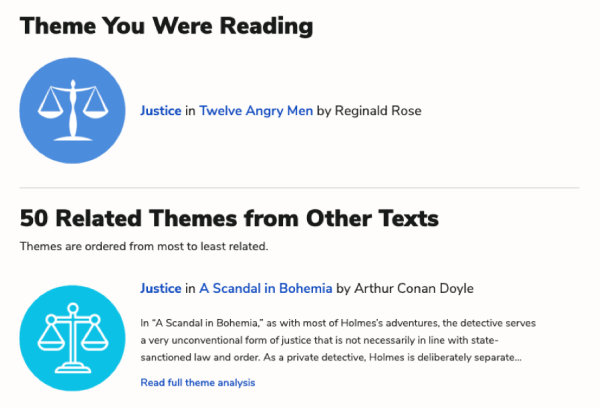
Related Themes
Comparing and contrasting texts? Find where any theme occurs across all of LitCharts in seconds.


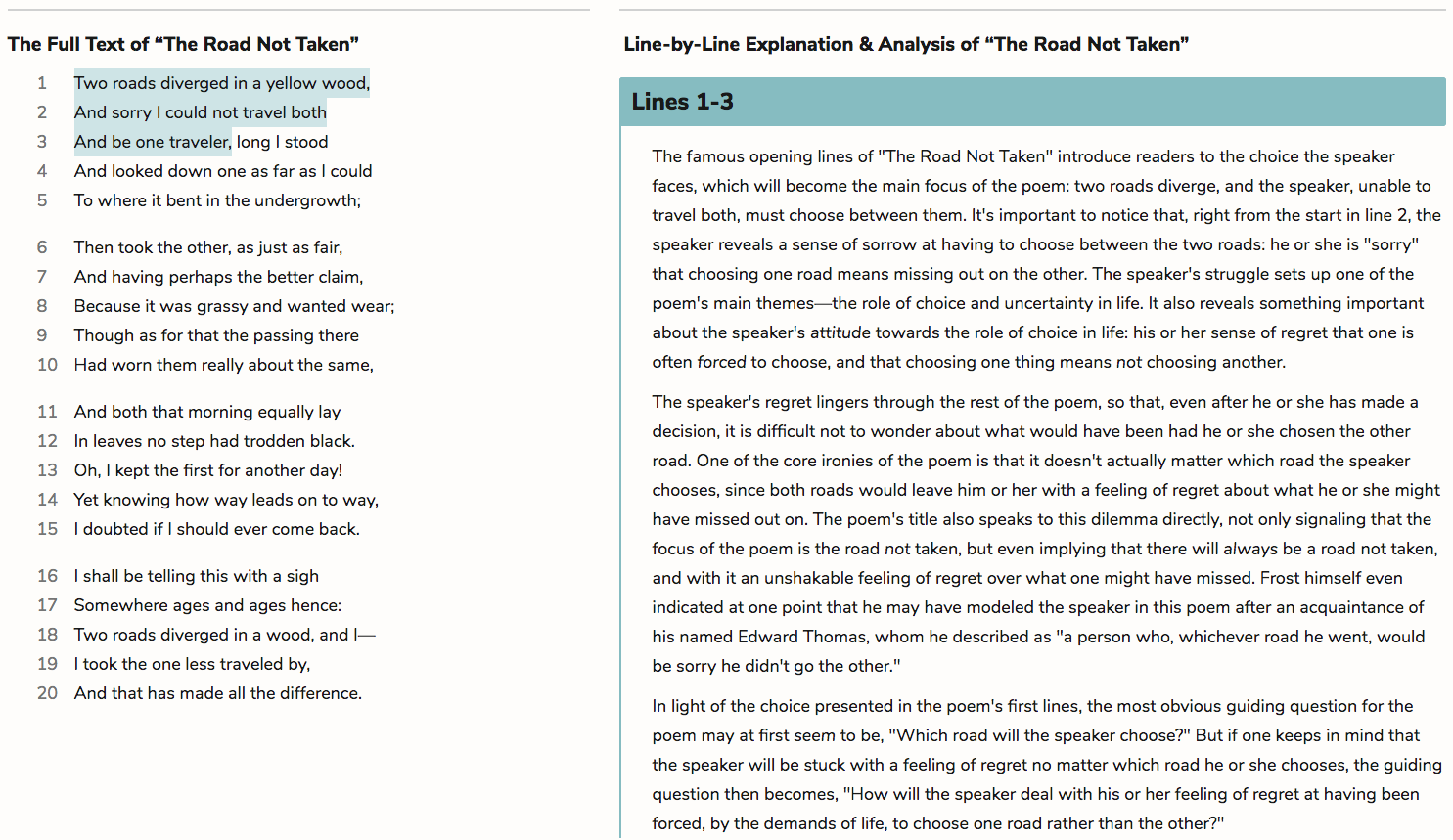
Poetry Guides
Line-by-line explanations and analysis of figurative language and poetic devices.
For every lyric poem we cover.
For every lyric poem we cover.