
|
Have questions?
Contact us
Already a member? Sign in
|
Get every literary device explanation for Pride and PrejudicePlus so much more...
Sign up for LitCharts A+Get instant access to every literary device explanation, plus so much more...
Allusion
Explanation and Analysis—Marriage Laws:
When Lydia tells Elizabeth about the events that led to her wedding with Wickham, she alludes to the marriage laws in place during that time period:
“Well, I was so frightened I did not know what to do, for my uncle was to give me away; and if we were beyond the hour, we could not be married all day.”
Lydia’s fear that they would be “beyond the hour” is an allusion to the Hardwicke Marriage Act (or Clandestine Marriages Act) of 1753, a strict marriage law in England that dictated weddings could only happen between 8 in the morning and noon. These laws were a response to the lack of formality of weddings in England at the time. In addition to mandating certain marriage hours, the laws also established other requirements, such as marriages needing to take place in a church and in front of witnesses.
Referencing these strict marriage laws is Austen’s way of highlighting how, at this point in England’s history, marriage was becoming more and more formalized, and any wrong move could not only lead to tarnished reputations but also legal repercussions.
Monthly
Annual (Best Value)

$595USD/mo
Charged $71.40 USD every year
 Teacher
$795USD/mo
Charged $95.40 USD every year
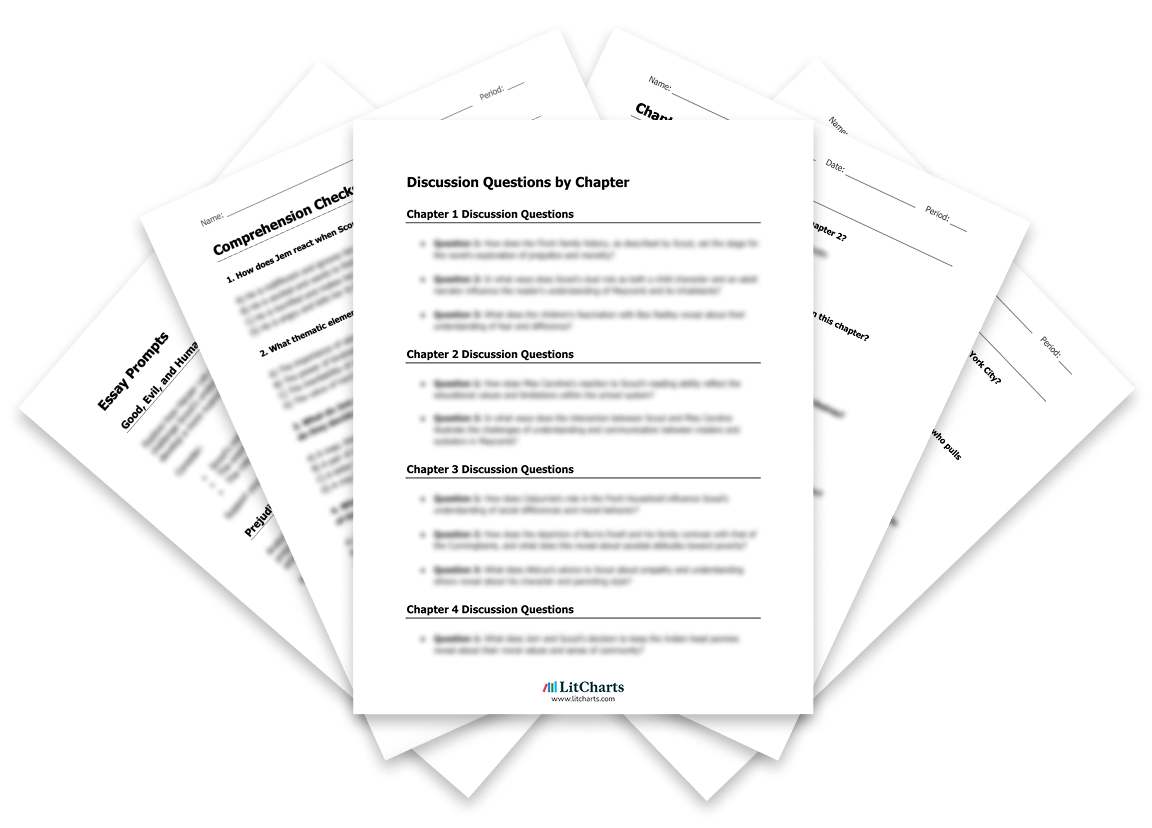


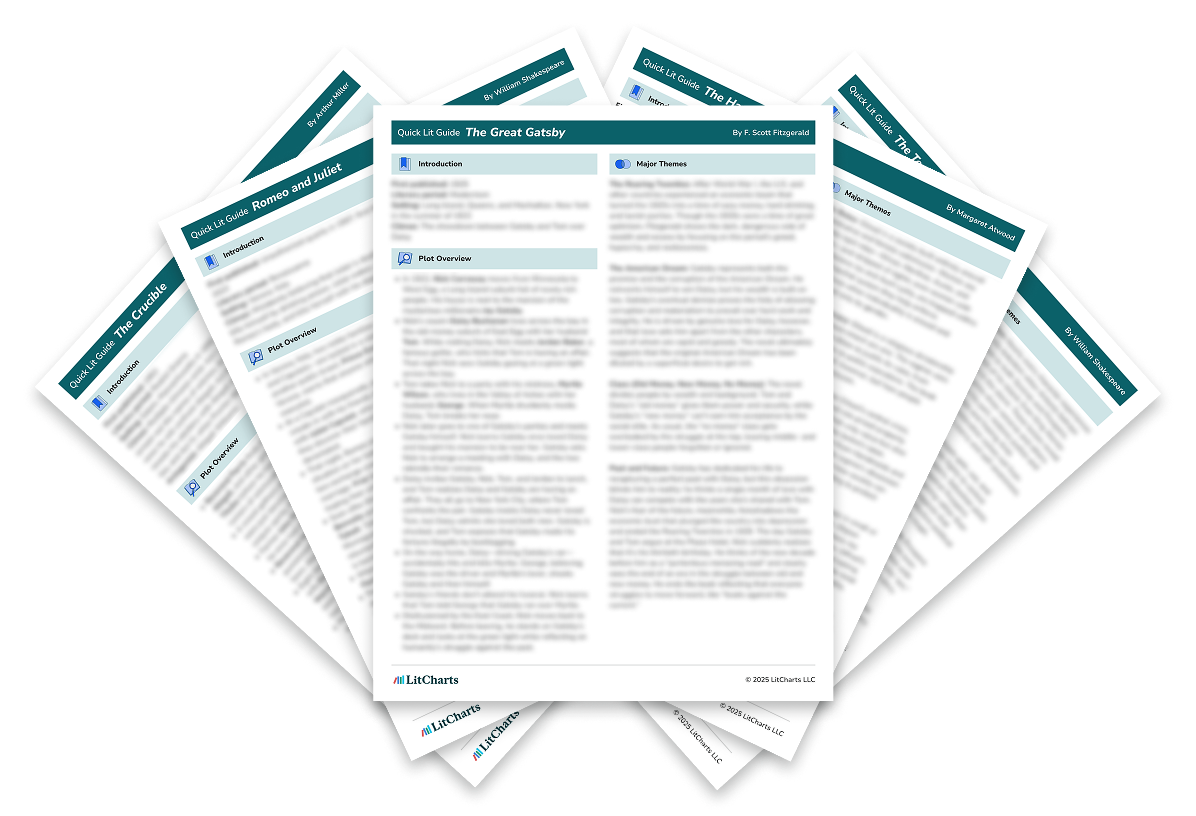
Literature Guide PDFs
LitCharts PDFs for every book you'll read this year.
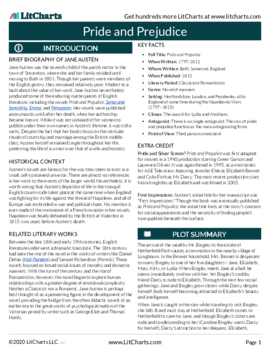
Instant PDF downloads of all 2247 LitCharts literature guides and of every new one we publish. Try a free sample literature guide.
"Would not have made it through AP Literature without the printable PDFs. They're like having in-class notes for every discussion!"





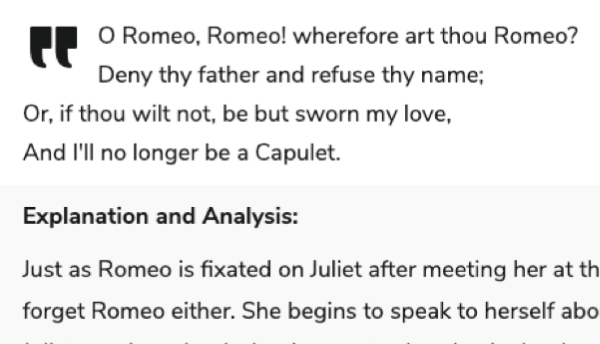
Quotes Explanations
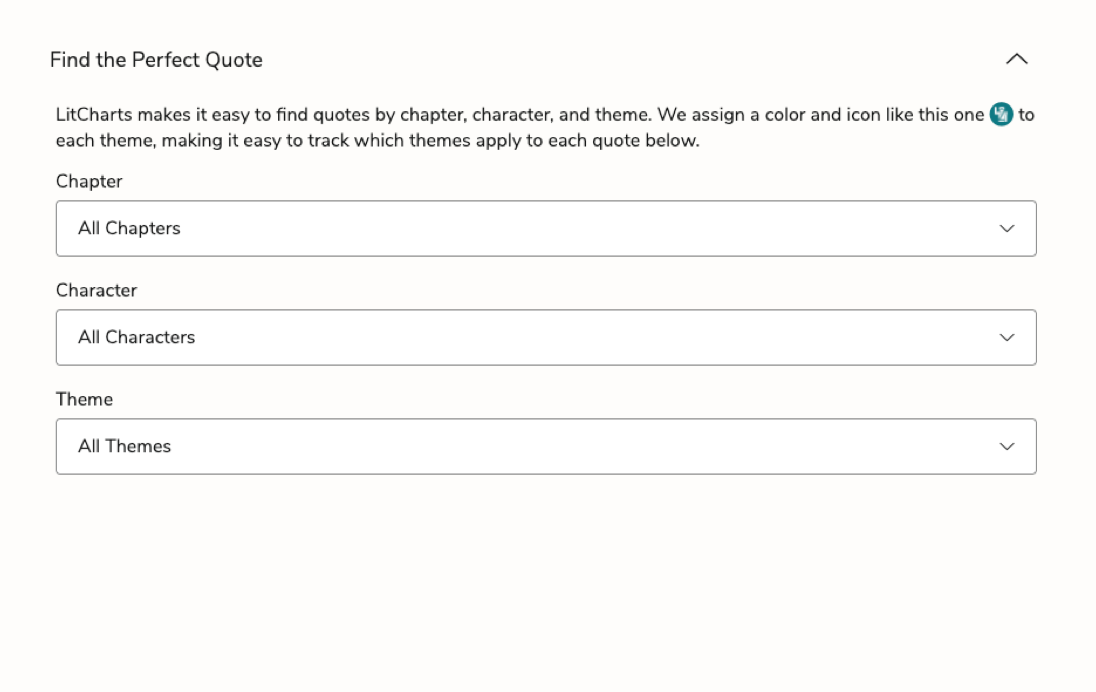
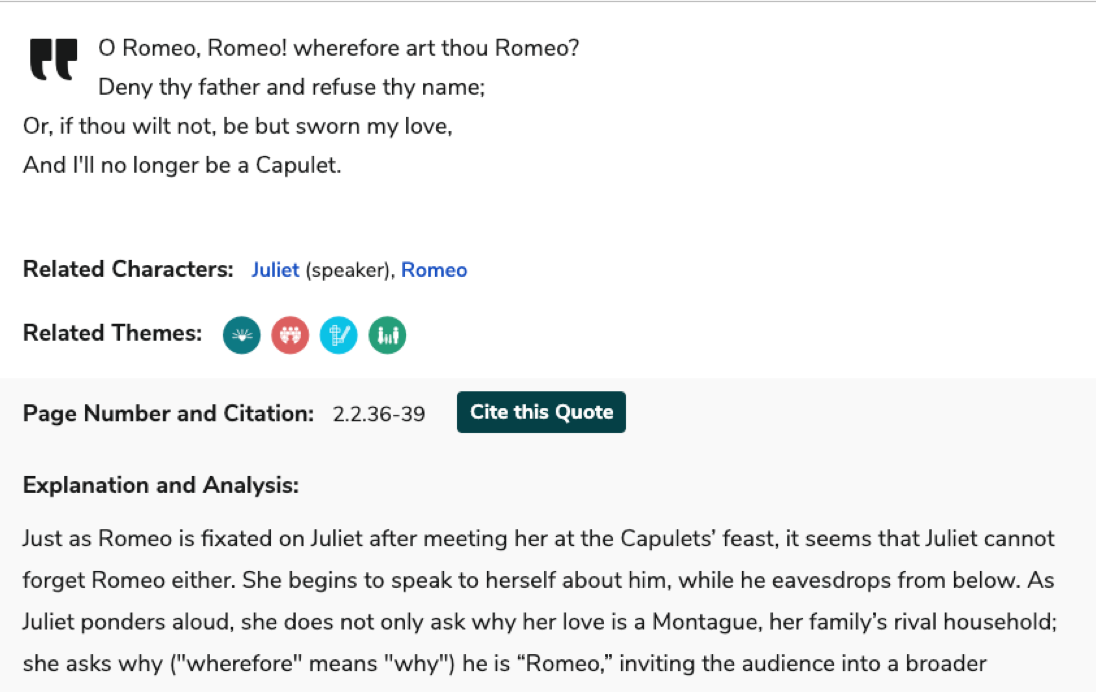
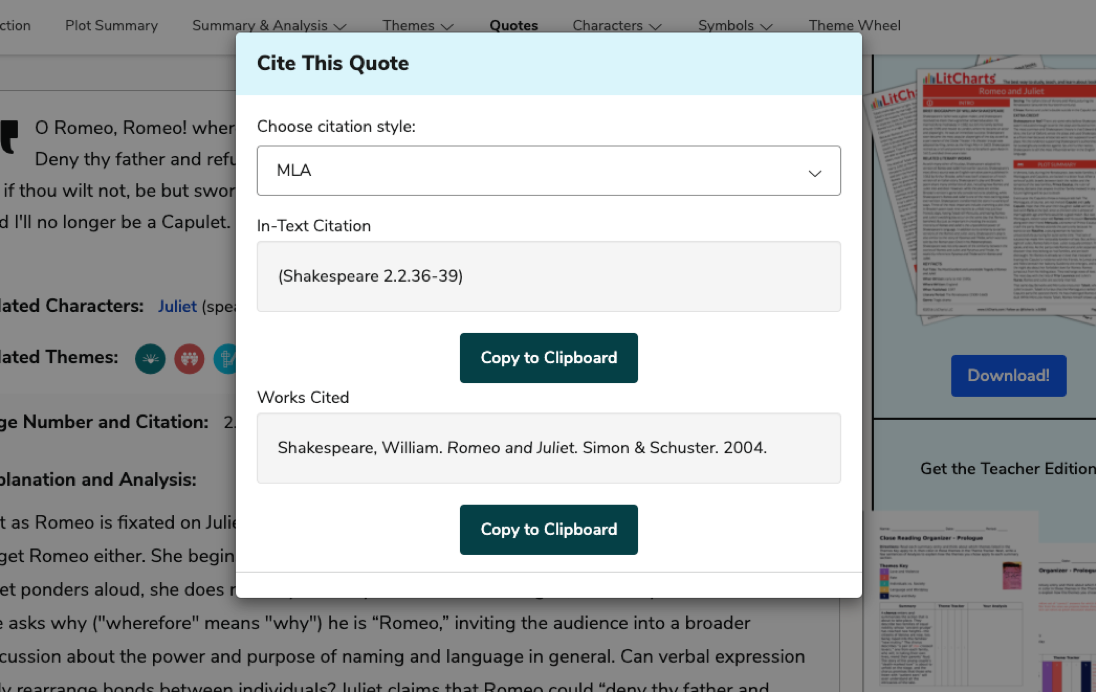
Find the perfect quote. Understand it perfectly. Then rock the citation, too.
For all 50,101 quotes we cover.
For all 50,101 quotes we cover.


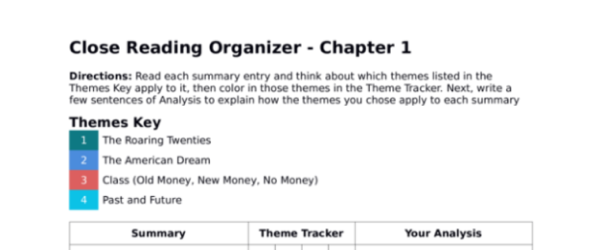
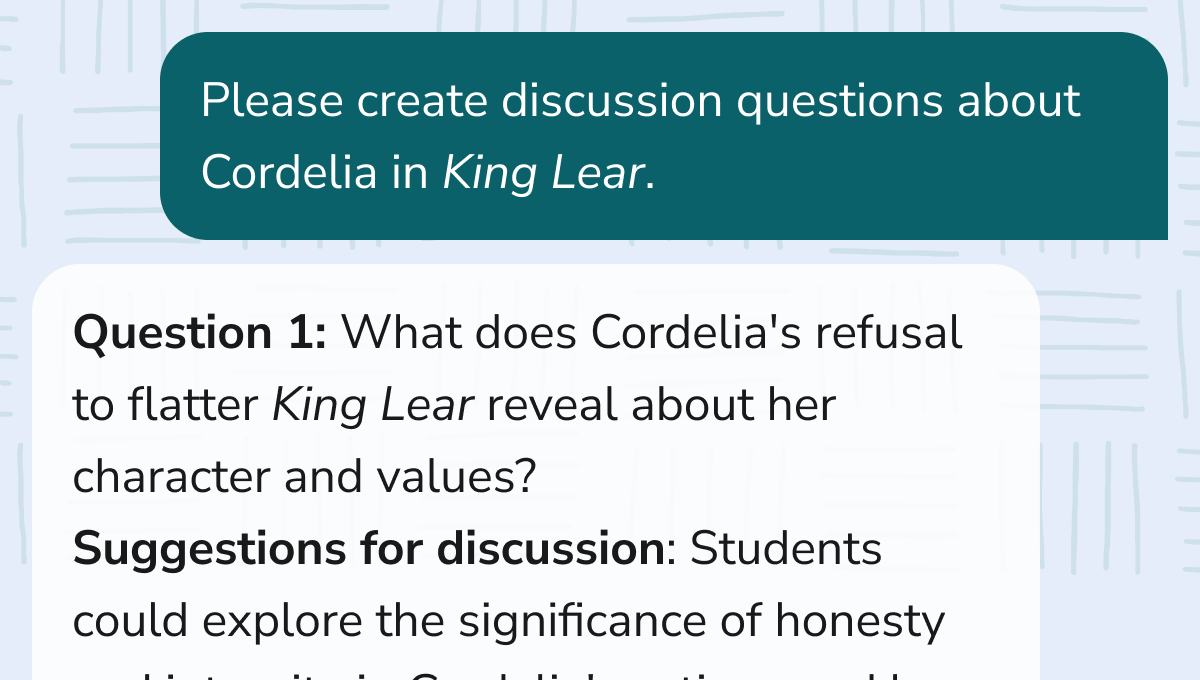
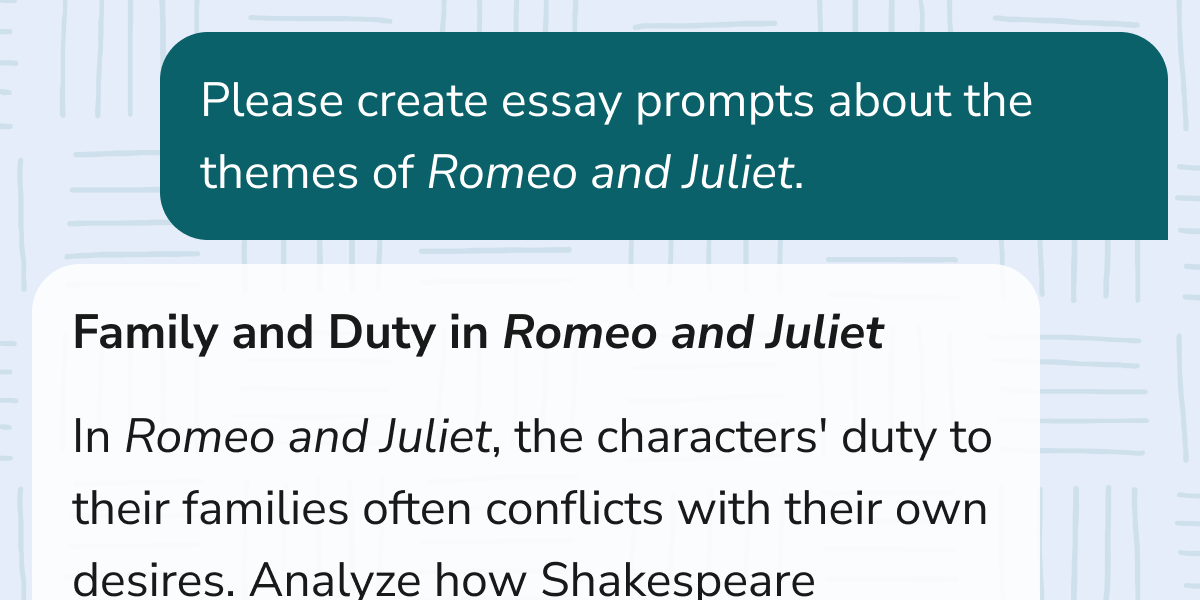
Teacher Editions
Close reading made easy for students.
Time saved for teachers.
For every book we cover.
Time saved for teachers.
For every book we cover.


Common Core-aligned


PDFs of modern translations of every one of Shakespeare's 37 plays, 154 sonnets, and 3 longer poems.

Literary Terms and Devices
Definitions and examples for every literary term and device you need to know.
Plus a quick-reference PDF with concise definitions of all 136 terms in one place.
Plus a quick-reference PDF with concise definitions of all 136 terms in one place.
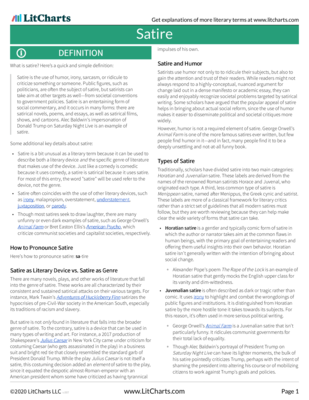
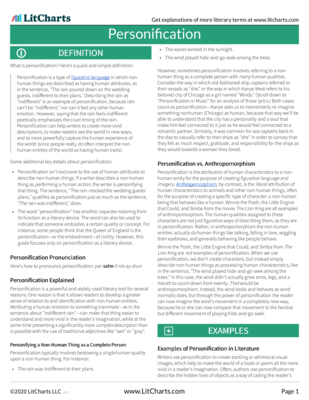
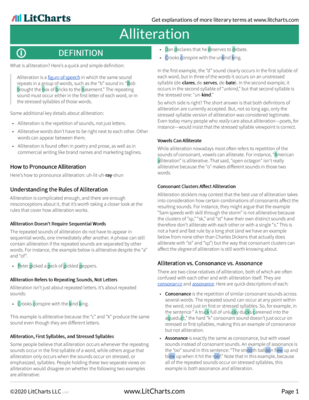
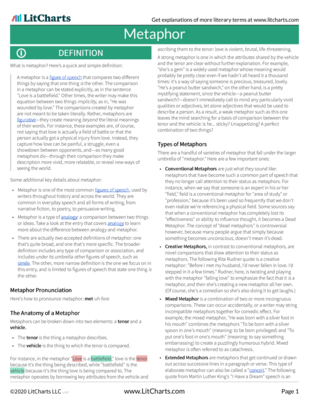
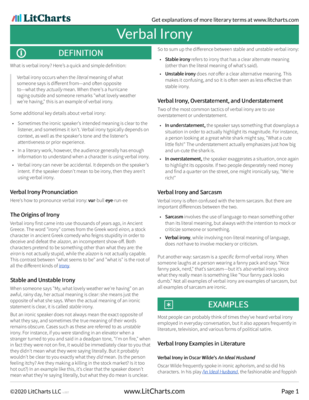
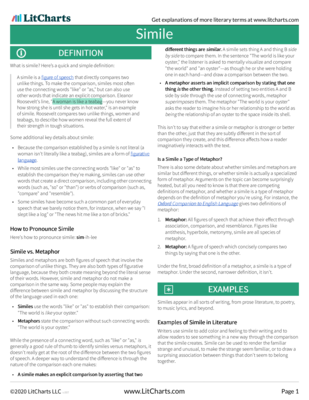
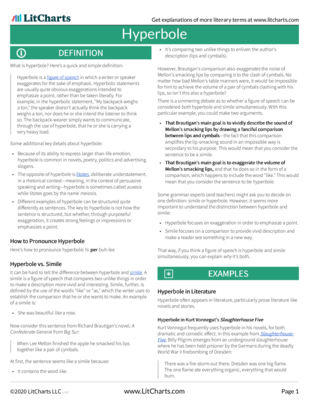
Try a free sample literary term PDF.


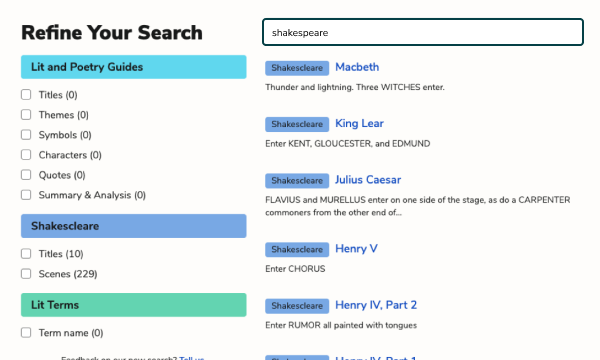
Advanced Search
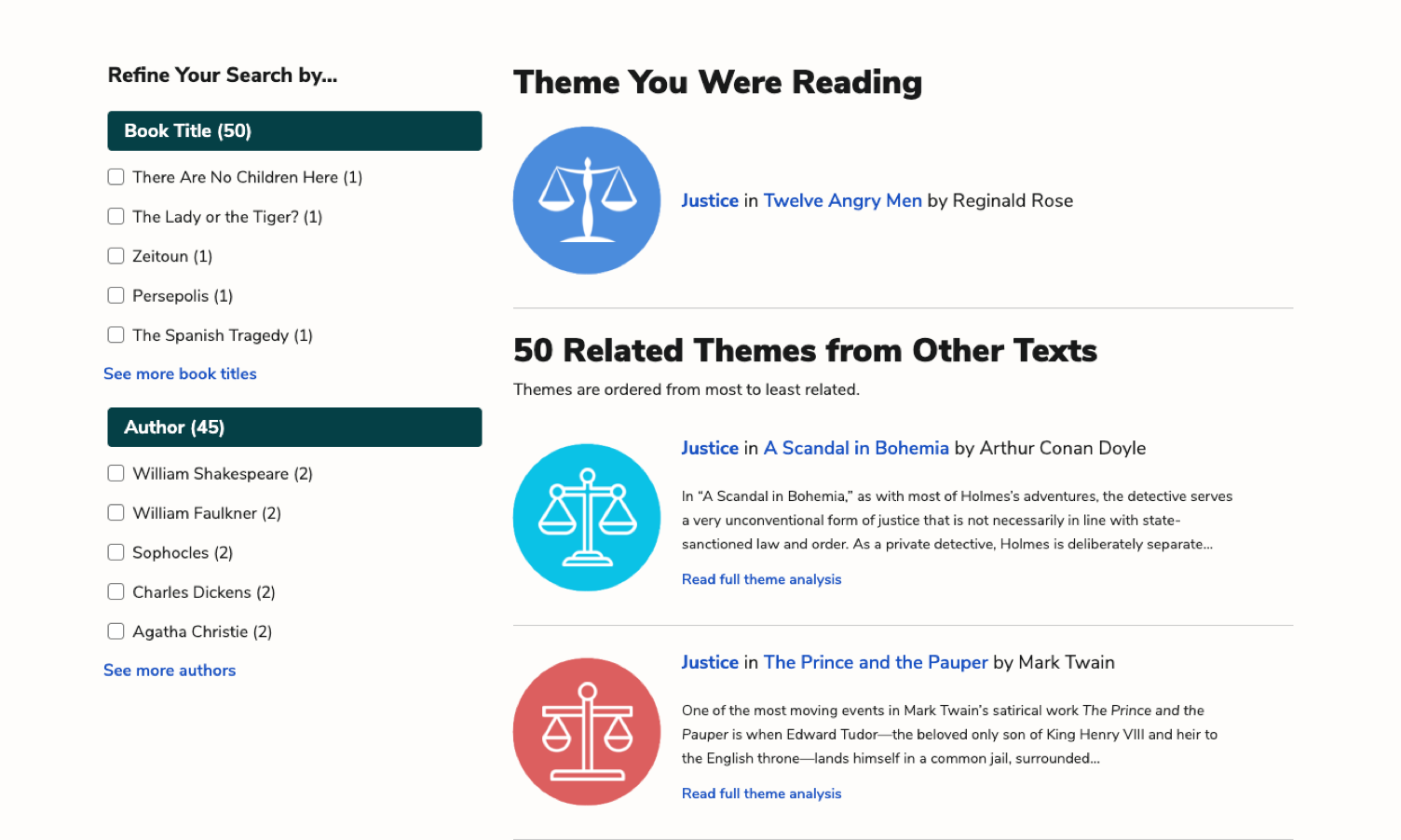
Refine any search. Find related themes, quotes, symbols, characters, and more.
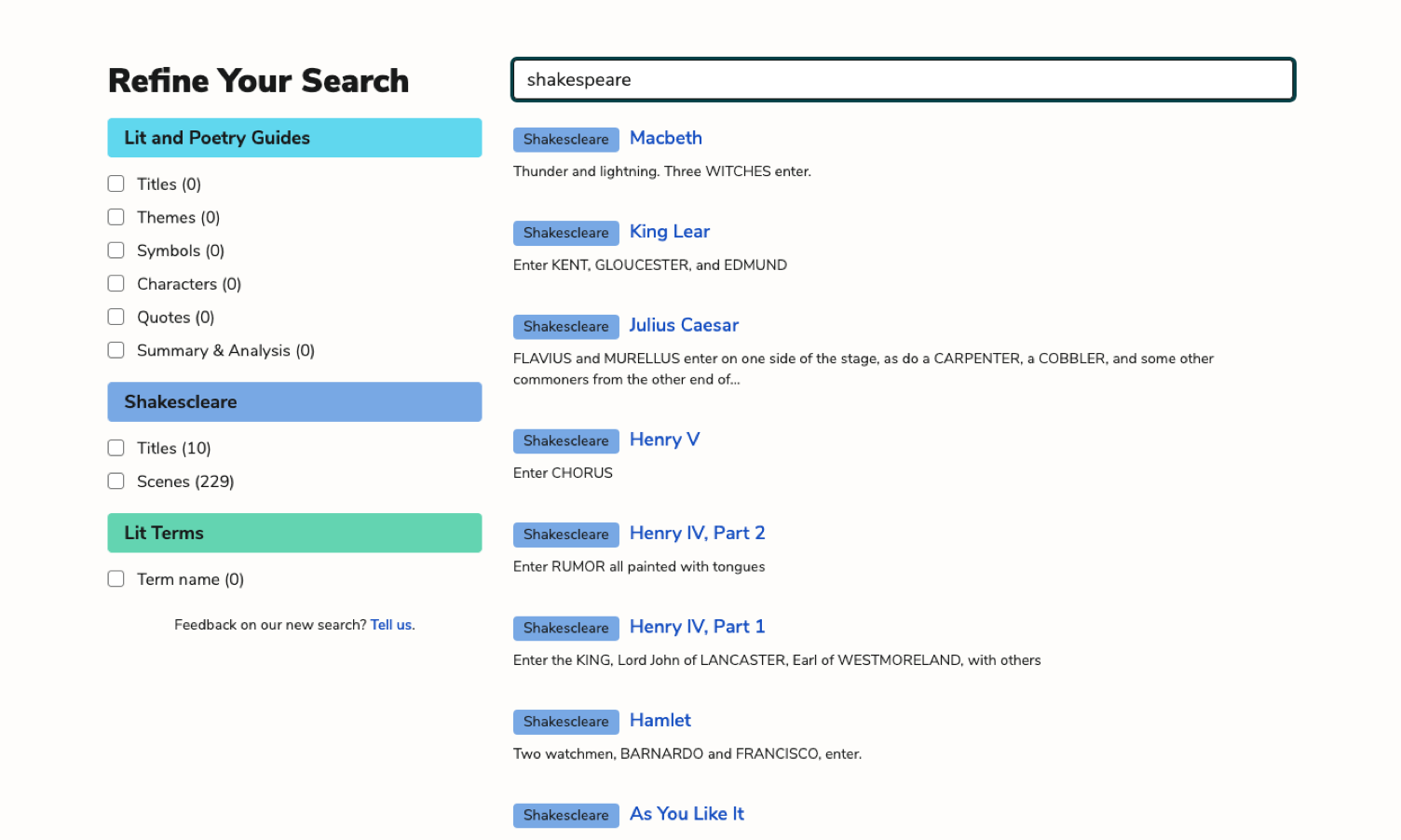

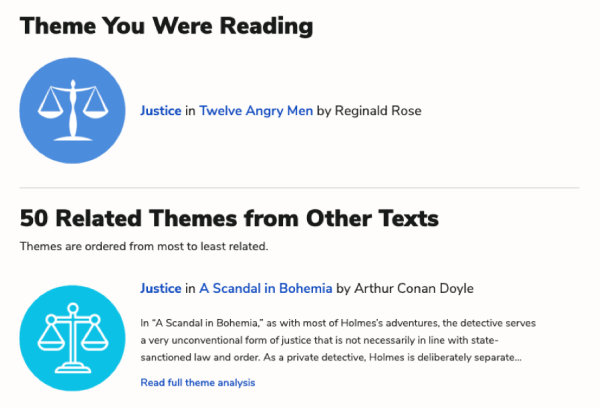
Related Themes
Comparing and contrasting texts? Find where any theme occurs across all of LitCharts in seconds.


Poetry Guides
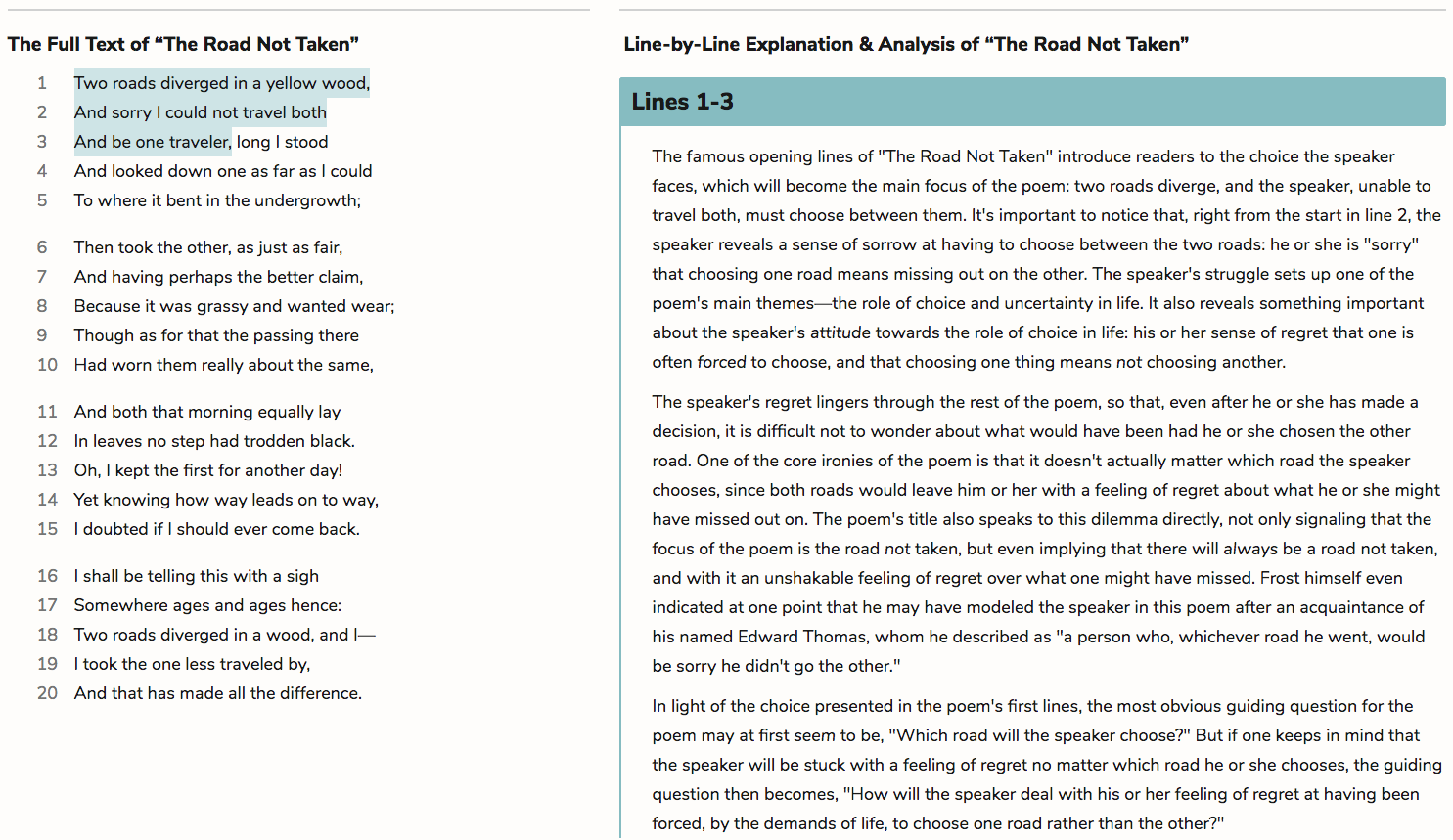
Line-by-line explanations and analysis of figurative language and poetic devices.
For every lyric poem we cover.
For every lyric poem we cover.