


|
Have questions?
Contact us
Already a member? Sign in
|
Get every literary device explanation for Bartleby, the ScrivenerPlus so much more...
Sign up for LitCharts A+Get instant access to every literary device explanation, plus so much more...
Allusion
Explanation and Analysis—Cicero:
While the Lawyer’s office is primarily unadorned, he does have a bust of Cicero on display—an allusion to the ancient Roman philosopher and statesman. The Lawyer mentions the sculpture in the scene in which he asks Bartleby about himself, and Bartleby refuses to share anything:
“Will you tell me any thing about yourself?”
“I would prefer not to.”
“But what reasonable objection can you have to speak to me? I feel friendly towards you.”
He did not look at me while I spoke, but kept his glance fixed upon my bust of Cicero, which as I then sat, was directly behind me, some six inches above my head.
Though this allusion is a subtle one, it is clearly important—there is a reason (or possibly reasons) that Melville has Bartleby “[keep] his gaze fixed upon” the bust of Cicero while engaging in his passive resistance. Melville had intensively studied Cicero’s writings before the publication of “Bartleby, the Scrivener” and was even a member of the Ciceronian Debating Society as a young man, so he is clearly making an informed choice to include Cicero here.
While scholars continue to debate Melville’s intentions in including Cicero in the story, one theory is that, as an early proponent of humanism, Cicero represents the Lawyer’s commitment to respecting Bartleby in spite of his rebelliousness. The same way that Cicero sought to respect people of all different opinions and temperaments, the Lawyer tries to respect Bartleby.
A very different interpretation is that, like Cicero, the Lawyer is comfortable with the class divisions in society. Cicero came from a wealthy family and believed that the educated aristocratic class had the right to govern (and enslave) those from lower class backgrounds. The Lawyer’s bewilderment over Bartleby’s refusal to answer his questions may be due to the fact that he believes, as an employee, Bartleby should do whatever the Lawyer, as the boss, asks of him.
Monthly
Annual (Best Value)

$595USD/mo
Charged $71.40 USD every year





 Teacher
$795USD/mo
Charged $95.40 USD every year




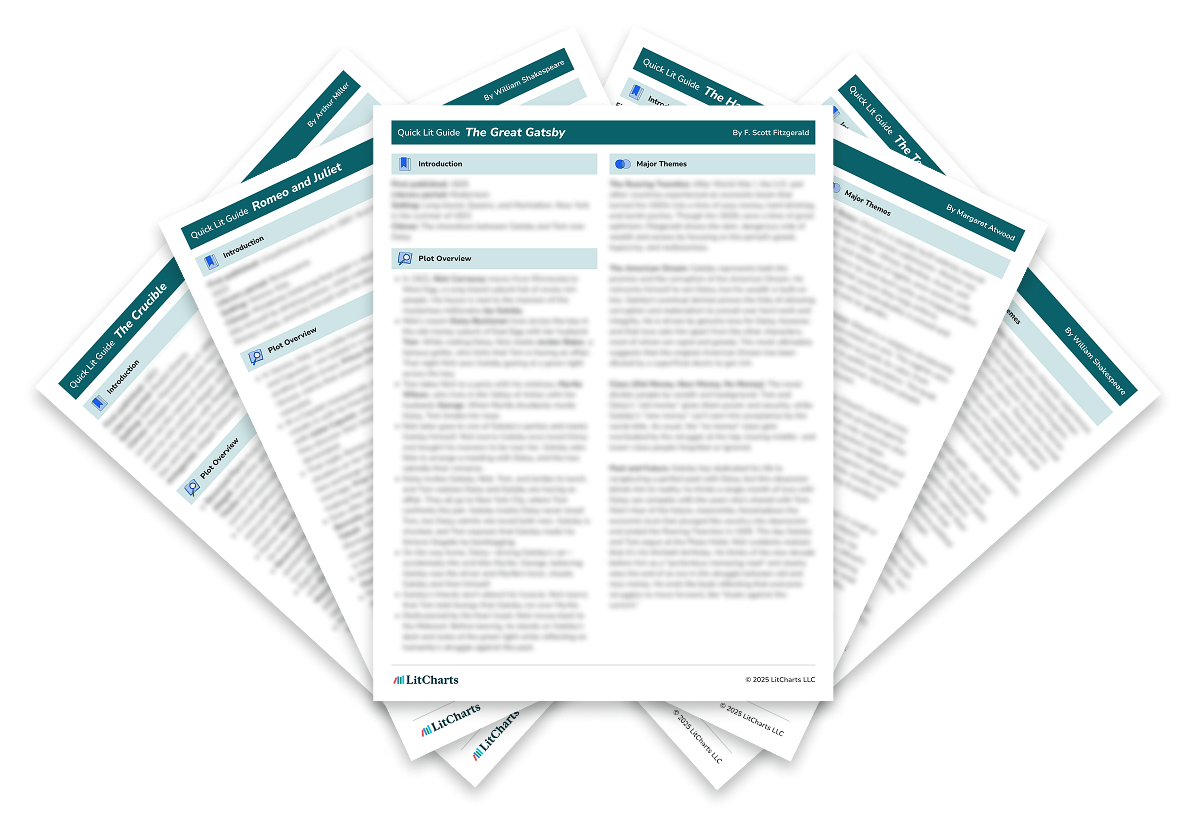
Literature Guide PDFs
LitCharts PDFs for every book you'll read this year.
Instant PDF downloads of all 2240 LitCharts literature guides and of every new one we publish. Try a free sample literature guide.
"Would not have made it through AP Literature without the printable PDFs. They're like having in-class notes for every discussion!"




Quotes Explanations
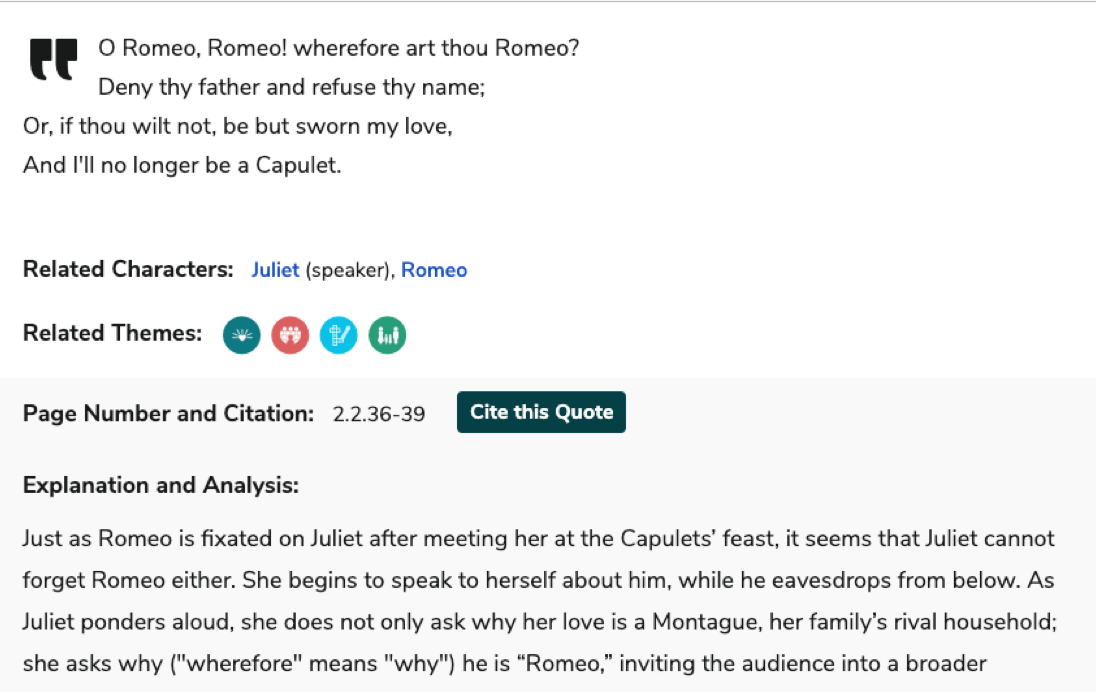
Find the perfect quote. Understand it perfectly. Then rock the citation, too.
For all 49,945 quotes we cover.
For all 49,945 quotes we cover.



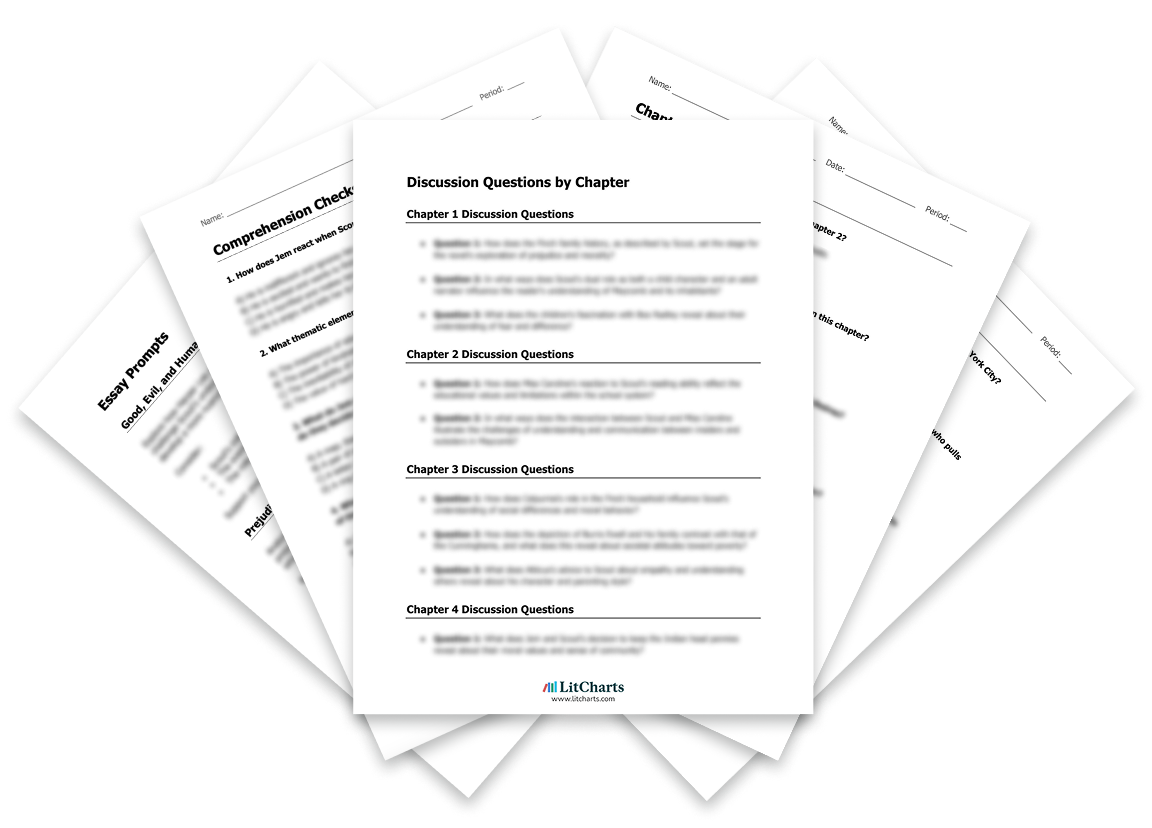
Teacher Editions
Close reading made easy for students.
Time saved for teachers.
For every book we cover.
Time saved for teachers.
For every book we cover.


Common Core-aligned


PDFs of modern translations of every one of Shakespeare's 37 plays, 154 sonnets, and 3 longer poems.

Literary Terms and Devices
Definitions and examples for every literary term and device you need to know.
Plus a quick-reference PDF with concise definitions of all 136 terms in one place.
Plus a quick-reference PDF with concise definitions of all 136 terms in one place.


Try a free sample literary term PDF.


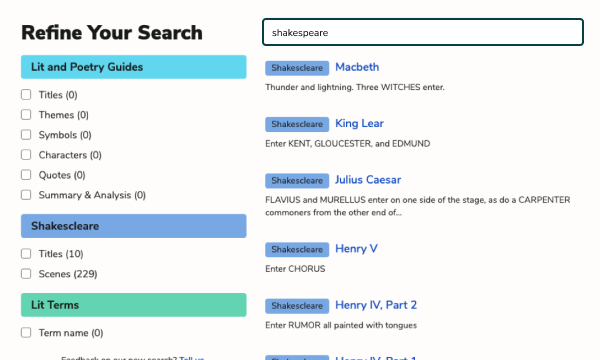
Advanced Search
Refine any search. Find related themes, quotes, symbols, characters, and more.


Related Themes
Comparing and contrasting texts? Find where any theme occurs across all of LitCharts in seconds.



Poetry Guides
Line-by-line explanations and analysis of figurative language and poetic devices.
For every lyric poem we cover.
For every lyric poem we cover.
