
|
Have questions?
Contact us
Already a member? Sign in
|
Get every literary device explanation for The Jew of MaltaPlus so much more...
Sign up for LitCharts A+Get instant access to every literary device explanation, plus so much more...
Allusion
Explanation and Analysis—The Underworld:
At the end of Act III, Scene 4, Barabas makes the fateful decision to not only poison his daughter, but an entire nunnery. In an attempt to justify this monstrous action, Barabas compares his daughter to a fiend from hell, using allusion to conjure up an image of the Underworld:
In few, the blood of Hydra, Lerna's bane:
The juice of hebon, and the Cocytus' breath,
And all the poisons of the Stygian pool
Break from the fiery kingdom; and in this
Vomit your venom and invenom her
That like a fiend hath left her father thus.
Barabas alludes heavily to several figures from Greek mythology in this passage: Hydra (a giant snake-like monster with nine heads, which was rumored to have lived in the marshes of Lerna, near Argos); Cocytus (the river of lamentation in the underworld and one of the five rivers surrounding Hades); and the "poisons of the Stygian pool" (this refers to the river Styx, the river separating Hades from the mortal realm). In Barabas's mind, his daughter has abandoned him and deserves the worst that hell has to offer. She is no longer a loved one, as evidenced by the fact that Barabas uses a simile to compare her to a "fiend." Barabas constructs this elaborate series of allusions and similes to characterize his daughter in this way and, in doing so, he effectively tries to justify murdering her.
Monthly
Annual (Best Value)

$595USD/mo
Charged $71.40 USD every year
 Teacher
$795USD/mo
Charged $95.40 USD every year
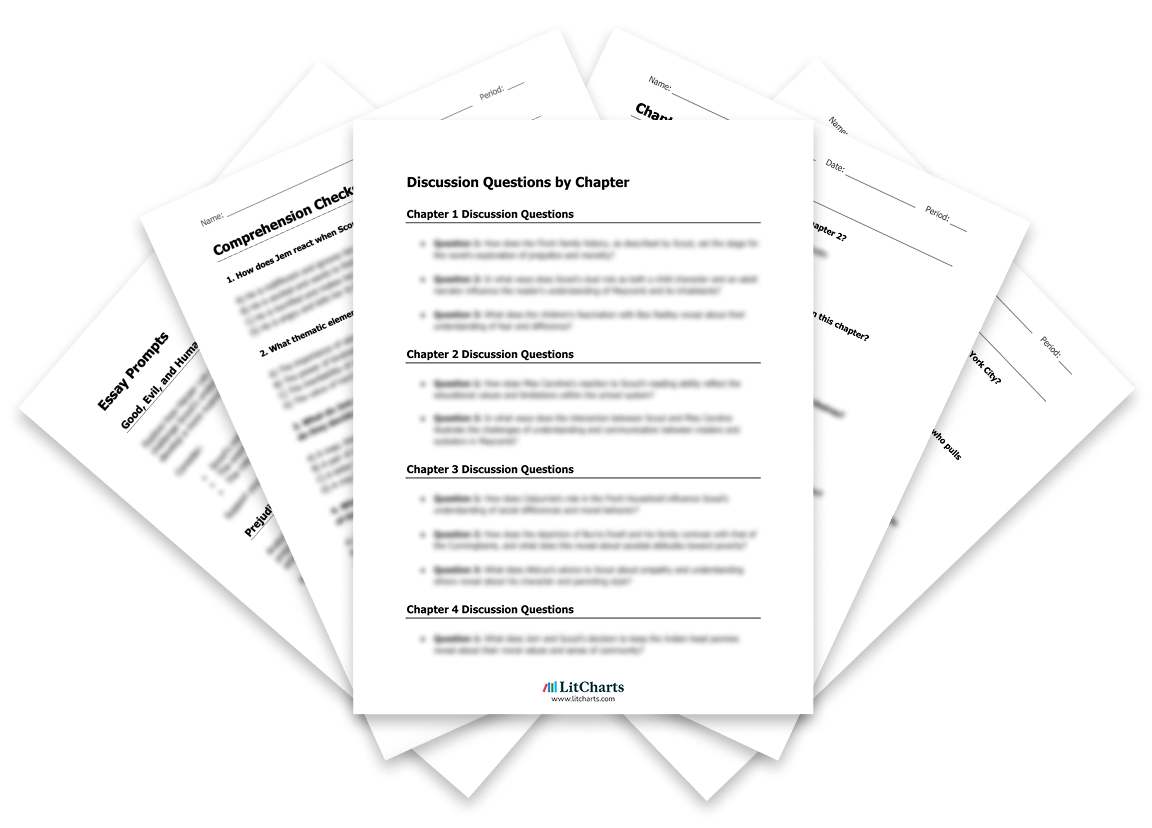


Literature Guide PDFs
LitCharts PDFs for every book you'll read this year.
Instant PDF downloads of all 2247 LitCharts literature guides and of every new one we publish. Try a free sample literature guide.
"Would not have made it through AP Literature without the printable PDFs. They're like having in-class notes for every discussion!"




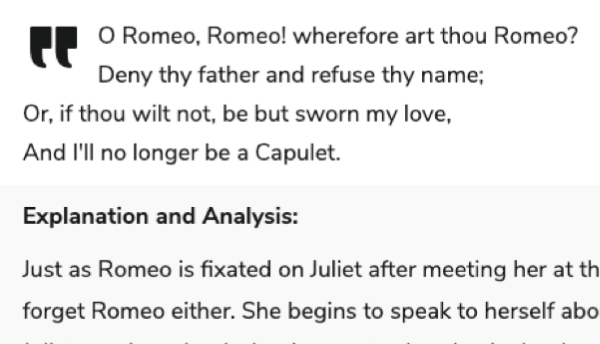
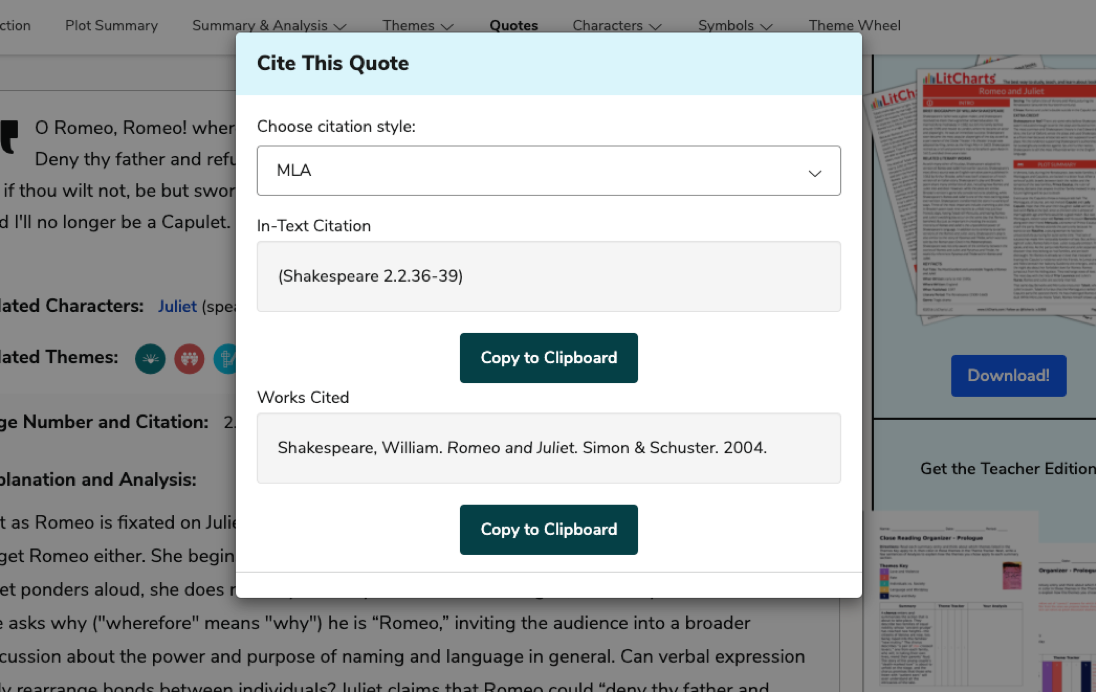
Quotes Explanations
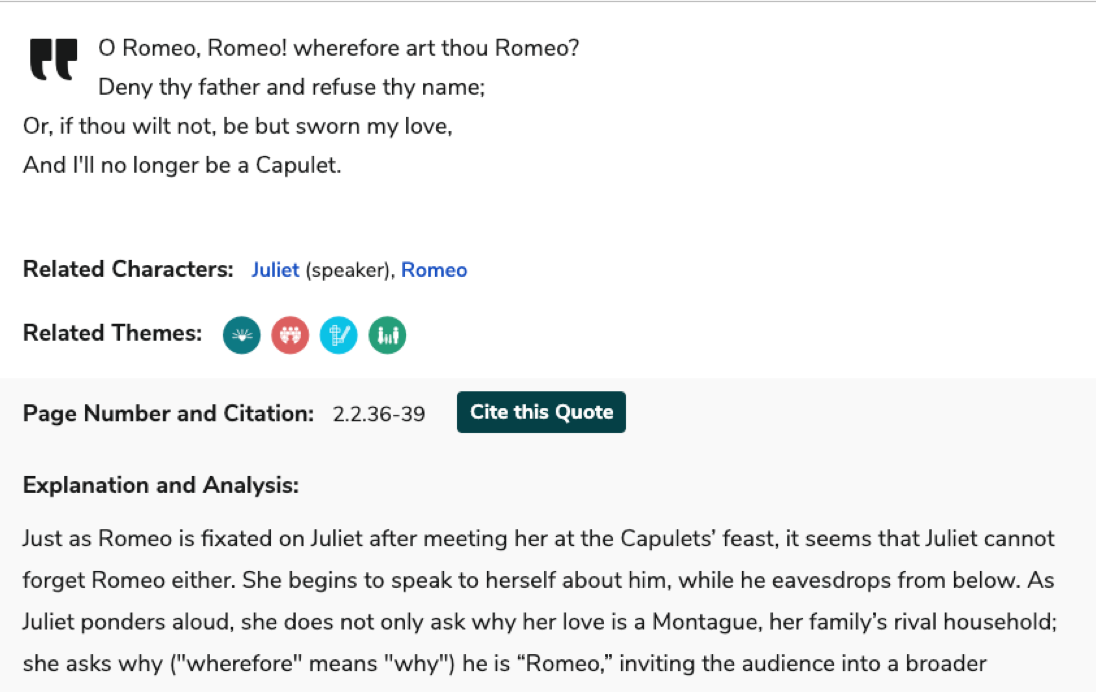
Find the perfect quote. Understand it perfectly. Then rock the citation, too.
For all 50,101 quotes we cover.
For all 50,101 quotes we cover.


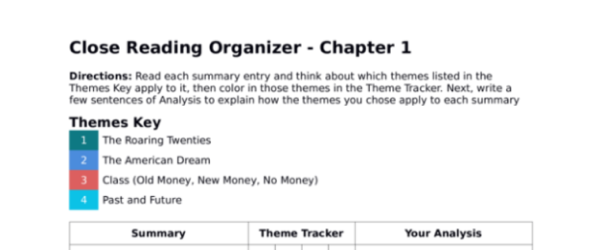
Teacher Editions
Close reading made easy for students.
Time saved for teachers.
For every book we cover.
Time saved for teachers.
For every book we cover.


Common Core-aligned


PDFs of modern translations of every one of Shakespeare's 37 plays, 154 sonnets, and 3 longer poems.

Literary Terms and Devices
Definitions and examples for every literary term and device you need to know.
Plus a quick-reference PDF with concise definitions of all 136 terms in one place.
Plus a quick-reference PDF with concise definitions of all 136 terms in one place.
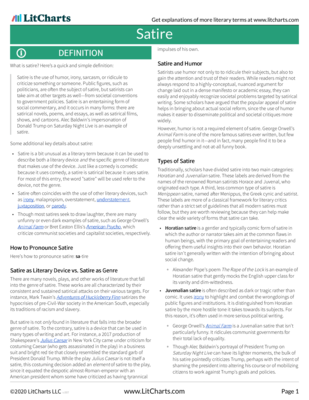
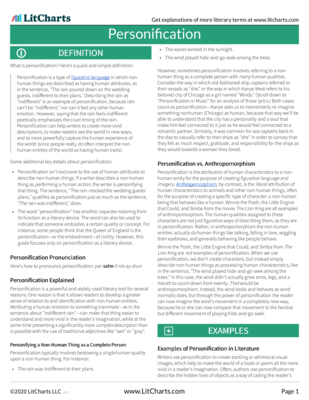
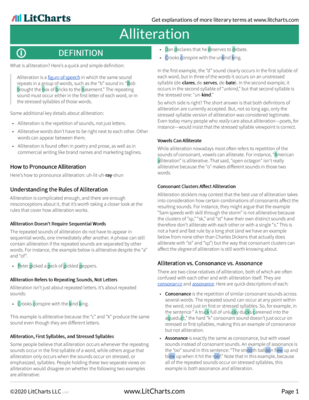
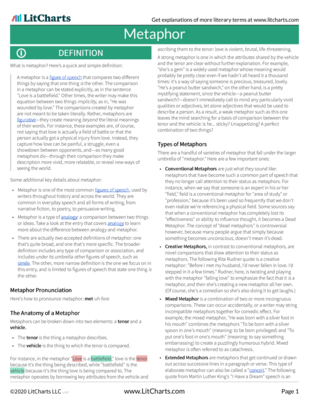
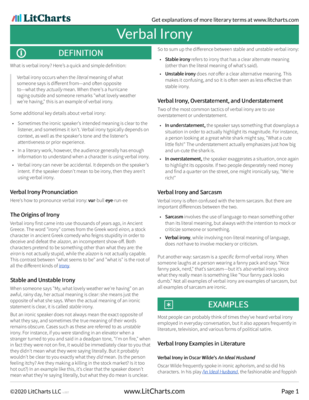
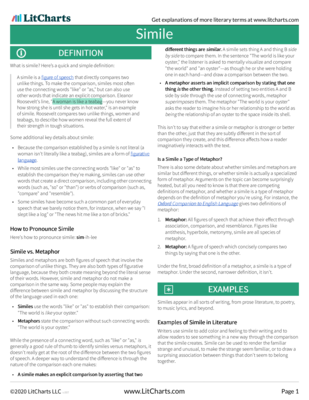
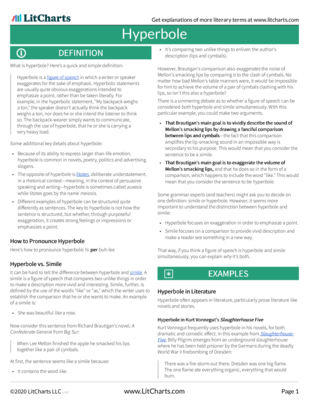
Try a free sample literary term PDF.


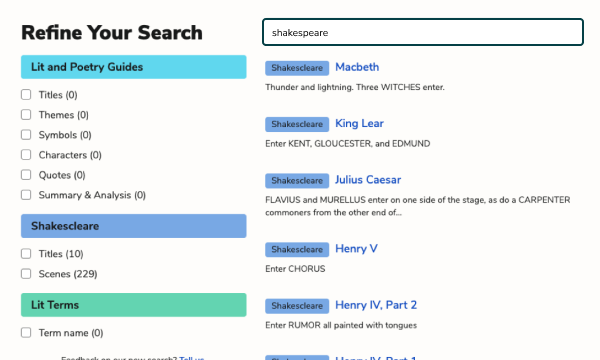
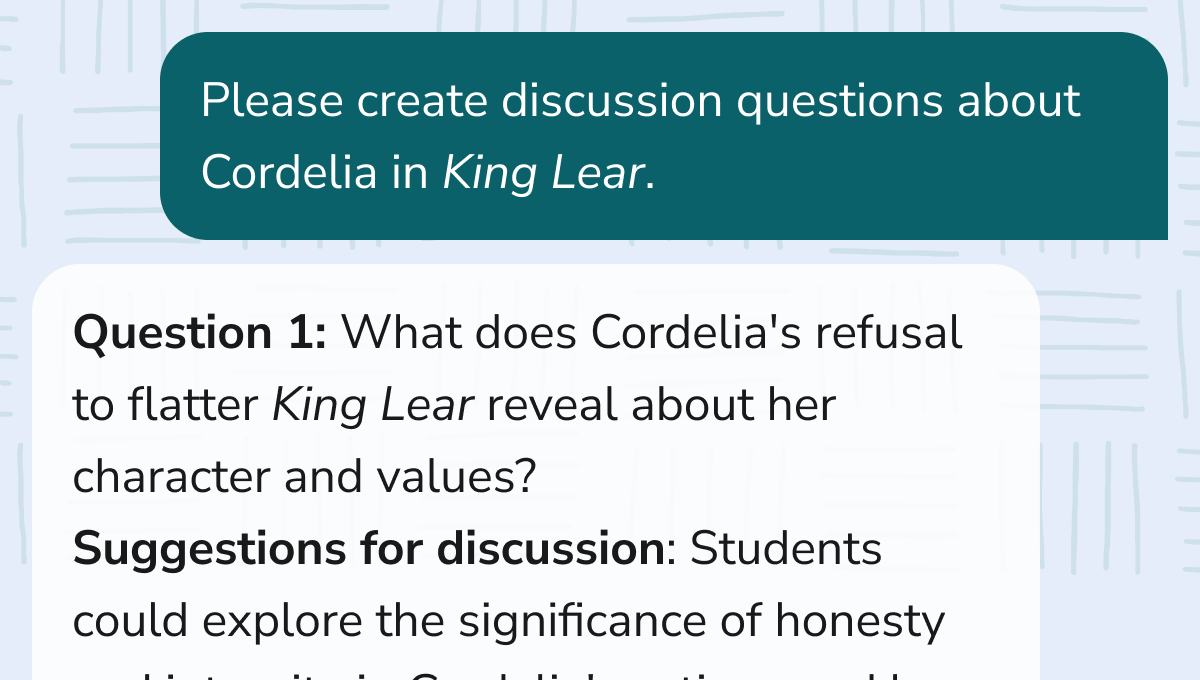
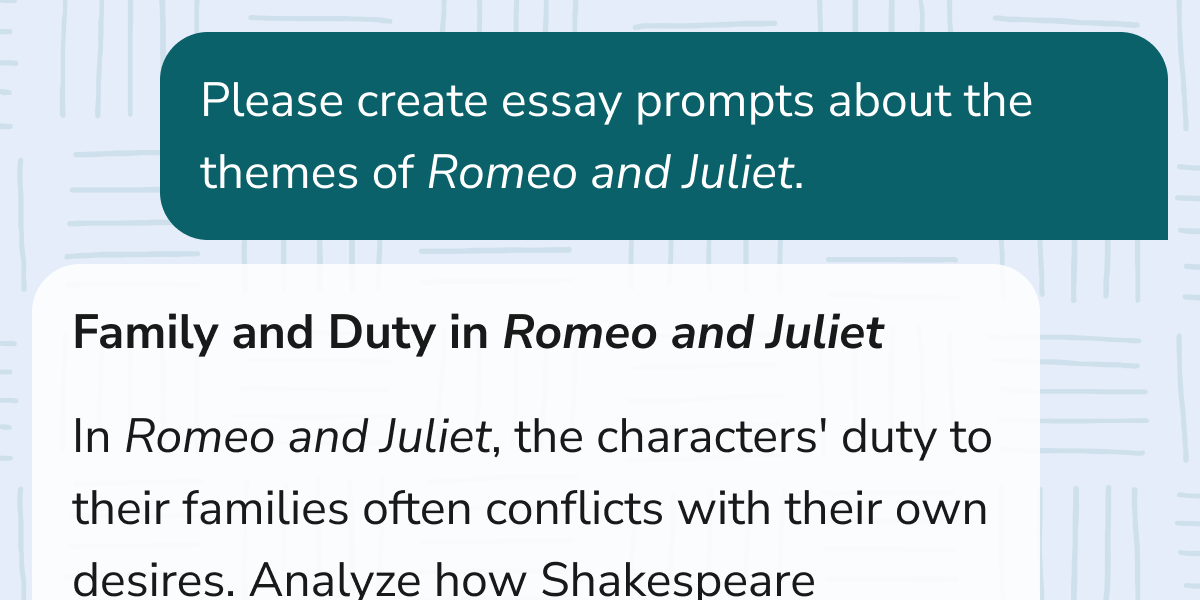
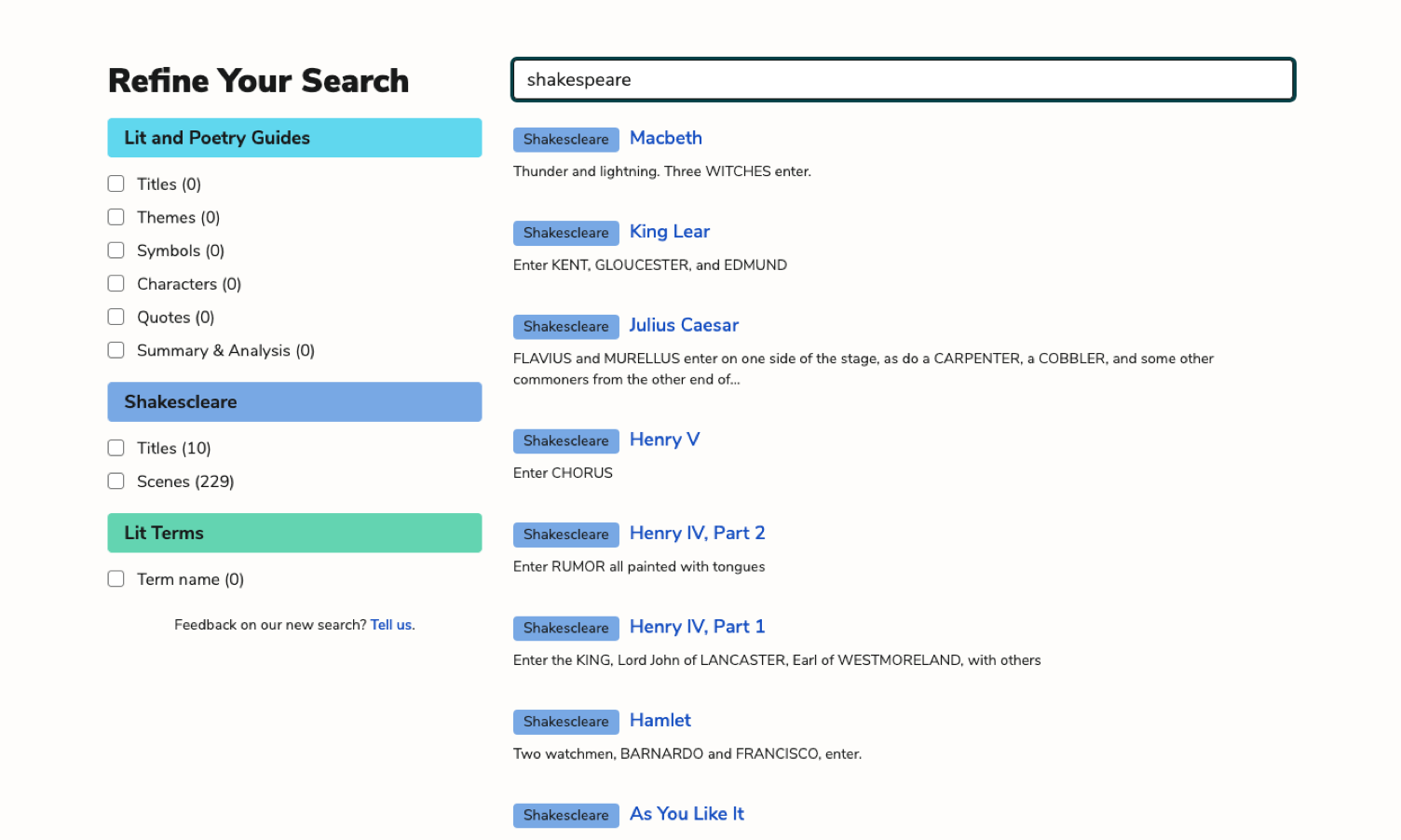
Advanced Search
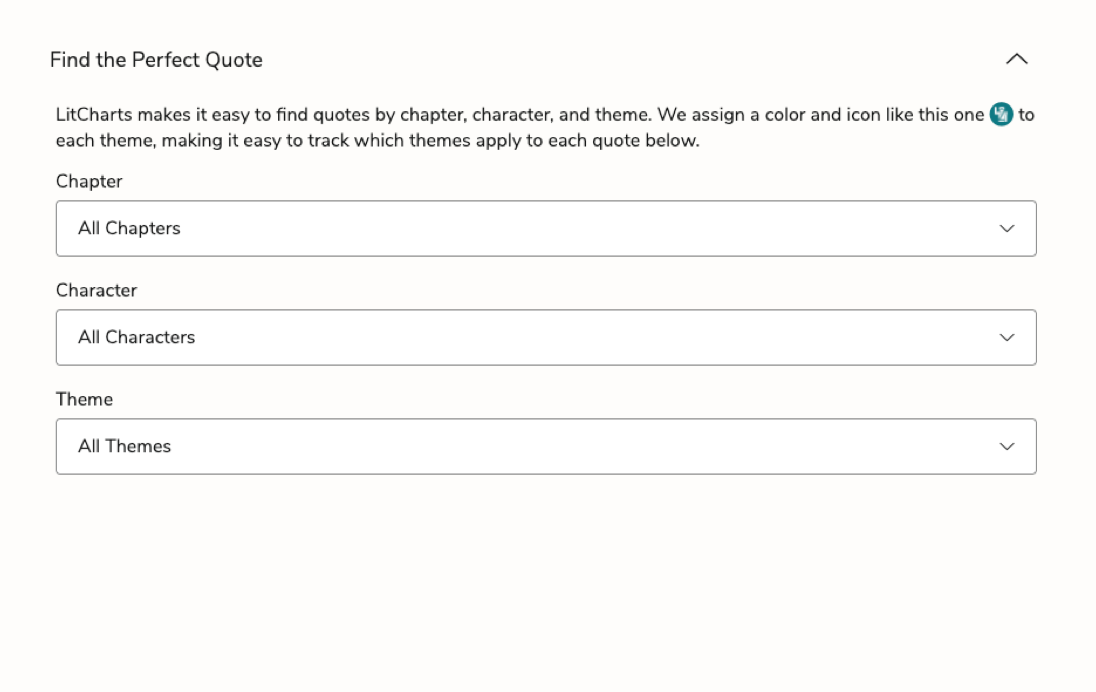
Refine any search. Find related themes, quotes, symbols, characters, and more.
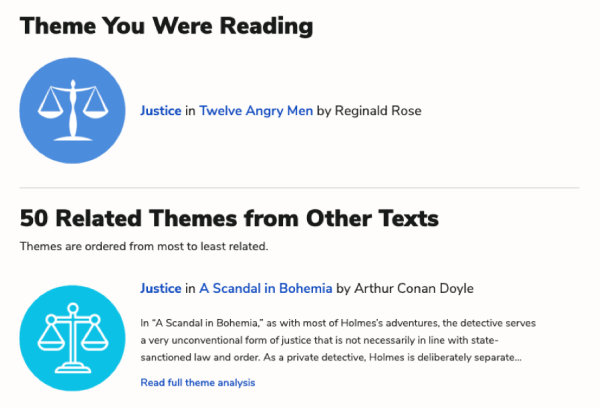
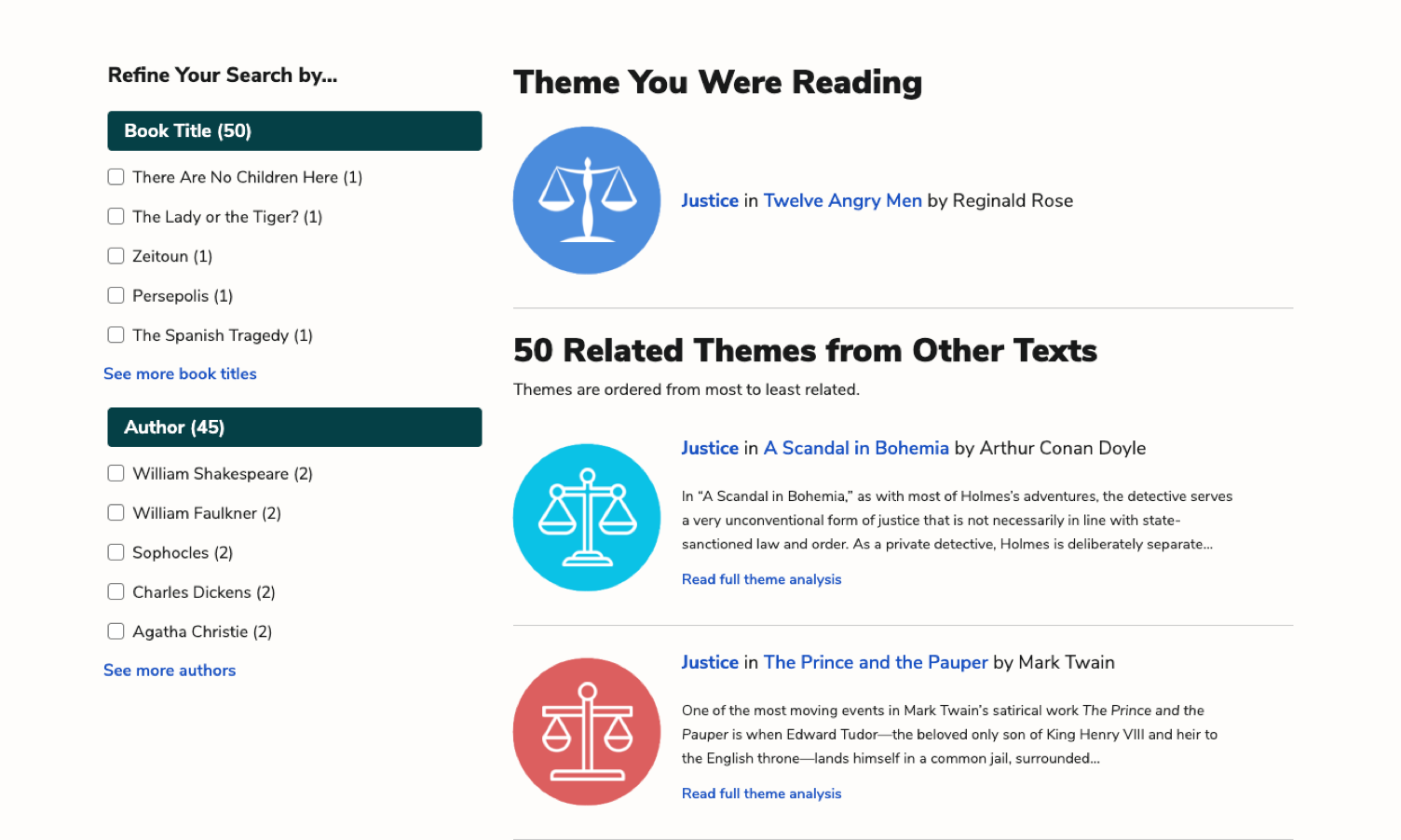
Related Themes
Comparing and contrasting texts? Find where any theme occurs across all of LitCharts in seconds.


Poetry Guides
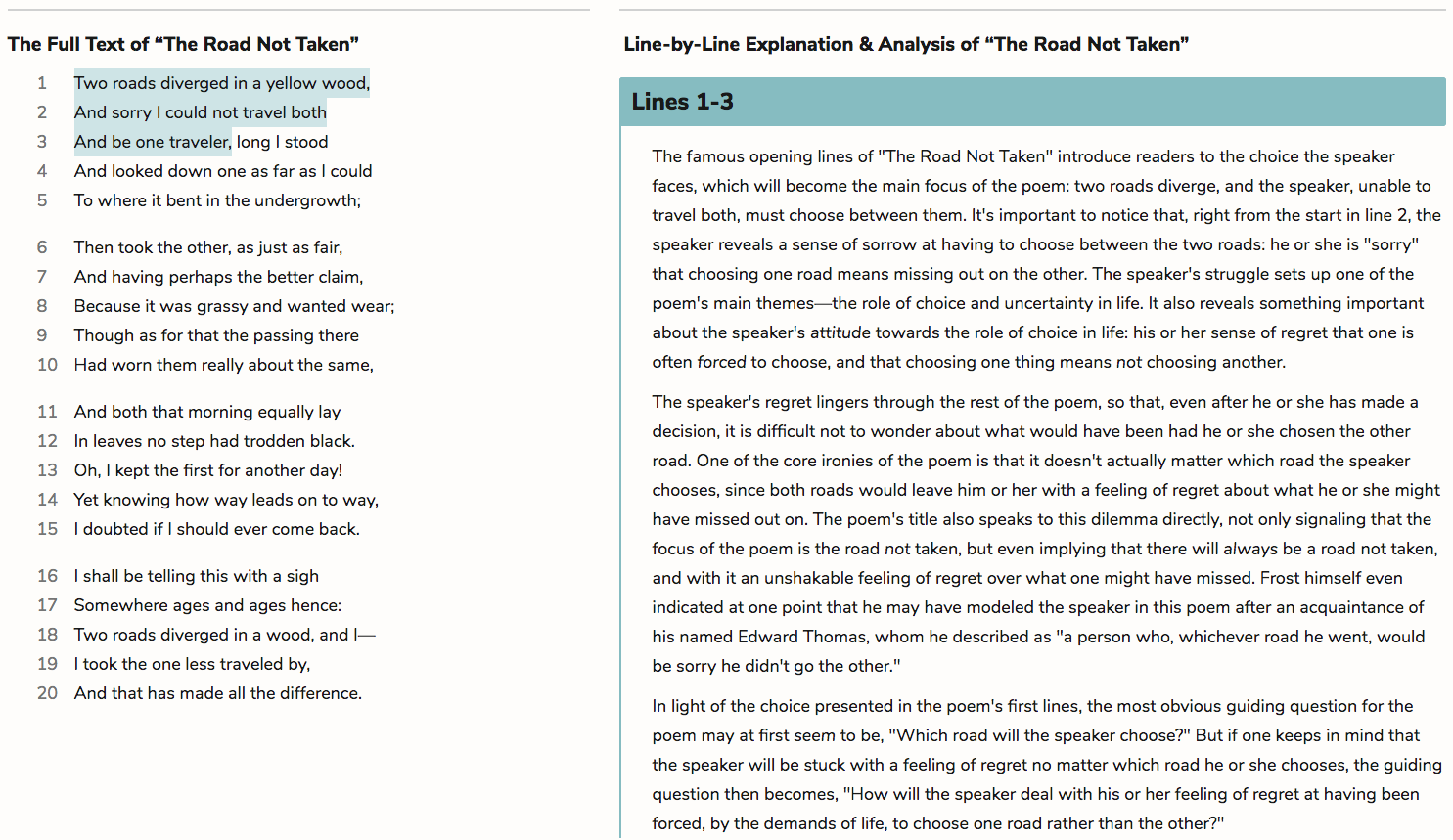
Line-by-line explanations and analysis of figurative language and poetic devices.
For every lyric poem we cover.
For every lyric poem we cover.