
|
Have questions?
Contact us
Already a member? Sign in
|
Get every literary device explanation for The Open BoatPlus so much more...
Sign up for LitCharts A+Get instant access to every literary device explanation, plus so much more...
Allusion
Explanation and Analysis—Animals:
In “The Open Boat,” animals form a motif, appearing several times as reminders of the indifference and occasional cruelty of nature.
First, a flock of gulls comes to the men of the ship:
Canton-flannel gulls flew near and far. Sometimes they sat down on the sea, near patches of brown seaweed that rolled over the waves with a movement like carpets on a line in a gale. The birds sat comfortably in groups, and they were envied by some in the dinghy, for the wrath of the sea was no more to them than it was to a covey of prairie chickens a thousand miles inland. Often they came very close and stared at the men with black bead-like eyes. At these times they were uncanny and sinister in their unblinking scrutiny, and the men hooted angrily at them, telling them to be gone.
These birds, even though they are not a real threat, are portrayed as “sinister” (much like the waves are portrayed). The violence of the waters does not affect these birds, even though they are much less intelligent than the men.
The captain, due to the precariousness of his boat, is unable to even shoo away a bird that perches on his head in fear that he might throw the boat off balance and send all the men into the sea. This shows nature’s dominance over man, in a kind of grimly humorous way.
The seagulls are also likely an allusion to the Romantic poem "The Rime of the Ancient Mariner" by Samuel Taylor Coleridge. The poem is about a sailor who shoots an albatross—which is a symbol of the Judeo-Christian God—and is punished by all his crew dying and being lost at sea until he repents by showing he can love all of God's creations. The poem shares a message with "The Open Boat": that the natural world cannot or ought not be dominated by the powers of man.
Another, arguably more dangerous animal appears later. When the correspondent is rowing alone at night, he notices a shark fin poking out of the water:
The speed and power of the thing was greatly to be admired. It cut the water like a gigantic and keen projectile.
The presence of this biding thing did not affect the man with the same horror that it would if he had been a picnicker. He simply looked at the sea dully and swore in an undertone.
The animal is mighty, and thereby worthy of admiration. This observation parallels the times that Crane describes nature as something beautiful. It reminds the reader that nature is not all bad or evil.
The description of the shark as a projectile has the opposite effect, as it reveals the immense power of the natural world. The shark's power is compared to weapons of war that it took men centuries to invent.
However, the correspondent seems somewhat indifferent to the shark’s presence. He recognizes that the shark likely is not out to kill him, as he is a sailor, not someone confined to the land such as a “picnicker,” and so he is used to the perils of the sea.
When animals appear in "The Open Boat," they act as representations of nature at large. They show nature's ability to exist indifferently to and sometimes detrimentally toward the pursuits of man.
Monthly
Annual (Best Value)

$595USD/mo
Charged $71.40 USD every year
 Teacher
$795USD/mo
Charged $95.40 USD every year
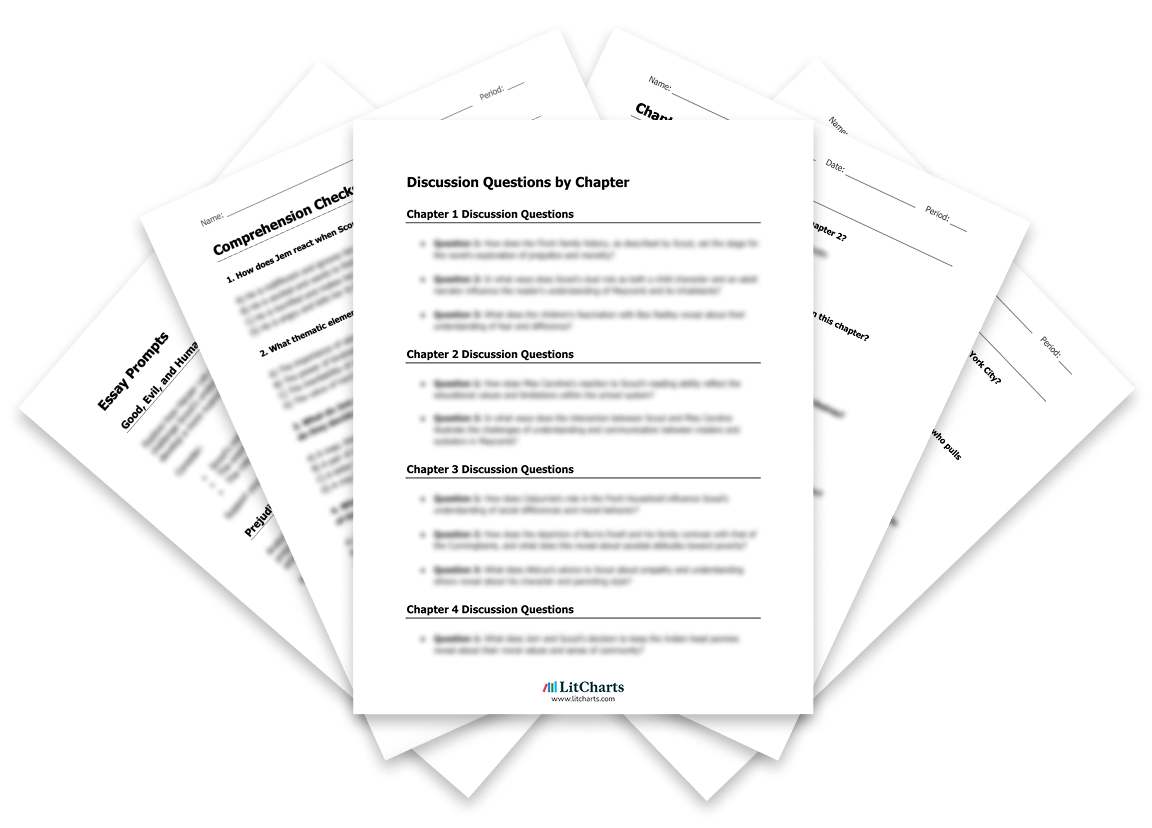


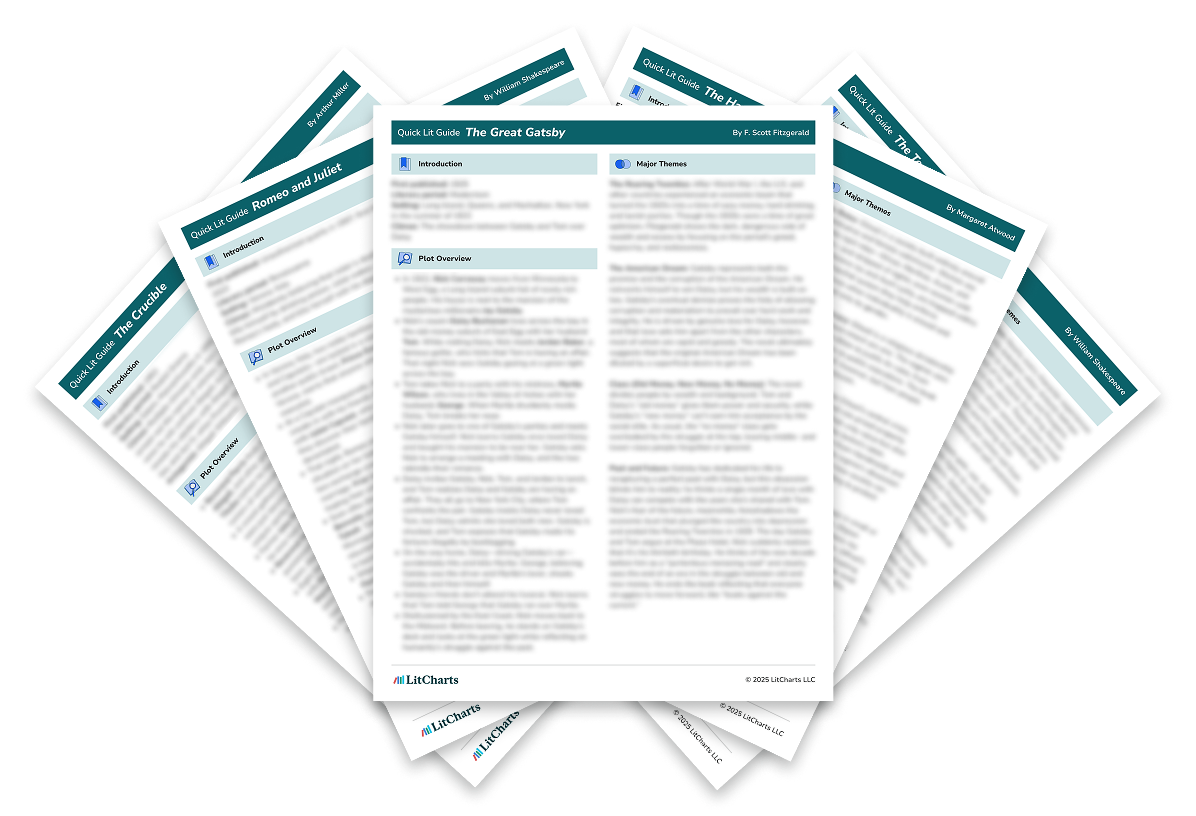
Literature Guide PDFs
LitCharts PDFs for every book you'll read this year.
Instant PDF downloads of all 2245 LitCharts literature guides and of every new one we publish. Try a free sample literature guide.
"Would not have made it through AP Literature without the printable PDFs. They're like having in-class notes for every discussion!"




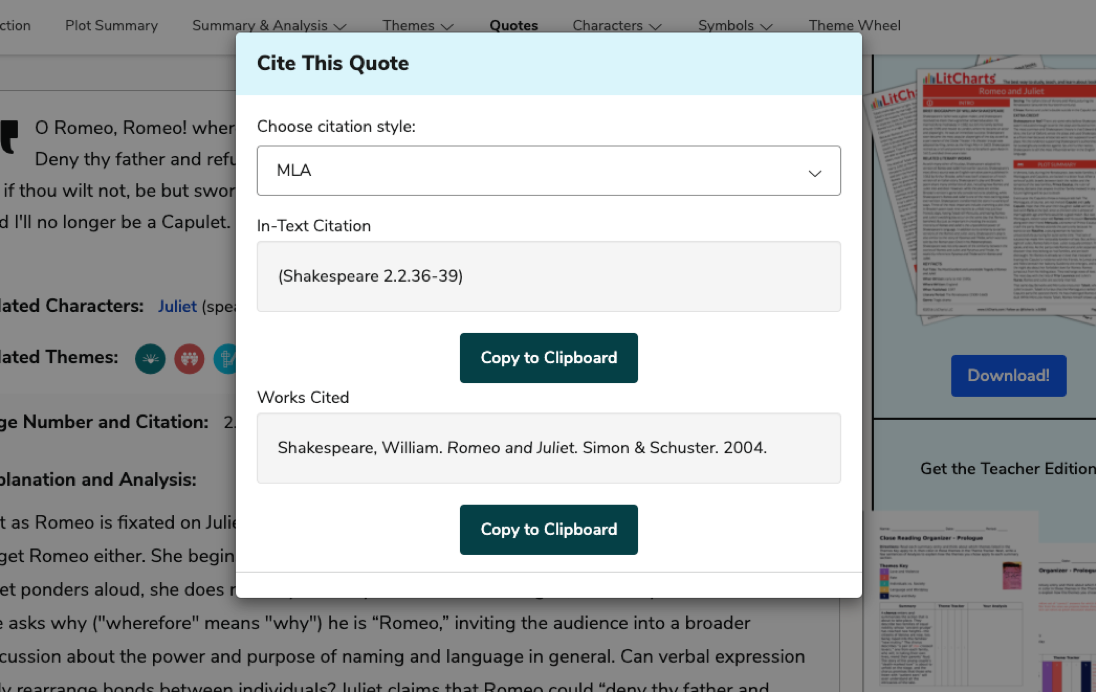
Quotes Explanations
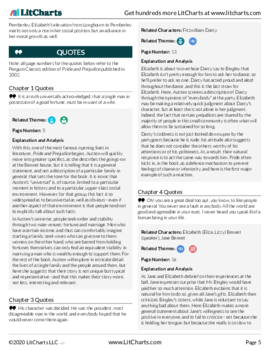
Find the perfect quote. Understand it perfectly. Then rock the citation, too.
For all 50,066 quotes we cover.
For all 50,066 quotes we cover.


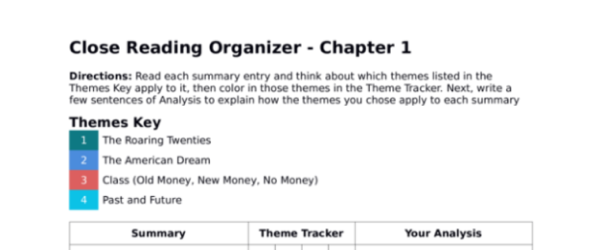
Teacher Editions
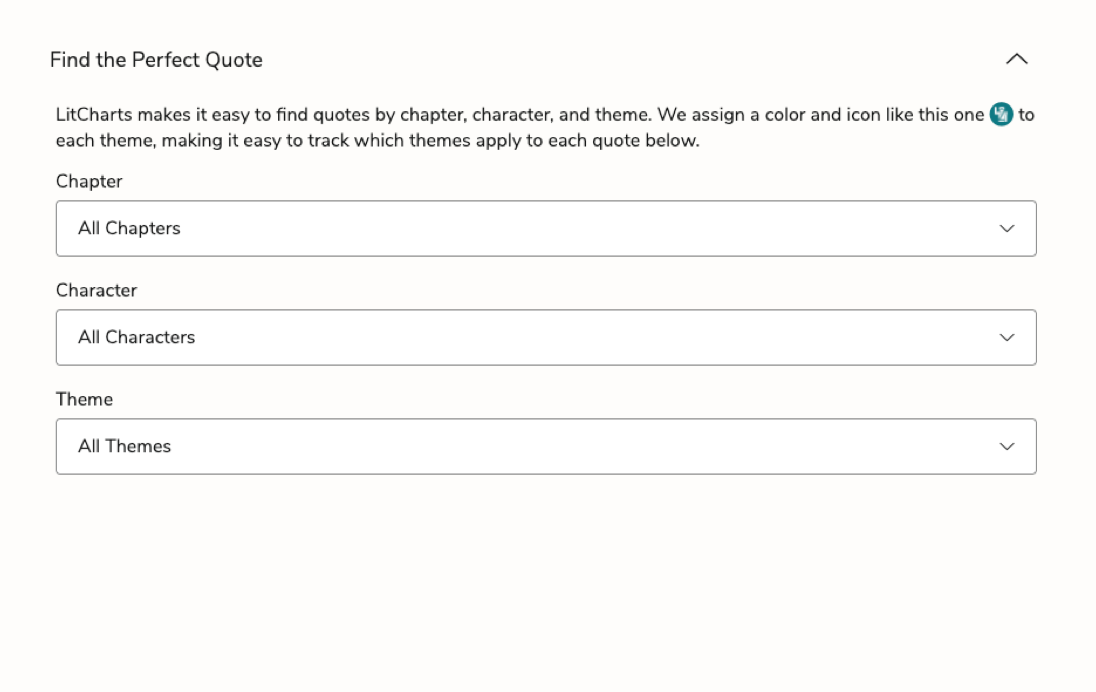
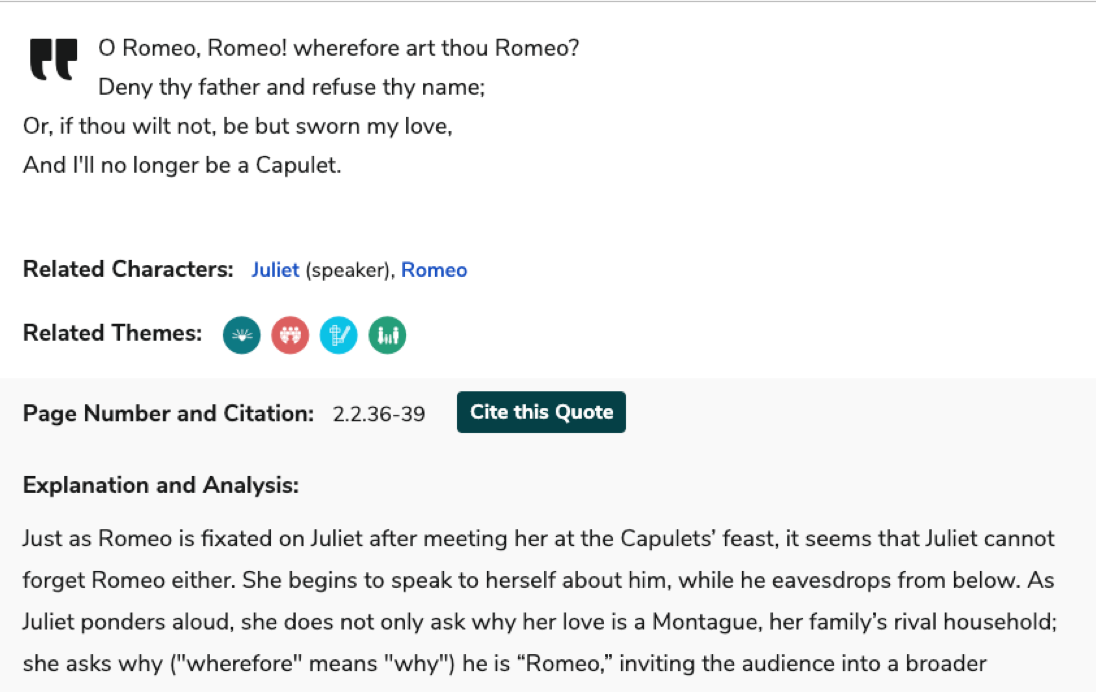
Close reading made easy for students.
Time saved for teachers.
For every book we cover.
Time saved for teachers.
For every book we cover.


Common Core-aligned


PDFs of modern translations of every one of Shakespeare's 37 plays, 154 sonnets, and 3 longer poems.

Literary Terms and Devices
Definitions and examples for every literary term and device you need to know.
Plus a quick-reference PDF with concise definitions of all 136 terms in one place.
Plus a quick-reference PDF with concise definitions of all 136 terms in one place.
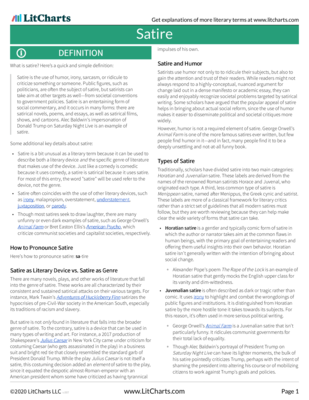
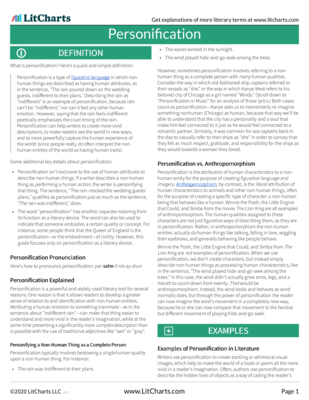
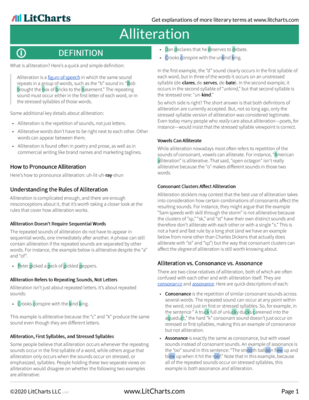
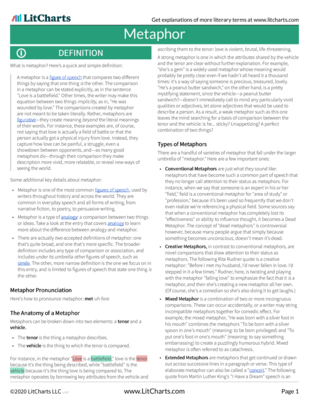
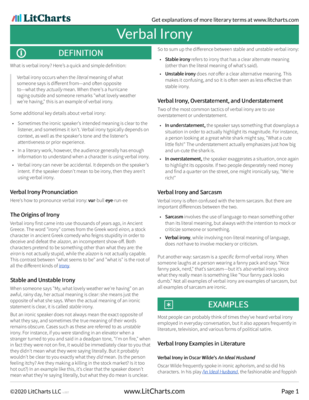
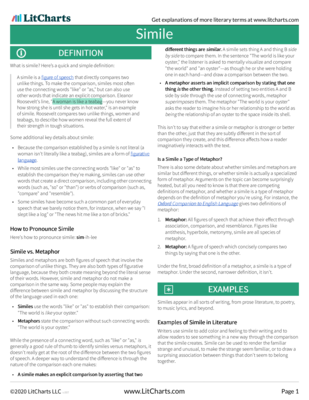
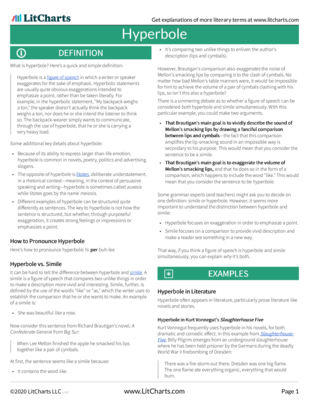
Try a free sample literary term PDF.


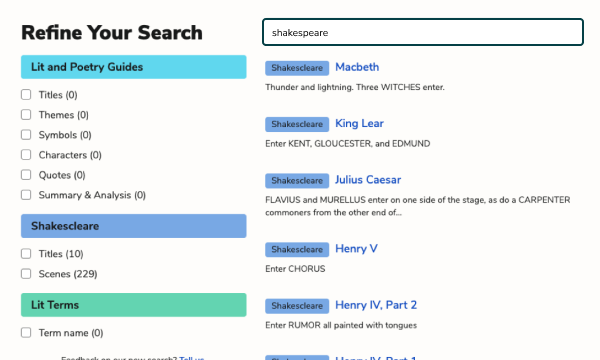
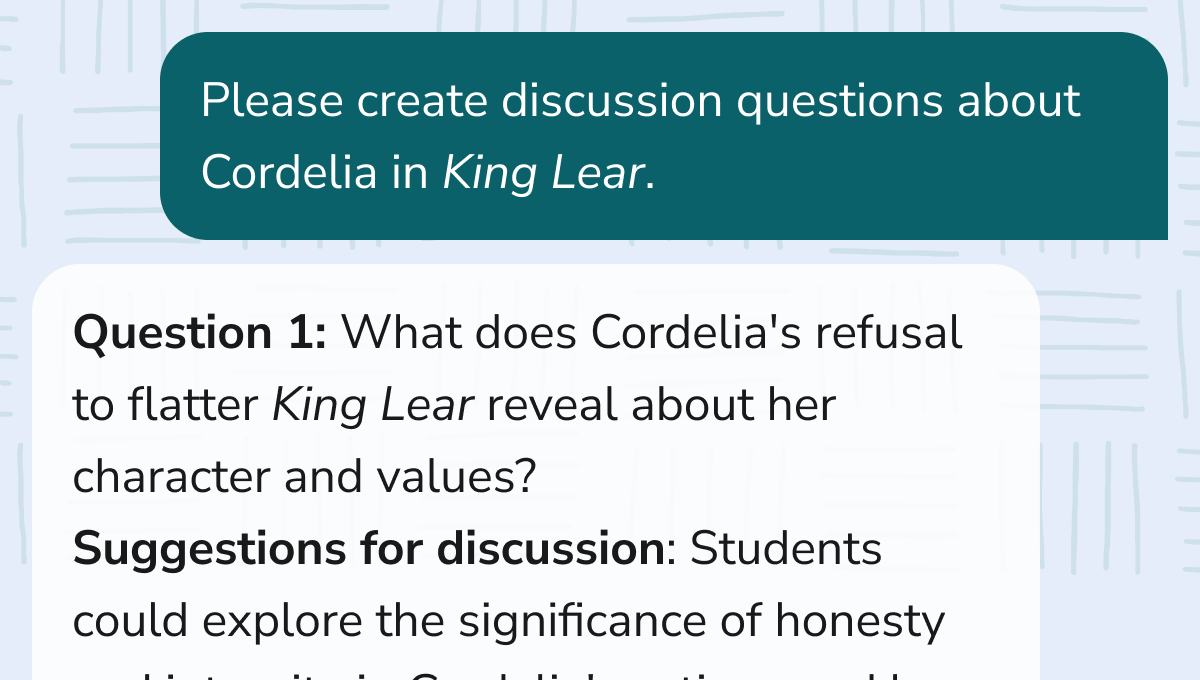
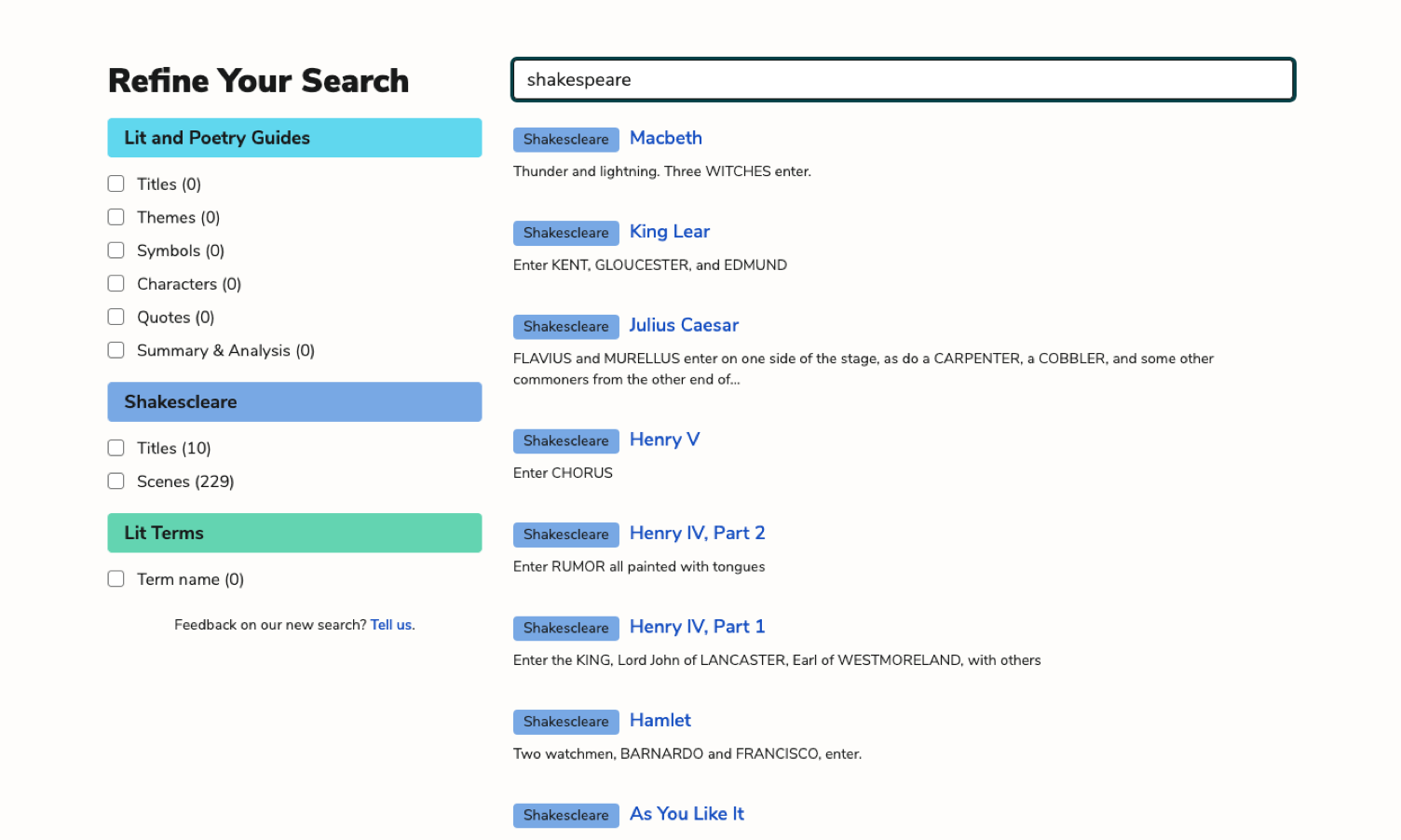
Advanced Search
Refine any search. Find related themes, quotes, symbols, characters, and more.
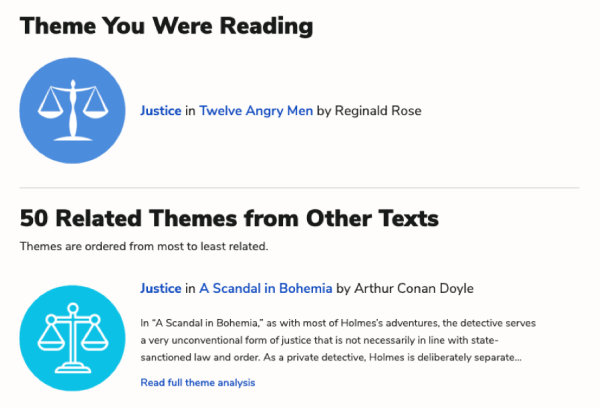
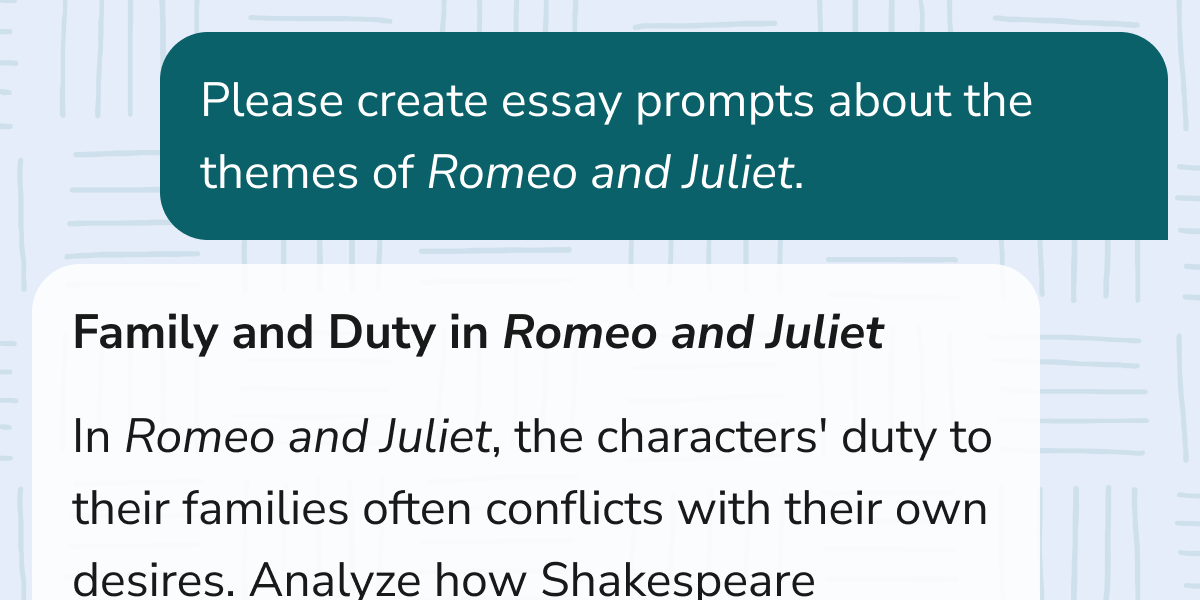
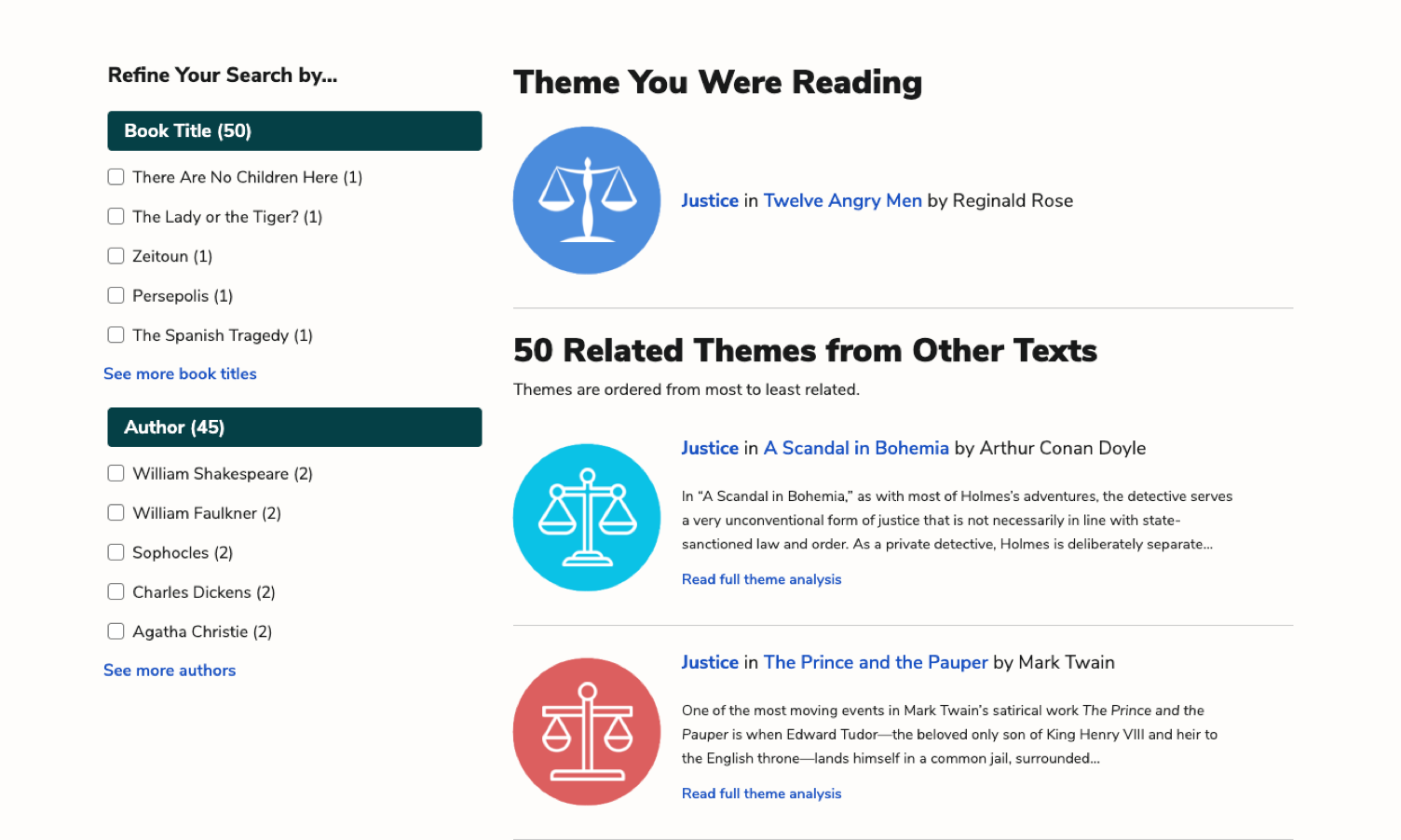
Related Themes
Comparing and contrasting texts? Find where any theme occurs across all of LitCharts in seconds.

Poetry Guides
Line-by-line explanations and analysis of figurative language and poetic devices.
For every lyric poem we cover.
For every lyric poem we cover.