
|
Have questions?
Contact us
Already a member? Sign in
|
Get every literary device explanation for The Bridge of San Luis ReyPlus so much more...
Sign up for LitCharts A+Get instant access to every literary device explanation, plus so much more...
Allusion
Explanation and Analysis—Descartes:
Describing the Perichole's attempts to escape her past as an actress and become a "virtuous" woman, Wilder makes a satirical allusion to Descartes:
In society she cultivated a delicate and languid magdelinism, as a great lady might, and she carried a candle in the penitential parades, side by side with ladies who had nothing to regret but an outburst of temper and a furtive glance into Descartes.
Now considered one of the foremost thinkers in the Western intellectual tradition, Rene Descartes was a 17th-century mathematician and philosopher whose supposedly heretical work aroused the ire of the Catholic Church. In colonial Lima, a society dominated by Catholic authorities and the ongoing Spanish inquisition, espousing Descartes' ideas would have been unorthodox and perhaps politically dangerous. But for women, who were considered incapable of higher learning or political action, a "furtive glance" into the philosopher's books would have been far less scandalous than working as an actress, a profession stigmatized as akin to sex work in many early modern societies.
In this passage, Wilder satirizes the close-minded nature of Spanish colonial society. Especially for his 20th-century readers, who would have recognized Descartes' enormous contributions to mathematics and philosophy, it's funny to imagine people deliberately turning away from his works. Through the tongue-in-cheek phrase "a furtive glance," Wilder also dramatizes the difference between the hypothetical woman's opinion of Descartes and that of the modern reader.
Importantly, Wilder also satirizes the Perichole's aspirations to ascend to the local aristocracy. In a society that is both fixated on hierarchy and repressive of women, her quest is most likely doomed. And if reading Descartes isn't really a sin, then the criteria for respectability in Peruvian society are largely meaningless—and so is the Perichole's desire to fit in.
Monthly
Annual (Best Value)

$595USD/mo
Charged $71.40 USD every year
 Teacher
$795USD/mo
Charged $95.40 USD every year
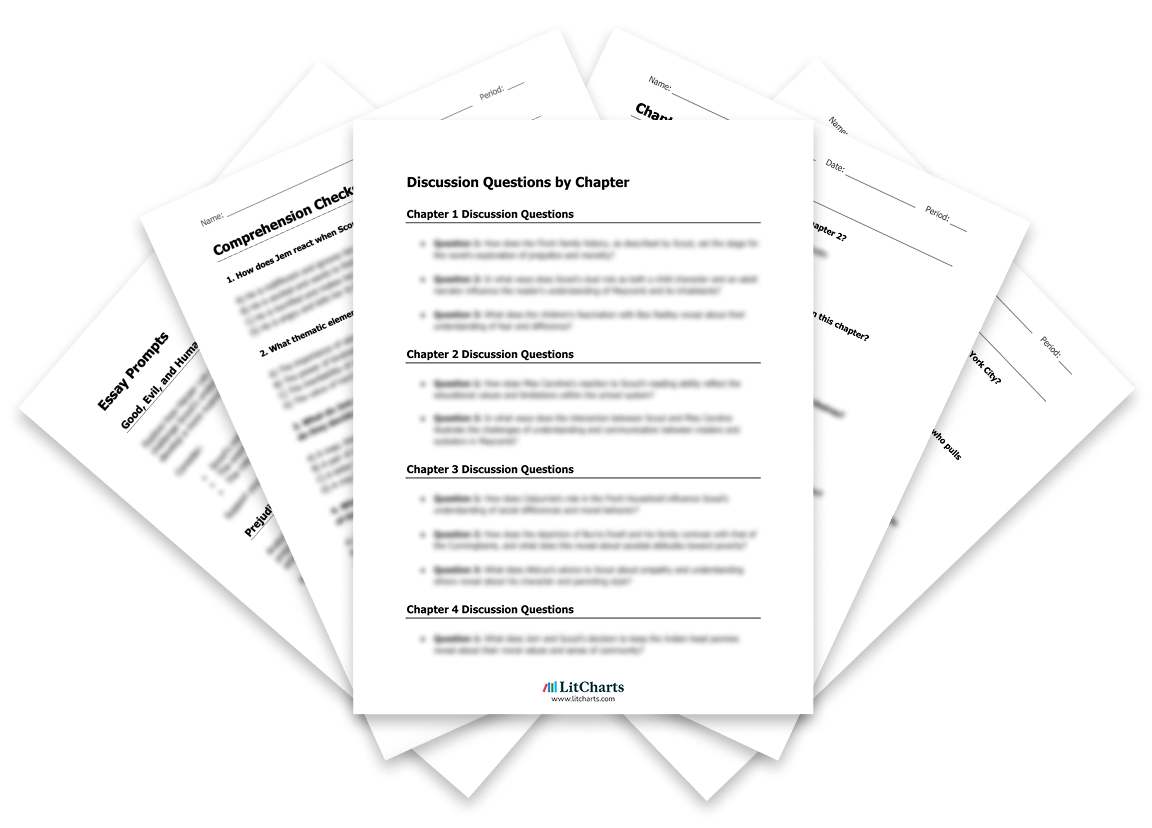


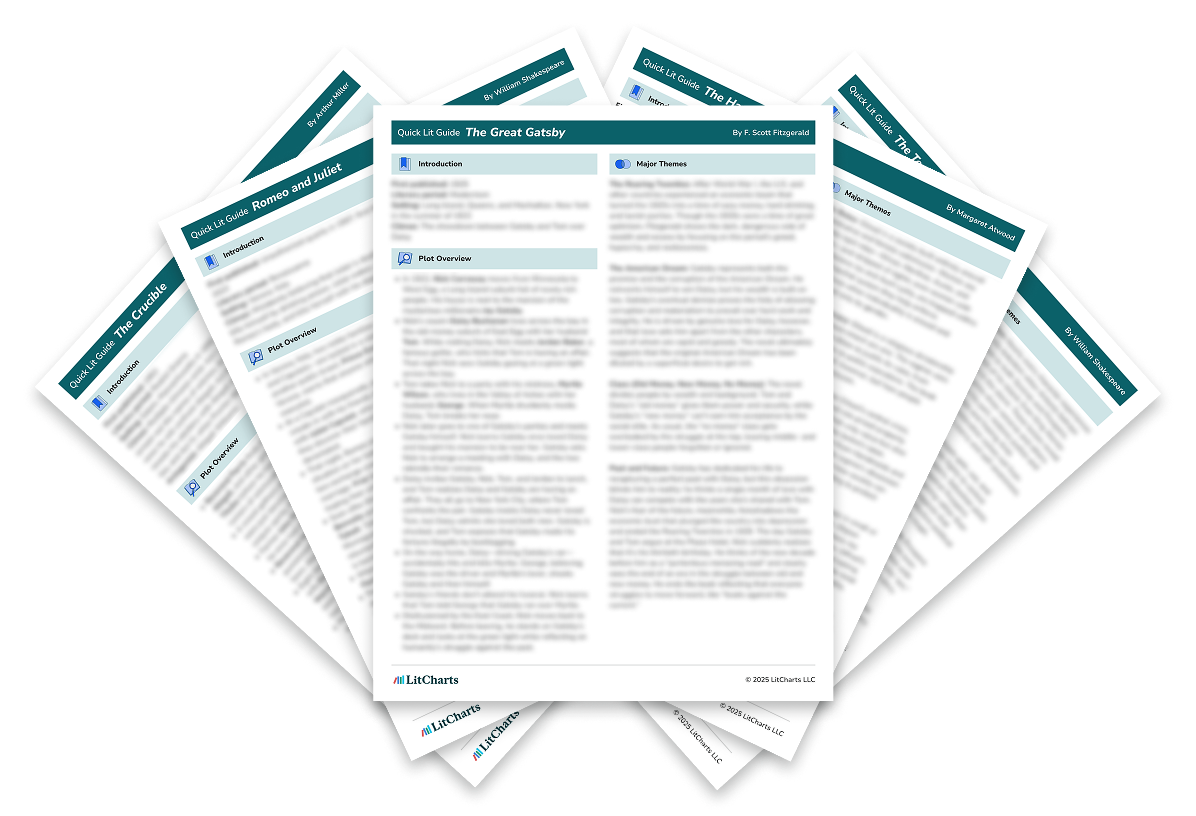
Literature Guide PDFs
LitCharts PDFs for every book you'll read this year.
Instant PDF downloads of all 2251 LitCharts literature guides and of every new one we publish. Try a free sample literature guide.
"Would not have made it through AP Literature without the printable PDFs. They're like having in-class notes for every discussion!"





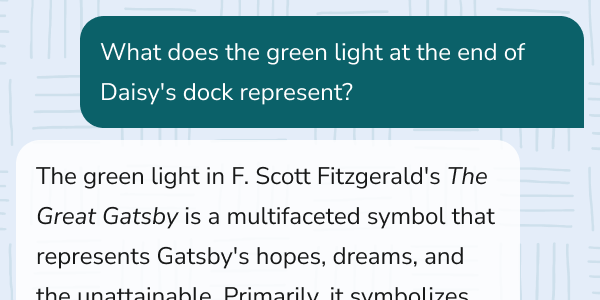
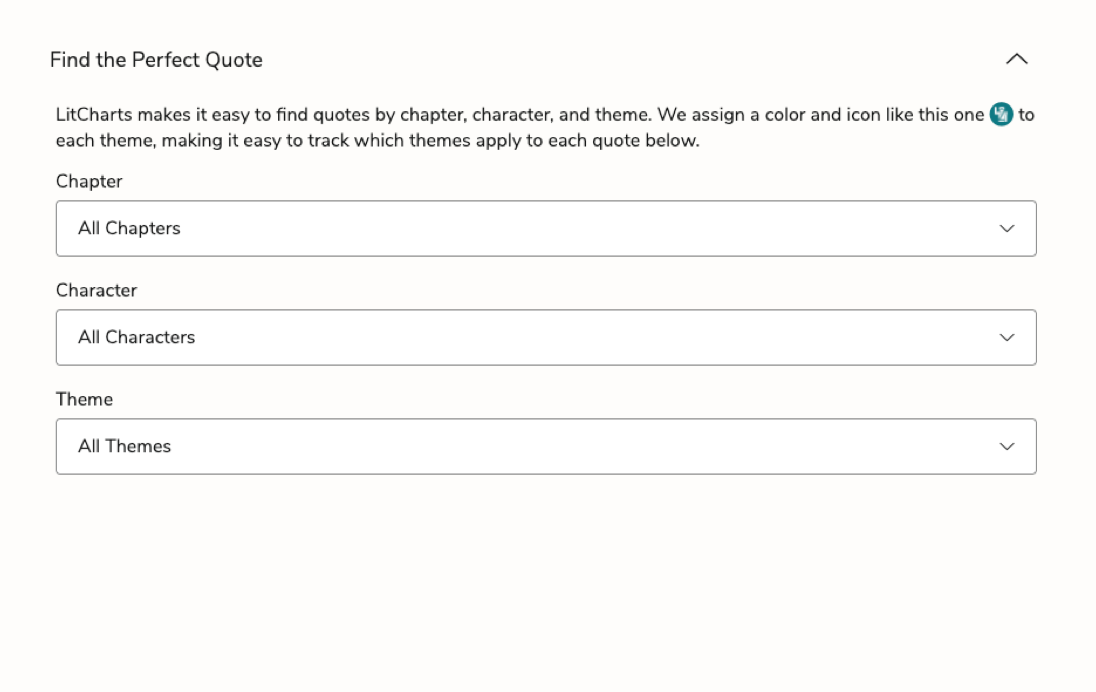
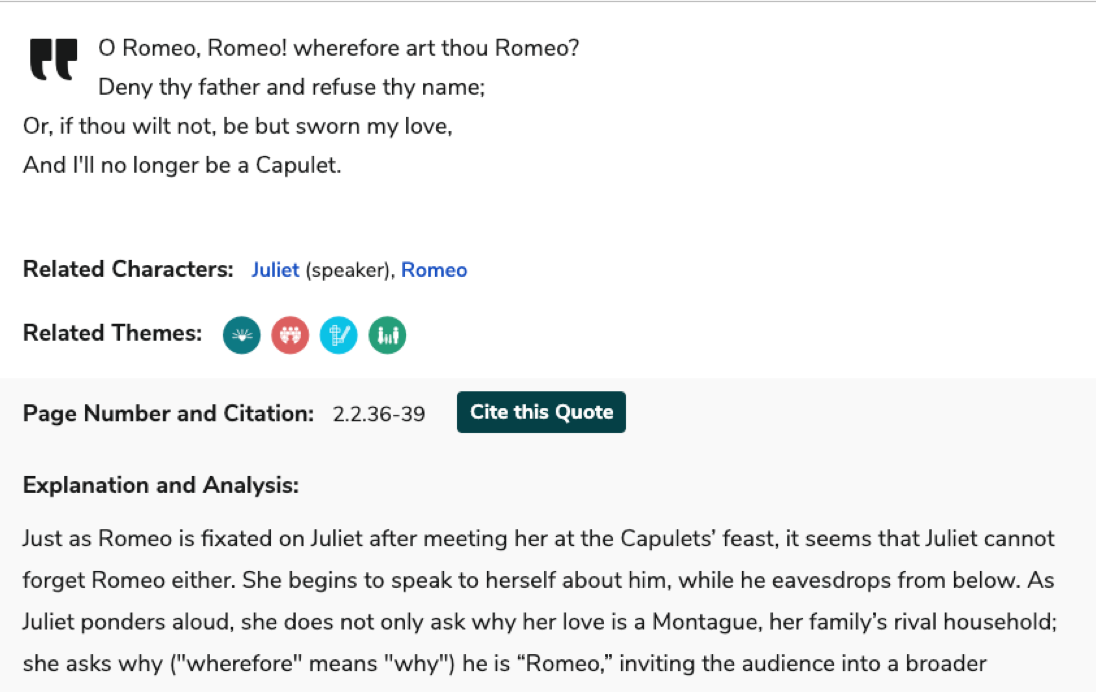
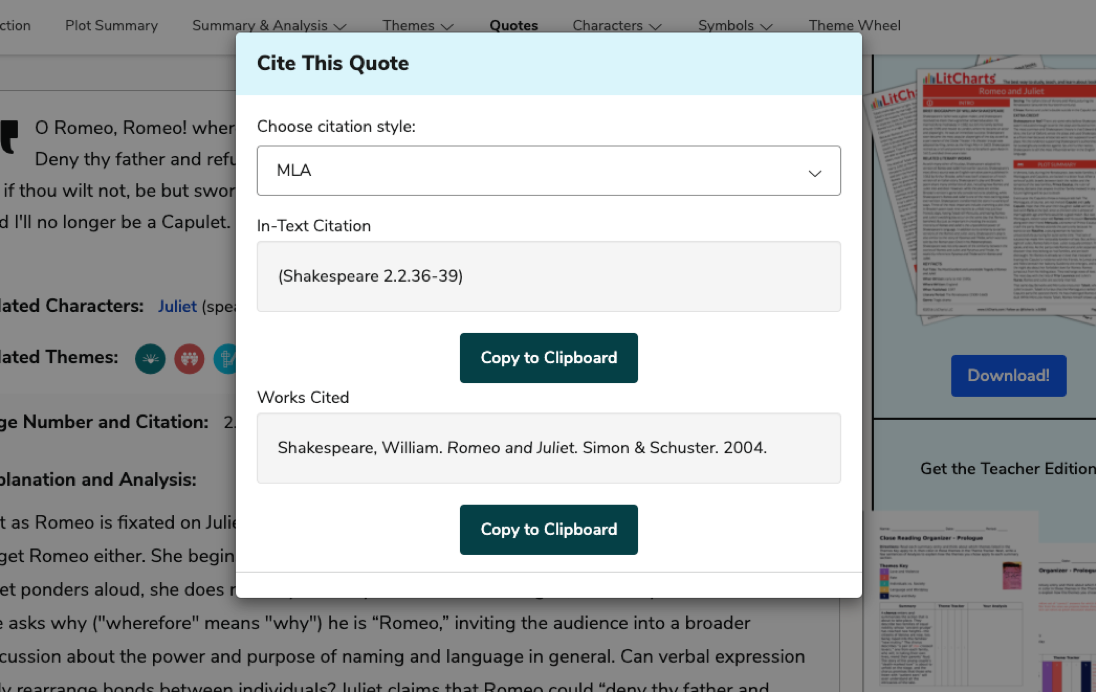
Quotes Explanations
Find the perfect quote. Understand it perfectly. Then rock the citation, too.
For all 50,202 quotes we cover.
For all 50,202 quotes we cover.


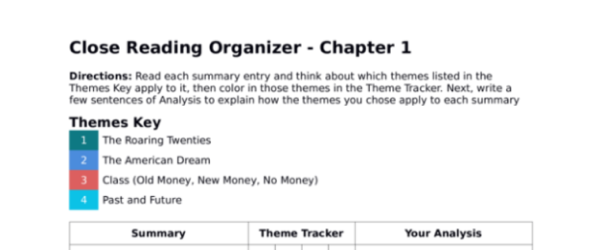
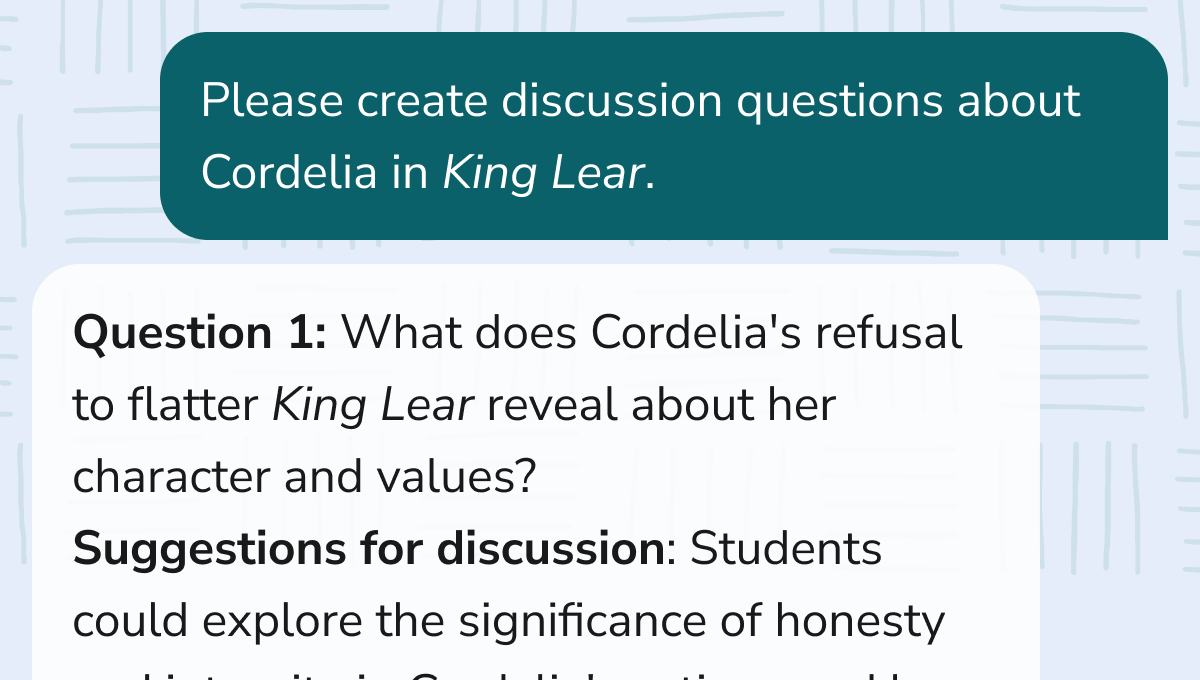
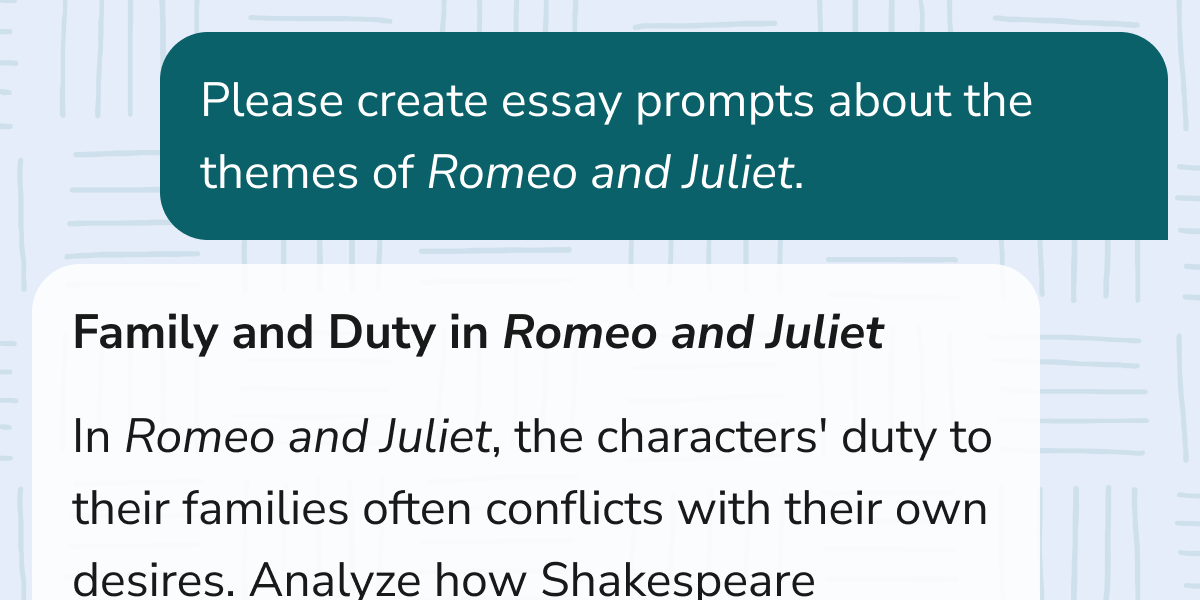
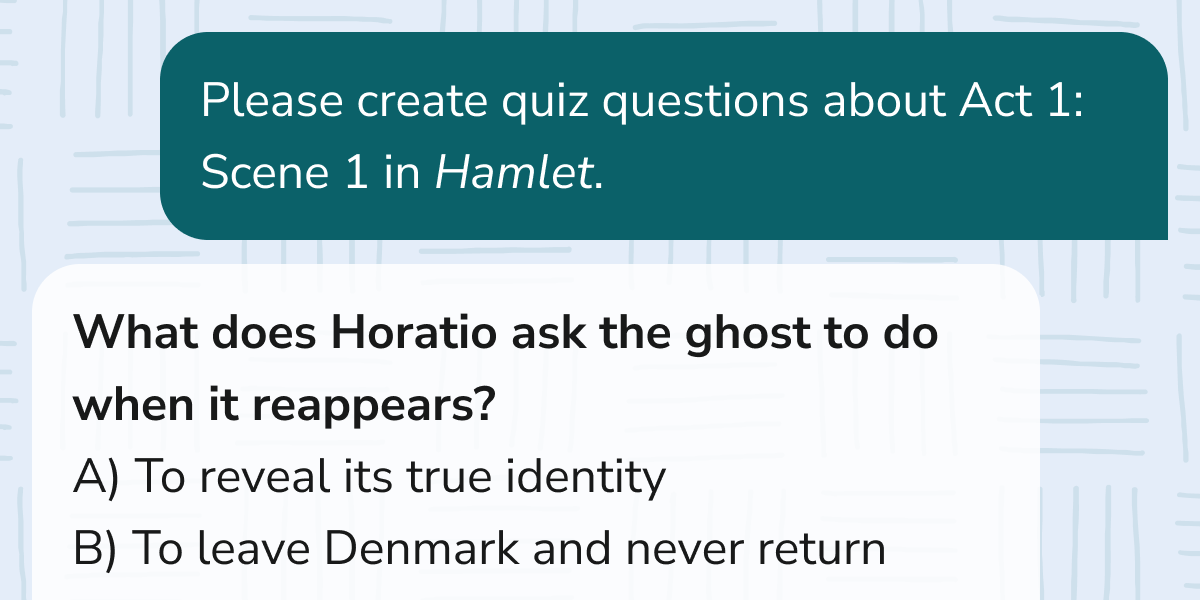
Teacher Editions
Close reading made easy for students.
Time saved for teachers.
For every book we cover.
Time saved for teachers.
For every book we cover.


Common Core-aligned


PDFs of modern translations of every one of Shakespeare's 37 plays, 154 sonnets, and 3 longer poems.

Literary Terms and Devices
Definitions and examples for every literary term and device you need to know.
Plus a quick-reference PDF with concise definitions of all 136 terms in one place.
Plus a quick-reference PDF with concise definitions of all 136 terms in one place.
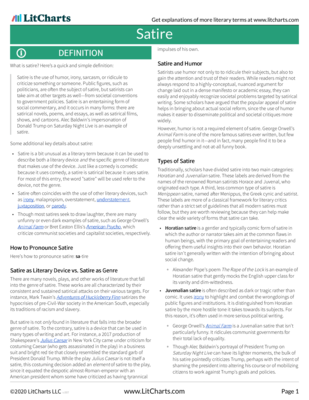
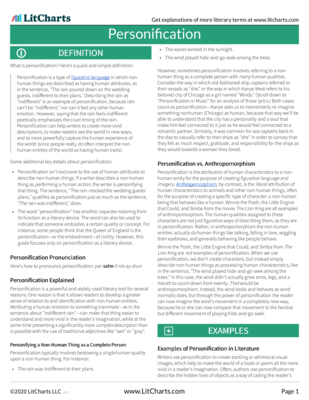
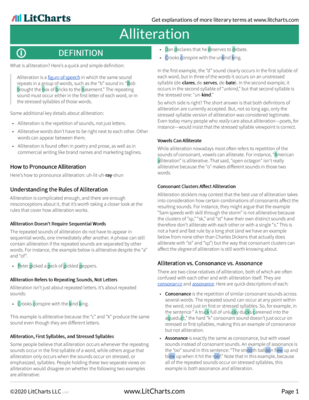
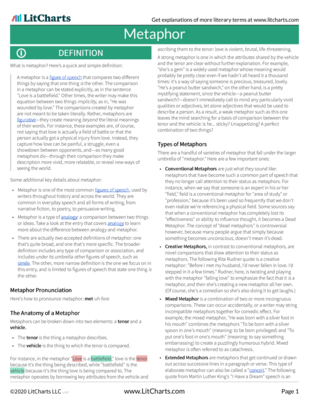
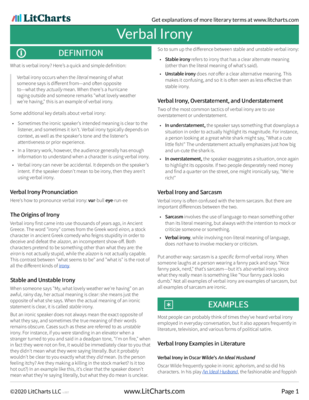
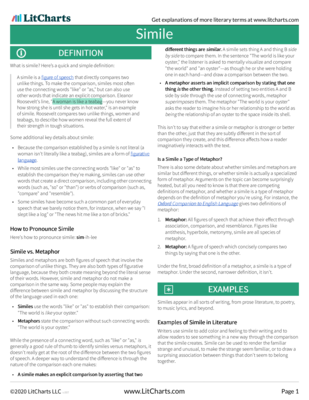
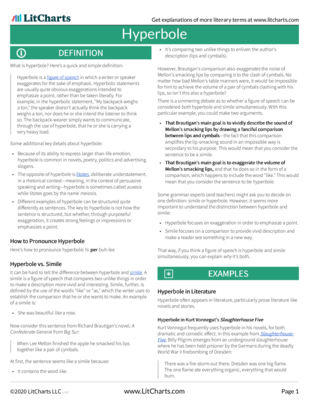
Try a free sample literary term PDF.


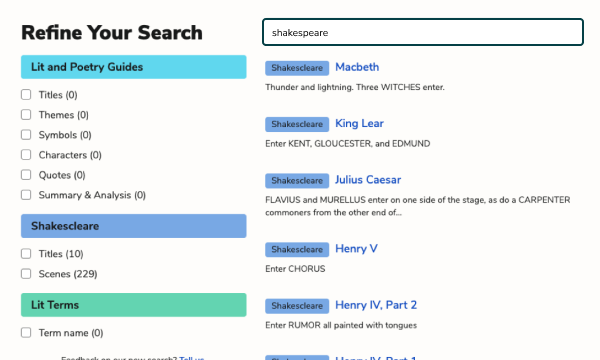
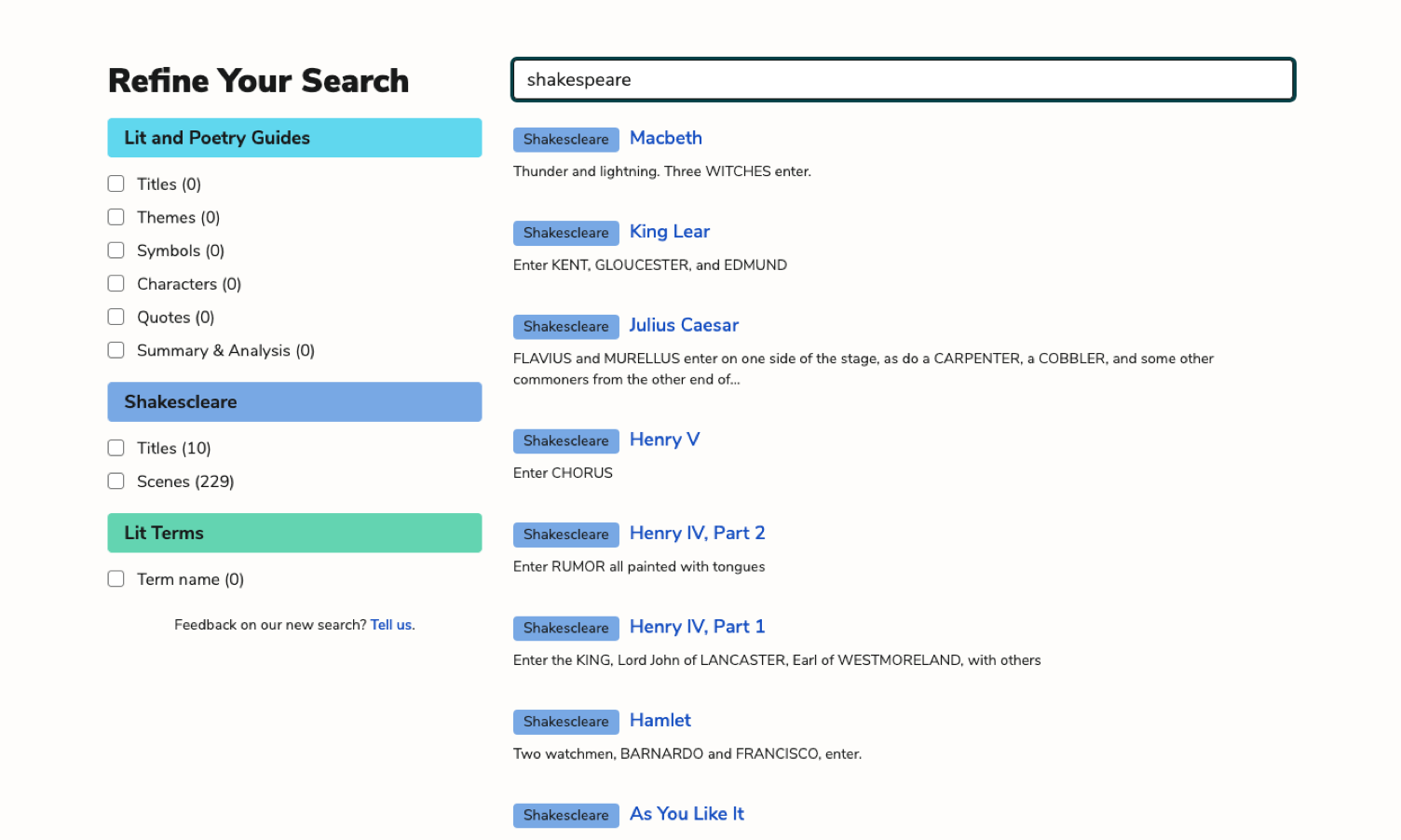
Advanced Search
Refine any search. Find related themes, quotes, symbols, characters, and more.

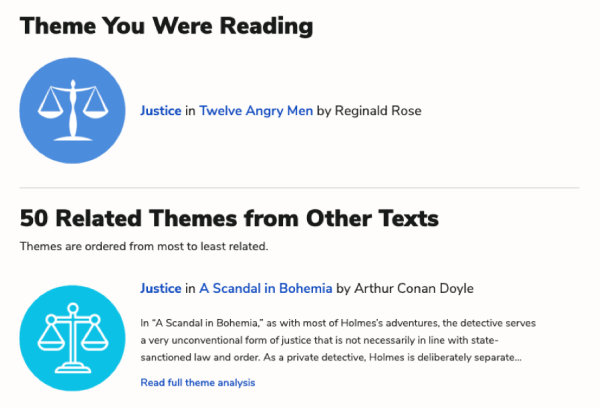
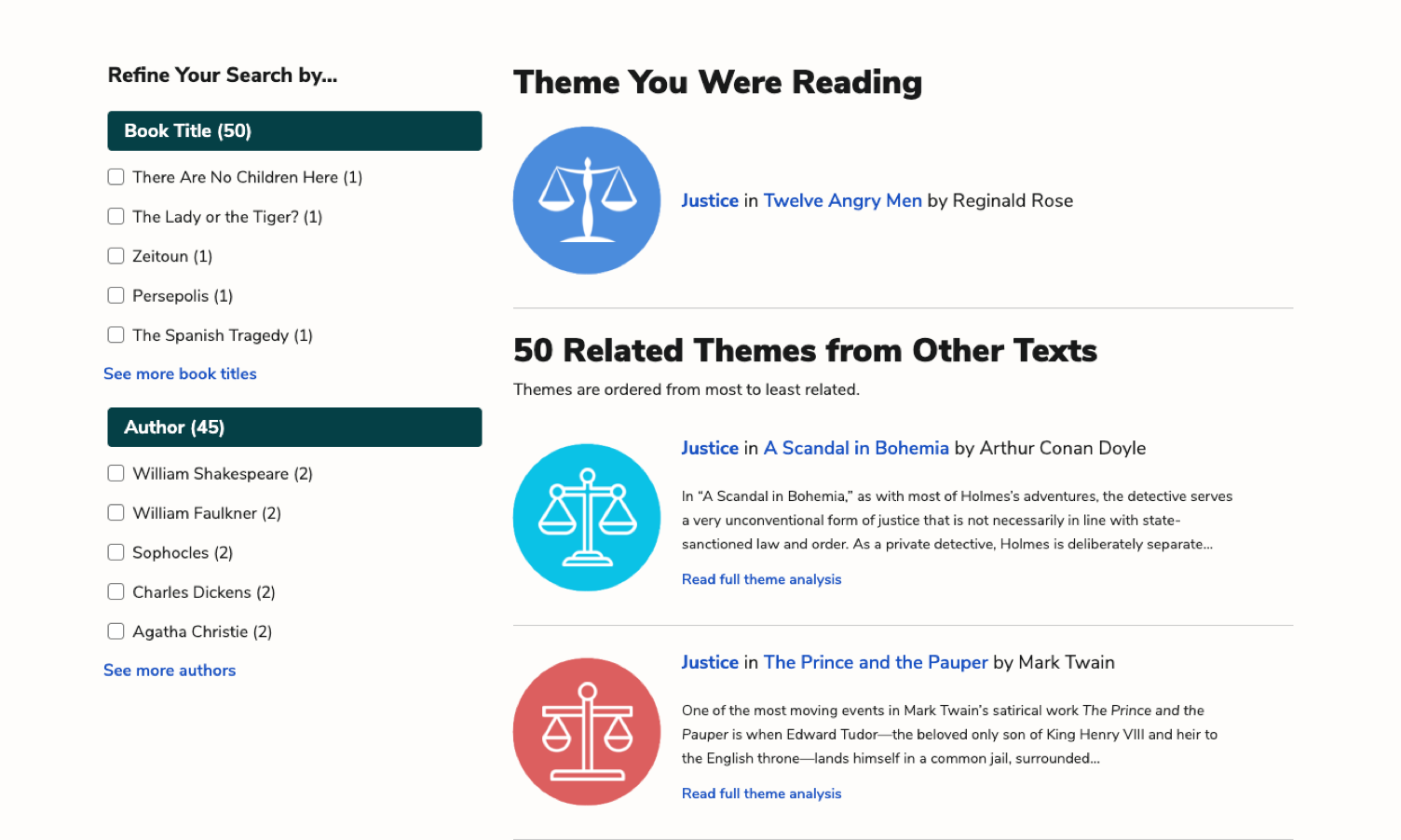
Related Themes
Comparing and contrasting texts? Find where any theme occurs across all of LitCharts in seconds.


Poetry Guides
Line-by-line explanations and analysis of figurative language and poetic devices.
For every lyric poem we cover.
For every lyric poem we cover.