
|
Have questions?
Contact us
Already a member? Sign in
|
Get every literary device explanation for Oliver TwistPlus so much more...
Sign up for LitCharts A+Get instant access to every literary device explanation, plus so much more...
Allusion
Explanation and Analysis—Macbeth:
In Chapter 48, when Sikes attempts to escape after killing Nancy, an allusion to Shakespeare's Macbeth heightens the stakes of Sikes's situation:
Up and down the ladders, upon the roofs of buildings, over floors that quaked and trembled with his weight, to under the lee of falling bricks and stones,—in every part of that great fire was he; but he bore a charmed life, and had neither scratch nor bruise, nor weariness nor thought, till morning dawned again, and only smoke and blackened ruins remained.
In Shakespeare's play, Macbeth launches a murder spree in pursuit of power, in part because he has heard a prophecy that convinces him that he can't be killed by anyone who has been birthed by a woman. When Macduff pursues him to bring him to justice, Macbeth tells him, "I bear a charmed life, which must not yield / To one of woman born." Unfortunately for him, it turns out that Macduff was not "born" in the traditional way, but rather through a cesarean section, so Macduff is able to kill him after all. This allusion makes clear that Sikes's "charmed life" is merely prolonging his death, as it does for Macbeth. In other words, the end is coming for him.
By evoking Macbeth, the novel suggests that villains' obsession with power is a pursuit that will ultimately result in their demise, both physically and psychologically. Sikes not only dies for his crime, but he also evidences the same kind of paranoia over the blood he has spilled as Lady Macbeth famously exhibits when she can't seem to wash all the blood of murder off her hands. Like Macbeth, Sikes eventually dies for the murder he has committed. But his death is a self-inflicted accident that happens in the course of his flight from the people who are trying to hold him accountable. Like Lady Macbeth, Sikes dies at his own hand after losing his mind from guilt and paranoia. The reader is left understanding that Fagin, who manipulated Sikes into killing Nancy, is the real Macbeth character. He maintains his criminal fiefdom by recruiting others to commit crime and even murder on his behalf. Macbeth famously describes life as "a tale / Told by an idiot, full of sound and fury, / Signifying nothing." In the end, Sikes, Nancy, the Artful Dodger, and other criminals seem to lead lives that "signify nothing." Of Fagin's crew, only Oliver maintains the possibility of a meaningful life because he resists manipulation by Fagin.
Monthly
Annual (Best Value)

$595USD/mo
Charged $71.40 USD every year
 Teacher
$795USD/mo
Charged $95.40 USD every year
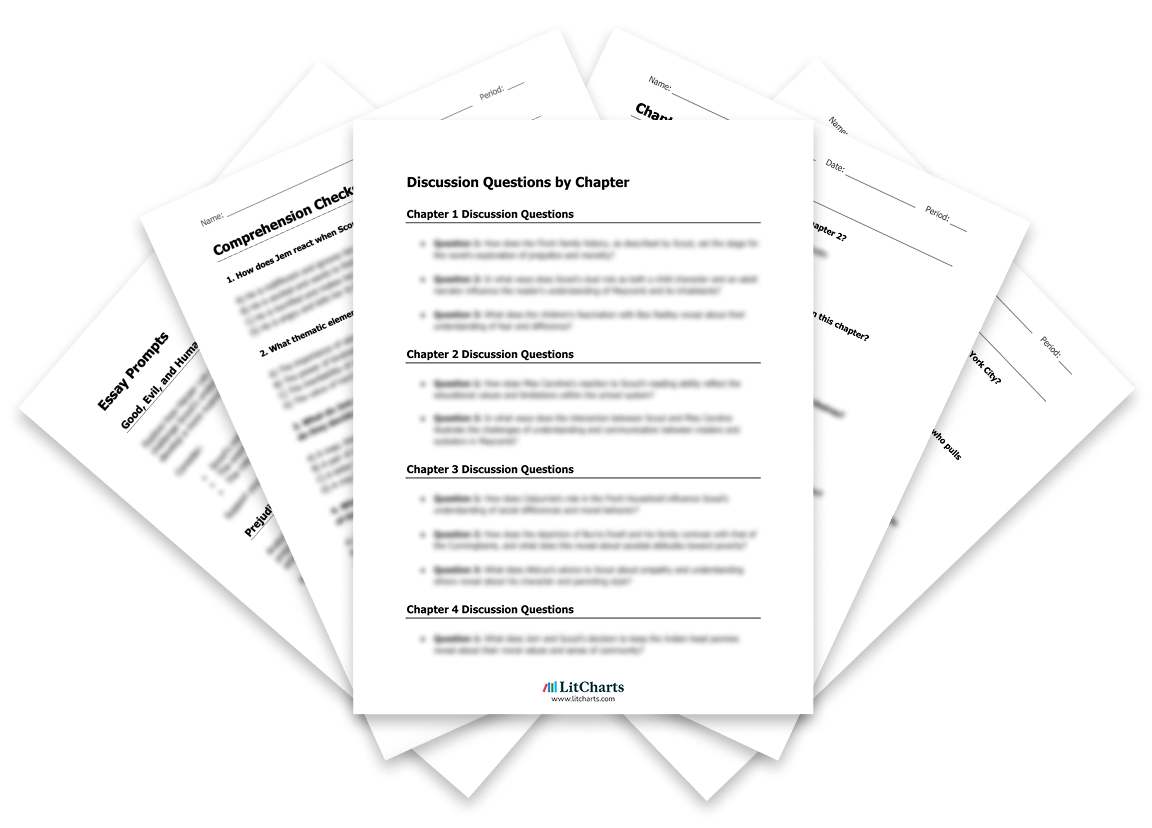


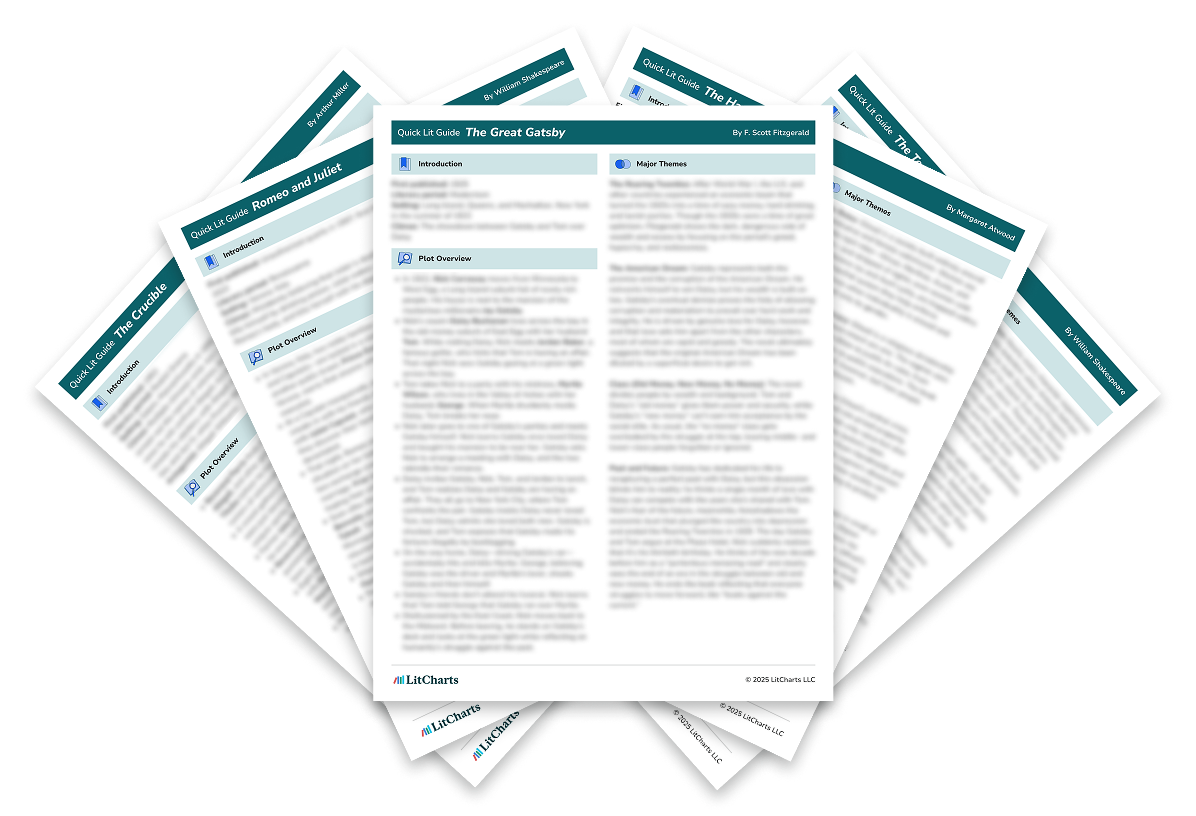
Literature Guide PDFs
LitCharts PDFs for every book you'll read this year.
Instant PDF downloads of all 2250 LitCharts literature guides and of every new one we publish. Try a free sample literature guide.
"Would not have made it through AP Literature without the printable PDFs. They're like having in-class notes for every discussion!"






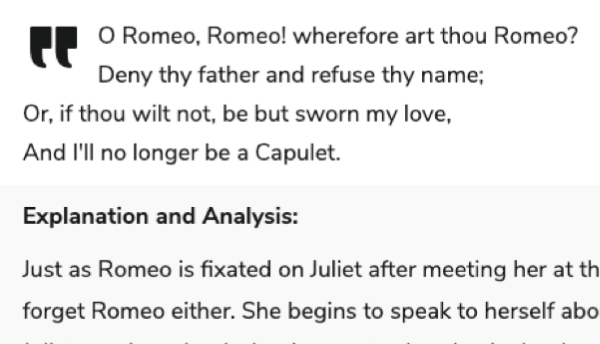
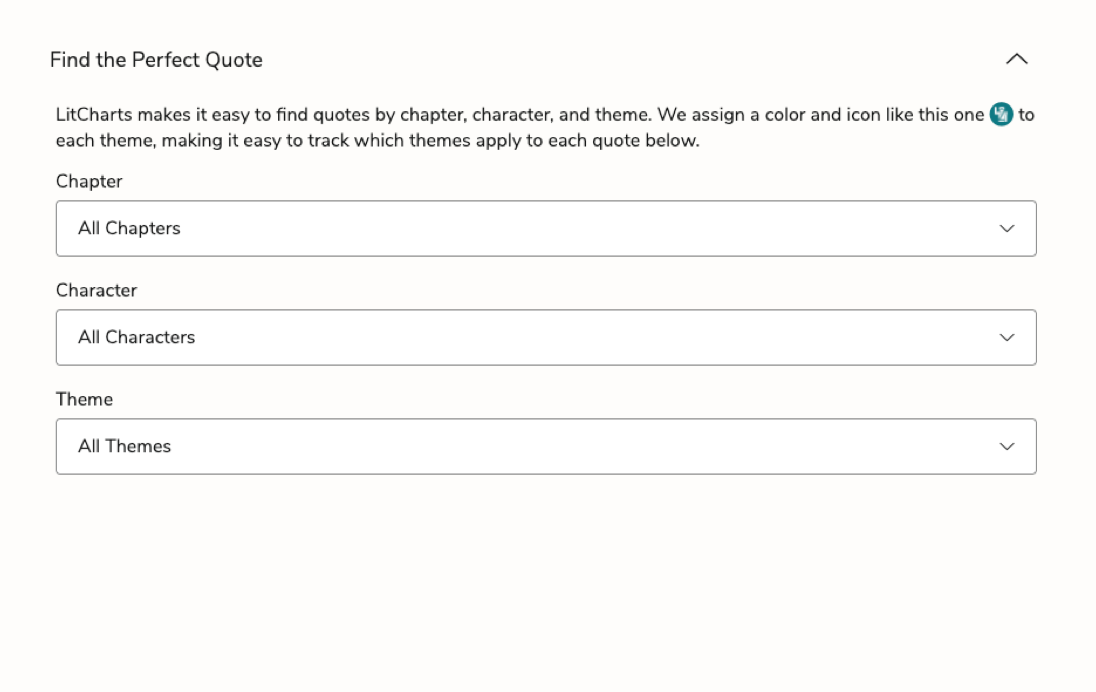
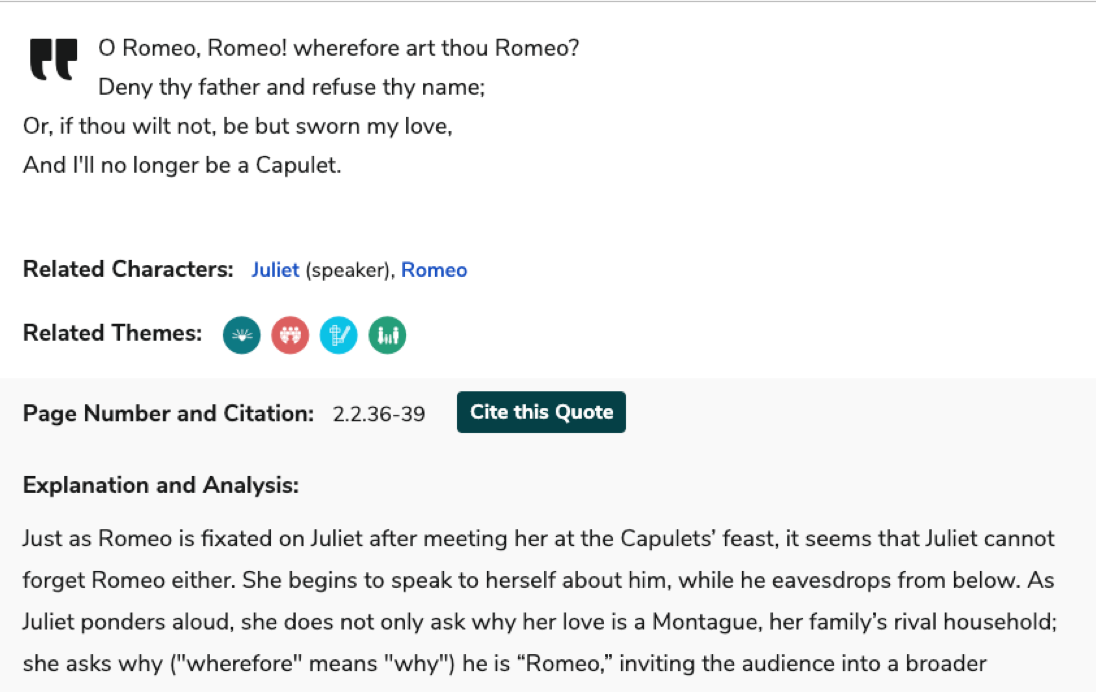
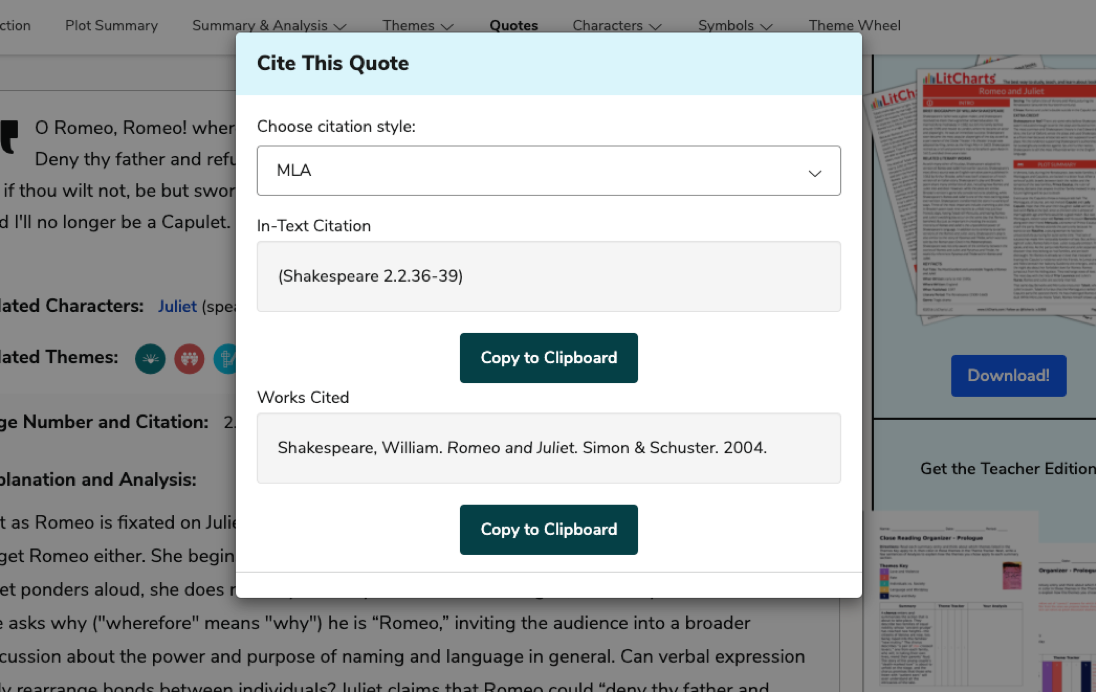
Quotes Explanations
Find the perfect quote. Understand it perfectly. Then rock the citation, too.
For all 50,177 quotes we cover.
For all 50,177 quotes we cover.


Teacher Editions
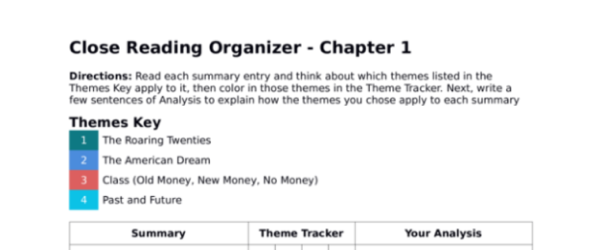
Close reading made easy for students.
Time saved for teachers.
For every book we cover.
Time saved for teachers.
For every book we cover.


Common Core-aligned


PDFs of modern translations of every one of Shakespeare's 37 plays, 154 sonnets, and 3 longer poems.

Literary Terms and Devices
Definitions and examples for every literary term and device you need to know.
Plus a quick-reference PDF with concise definitions of all 136 terms in one place.
Plus a quick-reference PDF with concise definitions of all 136 terms in one place.
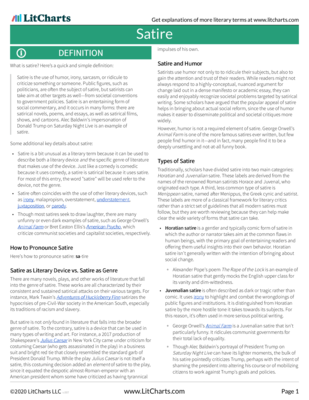
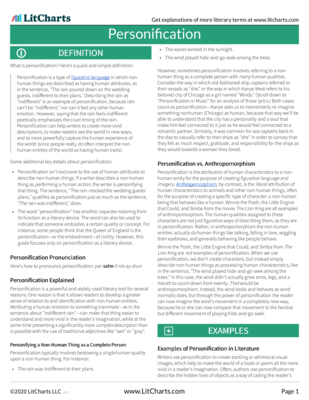
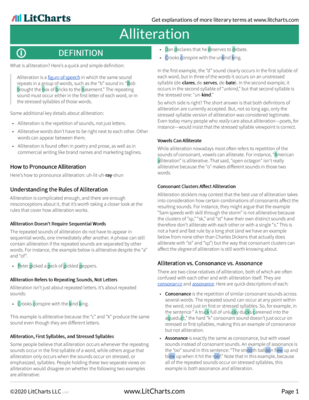
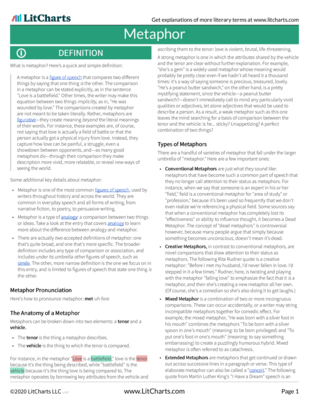
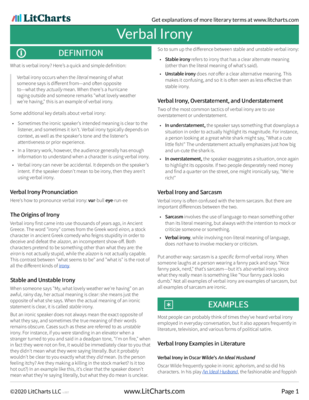
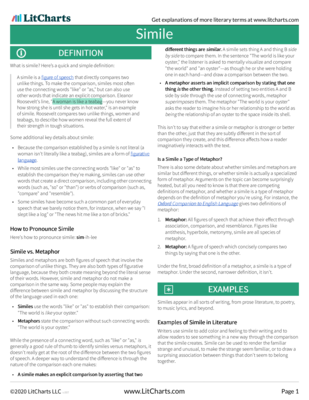
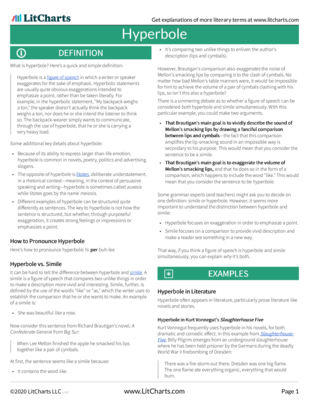
Try a free sample literary term PDF.


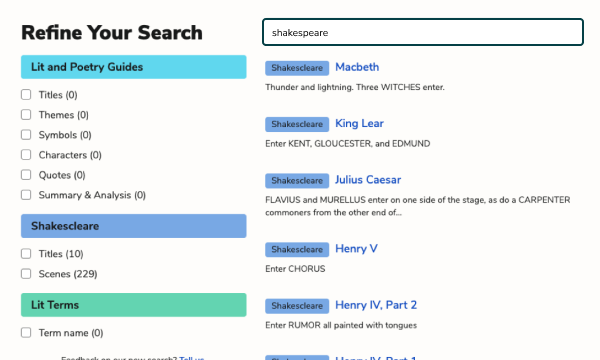
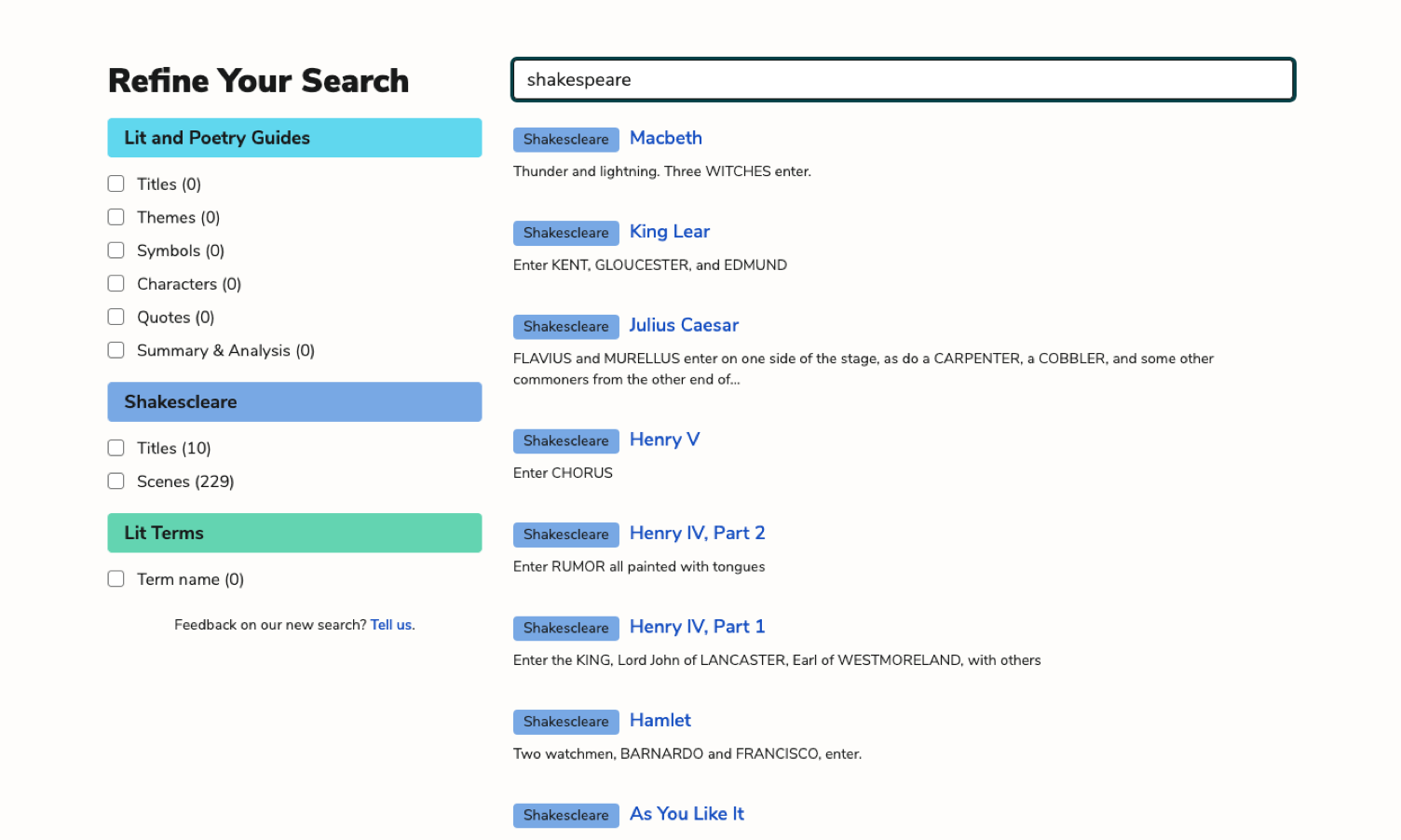
Advanced Search
Refine any search. Find related themes, quotes, symbols, characters, and more.

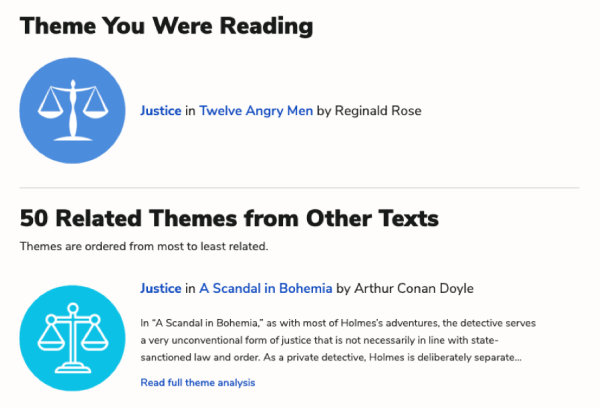
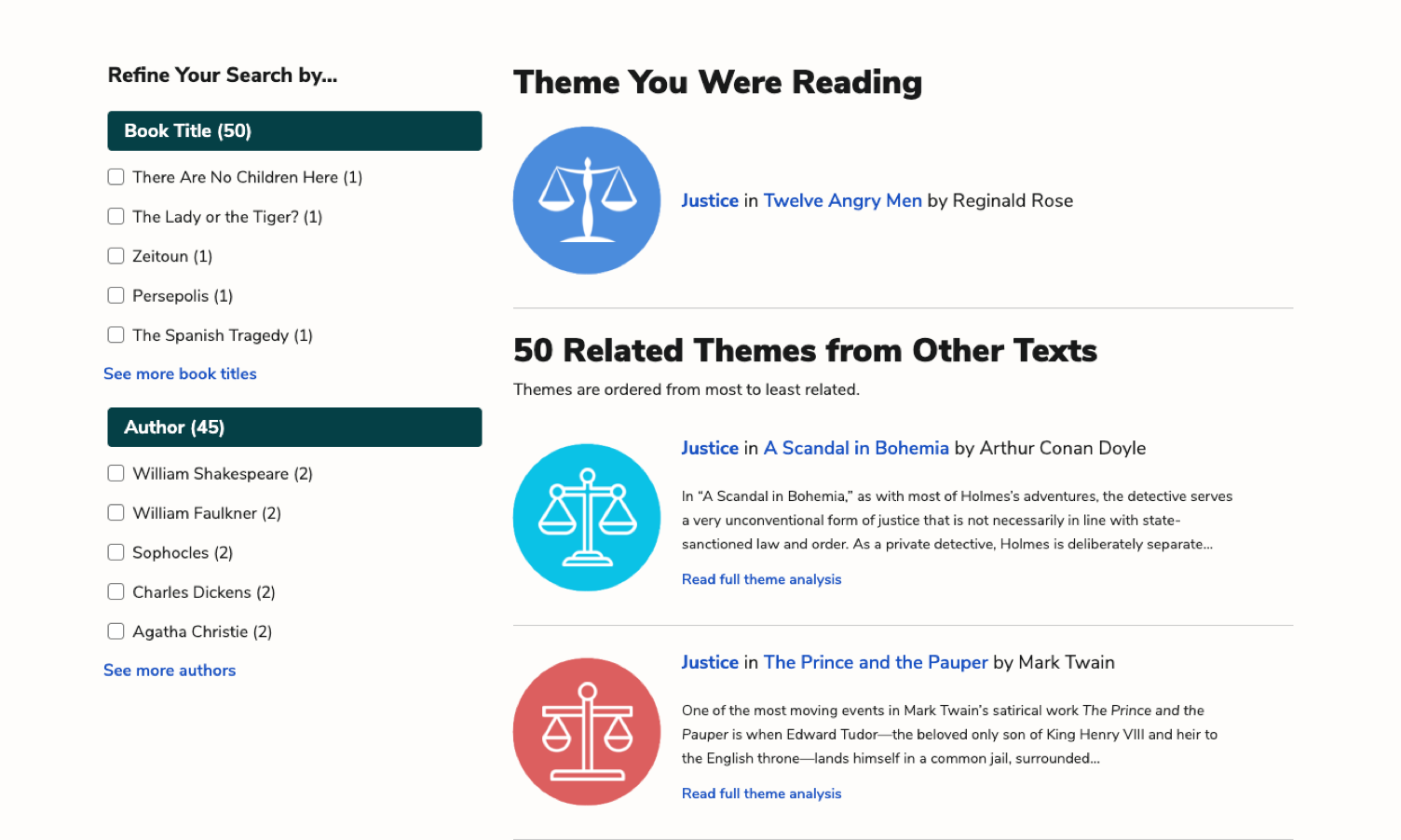
Related Themes
Comparing and contrasting texts? Find where any theme occurs across all of LitCharts in seconds.


Poetry Guides
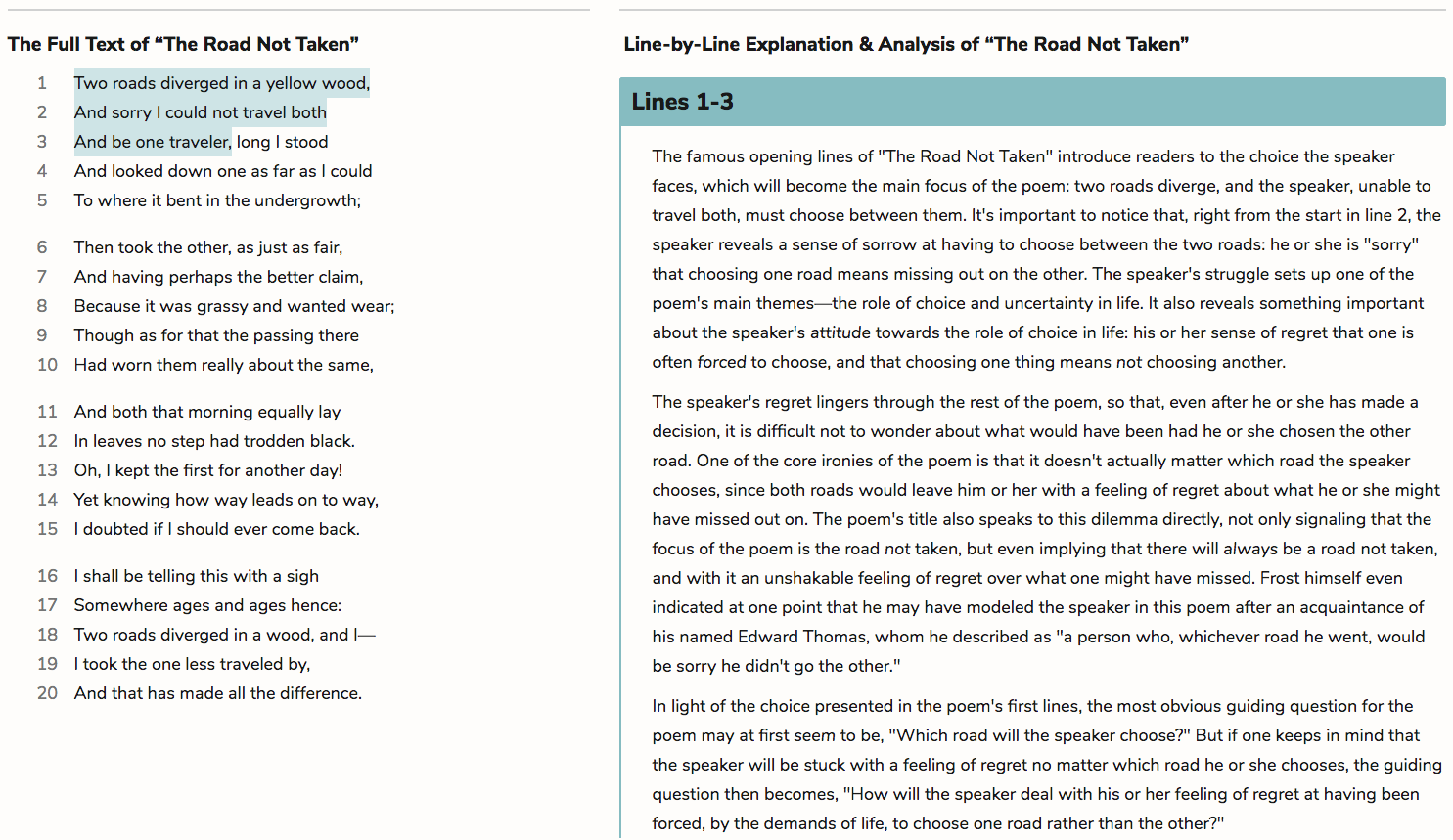
Line-by-line explanations and analysis of figurative language and poetic devices.
For every lyric poem we cover.
For every lyric poem we cover.