
|
Have questions?
Contact us
Already a member? Sign in
|
Get every literary device explanation for Adventures of Huckleberry FinnPlus so much more...
Sign up for LitCharts A+Get instant access to every literary device explanation, plus so much more...
Dialect
Explanation and Analysis—Jim:
In the “Explanatory” at the beginning of the book, Twain establishes that he intentionally studied and tried to replicate the “Missouri Negro dialect,” as seen in the way that the character Jim speaks. (Note that "Negro" is now considered an outdated and offensive way to refer to Black people.) The nature of Jim's dialect is exemplified in an emotional conversation with Huck:
“My heart wuz mos’ broke bekase you wuz los’, en I didn’t k’yer no mo’ what become er me en de raf’. En when I wake up en fine you back agin’, all safe en soun’, de tears come en I could a got down on my knees en kiss’ yo’ foot I’s so thankful.”
Twain’s rendering of “was” as “wuz,” “because” as “bekase,” “care” as “k’yer,” and “yo’” as “your” all add to readers being able to hear the sounds of Jim’s speech clearly, even as the reading experience might be somewhat challenging.
Attempting to capture this dialect so closely is part of Twain’s commitment to writing a realist novel that closely renders the sounds, sights, and racial dynamics of pre-Civil War American society. In honoring the “Missouri Negro dialect,” Twain honors Black Americans who spoke in similar ways, a move that highlights the intentions of his book as a whole: to critique slavery and the racist notions about Black people being less human that allowed such an institution to continue for so long.
Of note is that, in recent years, some scholars have questioned Twain’s exaggerated rendering of the Black American dialect, suggesting that it could have added to stereotypes about Black people’s speech patterns—even as Twain intended to challenge these stereotypes.
Monthly
Annual (Best Value)

$595USD/mo
Charged $71.40 USD every year
 Teacher
$795USD/mo
Charged $95.40 USD every year
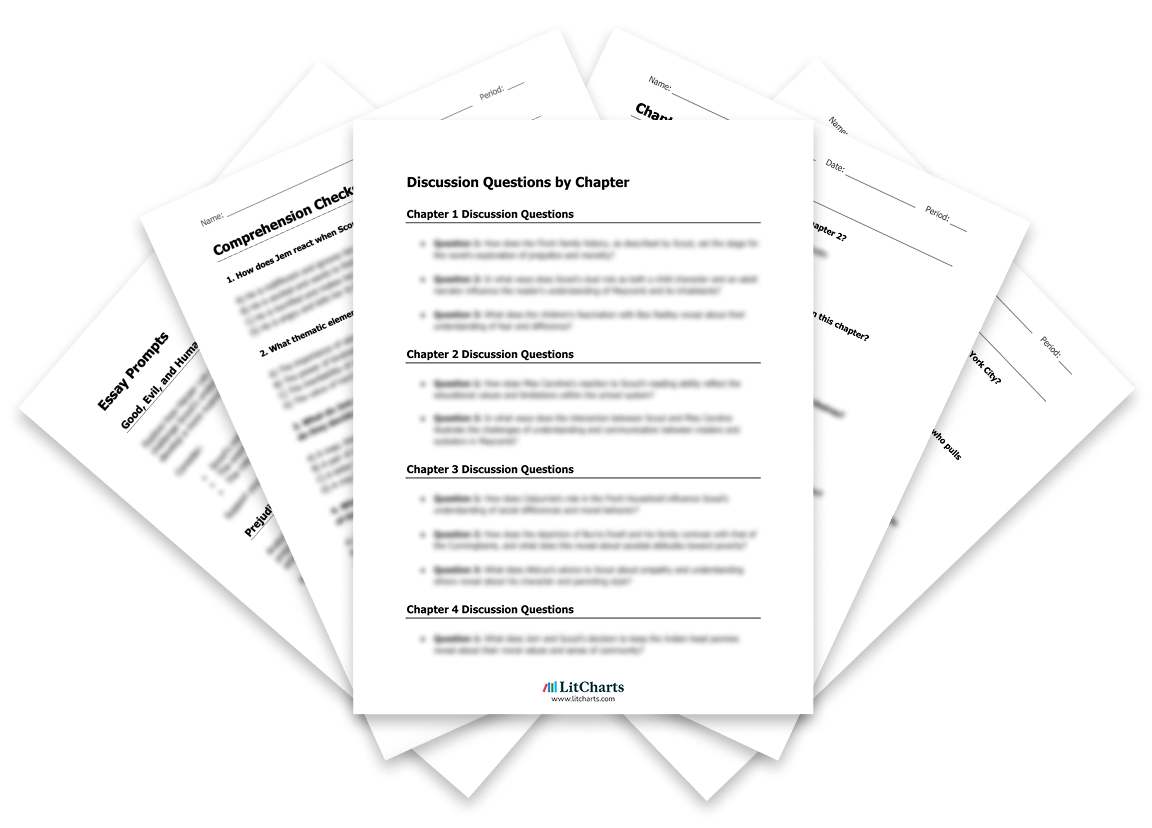
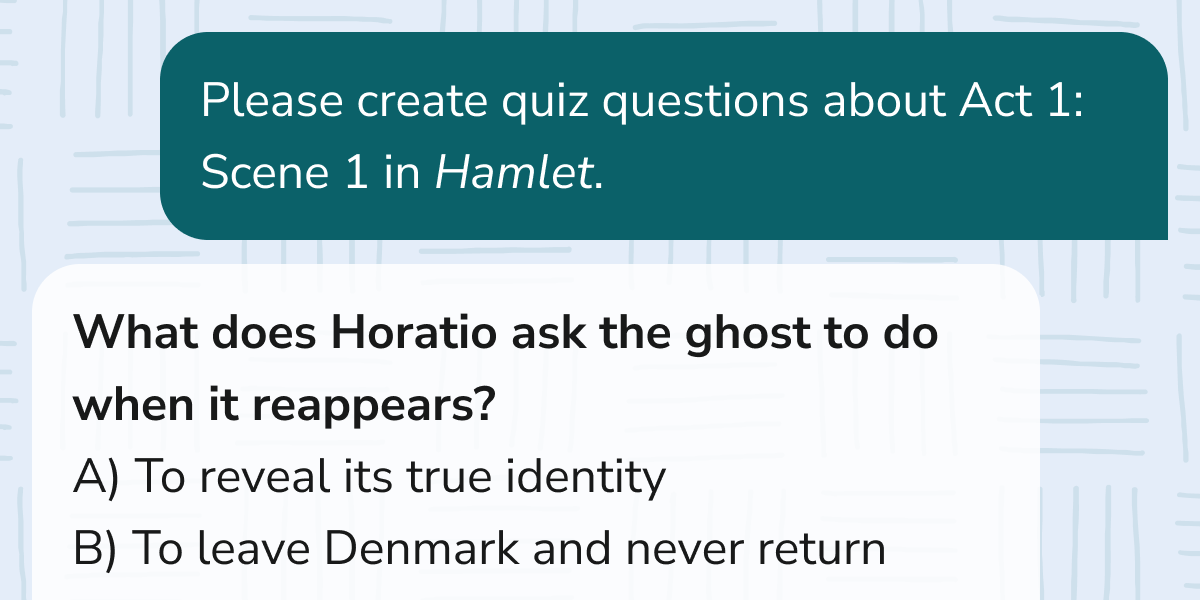


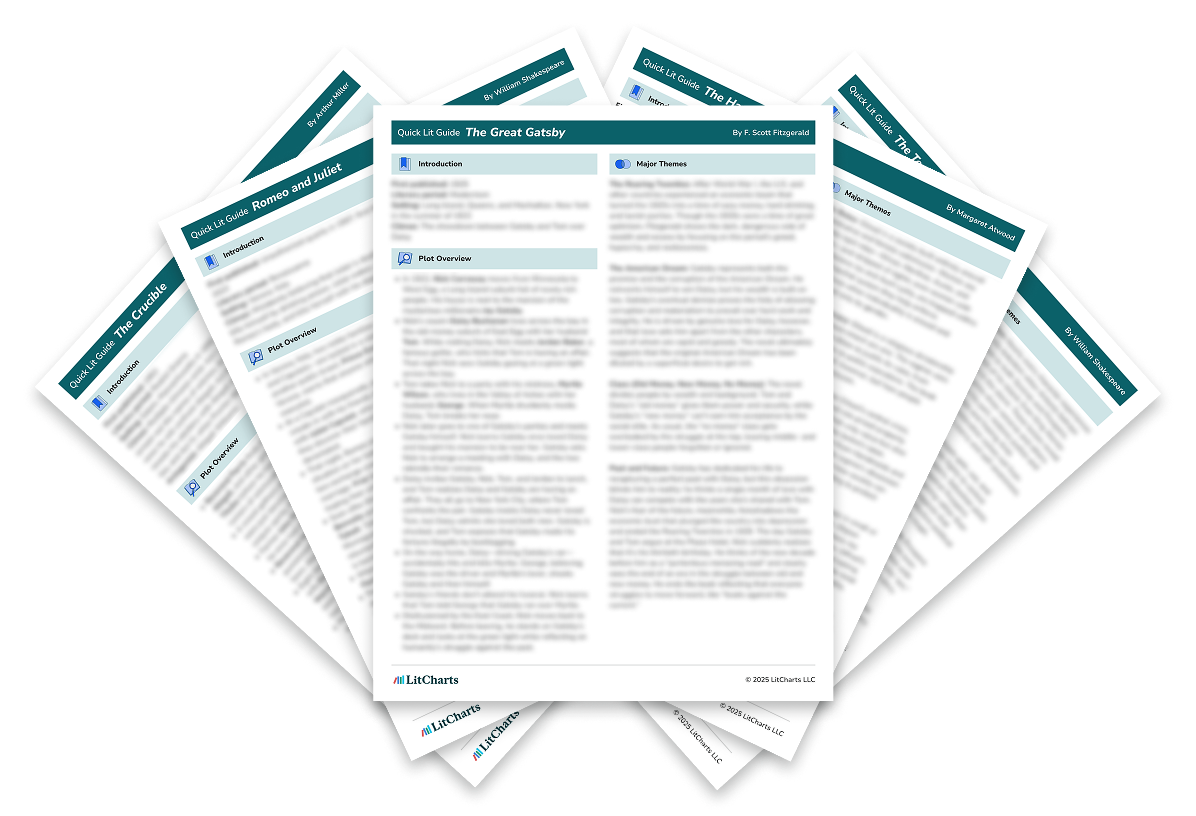
Literature Guide PDFs
LitCharts PDFs for every book you'll read this year.
Instant PDF downloads of all 2251 LitCharts literature guides and of every new one we publish. Try a free sample literature guide.
"Would not have made it through AP Literature without the printable PDFs. They're like having in-class notes for every discussion!"



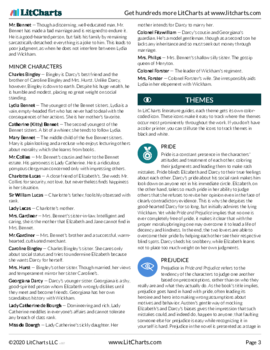
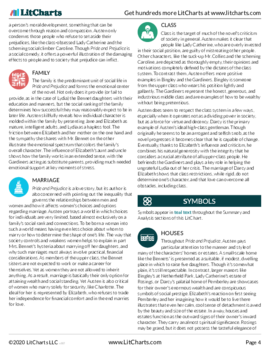
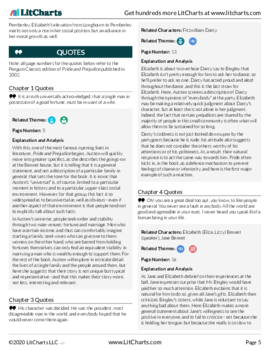
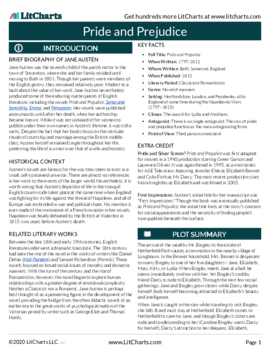


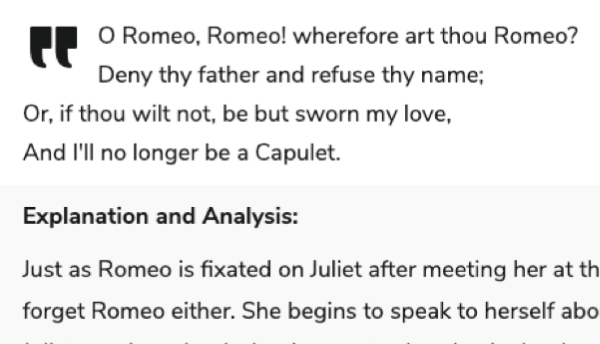
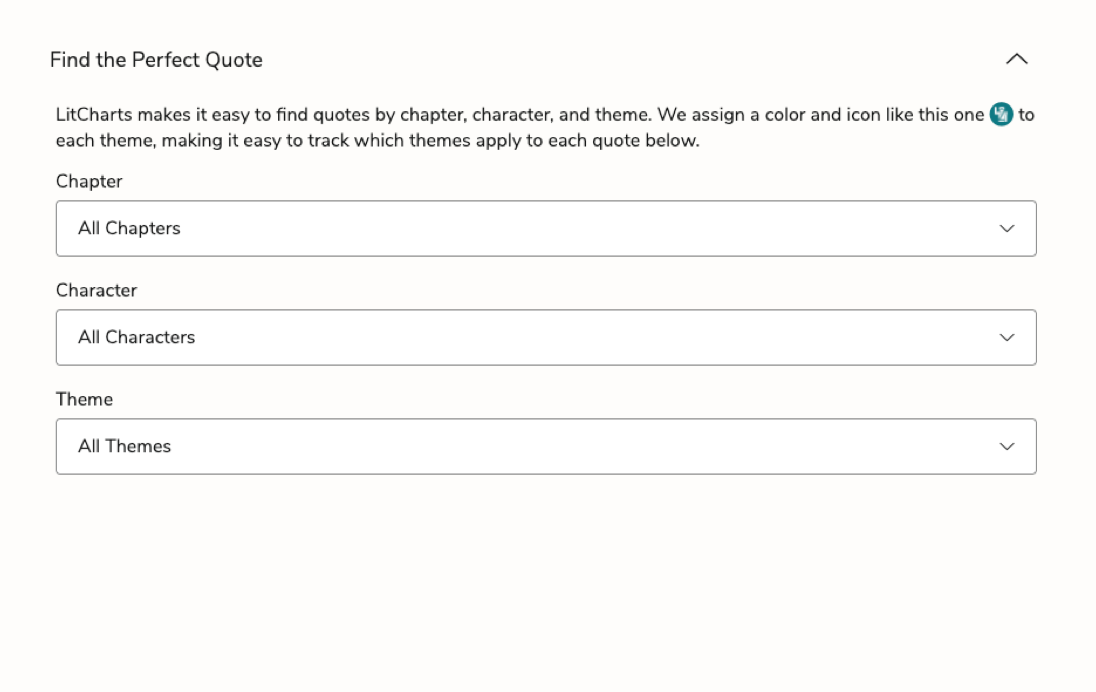
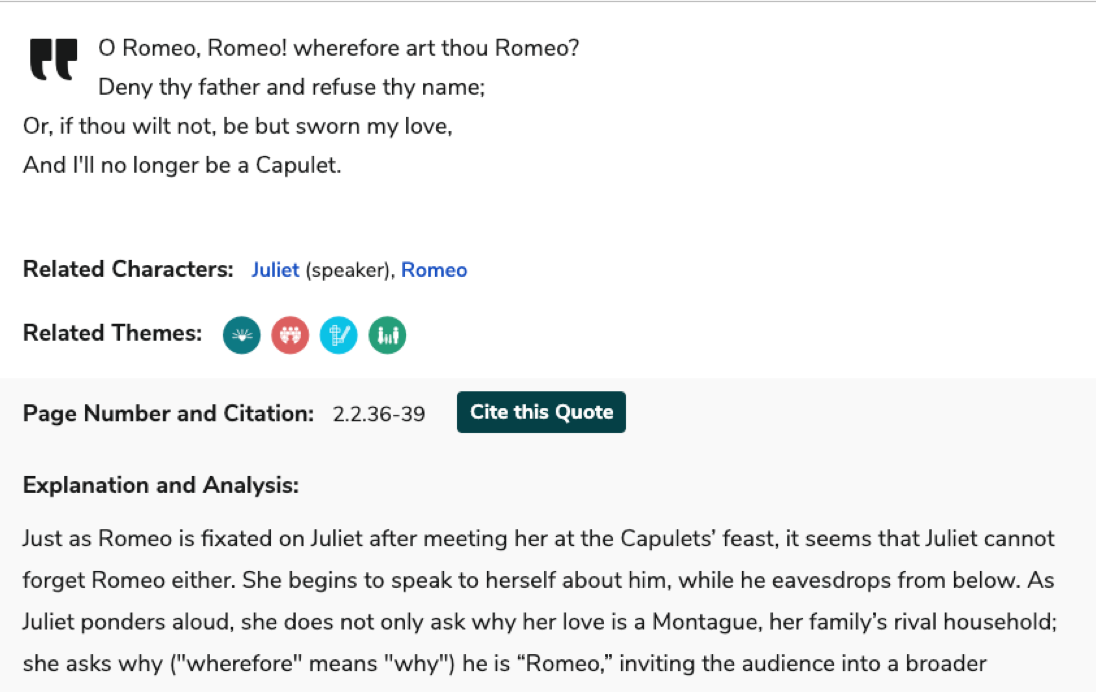
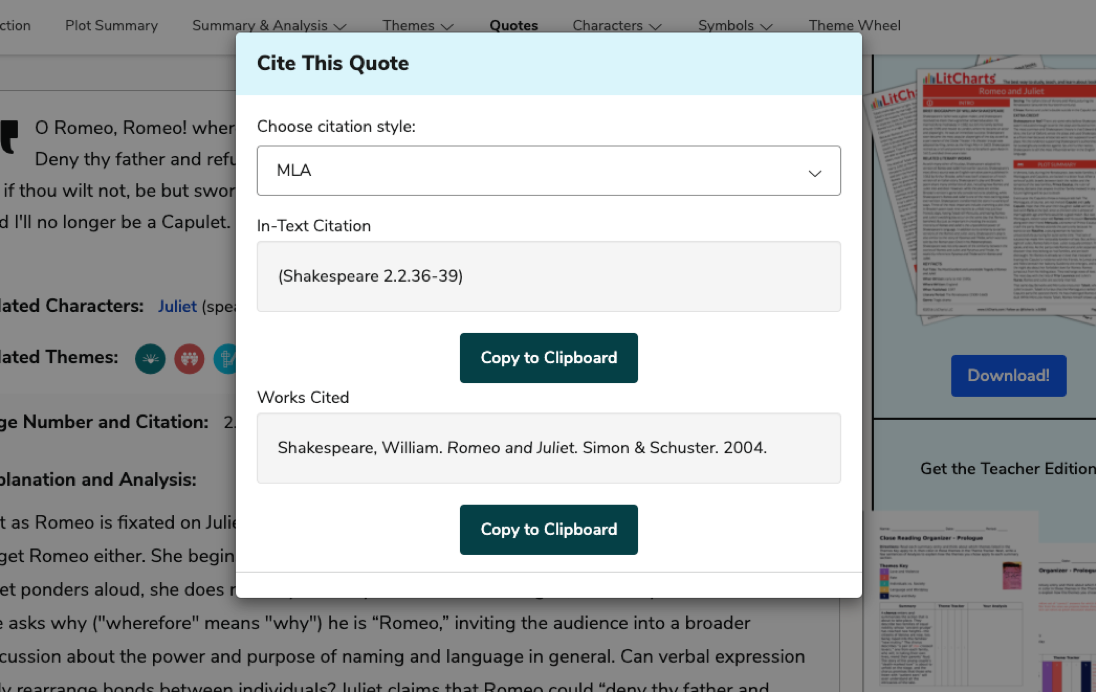
Quotes Explanations
Find the perfect quote. Understand it perfectly. Then rock the citation, too.
For all 50,202 quotes we cover.
For all 50,202 quotes we cover.


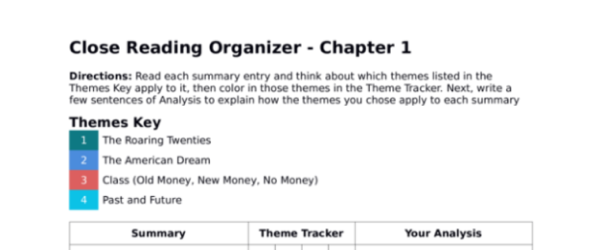
Teacher Editions
Close reading made easy for students.
Time saved for teachers.
For every book we cover.
Time saved for teachers.
For every book we cover.


Common Core-aligned


PDFs of modern translations of every one of Shakespeare's 37 plays, 154 sonnets, and 3 longer poems.

Literary Terms and Devices
Definitions and examples for every literary term and device you need to know.
Plus a quick-reference PDF with concise definitions of all 136 terms in one place.
Plus a quick-reference PDF with concise definitions of all 136 terms in one place.
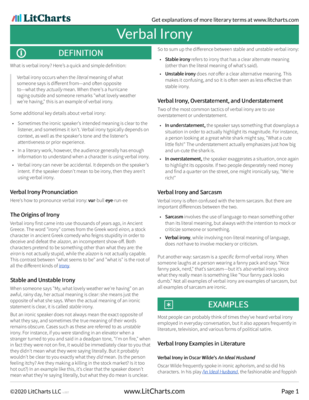
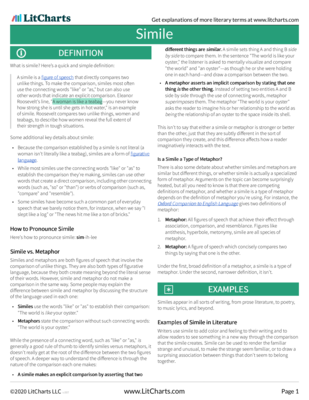
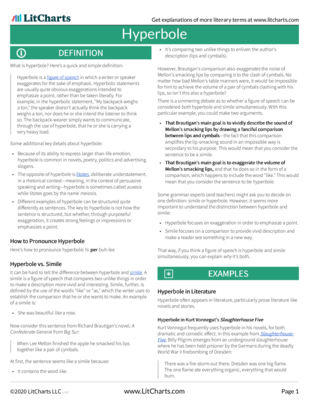
Try a free sample literary term PDF.


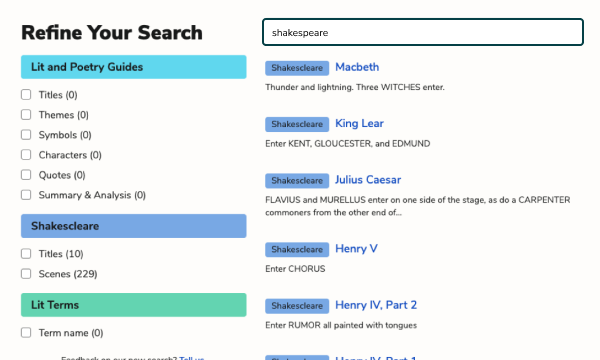
Advanced Search
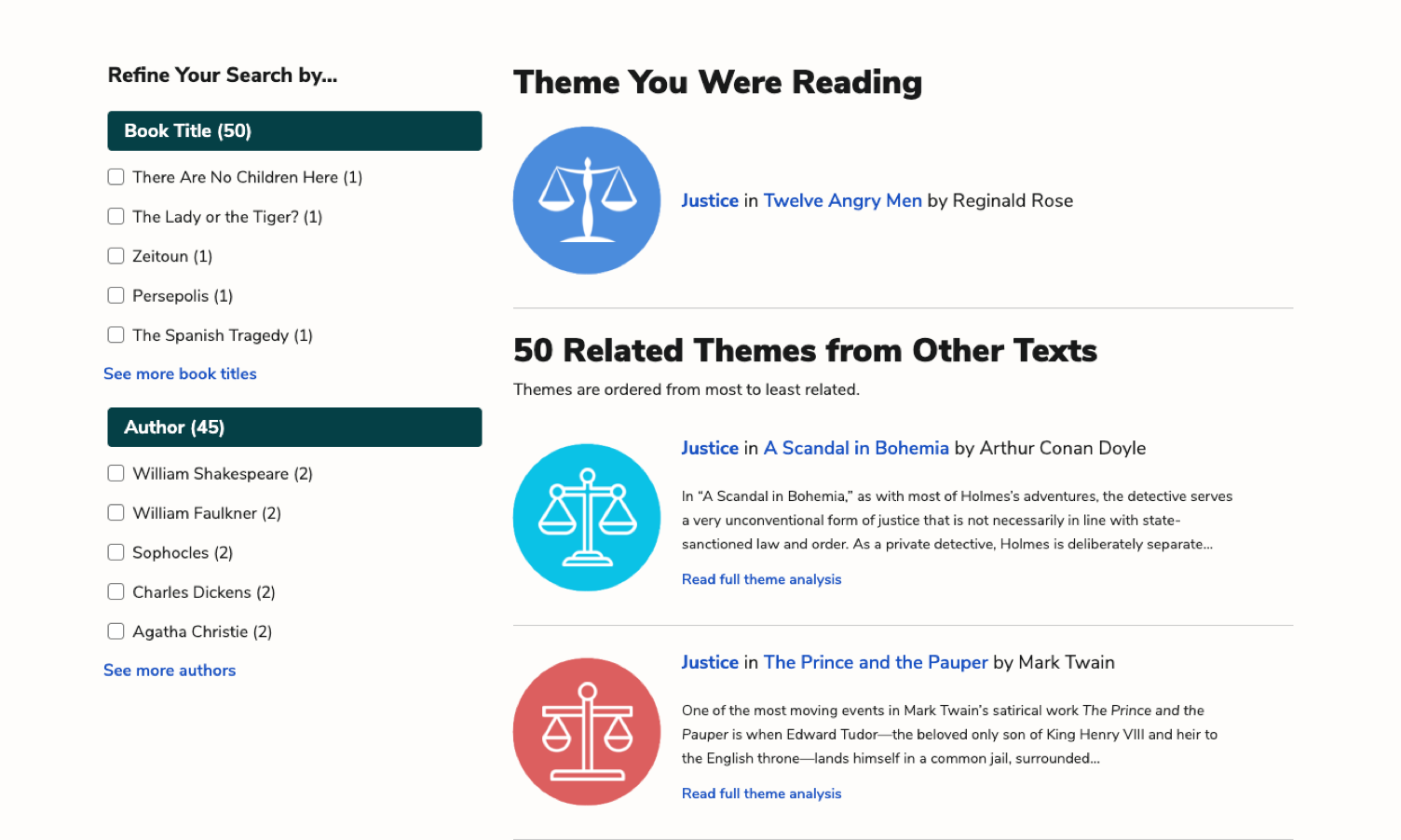
Refine any search. Find related themes, quotes, symbols, characters, and more.
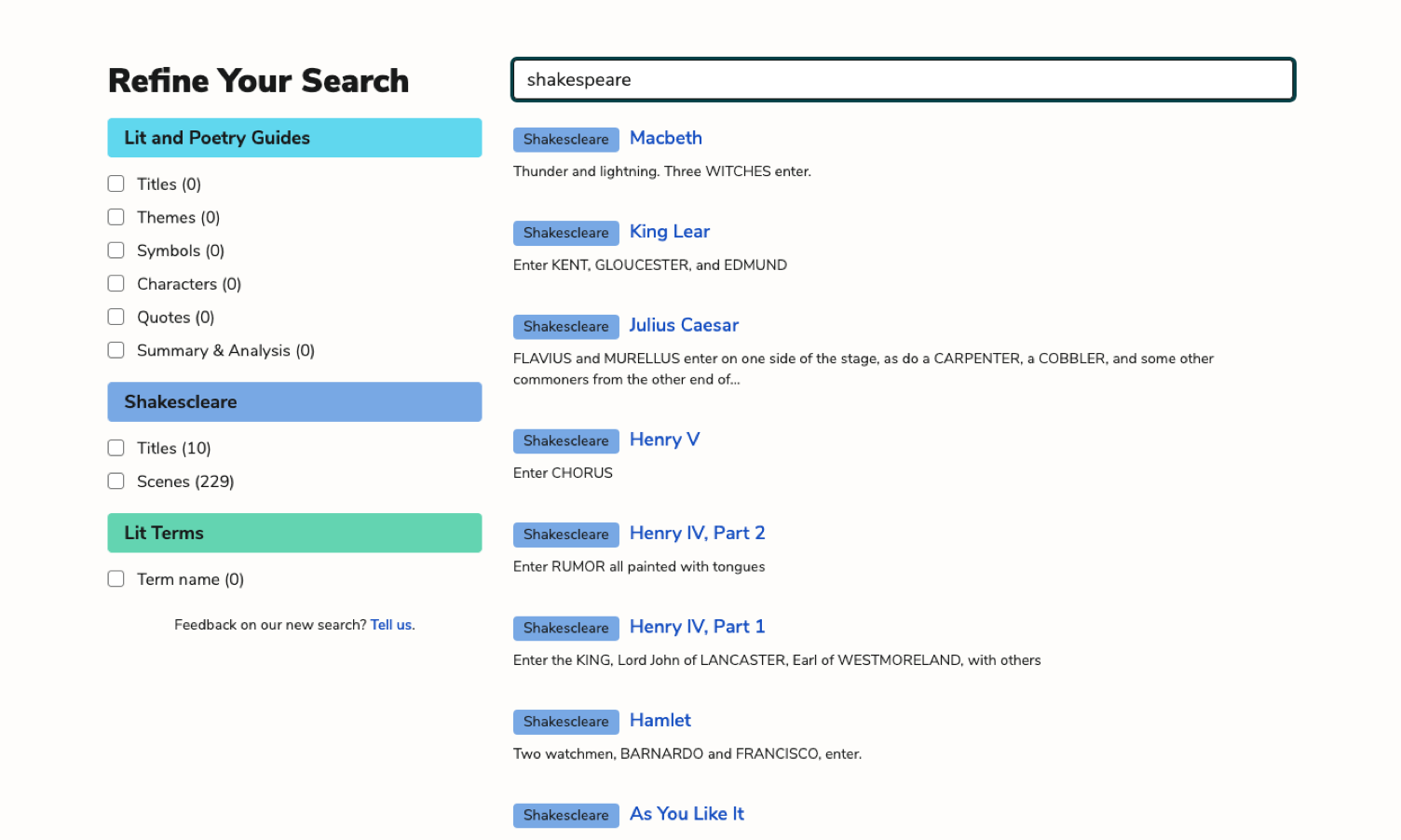

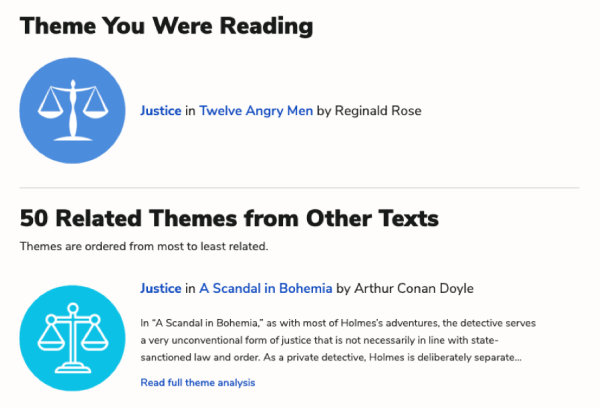
Related Themes
Comparing and contrasting texts? Find where any theme occurs across all of LitCharts in seconds.


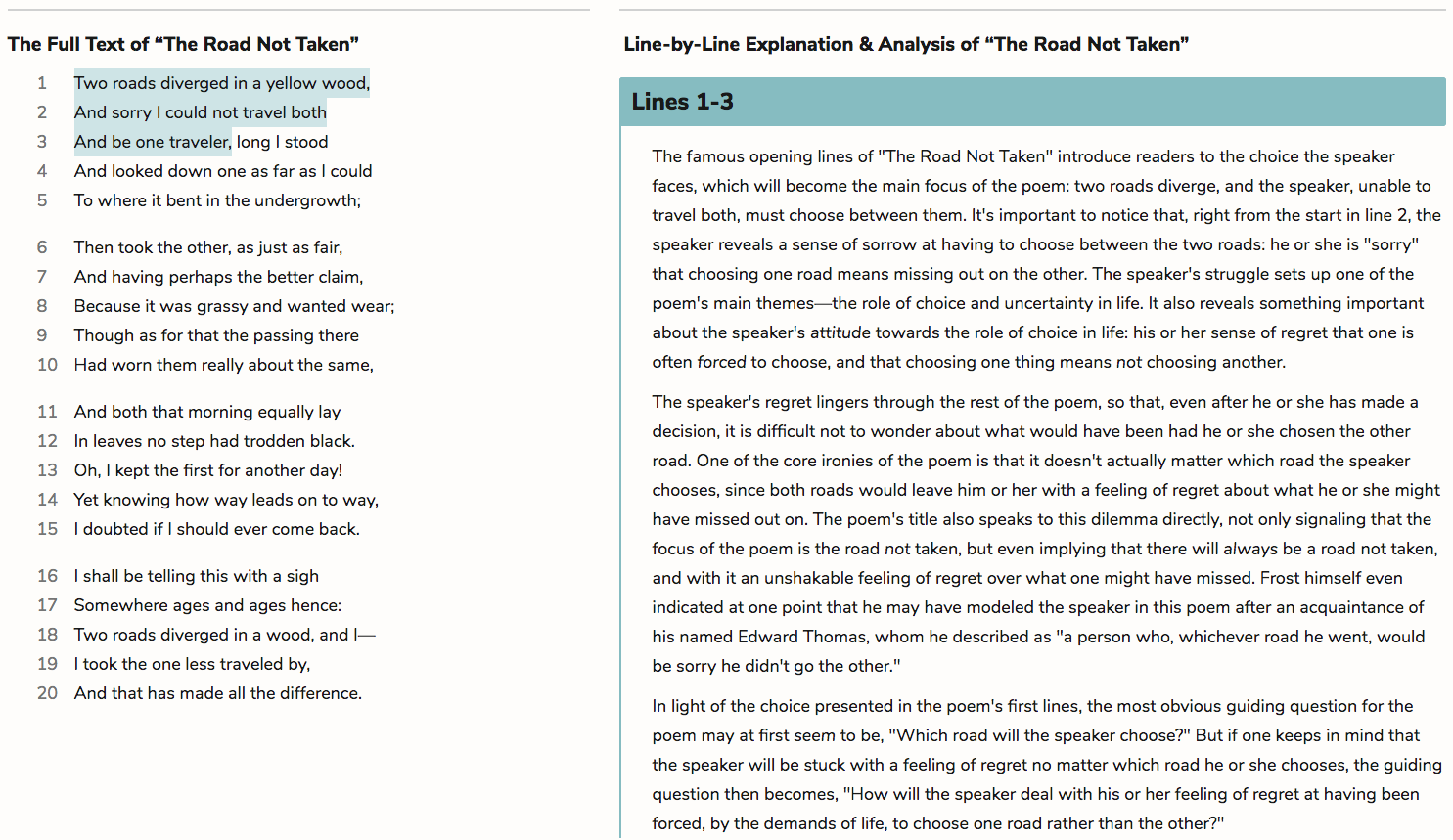
Poetry Guides
Line-by-line explanations and analysis of figurative language and poetic devices.
For every lyric poem we cover.
For every lyric poem we cover.