
|
Have questions?
Contact us
Already a member? Sign in
|
Get every literary device explanation for Macbeth
Plus so much more...
Sign up for LitCharts A+
Get instant access to every literary device explanation, plus so much more...
Dramatic Irony
Explanation and Analysis—Duncan's Murder:
The discovery of Duncan's murder in Act 2, Scene 3 is an extended moment of dramatic irony. The audience is aware that Duncan is dead, but Macduff and Lennox are oblivious, an ignorance that Macbeth maintains by making comments that imply the king is still alive.
Lennox: Goes the king hence today?
Macbeth: He does. He did appoint so.
The audience knows that Macbeth is responsible for the murder, but when Macduff announces that Duncan is dead, Macbeth feigns surprise:
Macbeth and Lennox: What's the matter?
Macduff: Confusion now hath made his masterpiece.
Most sacrilegious murder hath broke ope
The Lord’s anointed temple and stole thence
The life o’ th’ building.Macbeth: What is 't you say? The life?
When Lady Macbeth arrives on the scene, Macduff initially refuses to tell her what has happened, fearing that the news will devastate her feminine sensibilities:
Macduff: O gentle lady,
’Tis not for you to hear what I can speak.
The repetition in a woman’s ear
Would murder as it fell.
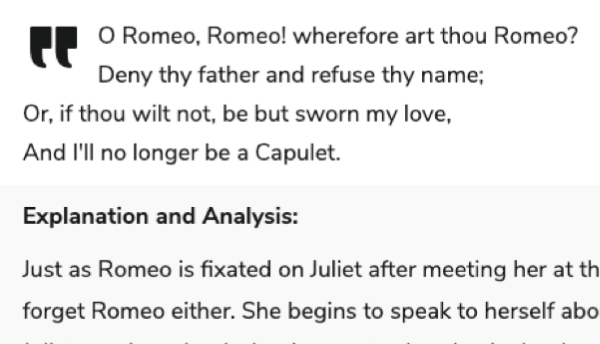
This concern is highly ironic, since Lady Macbeth was the one who planned and assisted with the killing of Duncan. In Act 1, Scene 7, she even questioned her husband's manhood when he proved reluctant to carry out the crime:
Lady Macbeth: Who dares receive it other,
As we shall make our griefs and clamor roar
Upon his death?
In the same scene, Macbeth and Lady Macbeth plan how they will pretend to react to news of Duncan's death with grief and horror:
Lady Macbeth: Who dares receive it other,
As we shall make our griefs and clamor roar
Upon his death?
As a result, in Act 2, Scene 3, the audience sees through Lady Macbeth's swooning and Macbeth's explanation for killing Duncan's guards:
Macbeth: O, yet I do repent me of my fury,
That I did kill them.Macduff: Wherefore did you so?
Macbeth: Who can be wise, amazed, temp’rate, and furious,
Loyal, and neutral, in a moment? No man.
Th’ expedition of my violent love
Outrun the pauser, reason. [...]
In this passage, Macbeth tries to suggest that he flew into a "violent" passion that overtook his ability to see "reason." So although the other thanes believe him when he claims to have murdered the guards out of a sense of rage and loyalty, the audience knows that he did it to conceal evidence of his own crime—creating yet another instance of dramatic irony.
Monthly
Annual (Best Value)

$595USD/mo
Charged $71.40 USD every year
 Teacher
$795USD/mo
Charged $95.40 USD every year
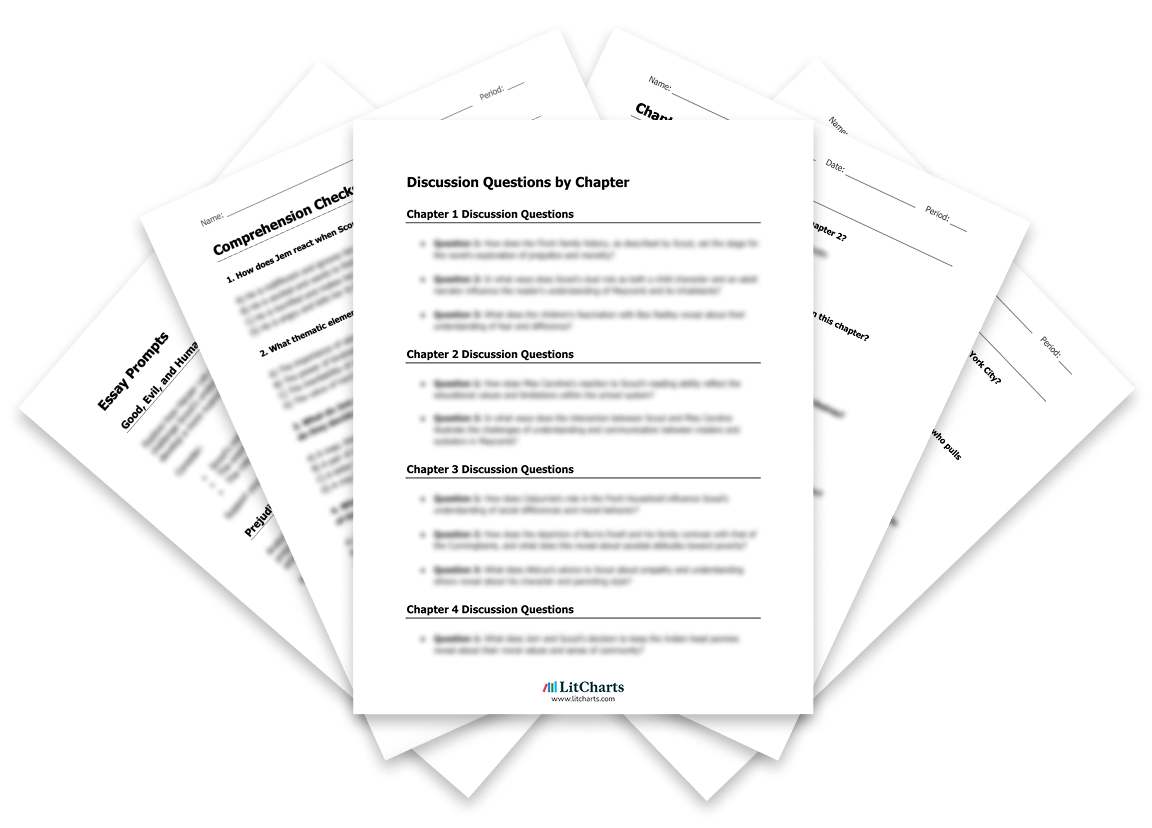


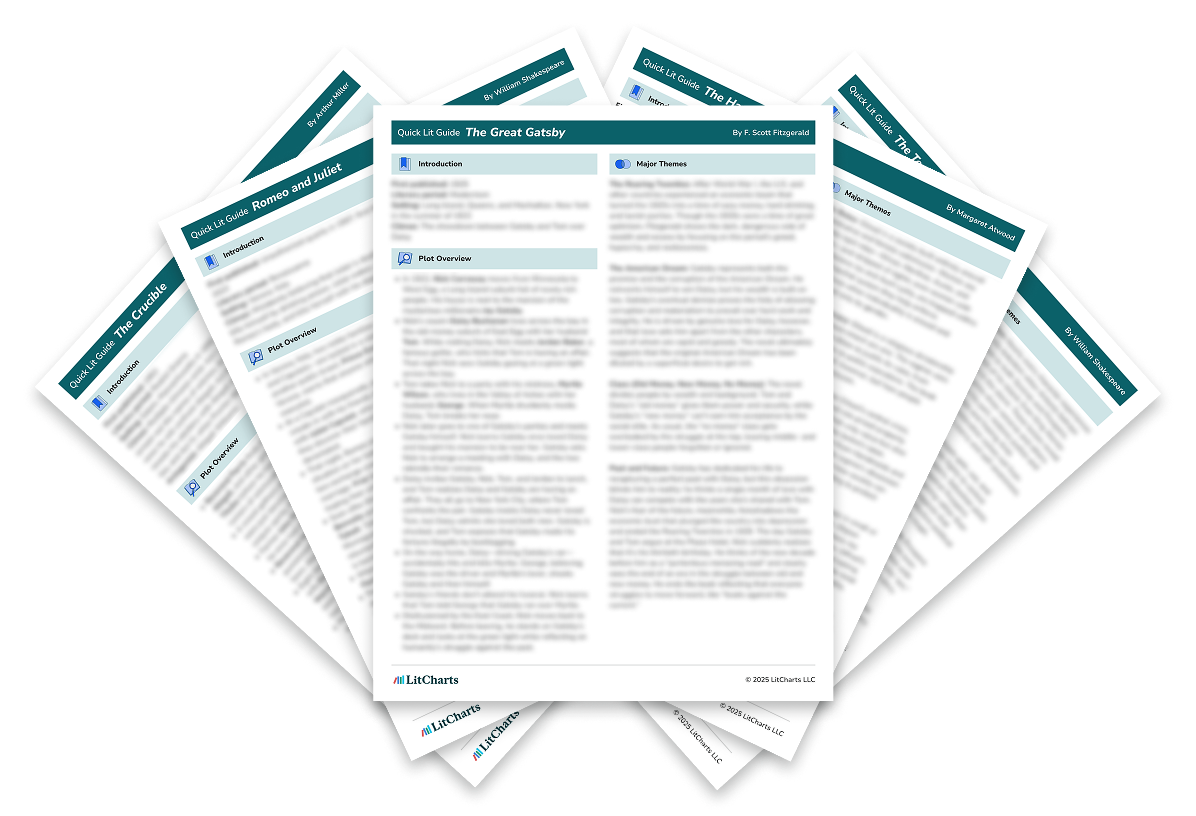
Literature Guide PDFs
LitCharts PDFs for every book you'll read this year.
Instant PDF downloads of all 2252 LitCharts literature guides and of every new one we publish. Try a free sample literature guide.
"Would not have made it through AP Literature without the printable PDFs. They're like having in-class notes for every discussion!"


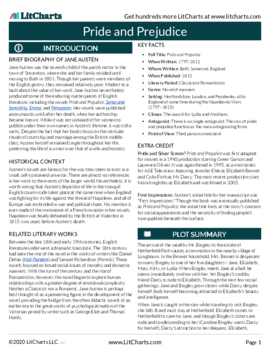
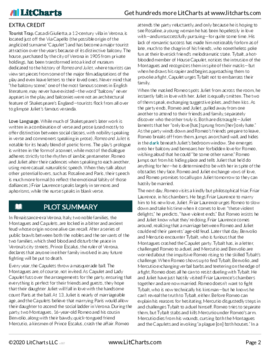






Quotes Explanations
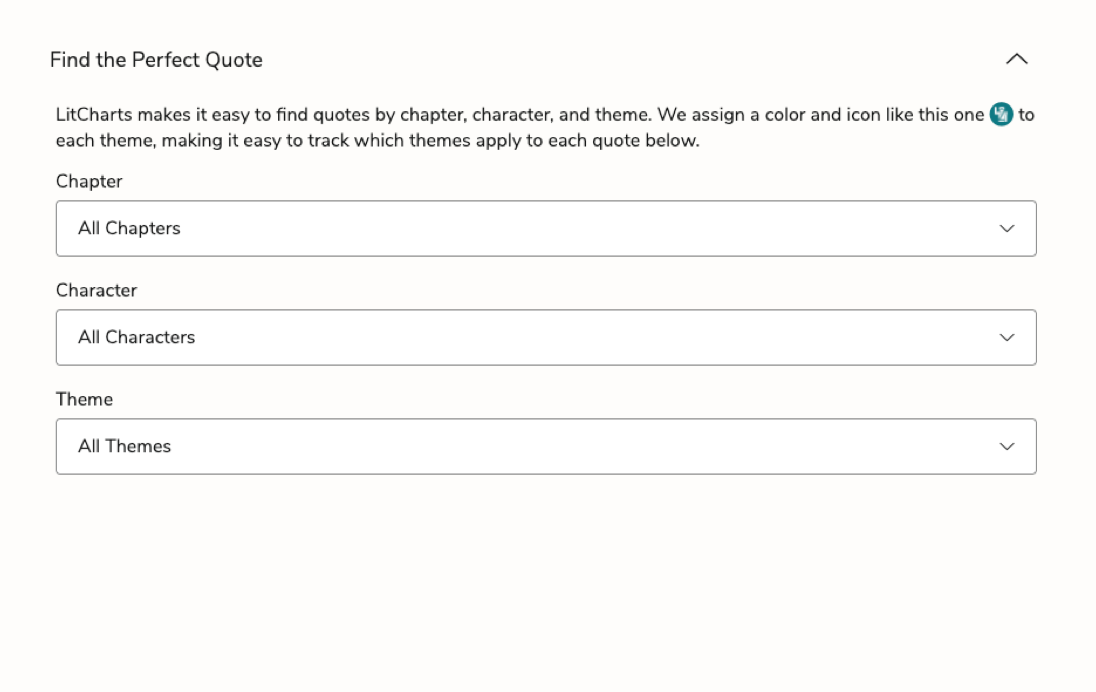
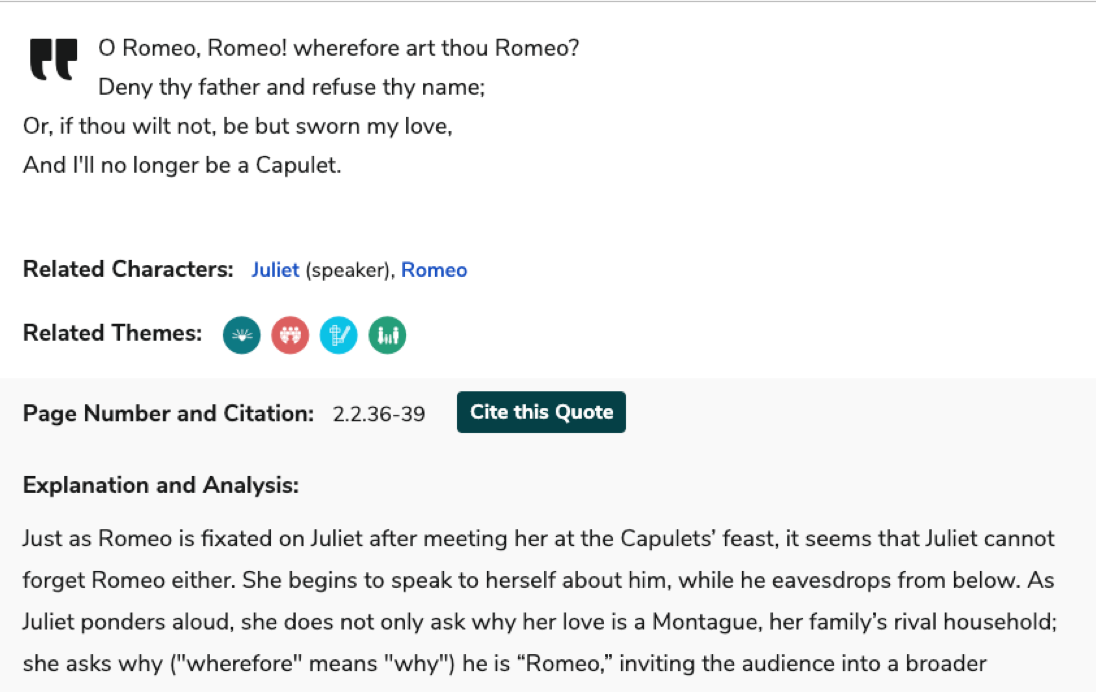
Find the perfect quote. Understand it perfectly. Then rock the citation, too.
For all 50,213 quotes we cover.
For all 50,213 quotes we cover.


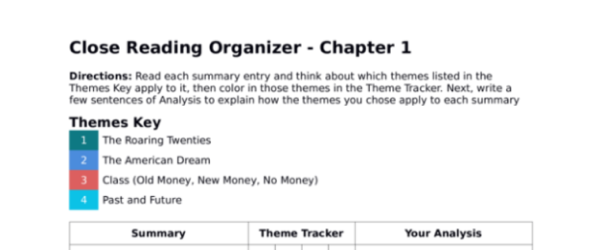
Teacher Editions
Close reading made easy for students.
Time saved for teachers.
For every book we cover.
Time saved for teachers.
For every book we cover.


Common Core-aligned


PDFs of modern translations of every one of Shakespeare's 37 plays, 154 sonnets, and 3 longer poems.

Literary Terms and Devices
Definitions and examples for every literary term and device you need to know.
Plus a quick-reference PDF with concise definitions of all 136 terms in one place.
Plus a quick-reference PDF with concise definitions of all 136 terms in one place.
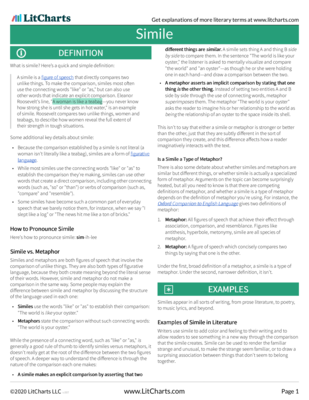
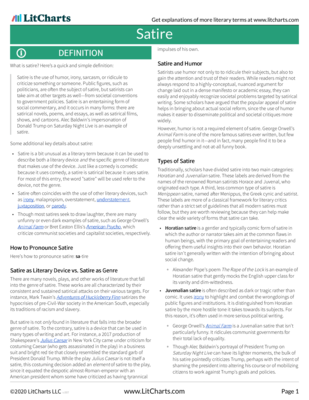
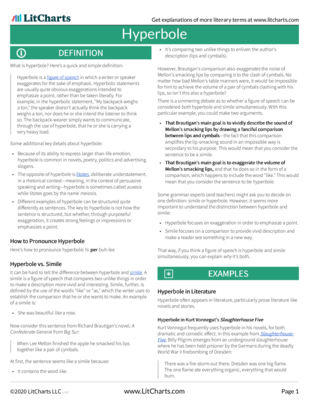
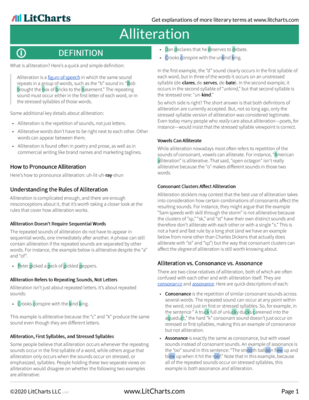
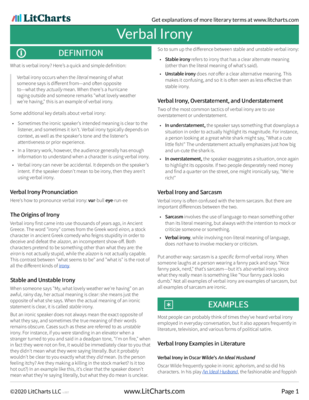
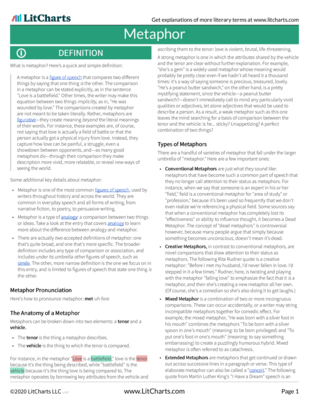
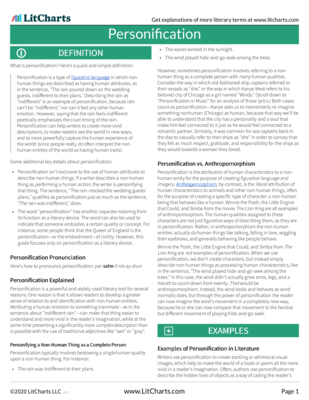
Try a free sample literary term PDF.


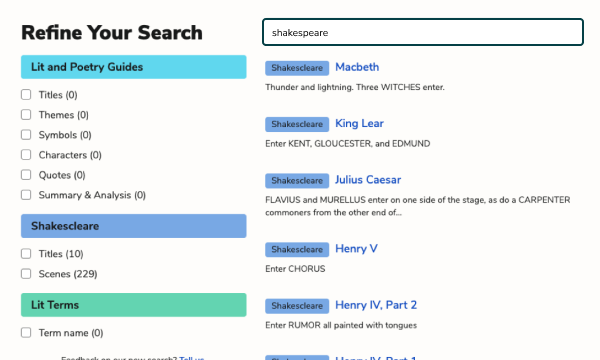
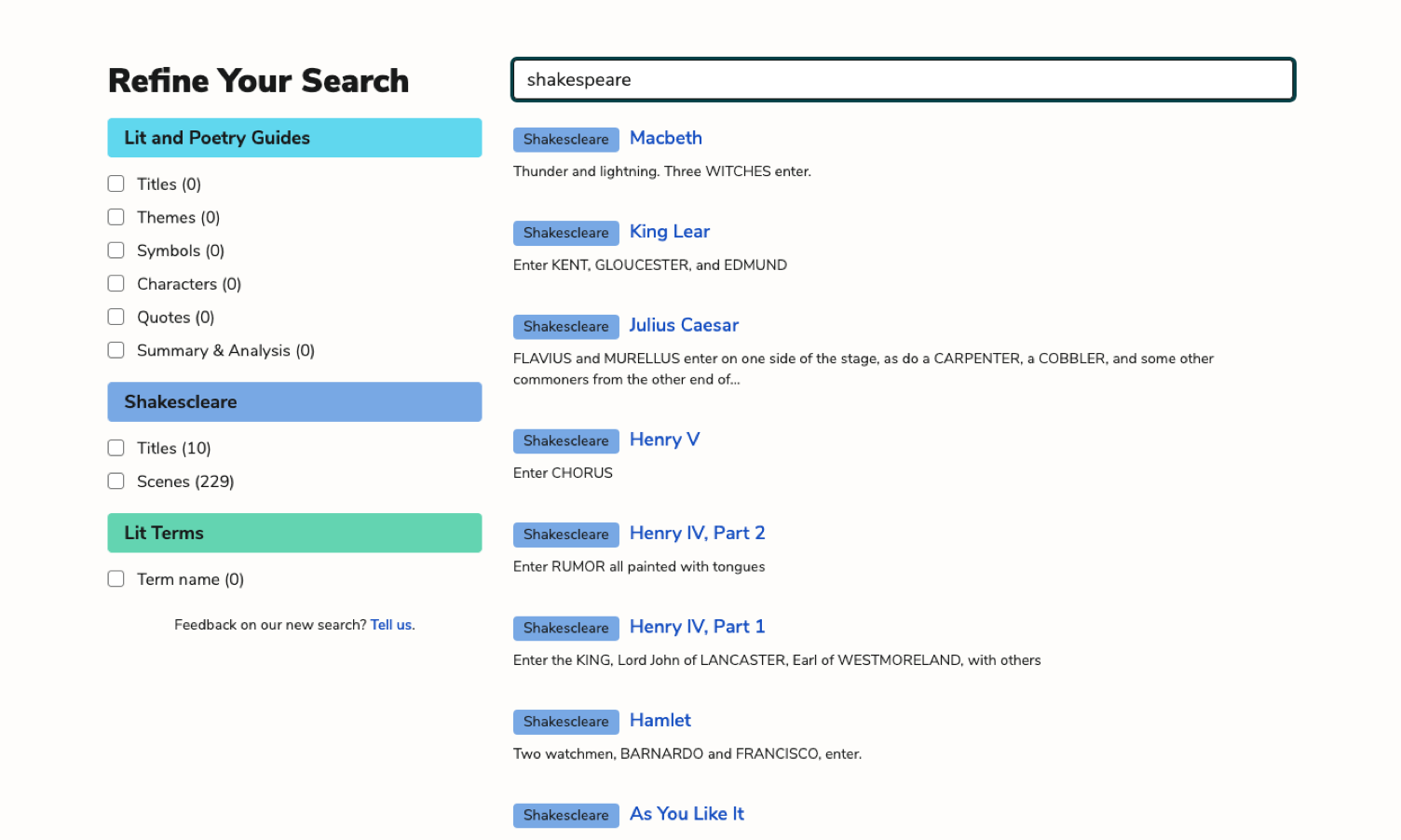
Advanced Search
Refine any search. Find related themes, quotes, symbols, characters, and more.

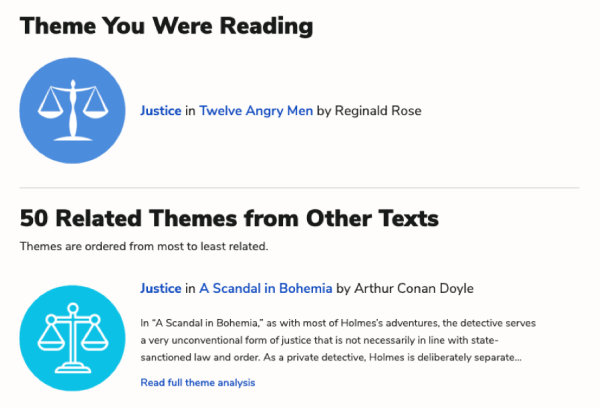
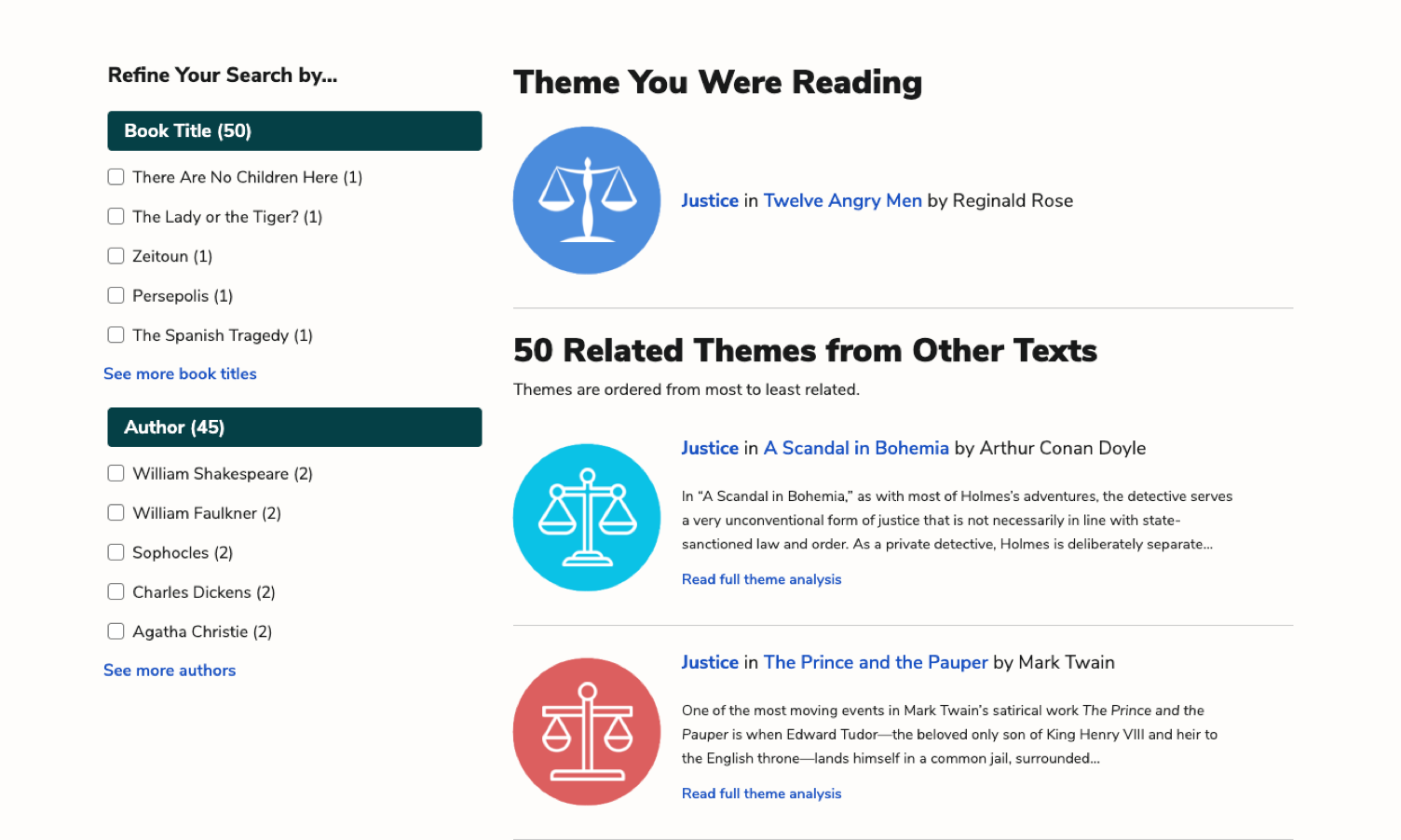
Related Themes
Comparing and contrasting texts? Find where any theme occurs across all of LitCharts in seconds.


Poetry Guides
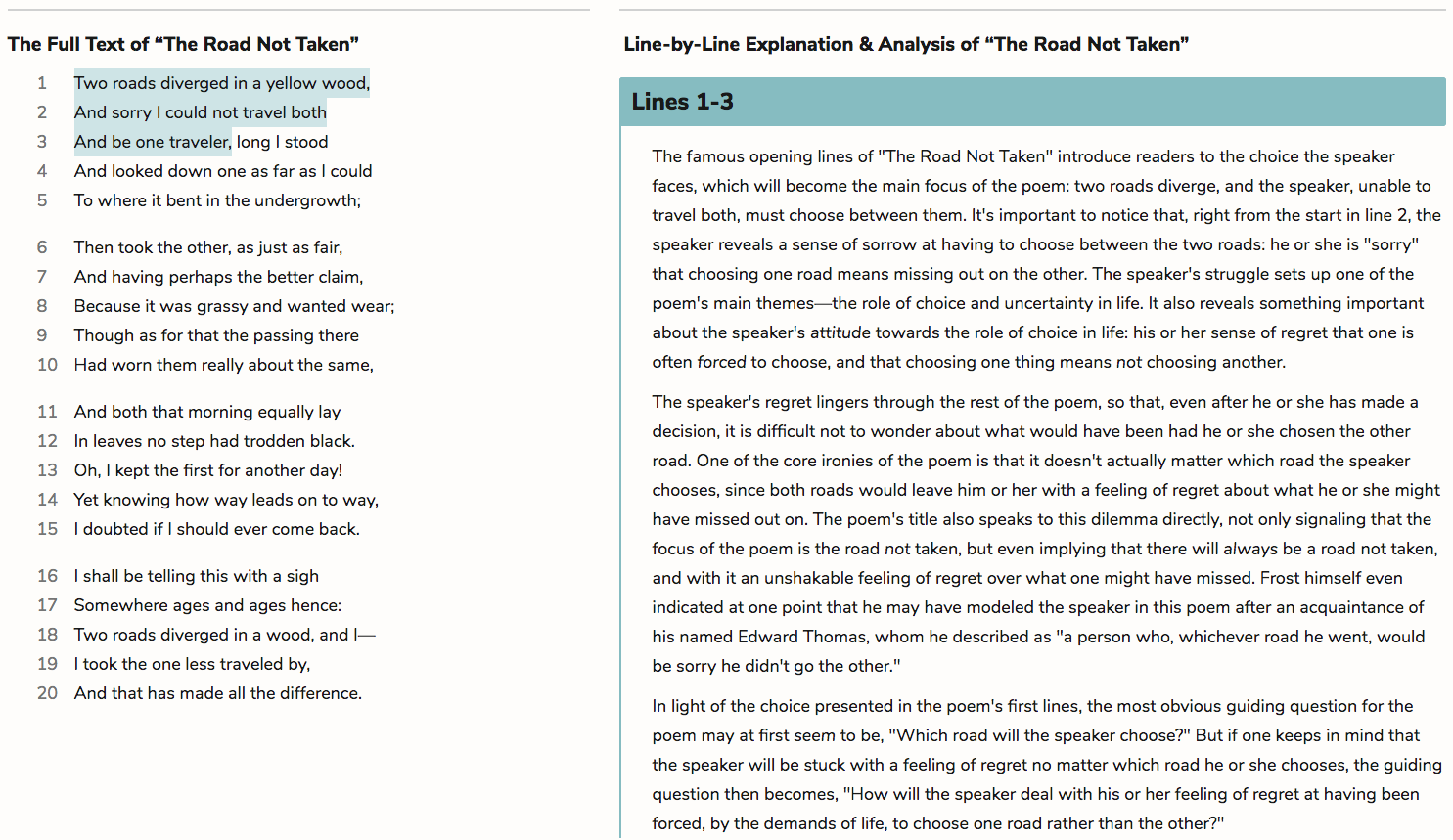
Line-by-line explanations and analysis of figurative language and poetic devices.
For every lyric poem we cover.
For every lyric poem we cover.