
|
Have questions?
Contact us
Already a member? Sign in
|
Get every literary device explanation for OthelloPlus so much more...
Sign up for LitCharts A+Get instant access to every literary device explanation, plus so much more...
Dramatic Irony
Explanation and Analysis—Female Honesty:
The constant references in the play to female dishonesty and women’s dangerous bewitching powers prove to be ironic, with it being the female characters who turn out to be the most honest. Othello and Iago’s repeated emphasis on Desdemona’s deceitful nature, for example, is steeped in irony, as she turns out to be the truest character in the play and faithful to Othello to the last.
This irony is picked out by Emilia in the final scene of the play:
Othello: She’s like a liar gone to burning hell!
’Twas I that killed herEmilia: O, the more angel she, and you the blacker devil!
Othello: She turned to folly, and she was a whore.
Emilia: Thou dost belie her, and thou art a devil!
Othello: She was false as water.
Emilia: Thou art rash as fire to say
That she was false. O, she was heavenly true!
Here, Emilia emphasizes the irony of Othello falsely calling Desdemona a liar. Her comment “the more angel she, and you the blacker devil” emphasizes this, with Othello’s misrepresentation of Desdemona’s honesty actually making him the more dishonest. Emilia’s remark that Othello “dost belie her,” meaning to give a false impression of her, further stresses that it is Othello who is the dishonest one. Furthermore, Emilia’s linguistic mirroring of Othello in the final part of this exchange— “she was false as water,” “thou art rash as fire”—turns Othello’s rhetoric back on itself in a way that inverts its meaning and further emphasizes the irony of his insistence of Desdemona’s falsity. That the truth of what has happened is revealed by a woman, Emilia, at the end of the play further stresses the proven honesty of women, adding an extra hint of irony.
Monthly
Annual (Best Value)

$595USD/mo
Charged $71.40 USD every year
 Teacher
$795USD/mo
Charged $95.40 USD every year
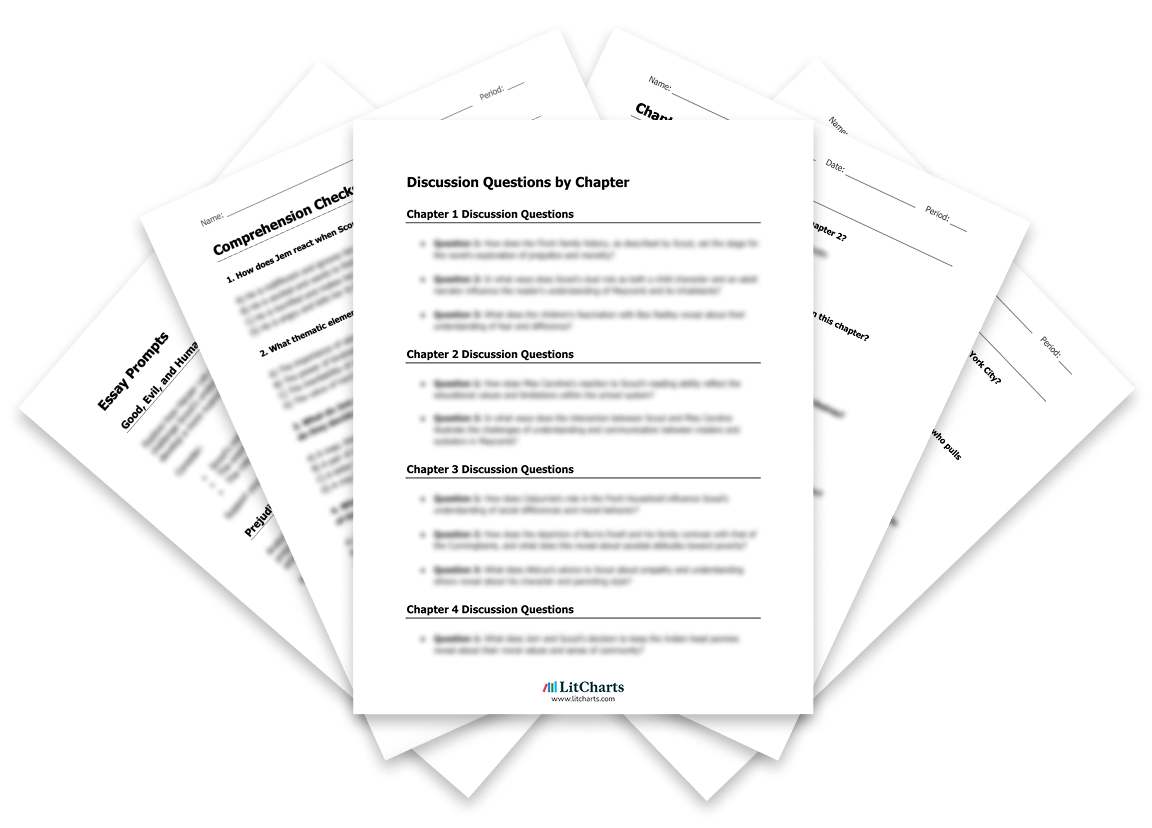
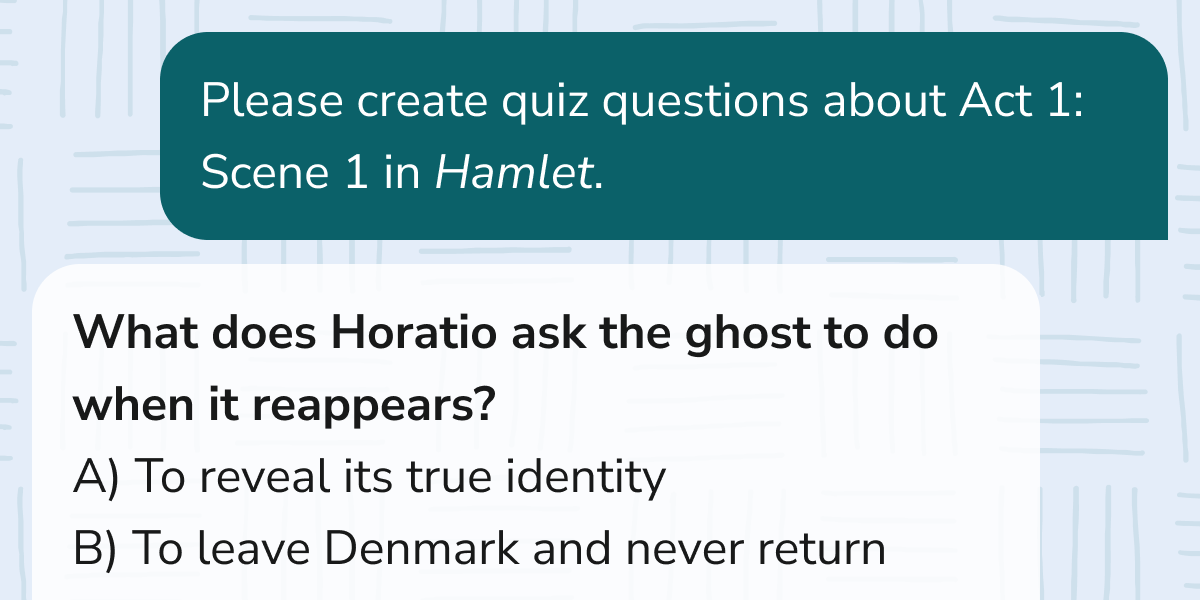


Literature Guide PDFs
LitCharts PDFs for every book you'll read this year.
Instant PDF downloads of all 2252 LitCharts literature guides and of every new one we publish. Try a free sample literature guide.
"Would not have made it through AP Literature without the printable PDFs. They're like having in-class notes for every discussion!"


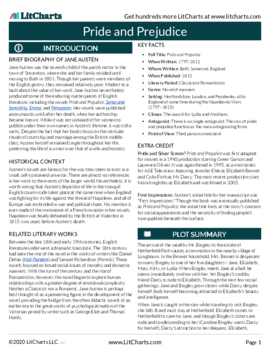
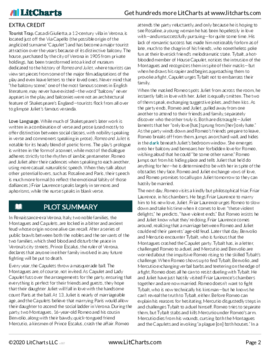






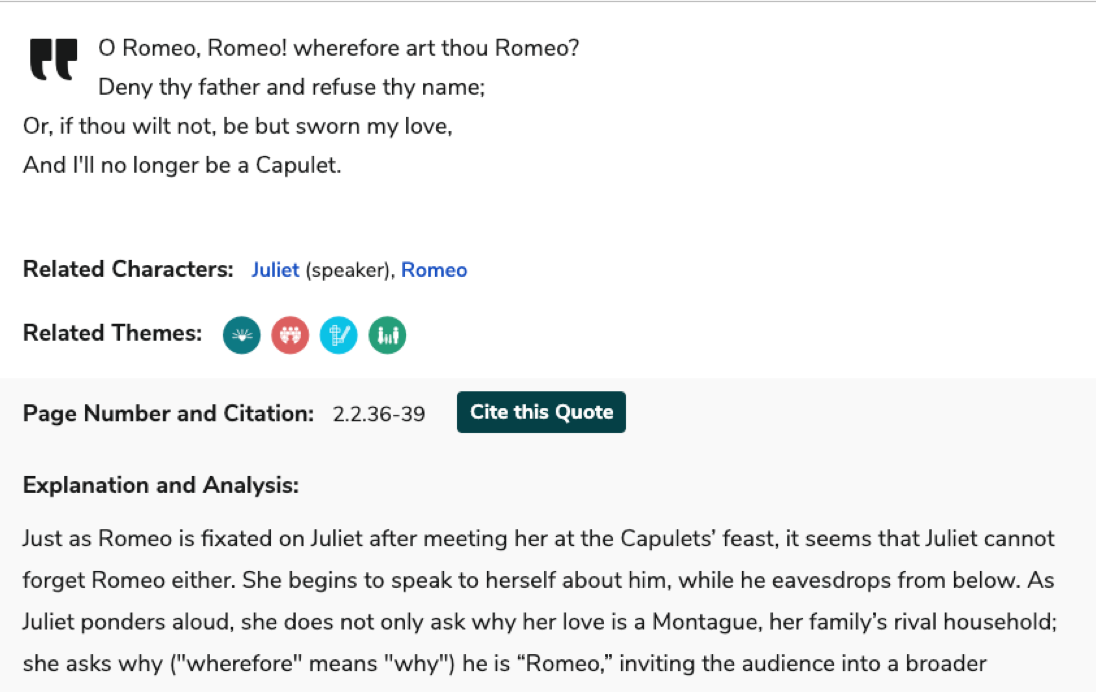
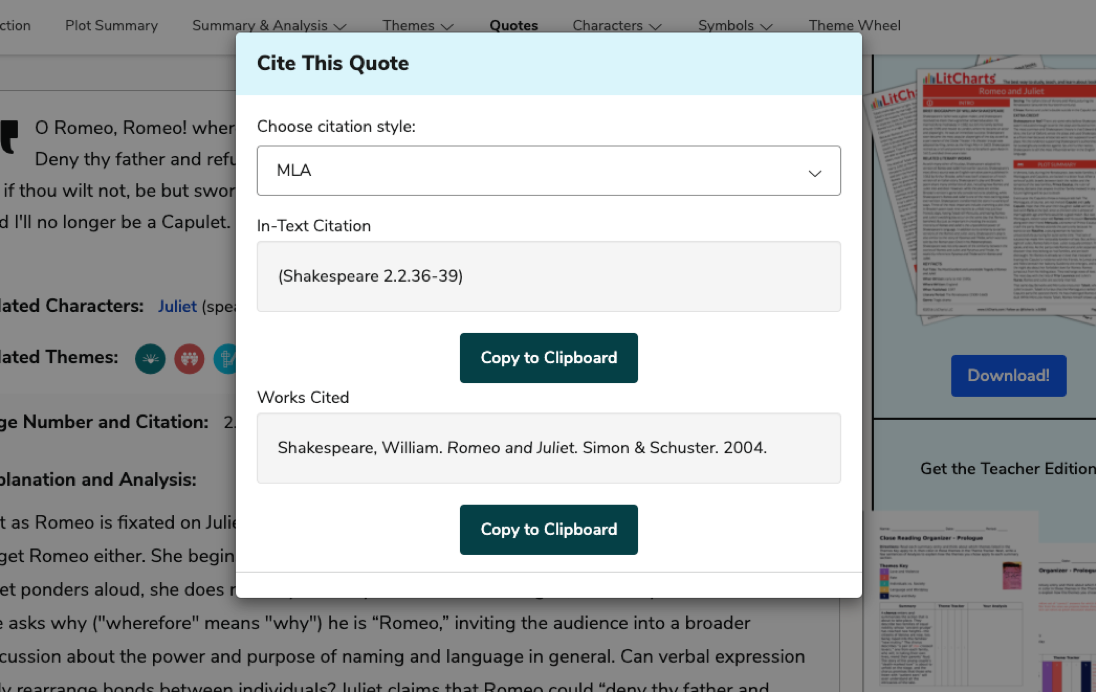
Quotes Explanations
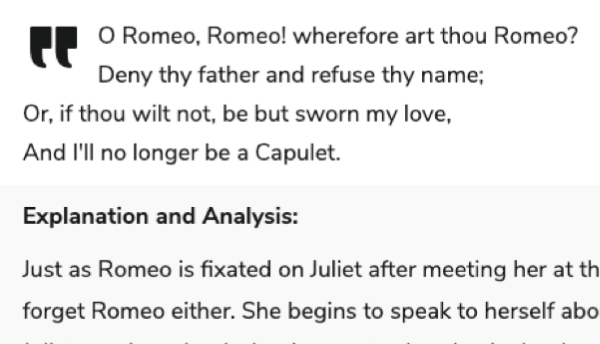
Find the perfect quote. Understand it perfectly. Then rock the citation, too.
For all 50,213 quotes we cover.
For all 50,213 quotes we cover.
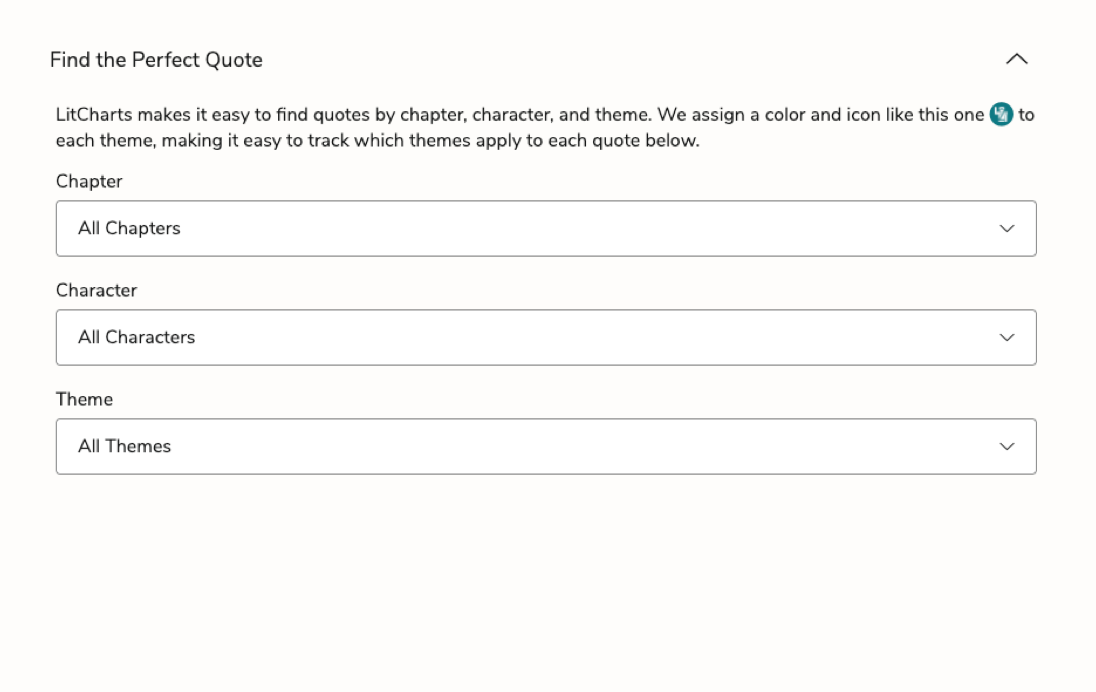


Teacher Editions
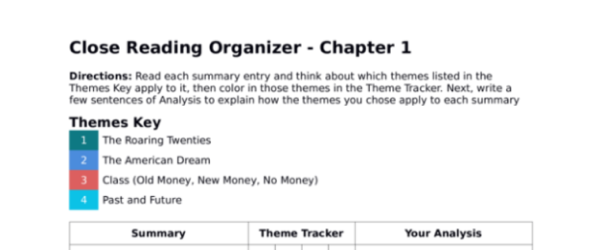
Close reading made easy for students.
Time saved for teachers.
For every book we cover.
Time saved for teachers.
For every book we cover.


Common Core-aligned


PDFs of modern translations of every one of Shakespeare's 37 plays, 154 sonnets, and 3 longer poems.

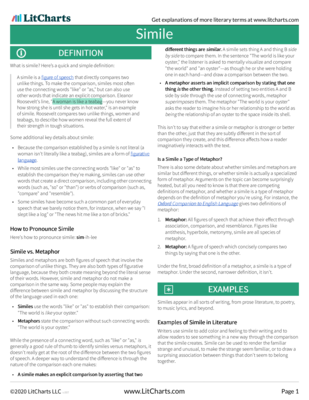
Literary Terms and Devices
Definitions and examples for every literary term and device you need to know.
Plus a quick-reference PDF with concise definitions of all 136 terms in one place.
Plus a quick-reference PDF with concise definitions of all 136 terms in one place.
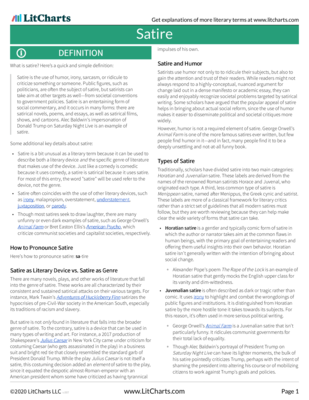
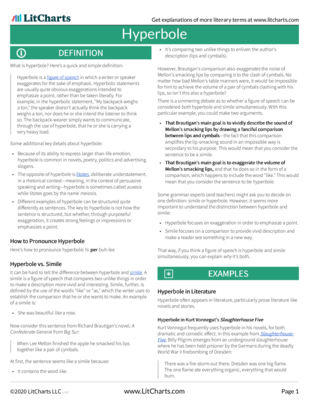
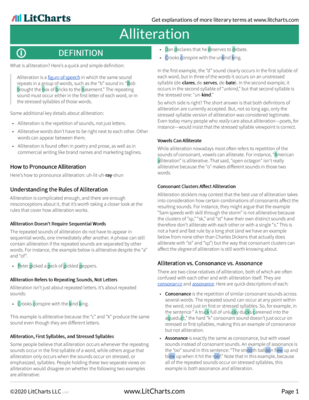
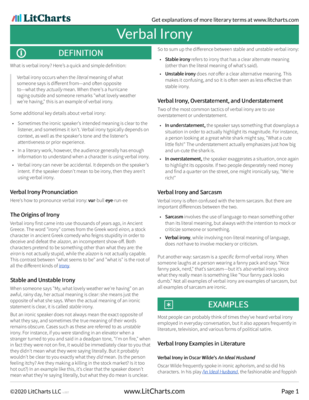
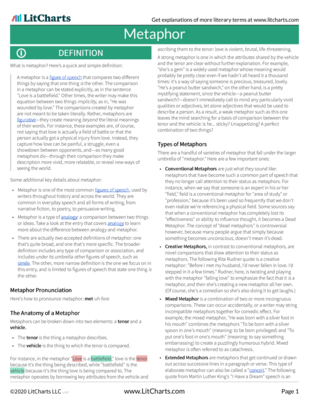
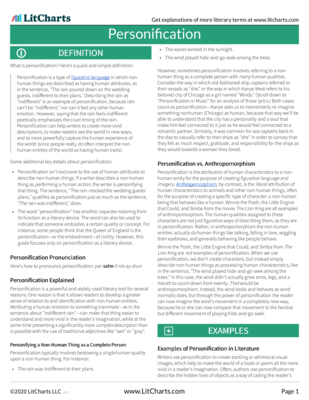
Try a free sample literary term PDF.


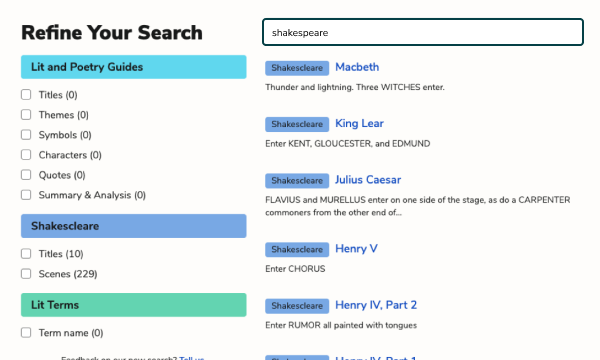
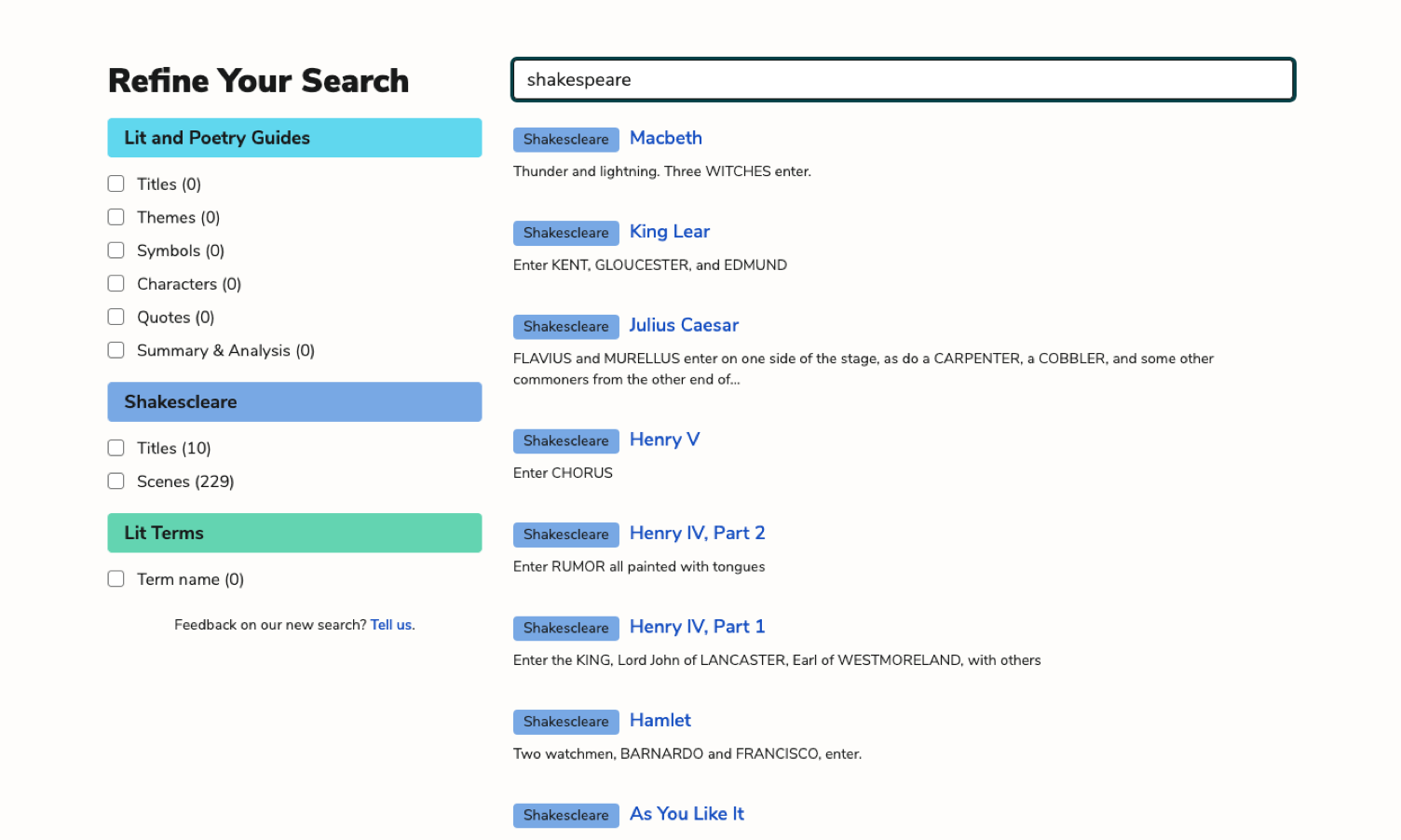
Advanced Search
Refine any search. Find related themes, quotes, symbols, characters, and more.

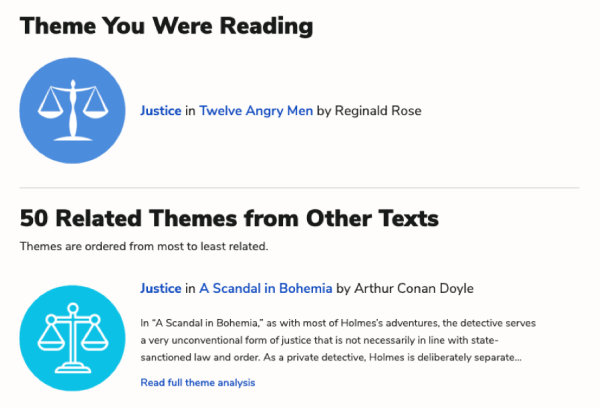
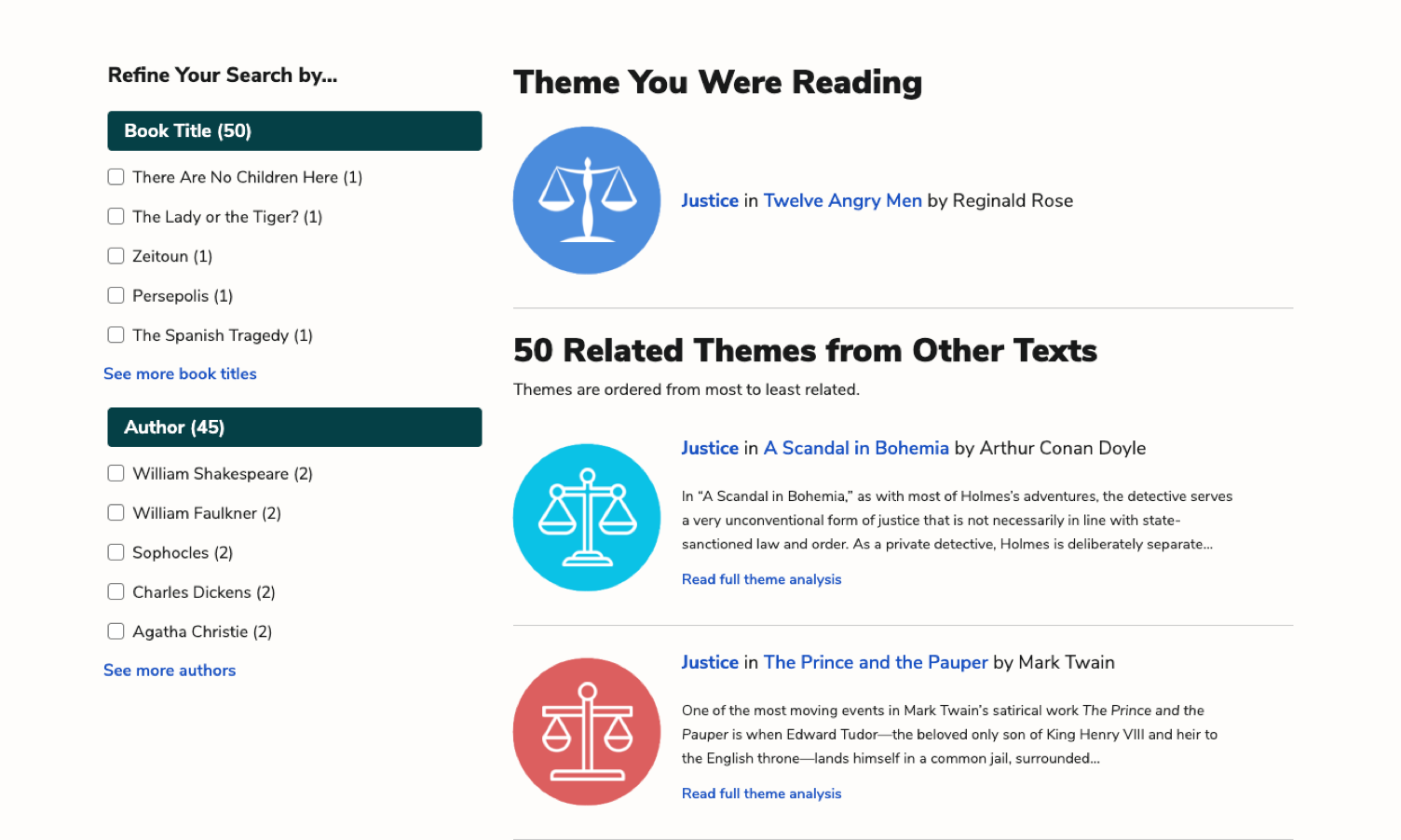
Related Themes
Comparing and contrasting texts? Find where any theme occurs across all of LitCharts in seconds.


Poetry Guides
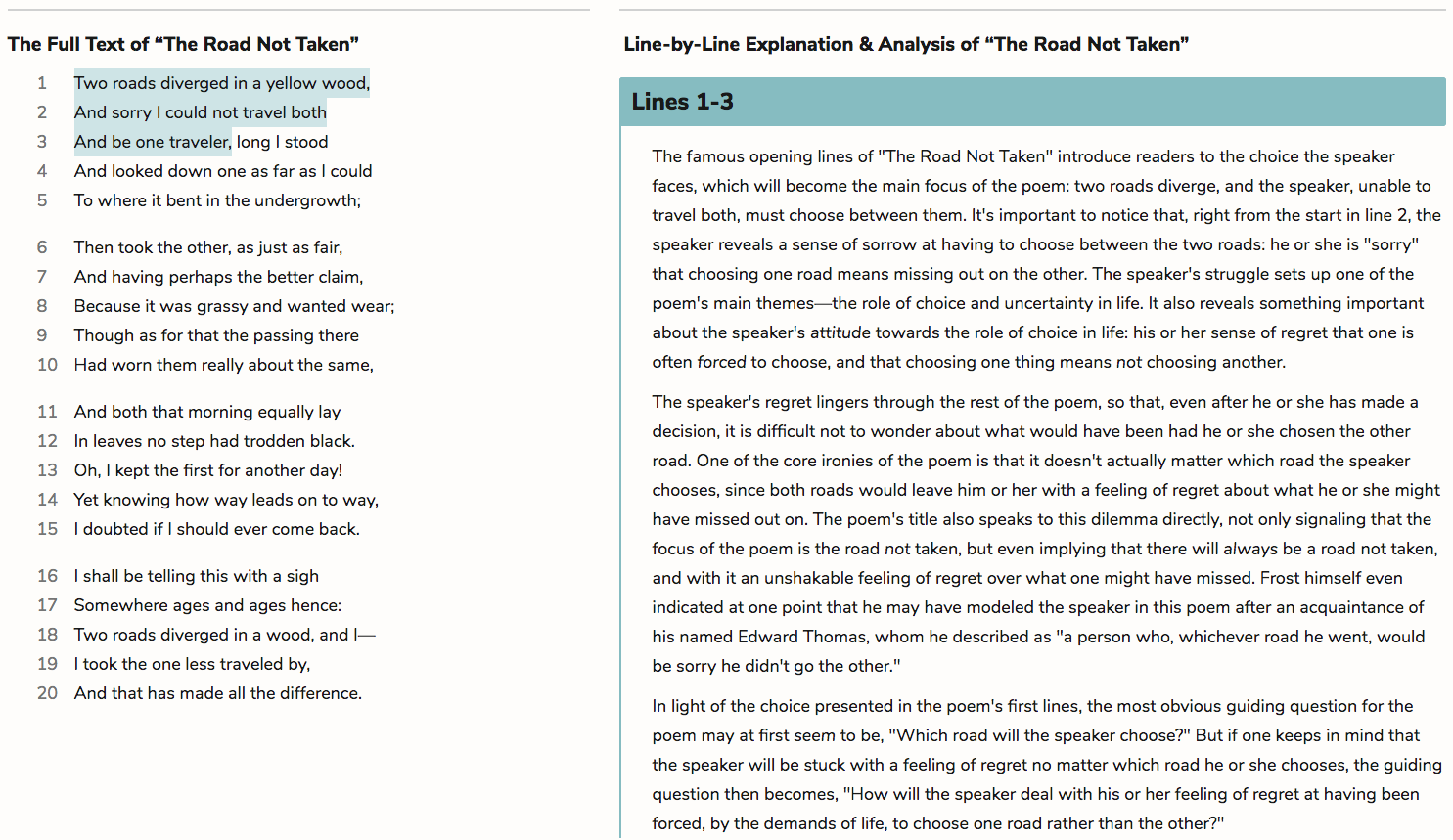
Line-by-line explanations and analysis of figurative language and poetic devices.
For every lyric poem we cover.
For every lyric poem we cover.