
|
Have questions?
Contact us
Already a member? Sign in
|
Get every literary device explanation for OthelloPlus so much more...
Sign up for LitCharts A+Get instant access to every literary device explanation, plus so much more...
Dramatic Irony
Explanation and Analysis—Foreshadowing and Fate :
Foreshadowings of the play’s tragic ending can be found multiple times in Othello’s speech. Before he is fully convinced of Desdemona’s alleged infidelity, Othello exclaims:
Excellent wretch! Perdition catch my soul
But I do love thee! And when I love thee not,
Chaos is come again
The last part of this speech, when Othello says Chaos will come again when he loses his love for Desdemona, foreshadows the play’s ending, when chaos and mass tragedy will ensue as a result of Othello’s turn to hatred.
The effectiveness of such foreshadowing as a device is strengthened through the simultaneous use of dramatic irony. Though Othello is unaware how prophetic his words will prove, the audience at this point has already been privy to Iago’s private plottings and knows that he plans to tear Othello and Desdemona apart. This dramatic irony ensures that the audience can spot when Othello’s words are foreshadowing the play’s ending and heightens the play’s dramatic power. Othello’s obvious ignorance to the ending that will befall him elevates the tragedy of the play and creates sympathy for him.
That the audience knows more than Othello also complicates the audience’s relation to the play, as they feel forced to become part of Iago’s plotting yet helpless to stop it. This feeling of helplessness reinforces the exploration of the idea of fate in the play, with the use of foreshadowing presenting the play’s tragic ending as inevitable and predetermined. Othello’s speech has a prophetic quality, even if Othello himself is not aware of it. That what he says will come to pass potentially alludes to the idea that language is determinative. Such an idea proves central to the play, not only in it being Iago’s mastery of language that determines the characters’ actions, but also in a broader, meta-textual way. The actions of the play have, of course, been predetermined by Shakespeare himself. The use of foreshadowing reminds the audience that the play has been carefully and deliberately constructed, an awareness that reminds the audience of the power of language.
Monthly
Annual (Best Value)

$595USD/mo
Charged $71.40 USD every year

 Teacher
$795USD/mo
Charged $95.40 USD every year
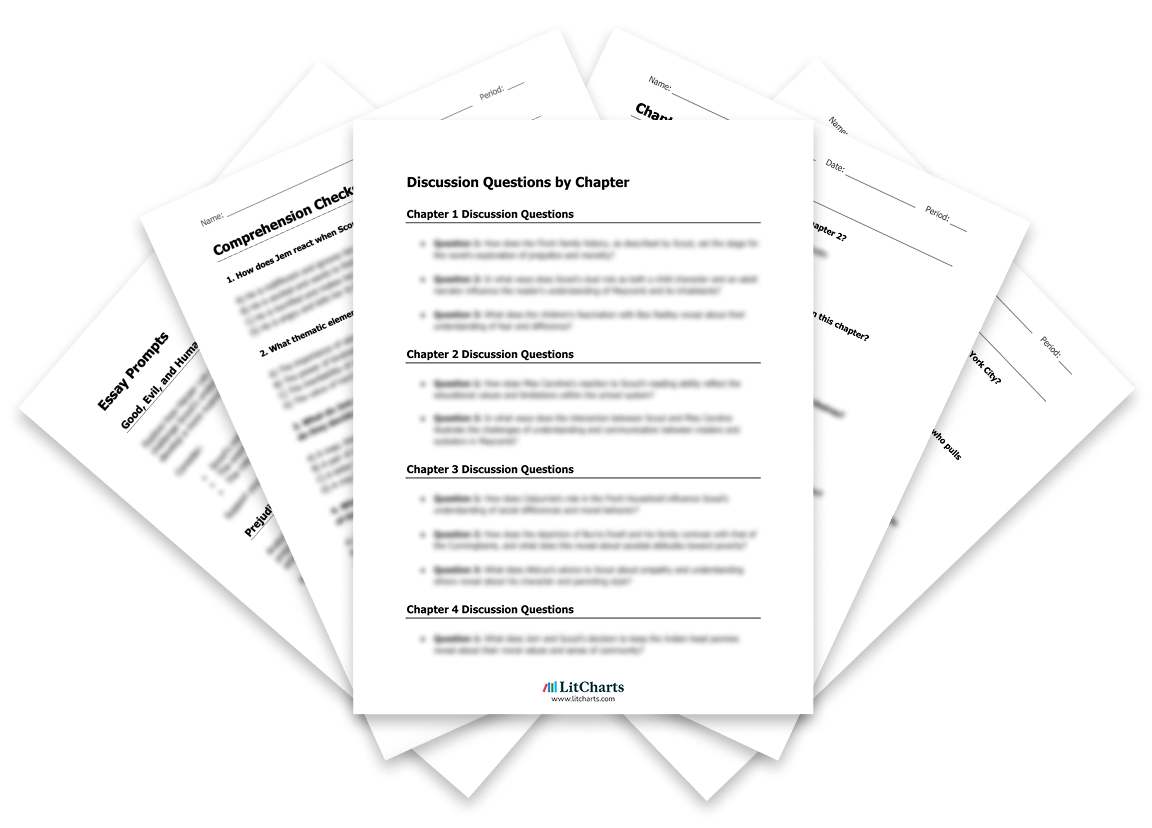
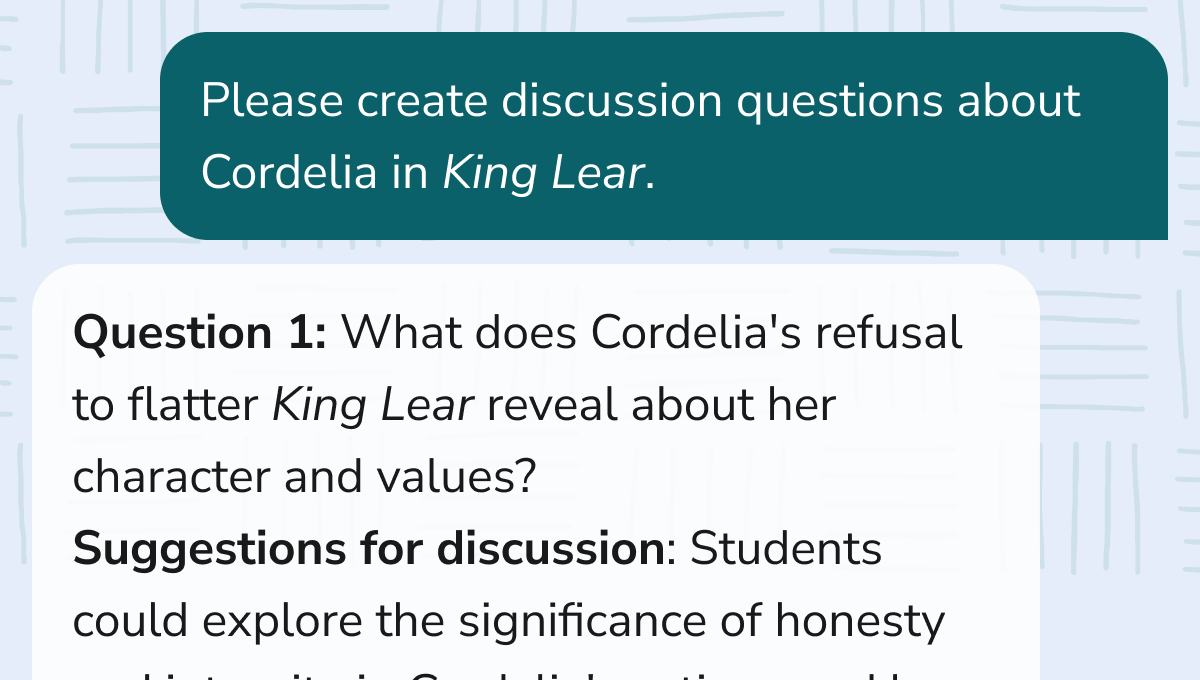
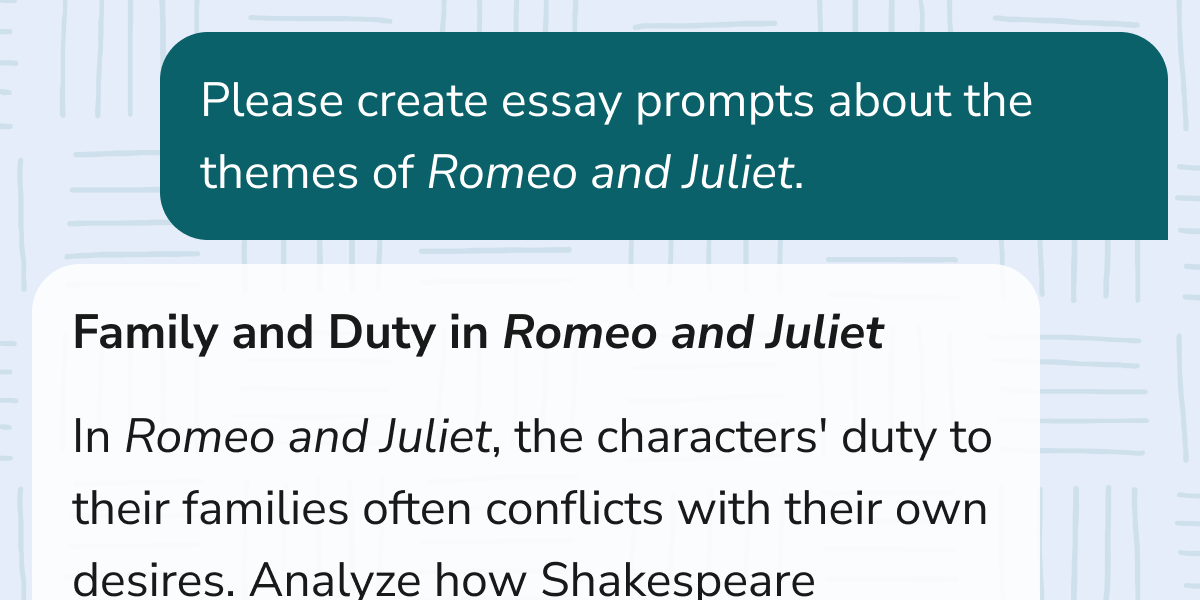
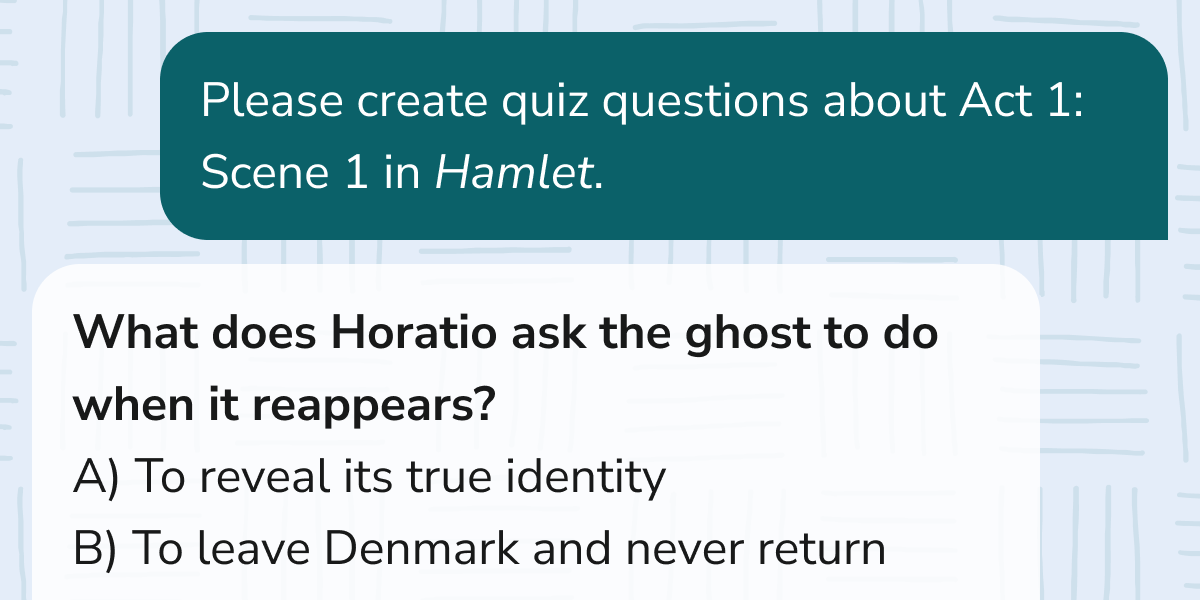


Literature Guide PDFs
LitCharts PDFs for every book you'll read this year.
Instant PDF downloads of all 2252 LitCharts literature guides and of every new one we publish. Try a free sample literature guide.
"Would not have made it through AP Literature without the printable PDFs. They're like having in-class notes for every discussion!"








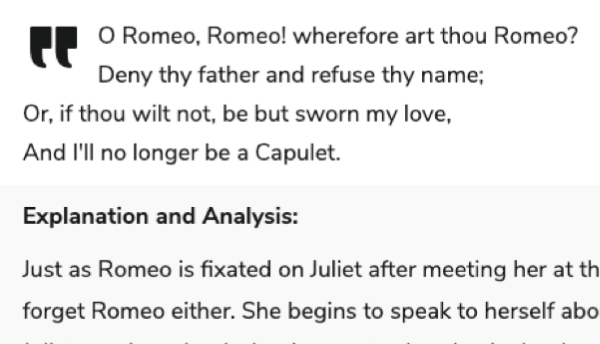
Quotes Explanations
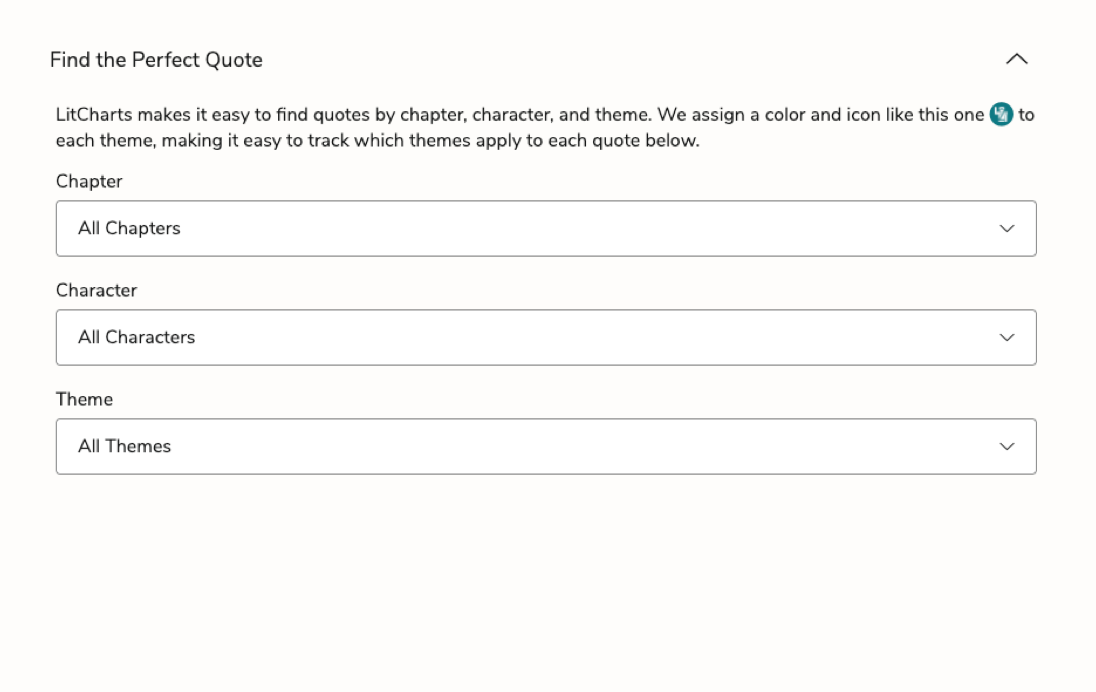
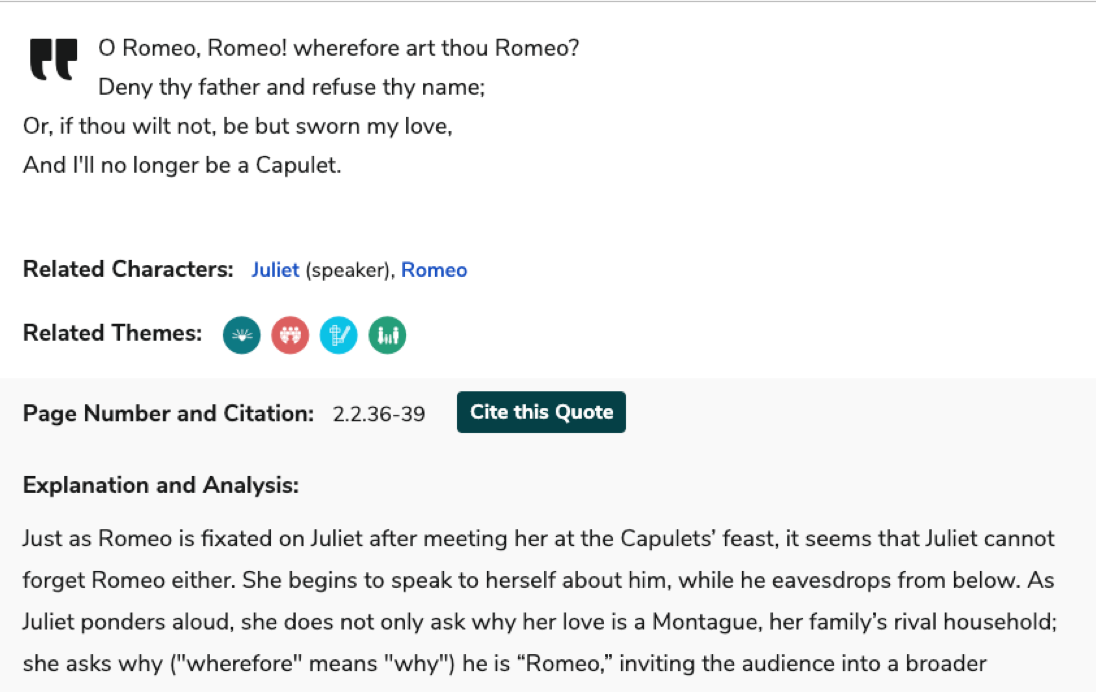
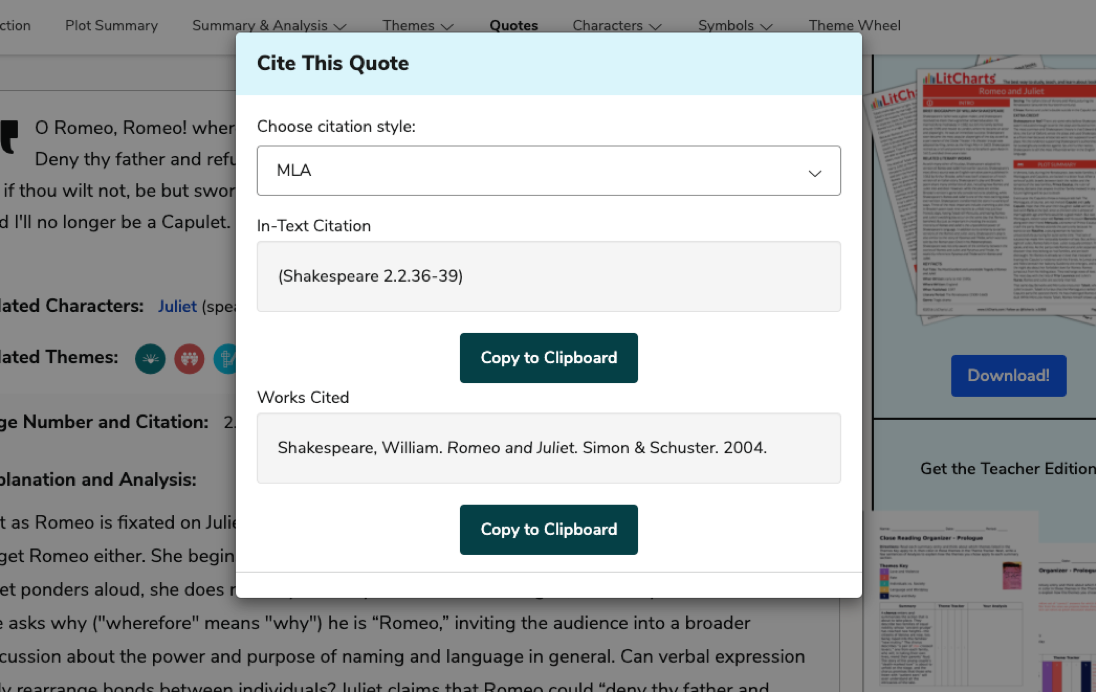
Find the perfect quote. Understand it perfectly. Then rock the citation, too.
For all 50,213 quotes we cover.
For all 50,213 quotes we cover.


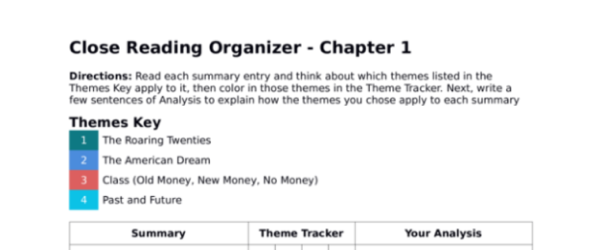
Teacher Editions
Close reading made easy for students.
Time saved for teachers.
For every book we cover.
Time saved for teachers.
For every book we cover.


Common Core-aligned


PDFs of modern translations of every one of Shakespeare's 37 plays, 154 sonnets, and 3 longer poems.

Literary Terms and Devices
Definitions and examples for every literary term and device you need to know.
Plus a quick-reference PDF with concise definitions of all 136 terms in one place.
Plus a quick-reference PDF with concise definitions of all 136 terms in one place.
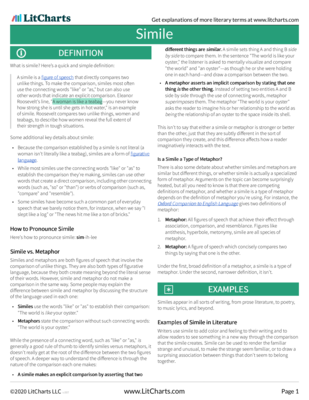
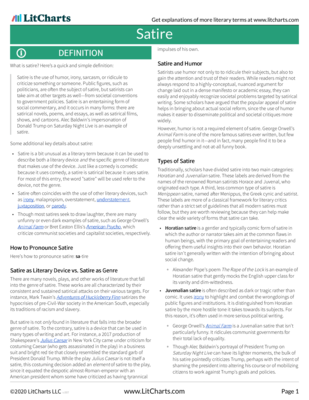
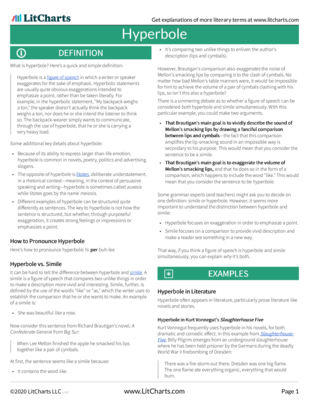
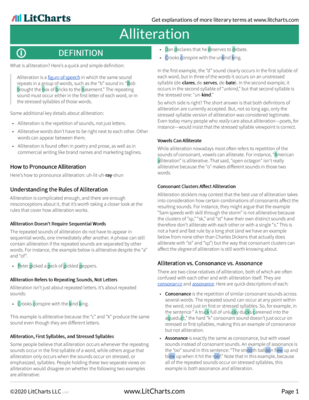
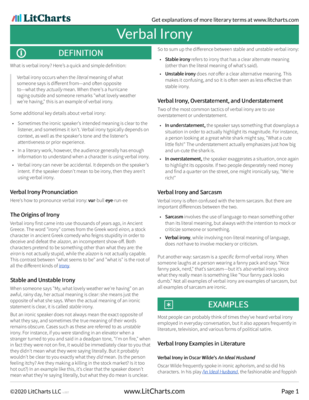
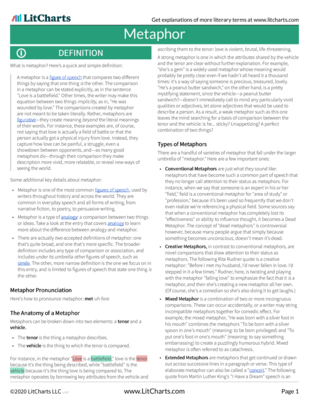
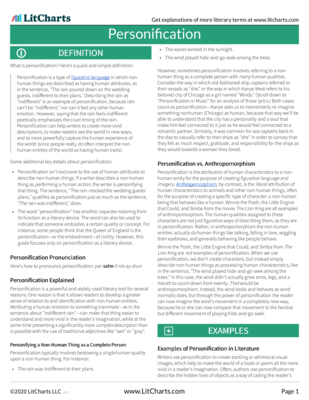
Try a free sample literary term PDF.


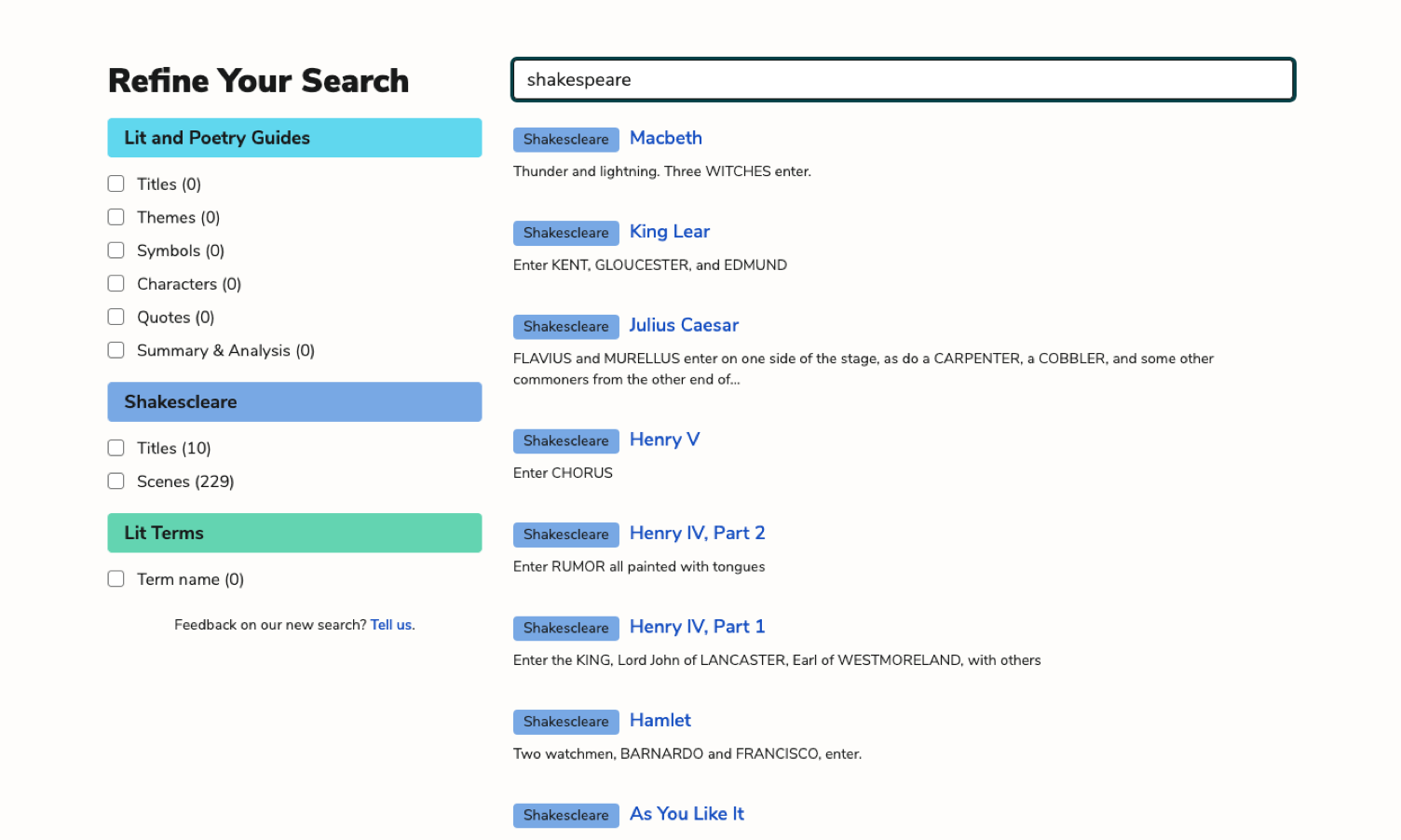
Advanced Search
Refine any search. Find related themes, quotes, symbols, characters, and more.

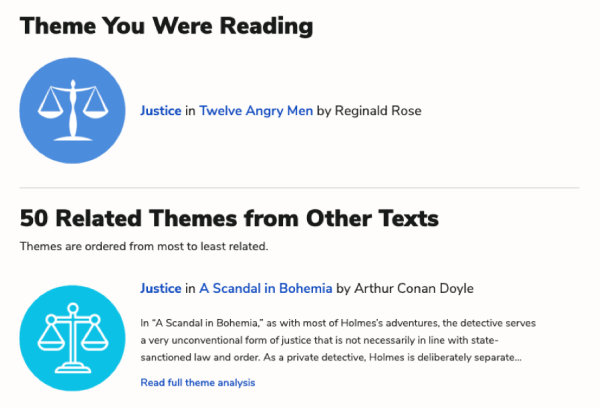
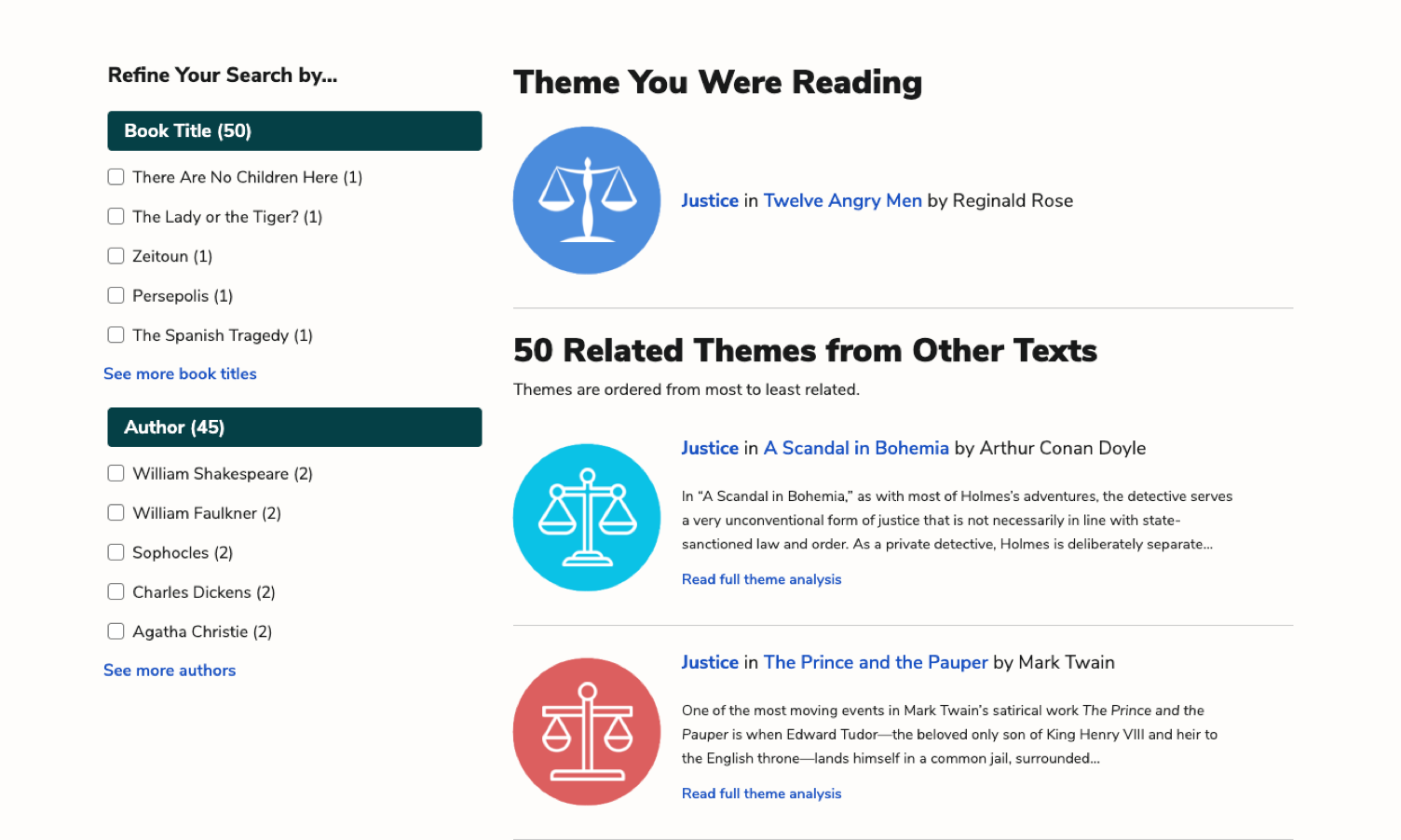
Related Themes
Comparing and contrasting texts? Find where any theme occurs across all of LitCharts in seconds.


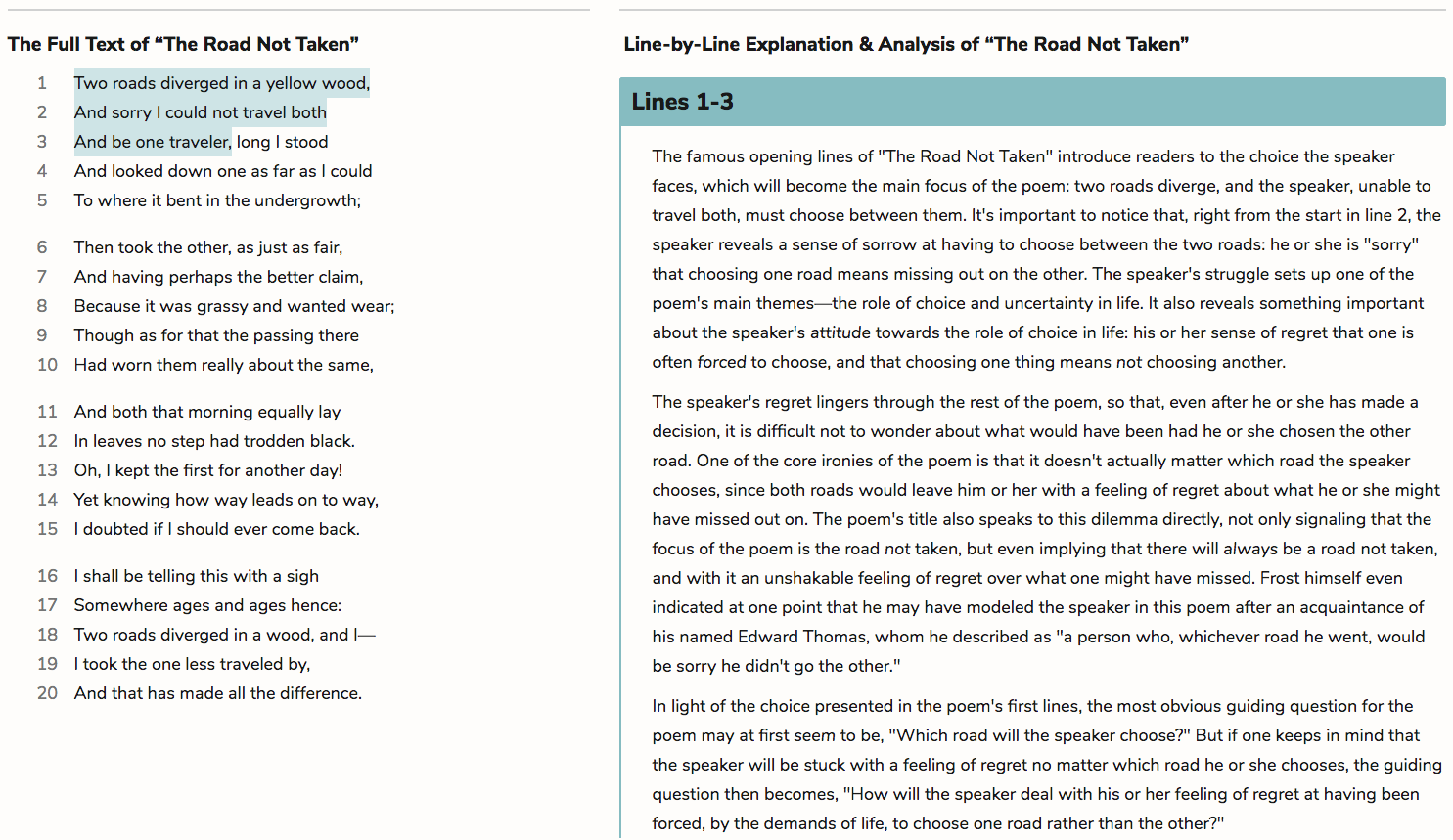
Poetry Guides
Line-by-line explanations and analysis of figurative language and poetic devices.
For every lyric poem we cover.
For every lyric poem we cover.