
|
Have questions?
Contact us
Already a member? Sign in
|
Get every literary device explanation for HamletPlus so much more...
Sign up for LitCharts A+Get instant access to every literary device explanation, plus so much more...
Dramatic Irony
Explanation and Analysis—Poison:
In Act 5, Scene 2, there is a violent altercation between Laertes and Hamlet. The final events of the play take place as the other characters gather to spectate, and these moments contain dramatic irony.
As is the case with many of the scenes in which groups of characters are present, the question of what information is known by whom becomes very relevant. In this case, the secrets kept have deadly consequences. Ultimately, it is a scene of great violence, and nearly everyone present dies. But before the characters gather, the audience watches as the King poisons the cup with the intention of killing Hamlet. What's more, Laertes has already vowed to enhance his odds in the duel by poisoning the tip of his sword, saying "I'll touch my point / With his contagion, that if I gall him slightly / It may be death." Because of this information, the play's final scene is rife with dramatic irony, as the audience knows important details that not all of the characters are aware of.
This use of dramatic irony makes the audience feel powerless as they watch the various characters unknowingly stumble into their own deaths. The senselessness of the violence is exacerbated by the fact that the audience can anticipate it. This is at its most extreme when the Queen accidentally poisons herself:
Queen: He’s fat and scant of breath.—Here, Hamlet, take my napkin; rub thy
brows. The Queen carouses to thy fortune, Hamlet.Hamlet: Good madam.
King: Gertrude, do not drink.
Queen: I will, my lord; I pray you pardon me.
The audience and the King know that the Queen’s death is imminent even before the Queen herself knows it. This instance of dramatic irony thus ratchets up the sense of suspense and anticipation, as the audience helplessly watches the Queen walk into a trap.
Monthly
Annual (Best Value)

$595USD/mo
Charged $71.40 USD every year
 Teacher
$795USD/mo
Charged $95.40 USD every year
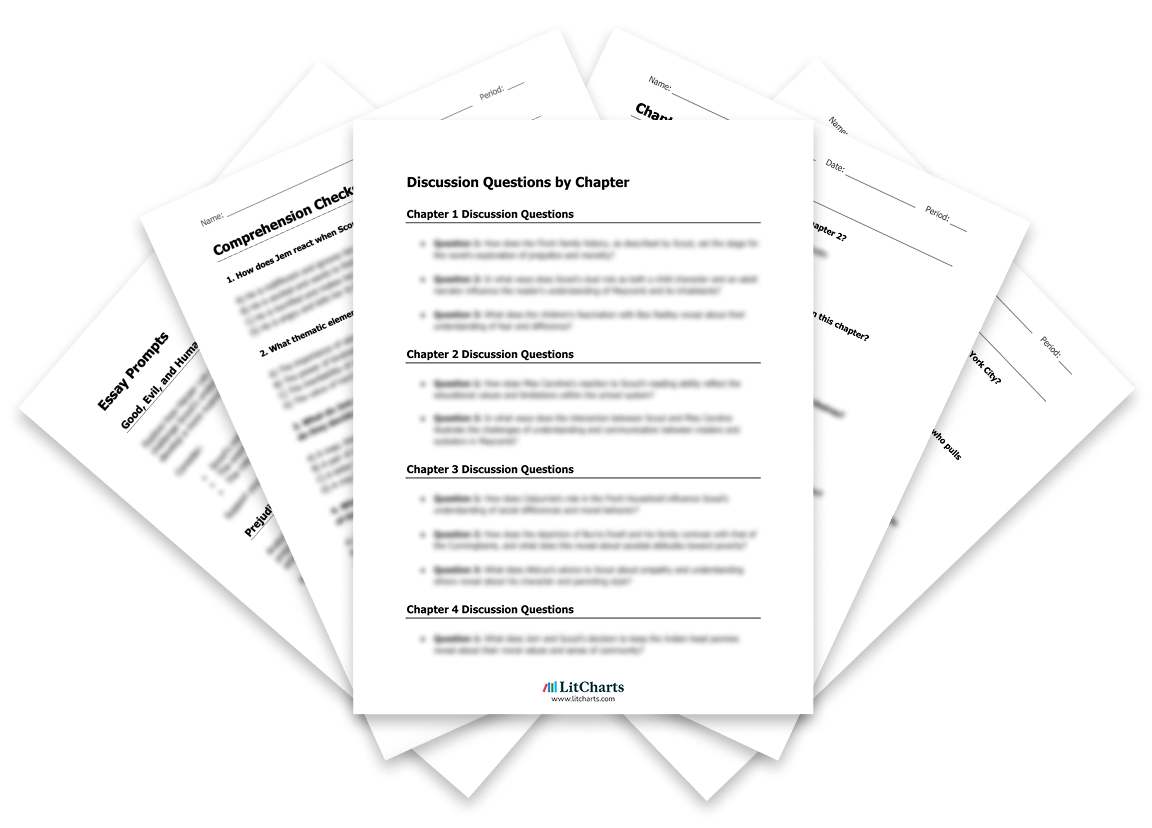


Literature Guide PDFs
LitCharts PDFs for every book you'll read this year.
Instant PDF downloads of all 2247 LitCharts literature guides and of every new one we publish. Try a free sample literature guide.
"Would not have made it through AP Literature without the printable PDFs. They're like having in-class notes for every discussion!"



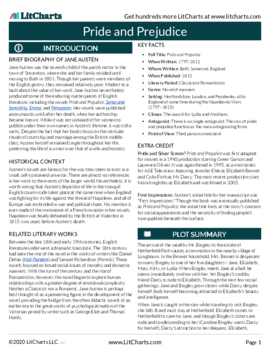


Quotes Explanations
Find the perfect quote. Understand it perfectly. Then rock the citation, too.
For all 50,101 quotes we cover.
For all 50,101 quotes we cover.
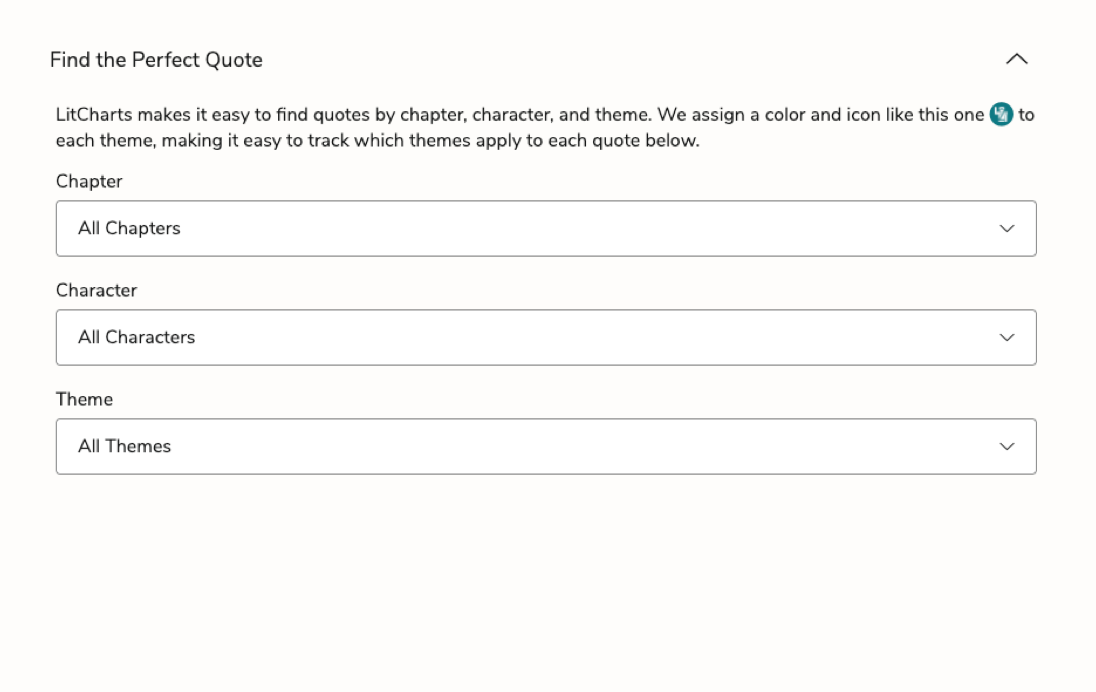
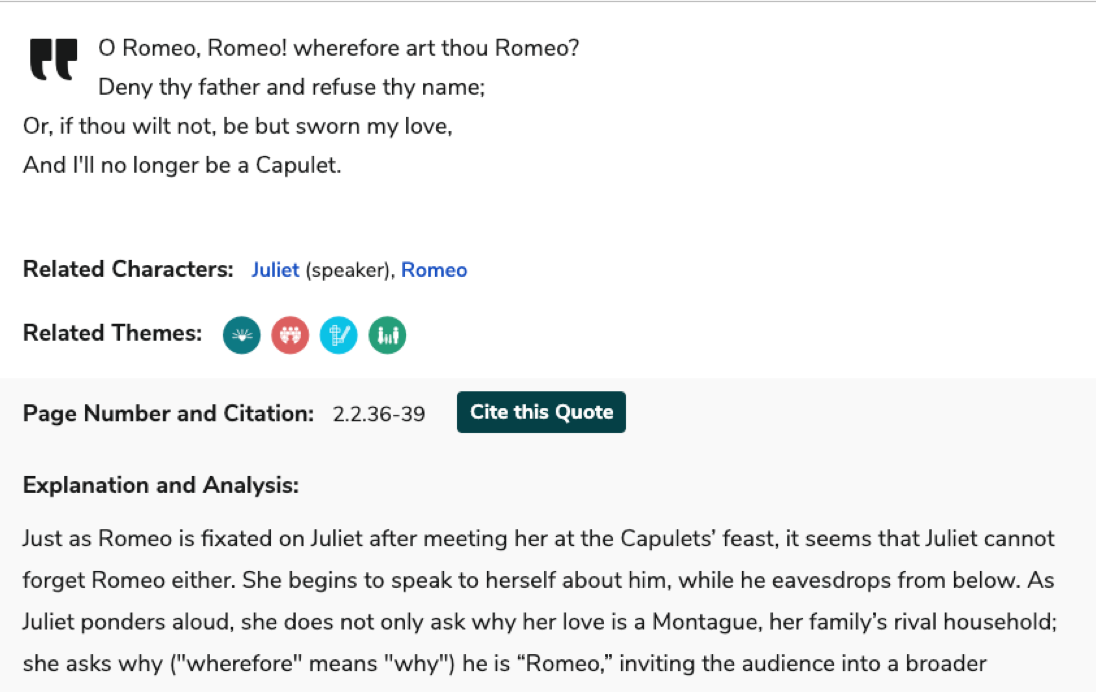
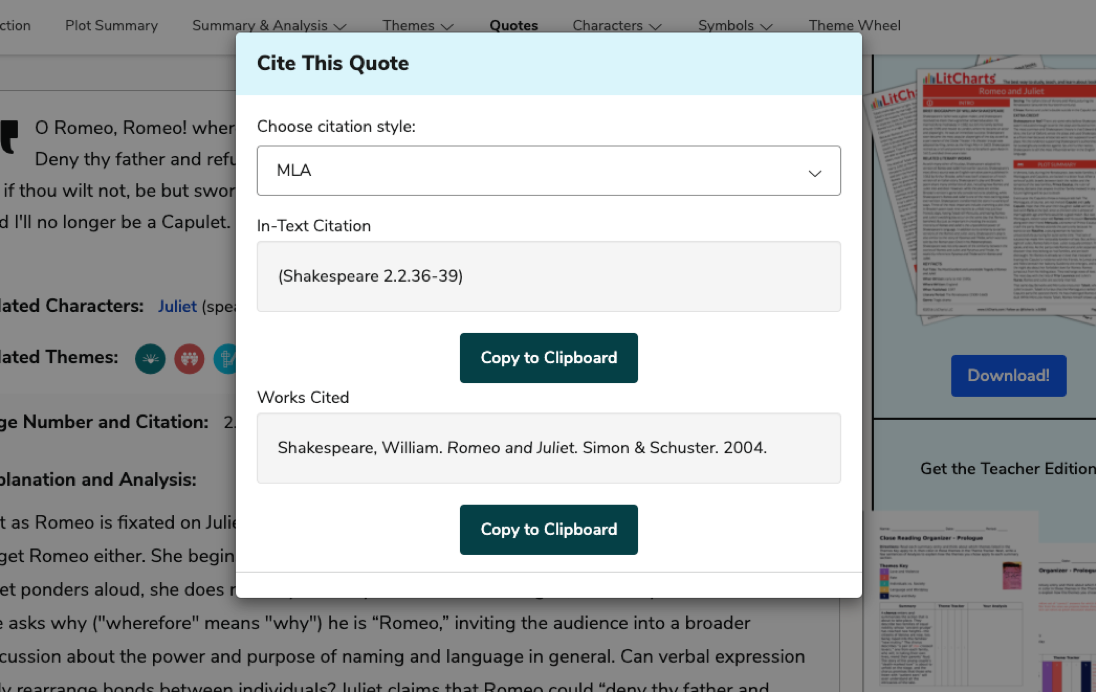


Teacher Editions
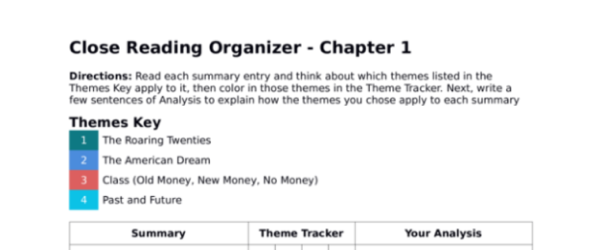
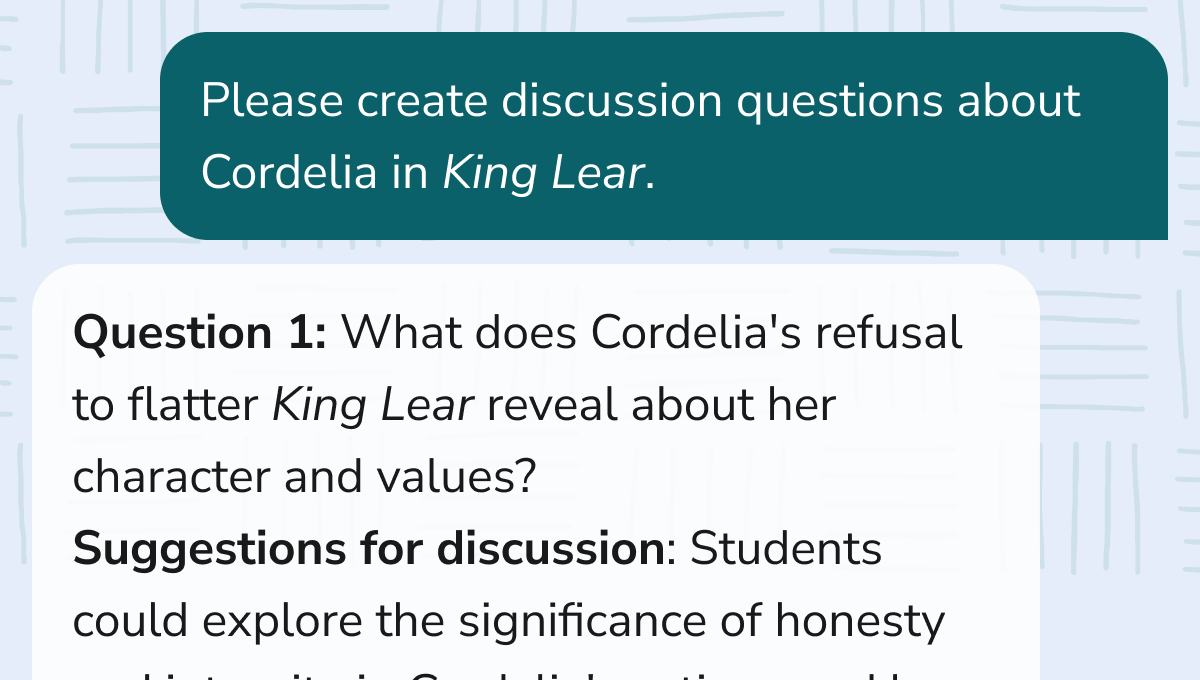
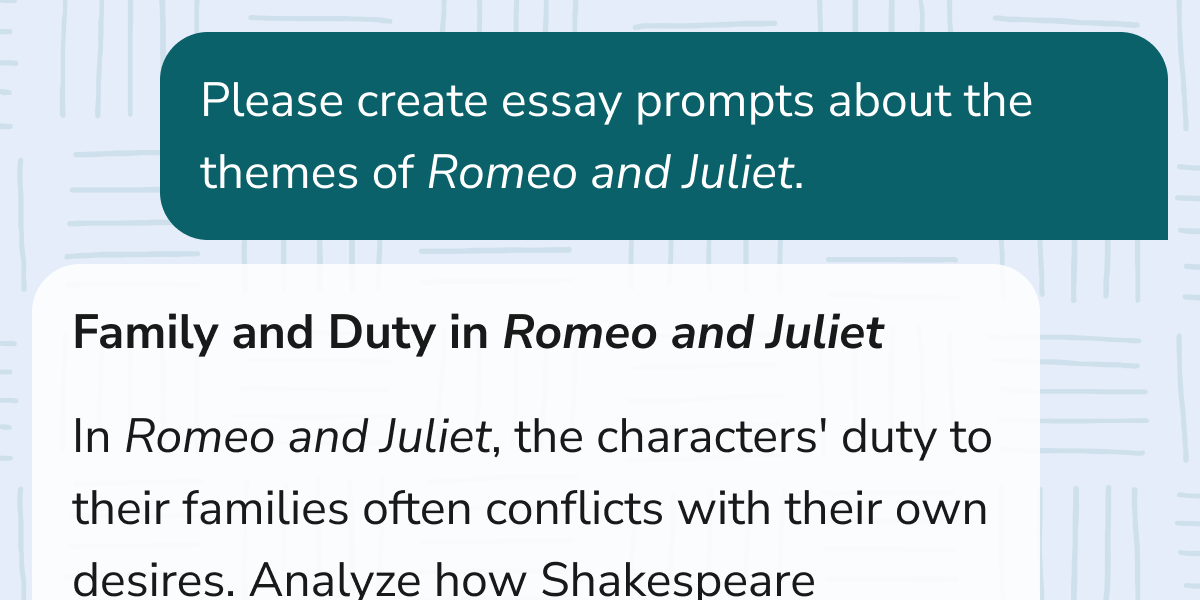
Close reading made easy for students.
Time saved for teachers.
For every book we cover.
Time saved for teachers.
For every book we cover.


Common Core-aligned


PDFs of modern translations of every one of Shakespeare's 37 plays, 154 sonnets, and 3 longer poems.

Literary Terms and Devices
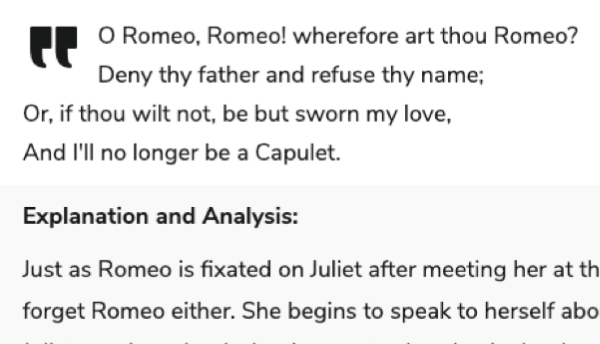
Definitions and examples for every literary term and device you need to know.
Plus a quick-reference PDF with concise definitions of all 136 terms in one place.
Plus a quick-reference PDF with concise definitions of all 136 terms in one place.
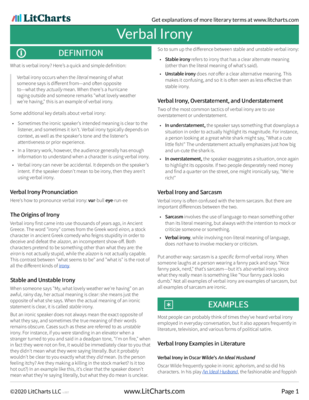
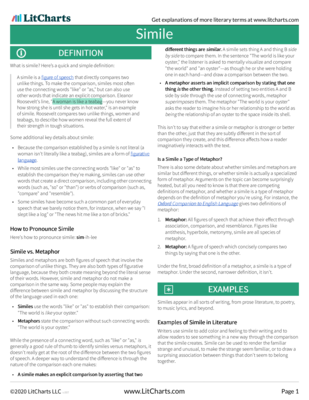
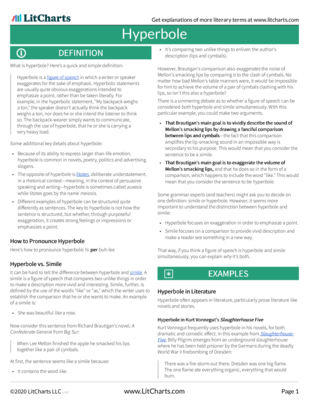
Try a free sample literary term PDF.


Advanced Search
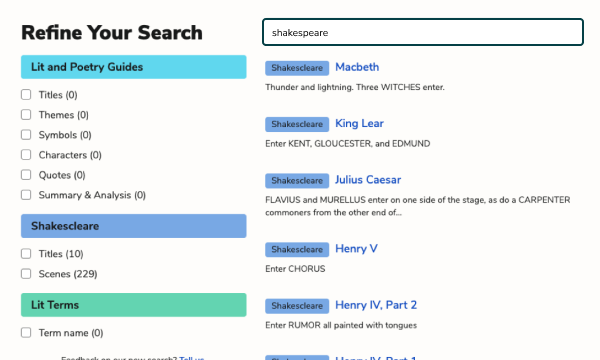
Refine any search. Find related themes, quotes, symbols, characters, and more.
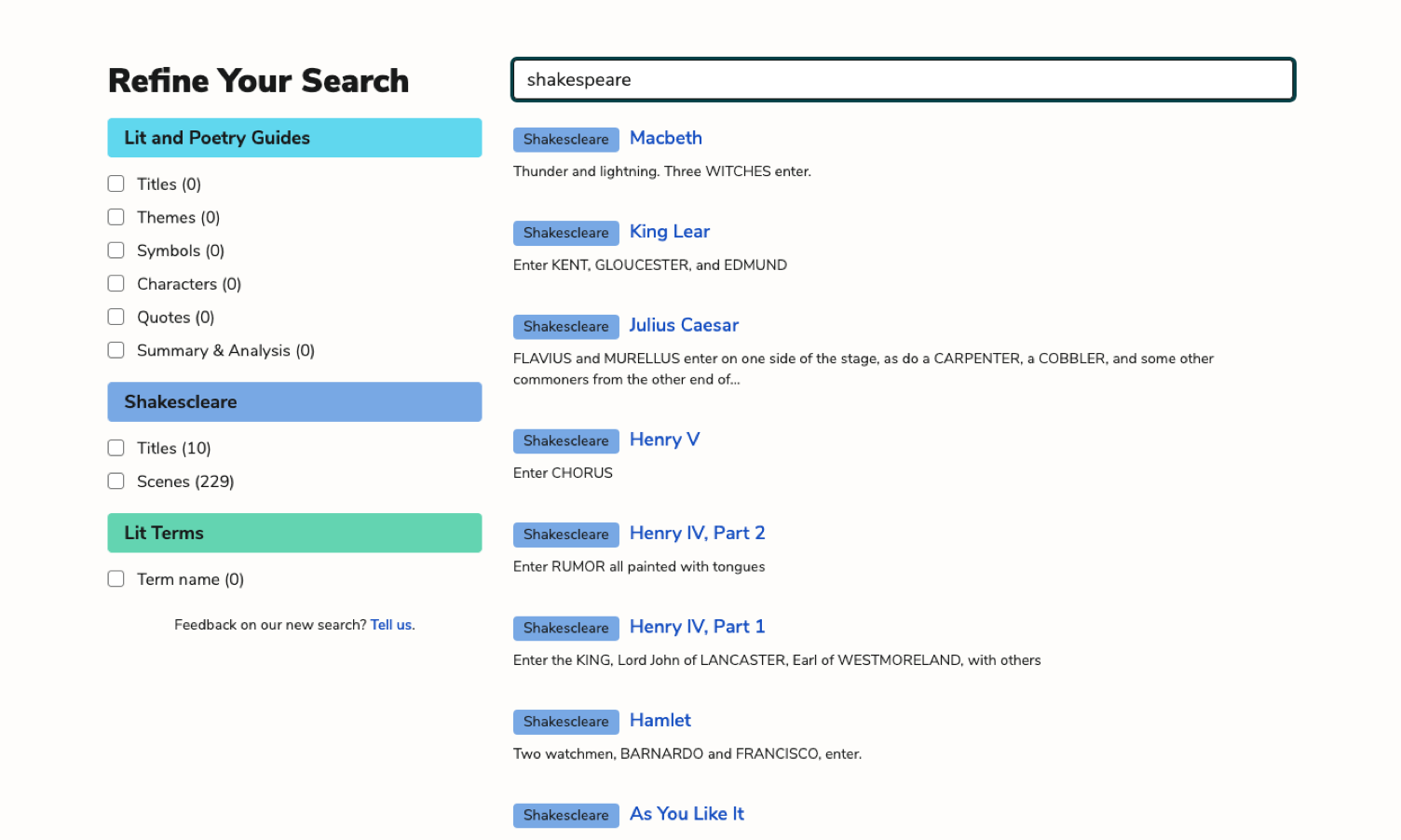

Related Themes
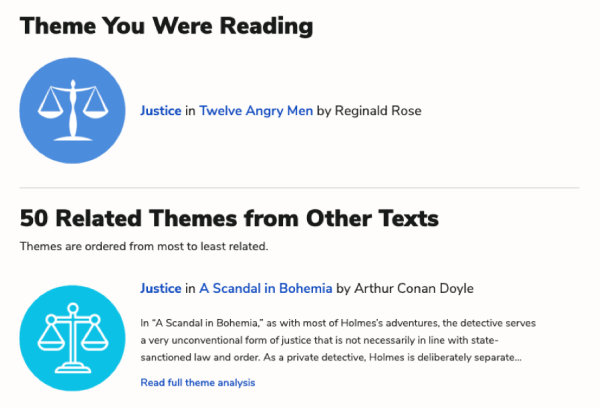
Comparing and contrasting texts? Find where any theme occurs across all of LitCharts in seconds.


Poetry Guides
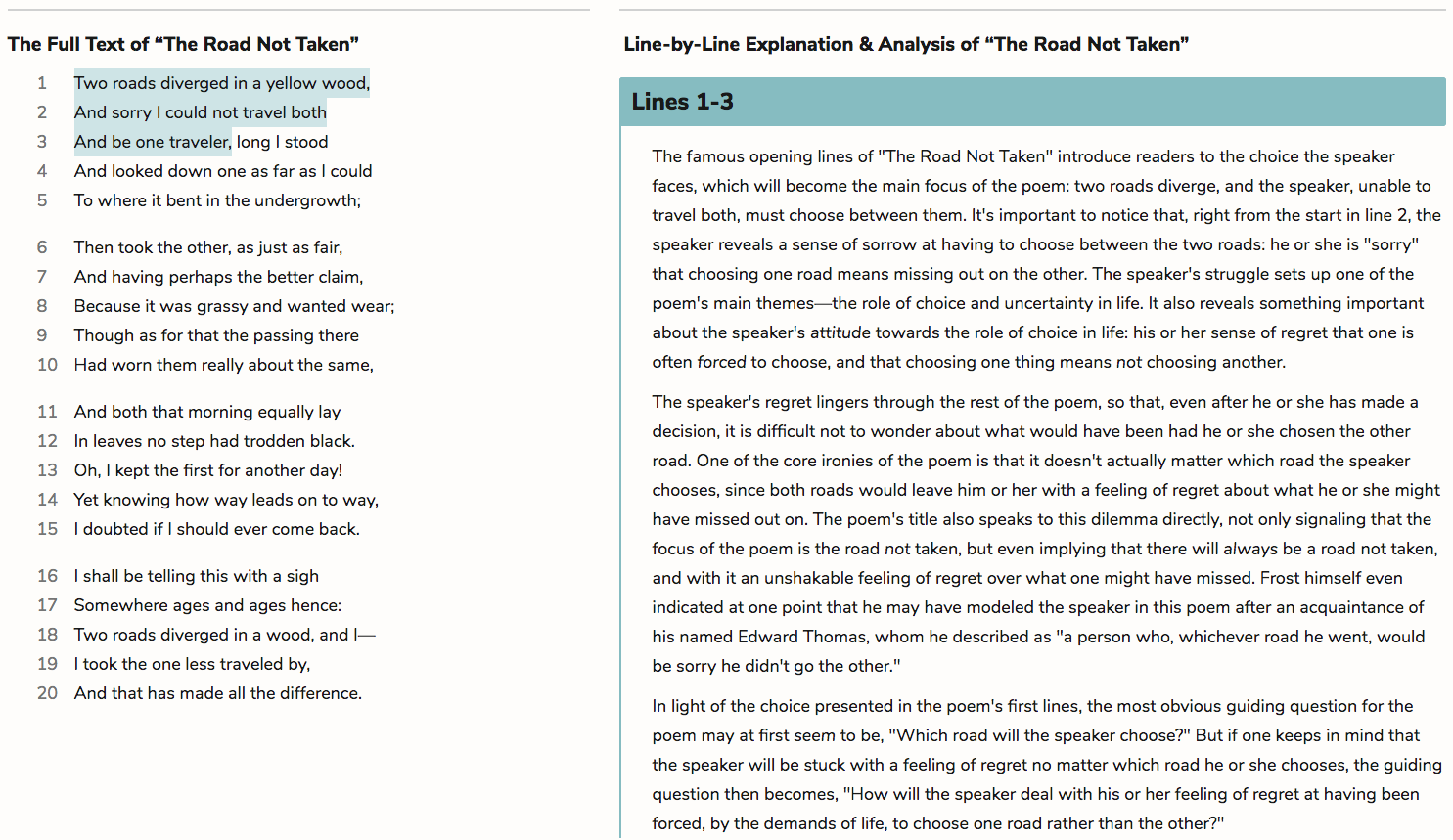
Line-by-line explanations and analysis of figurative language and poetic devices.
For every lyric poem we cover.
For every lyric poem we cover.