
|
Have questions?
Contact us
Already a member? Sign in
|
Get every literary device explanation for The Revenger’s TragedyPlus so much more...
Sign up for LitCharts A+Get instant access to every literary device explanation, plus so much more...
Dramatic Irony
Explanation and Analysis—The Panderer:
The scenes in which Vindice assumes the disguise of a “panderer” (similar to a “pimp”) are heavily suffused with dramatic irony, as other characters do not realize that they are speaking with Vindice and behave very differently than they ordinarily would in his company. When Lussurioso unknowingly requests that Vindice “pander” his own sister and insinuates that Gratiana would approve, Vindice decides to test his mother’s virtue:
Vindice. You took great pains for her once when it was:
Let her requite it now, though it be but some.
You brought her forth, she may well bring you home.Mother. O heavens! This overcomes me.
Vindice. [Aside] Not, I hope, already?
Mother. It is too strong for me. Men know that know us,
We are so weak their words can overthrow us.
He touched me nearly, made my virtues ’bate
When his tongue struck upon my poor estate.Vindice. [Aside] I e’en quake to proceed.
My spirit turns edge? I fear me she’s unmothered, yet I’ll venture:
Though it pains him to do so, Vindice approaches his mother and attempts to “acquire” Castiza on behalf of Lussurioso. In respect of the “great pains” of childbirth, Vindice argues, Castiza can repay her mother by providing her with funding and housing in her old age. When Gratiana states that she is overwhelmed by this painful offer, Vindice notes in an aside that he hopes she will not be so easily persuaded. To his horror, Gratiana is indeed persuaded by his offer, citing her “poor estate” (that is, her poverty) as a compelling motivation. Vindice’s horror grows as his arguments win over Gratiana, who does not realize she is offering to “sell” her daughter to her own son. Her later denial of the conversation reflects her deep sense of shame and suggests that she would never knowingly behave in such a manner in front of Vindice.
Monthly
Annual (Best Value)

$595USD/mo
Charged $71.40 USD every year
 Teacher
$795USD/mo
Charged $95.40 USD every year
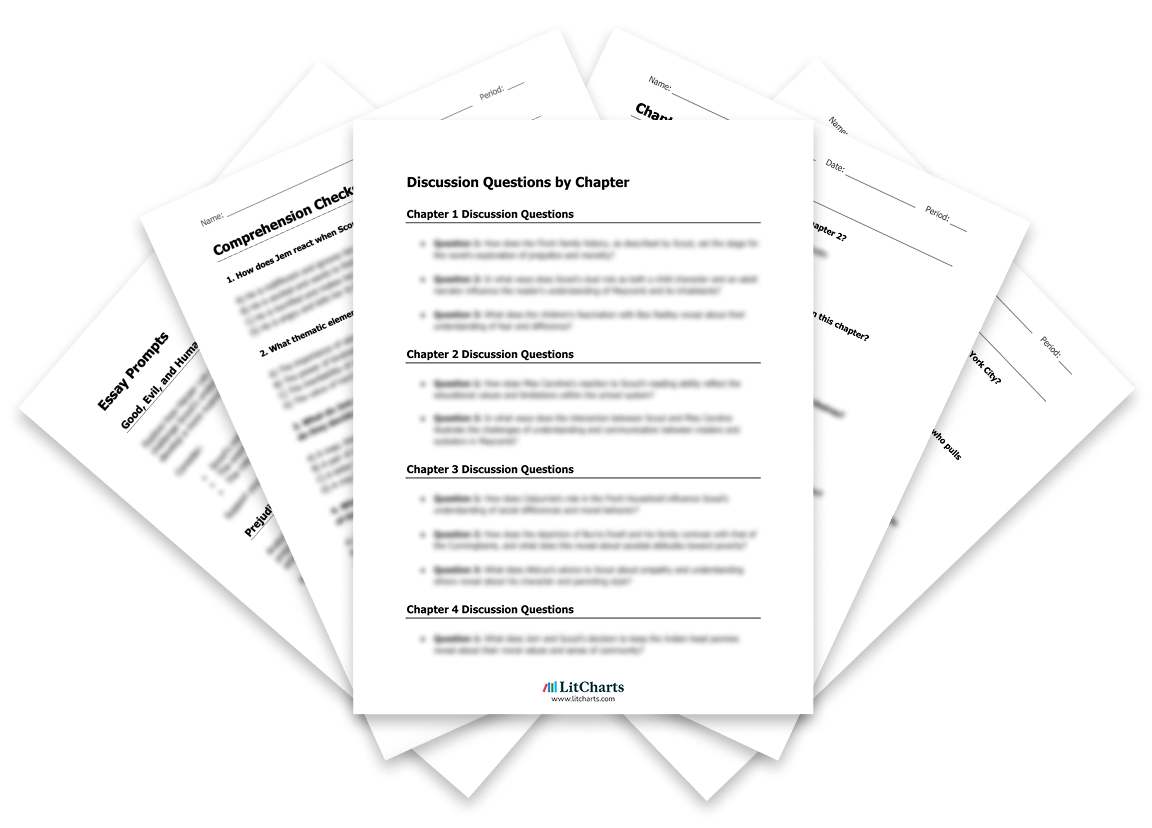


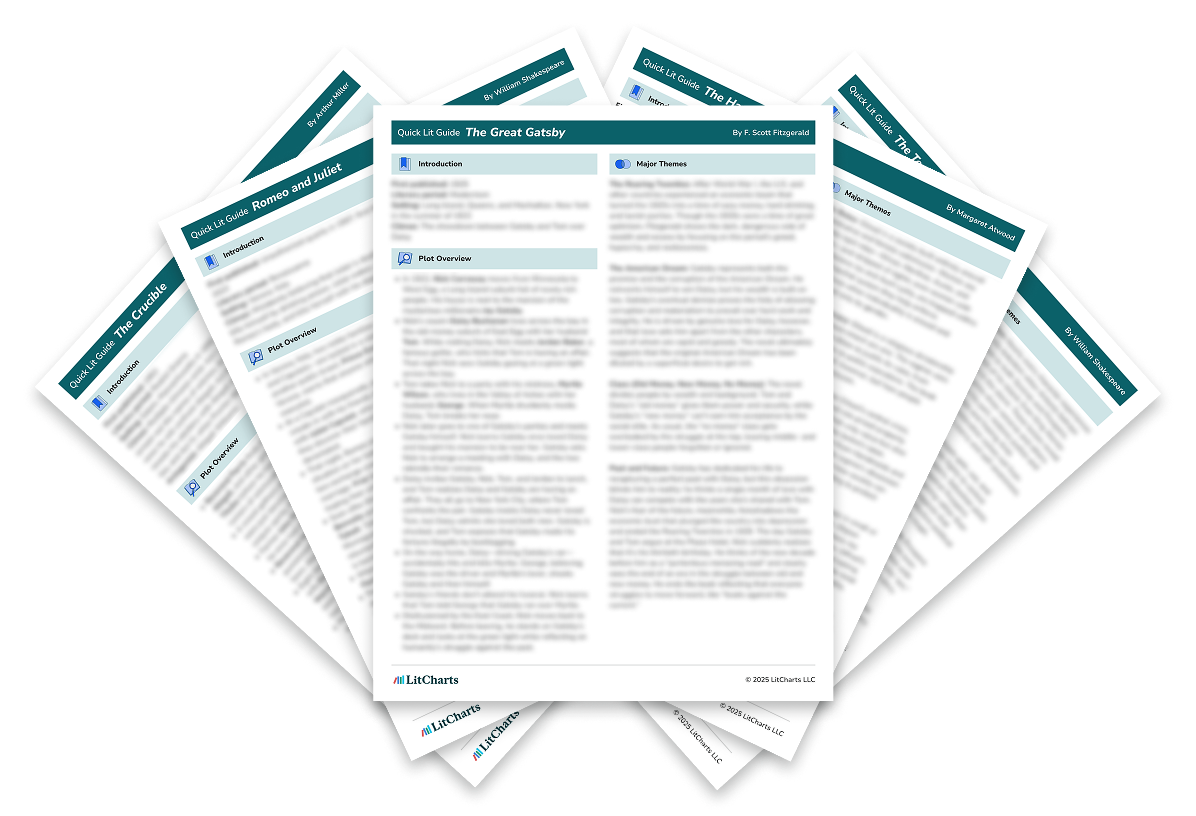
Literature Guide PDFs
LitCharts PDFs for every book you'll read this year.
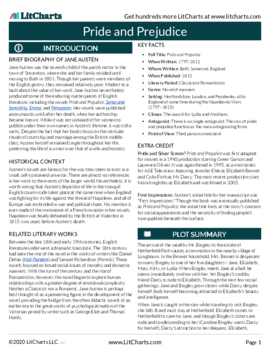
Instant PDF downloads of all 2240 LitCharts literature guides and of every new one we publish. Try a free sample literature guide.
"Would not have made it through AP Literature without the printable PDFs. They're like having in-class notes for every discussion!"





Quotes Explanations
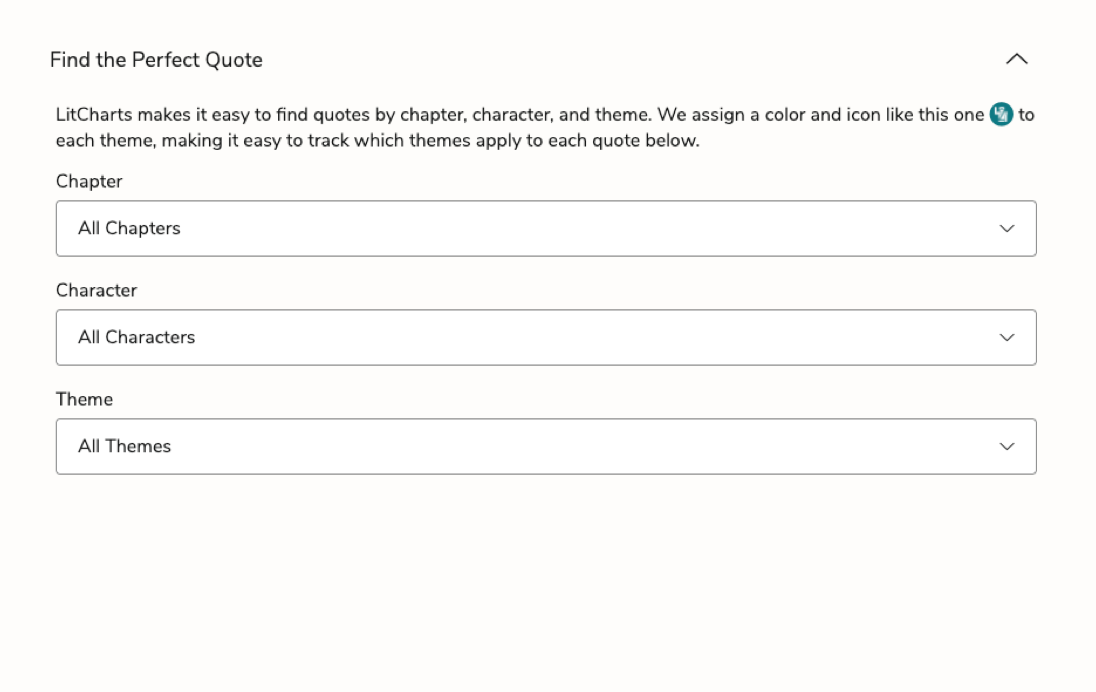
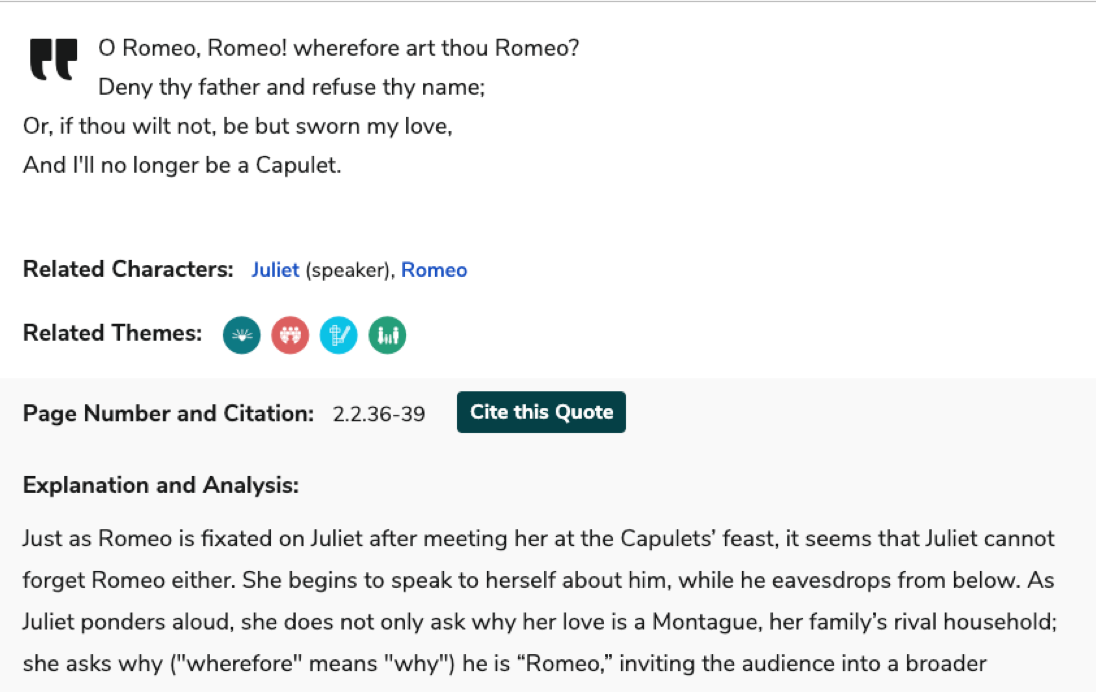
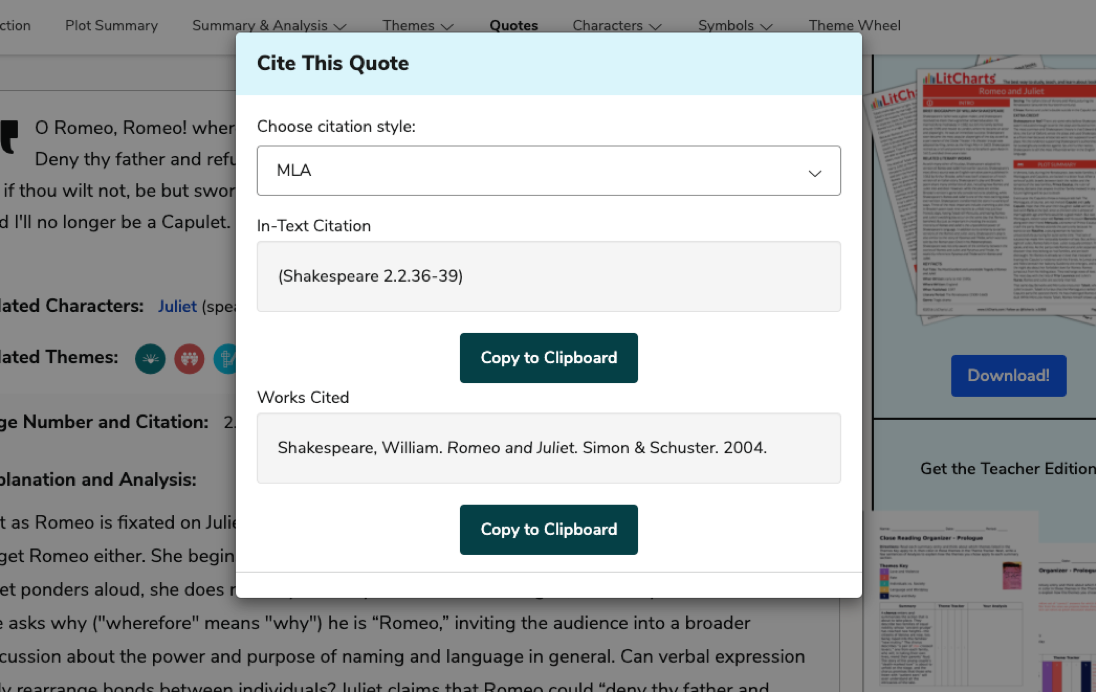
Find the perfect quote. Understand it perfectly. Then rock the citation, too.
For all 49,945 quotes we cover.
For all 49,945 quotes we cover.


Teacher Editions
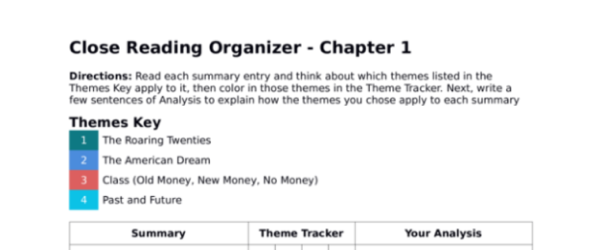
Close reading made easy for students.
Time saved for teachers.
For every book we cover.
Time saved for teachers.
For every book we cover.


Common Core-aligned


PDFs of modern translations of every one of Shakespeare's 37 plays, 154 sonnets, and 3 longer poems.

Literary Terms and Devices
Definitions and examples for every literary term and device you need to know.
Plus a quick-reference PDF with concise definitions of all 136 terms in one place.
Plus a quick-reference PDF with concise definitions of all 136 terms in one place.
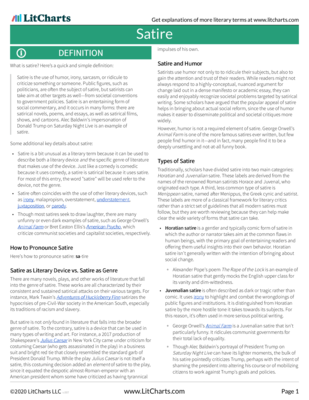
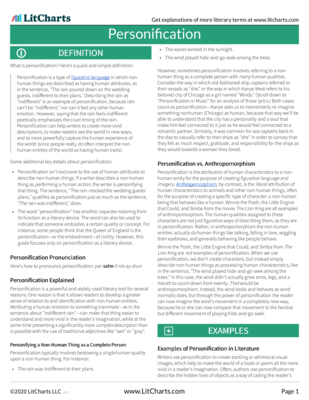
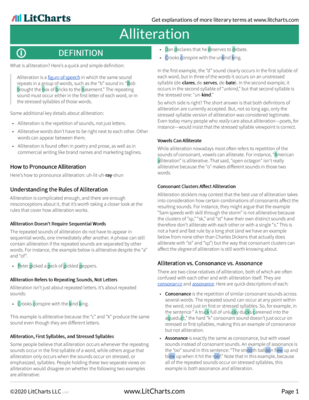
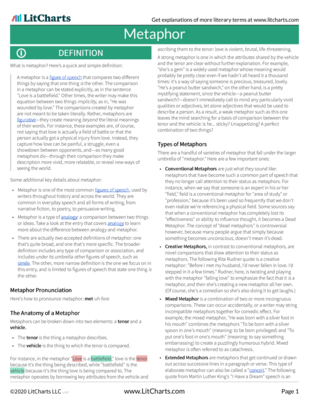
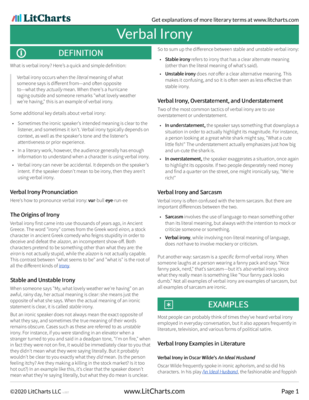
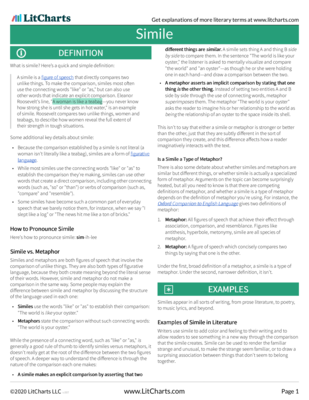
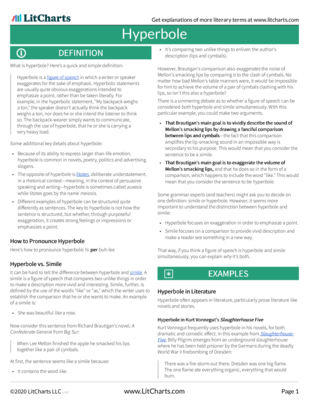
Try a free sample literary term PDF.


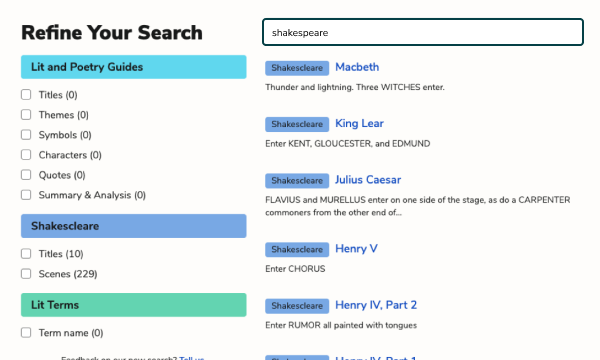
Advanced Search
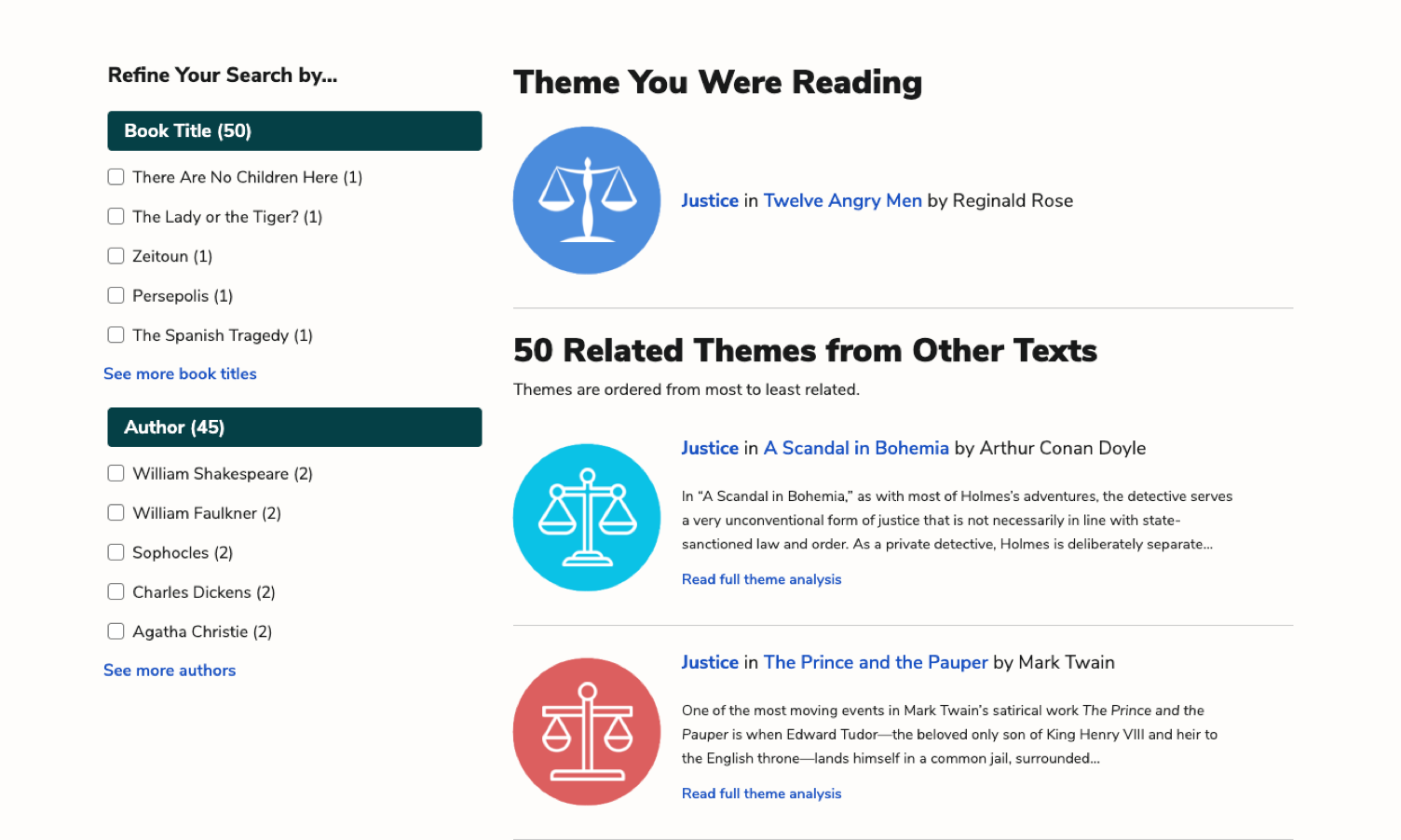
Refine any search. Find related themes, quotes, symbols, characters, and more.
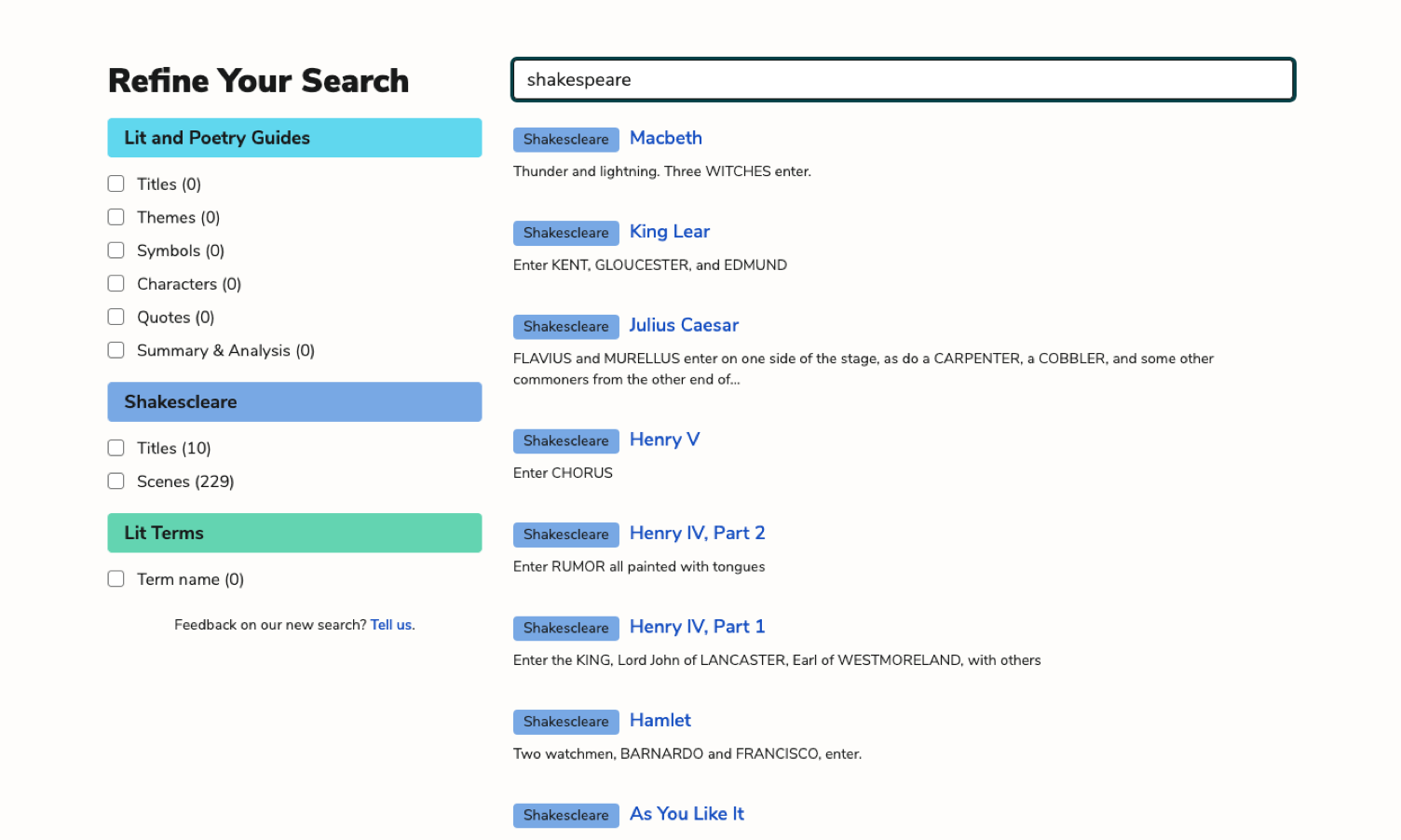

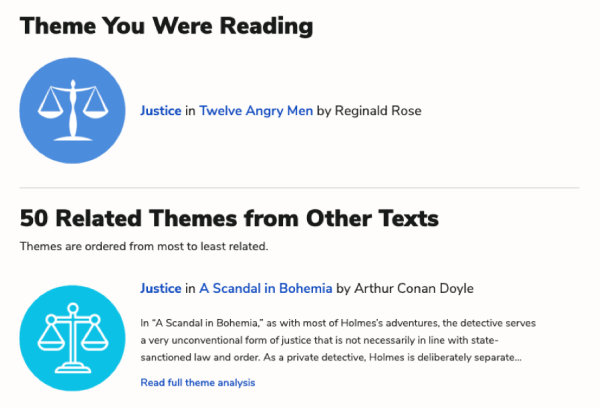
Related Themes
Comparing and contrasting texts? Find where any theme occurs across all of LitCharts in seconds.


Poetry Guides
Line-by-line explanations and analysis of figurative language and poetic devices.
For every lyric poem we cover.
For every lyric poem we cover.