
|
Have questions?
Contact us
Already a member? Sign in
|
Get every literary device explanation for The Scarlet LetterPlus so much more...
Sign up for LitCharts A+Get instant access to every literary device explanation, plus so much more...
Foil
Explanation and Analysis—Hester and Pearl:
Hester and Pearl are foils for one another, representing different degrees of resistance to Puritan social norms. For example, in Chapter 16, Pearl demonstrates that she thinks of herself not only as Hester's daughter but also as a little copy of her:
"I am but a child. It will not flee from me; for I wear nothing on my bosom yet!”
“Nor ever will, my child, I hope,” said Hester.
“And why not, mother?” asked Pearl, stopping short, just at the beginning of her race. “Will not it come of its own accord, when I am a woman grown?”
Pearl assumes that she, like Hester, will have a scarlet letter on her chest when she gets older. Her mistake is understandable given that her mother has had the scarlet letter for all of Pearl's life. Pearl has been raised in relative isolation by Hester and Hester alone, so she only has her mother as her model of an adult woman. Nor is Pearl entirely wrong that she will have a scarlet letter as an adult: she has been branded from birth by the circumstances of her existence, and people will always see her as the product of adultery.
Hester's statement that she hopes Pearl will not have her own scarlet letter when she gets older indicates that she still feels that wearing it makes her life more difficult. Hester had a lifetime of striving to conform to Puritan culture before Pearl was born. The fact that she had an affair with none other than her minister suggests that the religion was deeply important to her at one time. Hester bears her punishment and acts as though the public shame does not sting her, but the narrator reveals that she does find it painful to be branded an outsider. She does not see herself as a worse Puritan than many of her neighbors, who have also sinned. Although she makes the embroidered letter part of her image as a show of defiance, she thinks of herself as more than just an adulterer. Hester wants a better life for Pearl than she herself has had.
But to Pearl, the scarlet letter does not represent the same fall from grace as it does for Hester. Even if it is associated with sin, this does not bother Pearl. She merely sees it as the sign of a life lived to adulthood. Pearl's mistaken notion that she will one day develop a scarlet letter too allows Hester and the reader to see Pearl as the version of Hester that more successfully bucks Puritan culture. Pearl's incredible power is that she feels no shame, for herself or her mother. Whereas Hester struggles to fully free herself from the confining grasp of Puritanism, Pearl is never bound by it. At the end of the novel, the narrator suggests that she eventually went to England and married for love. In a very real sense, Pearl is the free person Hester never managed to become.
Monthly
Annual (Best Value)

$595USD/mo
Charged $71.40 USD every year
 Teacher
$795USD/mo
Charged $95.40 USD every year
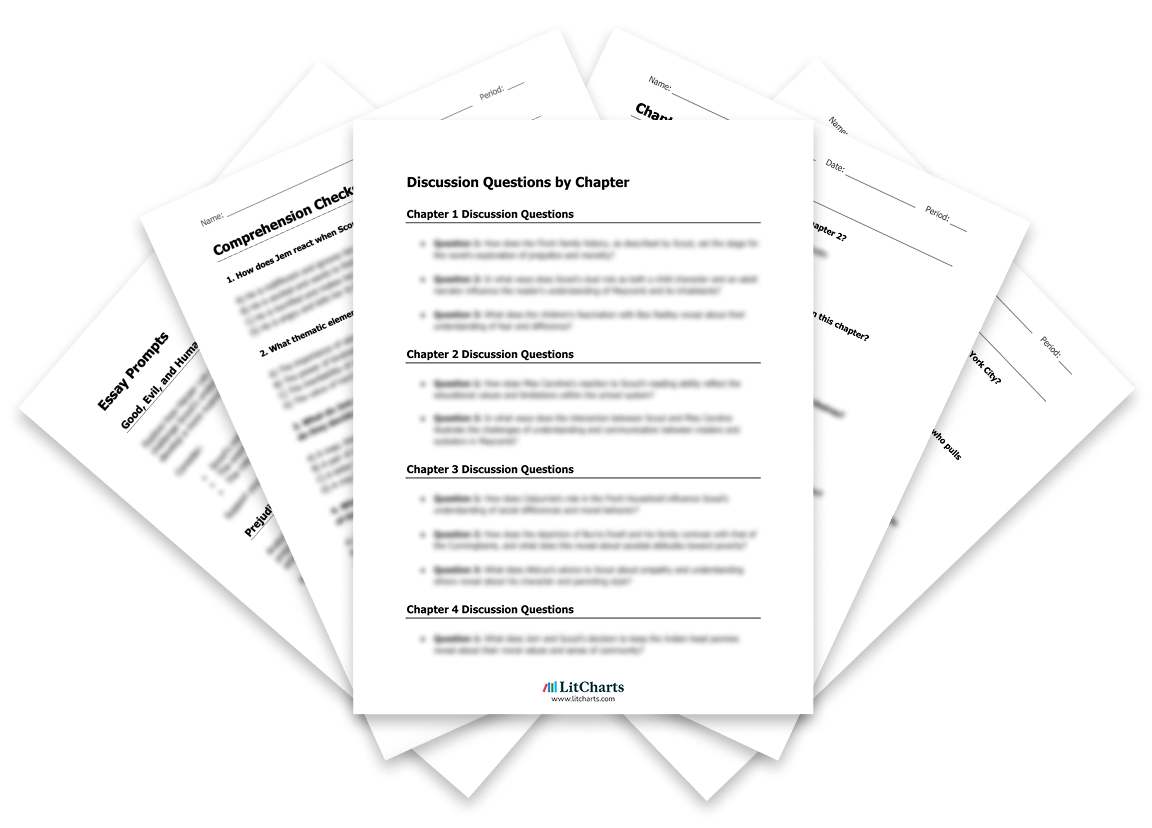


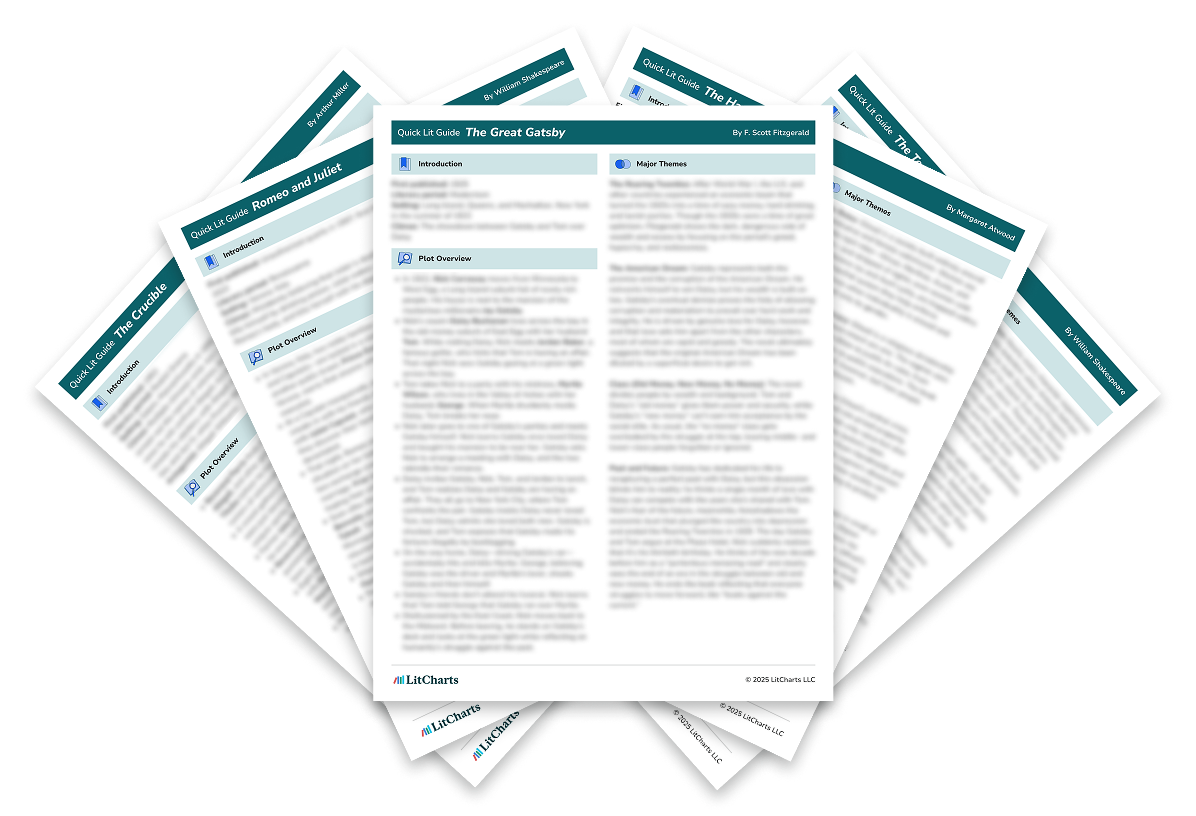
Literature Guide PDFs
LitCharts PDFs for every book you'll read this year.
Instant PDF downloads of all 2252 LitCharts literature guides and of every new one we publish. Try a free sample literature guide.
"Would not have made it through AP Literature without the printable PDFs. They're like having in-class notes for every discussion!"





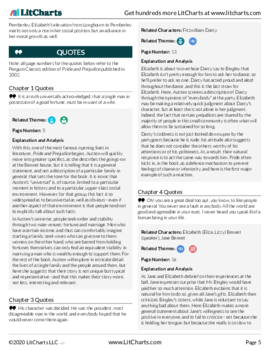



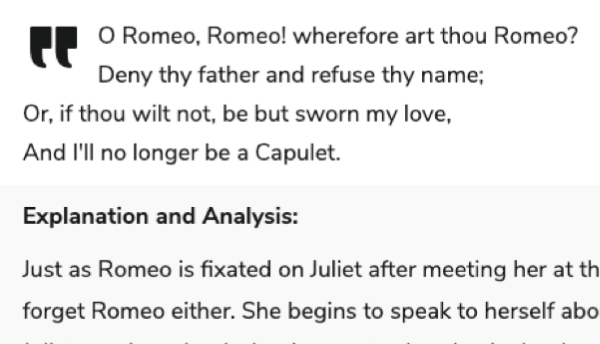
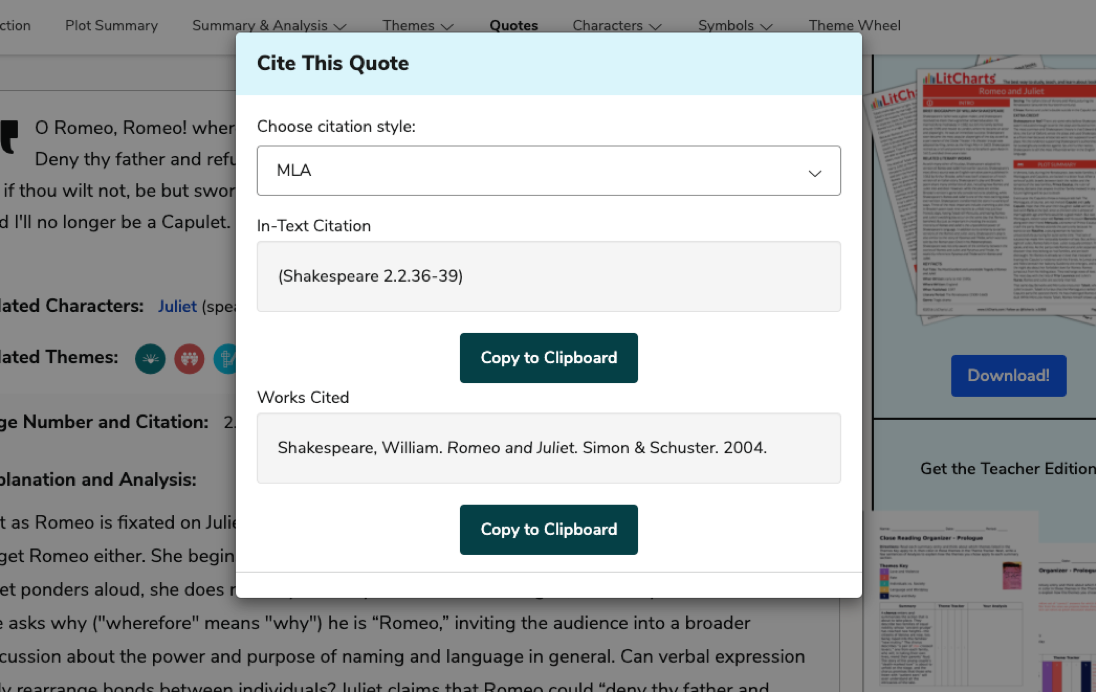
Quotes Explanations
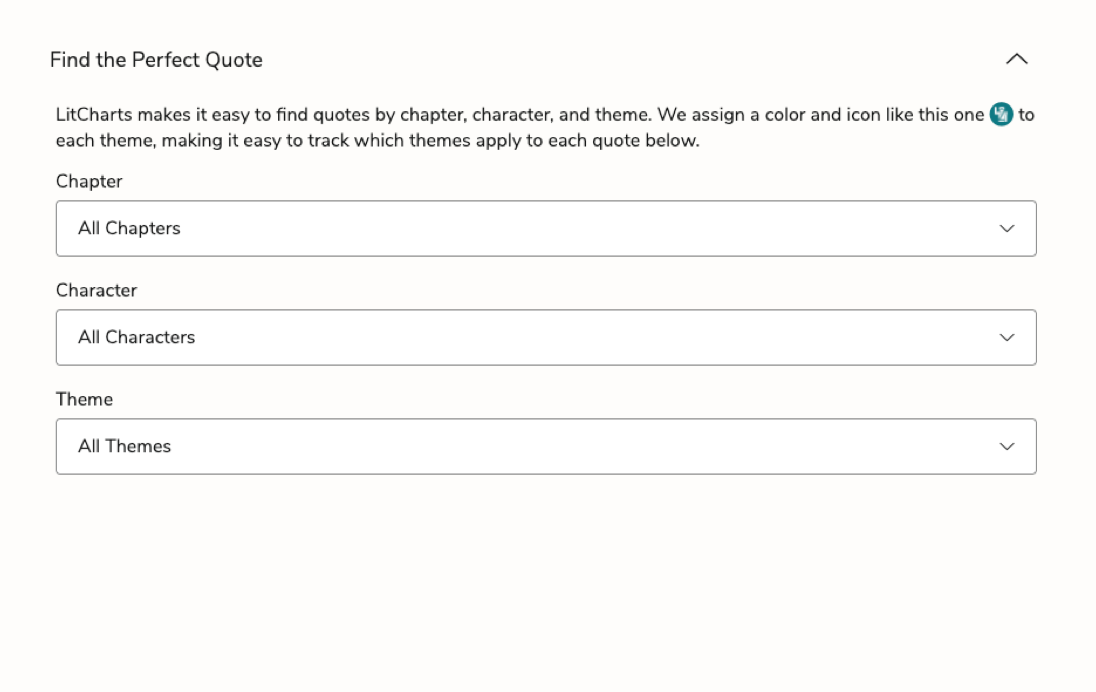
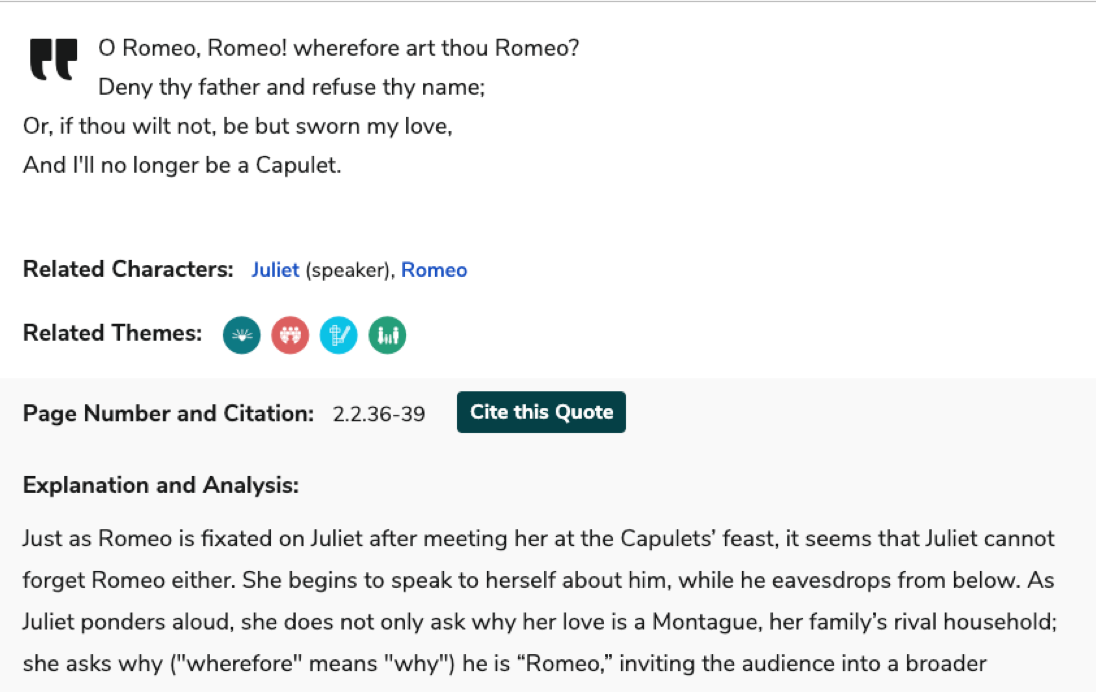
Find the perfect quote. Understand it perfectly. Then rock the citation, too.
For all 50,213 quotes we cover.
For all 50,213 quotes we cover.


Teacher Editions
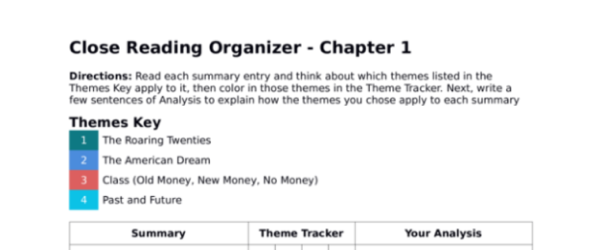
Close reading made easy for students.
Time saved for teachers.
For every book we cover.
Time saved for teachers.
For every book we cover.


Common Core-aligned


PDFs of modern translations of every one of Shakespeare's 37 plays, 154 sonnets, and 3 longer poems.

Literary Terms and Devices
Definitions and examples for every literary term and device you need to know.
Plus a quick-reference PDF with concise definitions of all 136 terms in one place.
Plus a quick-reference PDF with concise definitions of all 136 terms in one place.
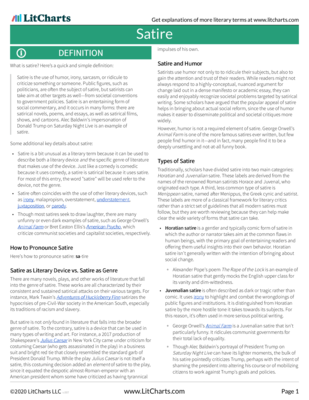
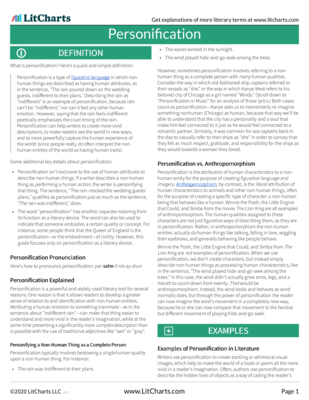
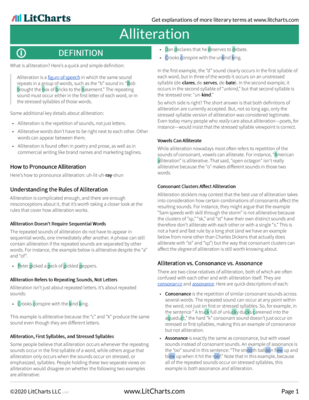
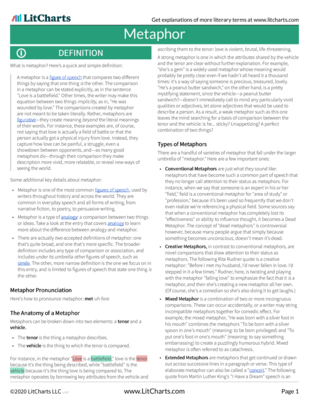
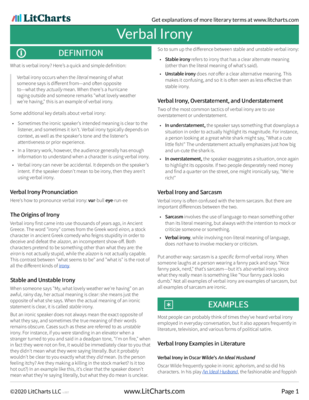
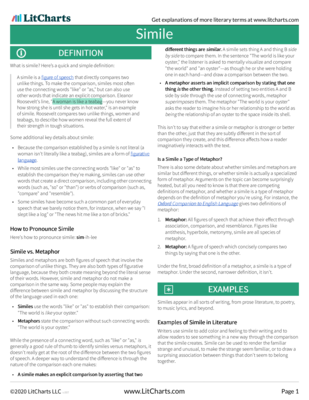
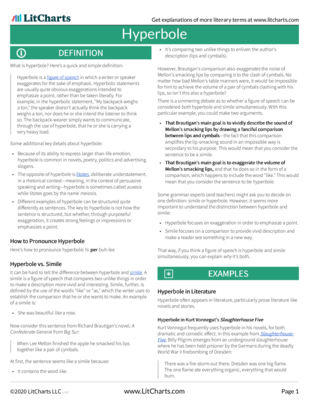
Try a free sample literary term PDF.


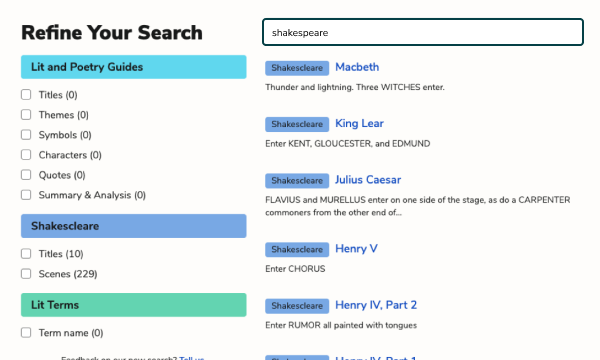
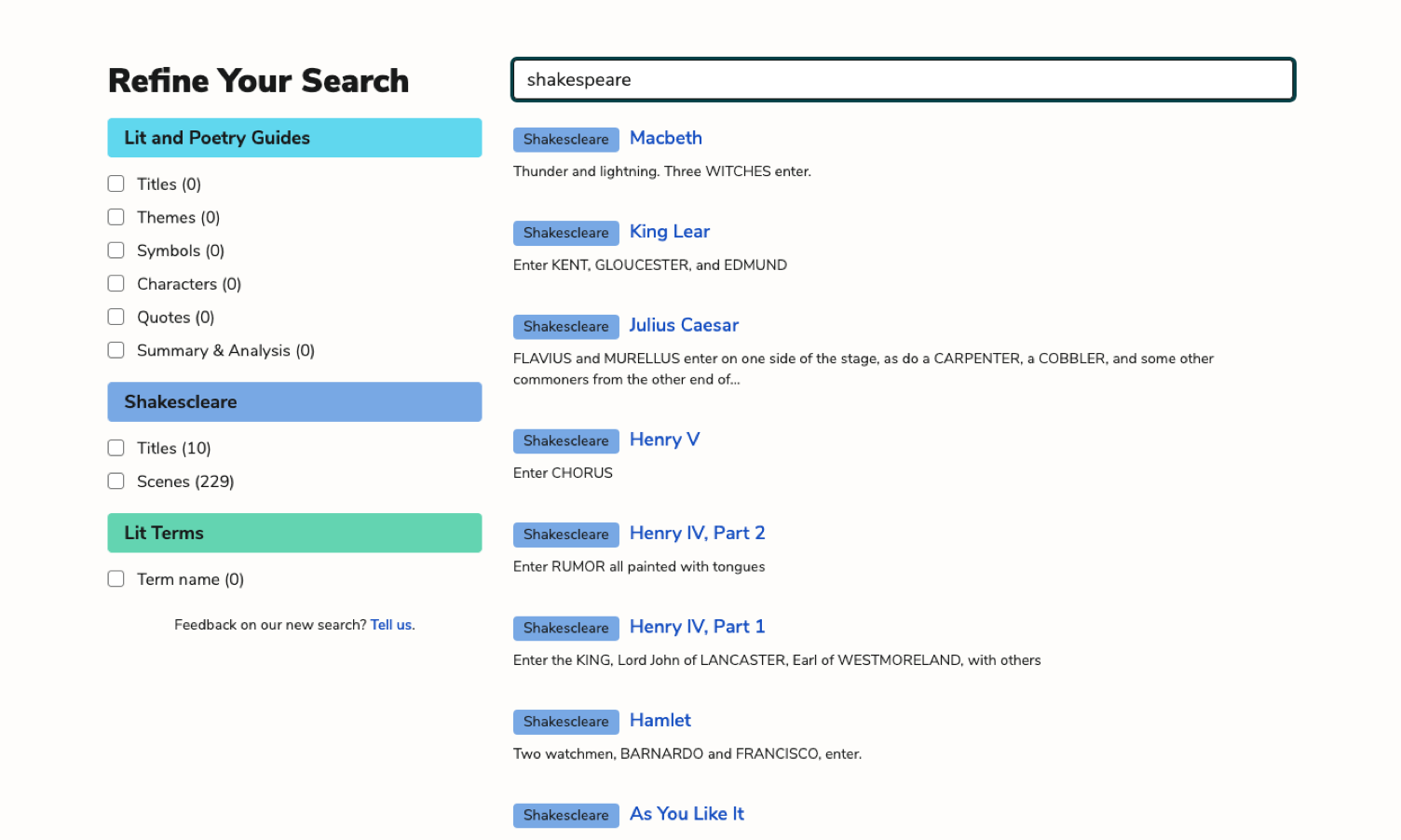
Advanced Search
Refine any search. Find related themes, quotes, symbols, characters, and more.

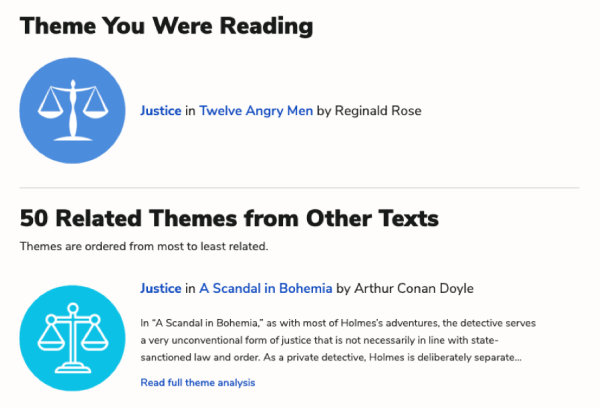
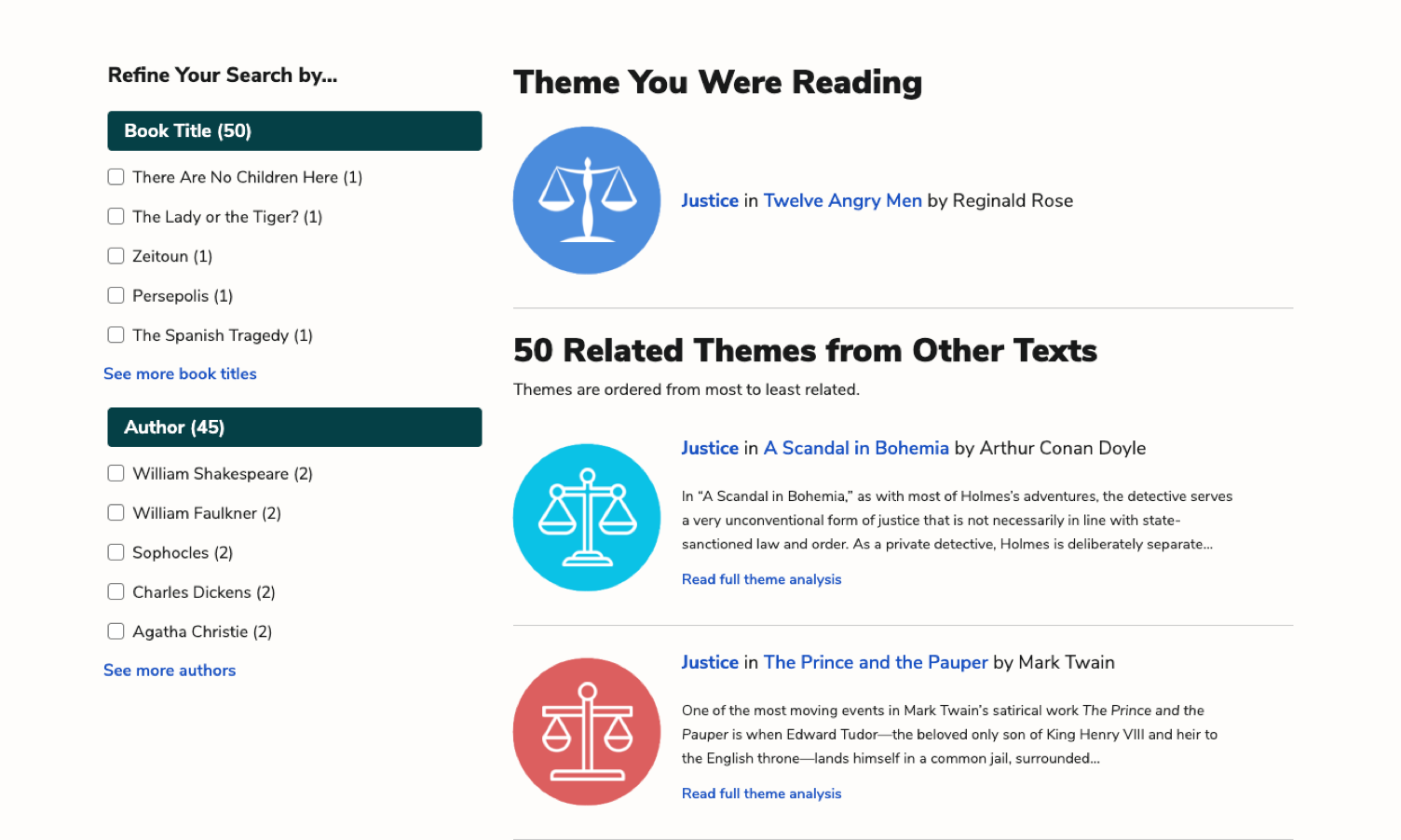
Related Themes
Comparing and contrasting texts? Find where any theme occurs across all of LitCharts in seconds.


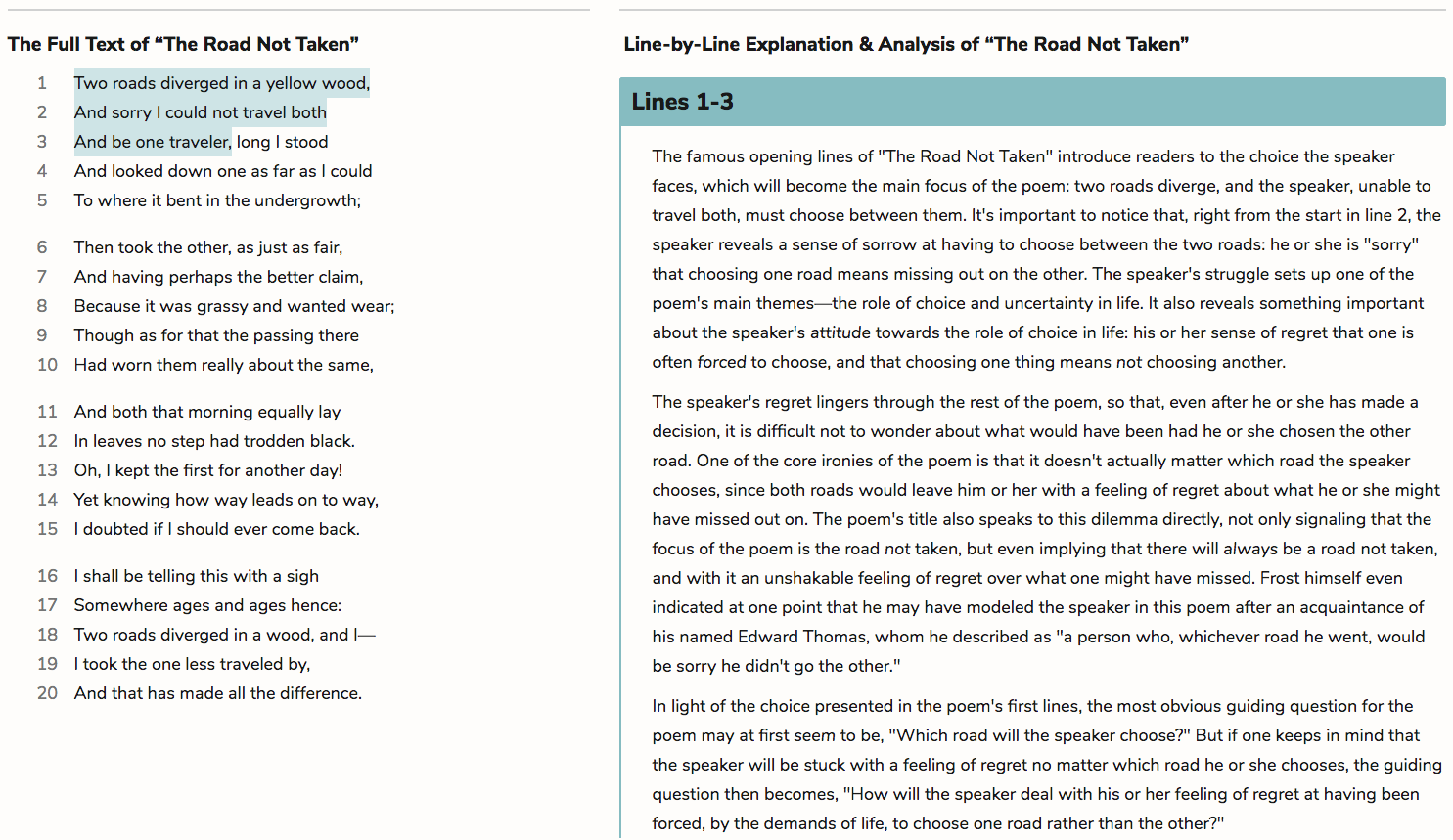
Poetry Guides
Line-by-line explanations and analysis of figurative language and poetic devices.
For every lyric poem we cover.
For every lyric poem we cover.