
|
Have questions?
Contact us
Already a member? Sign in
|
Get every literary device explanation for Death of a SalesmanPlus so much more...
Sign up for LitCharts A+Get instant access to every literary device explanation, plus so much more...
Foil
Explanation and Analysis—Like Father, Like Son:
A major conflict in Death of a Salesman is the long-running grudge between Willy and Biff. Miller plays the two off each other to express the frustration of their unmet longings and contrast the trajectories of their struggle. By revealing the parallels and differences between father and son, the character foils complicate the audience’s understanding of both.
Despite their antagonism, the feuding pair shares the same set of anxieties. Like Willy, Biff feels compelled to fill the mold of the successful, self-made man. He tells Happy that “I suddenly get the feeling, my God, I’m not getting’ anywhere!” Biff betrays the same restlessness as his father, who admits an urge to make something of his life. peaking to his brother in his backyard, Willy himself confesses in remarkably similar terms: “a man can’t go out the way he came in, Ben, a man has got to add up to something.” Father and son both long for opportunities that have been denied to them, and they express a deep disappointment in their middling prospects. They are characters who desire but cannot attain, and who are both pressured by the tyranny of aspiration.
Miller’s play leads its characters toward markedly different endings: its conclusion juxtaposes Biff’s moment of clarity with Willy’s ultimate act of self-delusion. By the close of the story, Biff has come to accept his worthlessness in the new American economy. “Pop! I’m a dime a dozen, and so are you!” he yells to his father in Act 2. After a dismally unsuccessful meeting with his former employer, Bill Oliver, Biff has come to terms with economic hopelessness. But where his son realizes that these economic aspirations are running only on fumes, Willy resolves to cling even harder to it:
WILLY (turning on him now in an uncontrolled outburst): I am not a dime a dozen! I am Willy Loman, and you are Biff Loman!
Willy not only rejects Biff’s declaration but goes so far as to re-inflate himself with newfound hope, convincing himself that “the boy is going to be magnificent!” Hoping to support his son with his future business, Willy even kills himself to earn insurance money. To the play’s bitter end, Willy is still unable to recognize the doomed futility of the American Dream.
Monthly
Annual (Best Value)

$595USD/mo
Charged $71.40 USD every year
 Teacher
$795USD/mo
Charged $95.40 USD every year
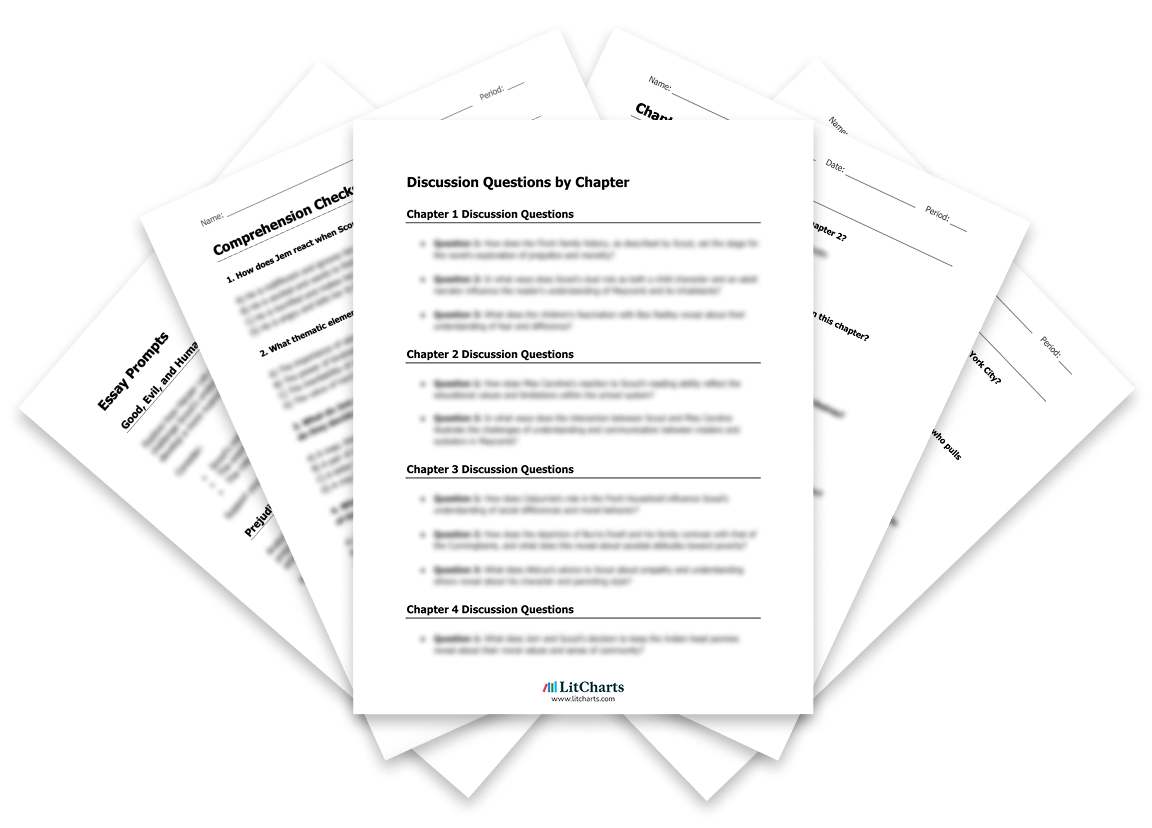
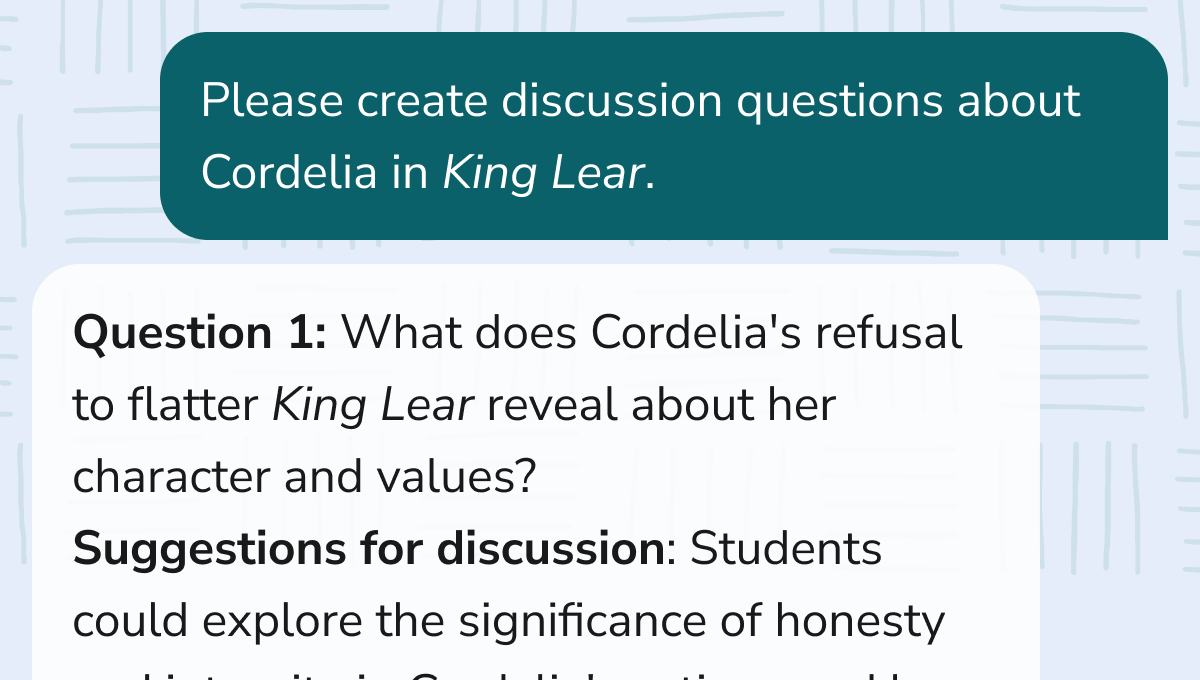
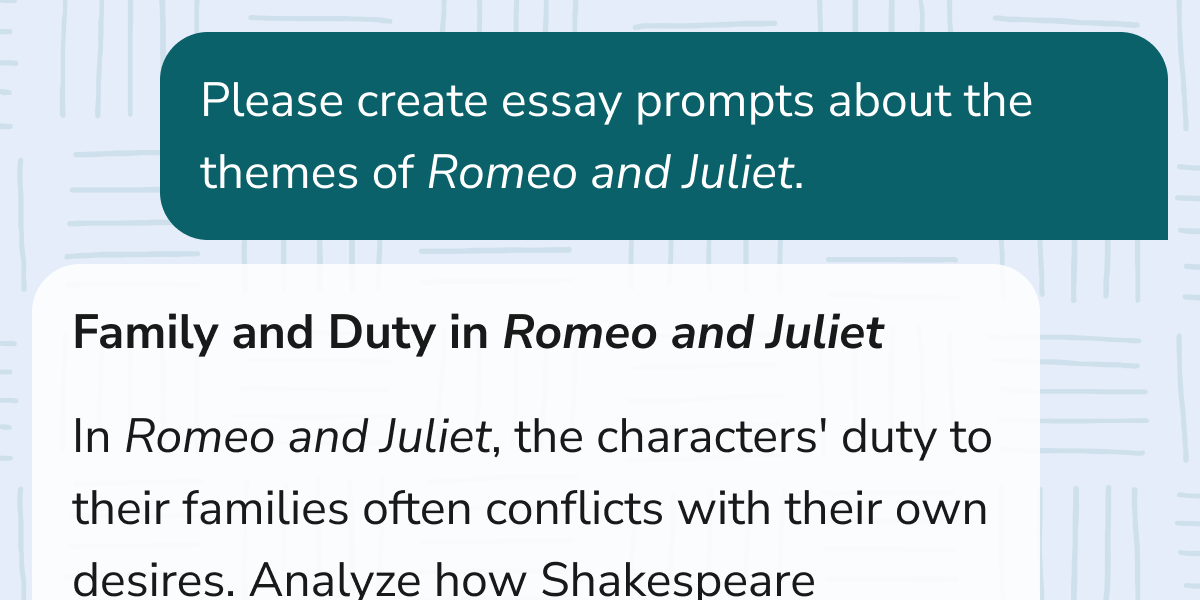


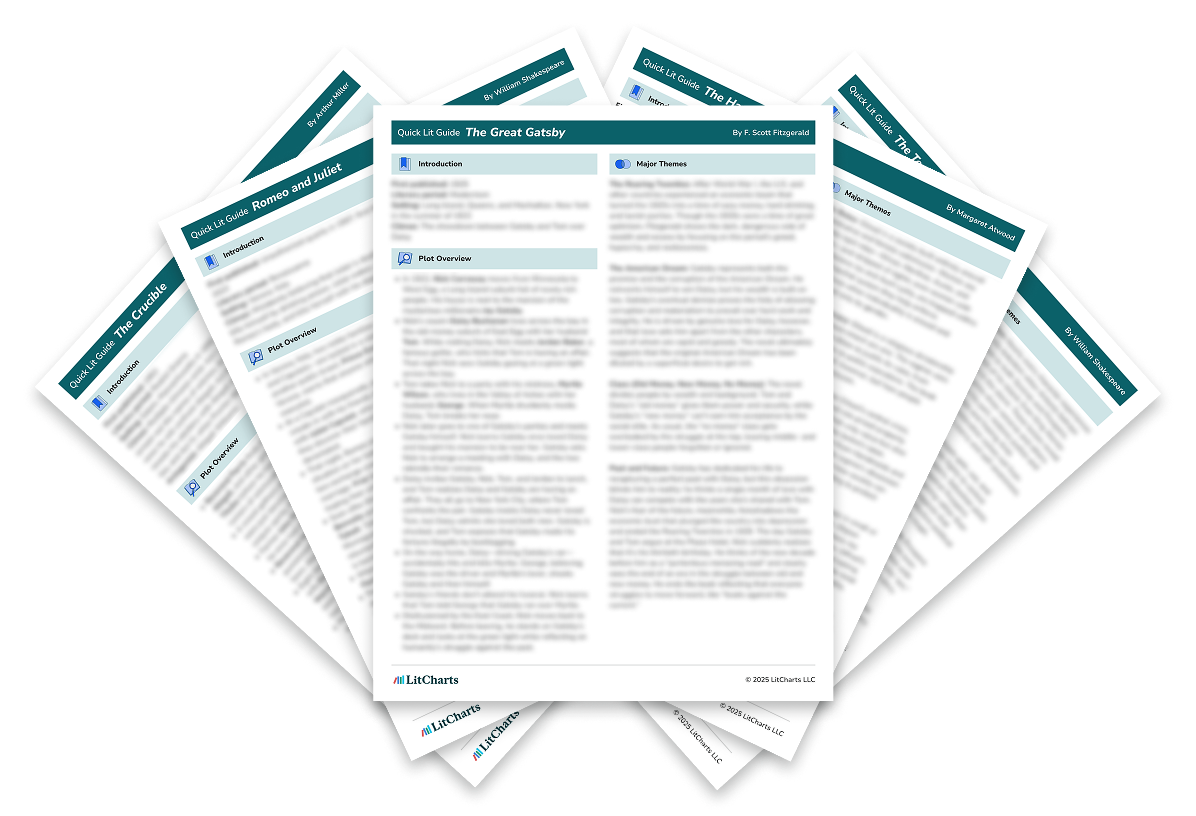
Literature Guide PDFs
LitCharts PDFs for every book you'll read this year.
Instant PDF downloads of all 2251 LitCharts literature guides and of every new one we publish. Try a free sample literature guide.
"Would not have made it through AP Literature without the printable PDFs. They're like having in-class notes for every discussion!"



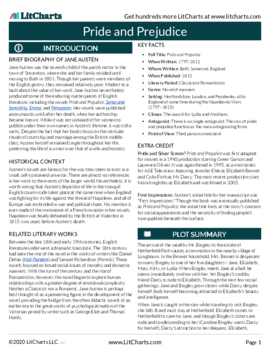


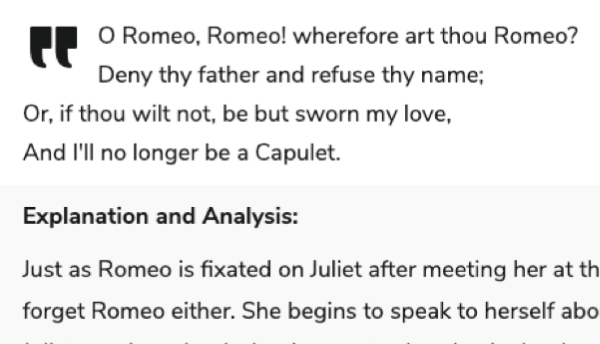
Quotes Explanations
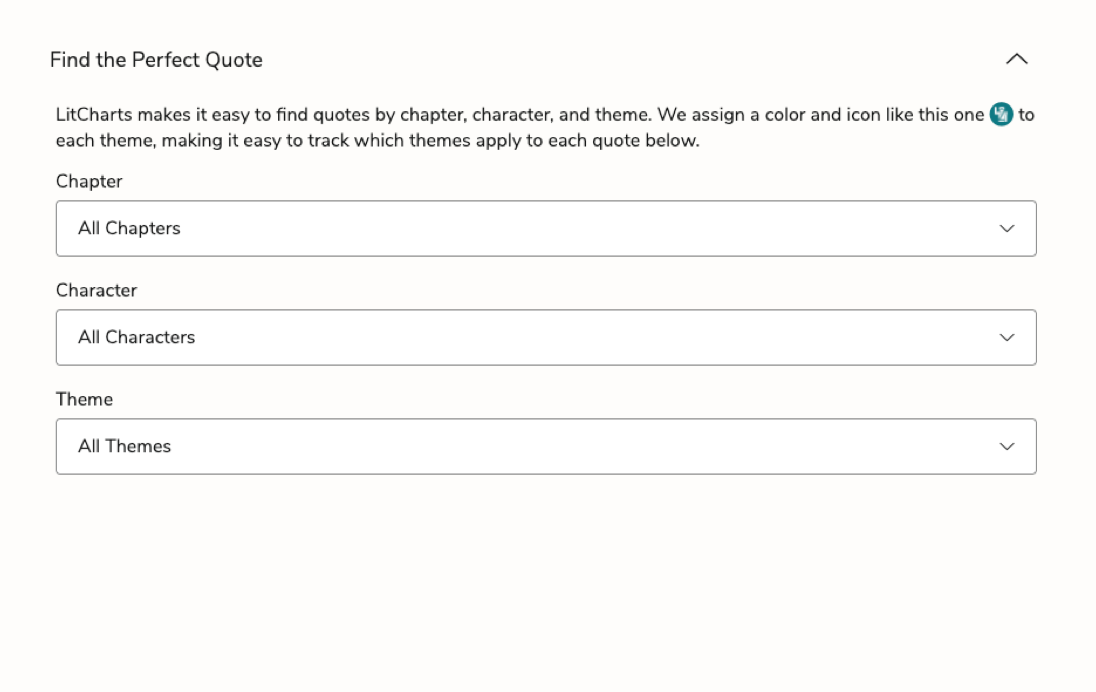
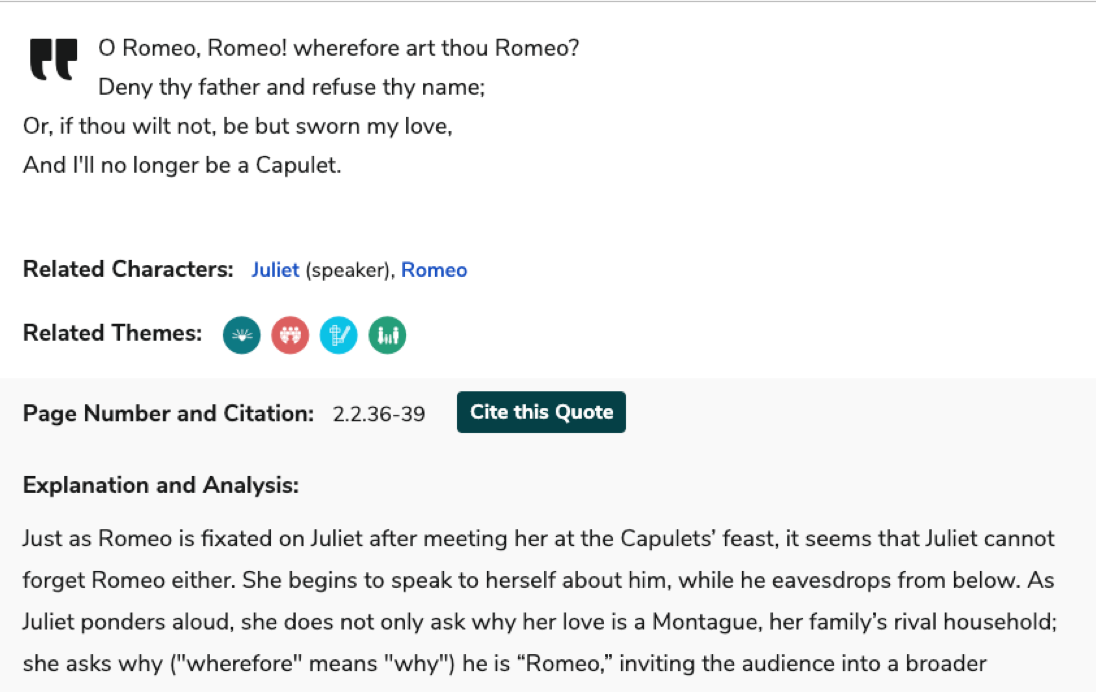
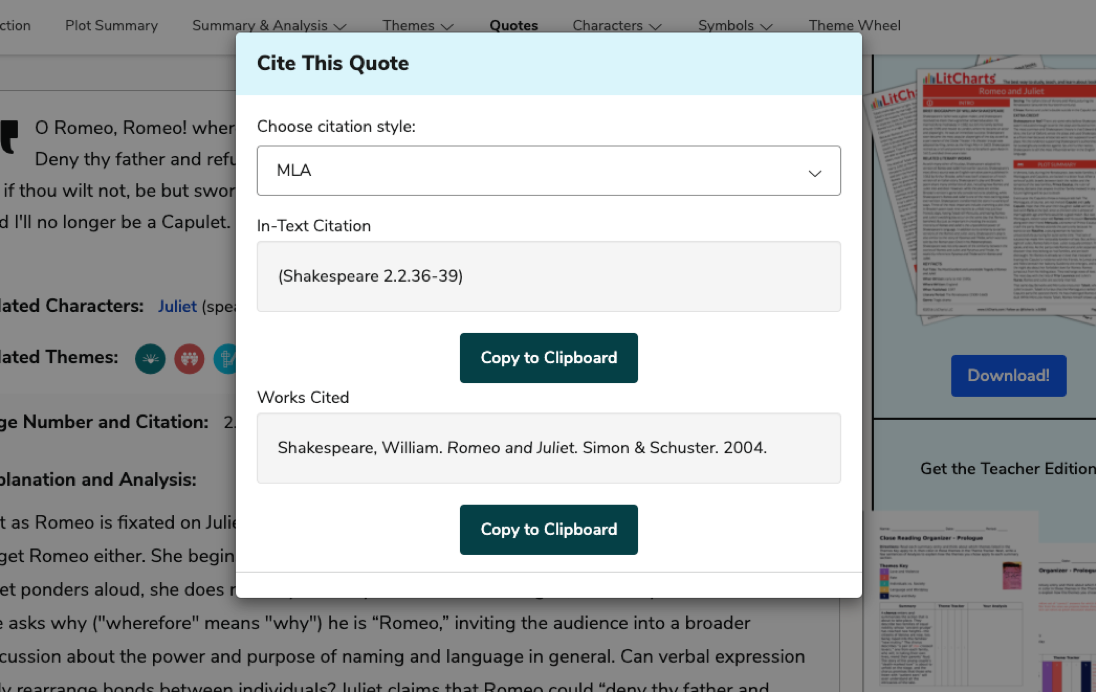
Find the perfect quote. Understand it perfectly. Then rock the citation, too.
For all 50,202 quotes we cover.
For all 50,202 quotes we cover.


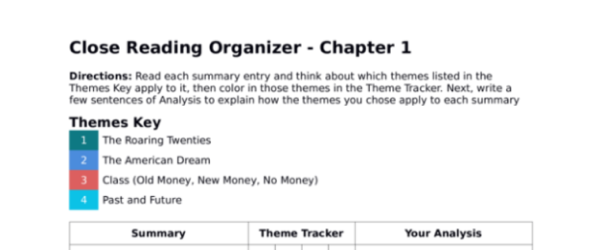
Teacher Editions
Close reading made easy for students.
Time saved for teachers.
For every book we cover.
Time saved for teachers.
For every book we cover.


Common Core-aligned


PDFs of modern translations of every one of Shakespeare's 37 plays, 154 sonnets, and 3 longer poems.

Literary Terms and Devices
Definitions and examples for every literary term and device you need to know.
Plus a quick-reference PDF with concise definitions of all 136 terms in one place.
Plus a quick-reference PDF with concise definitions of all 136 terms in one place.
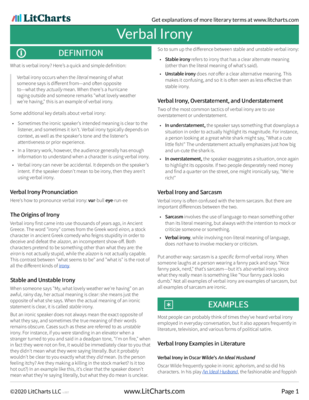
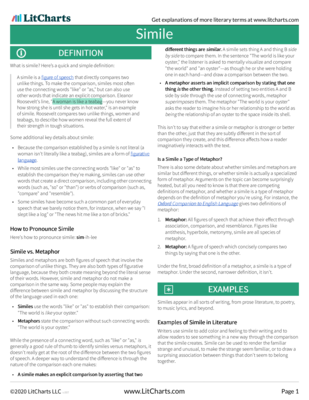
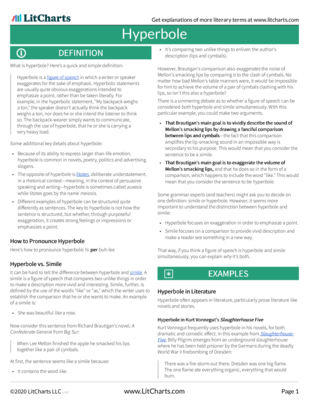
Try a free sample literary term PDF.


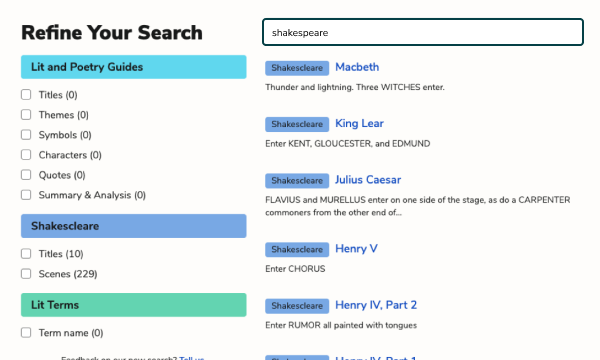
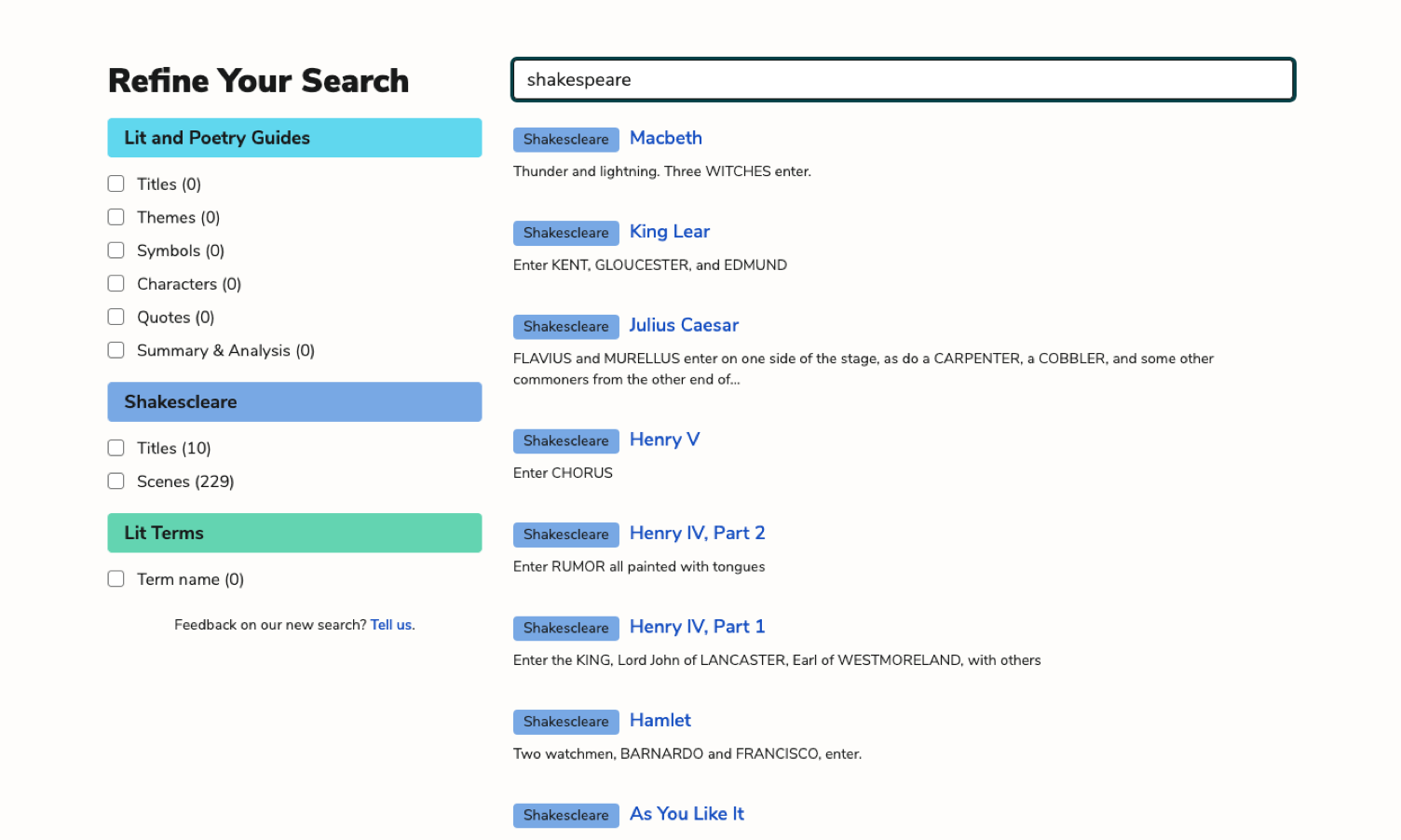
Advanced Search
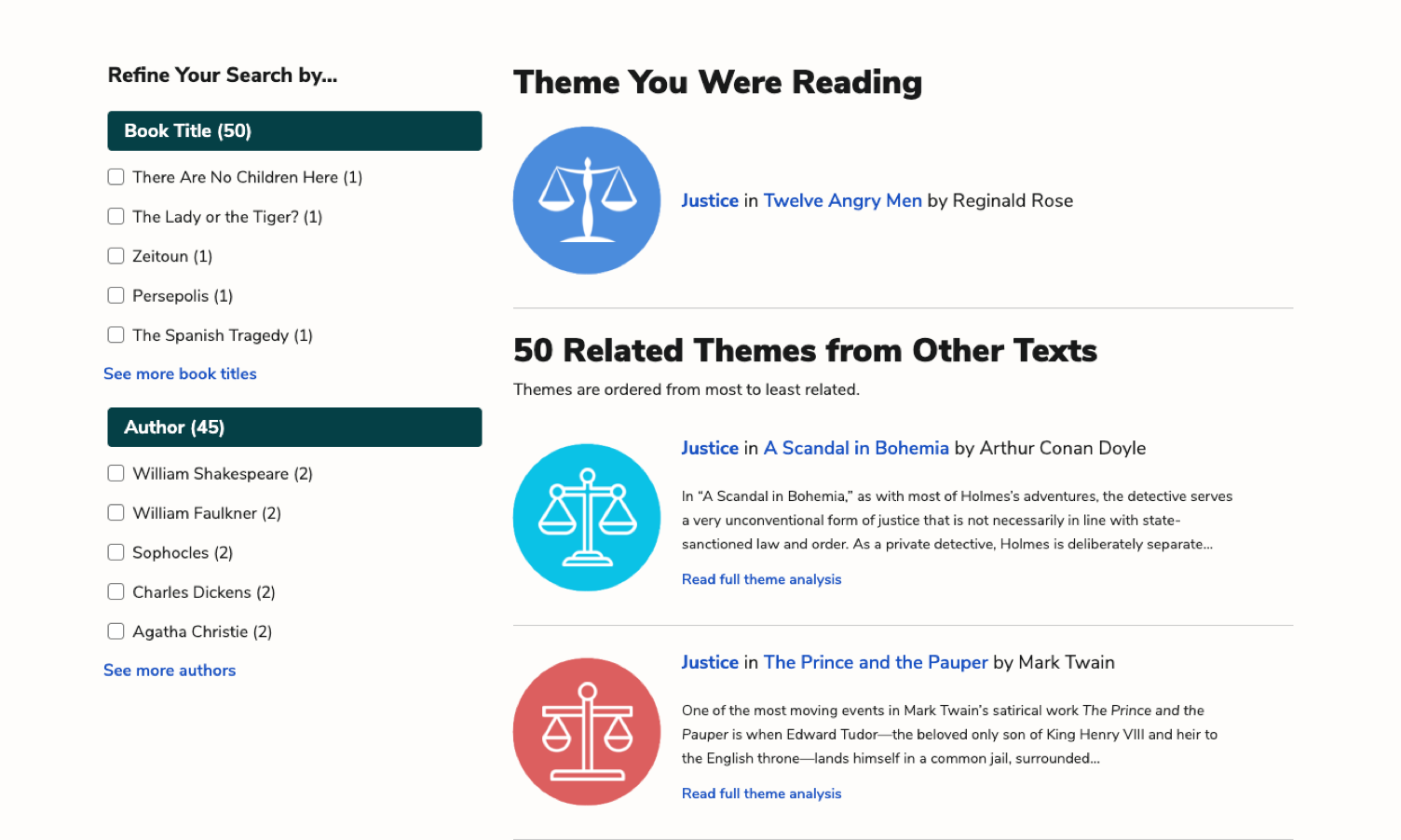
Refine any search. Find related themes, quotes, symbols, characters, and more.

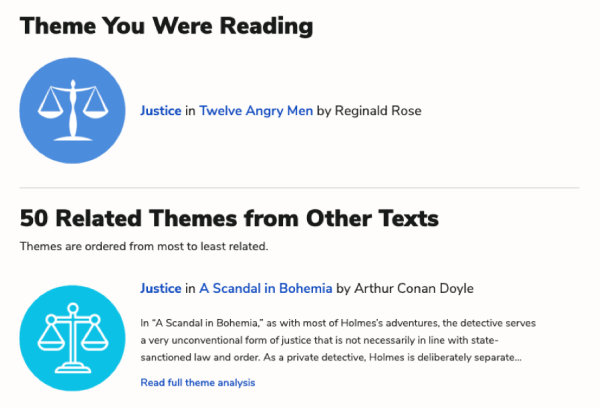
Related Themes
Comparing and contrasting texts? Find where any theme occurs across all of LitCharts in seconds.


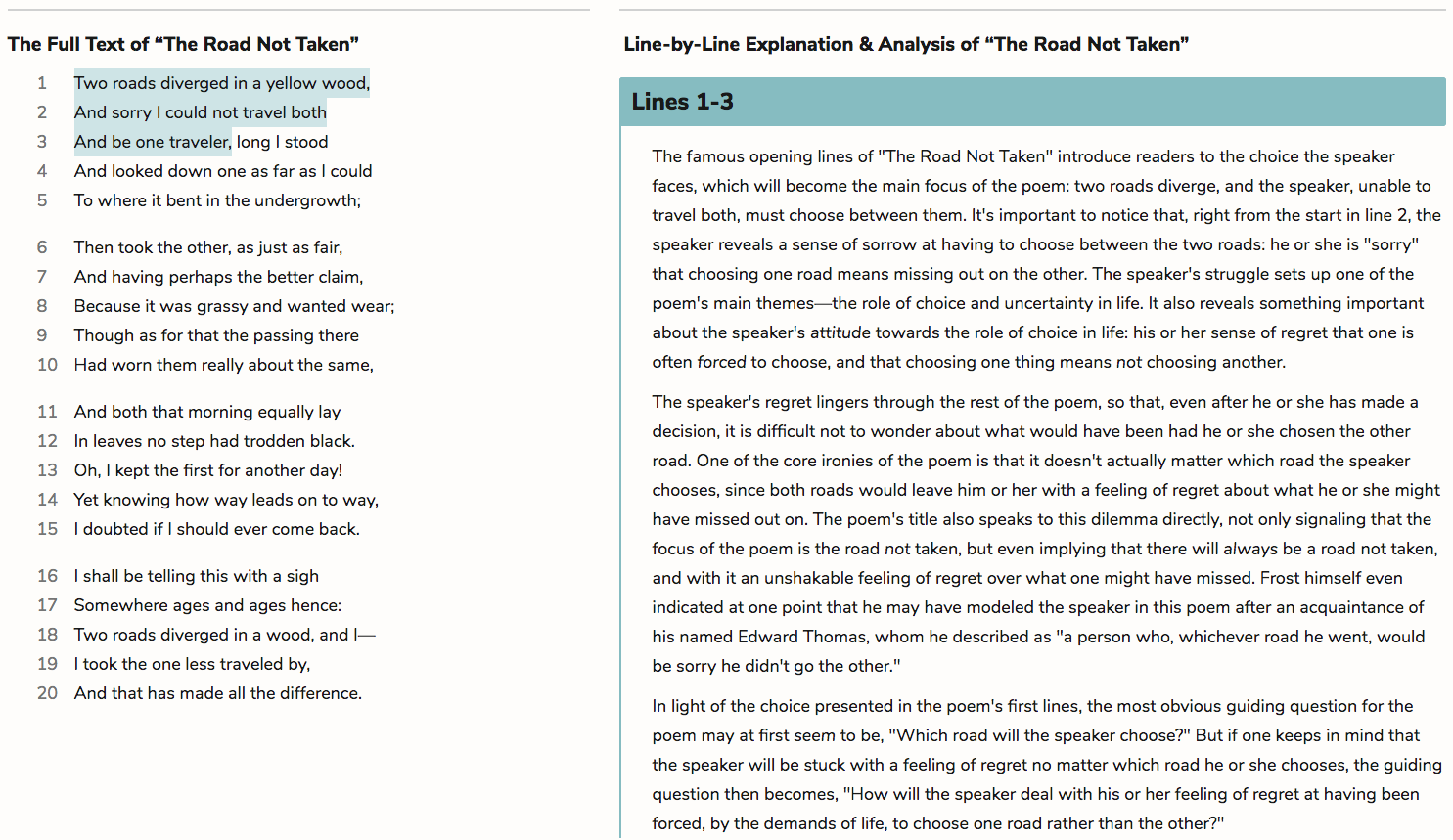
Poetry Guides
Line-by-line explanations and analysis of figurative language and poetic devices.
For every lyric poem we cover.
For every lyric poem we cover.