
|
Have questions?
Contact us
Already a member? Sign in
|
Get every literary device explanation for Station Eleven
Plus so much more...
Sign up for LitCharts A+
Get instant access to every literary device explanation, plus so much more...
Foreshadowing
Explanation and Analysis—Last Call:
After Arthur’s final, fatal performance in King Lear, some of the audience gather in the theater lobby to drink and commiserate. During this scene, Mandel uses foreshadowing to hint at the impending collapse of the world:
In the lobby, the people gathered at the bar clinked their glasses together. “To Arthur,” they said. They drank for a few more minutes and then went their separate ways in the storm. Of all of them there at the bar that night, the bartender was the one who survived the longest. He died three weeks later on the road out of the city.
The passage explicitly signals the fate of the people who have lingered in the lobby. Here, the author is making it clear that their casual farewell to Arthur is also, unknowingly, a farewell to the lives that they knew. The mention of the bartender surviving “the longest” of “all of them” only to die three weeks later foreshadows the rapid spread of the Georgia Flu. It makes the idea of escape seem impossible, as if their deaths have already happened even as they stand there drinking. By specifying that the bartender’s brief survival is comparatively the longest, the passage informs the reader that the flu pandemic will very shortly claim an extraordinary number of lives. The phrase “the road out of the city” further reinforces this chillingly bleak future. By implying that there is only one “road” that leaves the city, Mandel is foreshadowing the narrowed, desolate world to come. This phrasing also suggests inevitability, as if there is no real hope of escape from the virus-laden city streets.
Monthly
Annual (Best Value)

$595USD/mo
Charged $71.40 USD every year
 Teacher
$795USD/mo
Charged $95.40 USD every year
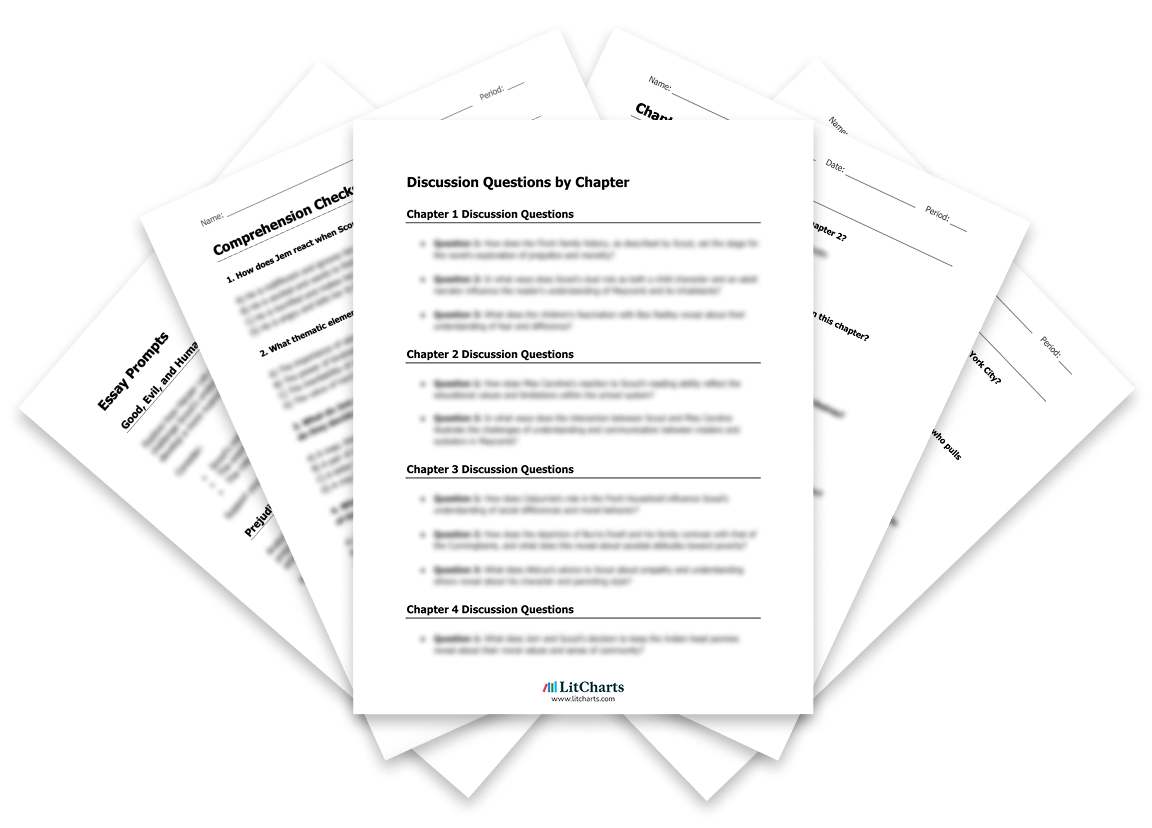
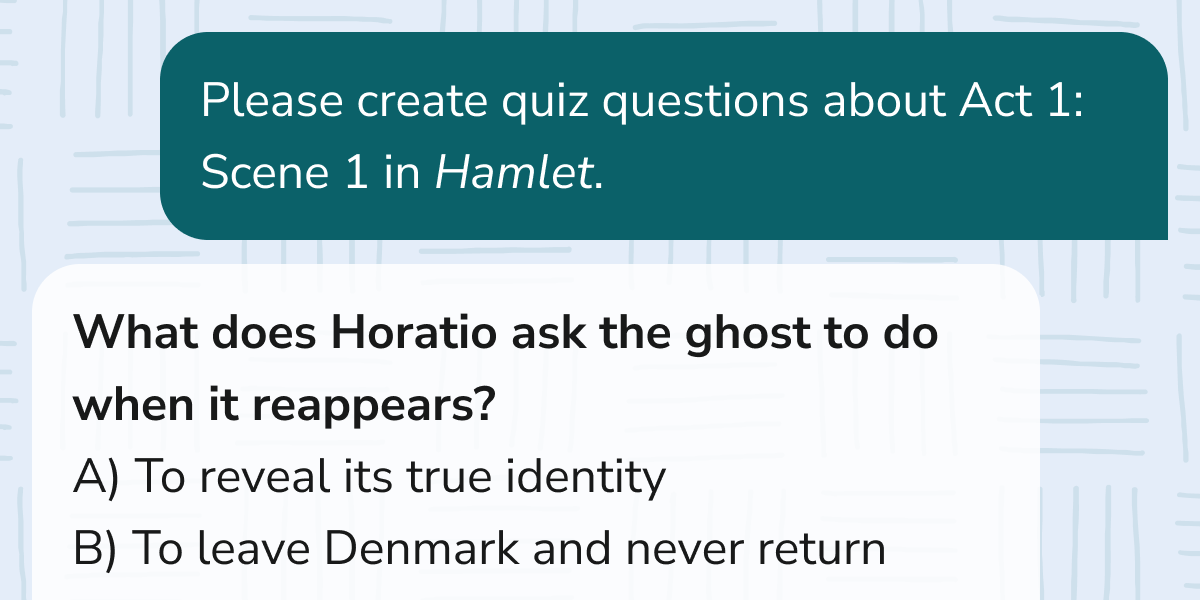


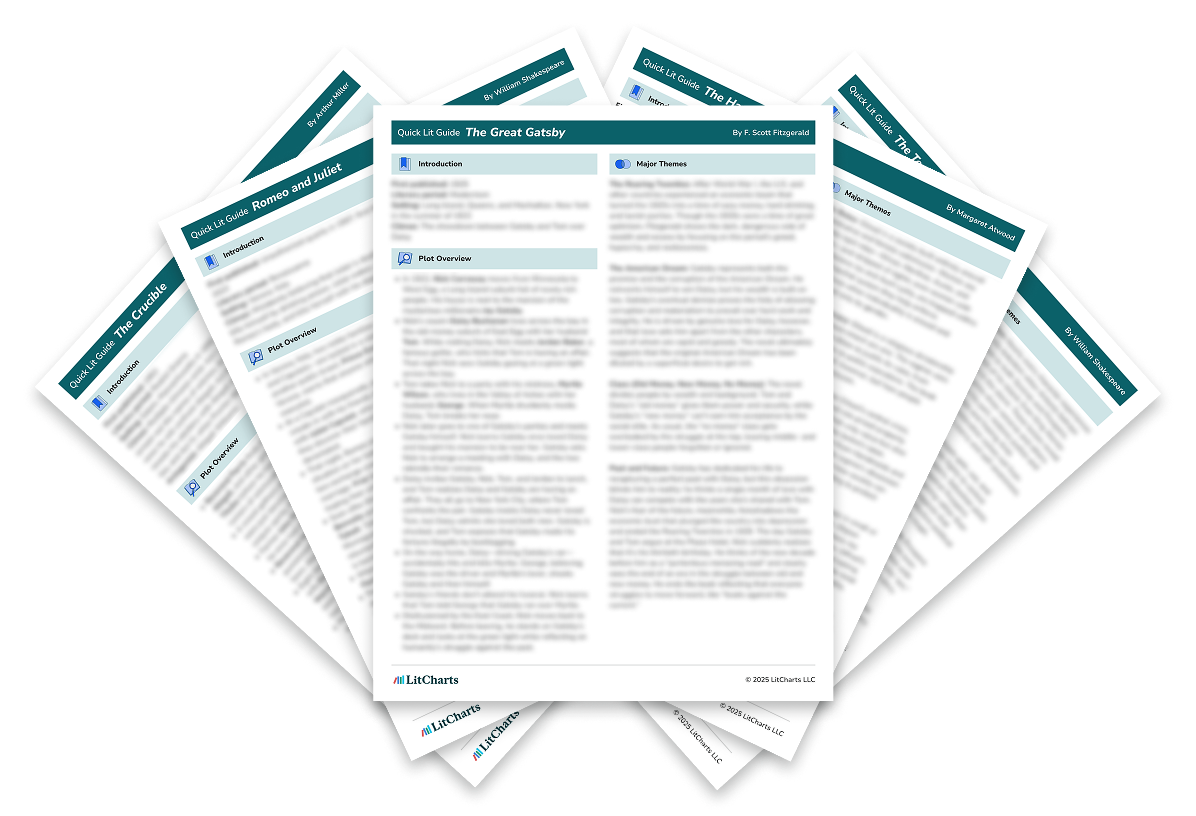
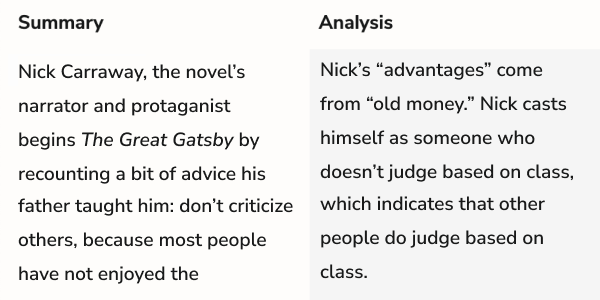
Literature Guide PDFs
LitCharts PDFs for every book you'll read this year.
Instant PDF downloads of all 2252 LitCharts literature guides and of every new one we publish. Try a free sample literature guide.
"Would not have made it through AP Literature without the printable PDFs. They're like having in-class notes for every discussion!"










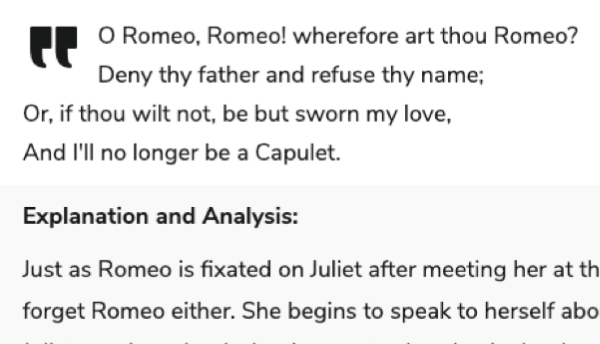
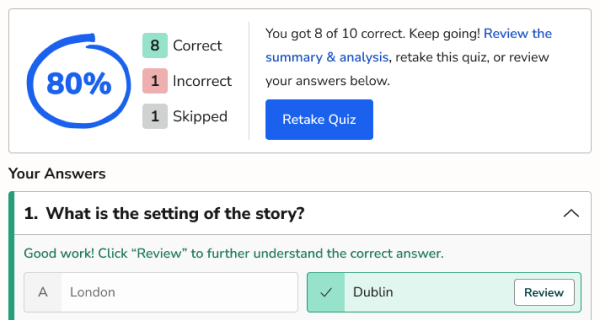
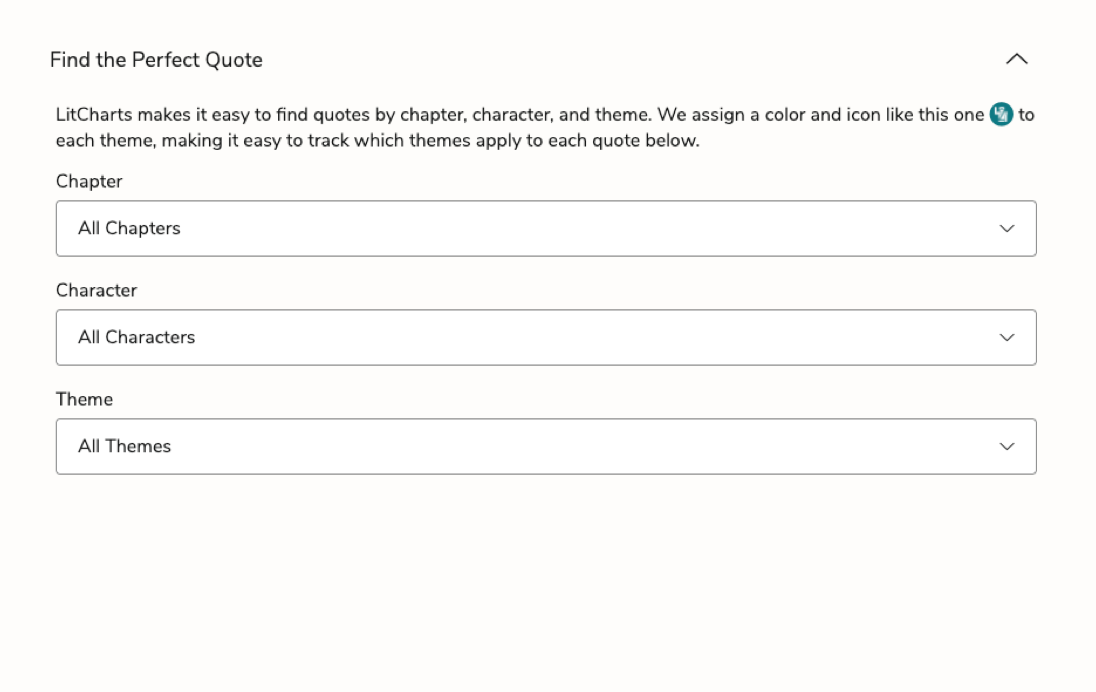
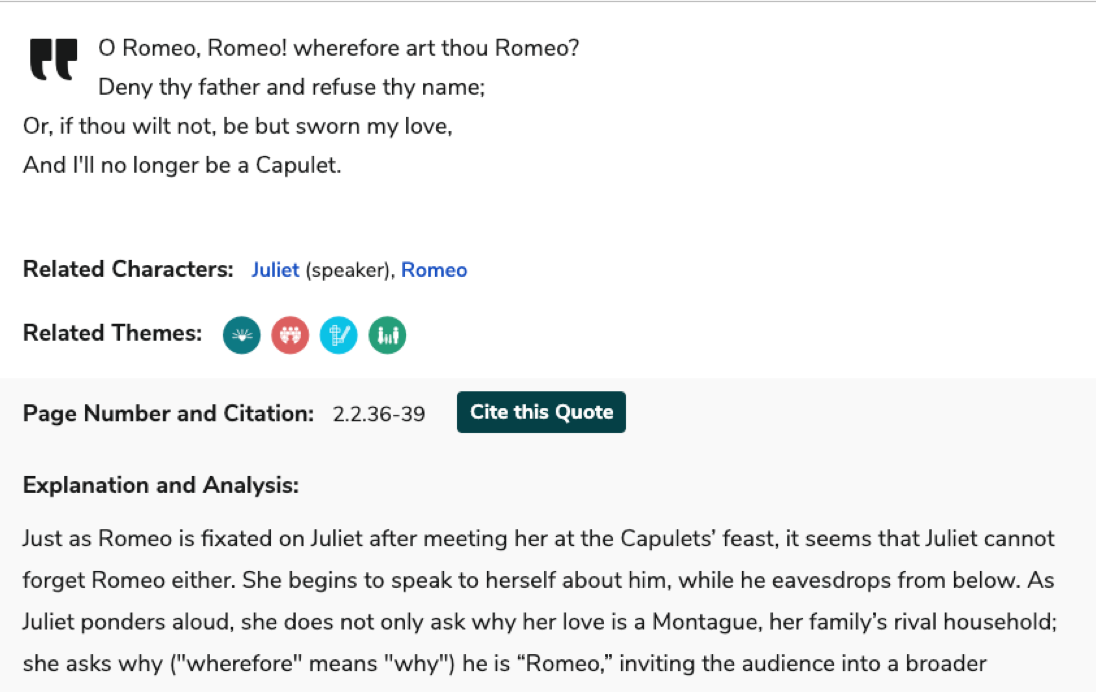
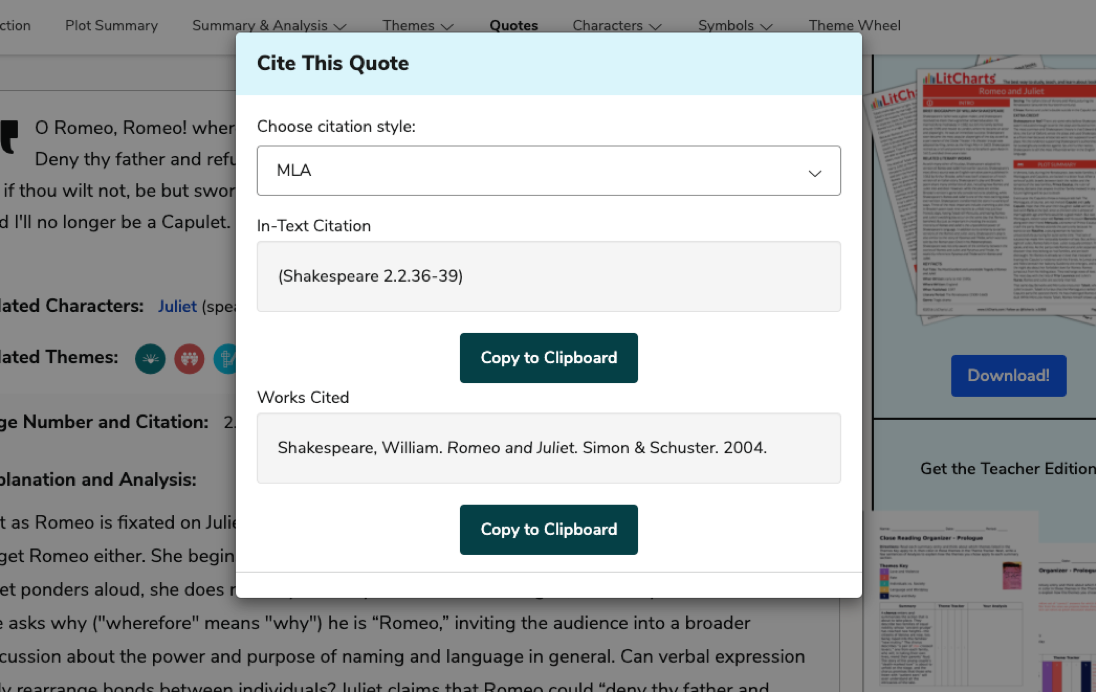
Quotes Explanations
Find the perfect quote. Understand it perfectly. Then rock the citation, too.
For all 50,213 quotes we cover.
For all 50,213 quotes we cover.


Teacher Editions
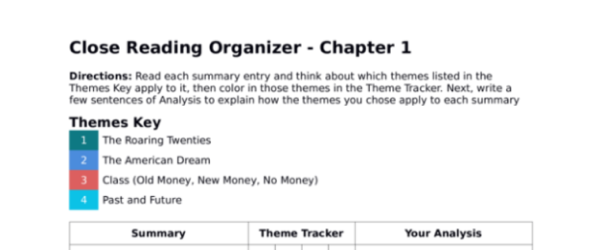
Close reading made easy for students.
Time saved for teachers.
For every book we cover.
Time saved for teachers.
For every book we cover.


Common Core-aligned


PDFs of modern translations of every one of Shakespeare's 37 plays, 154 sonnets, and 3 longer poems.

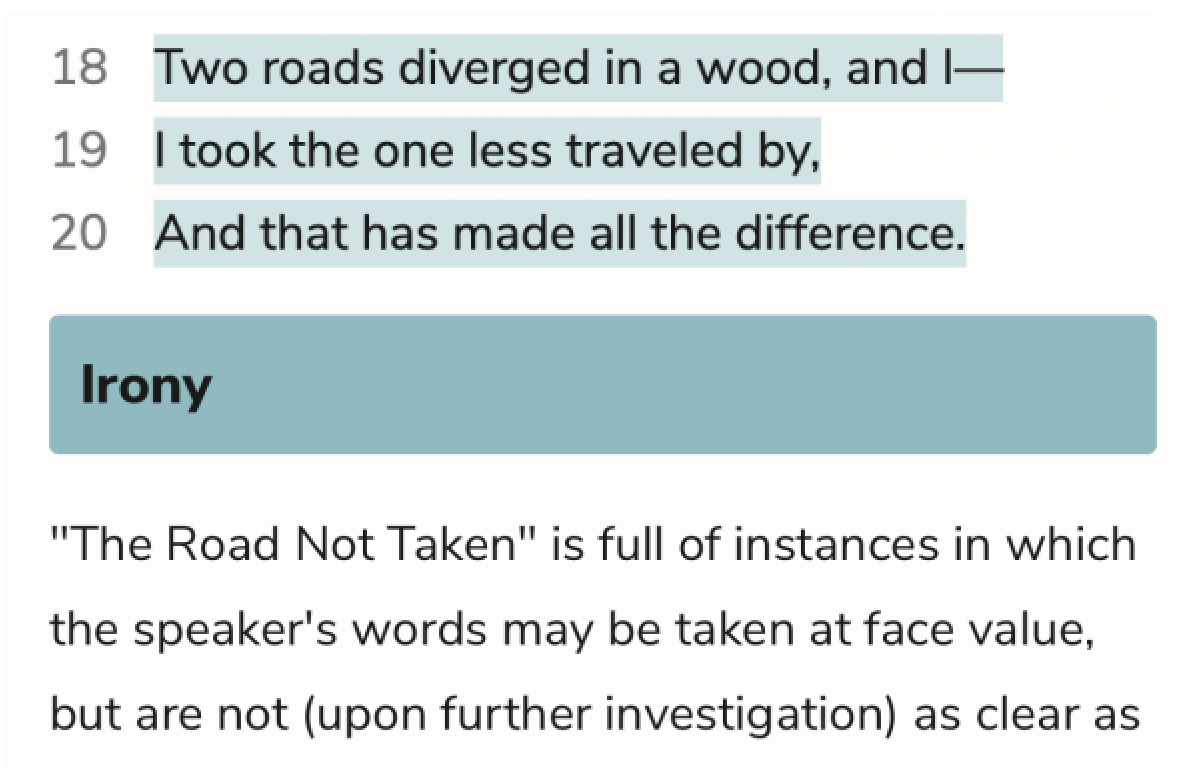
Literary Terms and Devices
Definitions and examples for every literary term and device you need to know.
Plus a quick-reference PDF with concise definitions of all 136 terms in one place.
Plus a quick-reference PDF with concise definitions of all 136 terms in one place.
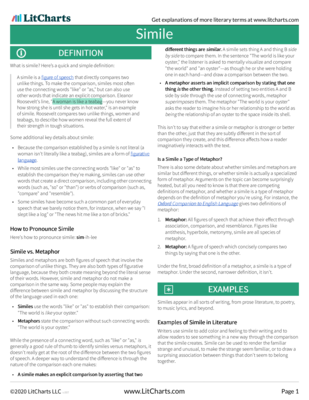
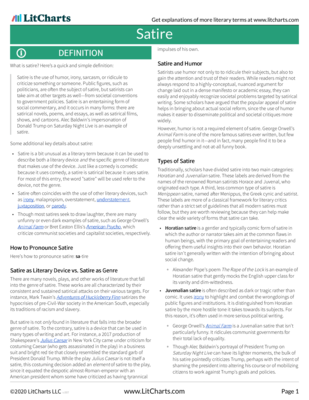
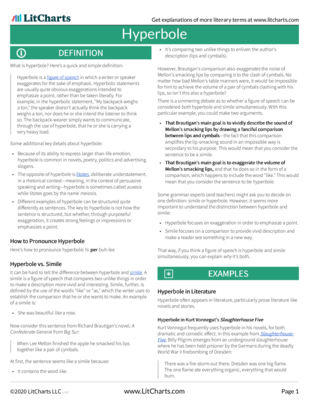
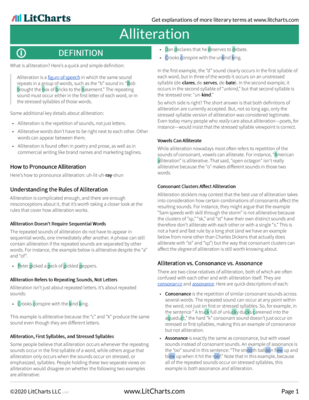
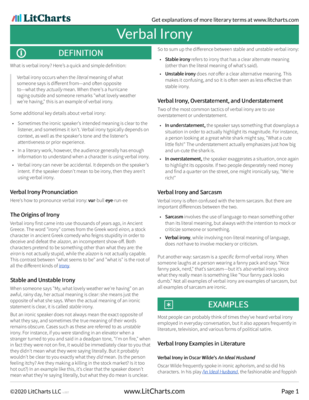
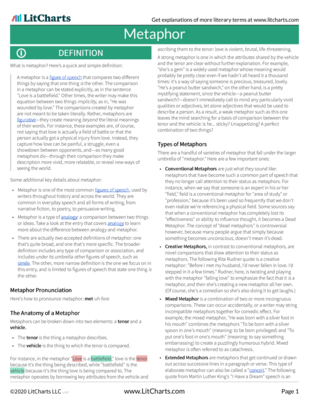
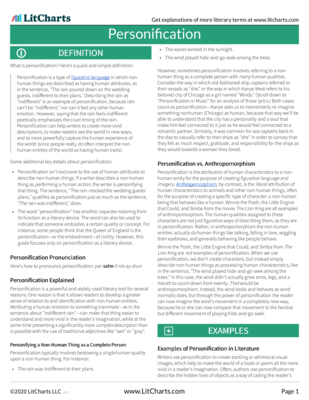
Try a free sample literary term PDF.


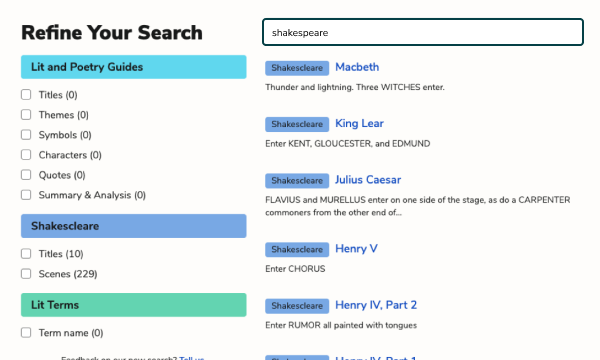
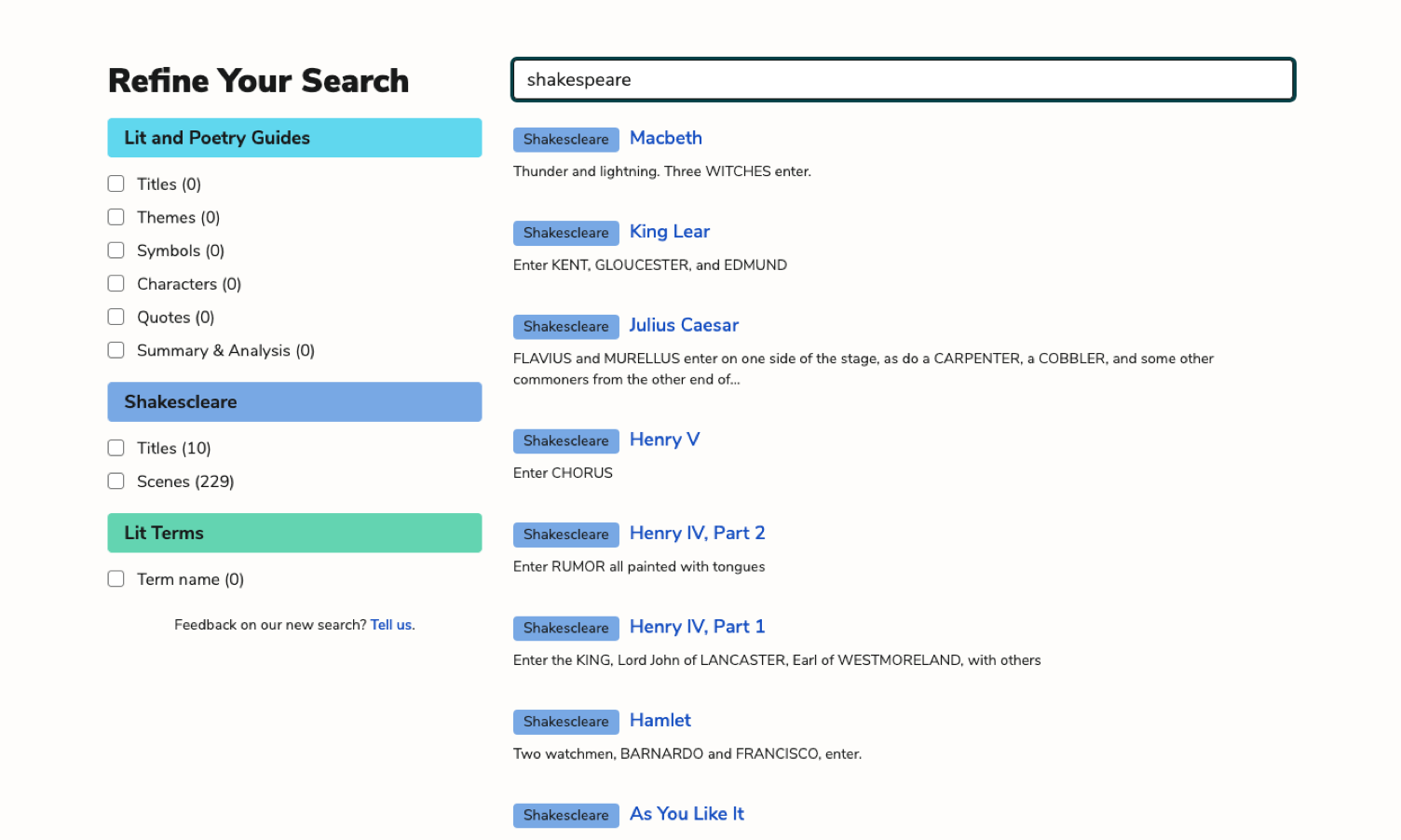
Advanced Search
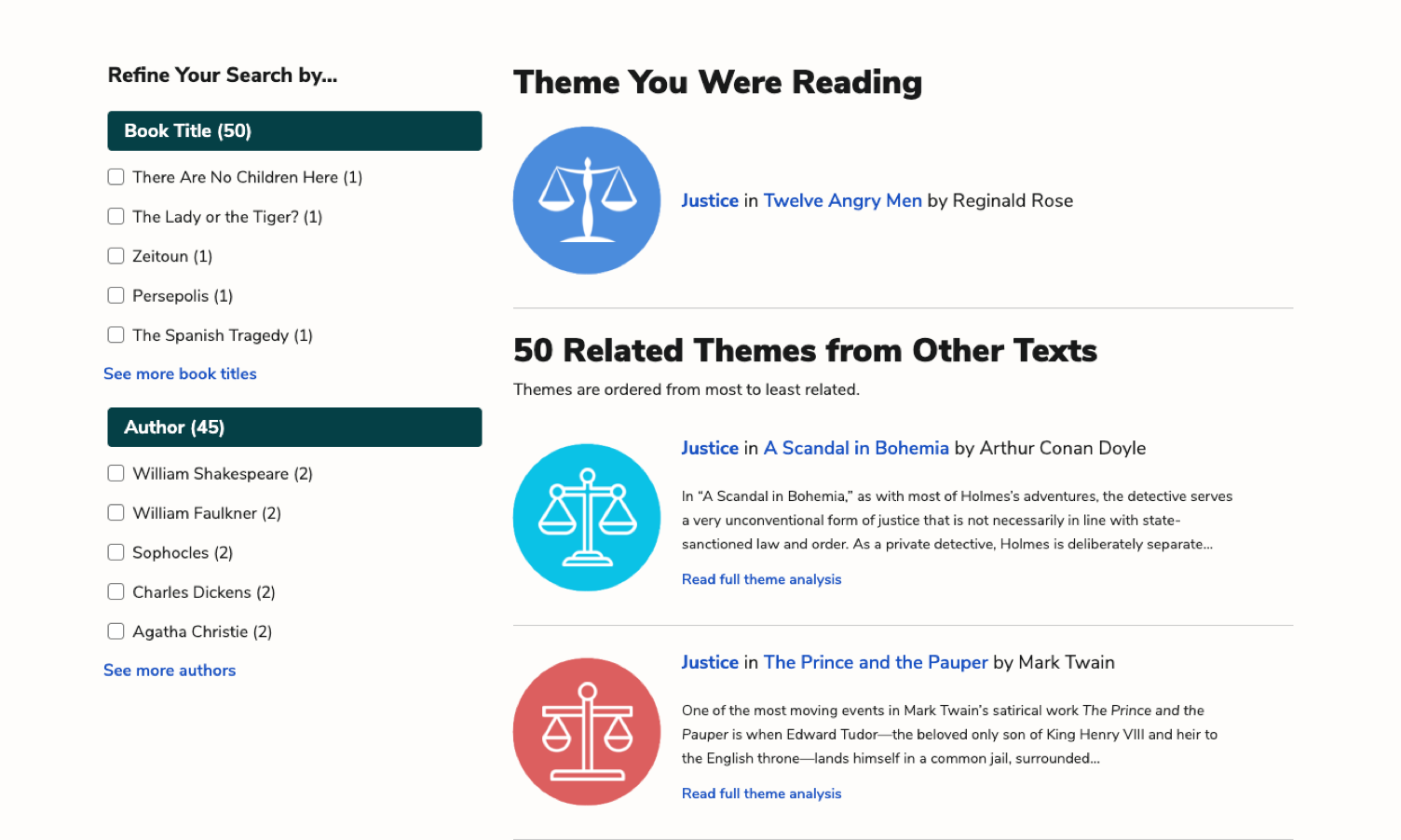
Refine any search. Find related themes, quotes, symbols, characters, and more.

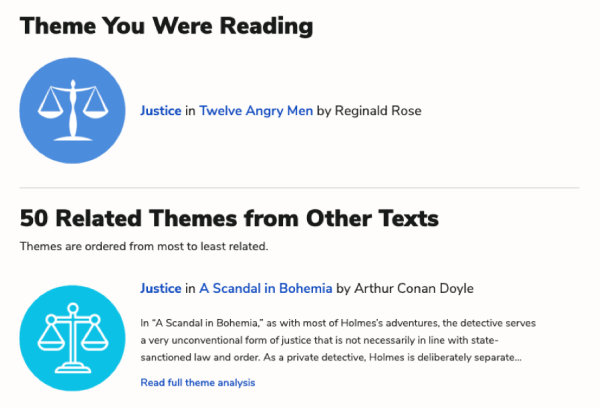
Related Themes
Comparing and contrasting texts? Find where any theme occurs across all of LitCharts in seconds.


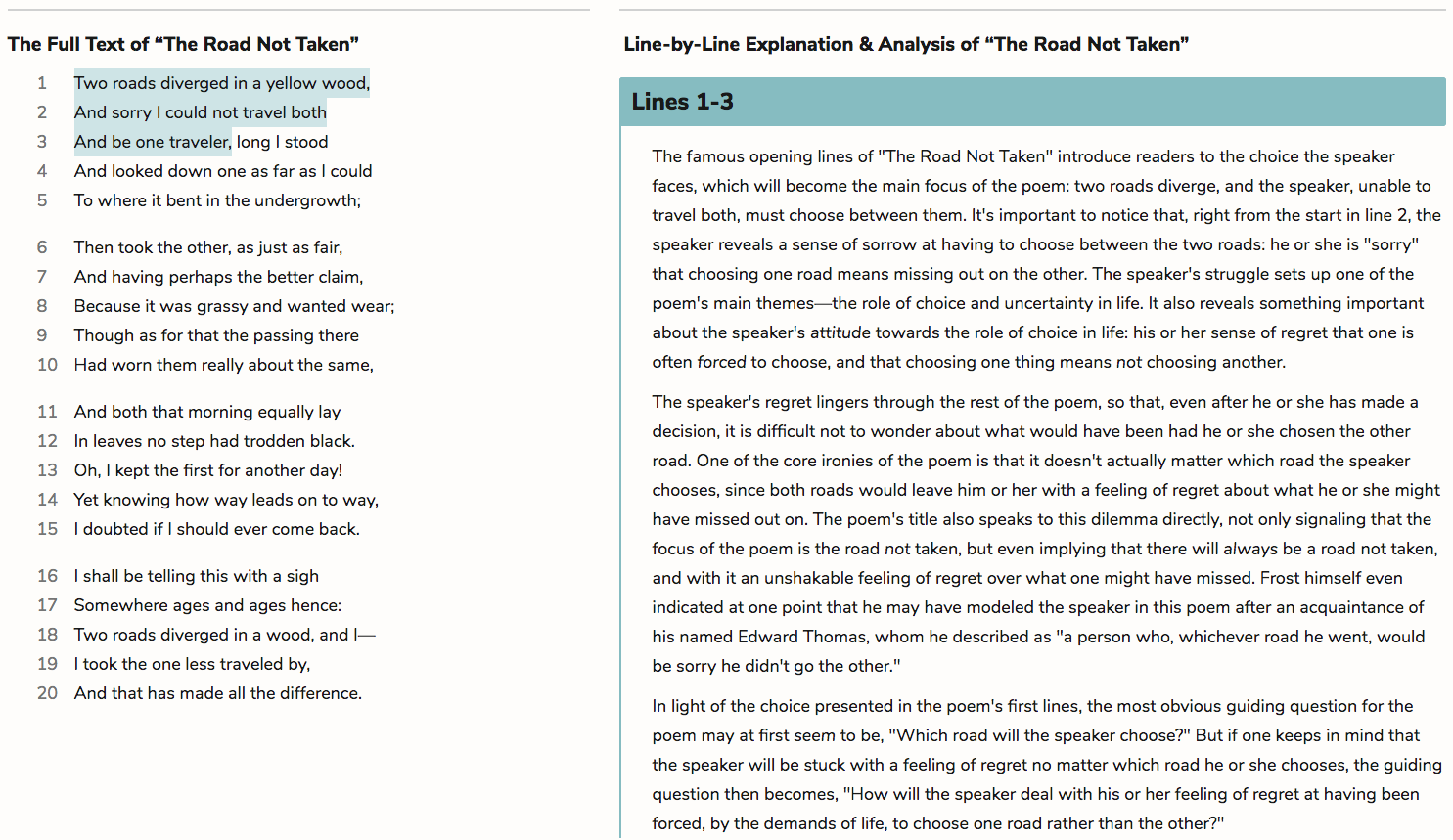
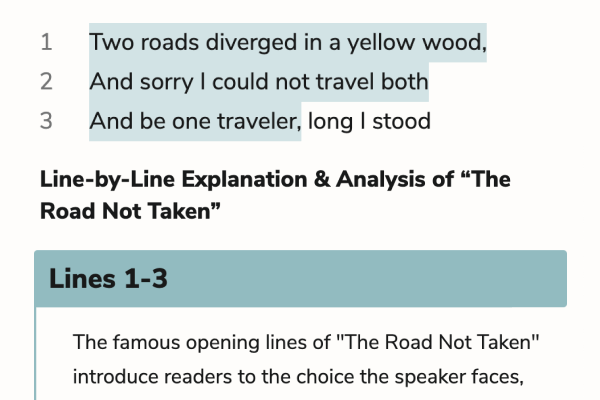
Poetry Guides
Line-by-line explanations and analysis of figurative language and poetic devices.
For every lyric poem we cover.
For every lyric poem we cover.