
|
Have questions?
Contact us
Already a member? Sign in
|
Get every literary device explanation for The ChrysanthemumsPlus so much more...
Sign up for LitCharts A+Get instant access to every literary device explanation, plus so much more...
Foreshadowing
Explanation and Analysis—A Bright Direction:
Elisa leaves the interaction with the tinker somewhat optimistically after he takes an interest in her chrysanthemums. Even though he denigrated her dreams of living a similar life to him and refused her sexual advances, she found some refuge in the fact that he took some flowers, a symbol of her sexuality, femininity, and work ethic. In a passage marked by ironic foreshadowing, she feels satisfied:
Elisa stood in front of her wire fence watching the slow progress of the caravan.... Then she whispered, "That’s a bright direction. There’s a glowing there."
Here, Steinbeck is alerting the reader that the tinker's caravan is leaving something very important in its wake, which will later be revealed to be the discarded chrysanthemums, thrown out of the caravan by the tinker. This is foreshadowing colored by a hint of irony, because while Elisa would like to believe that the caravan (and her interaction with the tinker) is both a sign of her value in a patriarchal society and of her ability to transcend patriarchy entirely, the chrysanthemums on the side of the road shatter this illusion. The tinker's abandonment of the chrysanthemums confirms Elisa's lack of both sexual and personal agency and also of the fact that he had taken advantage of her, deceiving her just to get work.
Monthly
Annual (Best Value)

$595USD/mo
Charged $71.40 USD every year
 Teacher
$795USD/mo
Charged $95.40 USD every year
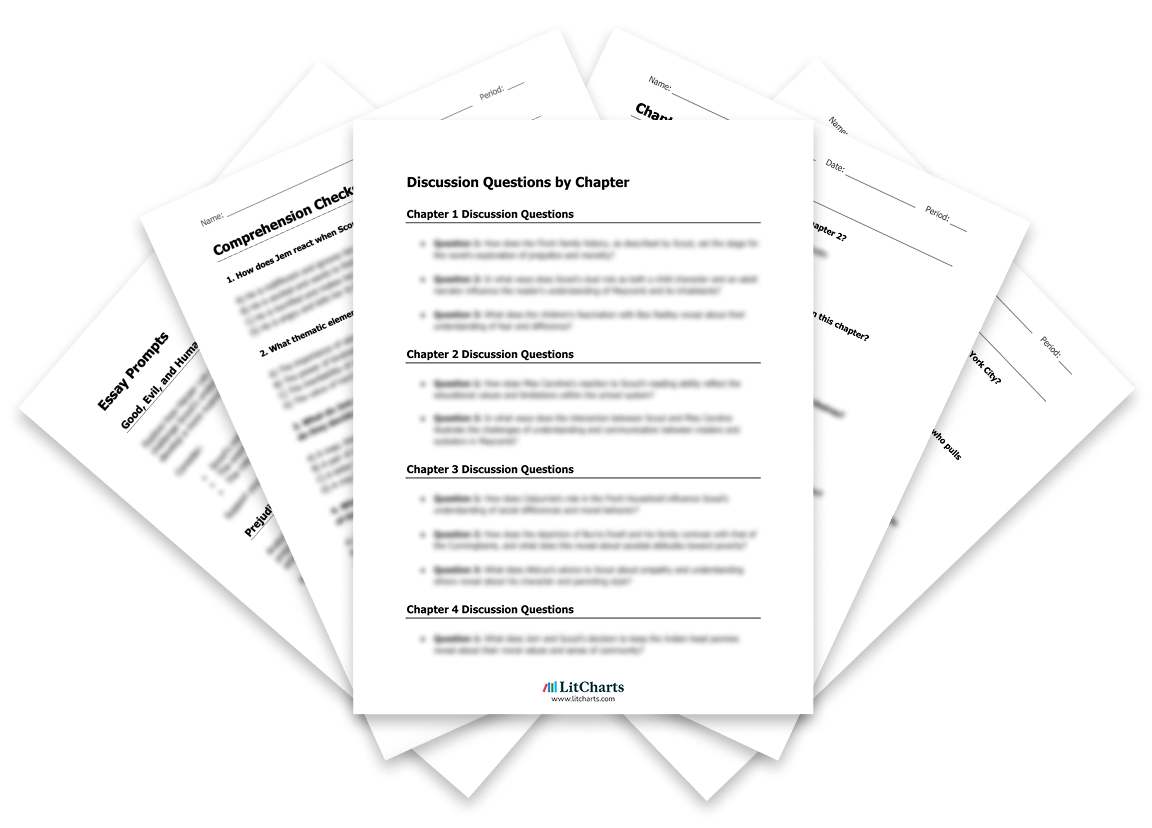


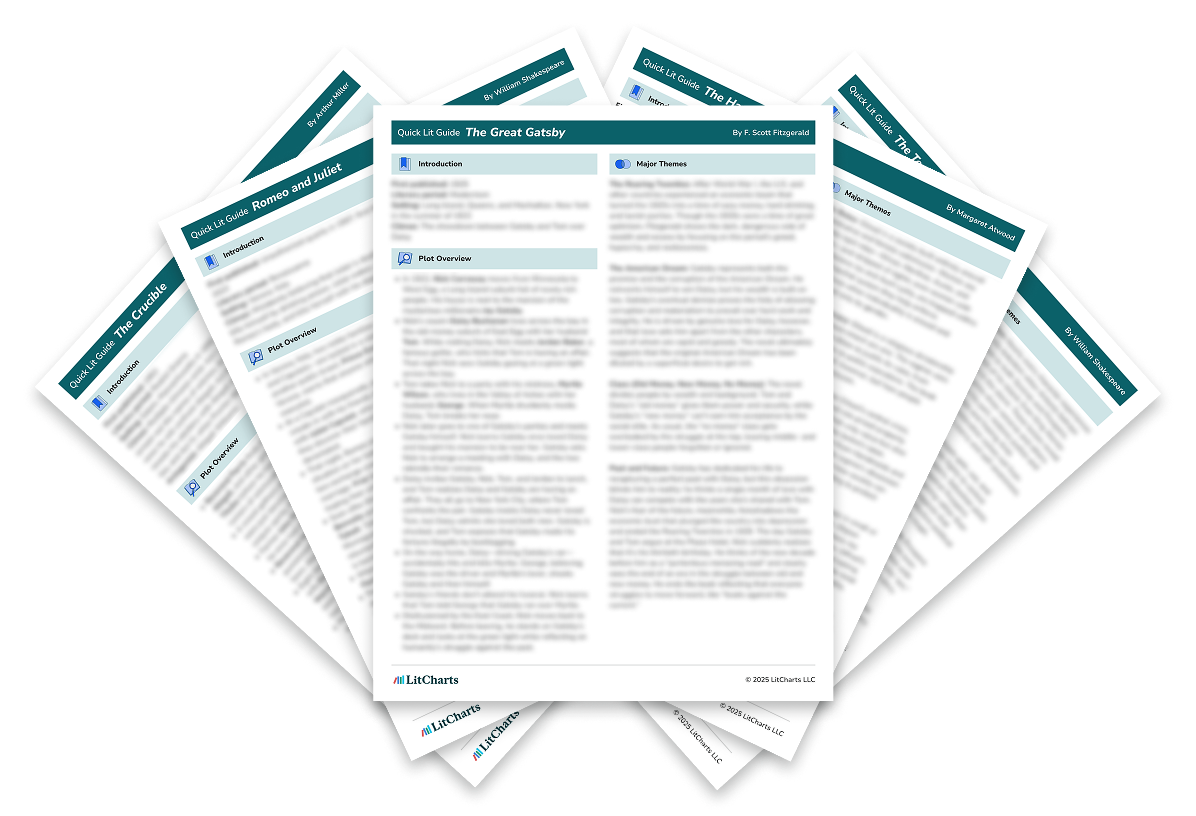
Literature Guide PDFs
LitCharts PDFs for every book you'll read this year.
Instant PDF downloads of all 2250 LitCharts literature guides and of every new one we publish. Try a free sample literature guide.
"Would not have made it through AP Literature without the printable PDFs. They're like having in-class notes for every discussion!"






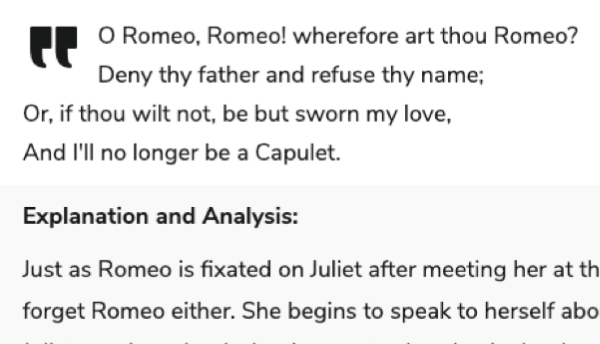
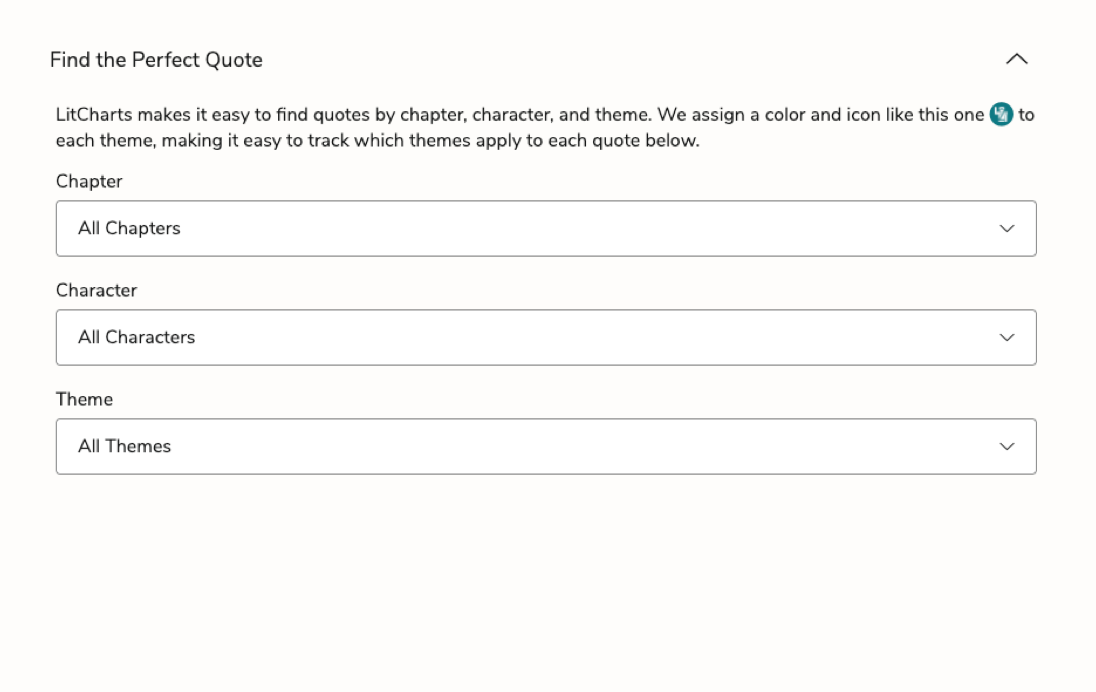
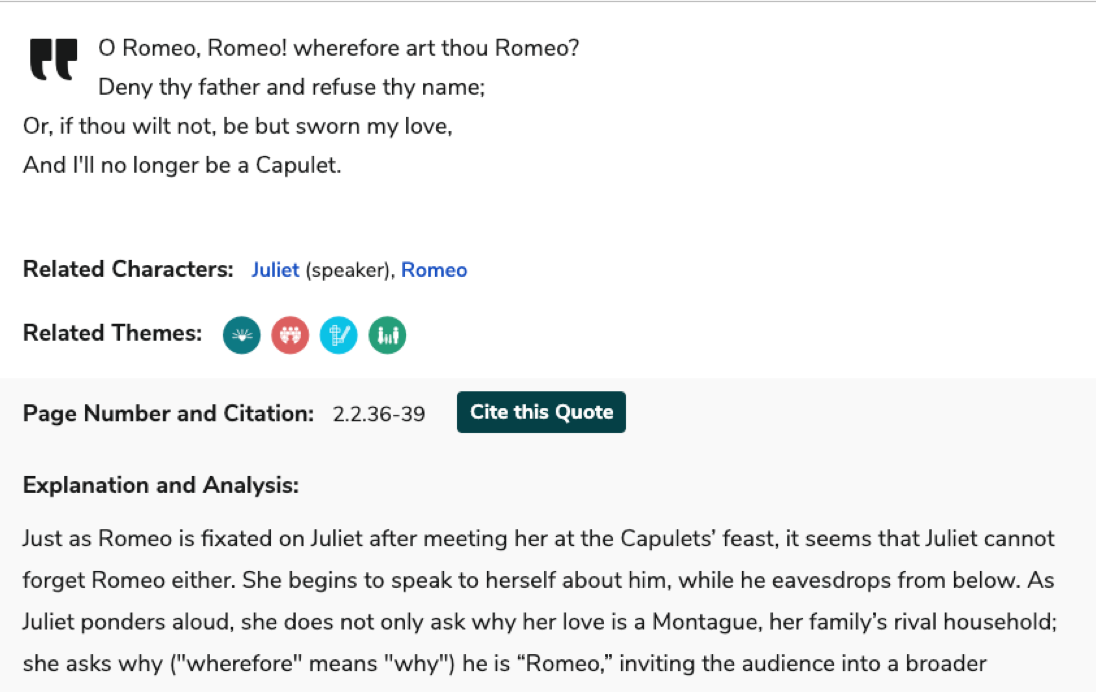
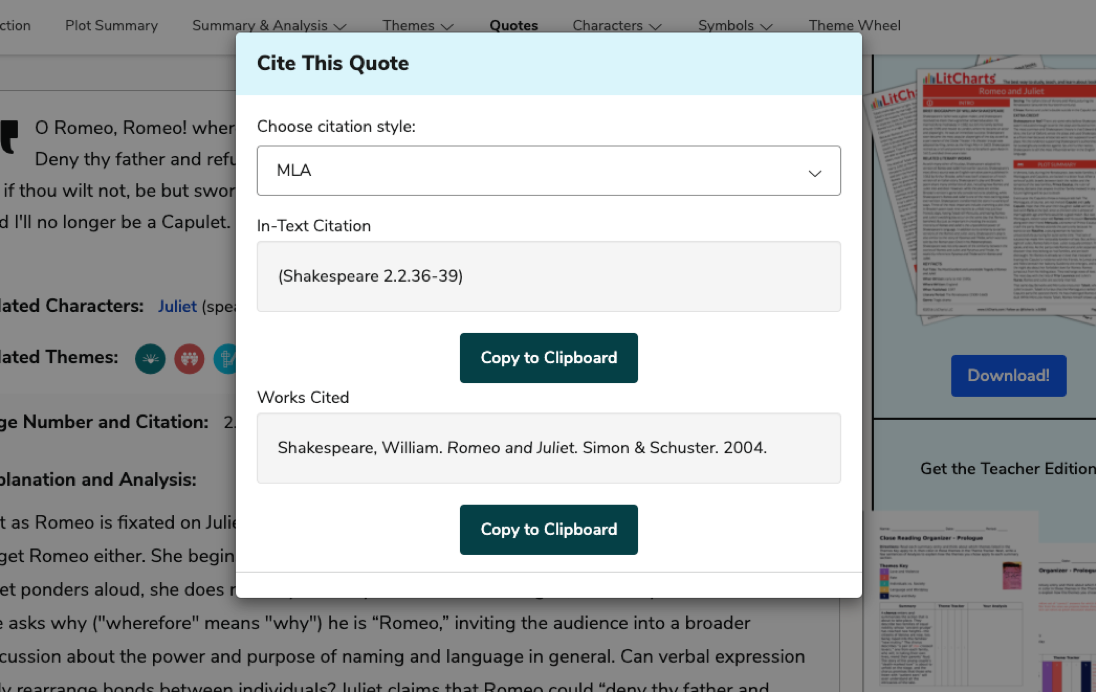
Quotes Explanations
Find the perfect quote. Understand it perfectly. Then rock the citation, too.
For all 50,177 quotes we cover.
For all 50,177 quotes we cover.


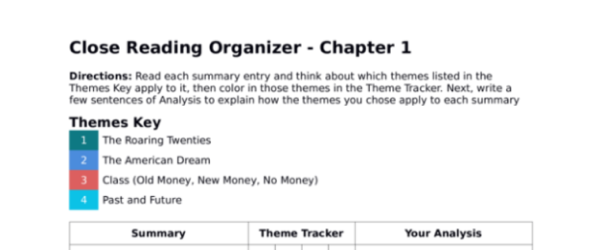
Teacher Editions
Close reading made easy for students.
Time saved for teachers.
For every book we cover.
Time saved for teachers.
For every book we cover.


Common Core-aligned


PDFs of modern translations of every one of Shakespeare's 37 plays, 154 sonnets, and 3 longer poems.

Literary Terms and Devices
Definitions and examples for every literary term and device you need to know.
Plus a quick-reference PDF with concise definitions of all 136 terms in one place.
Plus a quick-reference PDF with concise definitions of all 136 terms in one place.
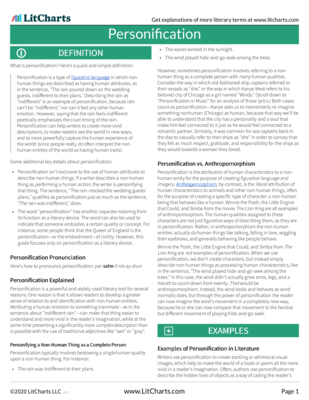
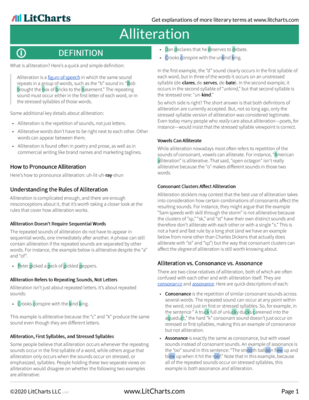
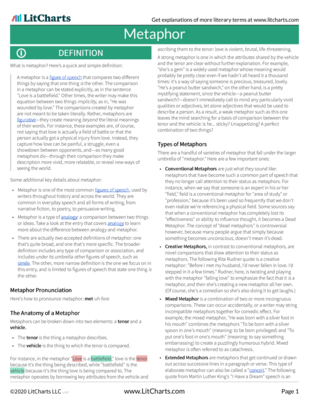
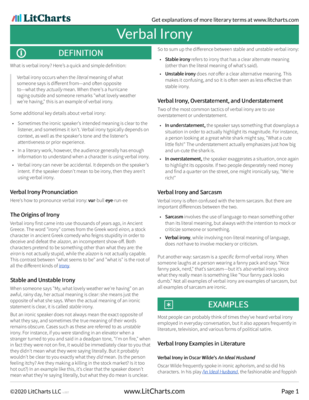
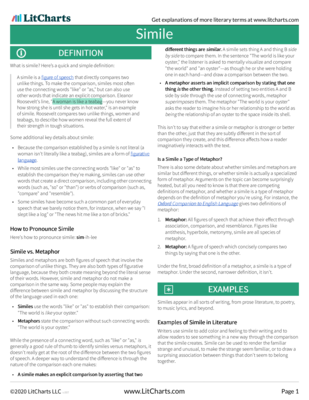
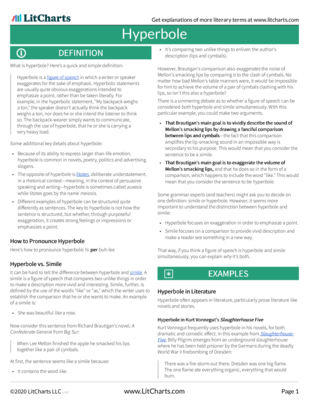
Try a free sample literary term PDF.


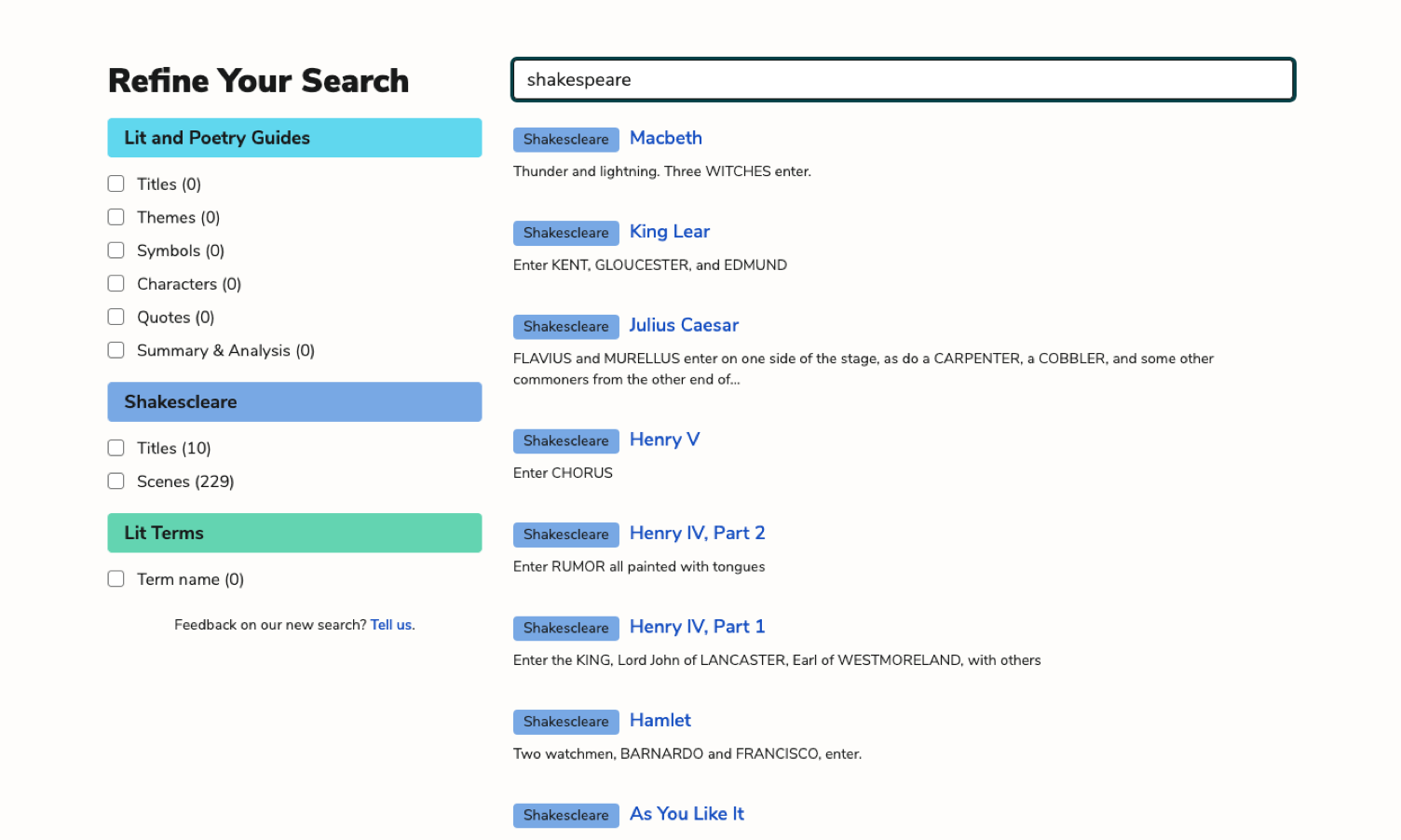
Advanced Search
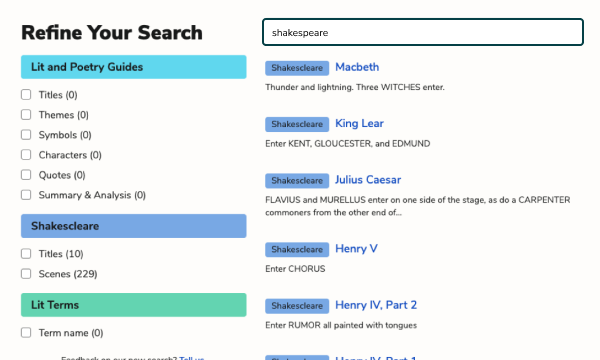
Refine any search. Find related themes, quotes, symbols, characters, and more.

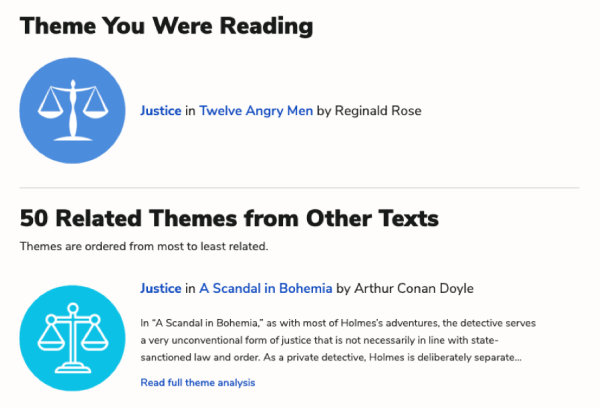
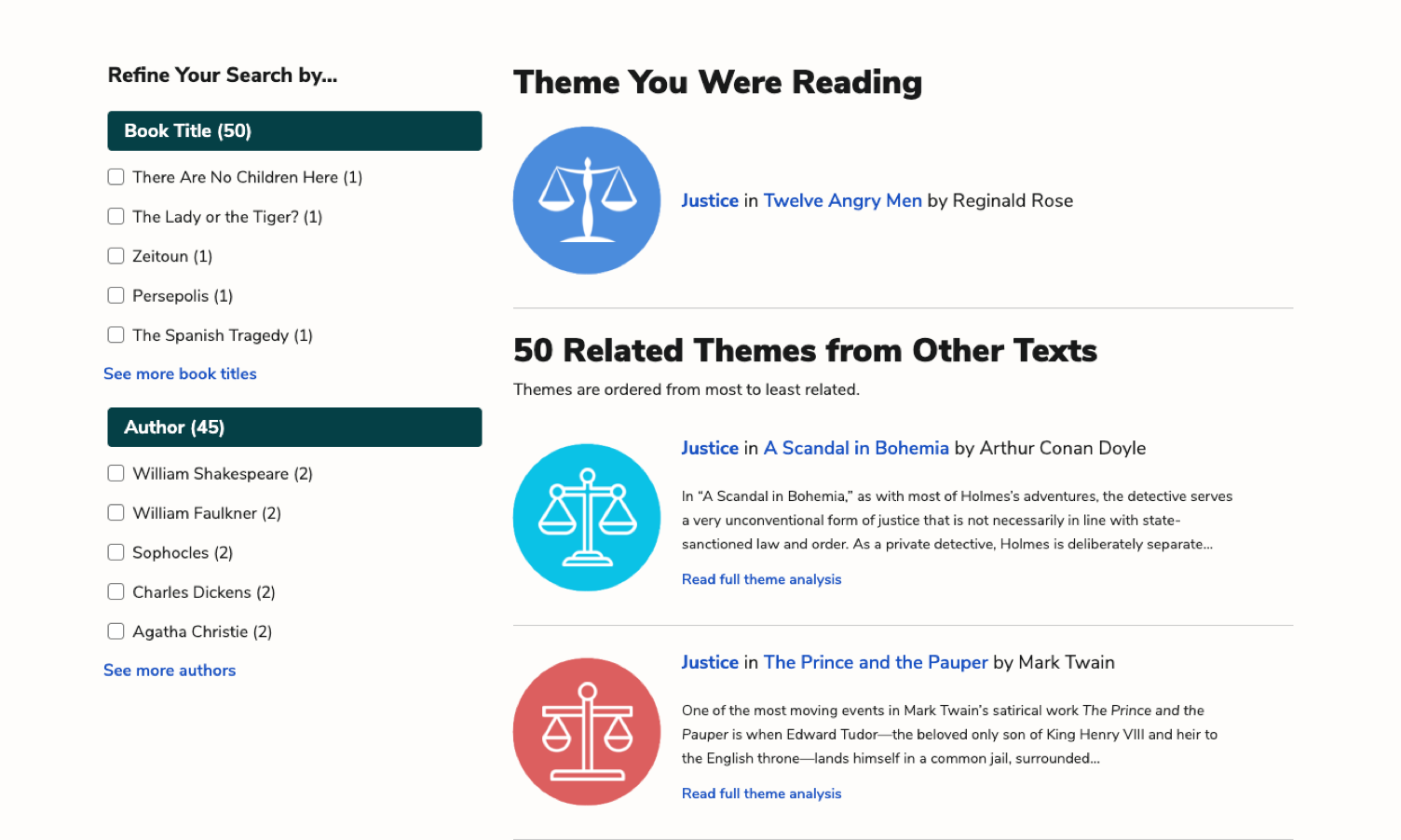
Related Themes
Comparing and contrasting texts? Find where any theme occurs across all of LitCharts in seconds.


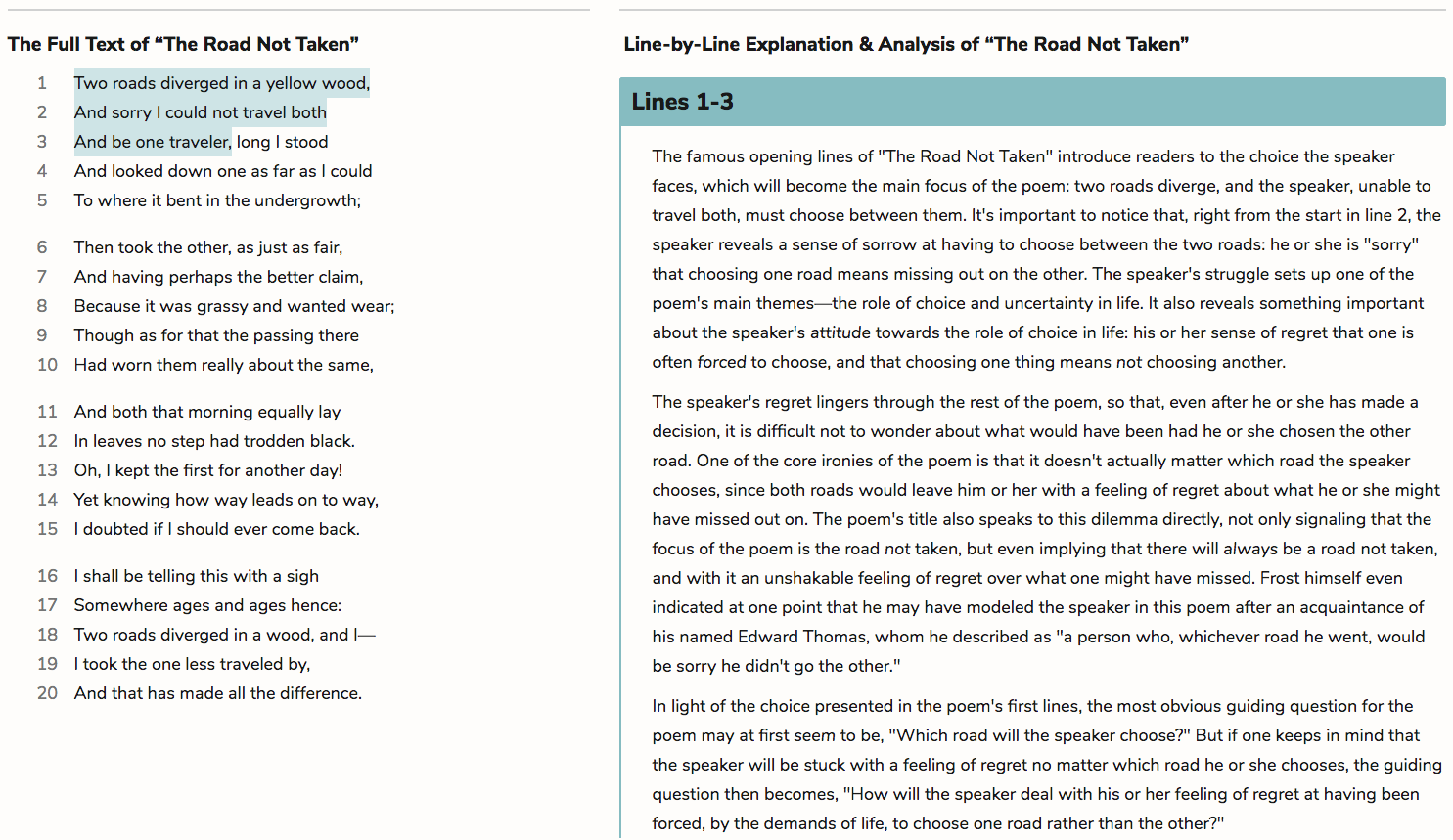
Poetry Guides
Line-by-line explanations and analysis of figurative language and poetic devices.
For every lyric poem we cover.
For every lyric poem we cover.