
|
Have questions?
Contact us
Already a member? Sign in
|
Get every literary device explanation for The Great GatsbyPlus so much more...
Sign up for LitCharts A+Get instant access to every literary device explanation, plus so much more...
Foreshadowing
Explanation and Analysis—The Car Accident:
There are several moments in the novel that foreshadow Myrtle Wilson’s death in a car accident. The first is an earlier accident that happens after one of Gatsby’s parties in Chapter 3:
Fifty feet from the door a dozen headlights illuminated a bizarre and tumultuous scene. In the ditch beside the road, right side up, but violently shorn of one wheel, rested a new coupe which had left Gatsby’s drive not two minutes before.
The wrecked car, which a drunk man has driven into a ditch, is “violently shorn of one wheel.” This foreshadows the later image of Myrtle’s “left breast [...] swinging loose like a flap” after Daisy strikes and kills Myrtle with Gatsby’s car.
More foreshadowing happens soon after this in Chapter 3, when Jordan Baker nearly hits some workers on the road but insists that preventing an accident is the pedestrian’s responsibility as well as the driver’s:
“They’ll keep out of my way,” she insisted. “It takes two to make an accident.”
This attitude echoes Daisy’s choice to drive away after hitting Myrtle rather than stopping to help her. Daisy, like Jordan, refuses to take accountability for her actions, even allowing Gatsby to take the blame for the accident.
The final instance of foreshadowing happens in Chapter 7, just before Myrtle is killed. Nick reflects on the moment when he, Tom, and Jordan drive off separately from Gatsby and Daisy:
So we drove on toward death through the cooling twilight.
This line comes just after Nick remembers that it’s his 30th birthday, and so the idea of figuratively “dr[iving] on toward death” signifies Nick grappling with his own mortality as he enters his thirties. But it can also be read as Tom, Nick, and Jordan literally “dr[iving] on toward death,” as it foreshadows the imminent car accident that the three of them are going to come across on their way back to Long Island.
All in all, then, other characters’ reckless driving and musings about mortality foreshadow Myrtle’s death in a hit-and-run, emphasizing the inevitability of death and also pessimistically suggesting that people’s carelessness can usher in death prematurely.
Monthly
Annual (Best Value)

$595USD/mo
Charged $71.40 USD every year
 Teacher
$795USD/mo
Charged $95.40 USD every year
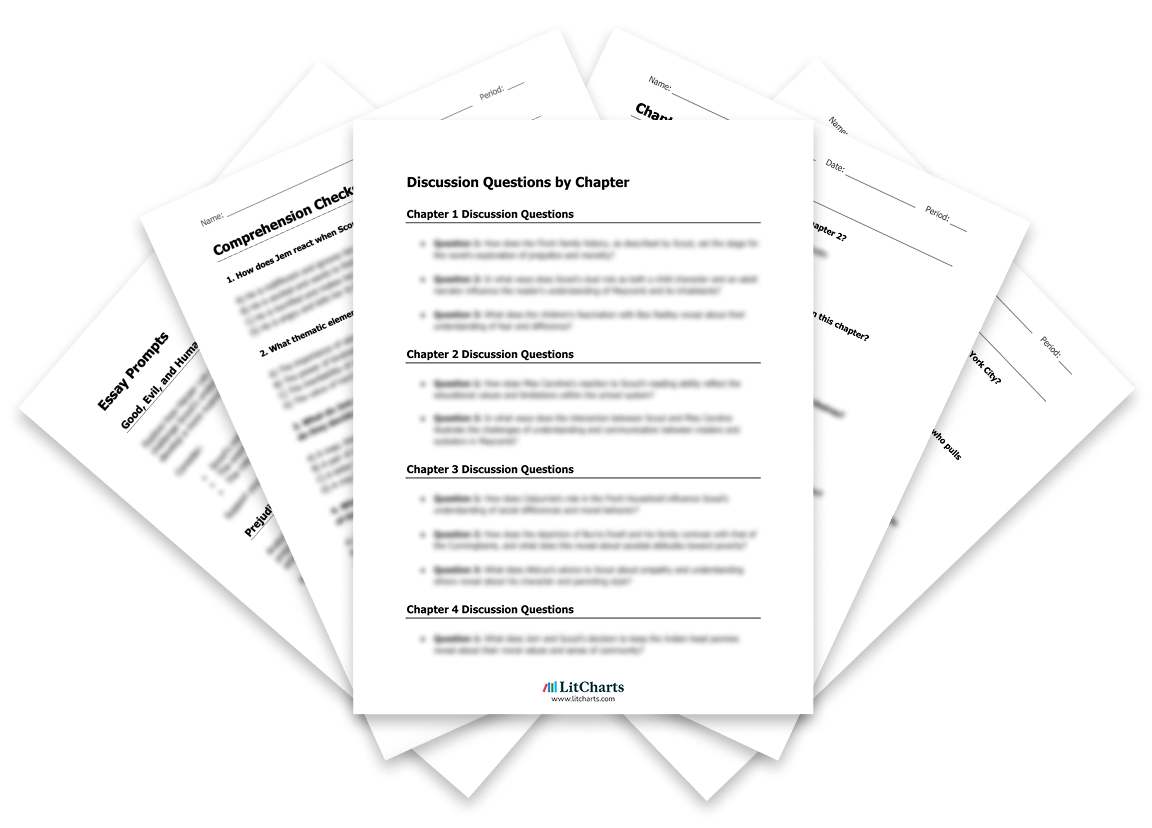
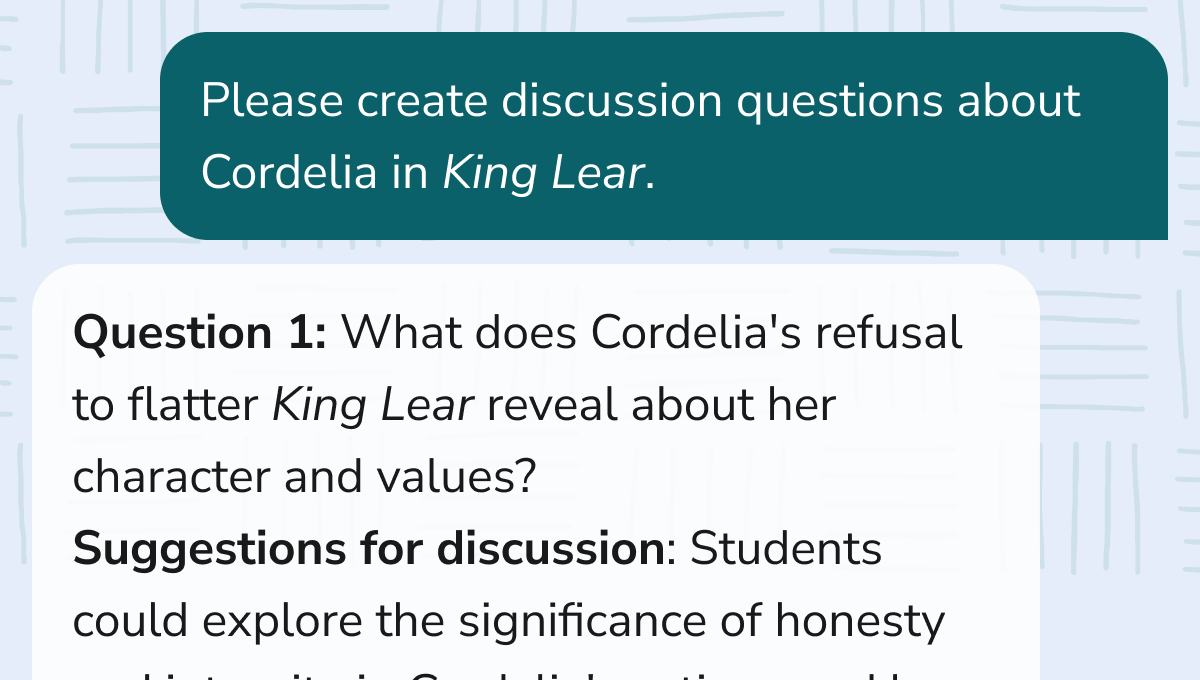
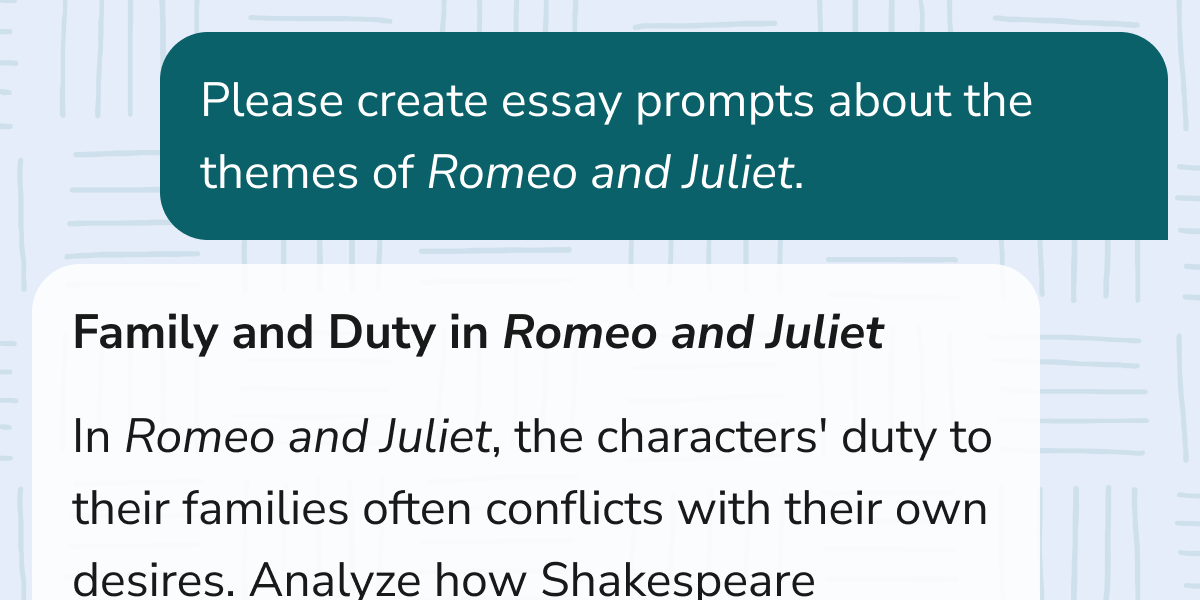
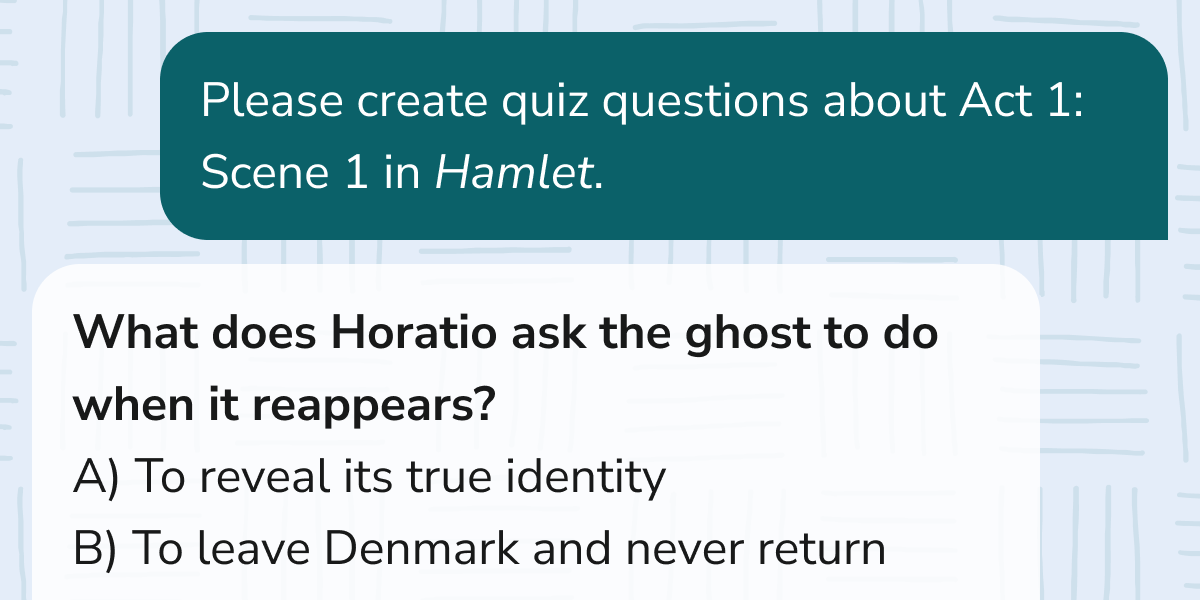


Literature Guide PDFs
LitCharts PDFs for every book you'll read this year.
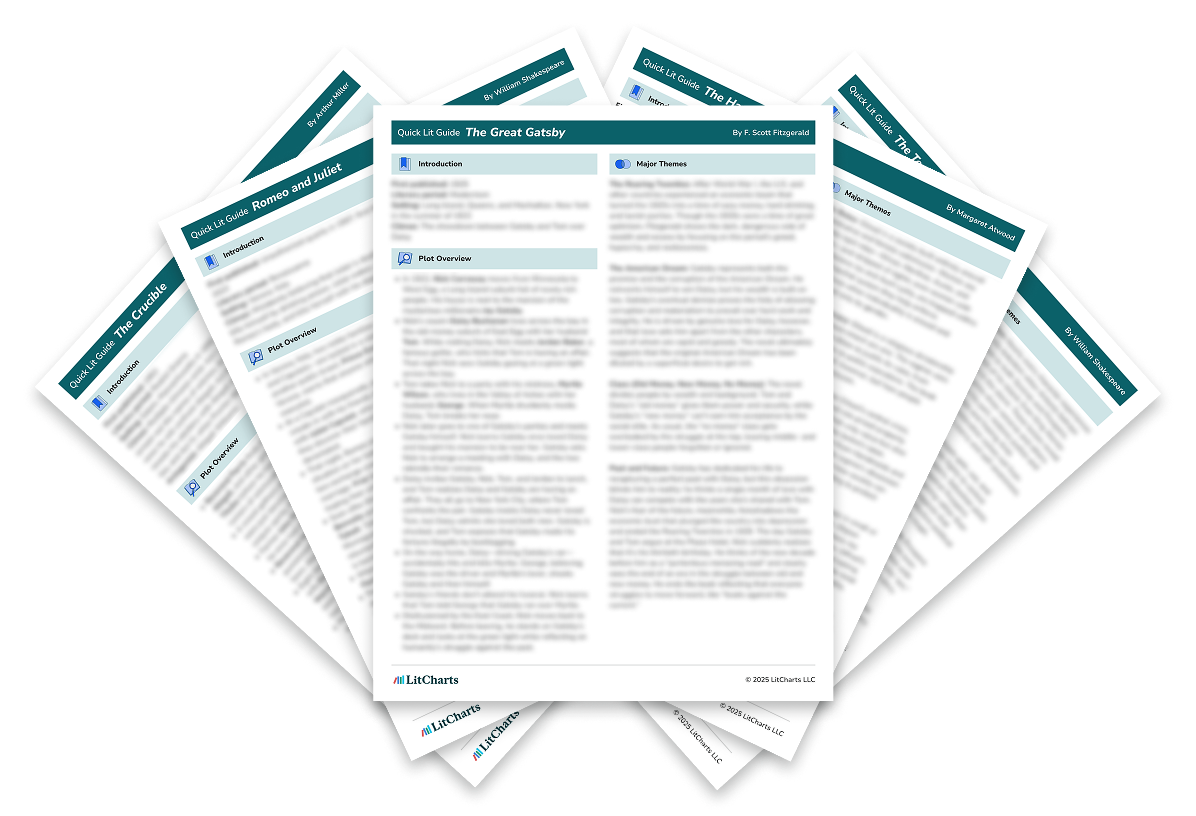
Instant PDF downloads of all 2242 LitCharts literature guides and of every new one we publish. Try a free sample literature guide.
"Would not have made it through AP Literature without the printable PDFs. They're like having in-class notes for every discussion!"







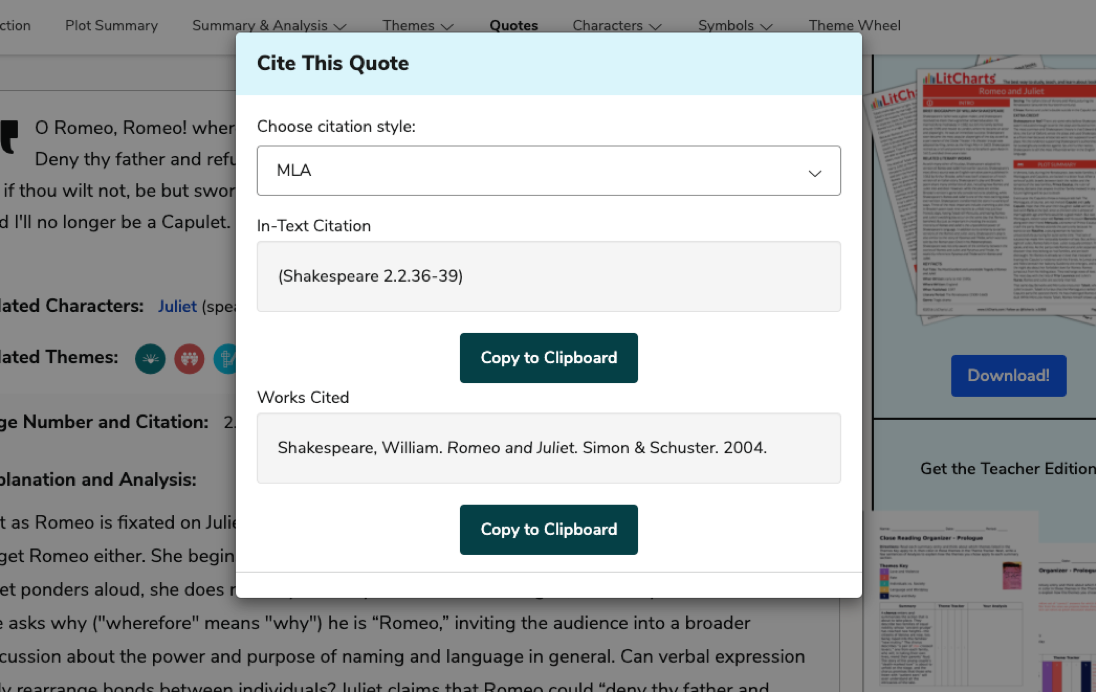
Quotes Explanations
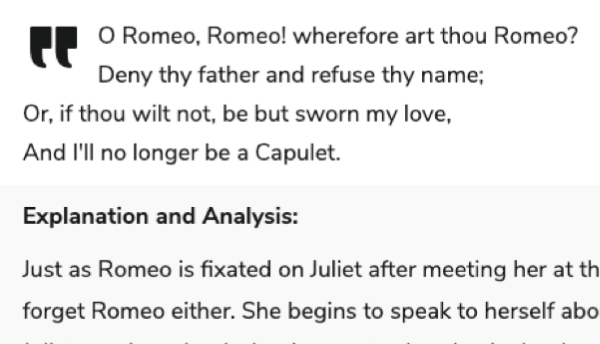
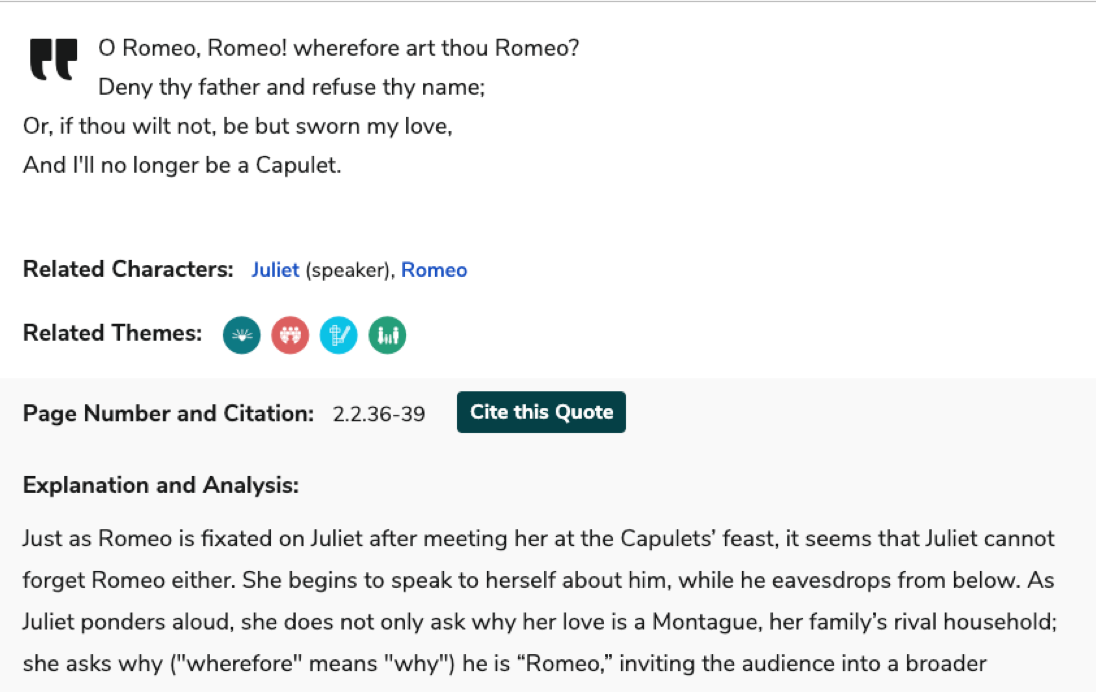
Find the perfect quote. Understand it perfectly. Then rock the citation, too.
For all 49,991 quotes we cover.
For all 49,991 quotes we cover.


Teacher Editions
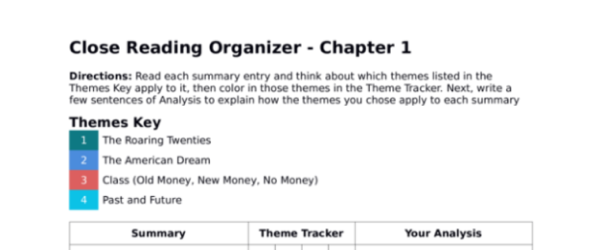
Close reading made easy for students.
Time saved for teachers.
For every book we cover.
Time saved for teachers.
For every book we cover.


Common Core-aligned


PDFs of modern translations of every one of Shakespeare's 37 plays, 154 sonnets, and 3 longer poems.

Literary Terms and Devices
Definitions and examples for every literary term and device you need to know.
Plus a quick-reference PDF with concise definitions of all 136 terms in one place.
Plus a quick-reference PDF with concise definitions of all 136 terms in one place.
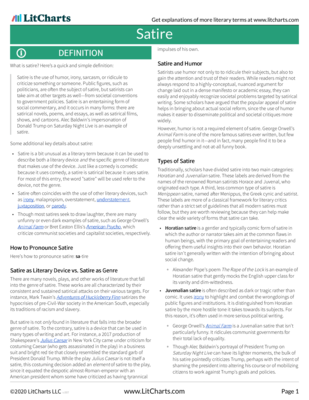
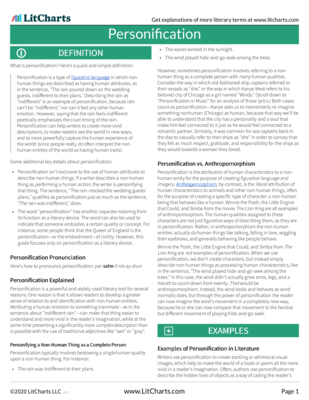
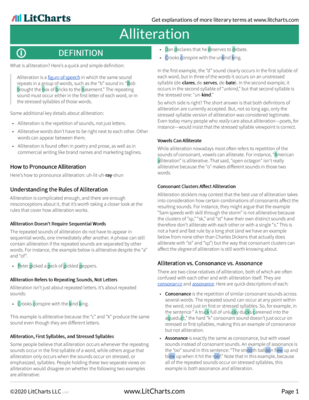
Try a free sample literary term PDF.


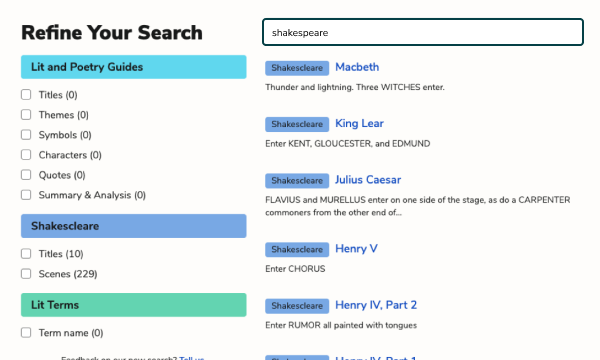
Advanced Search
Refine any search. Find related themes, quotes, symbols, characters, and more.
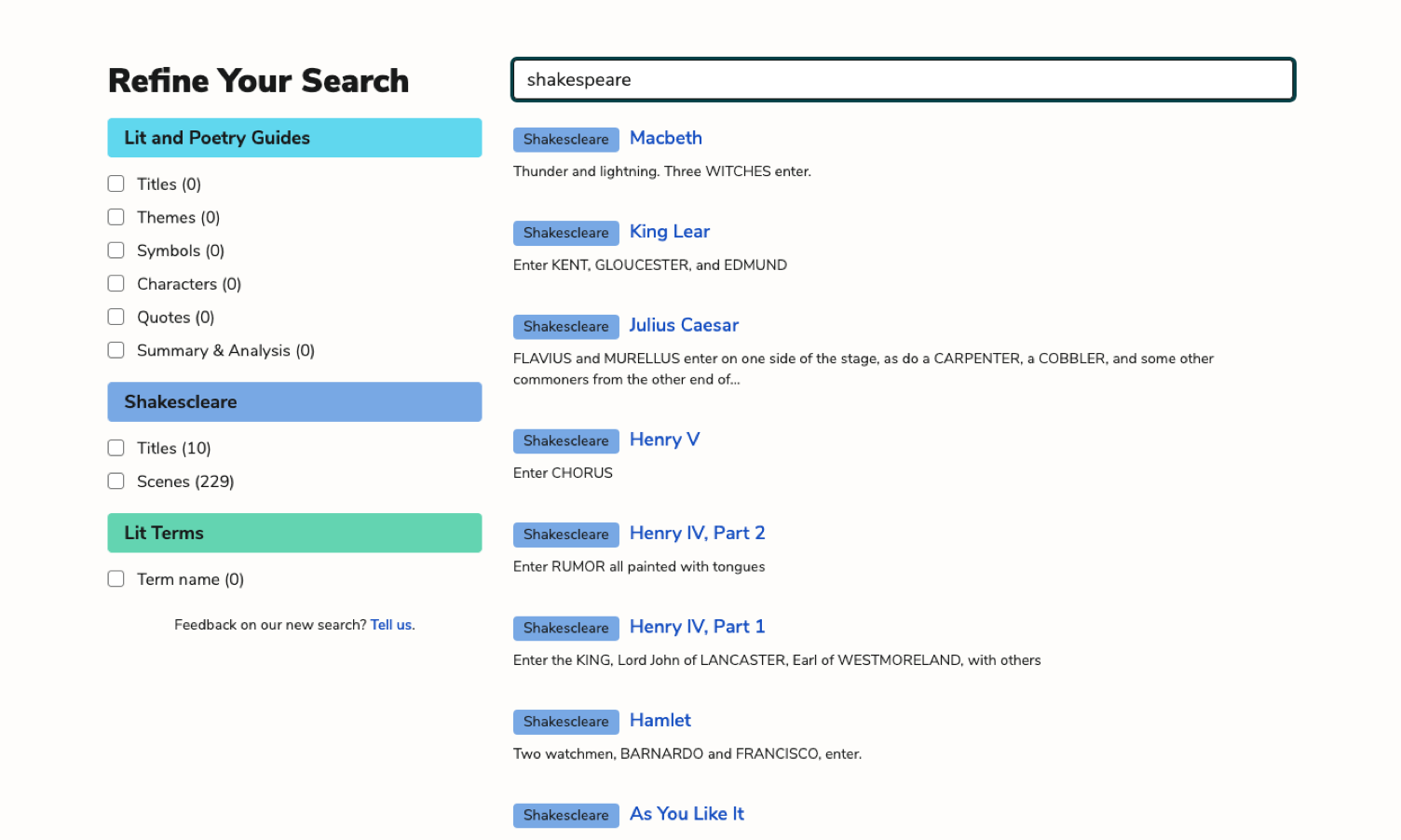

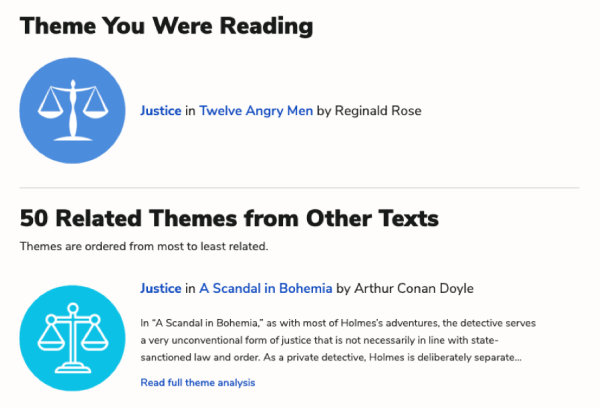
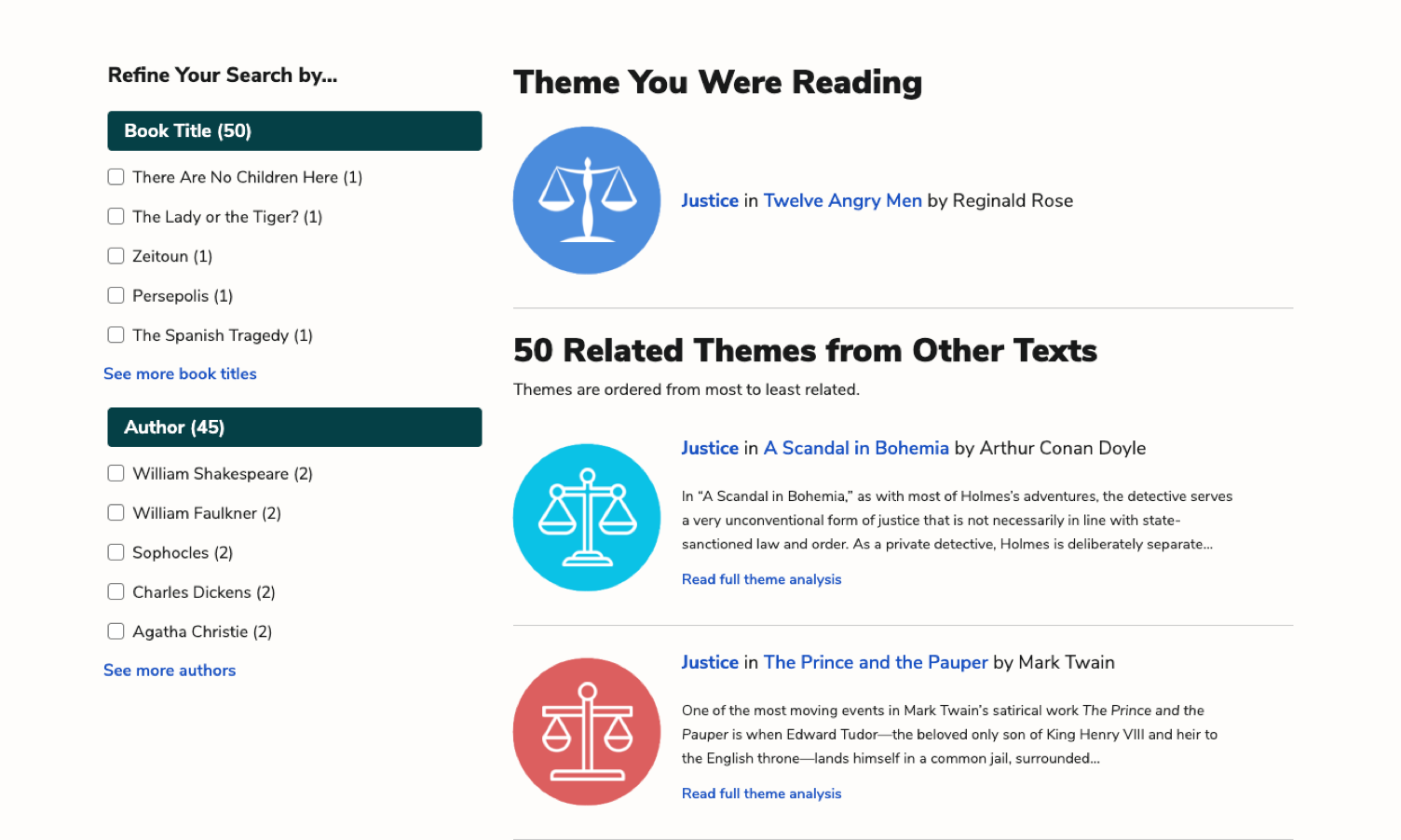
Related Themes
Comparing and contrasting texts? Find where any theme occurs across all of LitCharts in seconds.


Poetry Guides
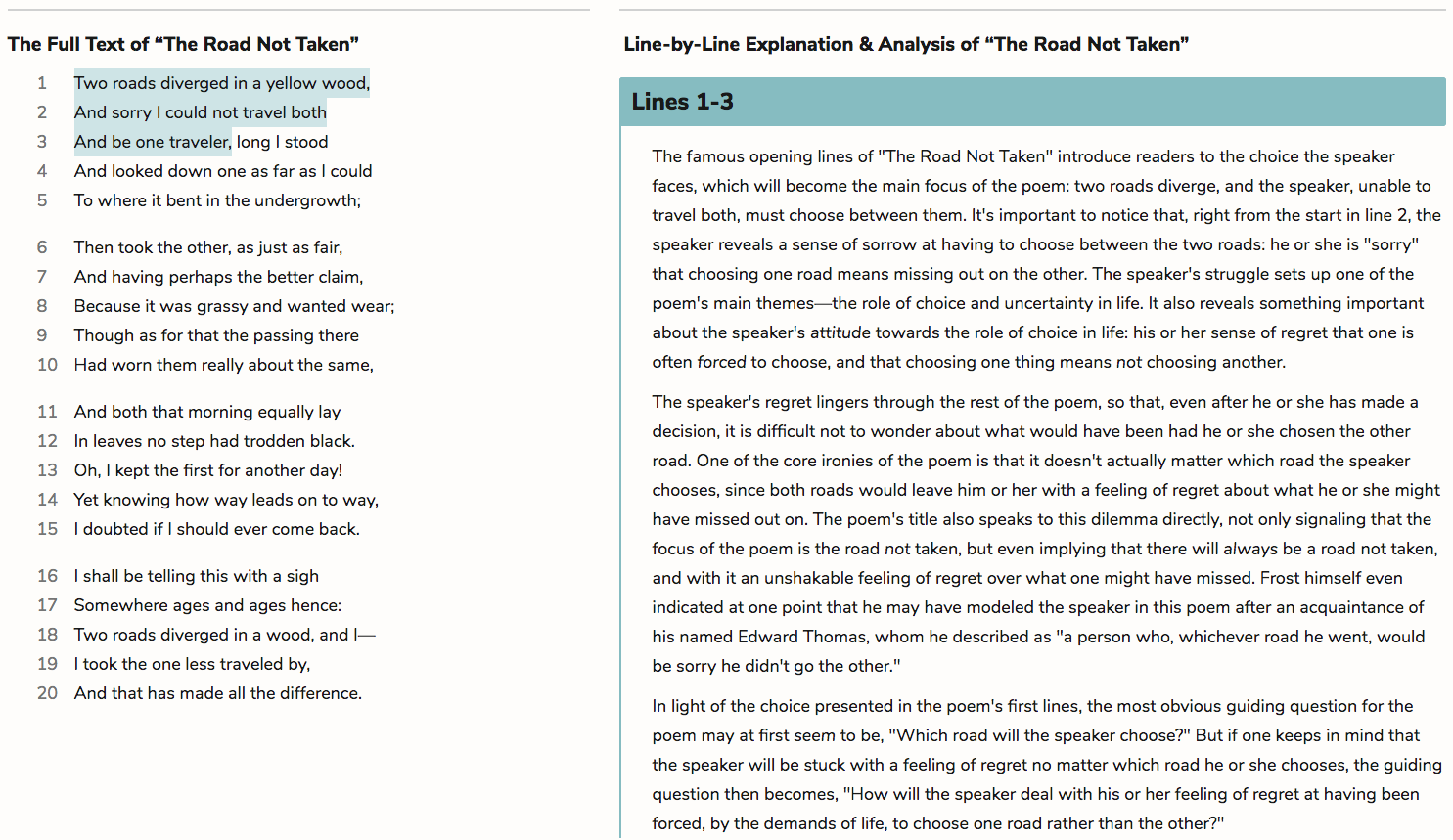
Line-by-line explanations and analysis of figurative language and poetic devices.
For every lyric poem we cover.
For every lyric poem we cover.