


|
Have questions?
Contact us
Already a member? Sign in
|
Get every literary device explanation for The Three MusketeersPlus so much more...
Sign up for LitCharts A+Get instant access to every literary device explanation, plus so much more...
Foreshadowing
Explanation and Analysis—Servants and Women:
In Chapter 7, the musketeers disturbingly advise d'Artagnan to find a way to control Planchet, who has been refusing to work when d'Artagnan doesn't have the money to pay him. Porthos uses an especially troubling simile that foreshadows the main conflict of the novel:
"[...] But I have neither money nor social standing, I’m not a musketeer or even a guard—what can I do to arouse Planchet’s fear, respect, or affection?”
“It’s a serious problem,” said Porthos. “Servants are like women: they must be quickly taught to behave as you want them to. Think it over and try to find a solution.”
Porthos compares servants to women because, according to his logic, both need to be "taught to behave as you want them to." The solution d'Artagnan comes to is beating Planchet as "advance payment" until he comes into real money again. Dumas seems to intend this exchange as a comical moment, but it also demonstrates the cruelty d'Artagnan is learning to embrace as a means to power among the musketeers. Instead of accepting that Planchet will only be able to work for him when d'Artagnan can give him wages, d'Artagnan insists that he must find a way to subject Planchet to his will permanently. It is not just domestic work Planchet provides for d'Artagnan; clearly, he also gives him a sense of superiority and upward mobility by remaining permanently "beneath" the young Gascon.
Porthos frames the power that servants offer to their bosses in terms of the power women offer to men. In this framework, women are objects to be controlled so that they don't run amok and "misbehave." Unfortunately, this has been a widely-held viewpoint for much of history, so it serves as a clarifying frame of reference for what Porthos is trying to say about the importance of controlling servants' behavior. But the main antagonist of the novel will turn out to be Milady, a woman who both Athos and d'Artagnan fail to "control." Porthos's advice thus proves important not only in d'Artagnan's relationship with Planchet, but also in the overall plot (as misogynistic as it is).
Monthly
Annual (Best Value)

$595USD/mo
Charged $71.40 USD every year





 Teacher
$795USD/mo
Charged $95.40 USD every year




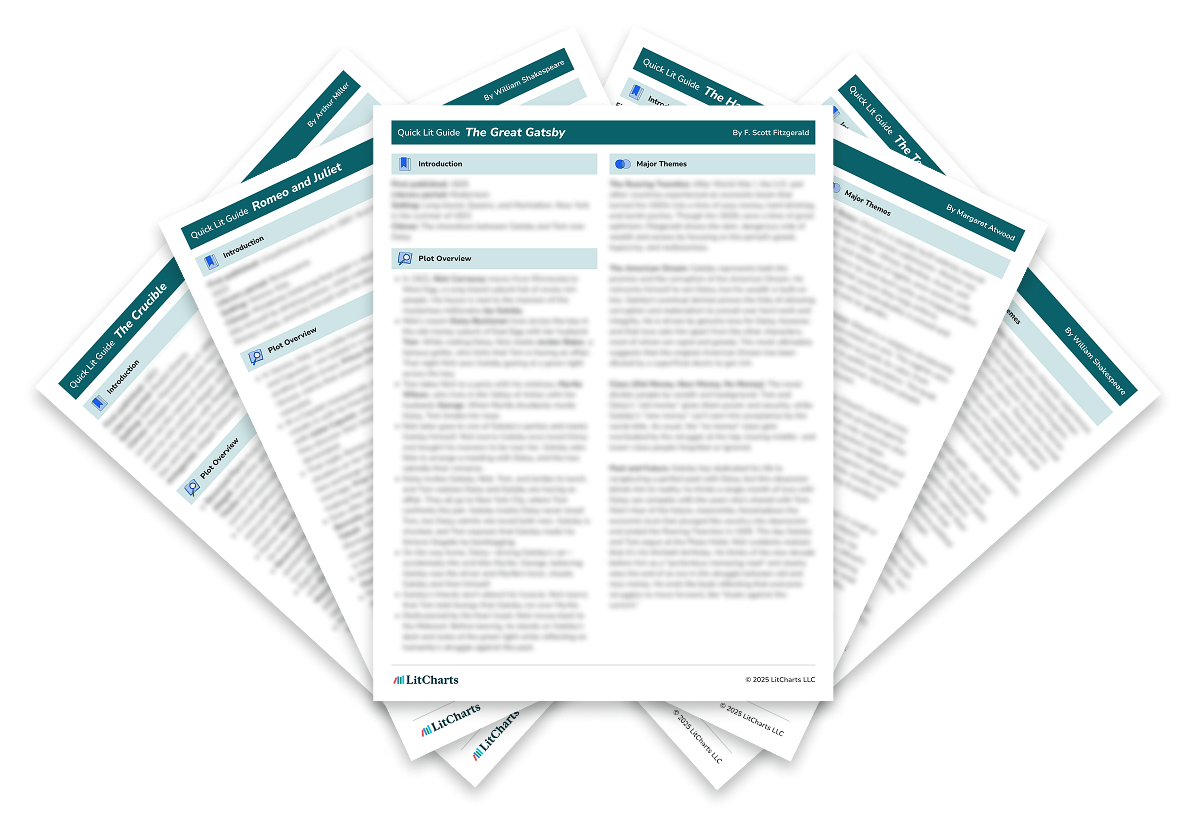
Literature Guide PDFs
LitCharts PDFs for every book you'll read this year.
Instant PDF downloads of all 2240 LitCharts literature guides and of every new one we publish. Try a free sample literature guide.
"Would not have made it through AP Literature without the printable PDFs. They're like having in-class notes for every discussion!"




Quotes Explanations
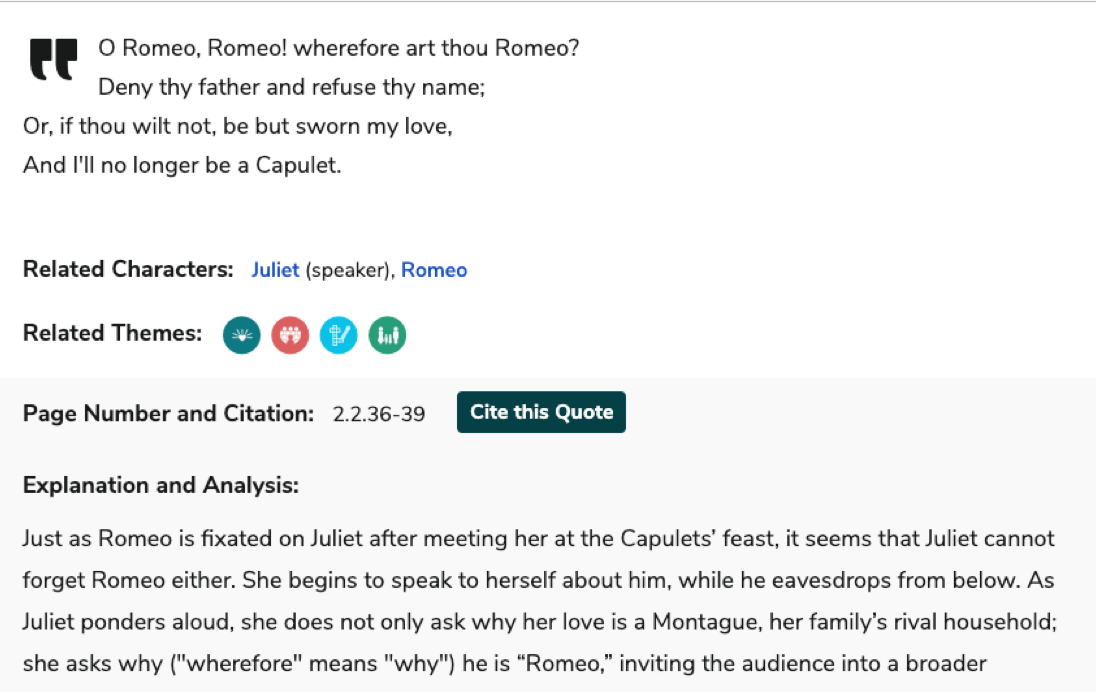
Find the perfect quote. Understand it perfectly. Then rock the citation, too.
For all 49,945 quotes we cover.
For all 49,945 quotes we cover.



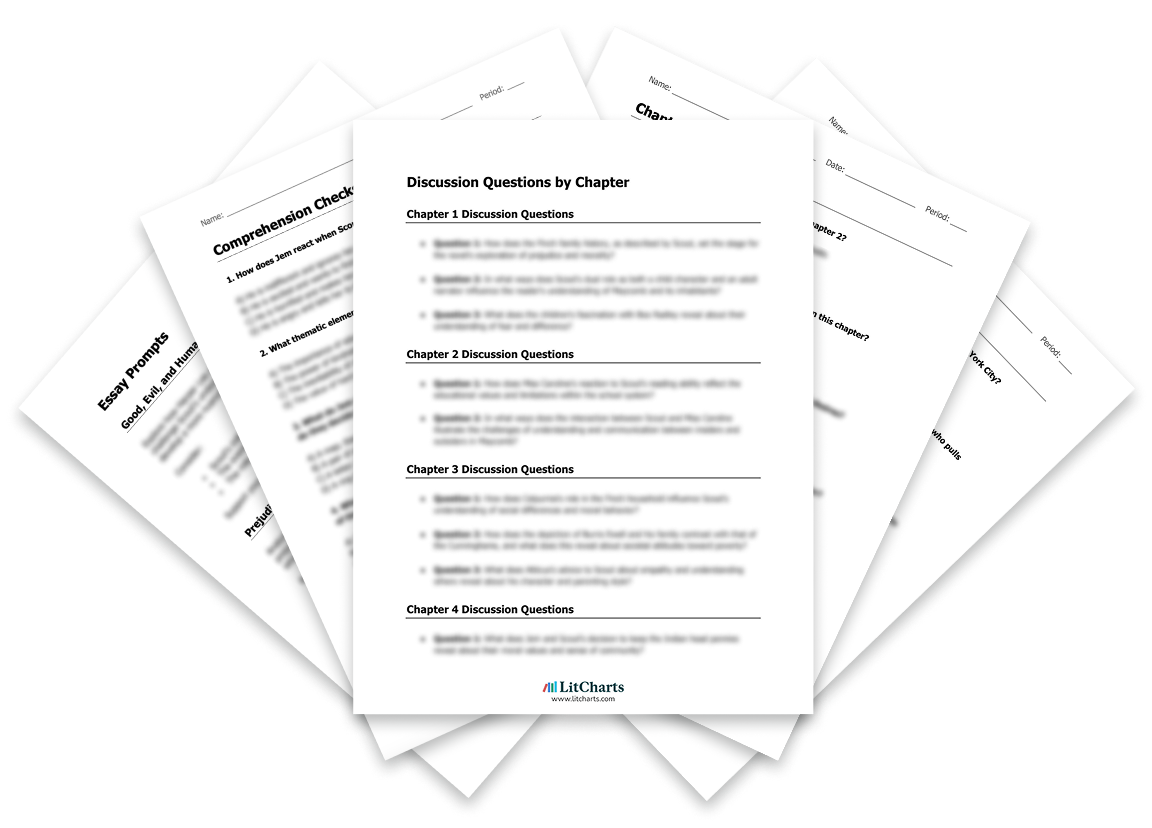
Teacher Editions
Close reading made easy for students.
Time saved for teachers.
For every book we cover.
Time saved for teachers.
For every book we cover.


Common Core-aligned


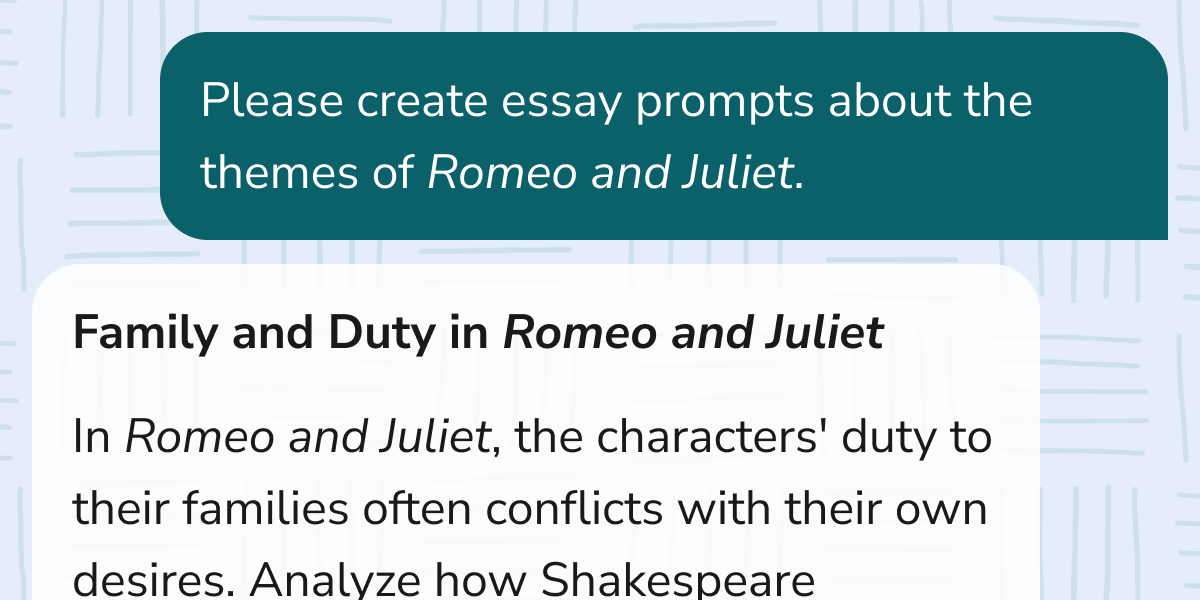
PDFs of modern translations of every one of Shakespeare's 37 plays, 154 sonnets, and 3 longer poems.

Literary Terms and Devices
Definitions and examples for every literary term and device you need to know.
Plus a quick-reference PDF with concise definitions of all 136 terms in one place.
Plus a quick-reference PDF with concise definitions of all 136 terms in one place.


Try a free sample literary term PDF.


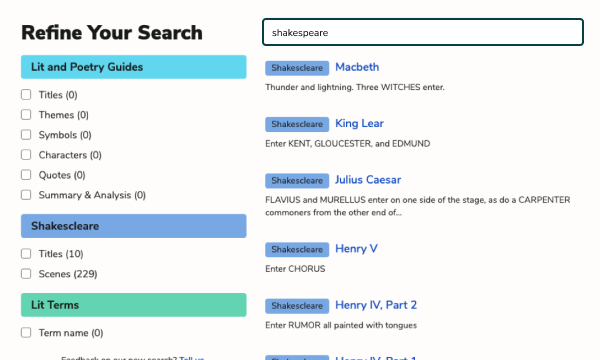
Advanced Search
Refine any search. Find related themes, quotes, symbols, characters, and more.


Related Themes
Comparing and contrasting texts? Find where any theme occurs across all of LitCharts in seconds.



Poetry Guides
Line-by-line explanations and analysis of figurative language and poetic devices.
For every lyric poem we cover.
For every lyric poem we cover.
