


|
Have questions?
Contact us
Already a member? Sign in
|
Get every literary device explanation for The Three MusketeersPlus so much more...
Sign up for LitCharts A+Get instant access to every literary device explanation, plus so much more...
Foreshadowing
Explanation and Analysis—Red Cloak:
At the start of Chapter 51, the cardinal worries about what has happened to Milady (she has been detained by Lord de Winter). As he reflects on his relationship with her, Dumas uses a metaphor that also foreshadows Milady's demise:
Even so, he still counted on her. He had guessed that in her past there were terrible things that only his red cloak could cover, but he felt that she would be loyal to him because only he was powerful enough to protect her from the danger that threatened her.
The cardinal does not mean to protect Milady by physically covering her with his cloak. Instead, what Dumas means is that the cardinal imagines that he will have to use his position of power within the church and the government to protect her from the consequences of her past crimes. The red cloak, which he wears as part of his uniform, is a metaphor for that power.
But while the cardinal is ready to use his "red cloak" to protect his operative no matter what her past crimes are, there are other powerful people who are determined to see her punished. One is Lord de Winter, who currently has her in custody. The red cloak in particular foreshadows the appearance of another figure in a red cloak: the executioner. Milady drove the executioner's brother to crime, and he later died by suicide. When Athos invites the executioner to join him and his friends in their final pursuit of Milady, the executioner is all too ready to don his red cloak and join the hunt. It is this red-cloaked man who swings the sword to behead Milady in Chapter 66. The twin red cloaks suggest that the cardinal's power is outmatched by the determination and fellowship of the men determined to bring Milady to justice (or their version of it) for her past crimes.
Monthly
Annual (Best Value)

$595USD/mo
Charged $71.40 USD every year





 Teacher
$795USD/mo
Charged $95.40 USD every year




Literature Guide PDFs
LitCharts PDFs for every book you'll read this year.
Instant PDF downloads of all 2240 LitCharts literature guides and of every new one we publish. Try a free sample literature guide.
"Would not have made it through AP Literature without the printable PDFs. They're like having in-class notes for every discussion!"




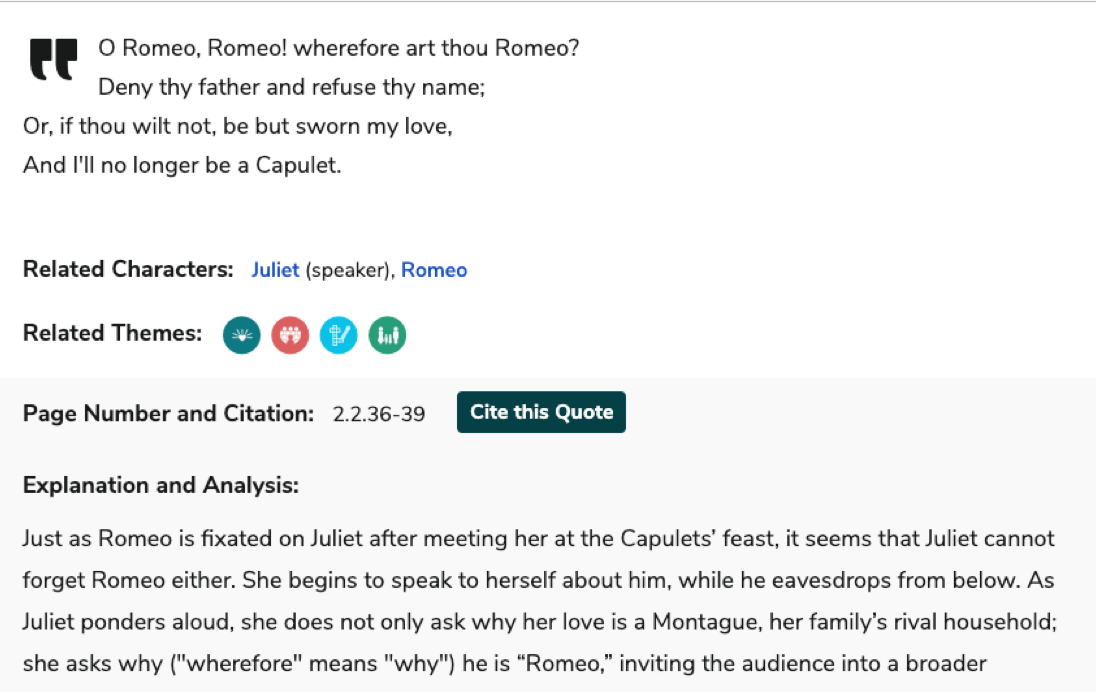
Quotes Explanations
Find the perfect quote. Understand it perfectly. Then rock the citation, too.
For all 49,945 quotes we cover.
For all 49,945 quotes we cover.



Teacher Editions
Close reading made easy for students.
Time saved for teachers.
For every book we cover.
Time saved for teachers.
For every book we cover.


Common Core-aligned


PDFs of modern translations of every one of Shakespeare's 37 plays, 154 sonnets, and 3 longer poems.

Literary Terms and Devices
Definitions and examples for every literary term and device you need to know.
Plus a quick-reference PDF with concise definitions of all 136 terms in one place.
Plus a quick-reference PDF with concise definitions of all 136 terms in one place.


Try a free sample literary term PDF.


Advanced Search
Refine any search. Find related themes, quotes, symbols, characters, and more.


Related Themes
Comparing and contrasting texts? Find where any theme occurs across all of LitCharts in seconds.



Poetry Guides
Line-by-line explanations and analysis of figurative language and poetic devices.
For every lyric poem we cover.
For every lyric poem we cover.
