
|
Have questions?
Contact us
Already a member? Sign in
|
Get every literary device explanation for Flowers for Algernon
Plus so much more...
Sign up for LitCharts A+
Get instant access to every literary device explanation, plus so much more...
Hyperbole
Explanation and Analysis—Surveying the Land:
Keyes uses hyperbole and visual imagery in this passage to capture Charlie’s awareness that his intelligence stands at a dangerous turning point. Charlie describes feeling that everything around him is holding still as he waits for the coming change to arrive.
Everything around me is waiting. I dream of being alone on the top of a mountain, surveying the land around me, greens and yellows—and the sun directly above, pressing my shadow into a tight ball around my legs. As the sun drops into the afternoon sky, the shadow undrapes itself and stretches out toward the horizon, long and thin, and far behind me. . .
Charlie’s voice is full of hyperbole here, beginning with the phrase “everything around me is waiting.” His words create a self-important sense that the entire world is also waiting in suspense to see what will happen to him. The sun “pressing [his] shadow into a tight ball” also overstates the physical sensation of warmth he feels in the dream. The pressure of everything around him matches the pressure Charlie feels at this peak in his intelligence after the operation. He feels he's the most intelligent being in the world.
The author also relies on visual imagery here to turn Charlie’s emotional landscape into a physical one. Charlie's dream of being alone on the top of a mountain, with “greens and yellows” stretching out below, draws a clear picture of an isolated, godlike Charlie observing everything from a distance. He stands apart from the world. His own shadow, which “undrapes itself and stretches out toward the horizon,” also lets the reader feel Charlie’s sense of an ending approaching. He’s concerned—correctly—that his time on the top of the mountain will not last forever and is nervous for the shadows below.
Monthly
Annual (Best Value)

$595USD/mo
Charged $71.40 USD every year
 Teacher
$795USD/mo
Charged $95.40 USD every year
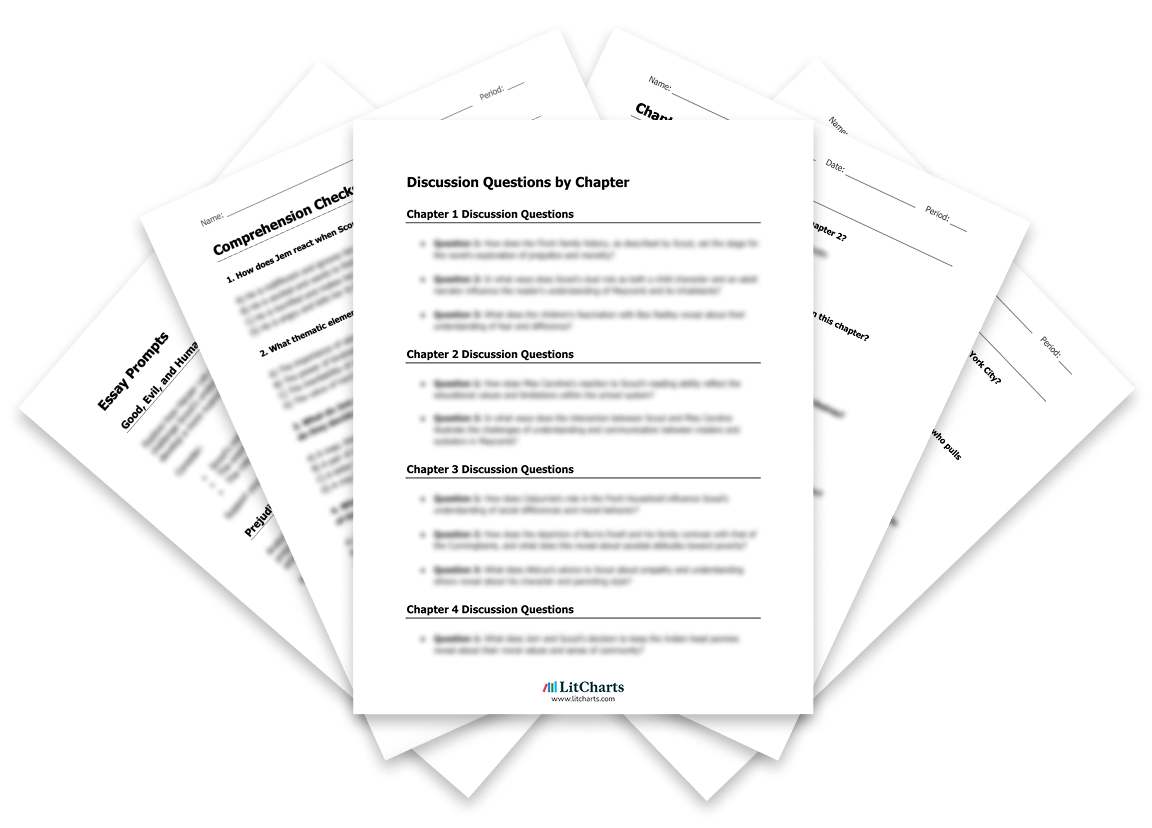


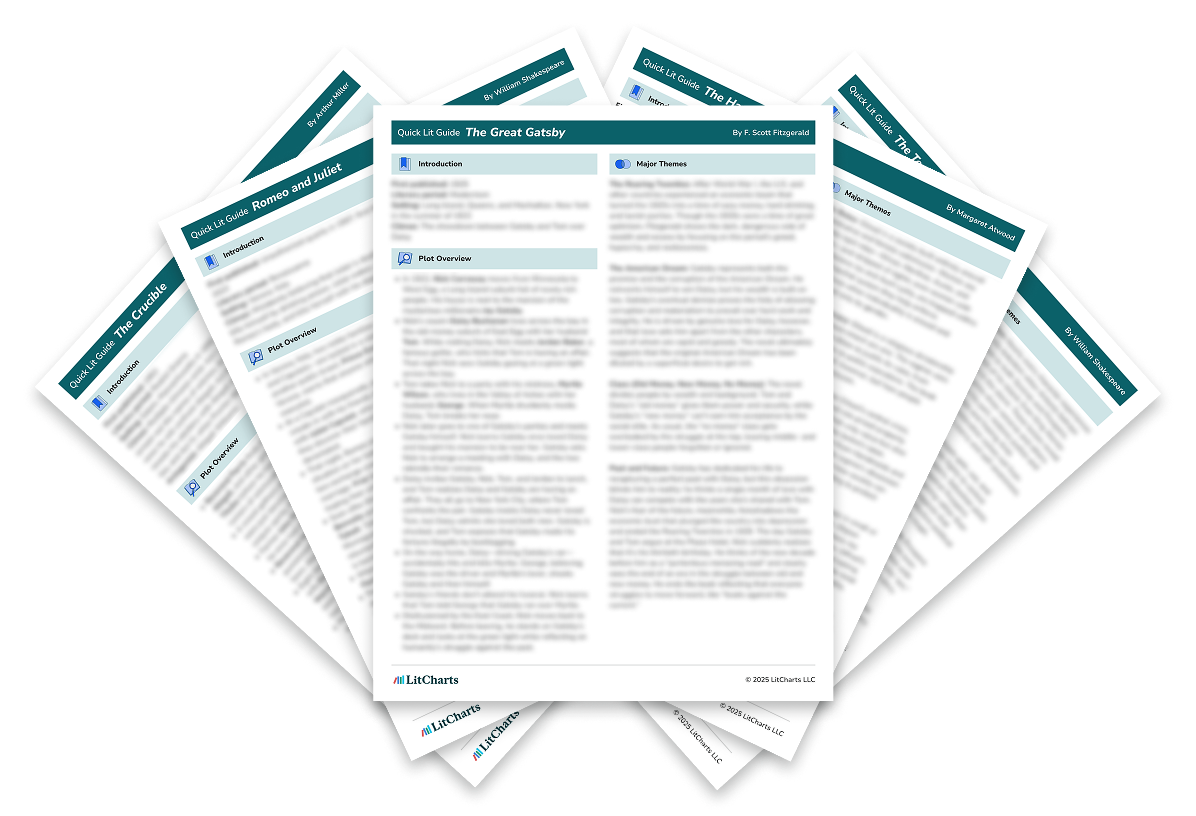
Literature Guide PDFs
LitCharts PDFs for every book you'll read this year.
Instant PDF downloads of all 2256 LitCharts literature guides and of every new one we publish. Try a free sample literature guide.
"Would not have made it through AP Literature without the printable PDFs. They're like having in-class notes for every discussion!"



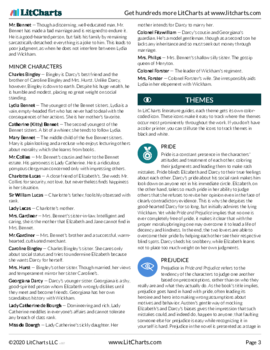
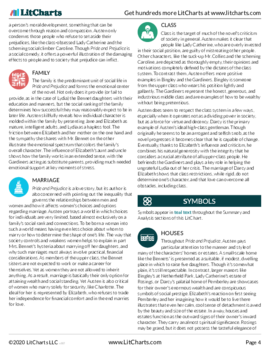
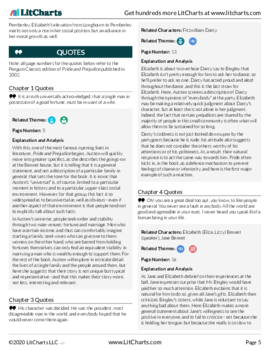
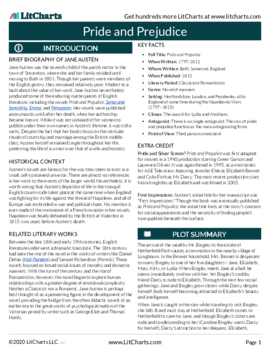


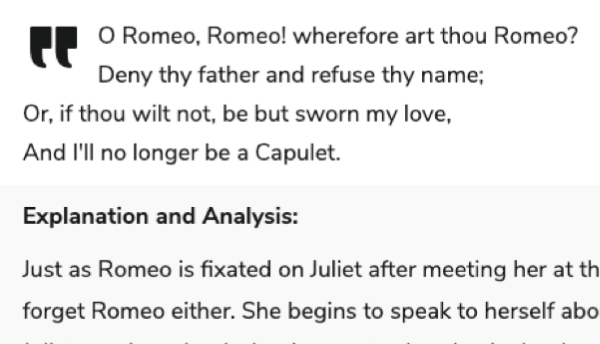
Quotes Explanations
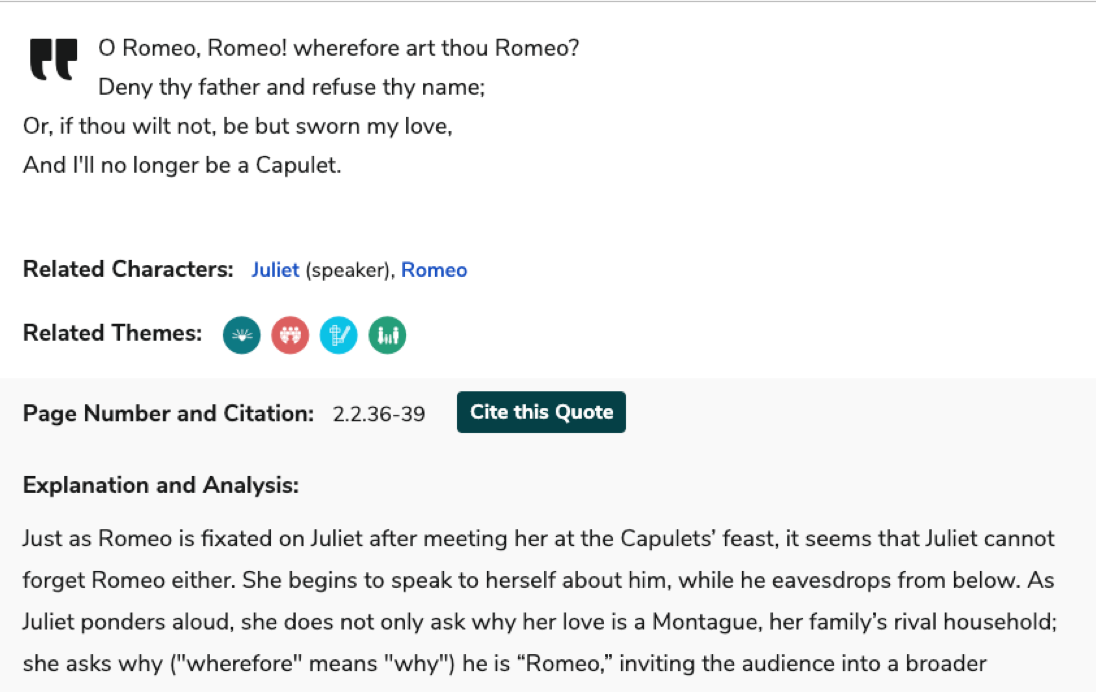
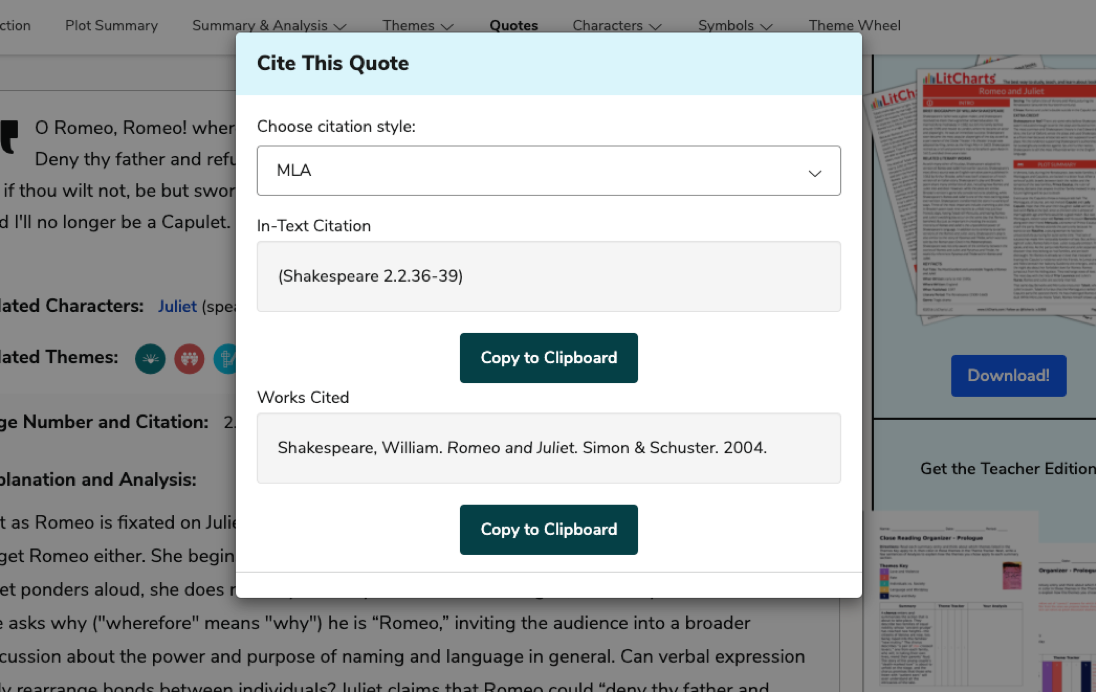
Find the perfect quote. Understand it perfectly. Then rock the citation, too.
For all 50,308 quotes we cover.
For all 50,308 quotes we cover.
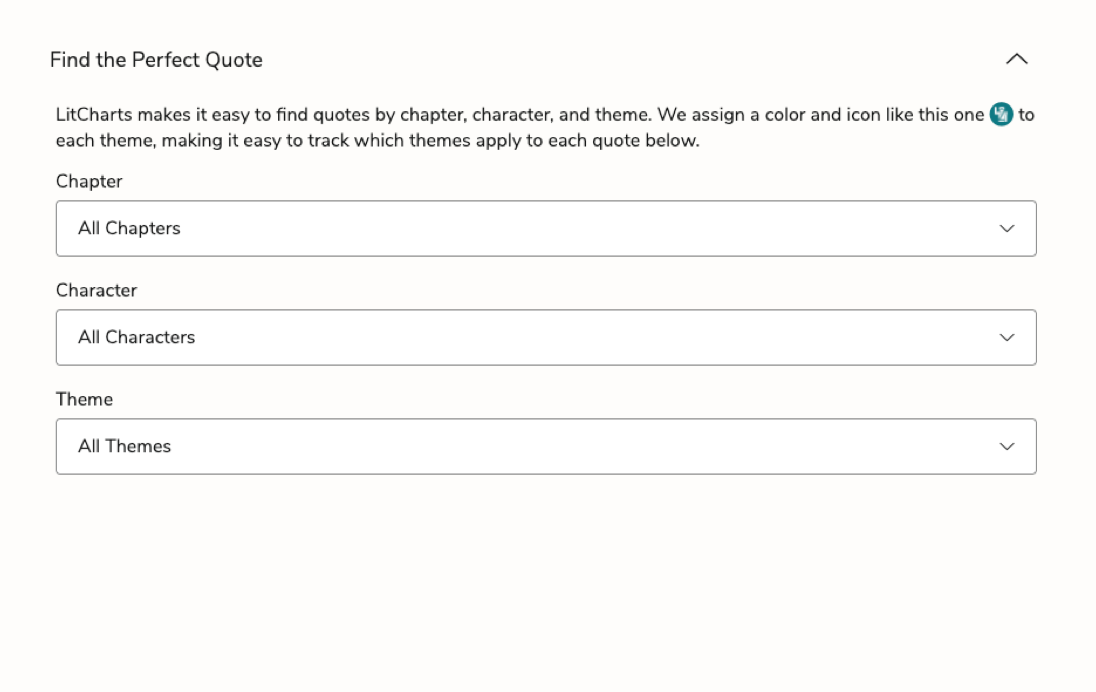


Teacher Editions
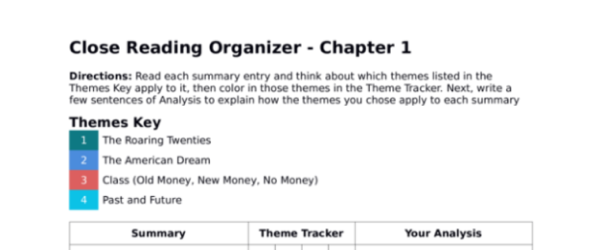
Close reading made easy for students.
Time saved for teachers.
For every book we cover.
Time saved for teachers.
For every book we cover.


Common Core-aligned


PDFs of modern translations of every one of Shakespeare's 37 plays, 154 sonnets, and 3 longer poems.

Literary Terms and Devices
Definitions and examples for every literary term and device you need to know.
Plus a quick-reference PDF with concise definitions of all 136 terms in one place.
Plus a quick-reference PDF with concise definitions of all 136 terms in one place.
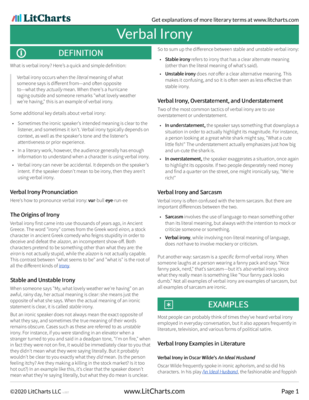
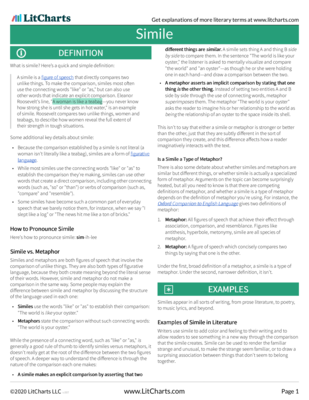
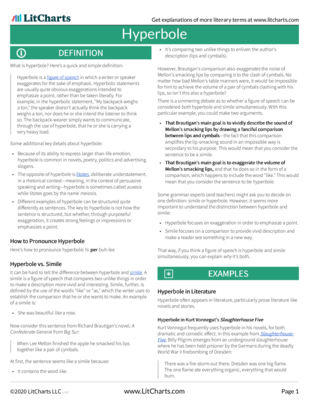
Try a free sample literary term PDF.


Advanced Search
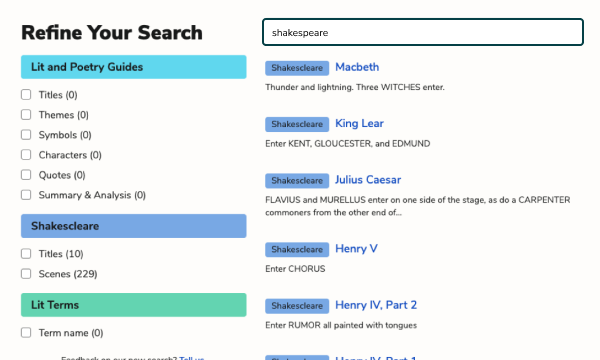
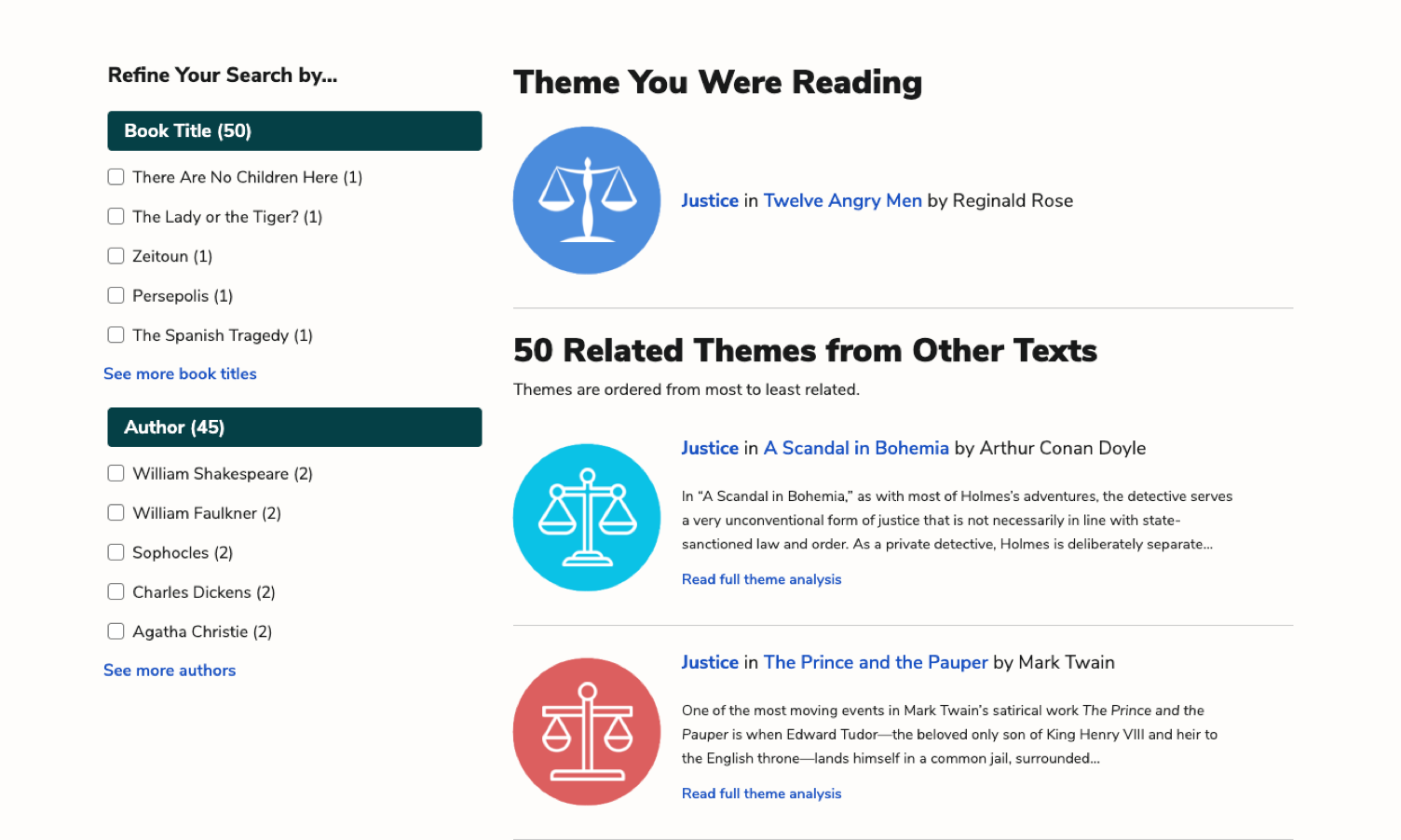
Refine any search. Find related themes, quotes, symbols, characters, and more.
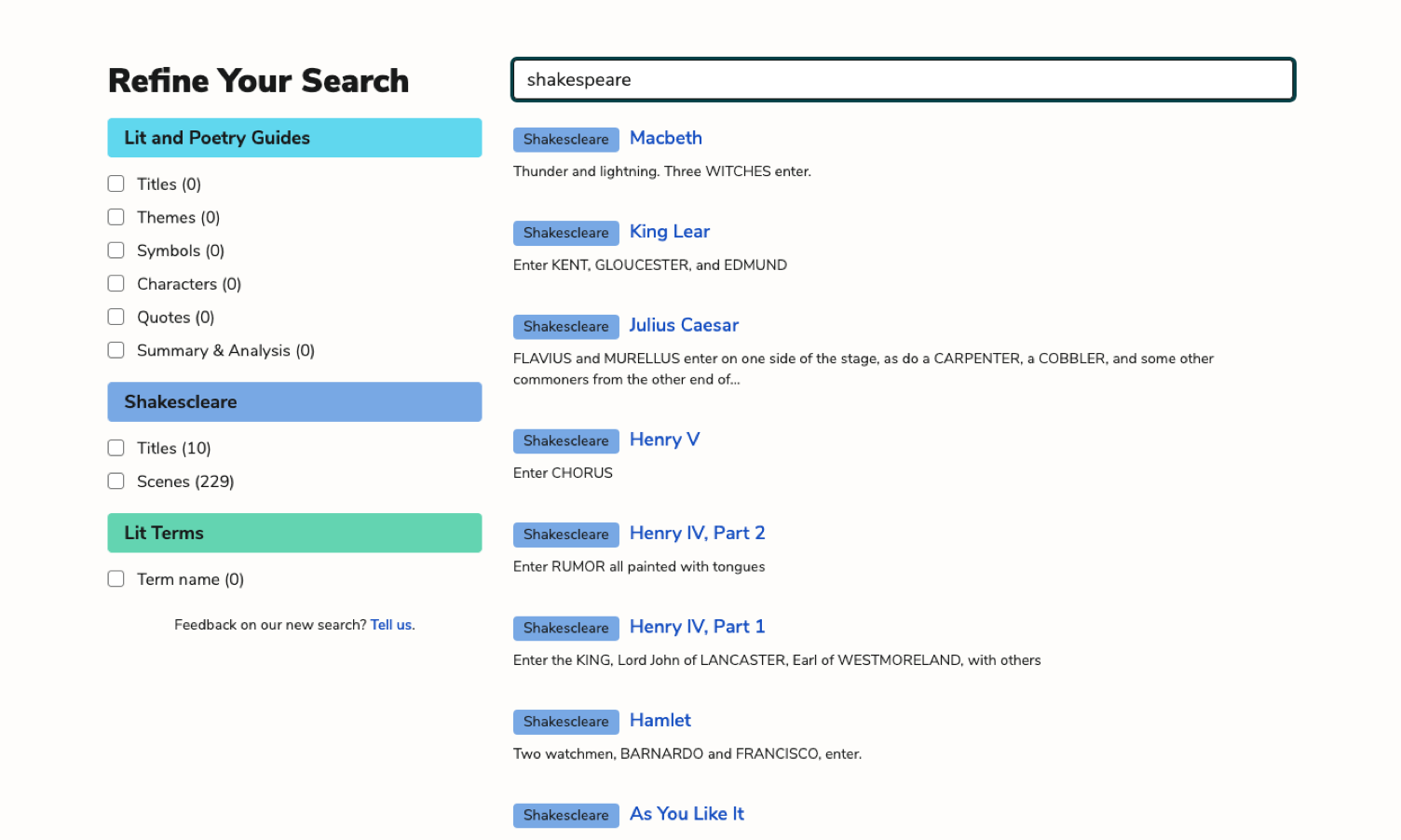
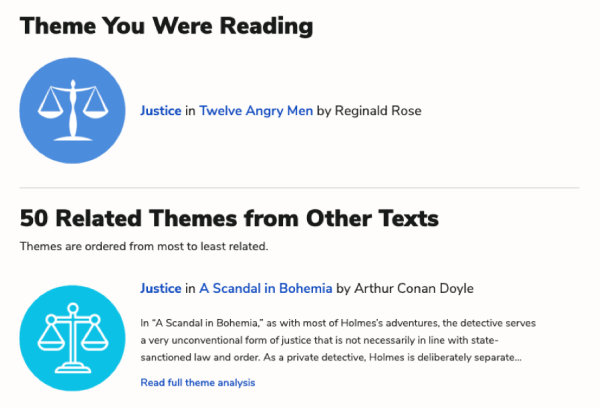
Related Themes
Comparing and contrasting texts? Find where any theme occurs across all of LitCharts in seconds.


Poetry Guides
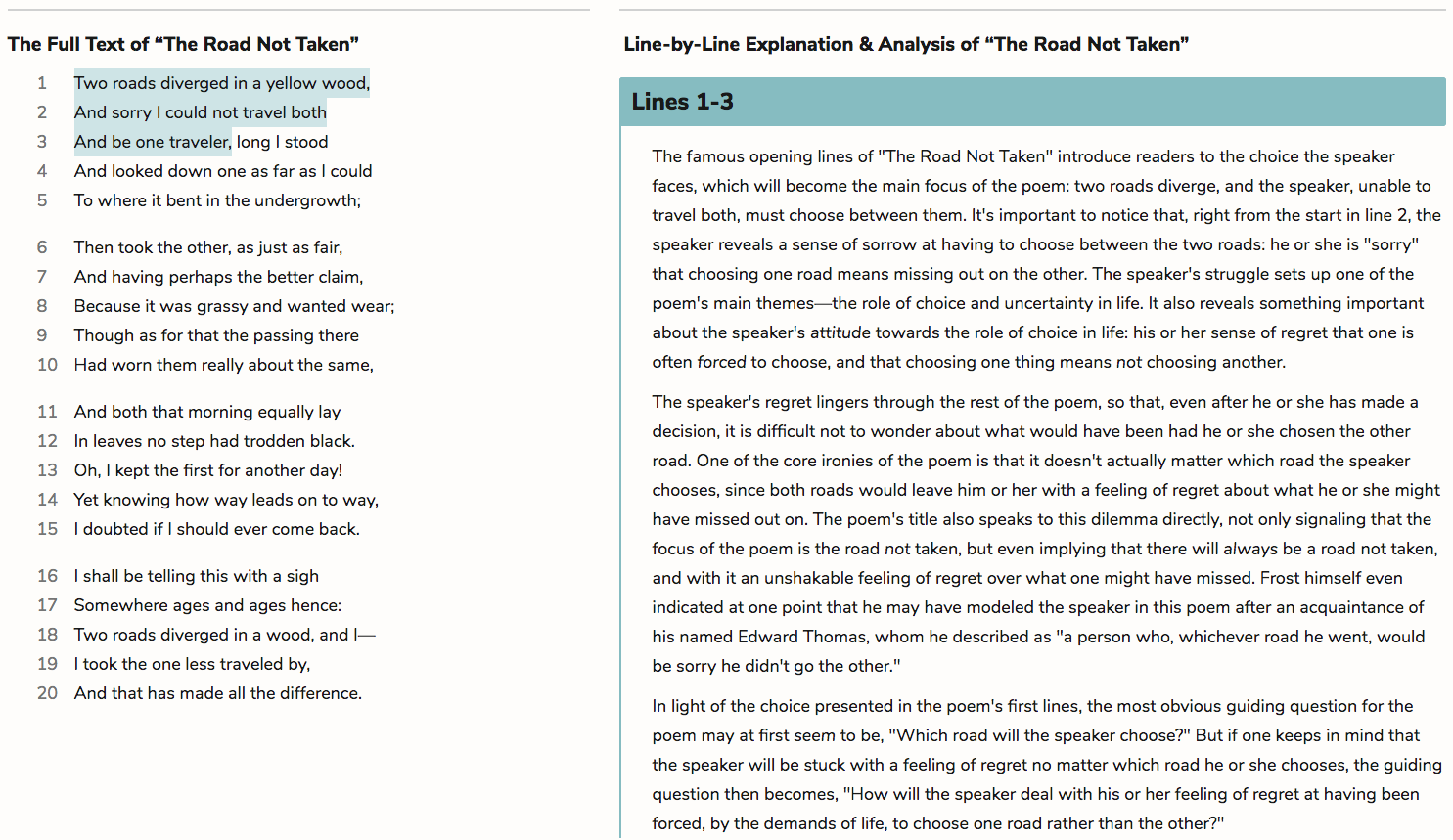
Line-by-line explanations and analysis of figurative language and poetic devices.
For every lyric poem we cover.
For every lyric poem we cover.