
|
Have questions?
Contact us
Already a member? Sign in
|
Get every literary device explanation for CloudstreetPlus so much more...
Sign up for LitCharts A+Get instant access to every literary device explanation, plus so much more...
Hyperbole
Explanation and Analysis—Good and Evil:
Having seen that the Nedlands Monster was just a man after all, Quick feels let down and disillusioned about his own moral values. The situational irony and hyperbole in this passage reveal Quick’s struggle to accept moral ambiguity when he’s always believed strongly in the forces of good:
‘So you’ve given away the old good and evil?’ asked Rose, amazed at all this rare talk from Quick.
‘No. No. I’ll stay a cop. But it’s not us and them anymore. It’s us and us and us. It’s always us. That’s what they never tell you. Geez, Rose, I just want to do right. But there’s no monsters, only people like us. Funny, but it hurts.’
The situational irony in this section comes from the gap between Quick’s expectations and the reality he finds in his work. Having grown up in the Lamb family, he has been trained to uphold justice and self-sacrifice. He becomes a police officer because he wants to be on the side of moral goodness and protect what’s right. However, after seeing the Monster in real life, Quick discovers that he was just a man after all. This forces him to see that the world doesn’t divide neatly into heroes and villains, and that there is no separate category of "evil" to which the bad belong. The “monsters” he expected to chase as a police officer do not exist. Instead, he begins to see himself in the people he arrests. Quick’s disappointment comes from both the anticlimax of the capture and the loss of the heroic purpose he once believed in. Serial killers are just people, as he tells Rose. Now that he knows that, he can’t see life as “us” (the good) and “them” (the bad) anymore. It’s just “us,” which is “funny, but it hurts.”
The hyperbole in “It’s us and us and us. It’s always us” stretches this sameness to an extreme. The repetition here piles weight onto Quick’s realization that there are no real differences between criminals and cops. The reader sees how frustrated Quick is as he tries to explain how painful it is to have to take on this truth, given his upbringing. When he tells Rose that “there’s no monsters,” he’s saying that he and the people he arrests are far more similar than he would previously have been able to understand.
Monthly
Annual (Best Value)

$595USD/mo
Charged $71.40 USD every year
 Teacher
$795USD/mo
Charged $95.40 USD every year
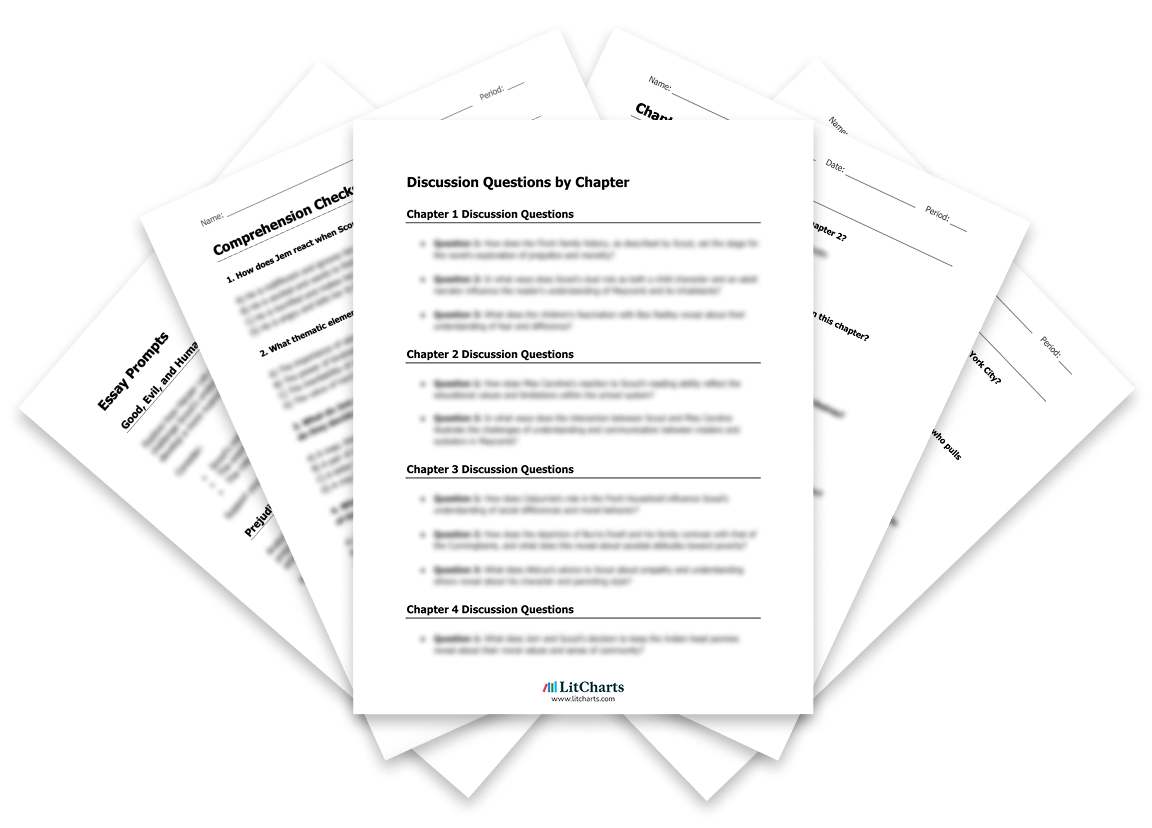


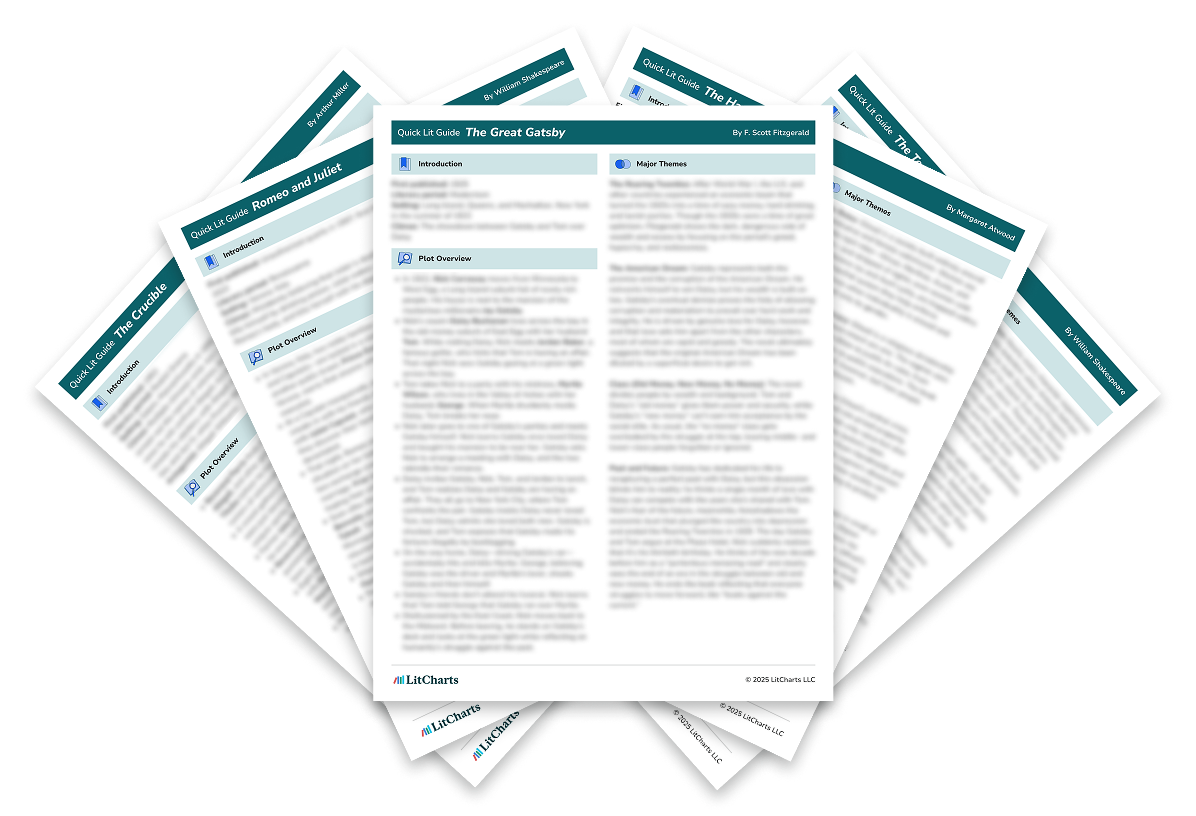
Literature Guide PDFs
LitCharts PDFs for every book you'll read this year.
Instant PDF downloads of all 2242 LitCharts literature guides and of every new one we publish. Try a free sample literature guide.
"Would not have made it through AP Literature without the printable PDFs. They're like having in-class notes for every discussion!"





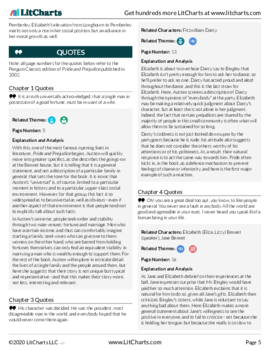
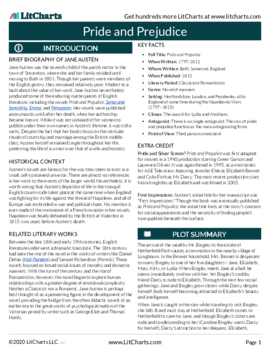


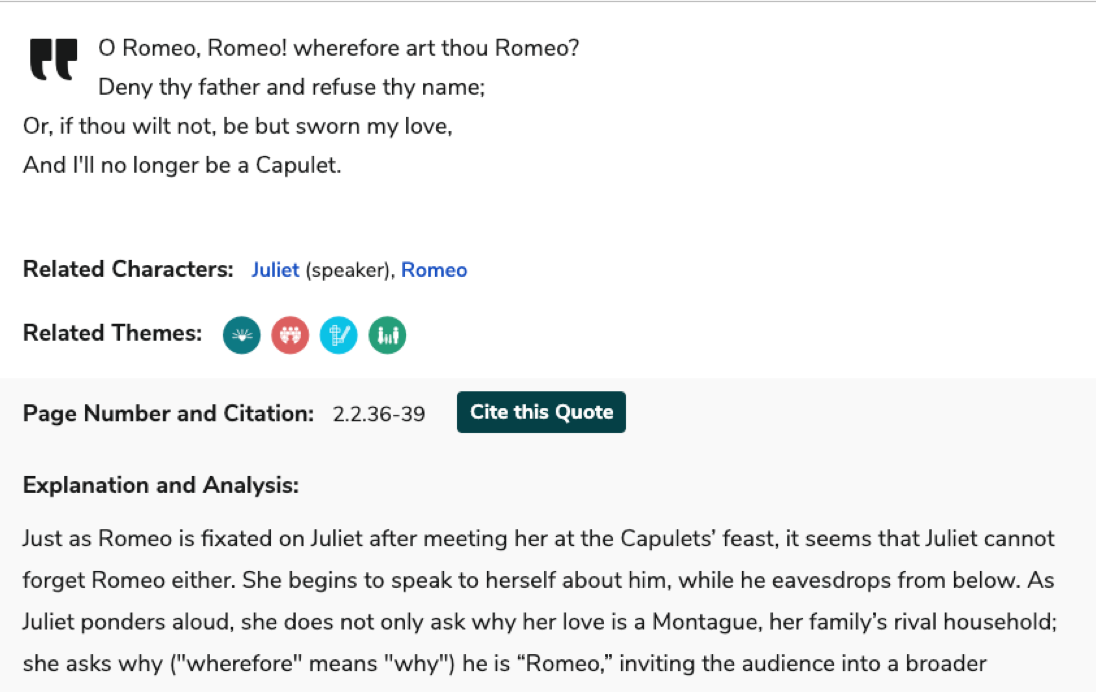
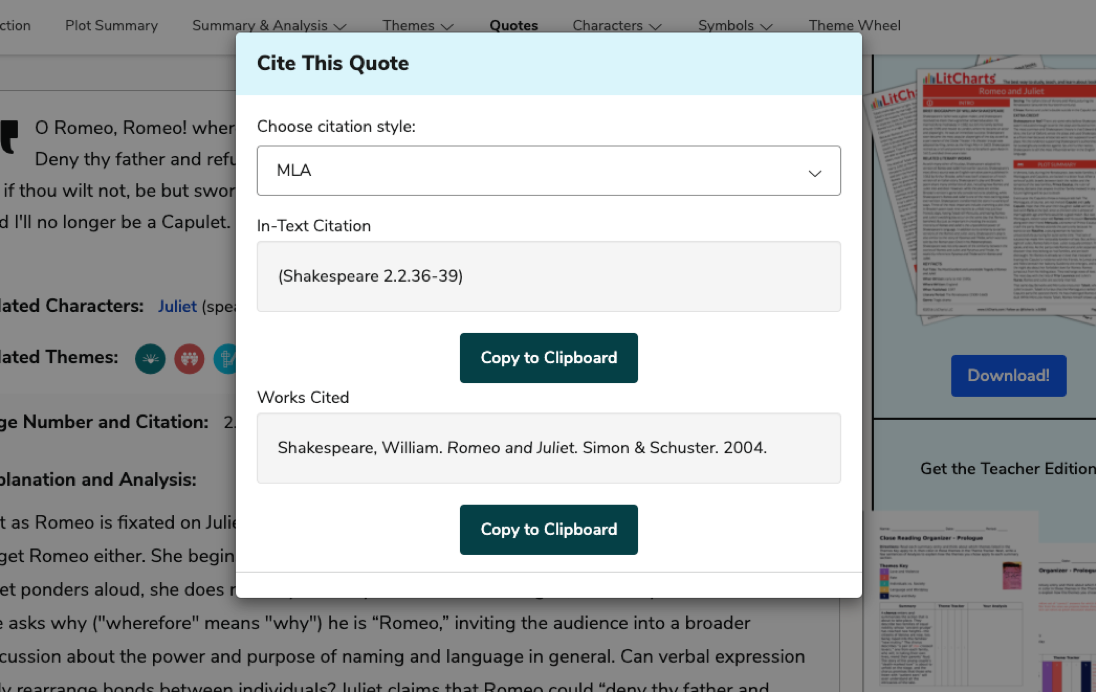
Quotes Explanations
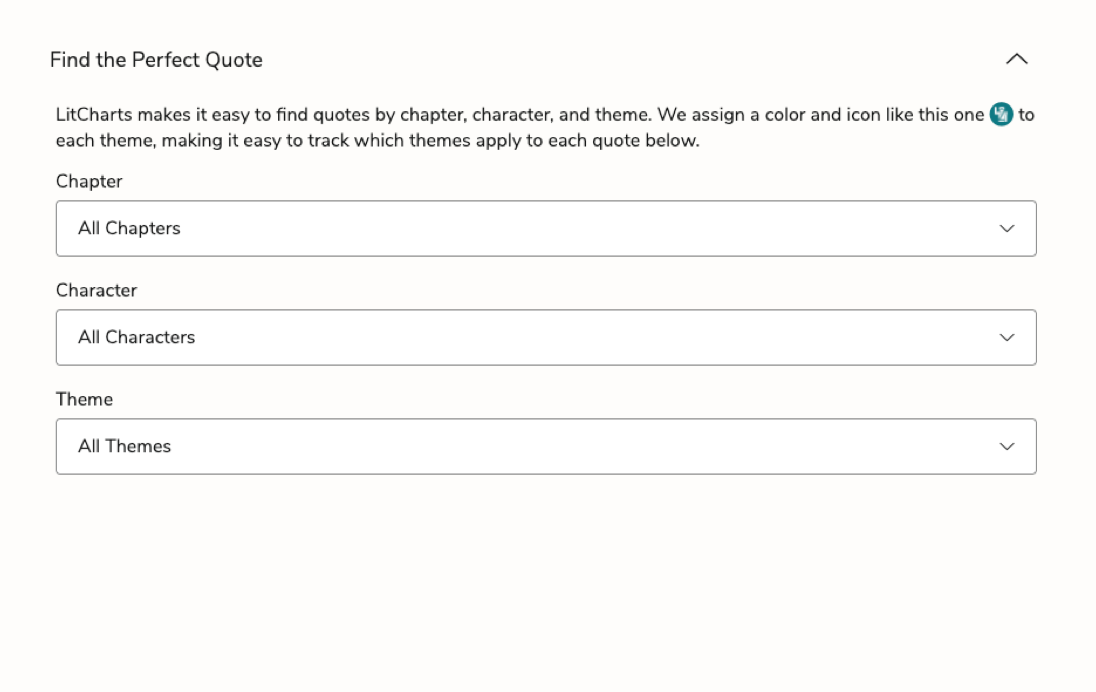
Find the perfect quote. Understand it perfectly. Then rock the citation, too.
For all 49,991 quotes we cover.
For all 49,991 quotes we cover.


Teacher Editions
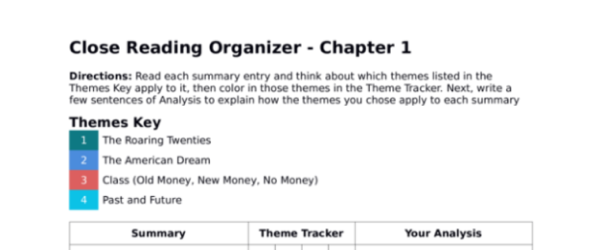
Close reading made easy for students.
Time saved for teachers.
For every book we cover.
Time saved for teachers.
For every book we cover.


Common Core-aligned


PDFs of modern translations of every one of Shakespeare's 37 plays, 154 sonnets, and 3 longer poems.

Literary Terms and Devices
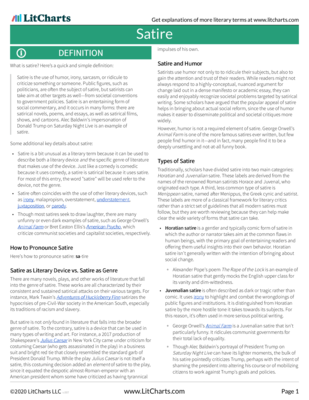
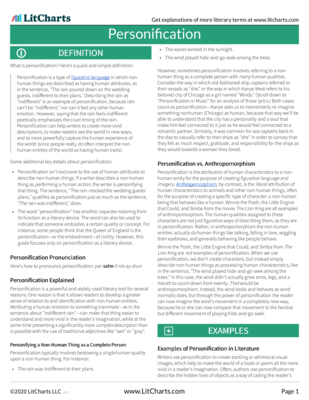
Definitions and examples for every literary term and device you need to know.
Plus a quick-reference PDF with concise definitions of all 136 terms in one place.
Plus a quick-reference PDF with concise definitions of all 136 terms in one place.
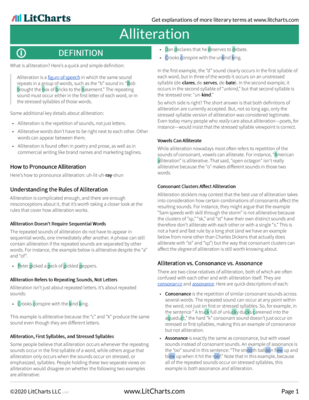
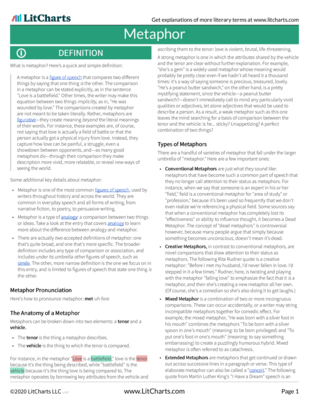
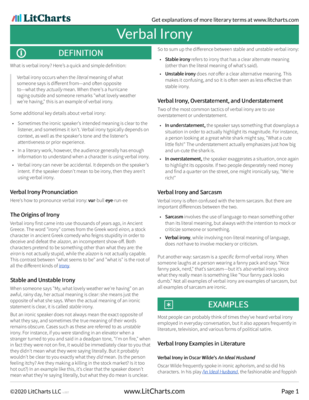
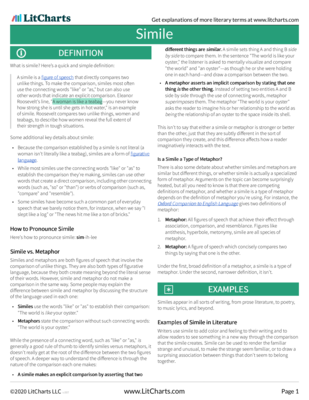
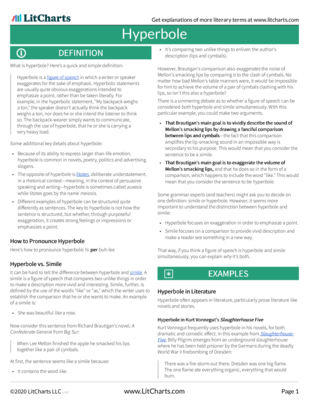
Try a free sample literary term PDF.


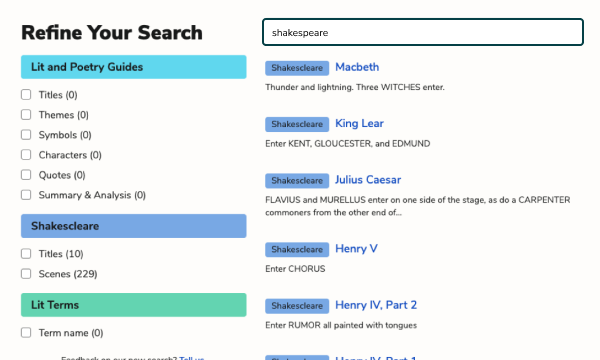
Advanced Search
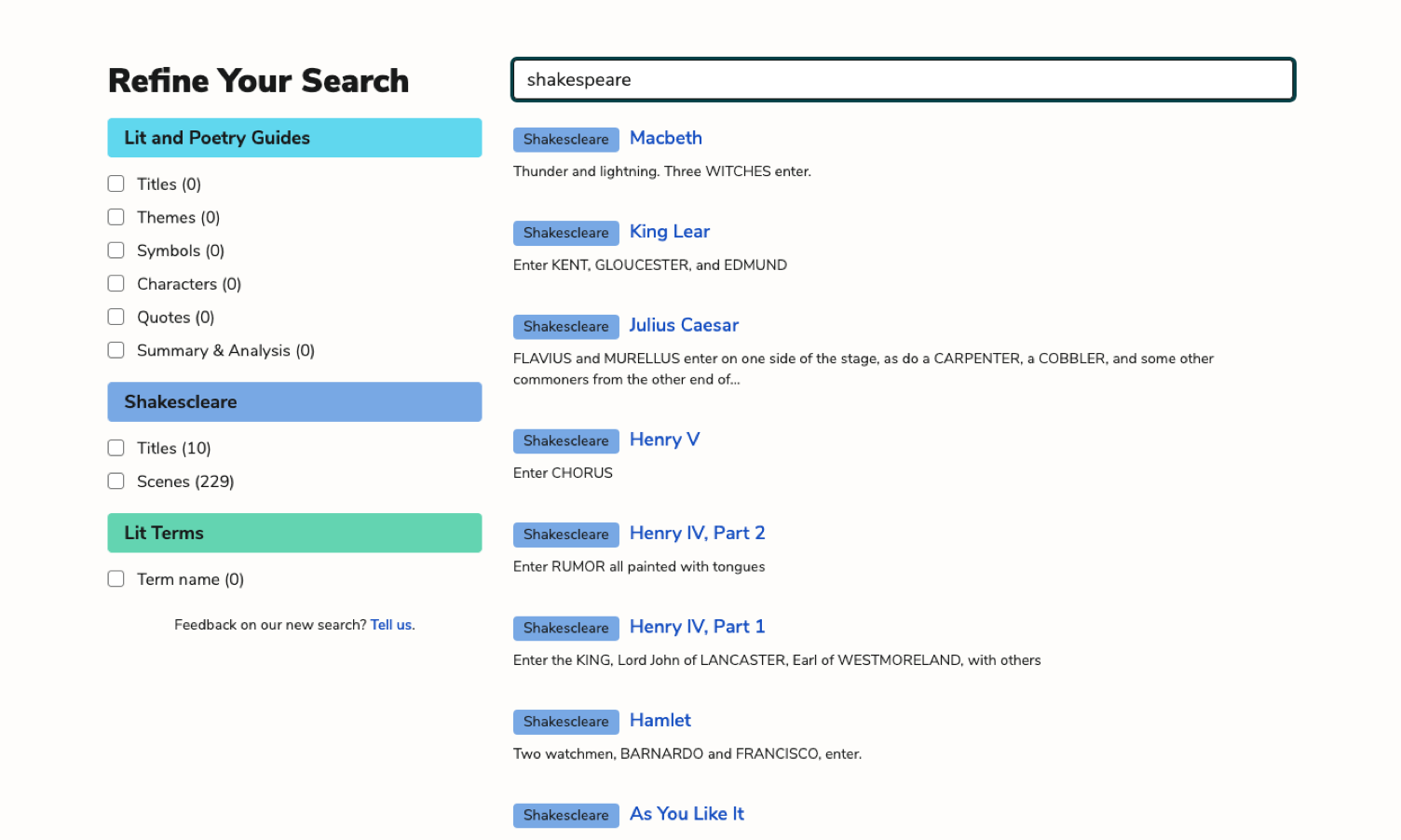
Refine any search. Find related themes, quotes, symbols, characters, and more.

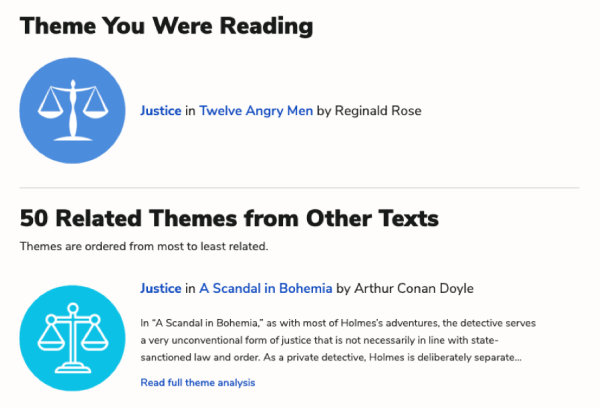
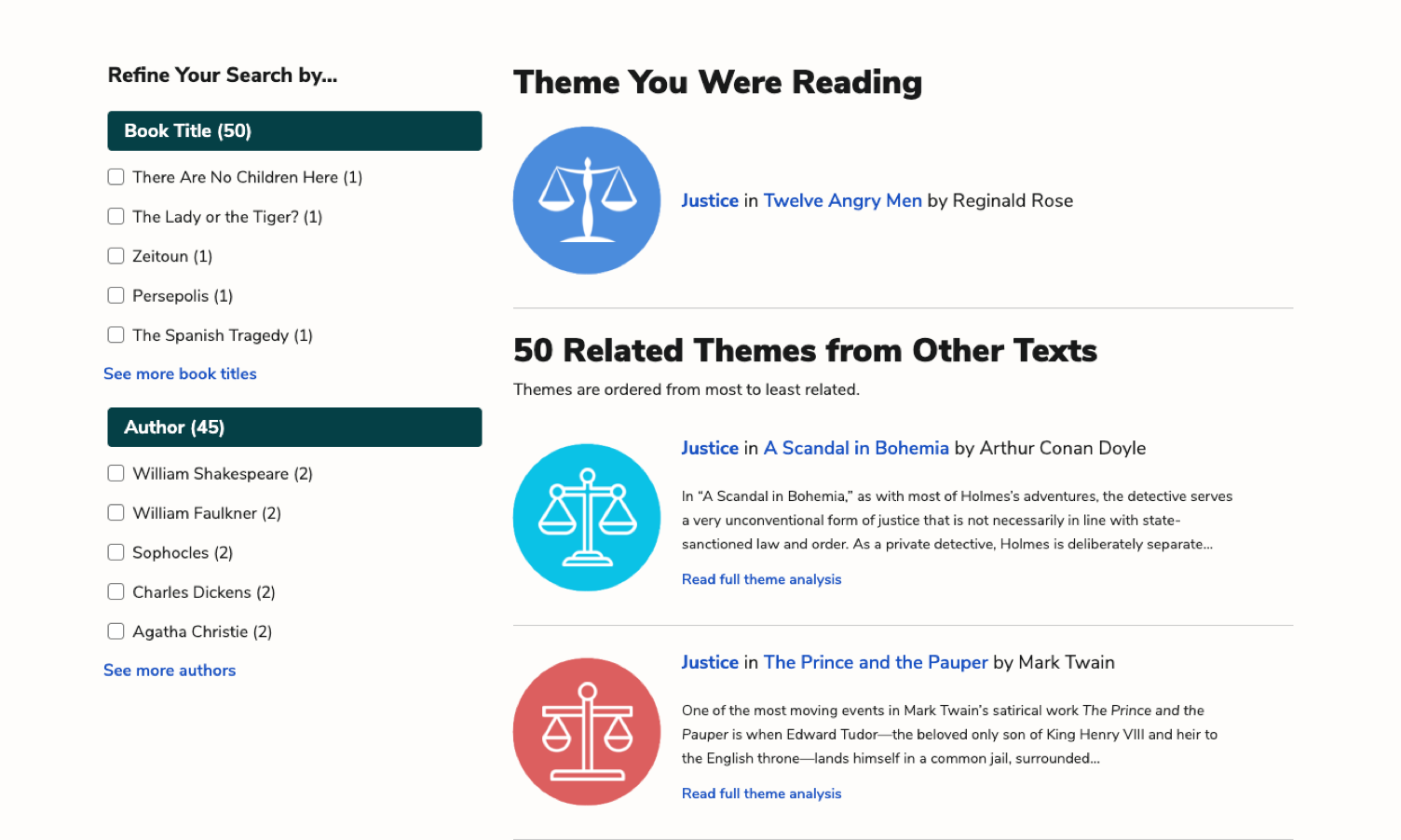
Related Themes
Comparing and contrasting texts? Find where any theme occurs across all of LitCharts in seconds.


Poetry Guides
Line-by-line explanations and analysis of figurative language and poetic devices.
For every lyric poem we cover.
For every lyric poem we cover.