
|
Have questions?
Contact us
Already a member? Sign in
|
Get every literary device explanation for Absalom, Absalom!Plus so much more...
Sign up for LitCharts A+Get instant access to every literary device explanation, plus so much more...
Hyperbole
Explanation and Analysis—The Lightless Womb:
While discussing her own difficult childhood, Rosa uses an extended metaphor that imagines her adolescent years as a protracted state of being in the womb of her mother:
I was fourteen then, fourteen in years if they could have been called years while in that unpaced corridor which I called childhood, which was not living but rather some projection of the lightless womb itself; I gestate and complete, not aged, just overdue because of some caesarean lack, some cold head-nuzzling forceps of the savage time which should have torn me free, I waited not for light but for that doom which we call female victory which is: endure and then endure, without rhyme or reason or hope of reward—and then endure; I like that blind subterranean fish [...]
Here, Rosa informs Quentin that she did not have a conventional childhood. Because of the early deaths of her parents and her isolation from other members of her family, Rosa feels that she did not experience a typical adolescence but rather a "projection of the lightless womb itself." Here, she uses clear hyperbole, exaggerating her own sense that she missed out on childhood and suggesting that she spent those years in the womb rather than developing from childhood to adulthood. Through this metaphor of prolonged gestation, Rosa underscores her sense of herself as having missed out on key stages of adolescent development due to factors outside of her own control.
Monthly
Annual (Best Value)

$595USD/mo
Charged $71.40 USD every year
 Teacher
$795USD/mo
Charged $95.40 USD every year
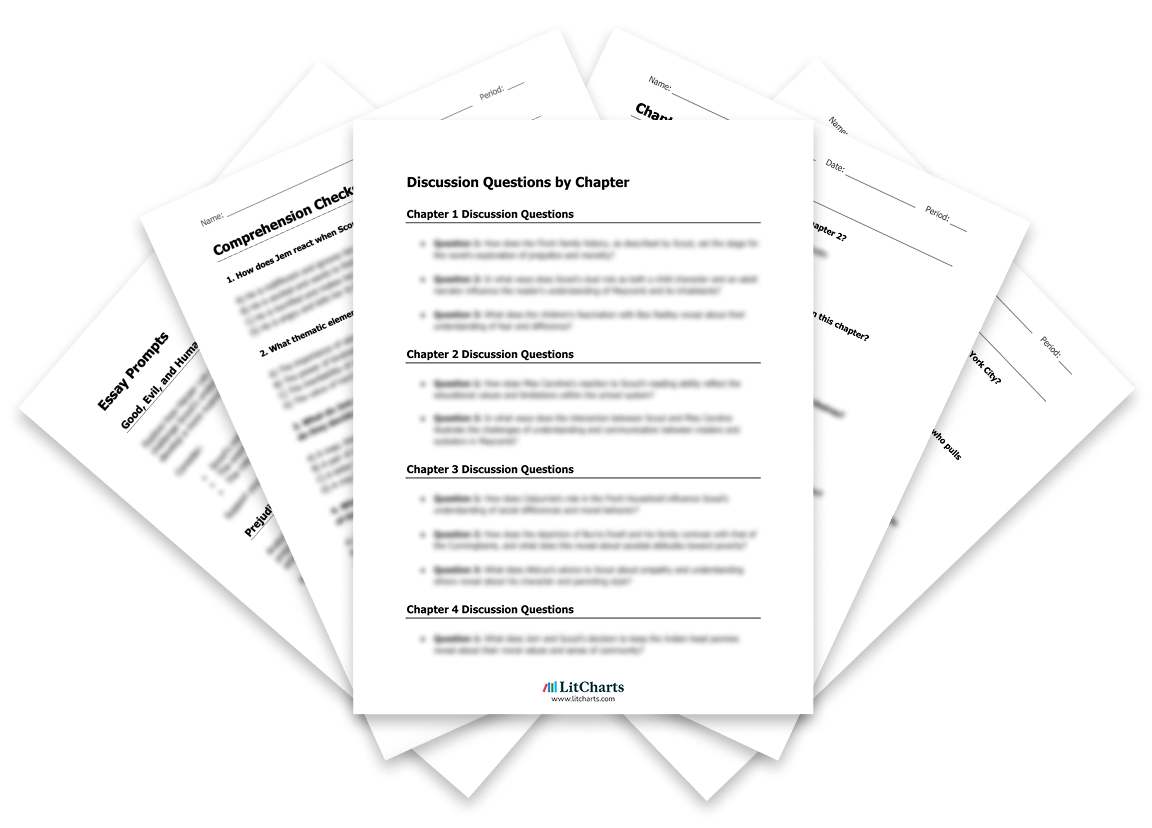


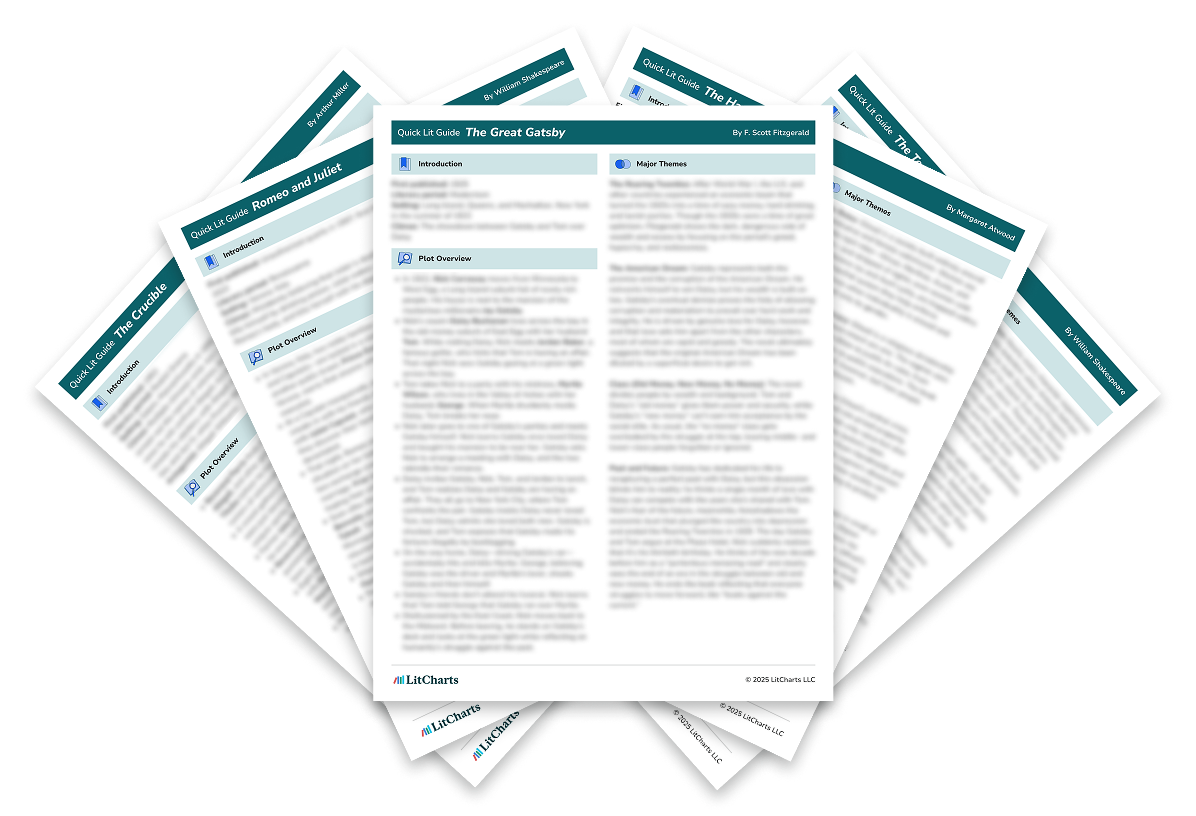
Literature Guide PDFs
LitCharts PDFs for every book you'll read this year.
Instant PDF downloads of all 2243 LitCharts literature guides and of every new one we publish. Try a free sample literature guide.
"Would not have made it through AP Literature without the printable PDFs. They're like having in-class notes for every discussion!"



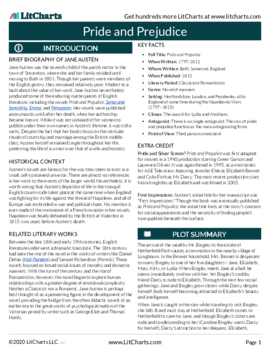


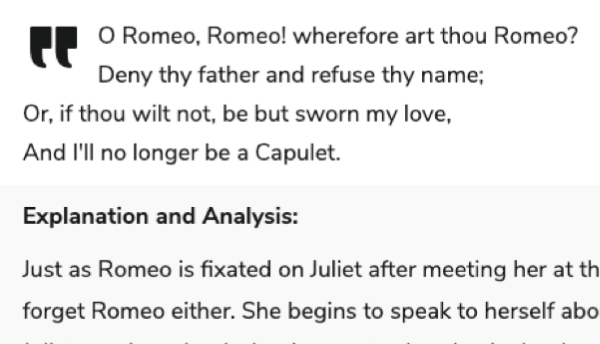
Quotes Explanations
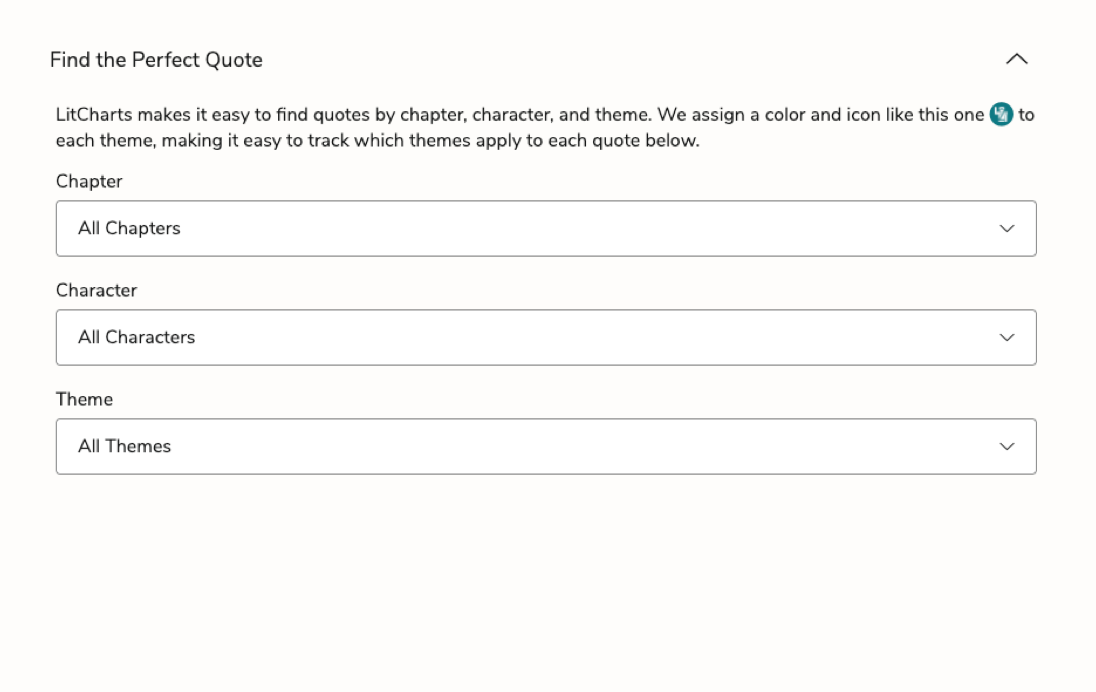
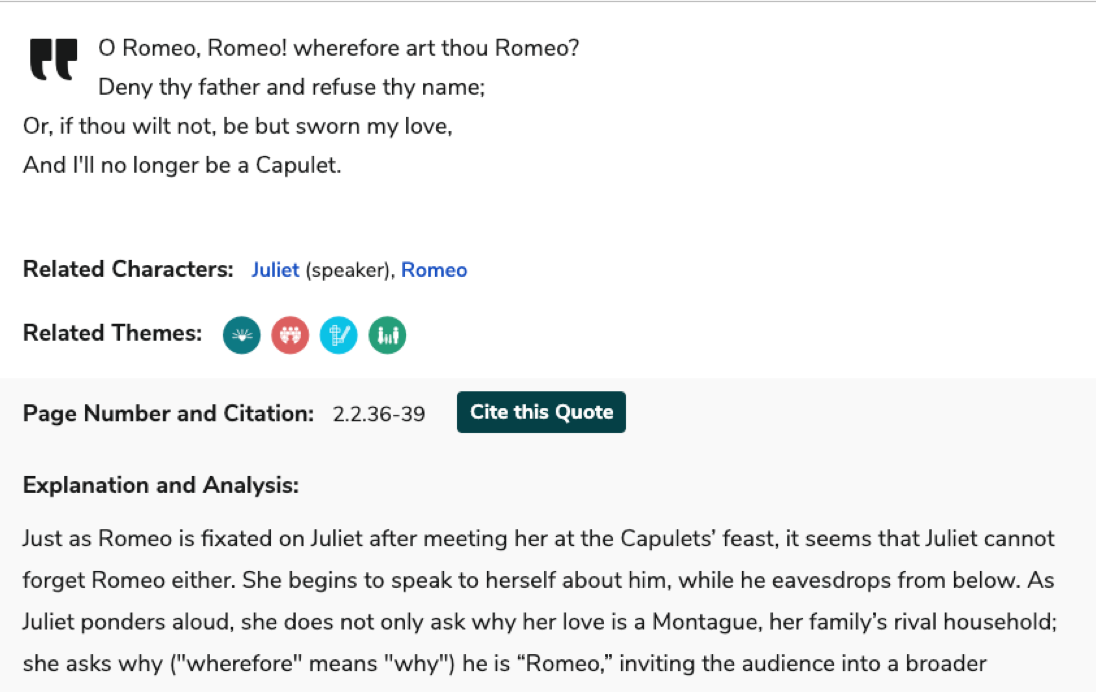
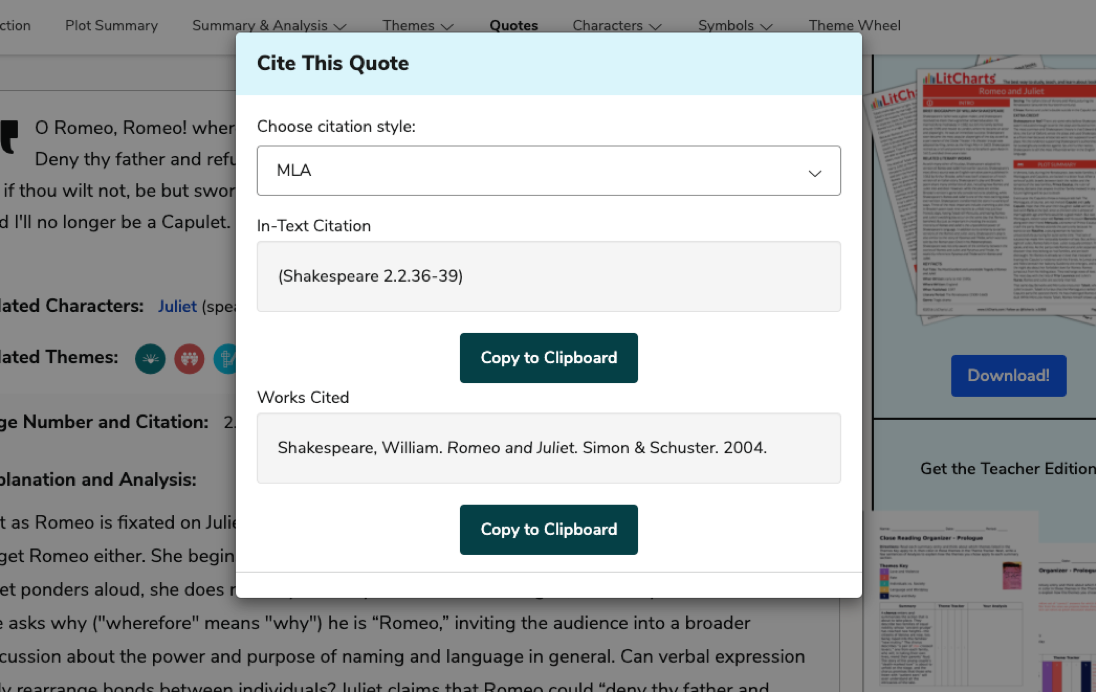
Find the perfect quote. Understand it perfectly. Then rock the citation, too.
For all 50,016 quotes we cover.
For all 50,016 quotes we cover.


Teacher Editions
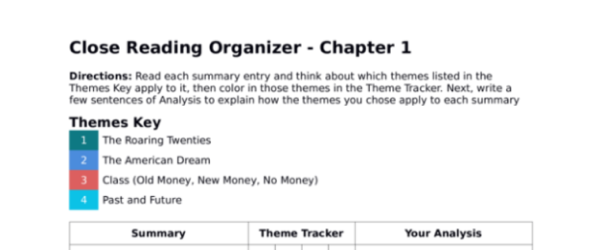
Close reading made easy for students.
Time saved for teachers.
For every book we cover.
Time saved for teachers.
For every book we cover.


Common Core-aligned


PDFs of modern translations of every one of Shakespeare's 37 plays, 154 sonnets, and 3 longer poems.

Literary Terms and Devices
Definitions and examples for every literary term and device you need to know.
Plus a quick-reference PDF with concise definitions of all 136 terms in one place.
Plus a quick-reference PDF with concise definitions of all 136 terms in one place.
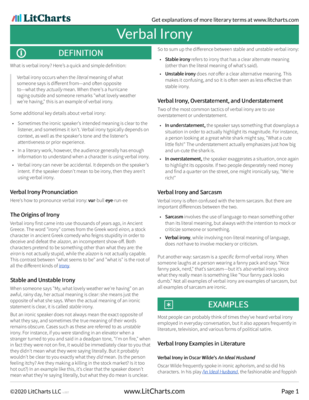
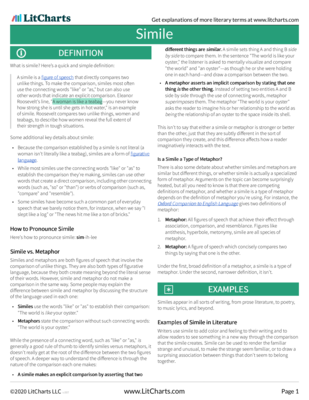
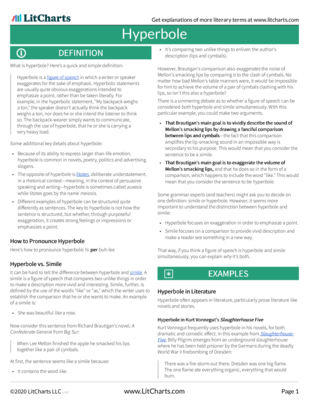
Try a free sample literary term PDF.


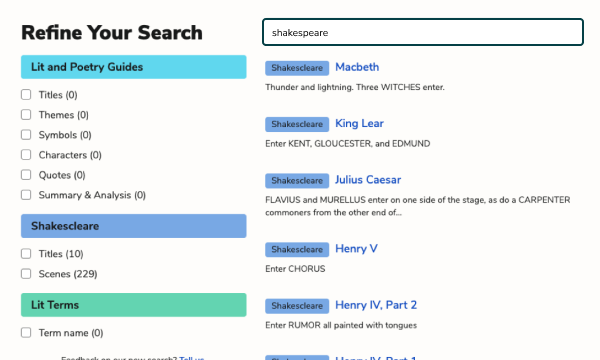
Advanced Search
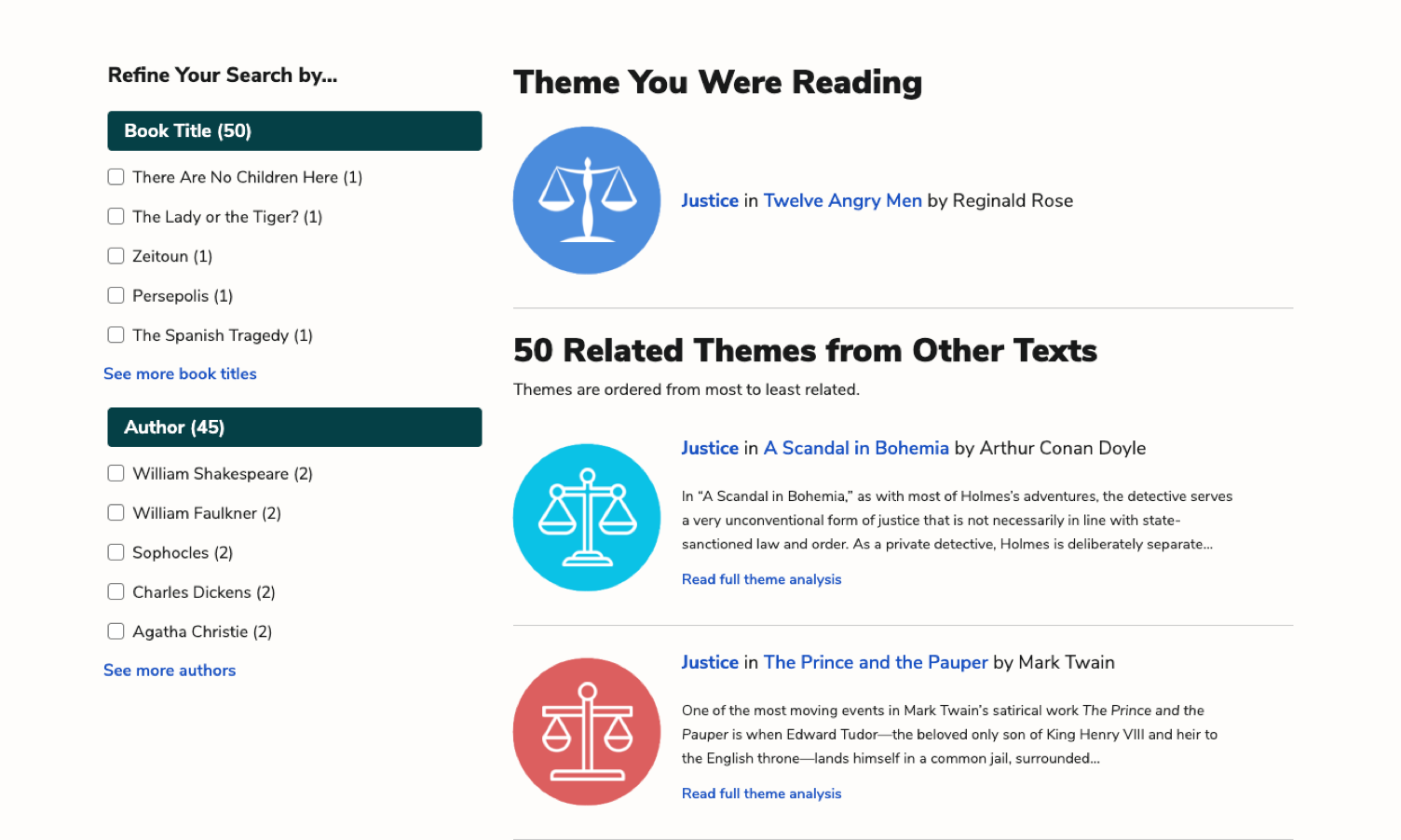
Refine any search. Find related themes, quotes, symbols, characters, and more.
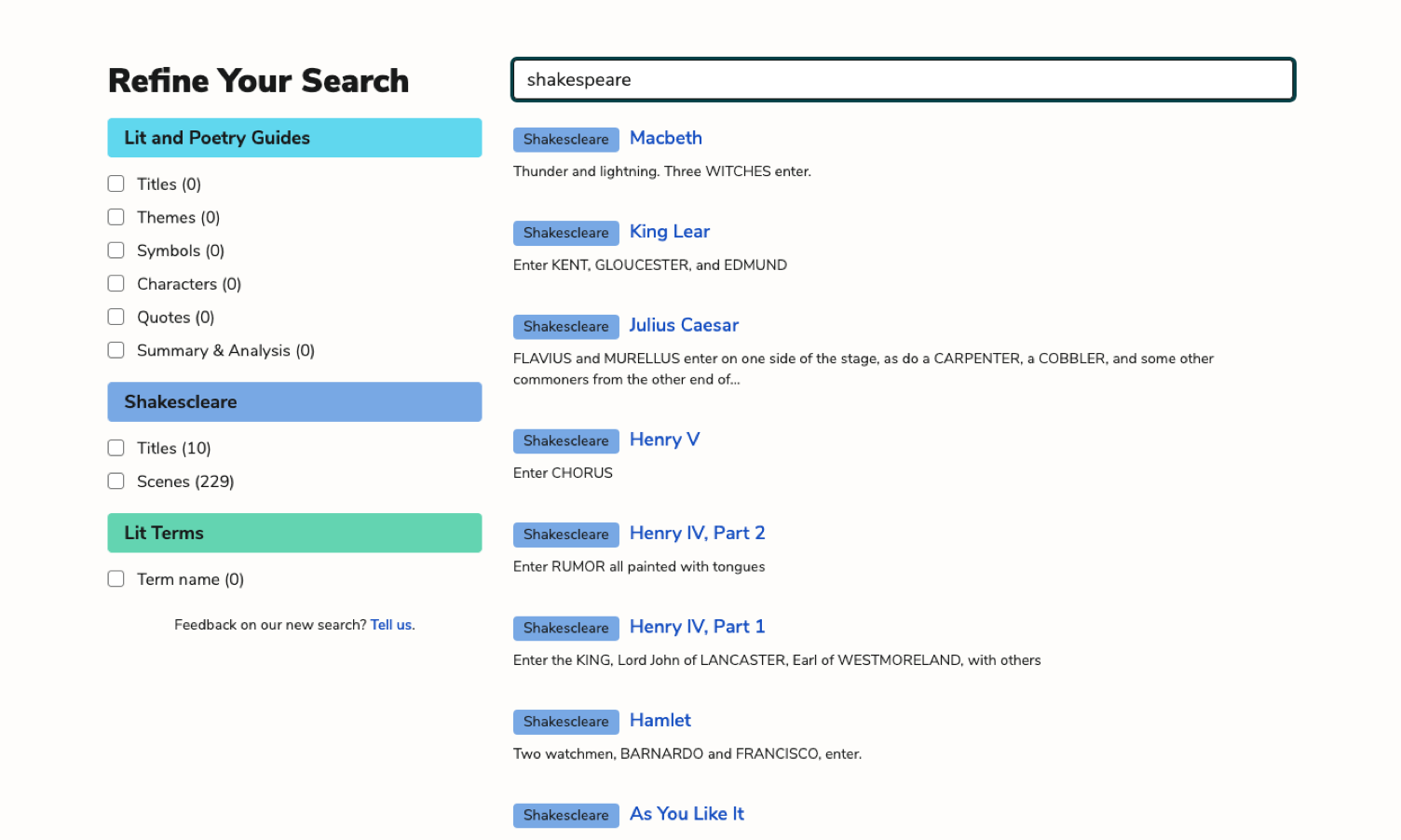

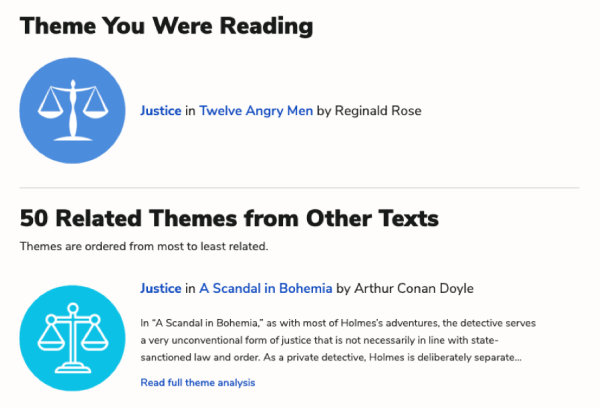
Related Themes
Comparing and contrasting texts? Find where any theme occurs across all of LitCharts in seconds.


Poetry Guides
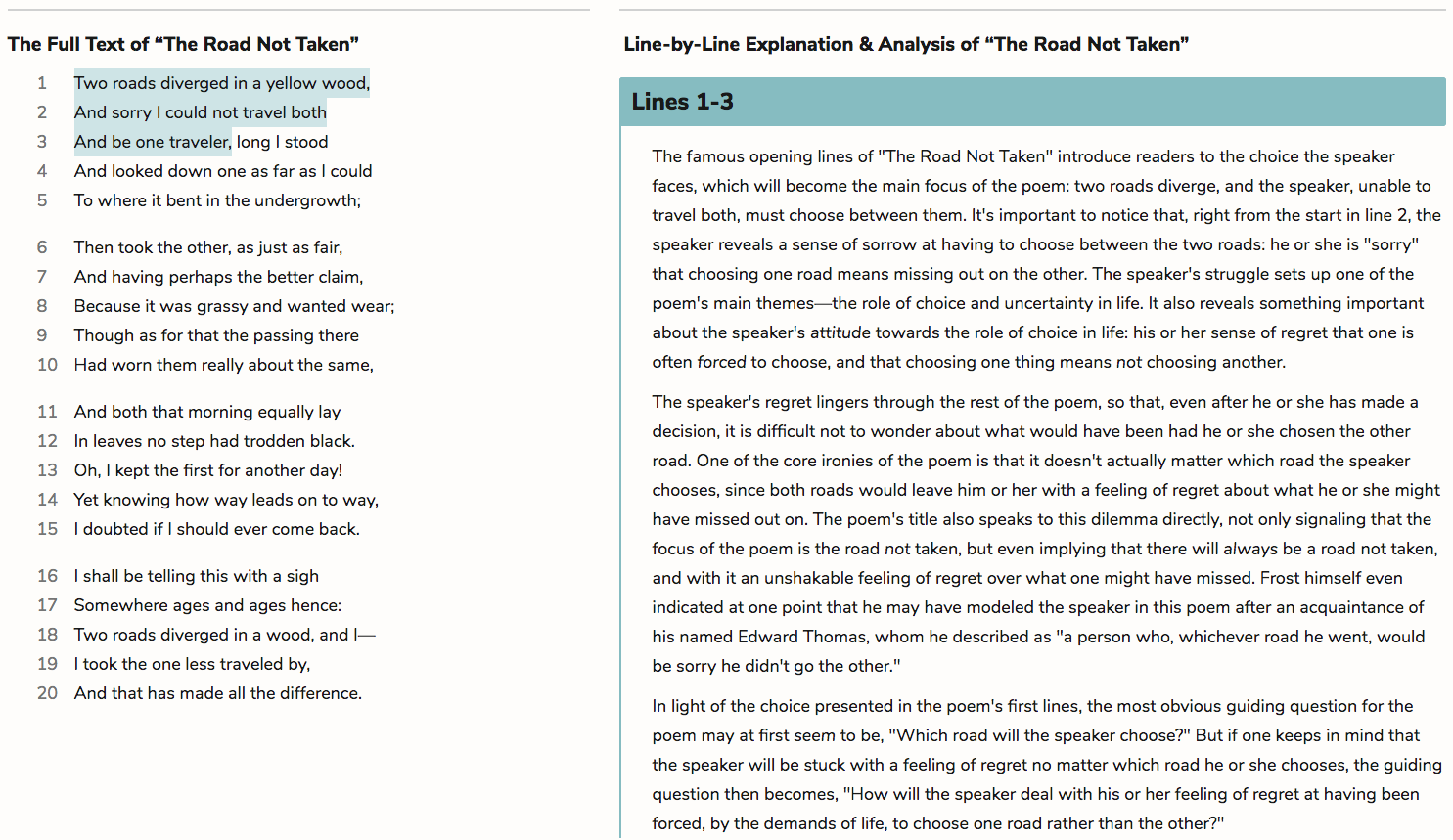
Line-by-line explanations and analysis of figurative language and poetic devices.
For every lyric poem we cover.
For every lyric poem we cover.