
|
Have questions?
Contact us
Already a member? Sign in
|
Get every literary device explanation for The Underground RailroadPlus so much more...
Sign up for LitCharts A+Get instant access to every literary device explanation, plus so much more...
Imagery
Explanation and Analysis—Rotting Ornaments:
Following an escape from South Carolina that takes her to the end of the underground railroad, Cora arrives in North Carolina greeted by a terrifying scene:
The corpses hung from trees as rotting ornaments. Some of them were naked, others partially clothed, the trousers black where their bowels emptied when their necks snapped. Gross wounds and injuries marked the flesh of those closest to her, the two caught by the station agent’s lantern. One had been castrated, an ugly mouth gaping where his manhood had been. The other was a woman. Her belly curved. Cora had never been good at knowing if a body was with a child. Their bulging eyes seemed to rebuke her stares, but what were the attentions of one girl, disturbing their rest, compared to how the world had scourged them since the day they were brought into it?
The scene is horrific in its catalog of details: the “naked” dead bodies strung along the Freedom Trail have emptied bowels, “gaping” mouths, and “bulging” eyes that present racism’s injustices in their most direct, viscerally disturbing forms. This passage’s particular emphasis on the crude unsightliness of the body—some “castrated,” other with “curving,” still-pregnant bellies—create lavishly grotesque descriptions that are only fitting to the white violence of Cora’s surroundings. The narrator lingers over the trail entrance to deliver through images what words alone cannot, capturing violence at its most absurd extremes to critique the world that has trapped them.
Monthly
Annual (Best Value)

$595USD/mo
Charged $71.40 USD every year
 Teacher
$795USD/mo
Charged $95.40 USD every year
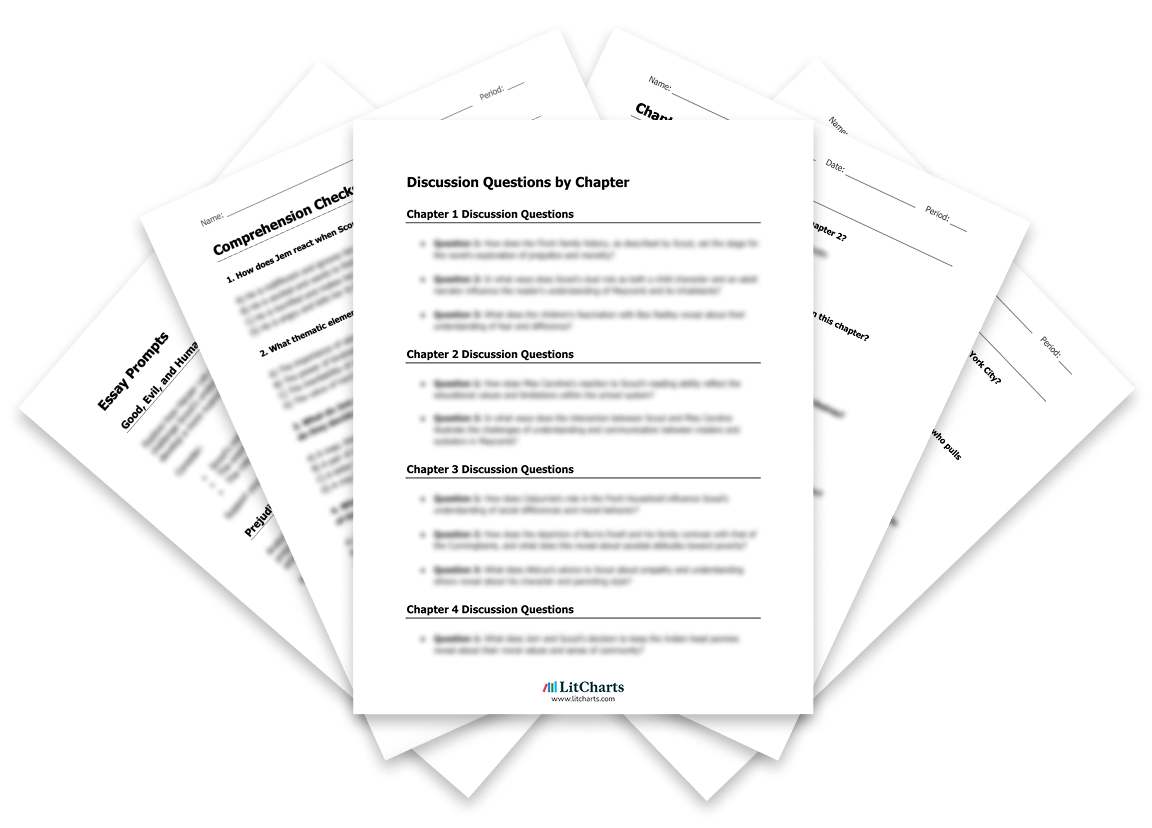
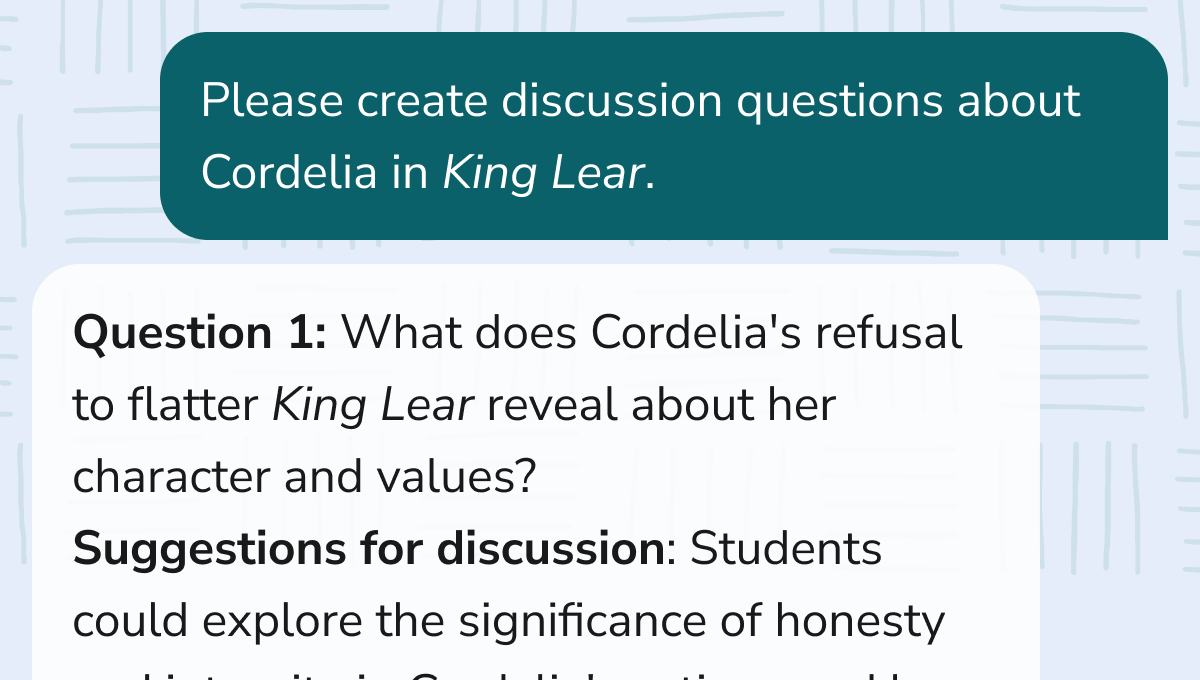
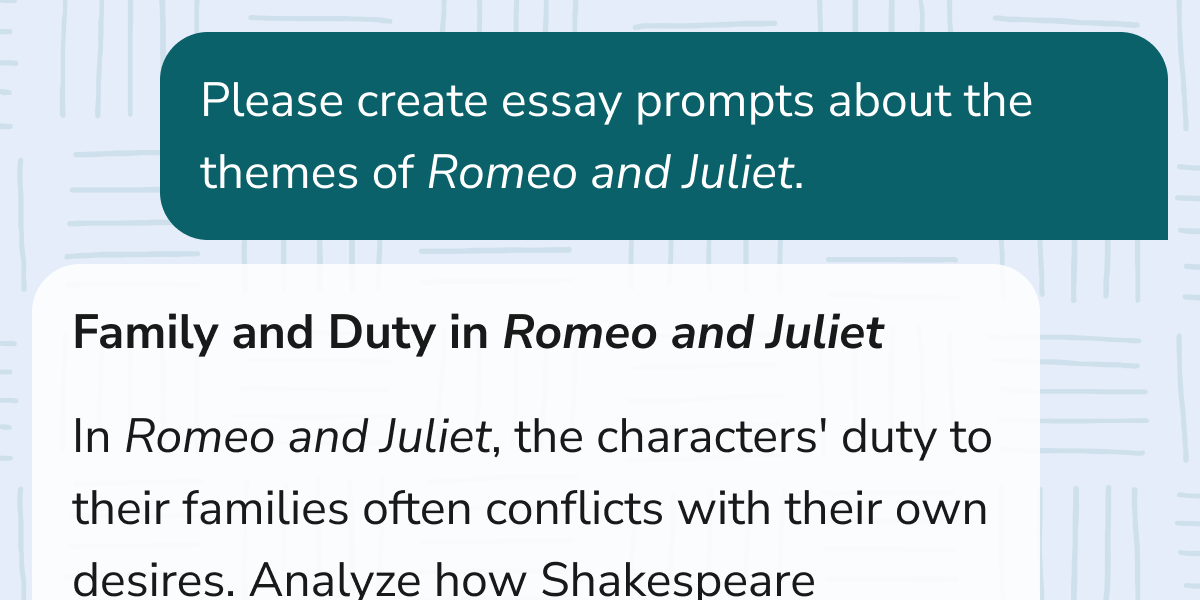
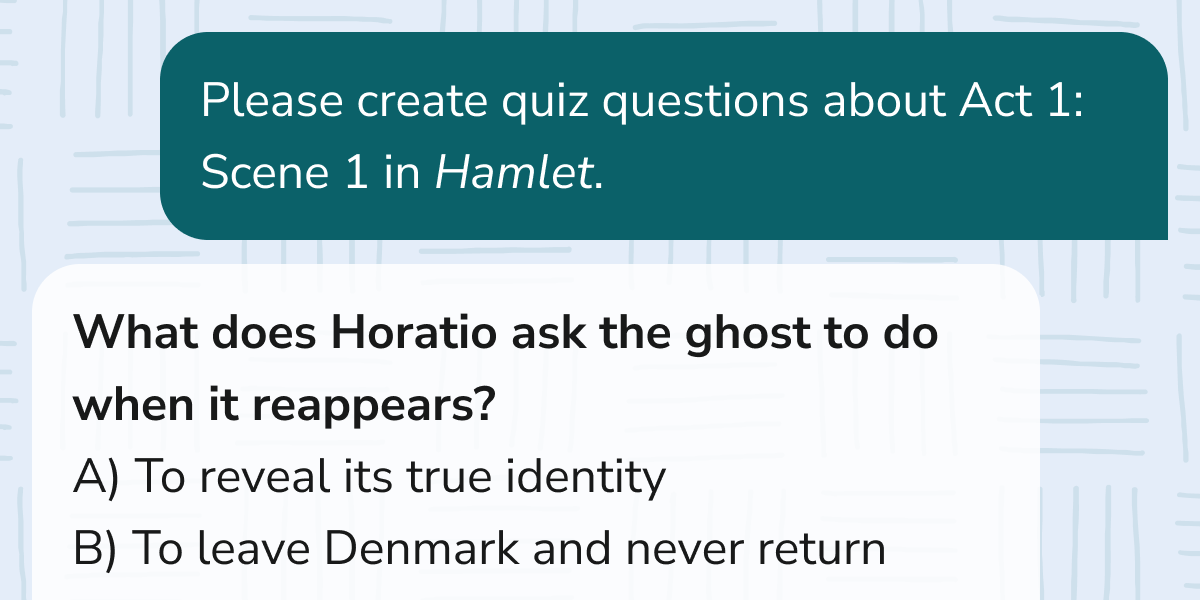


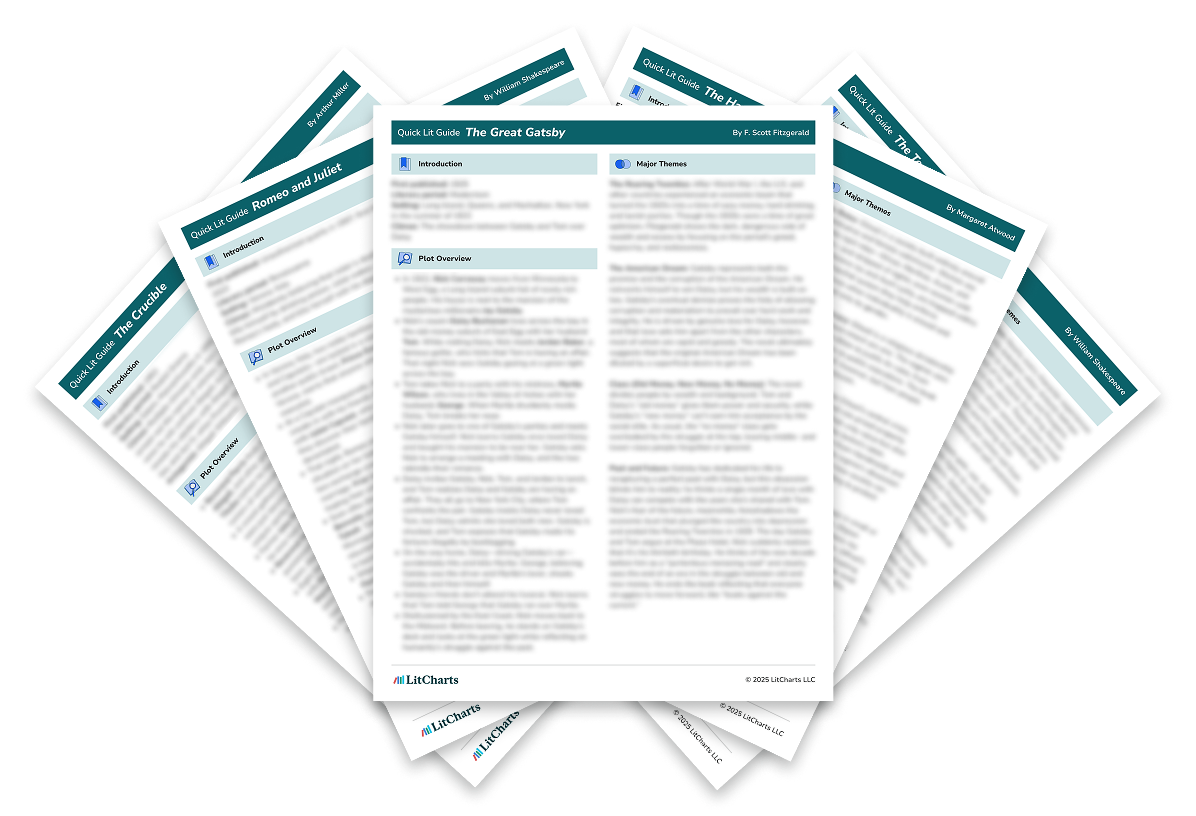
Literature Guide PDFs
LitCharts PDFs for every book you'll read this year.
Instant PDF downloads of all 2247 LitCharts literature guides and of every new one we publish. Try a free sample literature guide.
"Would not have made it through AP Literature without the printable PDFs. They're like having in-class notes for every discussion!"





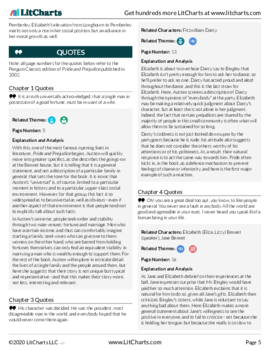
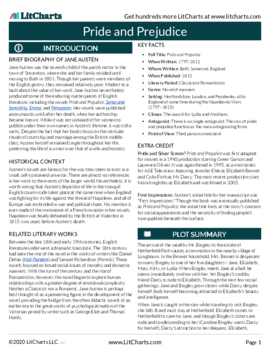


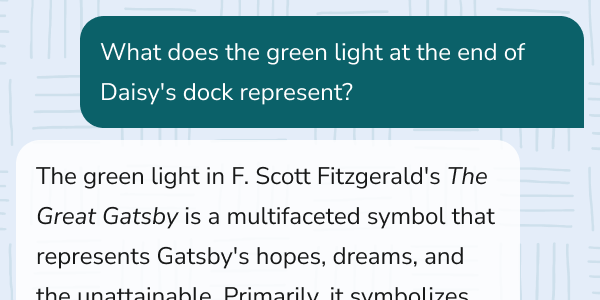
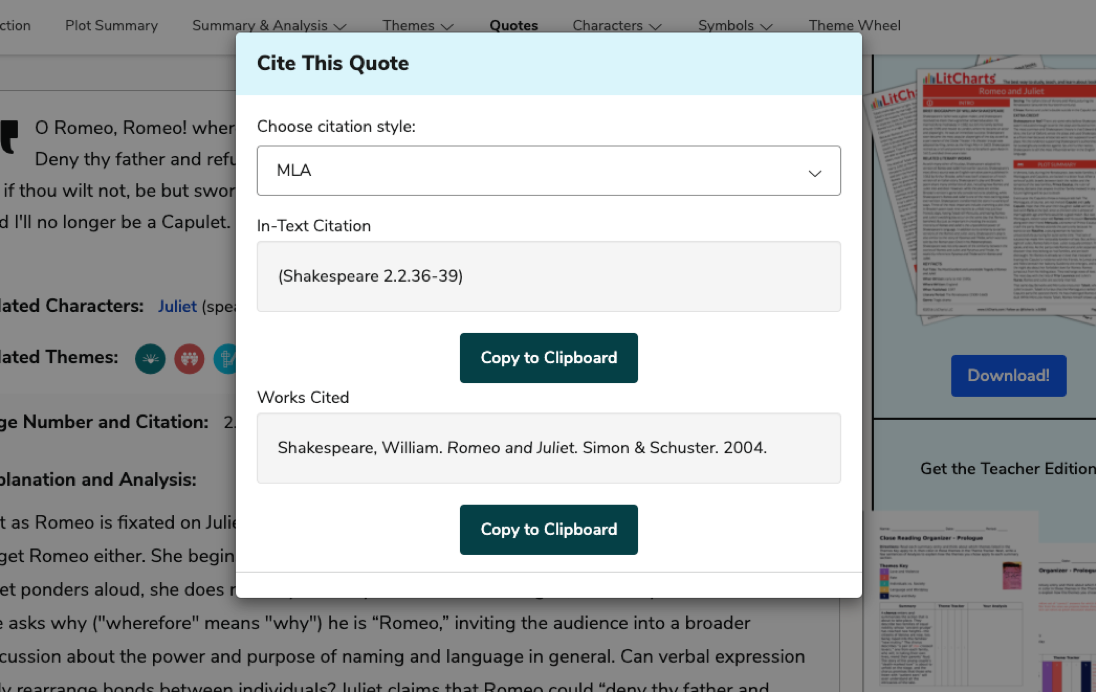
Quotes Explanations
Find the perfect quote. Understand it perfectly. Then rock the citation, too.
For all 50,101 quotes we cover.
For all 50,101 quotes we cover.
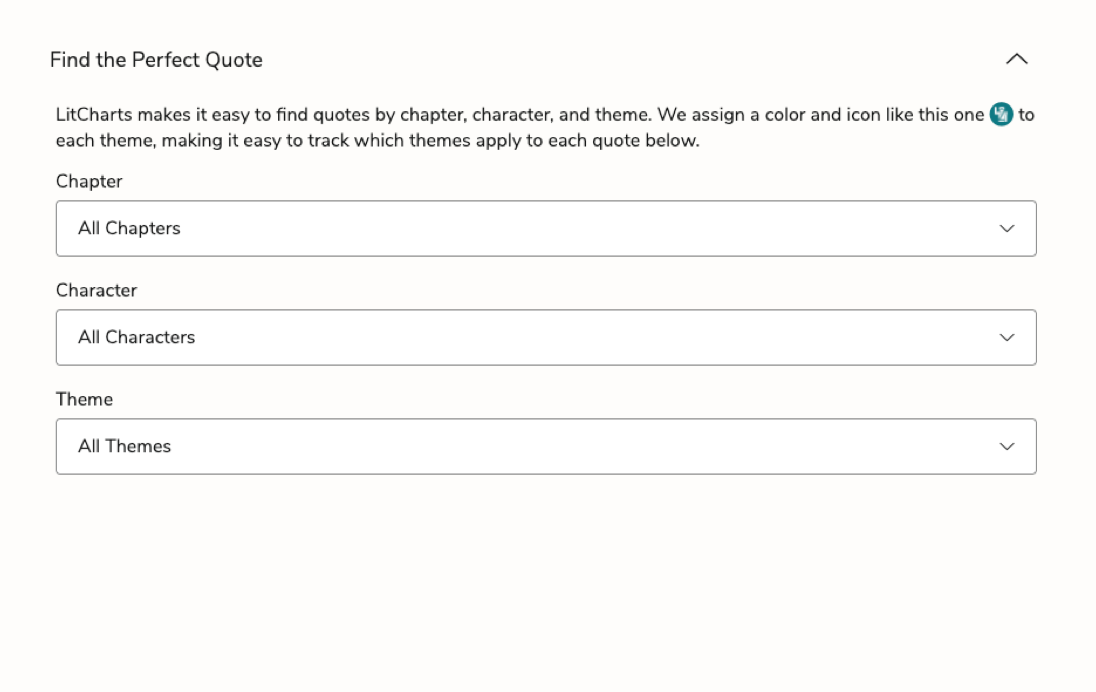
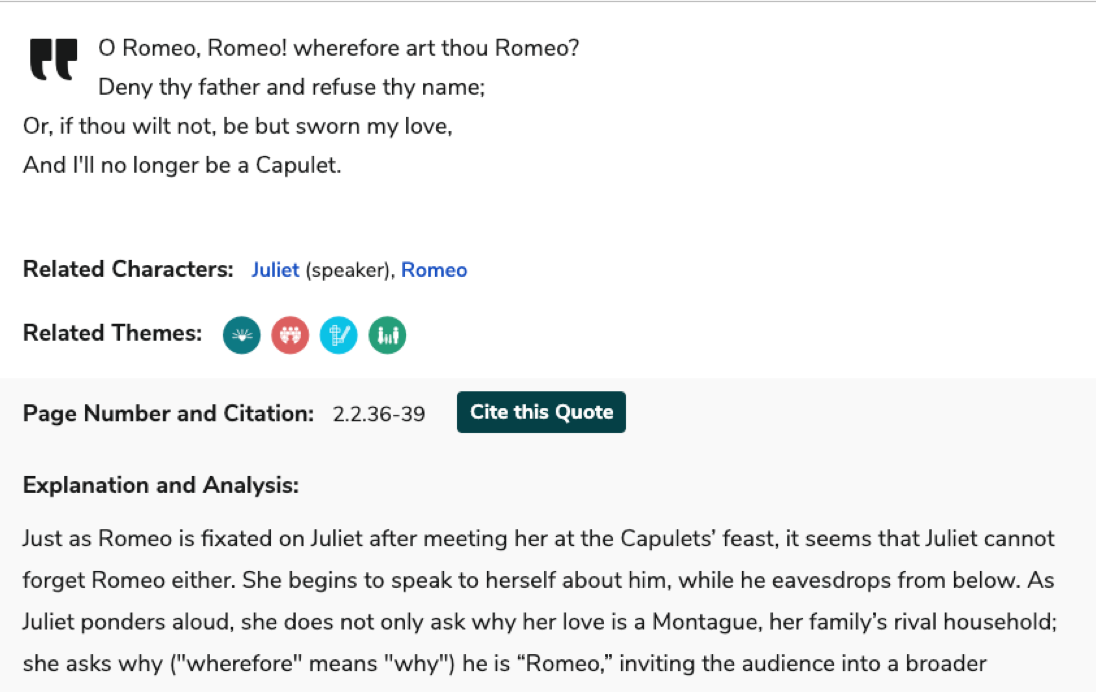


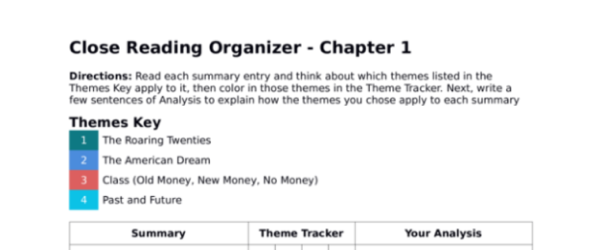
Teacher Editions
Close reading made easy for students.
Time saved for teachers.
For every book we cover.
Time saved for teachers.
For every book we cover.


Common Core-aligned


PDFs of modern translations of every one of Shakespeare's 37 plays, 154 sonnets, and 3 longer poems.

Literary Terms and Devices
Definitions and examples for every literary term and device you need to know.
Plus a quick-reference PDF with concise definitions of all 136 terms in one place.
Plus a quick-reference PDF with concise definitions of all 136 terms in one place.
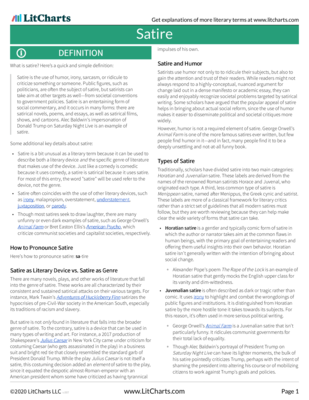
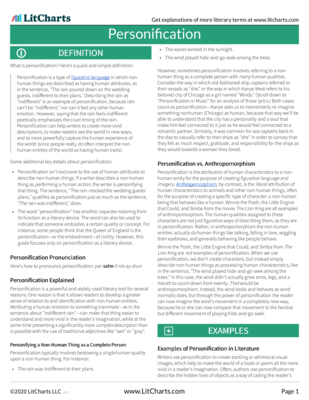
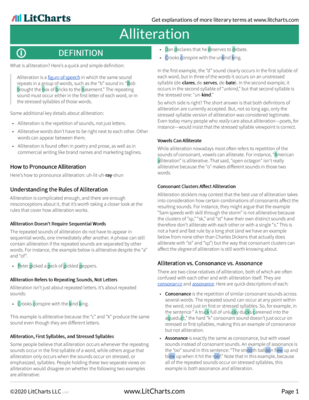
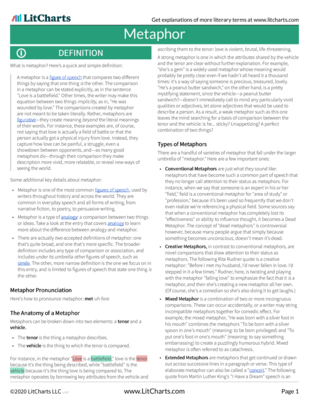
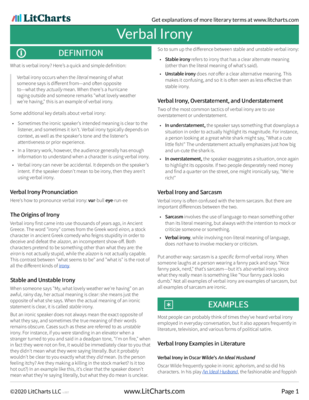
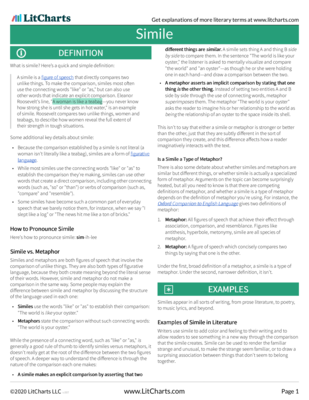
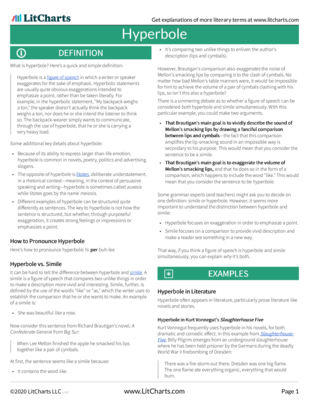
Try a free sample literary term PDF.


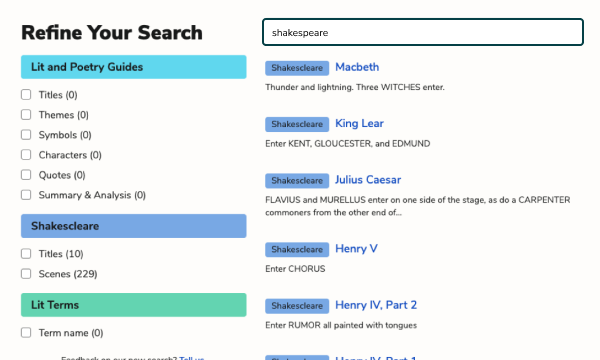
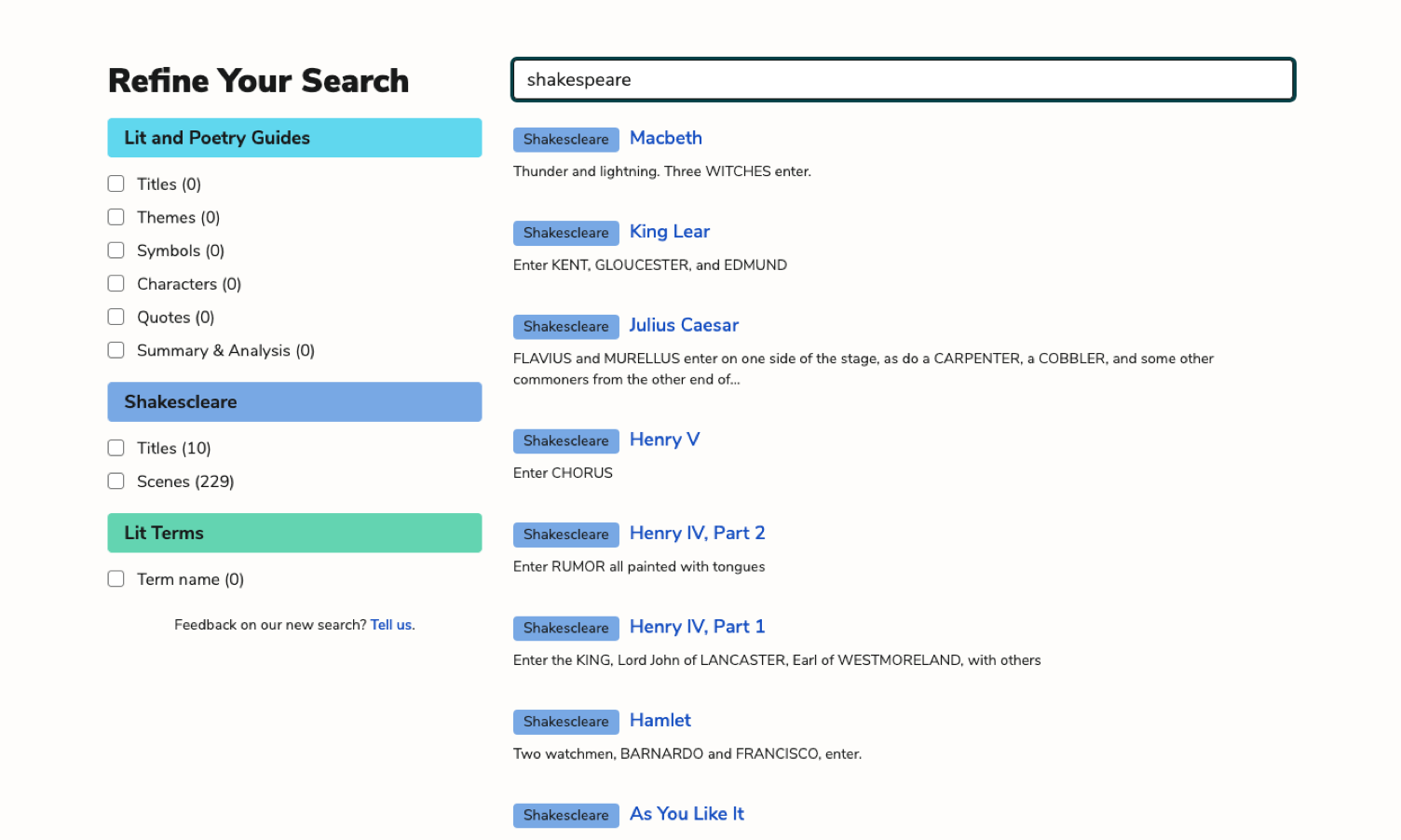
Advanced Search
Refine any search. Find related themes, quotes, symbols, characters, and more.

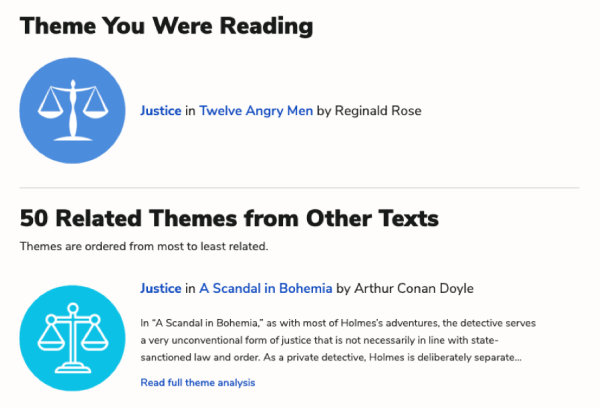
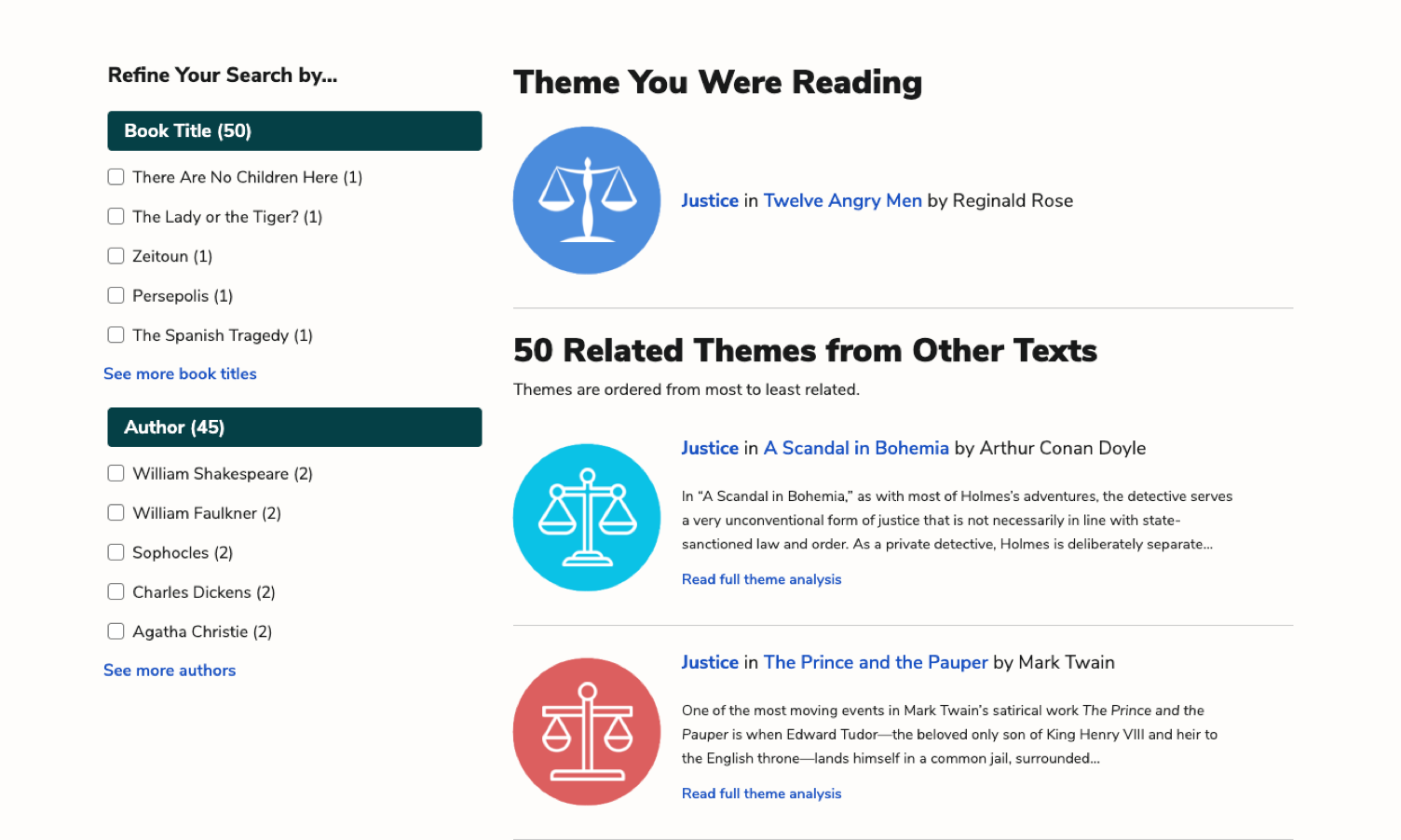
Related Themes
Comparing and contrasting texts? Find where any theme occurs across all of LitCharts in seconds.


Poetry Guides
Line-by-line explanations and analysis of figurative language and poetic devices.
For every lyric poem we cover.
For every lyric poem we cover.