
|
Have questions?
Contact us
Already a member? Sign in
|
Get every literary device explanation for The Underground RailroadPlus so much more...
Sign up for LitCharts A+Get instant access to every literary device explanation, plus so much more...
Imagery
Explanation and Analysis—Black Tennessee Trees:
Imagery grants a bleak first glimpse of Tennessee, as Ridgeway and Cora enter the state after her capture. The chapter opens with a survey of the ravaged hinterlands:
Crows glided over. The world was scorched and harrowed as far as they could see, a sea of ash and char from the flat planes of the fields up to the hills and mountains. Black trees tilted, stunted black arms pointing as if to a distant place untouched by flame. They rode past the blackened bone of houses and barns without number, chimneys sticking up like grave markers, the husked stone walls of ravaged mills and granaries. Scorched fences marked where cattle had grazed; it was not possible the animals survived.
Tennessee’s scorched, desolate landscape introduces the reader to a deep feeling of hopelessness. The chapter sketches the scenery in apocalyptic terms: the “sea of ash and char,” the “tilted, stunted” black trees, and chimneys “like grave markers” speak powerfully to the death and destruction around them. The surroundings are otherworldly in their morbid, windswept ghastliness.
Still, the “ravaged mills and granaries” merely preview a descent into ever more despair. The trail itself, Ridgeway reminds Boseman, is paved by the bodies of displaced Cherokee people. Plagues circulate from one town to the next, and, as the wagon cuts deeper into the state, Cora and the others pass starving families with “demented expressions,” “singed” clothes, and “rags tied around burns.”
In this land nihilistically bereft of hope, Ridgeway advances a brutal philosophy of white power. Placed against this backdrop of death, the struggle for life sanctions the survival of the strongest. Might makes right, because only those who manage to live are able “to destroy what needs to be destroyed”; the weak deserve to be “weeded out.” The slave catcher portrays genocide and slavery as part of the natural order:
Better weep for one of those burned cornfields, or this steer swimming in our soup. You do what’s required to survive.
Tennessee’s unforgiving, deathly terrain turns the will to life into the will to power. Through its grim imagery, the novel reveals a barren world whose brokenness justifies predation, oppression, and injustice.
Monthly
Annual (Best Value)

$595USD/mo
Charged $71.40 USD every year
 Teacher
$795USD/mo
Charged $95.40 USD every year
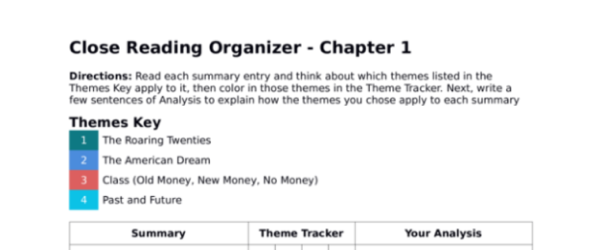
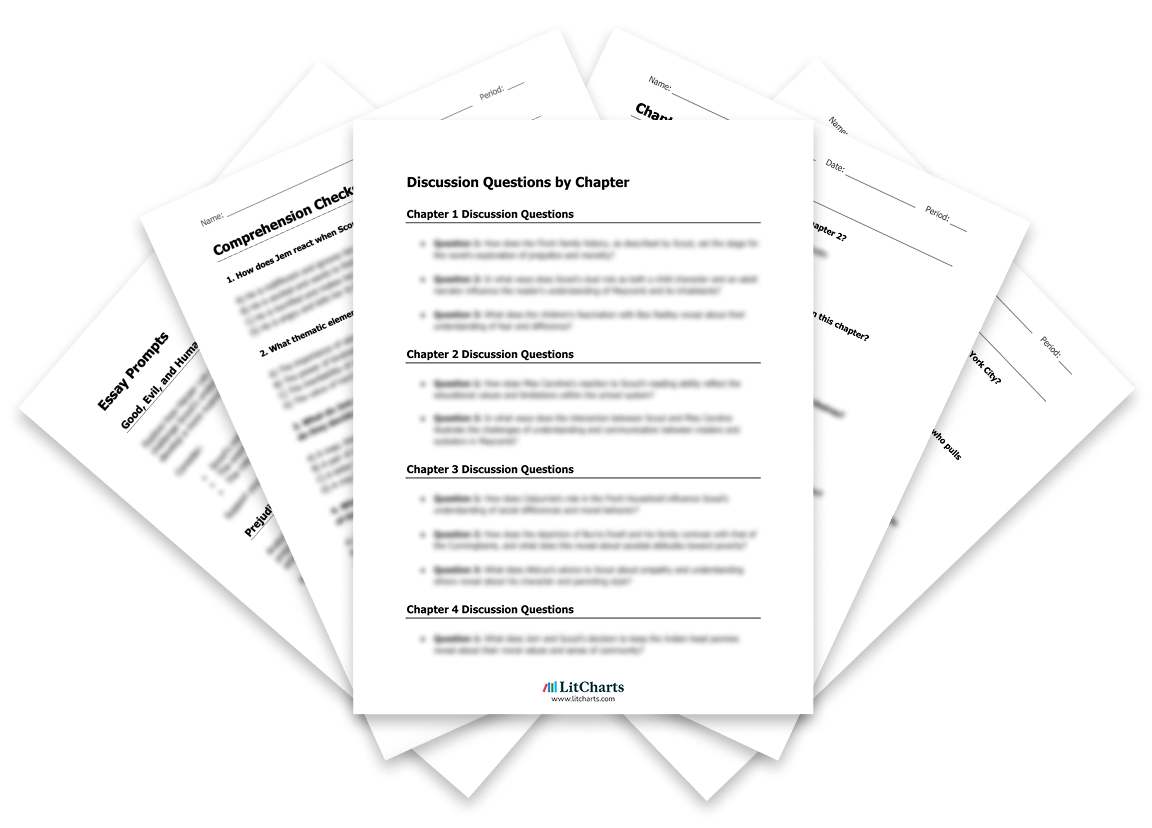
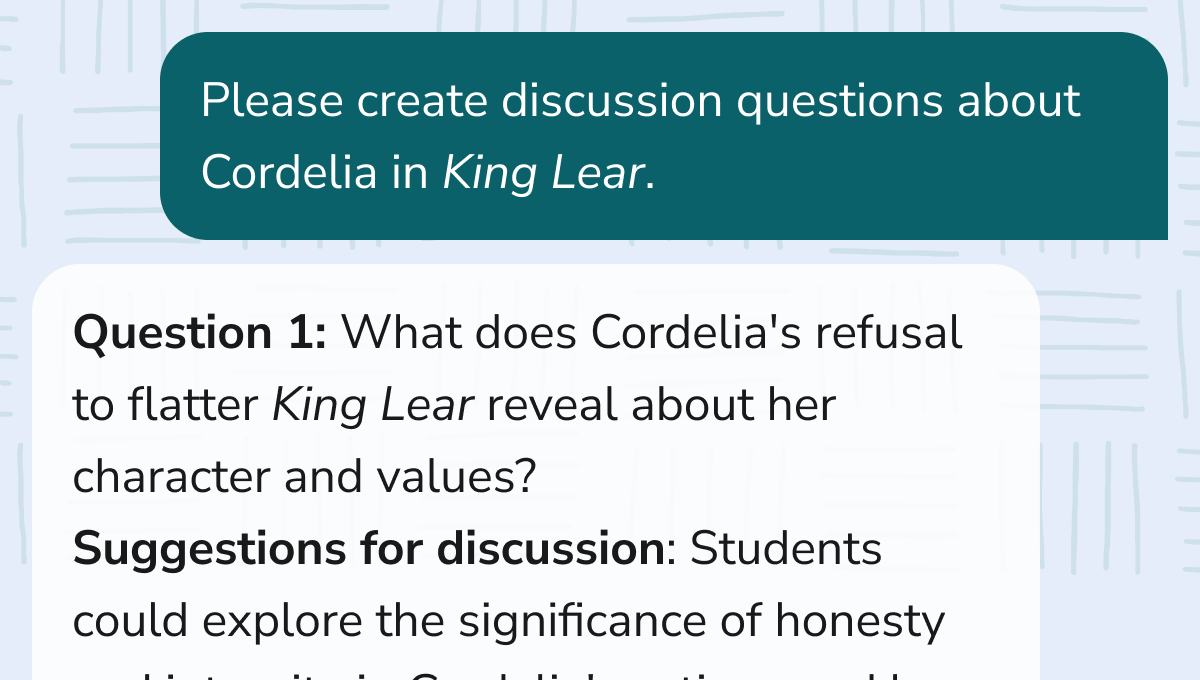
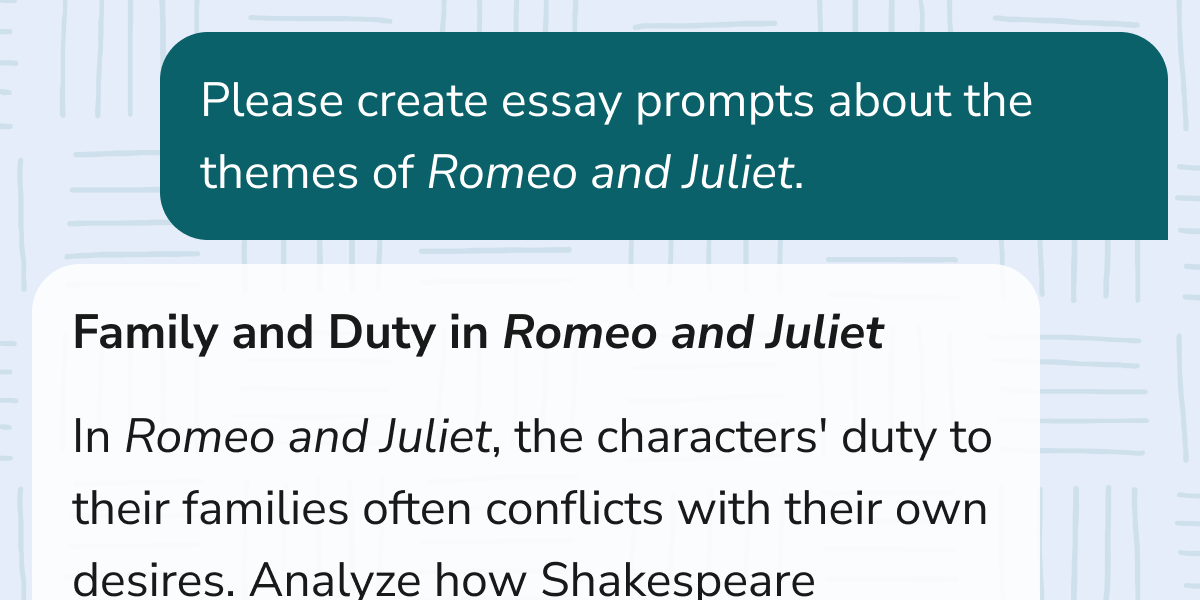


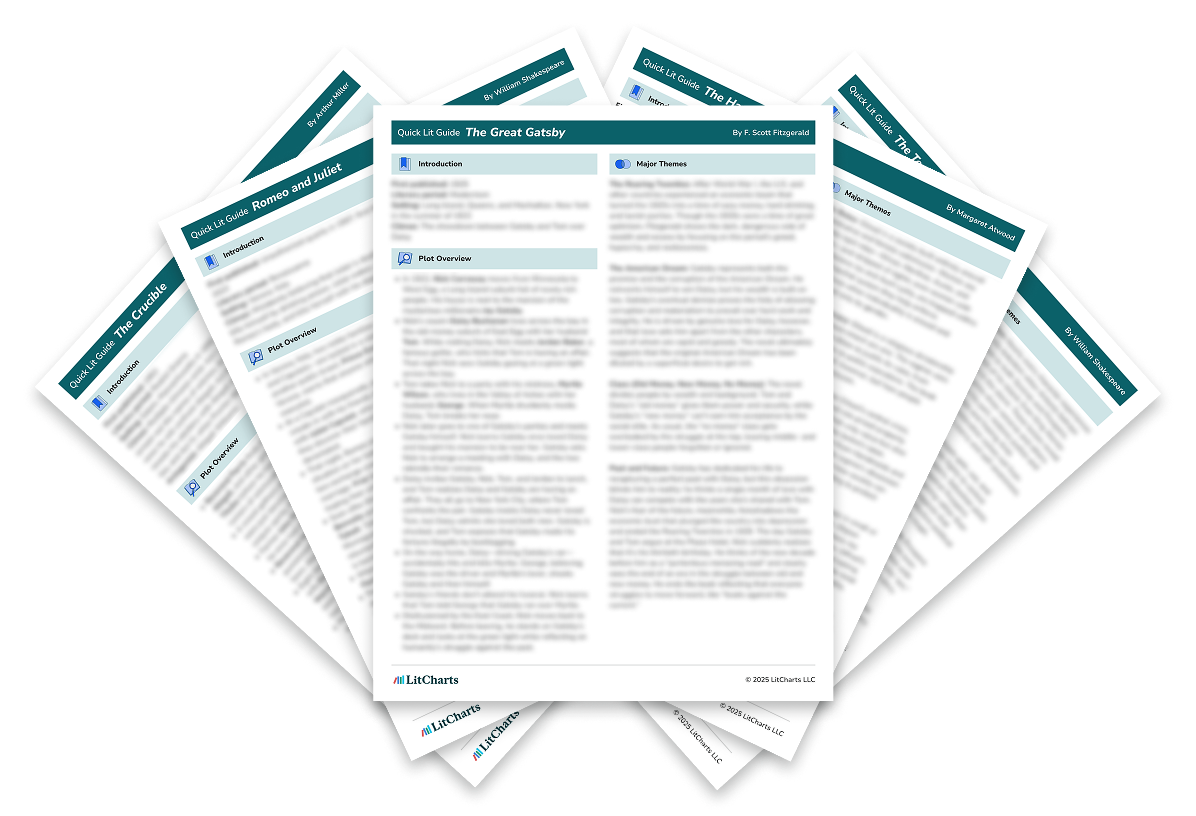
Literature Guide PDFs
LitCharts PDFs for every book you'll read this year.
Instant PDF downloads of all 2247 LitCharts literature guides and of every new one we publish. Try a free sample literature guide.
"Would not have made it through AP Literature without the printable PDFs. They're like having in-class notes for every discussion!"






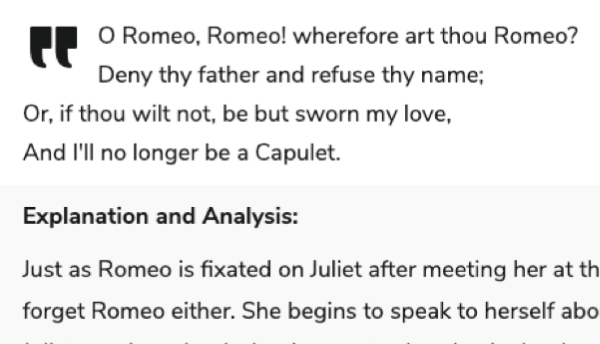
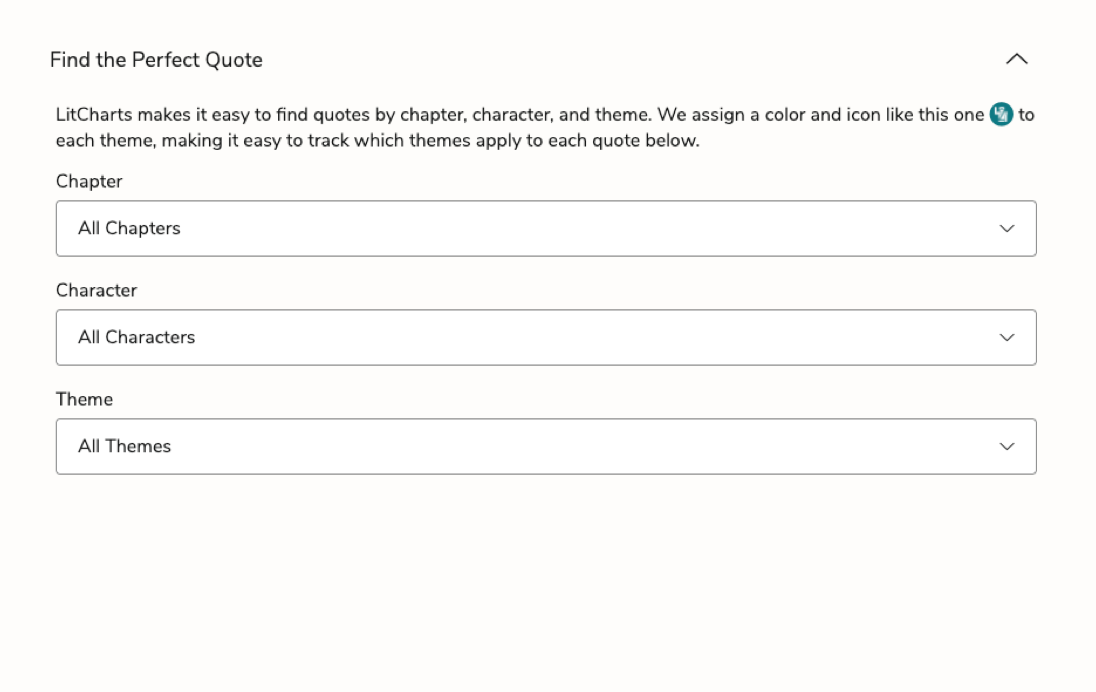
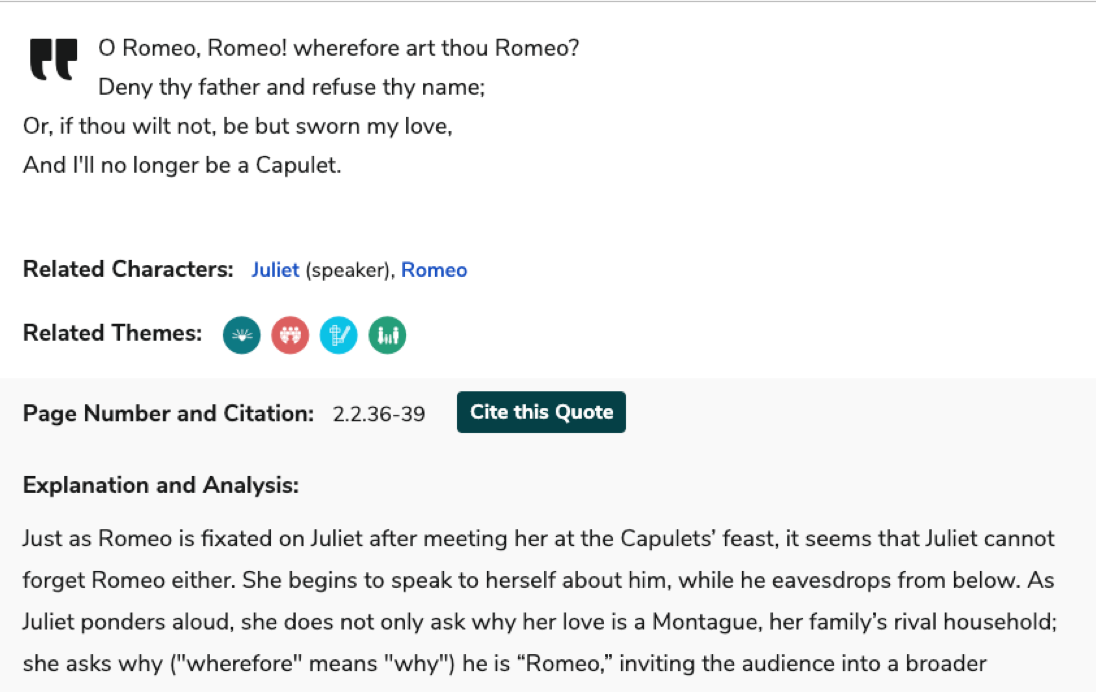
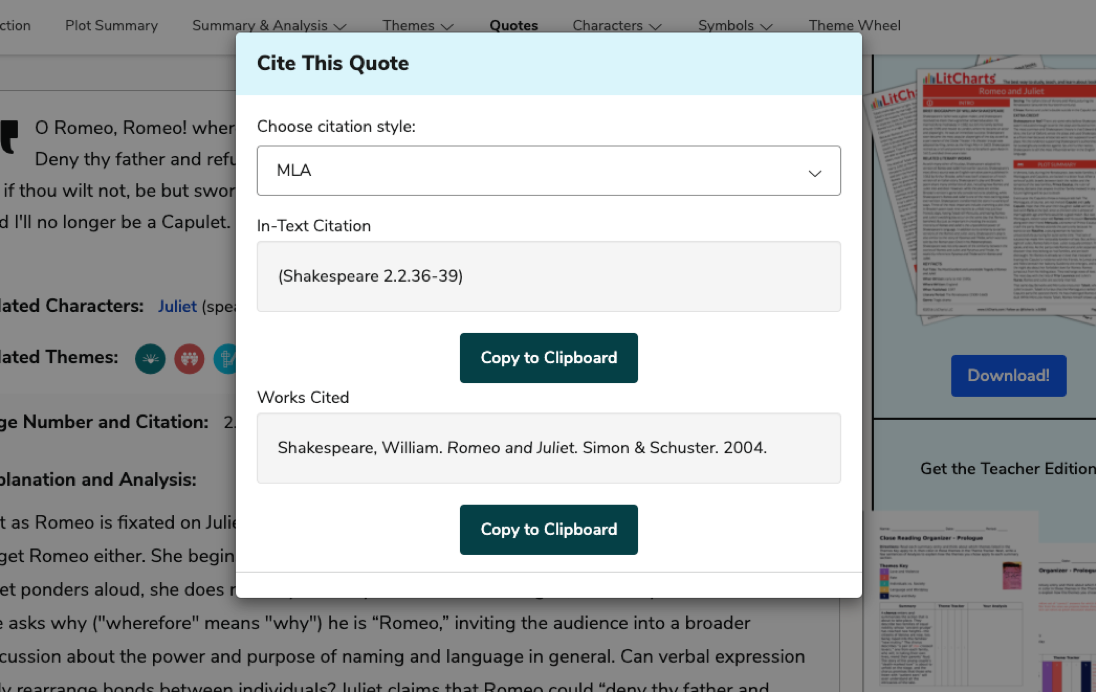
Quotes Explanations
Find the perfect quote. Understand it perfectly. Then rock the citation, too.
For all 50,101 quotes we cover.
For all 50,101 quotes we cover.


Teacher Editions
Close reading made easy for students.
Time saved for teachers.
For every book we cover.
Time saved for teachers.
For every book we cover.


Common Core-aligned


PDFs of modern translations of every one of Shakespeare's 37 plays, 154 sonnets, and 3 longer poems.

Literary Terms and Devices
Definitions and examples for every literary term and device you need to know.
Plus a quick-reference PDF with concise definitions of all 136 terms in one place.
Plus a quick-reference PDF with concise definitions of all 136 terms in one place.
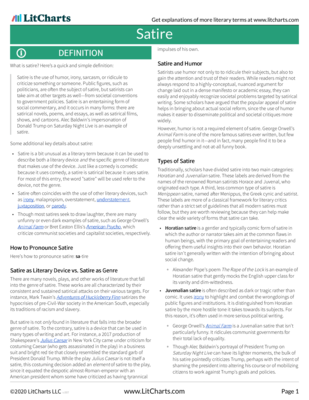
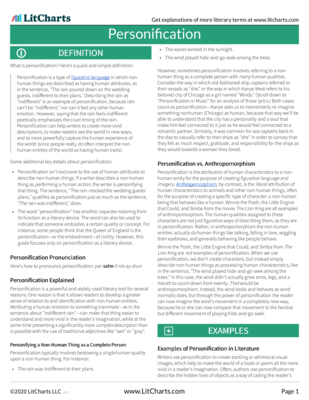
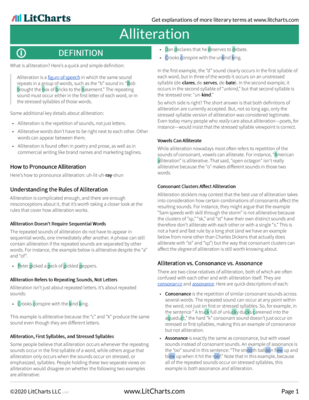
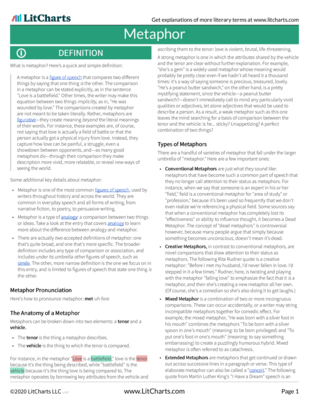
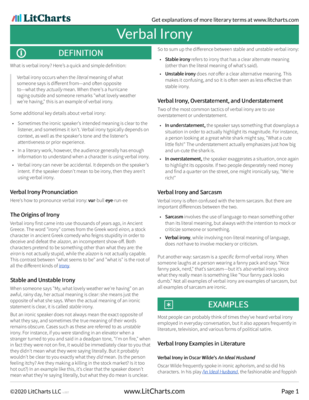
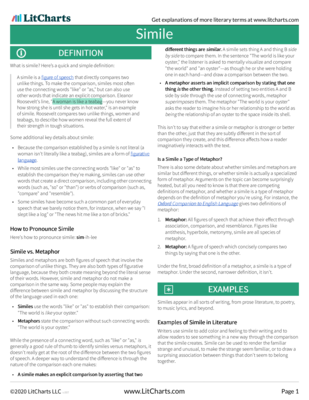
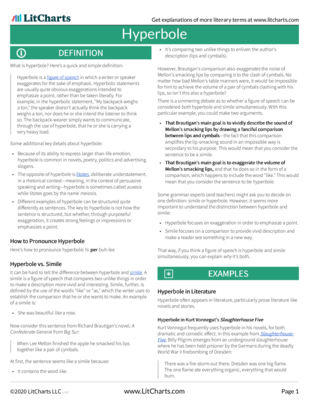
Try a free sample literary term PDF.


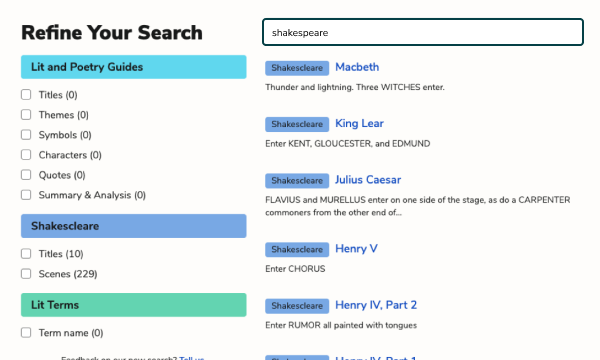
Advanced Search
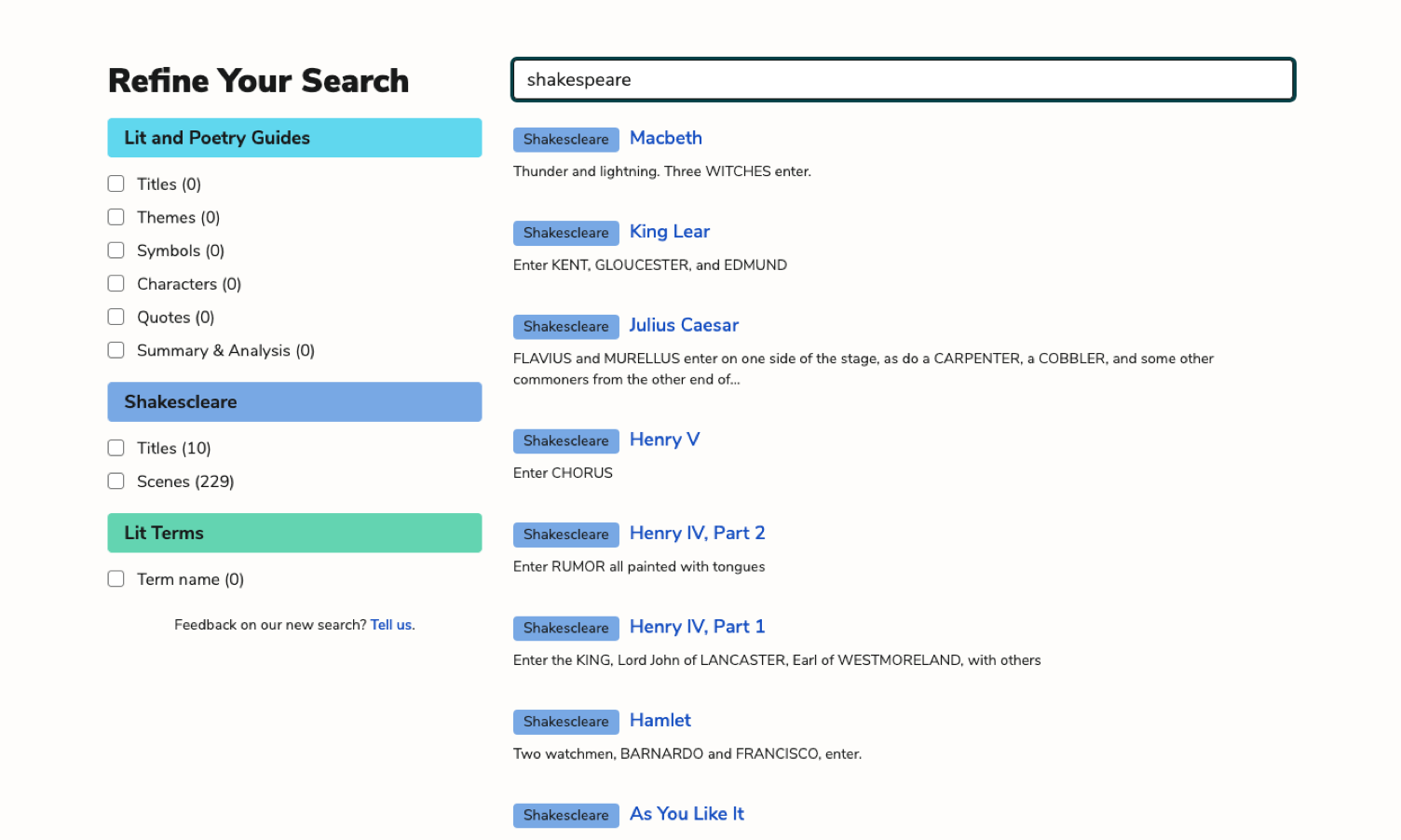
Refine any search. Find related themes, quotes, symbols, characters, and more.

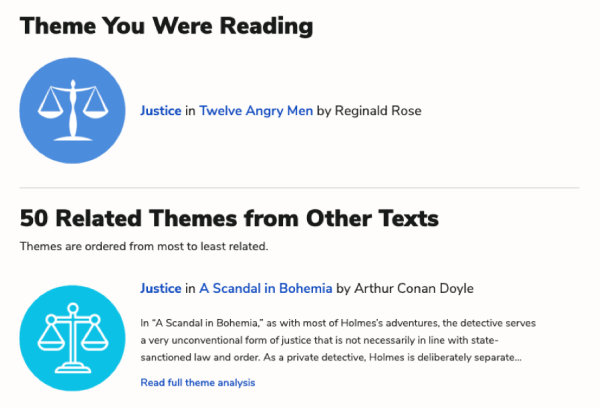
Related Themes
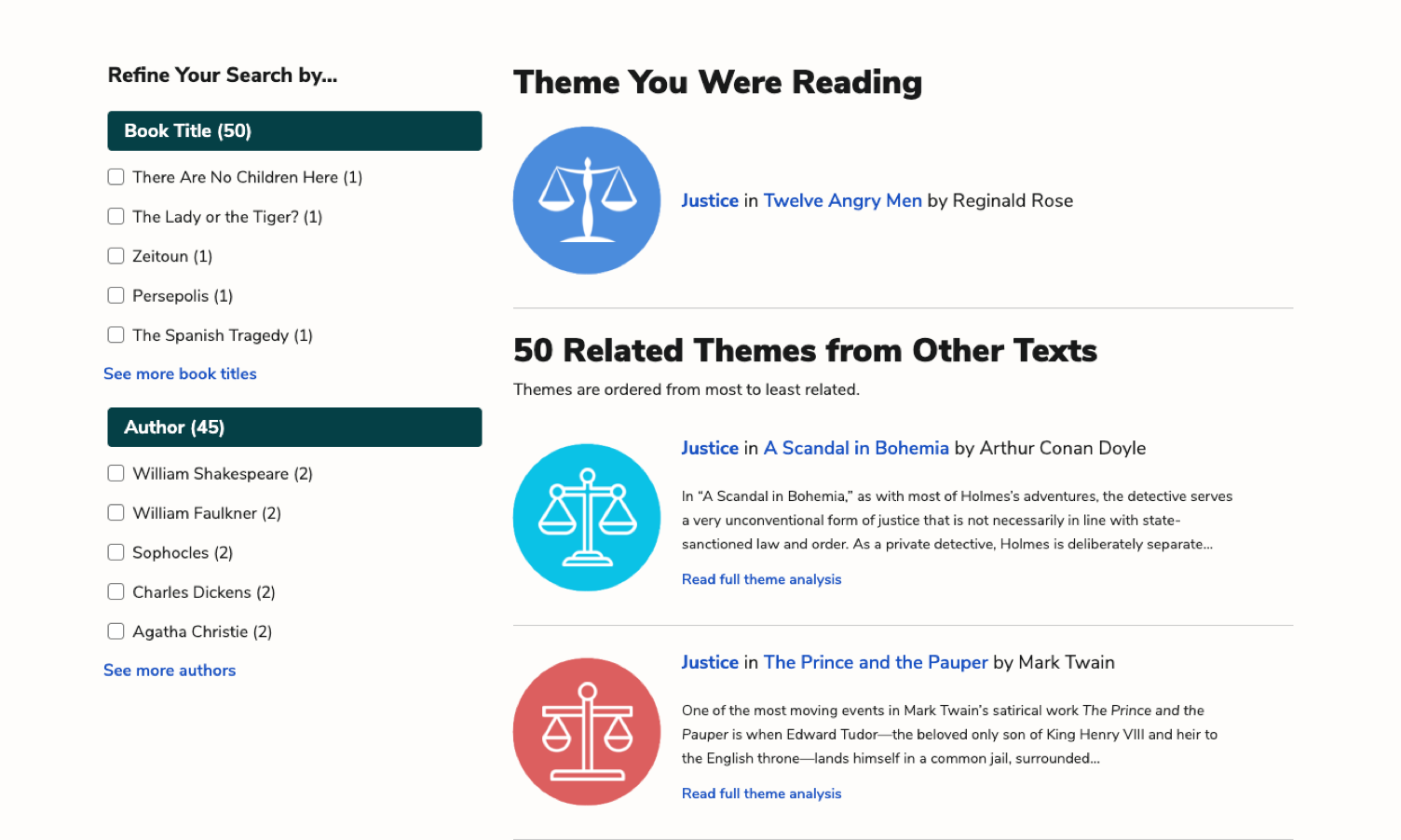
Comparing and contrasting texts? Find where any theme occurs across all of LitCharts in seconds.


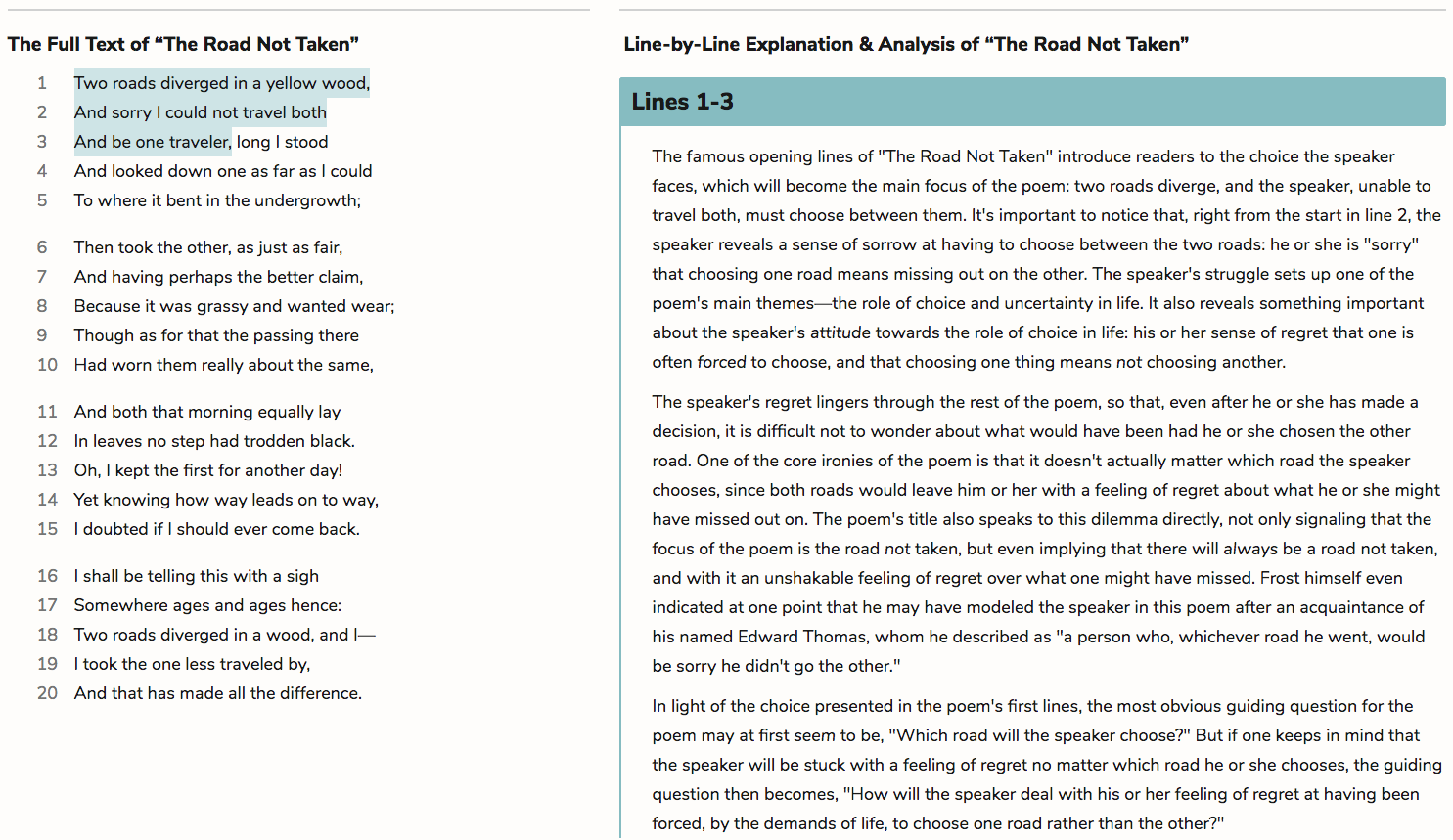
Poetry Guides
Line-by-line explanations and analysis of figurative language and poetic devices.
For every lyric poem we cover.
For every lyric poem we cover.