
|
Have questions?
Contact us
Already a member? Sign in
|
Get every literary device explanation for The Remains of the Day
Plus so much more...
Sign up for LitCharts A+
Get instant access to every literary device explanation, plus so much more...
Imagery
Explanation and Analysis—Village Evening:
In Day Three: Evening, Stevens's car runs out of fuel (petrol, as he calls it in his British dialect), and he explores the area on foot. He describes the beautiful but desolate English landscape around him with visual imagery:
On the other side of the gate a field sloped down very steeply so that it fell out of vision only twenty yards or so in front of me. Beyond the crest of the field, some way off in the distance – perhaps a good mile or so as the crow would fly – was a small village. I could make out through the mist a church steeple, and around about it, clusters of dark-slated roofs; here and there, wisps of white smoke were rising from chimneys.
First, it's worth noting that "as the crow flies" is an English-language idiom that has spread to both sides of the Atlantic. It means the speaker indicates the shortest distance between two places on a map, rather than the actual distance a walker or driver would have to take. A crow doesn't need to follow paths or account for terrain, but simply flies from one location to the next in a straight line.
Once again, Stevens describes the subdued but lovely landscape he encounters. The land falls off so steeply that it looks like he's peering off a cliff, and further away the field rises up again. Then he sees a mist-covered village.
It was not a happy feeling to be up there on a lonely hill, looking over a gate at the lights coming on in a distant village, the daylight all but faded, and the mist growing ever thicker.
This time, similar imagery is used to a despondent effect as Stevens contemplates the encroaching night. Note the similarities between this passage and one in Day Six: Evening, when Stevens watches the lights go up on the dock during the evening. During this scene, the sun is also setting, and this sight causes Stevens considerable apprehension. By the time the final chapter rolls around, Stevens has made his peace with the metaphorical end of the day (the final years of his life) and does not feel concern at its approaching. Of course, this scene offers no indication that evenings will later serve a larger symbolic purpose at the end of the novel, but it offers a kind of foreshadowing for that later significance, especially because Stevens has spent the novel thinking about his past and legacy.
Monthly
Annual (Best Value)

$595USD/mo
Charged $71.40 USD every year
 Teacher
$795USD/mo
Charged $95.40 USD every year
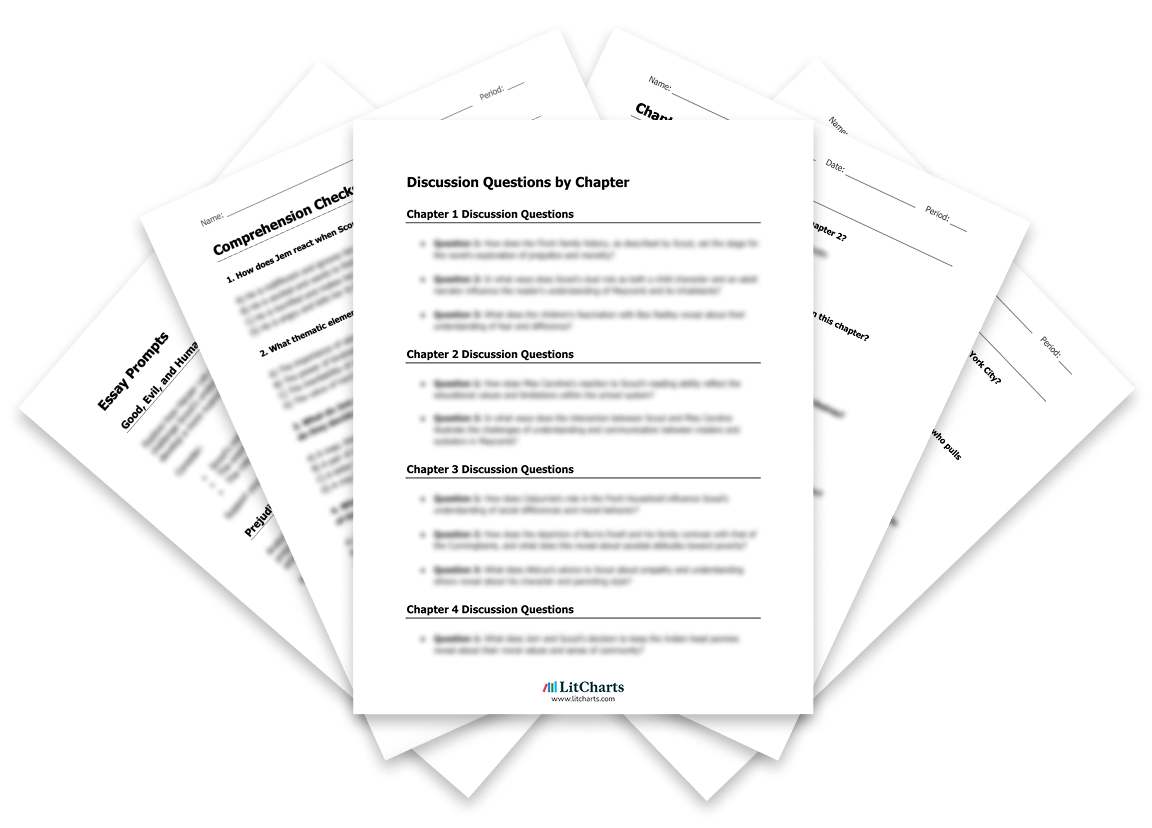
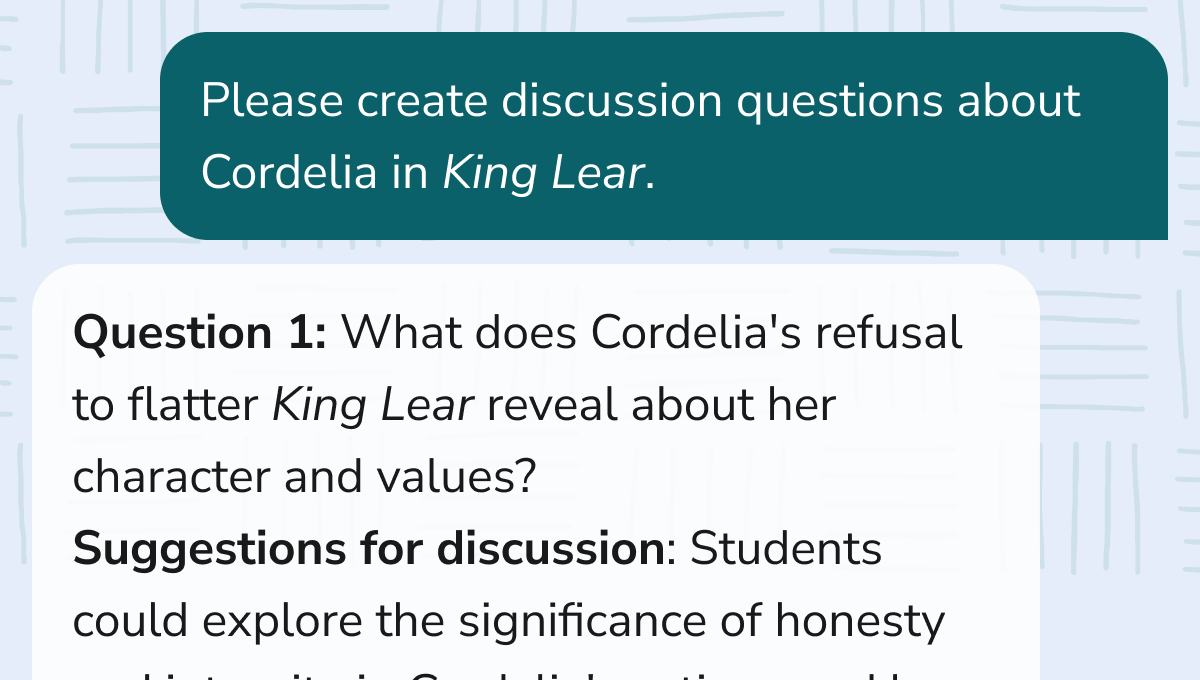
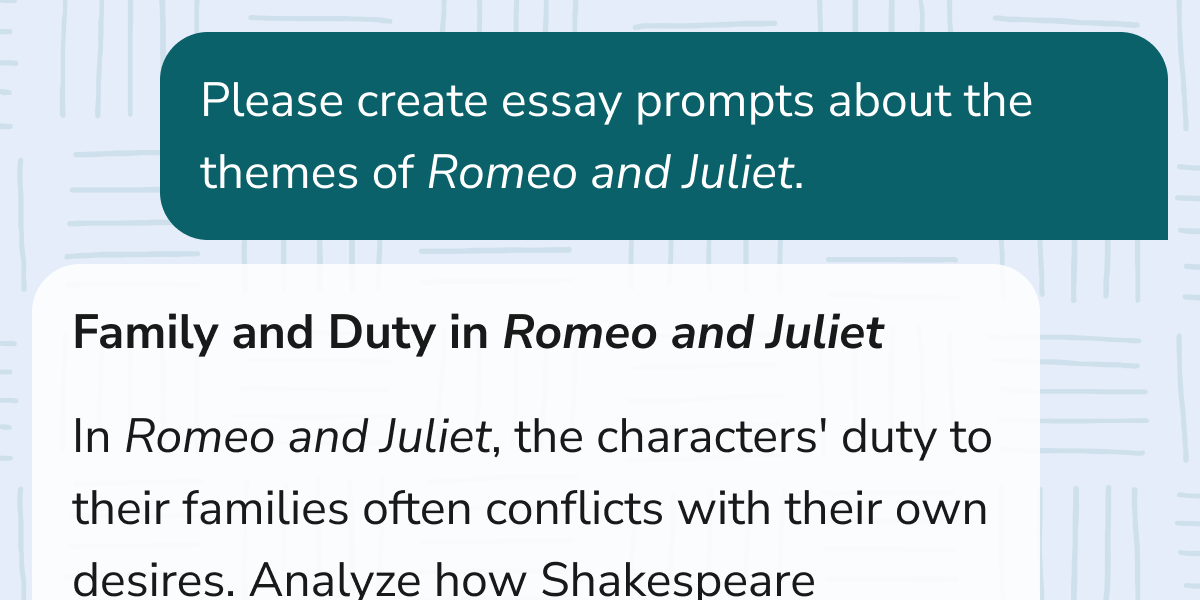
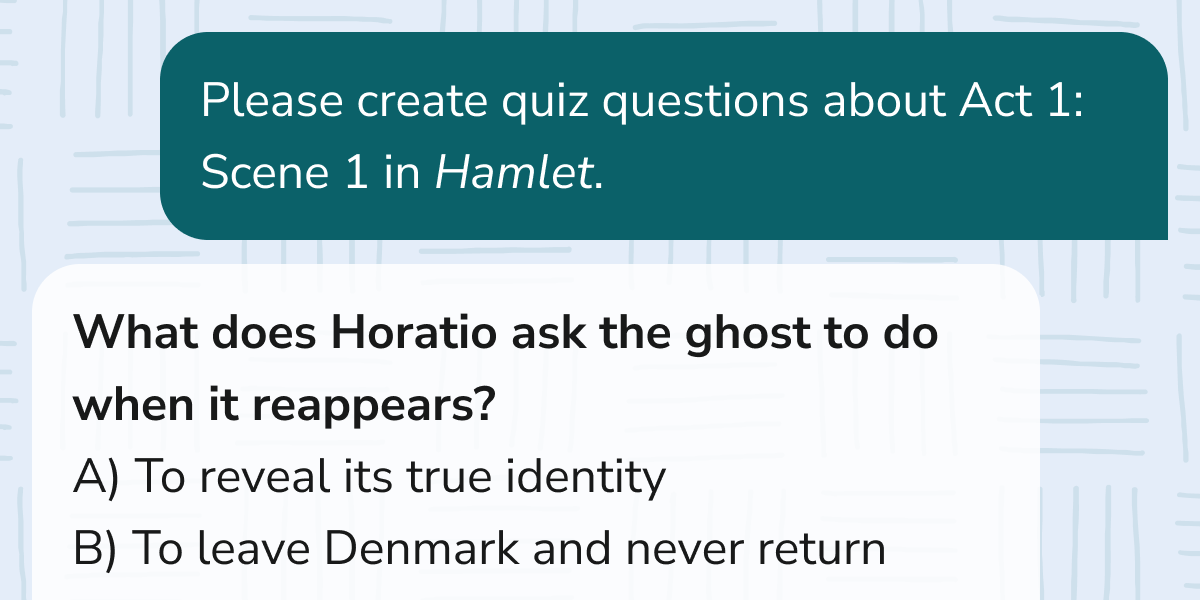


Literature Guide PDFs
LitCharts PDFs for every book you'll read this year.
Instant PDF downloads of all 2252 LitCharts literature guides and of every new one we publish. Try a free sample literature guide.
"Would not have made it through AP Literature without the printable PDFs. They're like having in-class notes for every discussion!"








Quotes Explanations
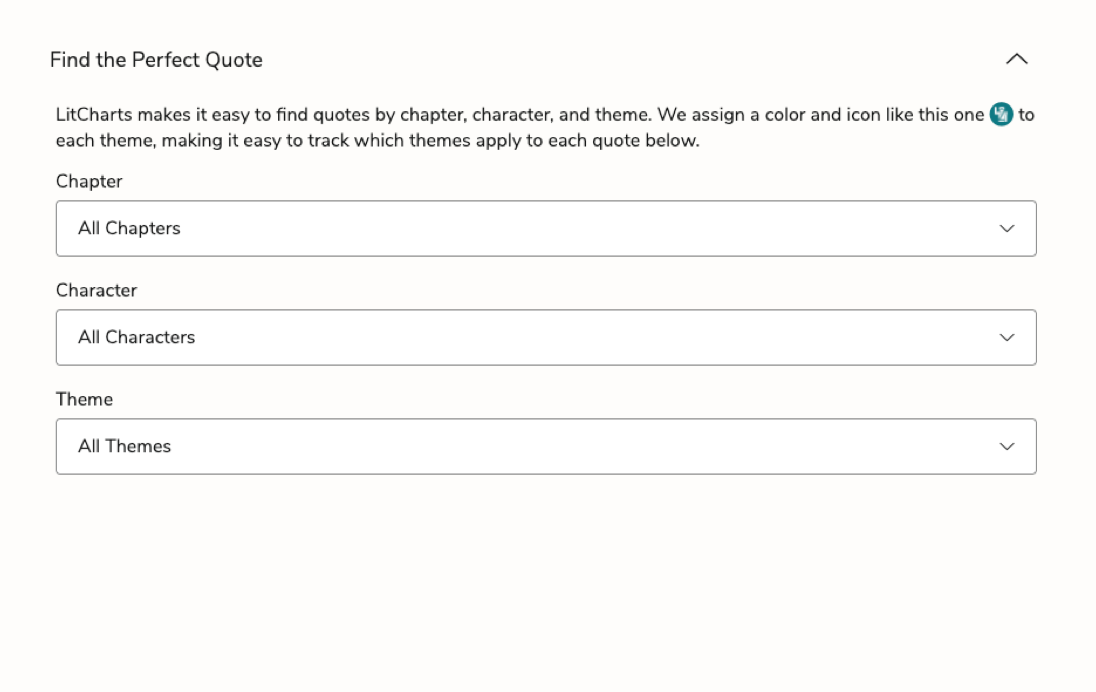
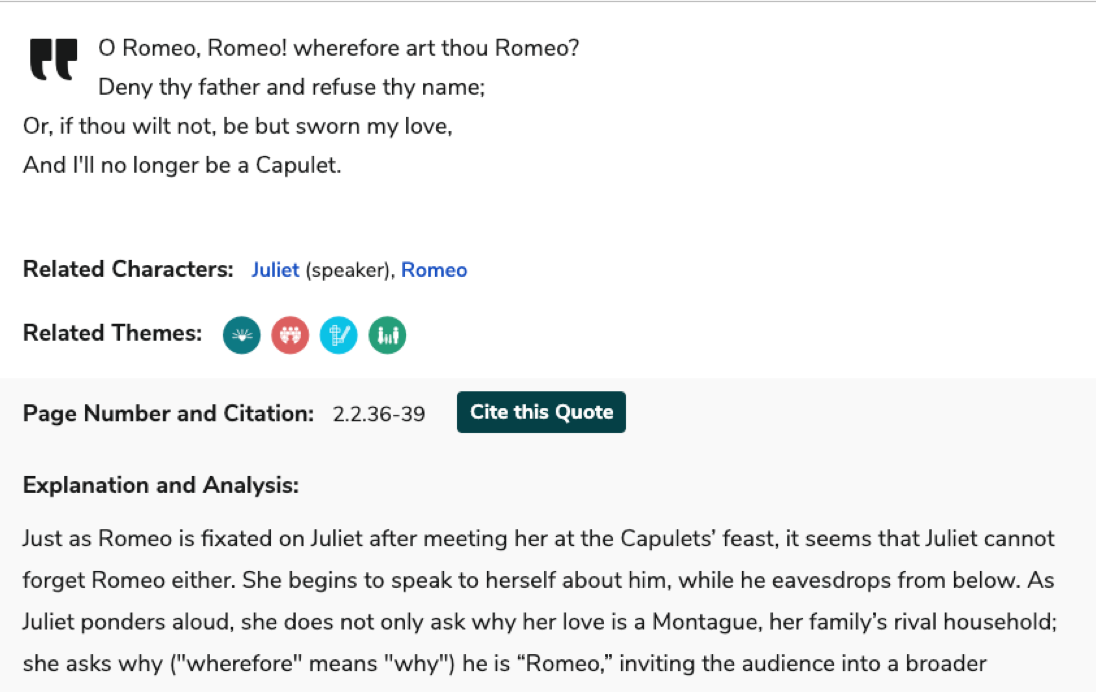
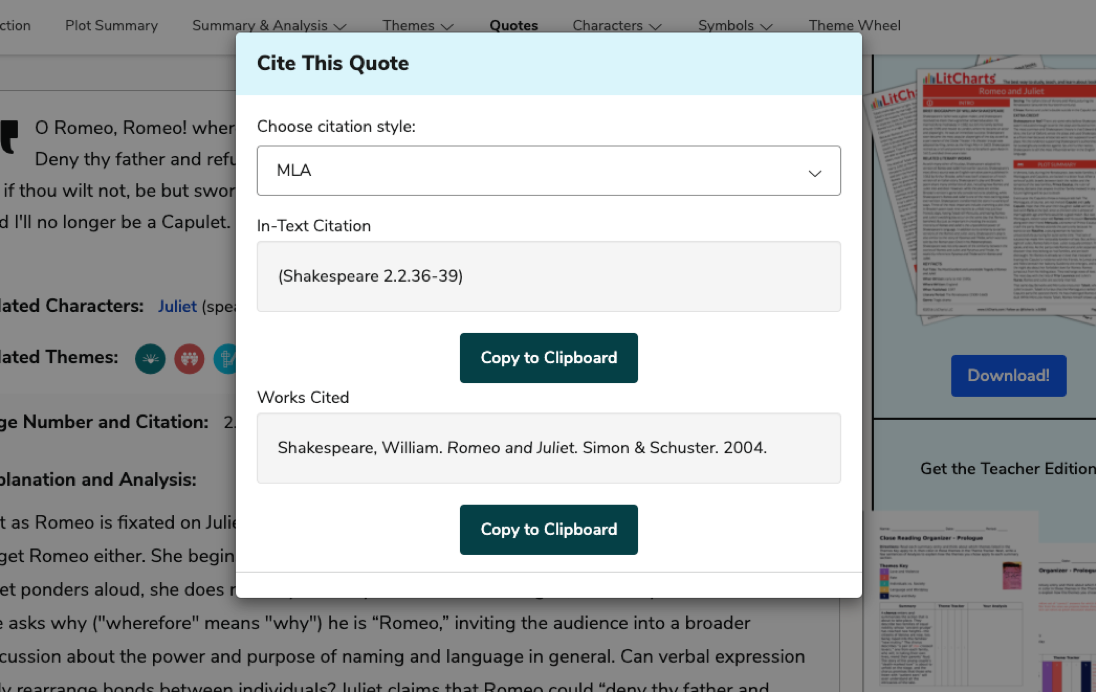
Find the perfect quote. Understand it perfectly. Then rock the citation, too.
For all 50,213 quotes we cover.
For all 50,213 quotes we cover.


Teacher Editions
Close reading made easy for students.
Time saved for teachers.
For every book we cover.
Time saved for teachers.
For every book we cover.


Common Core-aligned


PDFs of modern translations of every one of Shakespeare's 37 plays, 154 sonnets, and 3 longer poems.

Literary Terms and Devices
Definitions and examples for every literary term and device you need to know.
Plus a quick-reference PDF with concise definitions of all 136 terms in one place.
Plus a quick-reference PDF with concise definitions of all 136 terms in one place.
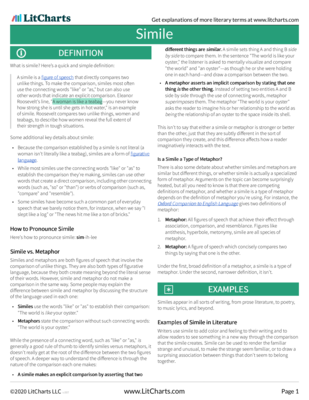
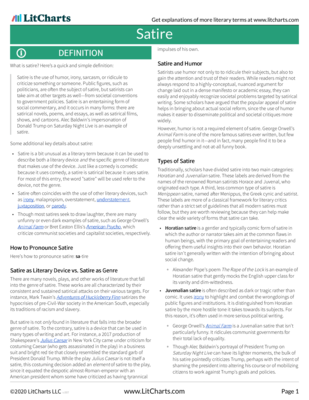
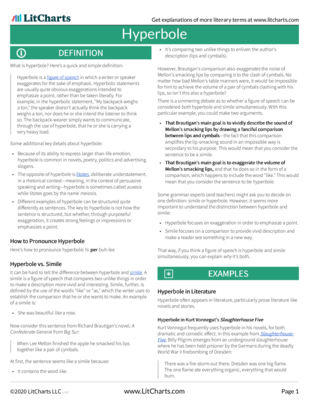
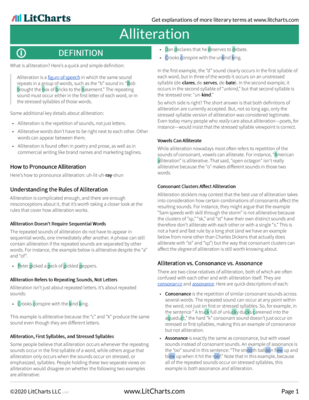
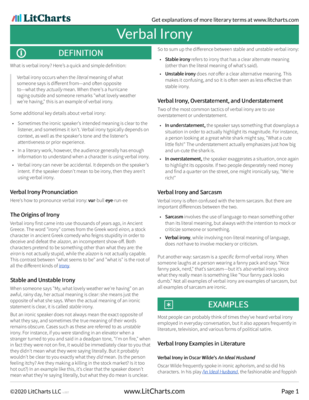
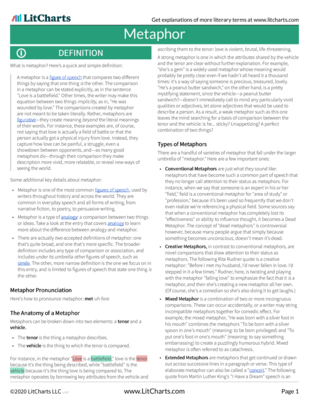
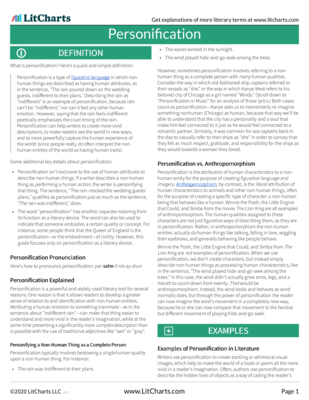
Try a free sample literary term PDF.


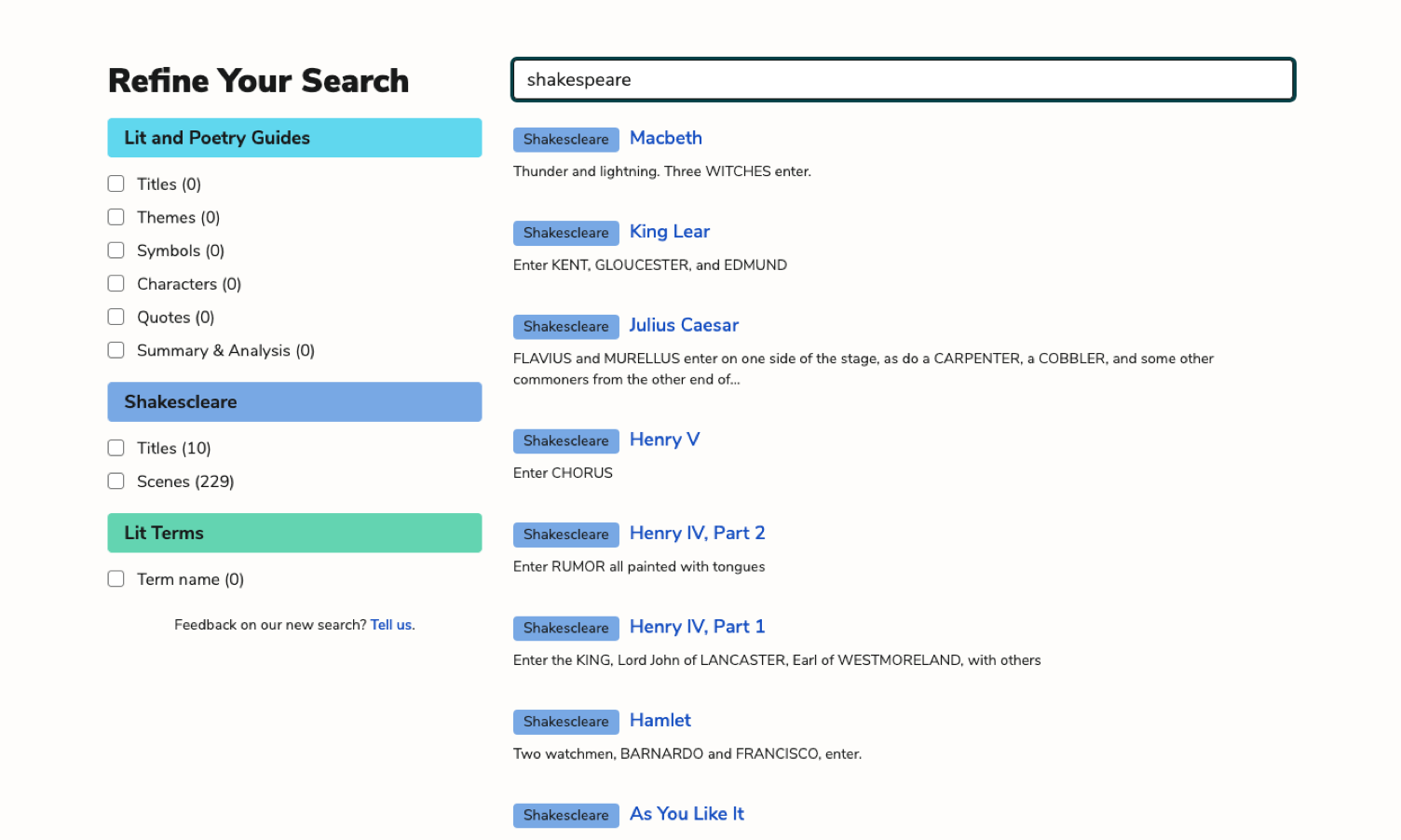
Advanced Search
Refine any search. Find related themes, quotes, symbols, characters, and more.

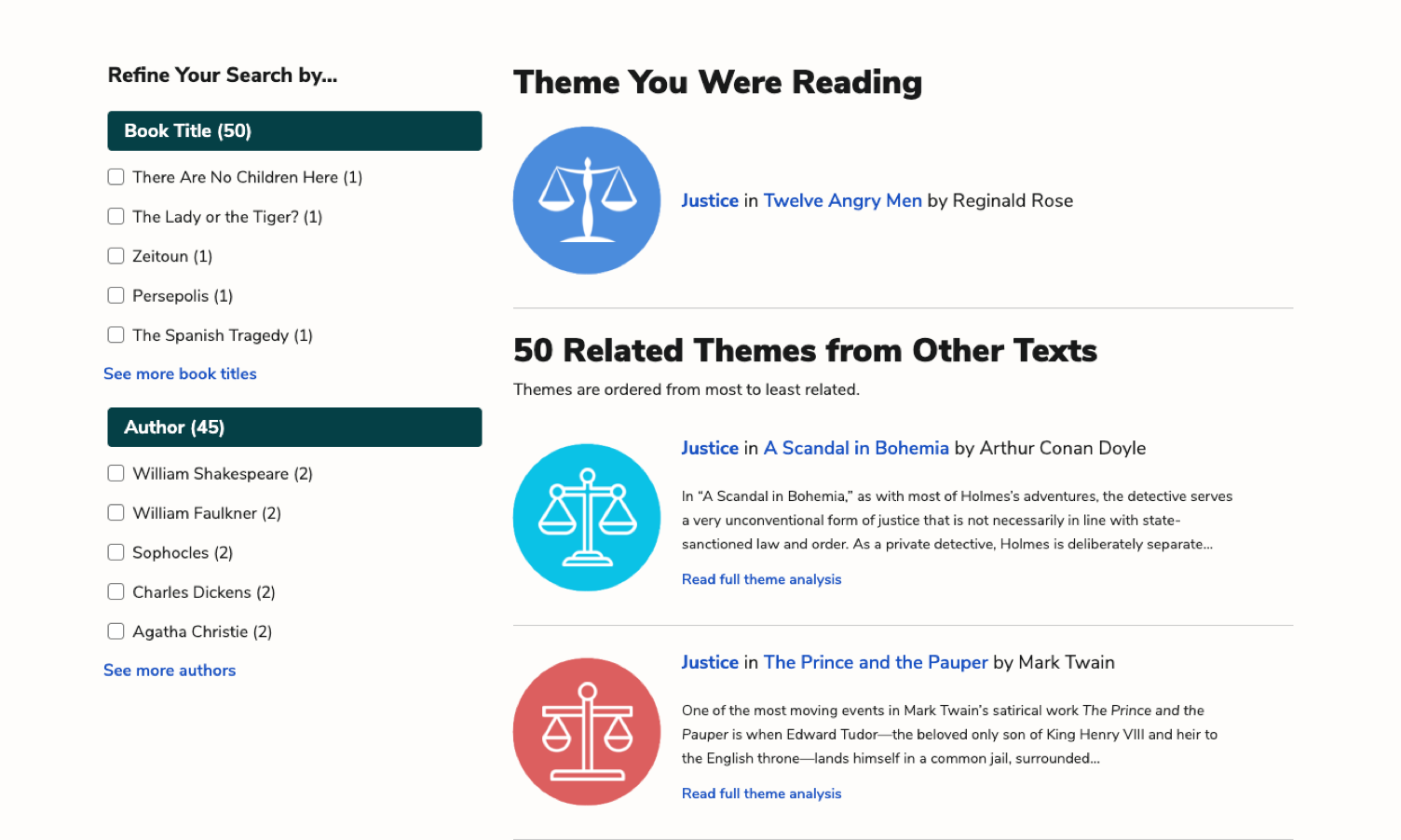
Related Themes
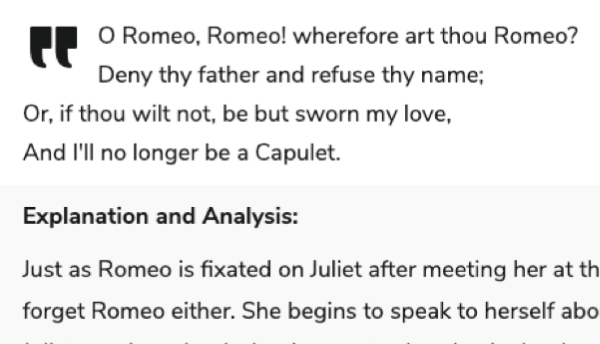
Comparing and contrasting texts? Find where any theme occurs across all of LitCharts in seconds.


Poetry Guides
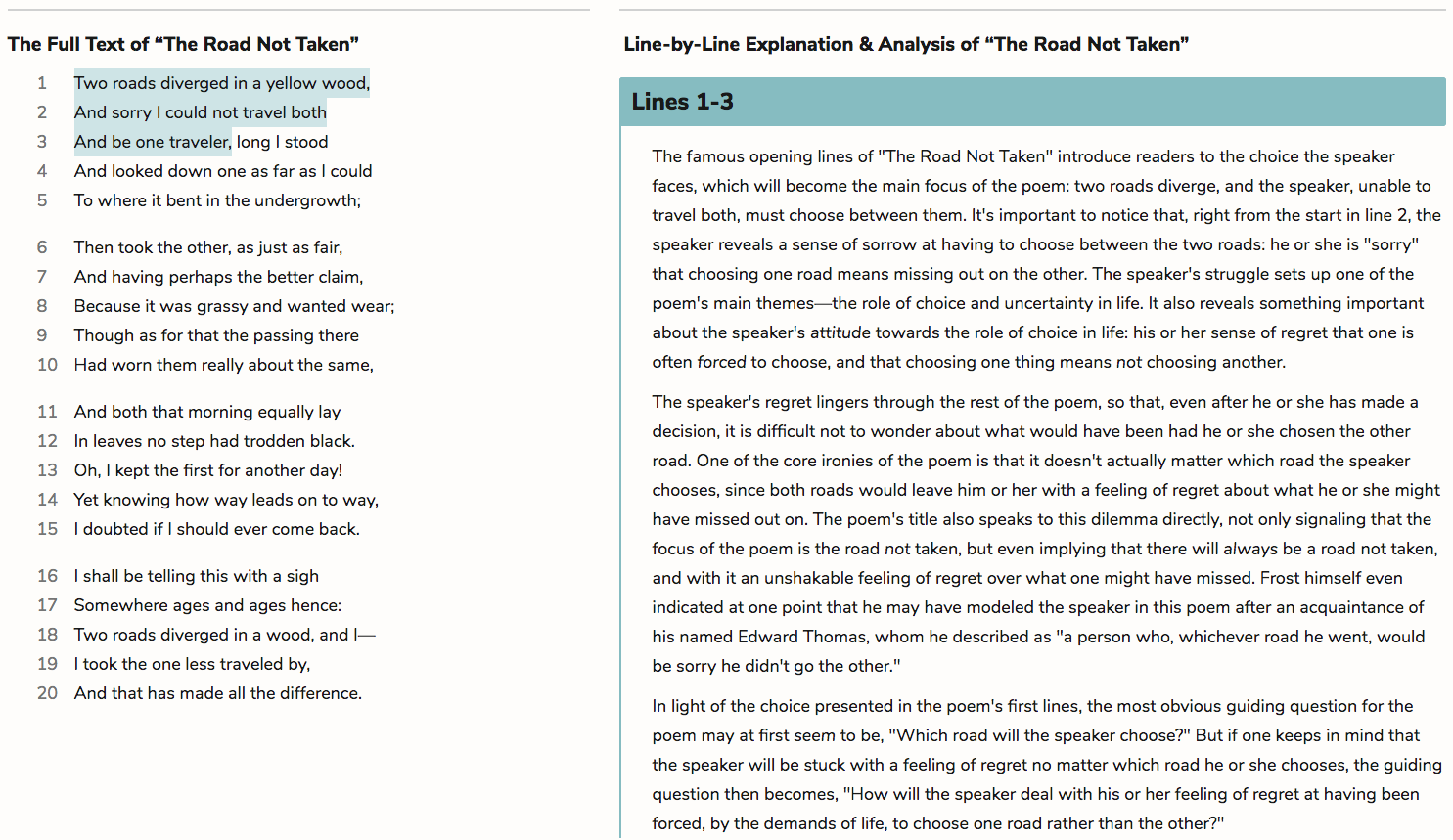
Line-by-line explanations and analysis of figurative language and poetic devices.
For every lyric poem we cover.
For every lyric poem we cover.