
|
Have questions?
Contact us
Already a member? Sign in
|
Get every literary device explanation for The VeldtPlus so much more...
Sign up for LitCharts A+Get instant access to every literary device explanation, plus so much more...
Imagery
Explanation and Analysis—Rima in the Forest:
After confronting their children about the unsettling African veldt landscape that they found in the virtual reality nursery (and after the children claim that no such veldt exists), George and Lydia visit the nursery to see if their children are telling the truth. In this scene, Bradbury includes both imagery and an allusion, as seen in the following passage:
There was a green, lovely forest, a lovely river, a purple mountain, high voices singing, and Rima, lovely and mysterious, lurking in the trees with colorful flights of butterflies, like animated bouquets, lingering in her long hair. The African veldtland was gone. The lions were gone. Only Rima was here now, singing a song so beautiful that it brought tears to your eyes.
The imagery here engages different senses at once—the descriptions of the “green, lovely forest,” the “purple mountain,” and the “colorful flights of butterflies, like animated bouquets” all help readers to visualize the scene, while the description of the “high voices singing” helps them to hear it. The note about how the song is one “so beautiful that it brought tears to your eyes” also engages readers emotionally.
All of these descriptions are meant to help readers understand how different this virtual reality scene is than the previous one with the desolate African veldt full of hungry lions—the children are clearly aware of the fact that they are doing something “wrong” in letting their violent impulses create the scenery in the nursery and are trying to cover it up with this “lovely” forest scene.
The allusion here is to W. H. Hudson’s 1904 novel Green Mansions: A Romance of the Tropical Forest, which features a protagonist named Rima, a young girl who lives in the forest in South America. The Rima in this virtual reality scene is clearly a reference to the Rima of Hudson’s tale.
Monthly
Annual (Best Value)

$595USD/mo
Charged $71.40 USD every year
 Teacher
$795USD/mo
Charged $95.40 USD every year
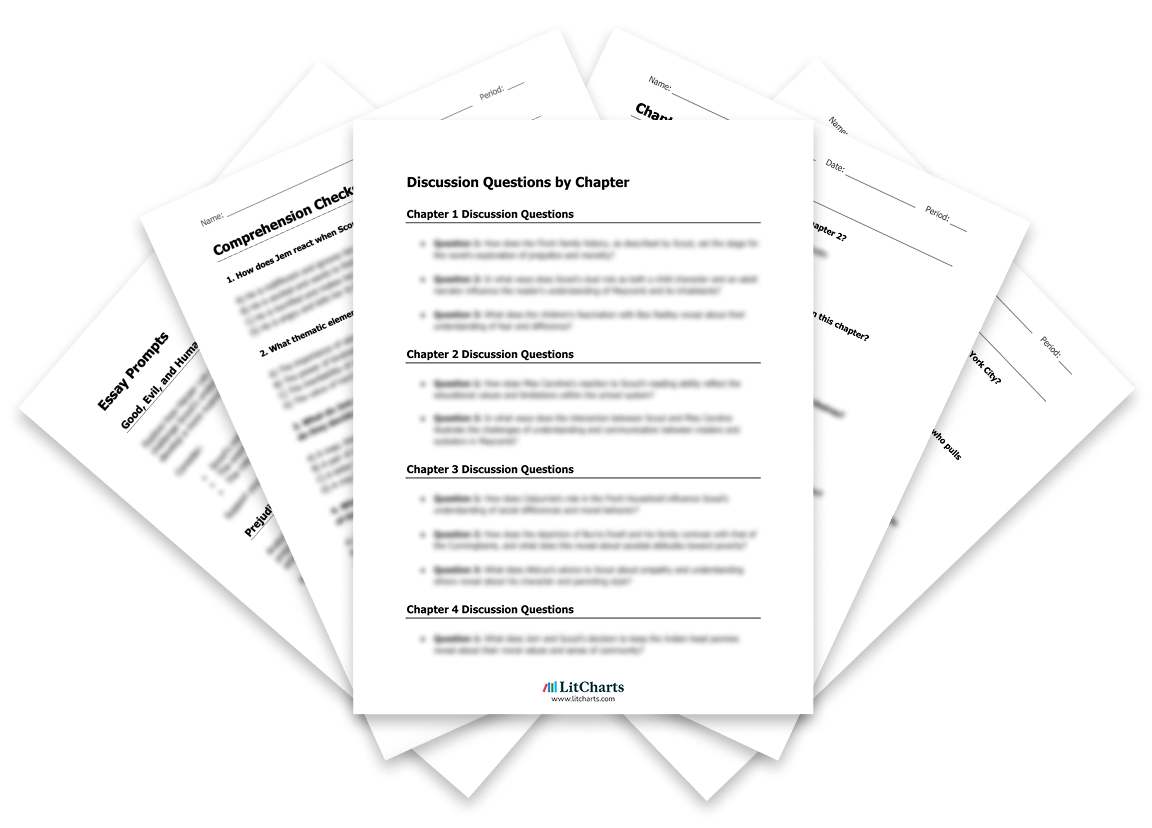


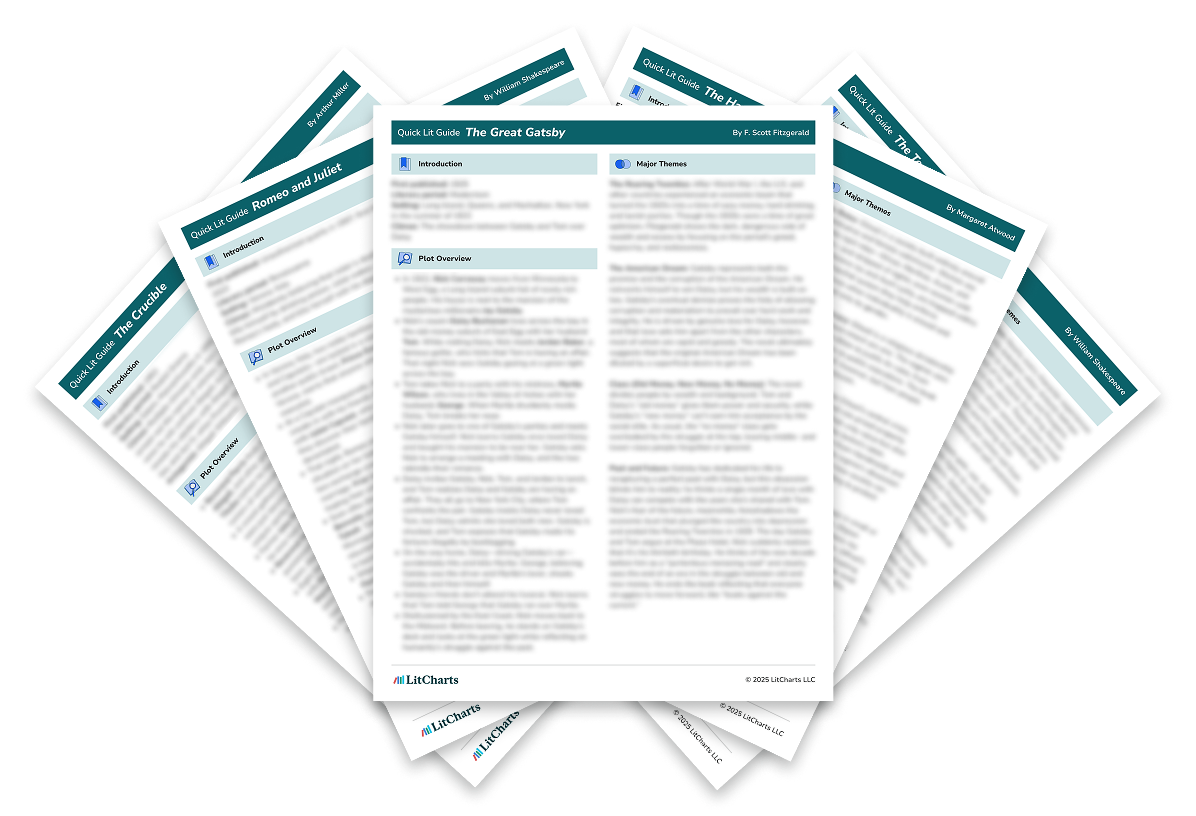
Literature Guide PDFs
LitCharts PDFs for every book you'll read this year.
Instant PDF downloads of all 2250 LitCharts literature guides and of every new one we publish. Try a free sample literature guide.
"Would not have made it through AP Literature without the printable PDFs. They're like having in-class notes for every discussion!"


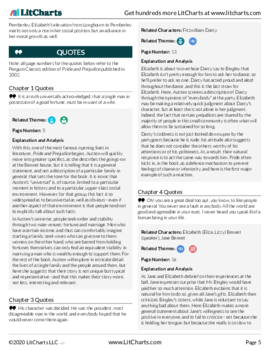


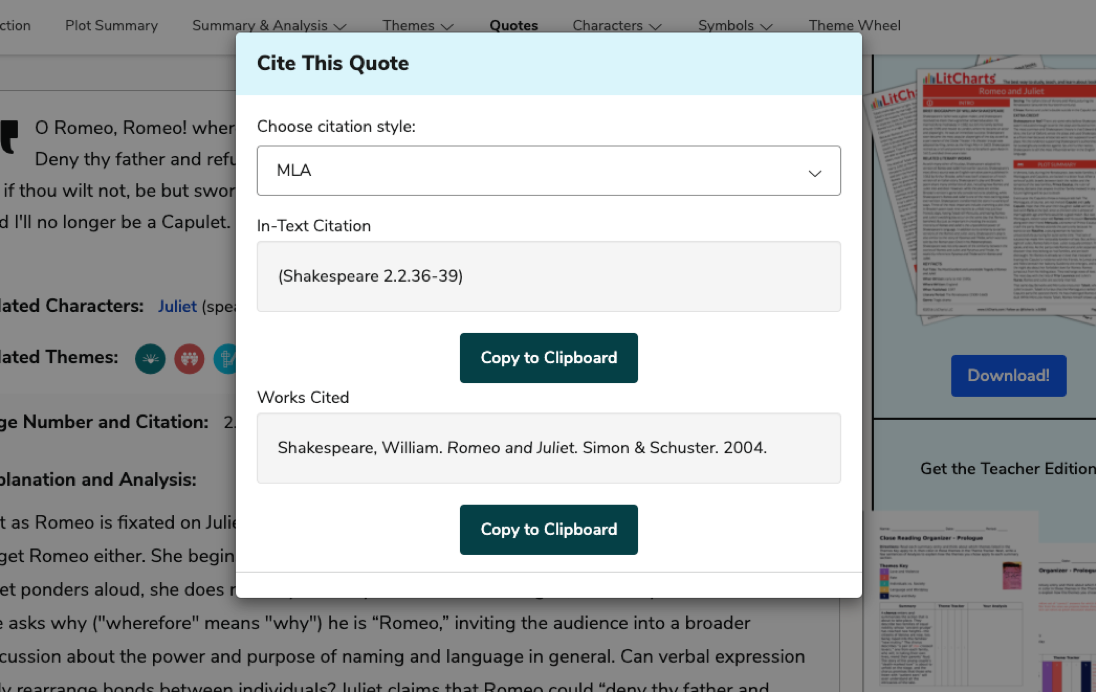
Quotes Explanations
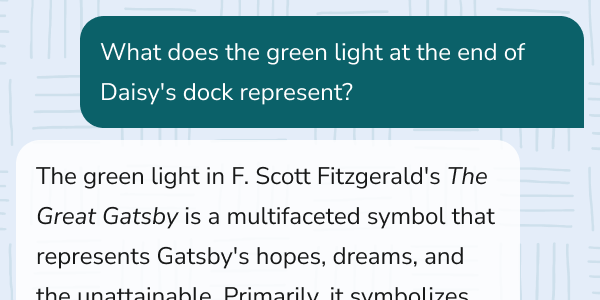
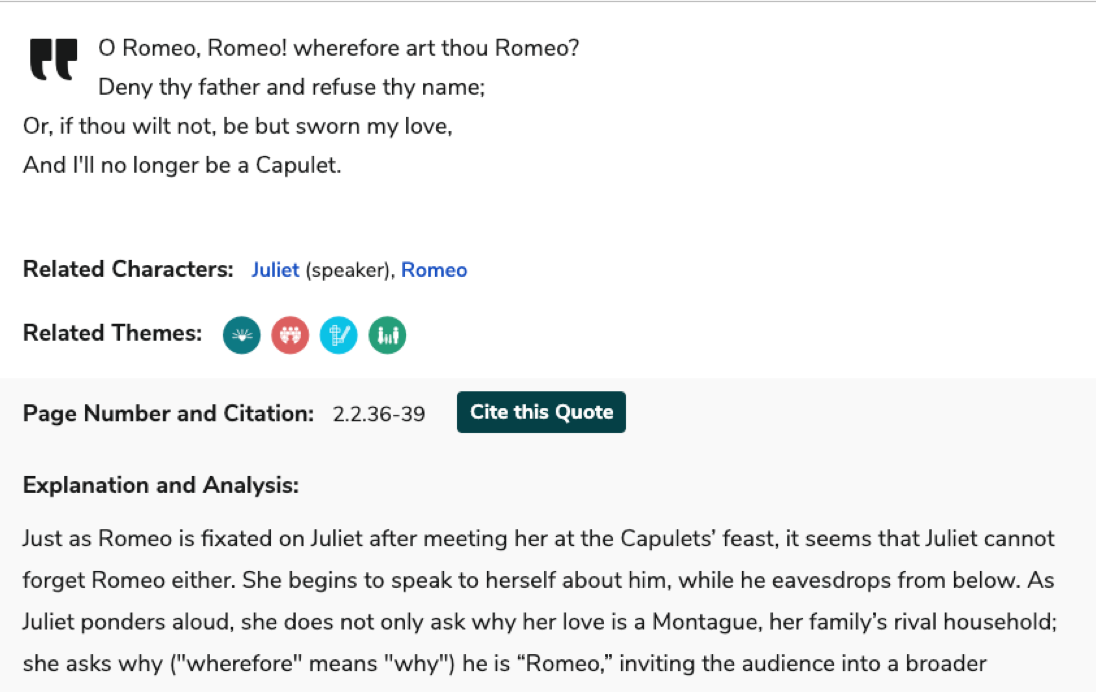
Find the perfect quote. Understand it perfectly. Then rock the citation, too.
For all 50,177 quotes we cover.
For all 50,177 quotes we cover.


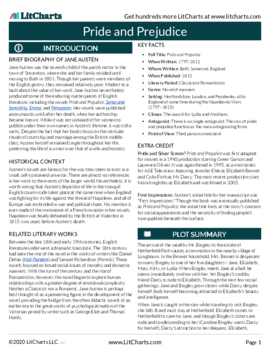
Teacher Editions
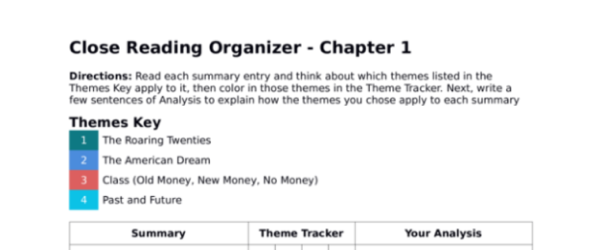
Close reading made easy for students.
Time saved for teachers.
For every book we cover.
Time saved for teachers.
For every book we cover.


Common Core-aligned


PDFs of modern translations of every one of Shakespeare's 37 plays, 154 sonnets, and 3 longer poems.

Literary Terms and Devices
Definitions and examples for every literary term and device you need to know.
Plus a quick-reference PDF with concise definitions of all 136 terms in one place.
Plus a quick-reference PDF with concise definitions of all 136 terms in one place.
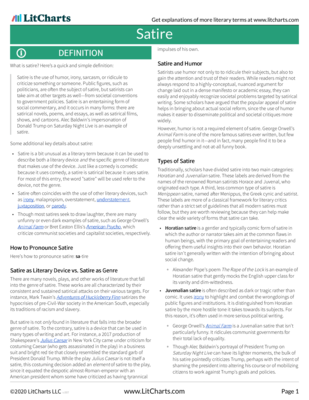
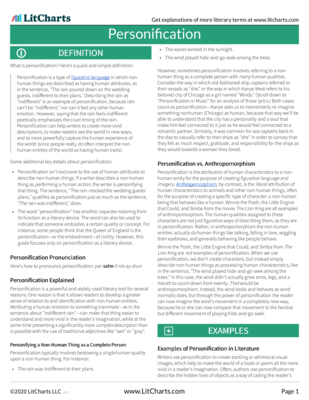
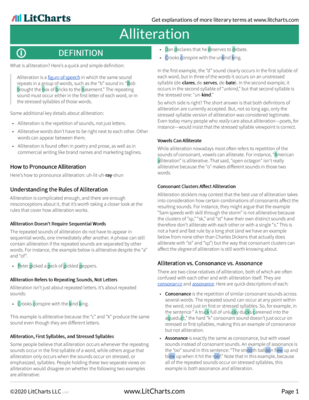
Try a free sample literary term PDF.


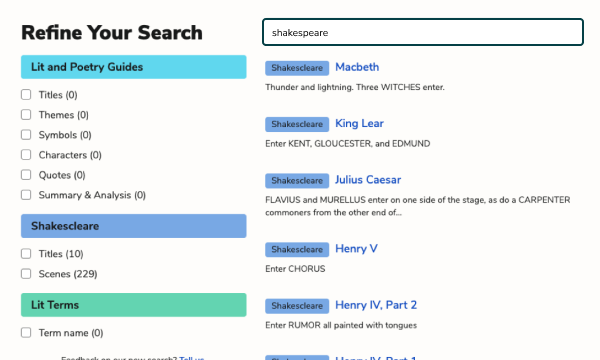
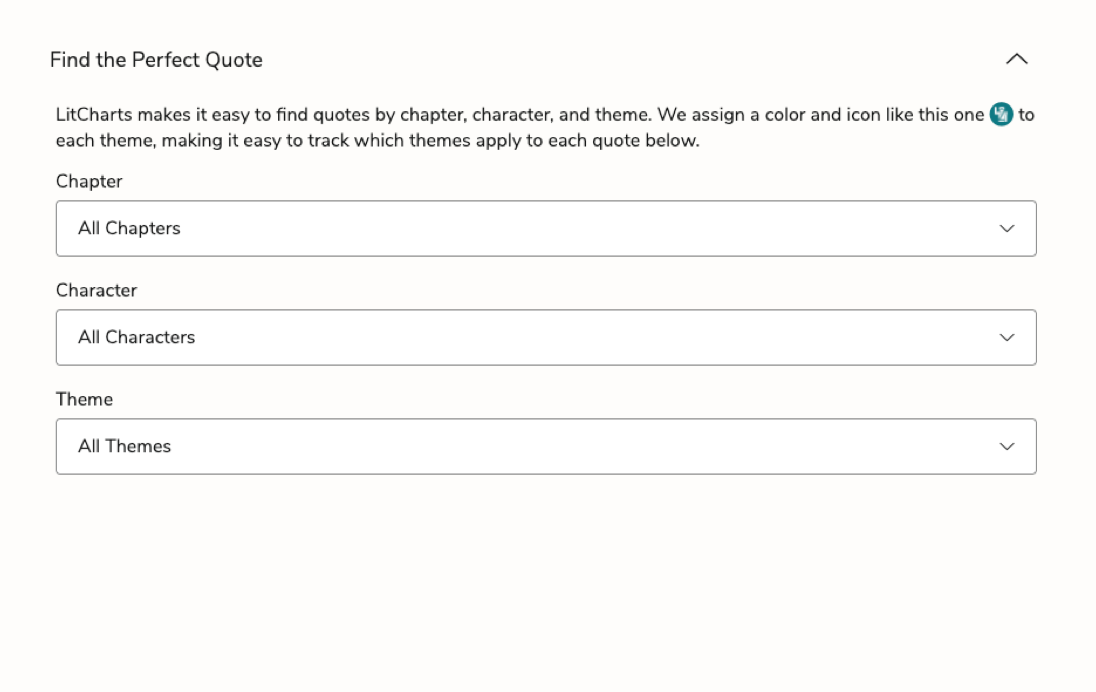
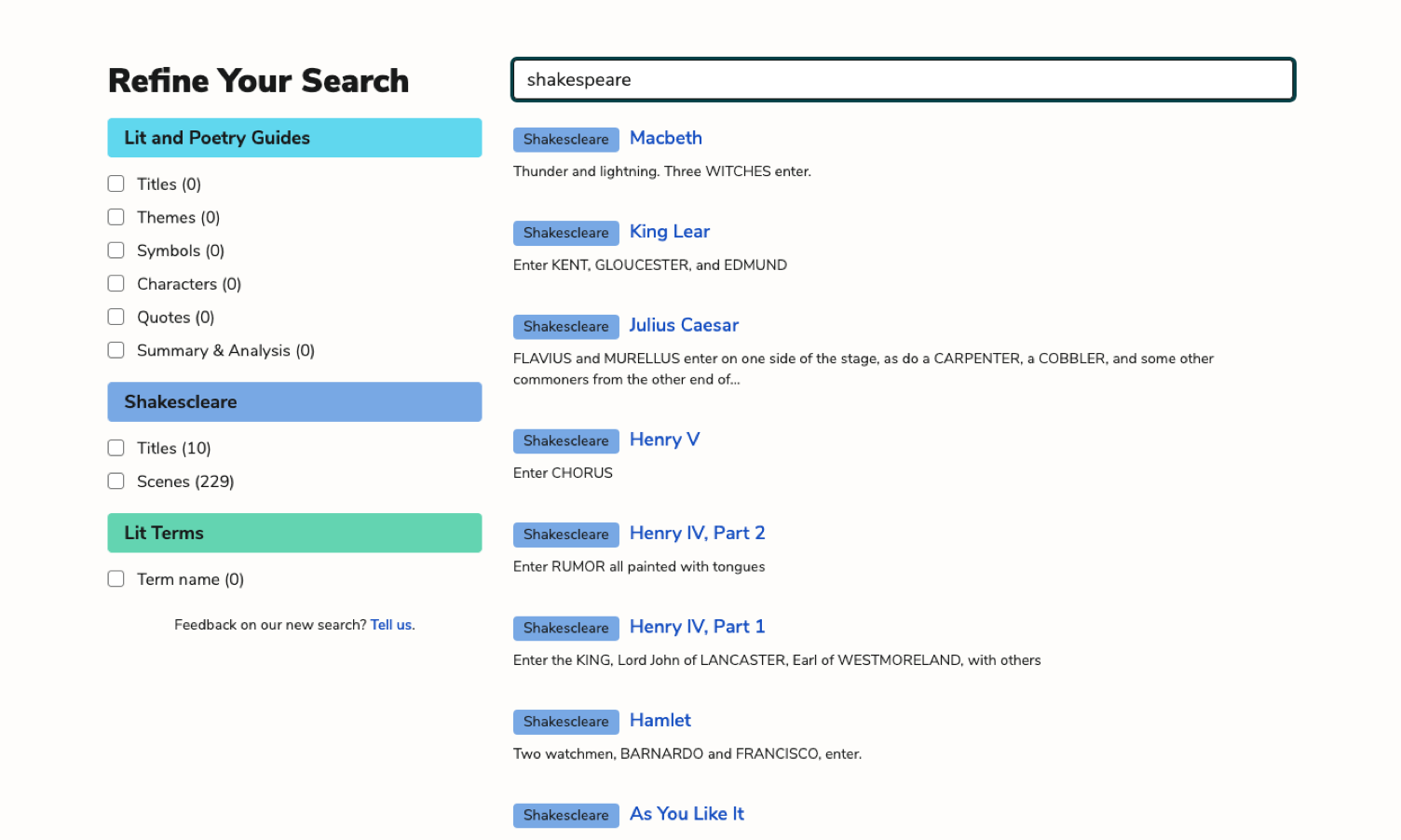
Advanced Search
Refine any search. Find related themes, quotes, symbols, characters, and more.

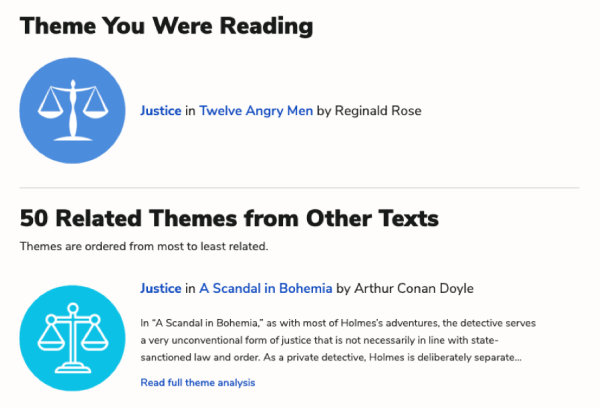
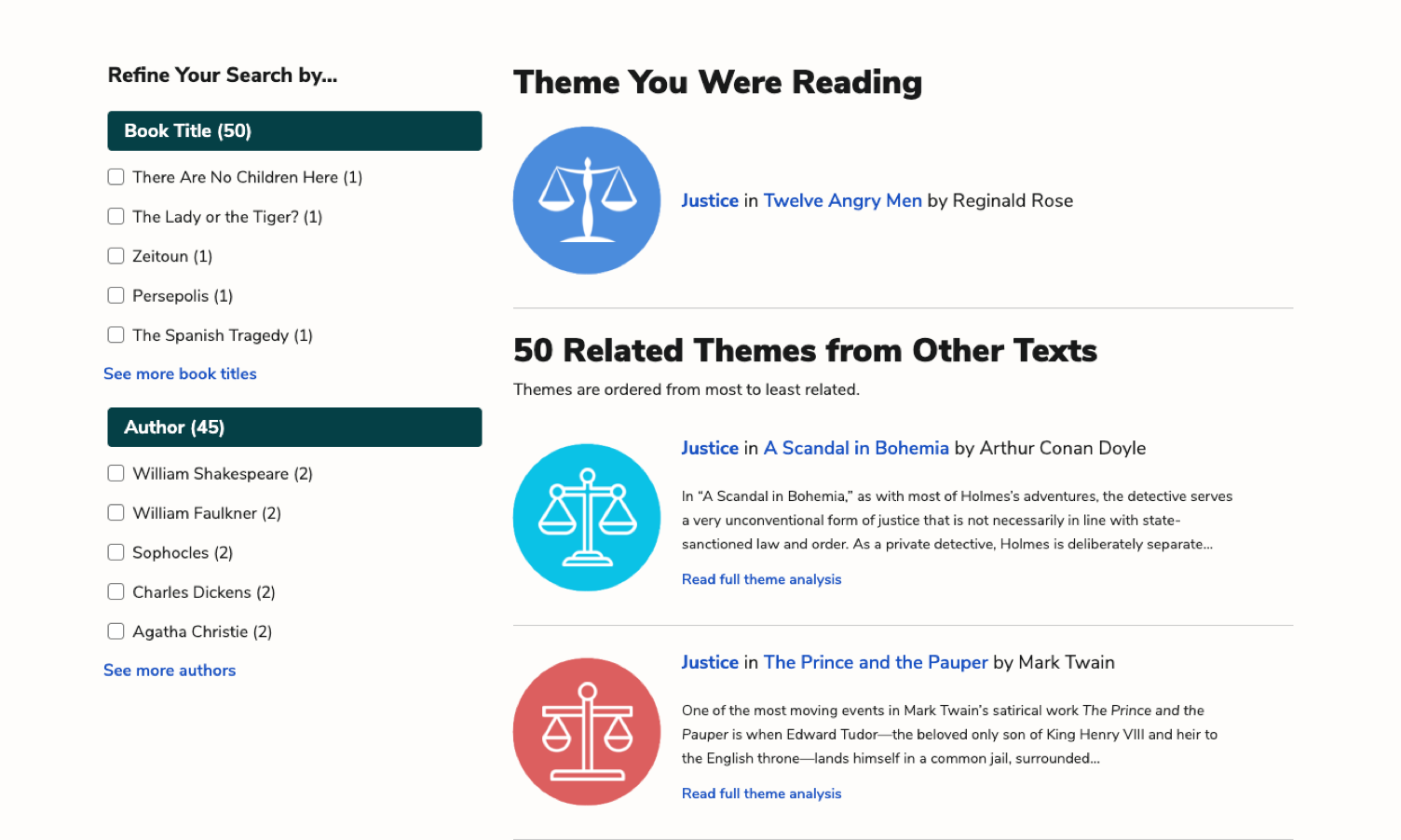
Related Themes
Comparing and contrasting texts? Find where any theme occurs across all of LitCharts in seconds.


Poetry Guides
Line-by-line explanations and analysis of figurative language and poetic devices.
For every lyric poem we cover.
For every lyric poem we cover.